Helambu Gosaikunda Trek Short Itinerary
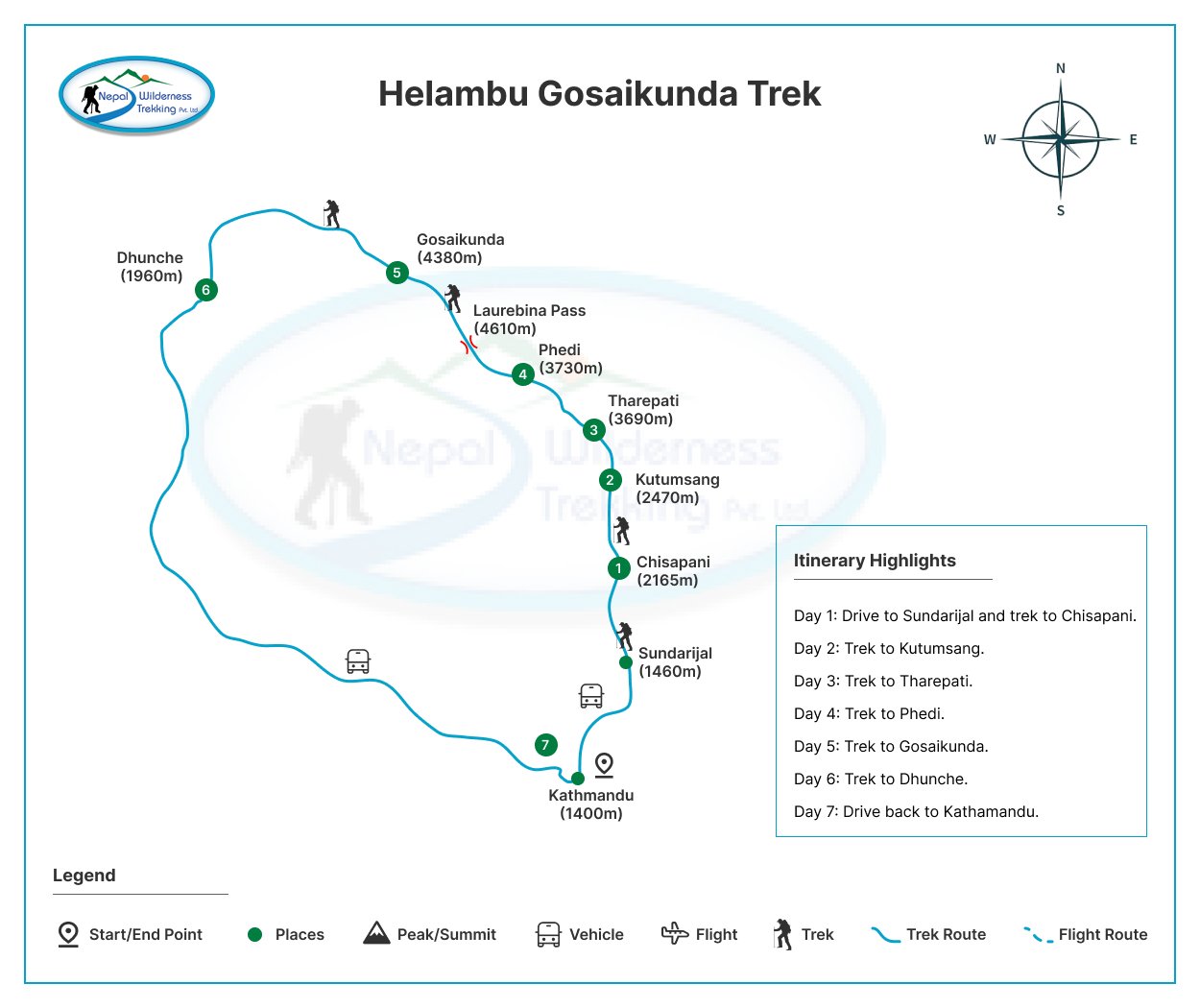
The Helambu Gosaikunda Trek is a cherished trekking route in Nepal, seamlessly blending the Helambu region’s natural splendor and cultural tapestry with the breathtaking alpine landscapes surrounding the Gosaikunda Lakes. This trek, spanning approximately 7 days, offers an exciting and moderately challenging adventure with steep ascents and descents, rewarding trekkers with a truly memorable experience.
The Helambu Gosaikunda Trek is a circular highland trek that connects the culturally rich Helambu region with the spiritually significant Gosaikunda Lake area, while also offering dramatic alpine landscapes and Himalayan views.
The Journey Begins: Sundarijal
Starting Point: Sundarijal / Shivapuri National Park
-
The trek typically begins from Sundarijal, just north of Kathmandu.
-
The trail climbs gradually through dense forests, waterfalls, and Tamang villages, entering Shivapuri Nagarjun National Park.
-
This section features lush vegetation, traditional farming communities, and views of rolling mid-hill landscapes.
Mid-Route: Entering the Helambu Region
-
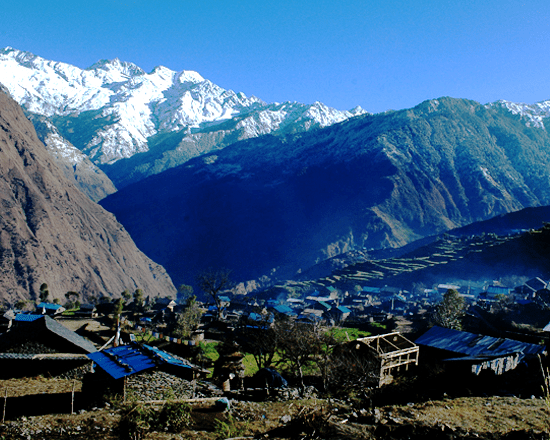
As the trail progresses, it enters the Helambu region, inhabited mostly by the Hyolmo people, a Buddhist ethnic group related to Sherpas.
-
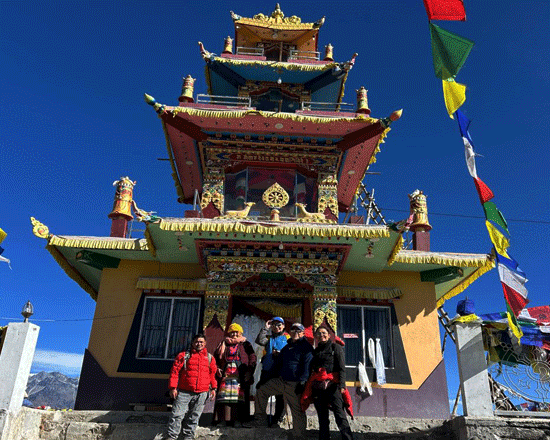
Villages such as Kutumsang, Tharepati, Melamchi Gaon, Tarkeghyang, and Sermathang feature classic stone houses, chortens, and old monasteries.
-
The area is less touristy than Langtang or Annapurna, offering authentic cultural experiences and peaceful forest trails.
Transition to High-Altitude Terrain
-
The route then transitions from the Helambu hills to the highlands as it approaches the Gosaikunda region.
-
Forests give way to rugged alpine landscapes.
-
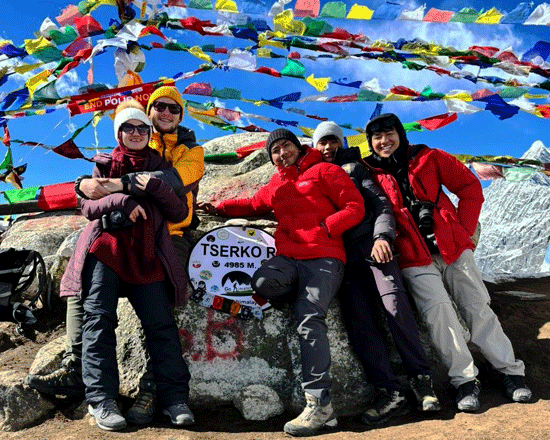
The trail climbs steadily to the Laurebina Pass (4,610 m) — the highest point on the trek- before descending into the Gosaikunda basin.
Gosaikunda: Sacred Lakes and Spiritual Core
-
Gosaikunda Lake is a sacred site in both Hindu and Buddhist traditions.
-
Surrounded by jagged peaks and smaller lakes like Saraswati Kunda and Bhairab Kunda, the area is dramatic and spiritually significant.
-
Pilgrims flock here during Janai Purnima (August), but the lakes are quiet and mystical most of the year.
Descent and Exit: Chandanbari – Dhunche or Melamchi Pul Bazaar
-
After Gosaikunda, the trail descends through pine and rhododendron forests.
-
You pass through Sing Gompa (Chandanbari), known for its monastery and cheese production.
-
Depending on the chosen exit route:
-
You either descend to Dhunche, then drive back to Kathmandu.
-
Or descend deeper into the Helambu Valley, eventually exiting at Melamchi Pul Bazaar.
A Brush with Nature and Wildlife
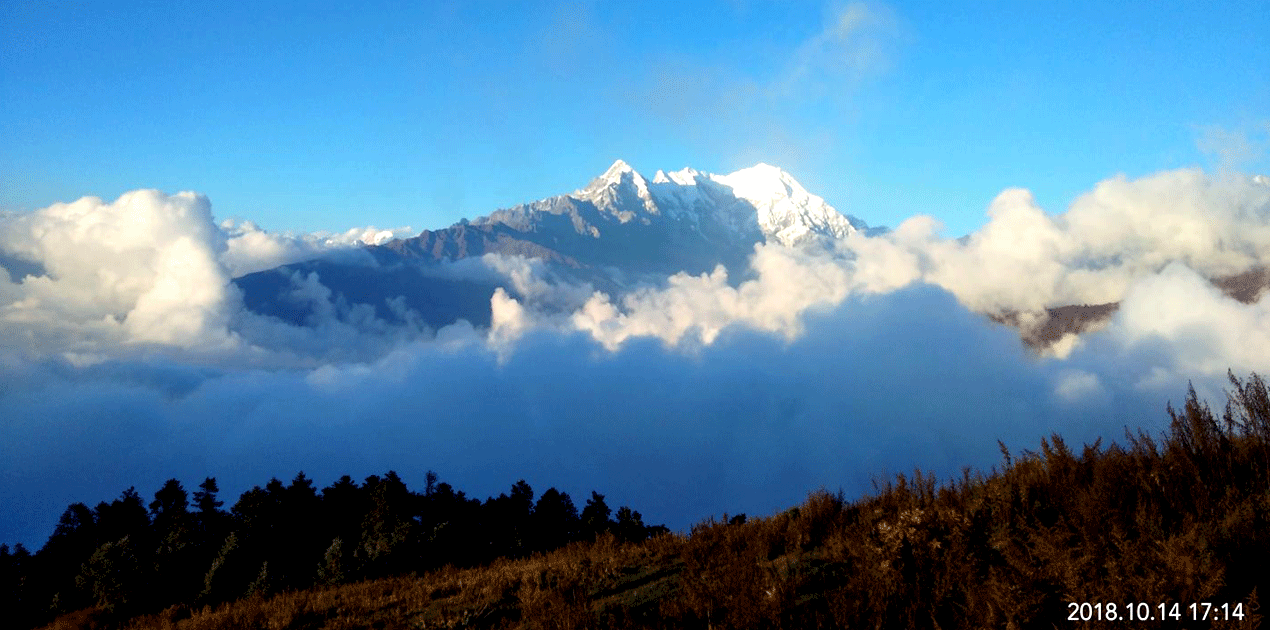
The trail through the Langtang Gosaikunda trek takes you into the heart of Langtang National Park and Shivapuri National Park, offering encounters with diverse flora, fauna, and even endangered wildlife species. The trek’s terrain showcases an array of ecosystems, from lush forests to rugged alpine landscapes. As you venture higher into the mountains, the chance to spot rare Himalayan wildlife, such as the elusive snow leopard and red panda, adds an extra layer of excitement to your trek. The area also boasts numerous bird species, making it a birdwatcher’s paradise. Amidst this rich natural tapestry, your trek will be punctuated by awe-inspiring views of snow-clad peaks, including Langtang Lirung, Ganesh Himal, Jugal Himal, and the Annapurna range, which serve as the best trek of Nepal.
A Unique Trail: Anti-Clockwise Exploration
While many trekkers opt for the clockwise route when exploring the Langtang Gosaikunda region, the Helambu Gosaikunda trek takes the anti-clockwise path, commencing from Sundarijal. This decision offers several advantages, including avoiding the crowds and savoring the unspoiled beauty of the landscapes. By taking the road less traveled, you can truly immerse yourself in the natural wonders that surround you.
Reaching the Sacred Gosaikunda Lakes
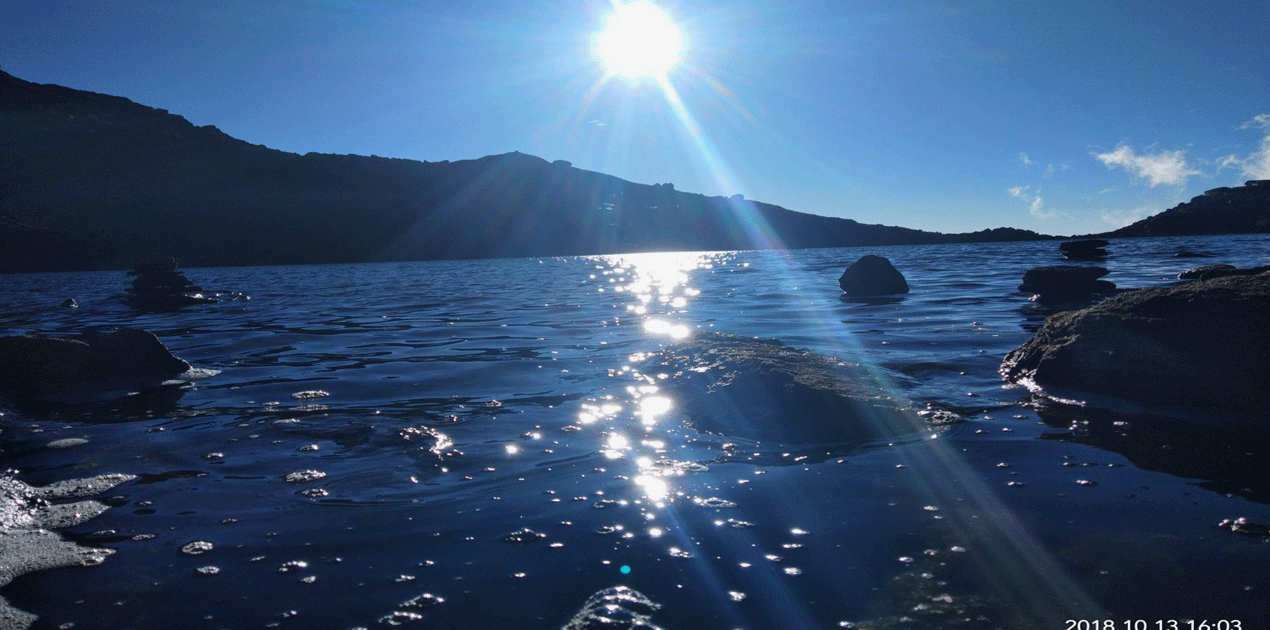
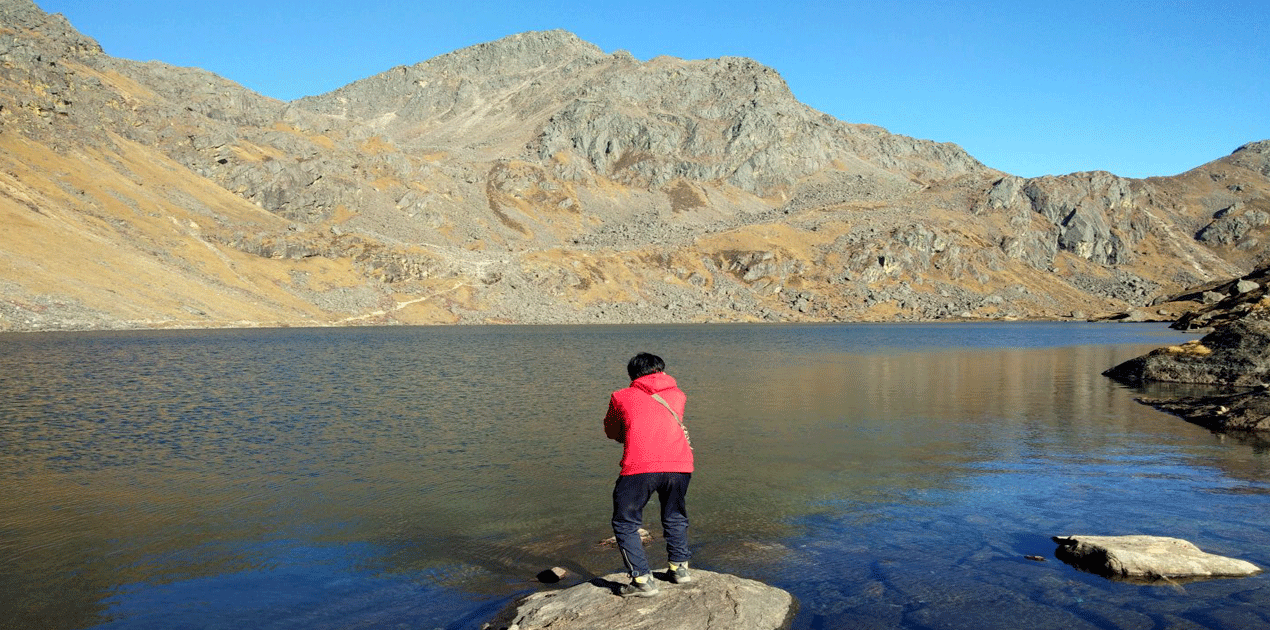
After a few days of trekking, you will arrive at the sacred Gosaikunda Lakes, nestled at an altitude of 4,380 meters. These lakes hold deep spiritual significance for both Hindus and Buddhists and are encircled by towering peaks and glaciers. A dip in the pristine, invigorating waters of these lakes is not only a refreshing experience but also an opportunity to soak in the awe-inspiring Himalayan vistas that surround you.
Flora, Fauna, and Culture of the Helambu Gosaikunda Trek
The Helambu Gosaikunda Trek offers a rich blend of natural beauty, diverse flora and fauna, and vibrant cultural experiences. As you ascend through the lush forests of Shivapuri National Park and into the Langtang region, you’ll encounter a wide variety of plant life, including oak, rhododendron, pine, and bamboo. In spring, the hills burst with color as rhododendrons bloom. Wildlife includes Himalayan monkeys, musk deer, Himalayan thars, and occasionally the elusive red panda and snow leopard.
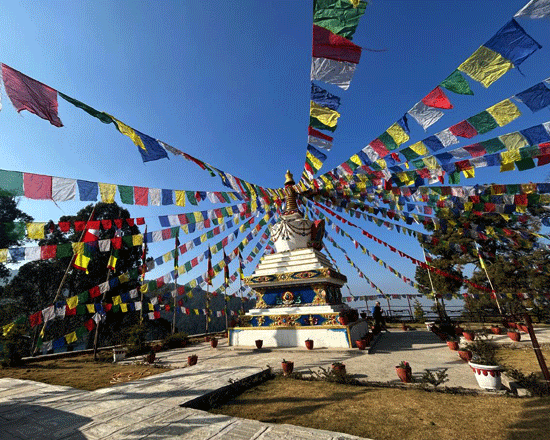
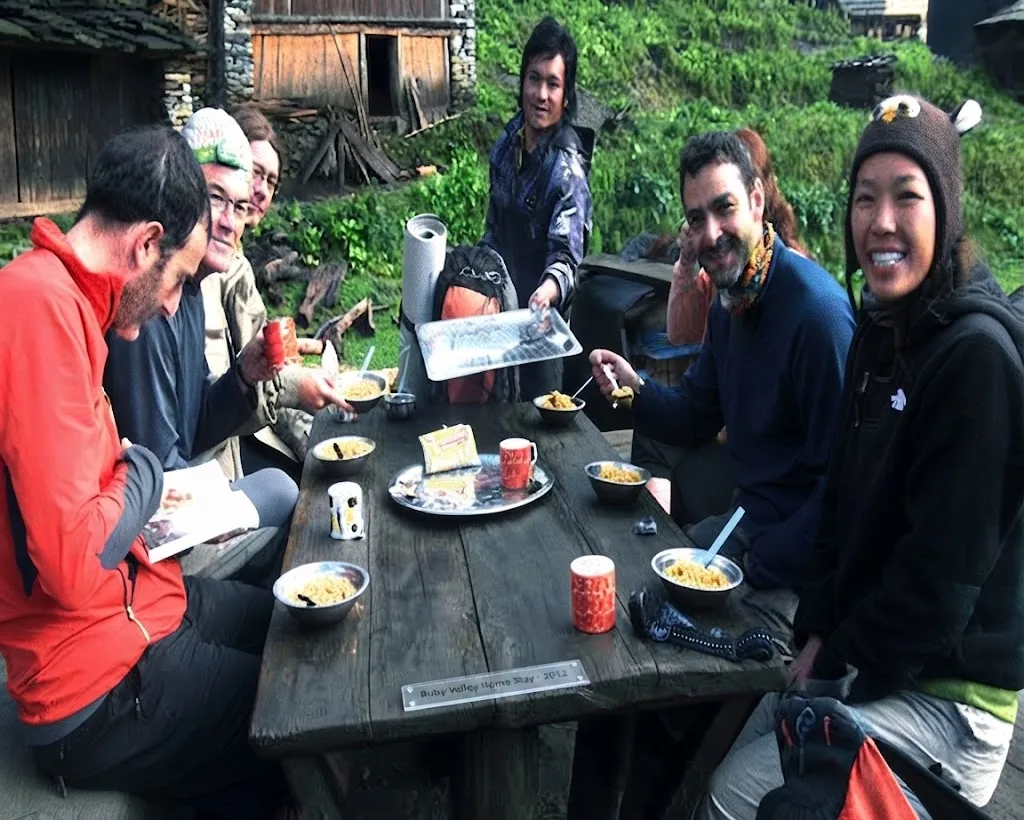
The Helambu Gosaikunda trek also immerses you in the culture of the Hyolmo and Tamang people. The Hyolmo, native to the Helambu region, are known for their Tibetan-influenced traditions, language, and Buddhist practices. You will pass through picturesque villages with ancient monasteries, prayer flags, and chortens, reflecting their spiritual lifestyle. The Tamang people, found closer to the Gosaikunda area, offer warm hospitality and share rich cultural expressions through dance, music, and festivals.
The sacred alpine lakes of Gosaikunda are central to both Buddhist and Hindu beliefs, attracting pilgrims during the Janai Purnima festival. This trek is a peaceful journey through Himalayan nature and spirituality, offering a unique and enriching experience for trekkers seeking both beauty and culture.
Best Time to Visit the Helambu Gosaikunda Trek
The Helambu Trek can be enjoyed throughout much of the year, but the best seasons are spring (March to May) and autumn (September to November). These months offer the most pleasant weather, clear mountain views, and ideal trekking conditions.
Spring (March to May) – Best for Flowers and Pleasant Weather
- Temperature: 10°C to 22°C at lower elevations; cooler at higher elevations.
- Weather: Mild with generally stable conditions.
- Highlights:
- Rhododendron forests in full bloom.
- Lush green hills and colorful landscapes.
- Excellent views of the Langtang, Ganesh Himal, and Jugal Himal ranges.
- Comfortable temperatures for trekking.
Autumn (September to November) – Best Overall Season
- Temperature: 8°C to 20°C.
- Weather: Clear skies, dry trails, and excellent visibility.
- Highlights:
- Crystal-clear mountain panoramas after the monsoon.
- Stable weather with low rainfall.
- Nepal’s major festivals, including Dashain and Tihar, add cultural charm.
- The most popular trekking season.
Winter (December to February) – Good for Quiet Trails
- Cold mornings and nights, with occasional snowfall at higher elevations.
- Clear skies on many days.
- Fewer trekkers, making the trail peaceful.
- Suitable for those comfortable with colder temperatures.
Monsoon (June to August) – Green Landscapes but Wet Conditions
- Frequent rain, especially in the afternoons.
- Lush forests, waterfalls, and vibrant scenery.
- Leeches may be present in forested sections.
- Mountain views can be limited due to clouds, though mornings are often clearer.
Helambu Gosaikunda Trek Difficulty
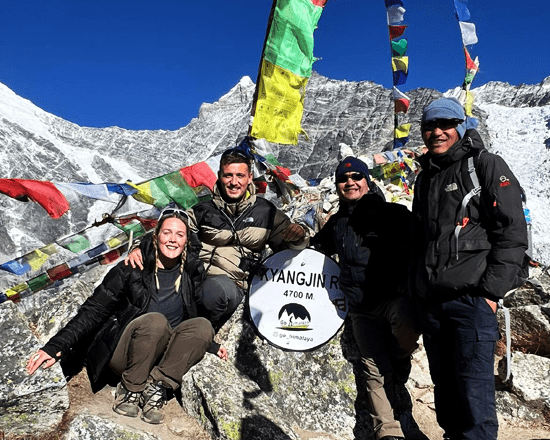
Helambu Gosaikunda Trek is considered moderate to challenging due to the higher altitude and the crossing of Laurebina La Pass (4,610 m / 15,125 ft). This route requires better physical fitness, proper acclimatization, and more trekking experience than the standard Helambu Trek.
The Helambu Gosaikunda Trek is considerably more demanding because of:
- High Altitude: Crossing Laurebina La Pass at 4,610 m significantly increases the risk of altitude sickness, making proper acclimatization essential.
- Longer Trek Duration: The trek typically lasts 10–14 days, requiring greater stamina and endurance.
- Steeper Terrain: Several days involve long, steep ascents and descents, particularly around Gosaikunda Lake and Laurebina La Pass.
- High Pass Crossing: The ascent to Laurebina La is physically demanding, especially if there is snow or ice during late autumn, winter, or early spring.
- Weather Conditions: Temperatures can fall well below freezing at higher elevations, with strong winds and occasional snowfall.
Tips to Make the Trek Easier
- Trek at a comfortable and steady pace.
- Allow enough time for acclimatization, especially on the Helambu Gosaikunda Trek.
- Stay well hydrated and eat nutritious meals.
- Use trekking poles to reduce strain on your knees.
- Pack only essential gear or hire a porter.
- Wear well-broken-in hiking boots with good ankle support.
- Avoid rushing, particularly when approaching higher elevations.
Helambu Gosaikunda Trek Package Costs
The Helambu Gosaikunda Trek package cost per person depends on the number of participants. For a Solo trekker, the cost gets higher compared to the group traveler because all expenses (guide, transportation, permits) are borne by a single individual, whereas in the group, the similar costs are broken down among individuals such as porters, guide, and transportation costs. The benefit for solo trekkers is a private, fully customized experience, greater flexibility in pace, itinerary, and decisions, ideal for those seeking solitude, personal reflection, or tailored experiences. Similarly, for the group, trekking is more economical and socially rewarding.
Your Trusted Guides: Nepal Wilderness Trekking
Nepal Wilderness Trekking Pvt has years of experience in Nepal’s trekking tourism, and our team of local trekking guides possesses in-depth knowledge of the region’s terrain, culture, and history. Their commitment to client expectations and ensuring their safety sets them apart. By choosing us as your trekking partner, you’re selecting a team dedicated to providing you with memorable experiences in the Nepalese Himalayas.
In summary
Helambu Gosaikunda Trek promises a journey that blends the best of nature and culture. It’s a trek that invites you to explore the beauty of the Helambu region, experience the stunning Gosaikunda Lakes, and immerse yourself in the local way of life. With Nepal Wilderness Trekking as your guide, you’ll venture into this enchanting world, creating memories that will last a lifetime. So, gear up for an adventure, embrace the culture, and let the tranquility of the Helambu Gosaikunda Trek hold your soul. Moreover, trekkers who wish to go even deeper can extend their journey to Ama Yangri, a powerful pilgrimage peak near Tarkeghyang in the Helambu region. At 3,771 meters, Ama Yangri is the highest non-technical peak in the area and can be reached in a day hike.
Departure Note
All published departure dates listed below are 100% guaranteed to operate.
If the scheduled departure dates do not align with your travel plans, we would be pleased to arrange a private trek on your preferred dates at the same cost. Whether you are traveling solo, with family, friends, or as part of a group, we can customize the itinerary to suit your schedule, interests, and trekking experience.
Our team will be delighted to design a personalized itinerary and help you create an unforgettable trekking experience in Nepal.