Namche Bazaar Trek
The Namche Bazaar Trek is the most popular and sought-after trekking route in the Everest region, renowned for its awe-inspiring Everest Panorama View. This captivating journey begins with a flight to Lukla, home to Hillary’s tiny airport, and culminates after a night’s rest in Phakding or Manjo. For those who wish to glimpse the majestic Mount Everest within a relatively short timeframe, the four-day Lukla to Namche Bazaar Trek (commonly called the Everest Panorama View Trek) is the perfect choice.
Namche Bazaar is a major attraction for trekkers from all around the world, drawn by the glory of the Everest Base Camp Trek. In terms of commercial activity, Namche Bazaar stands out among other trekking regions, offering a wide range of hotels with high-quality accommodation.
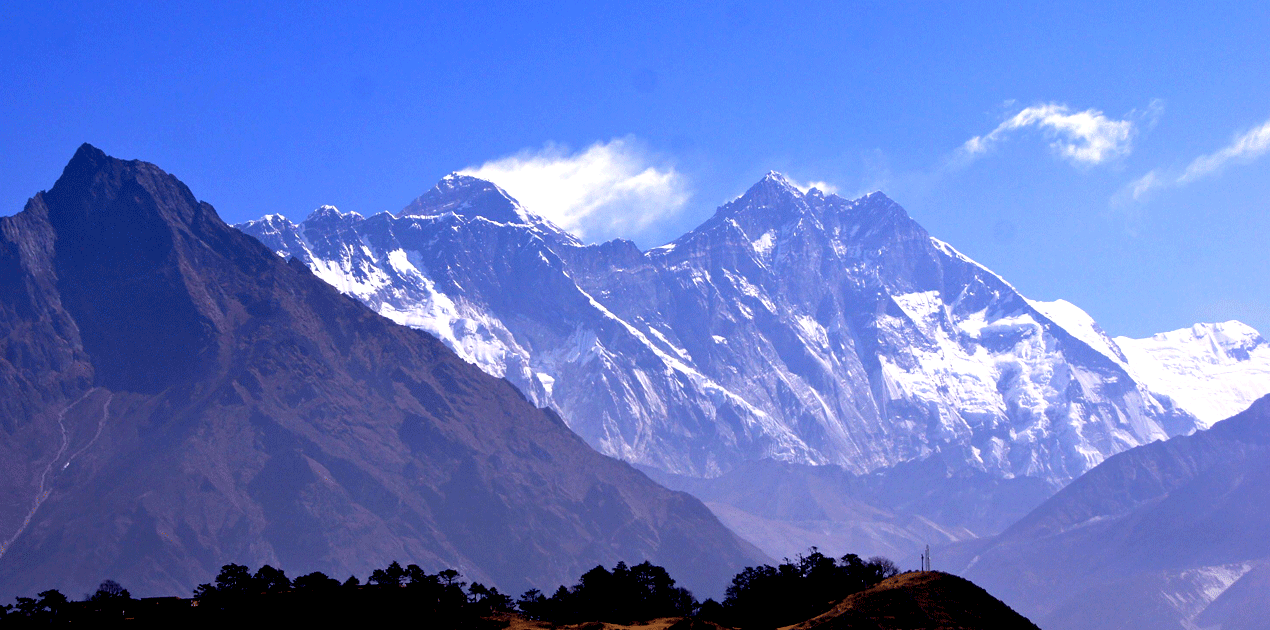
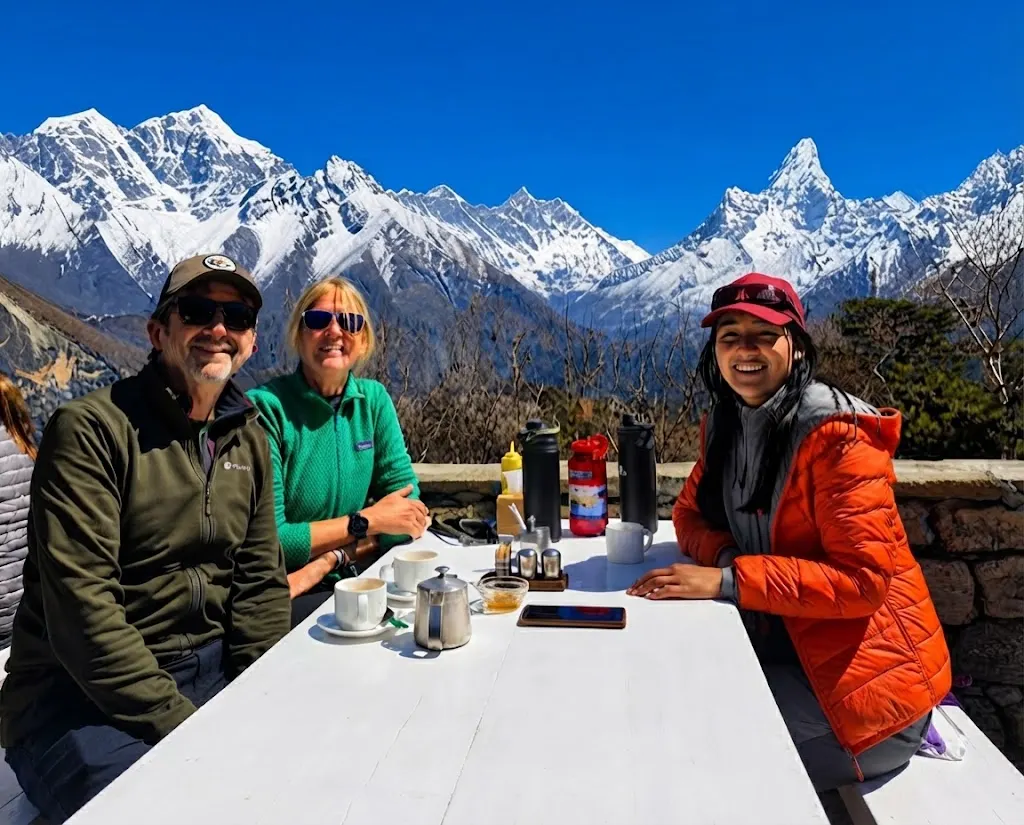
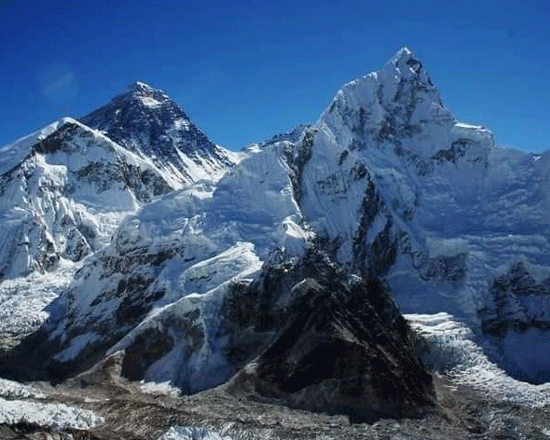
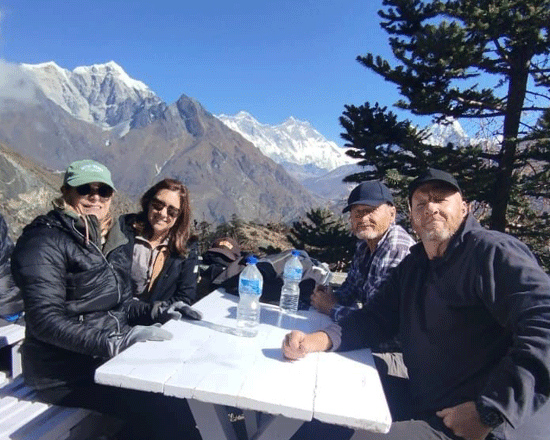
At an altitude of 3,440 meters above sea level, Namche Bazaar is home to the renowned Sherpa Museum. From this viewpoint, one can capture the best view of the world’s highest peak, Mount Everest, along with an array of other pristine white-capped peaks.
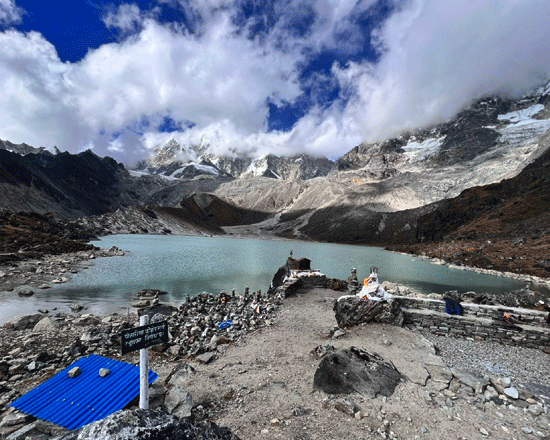
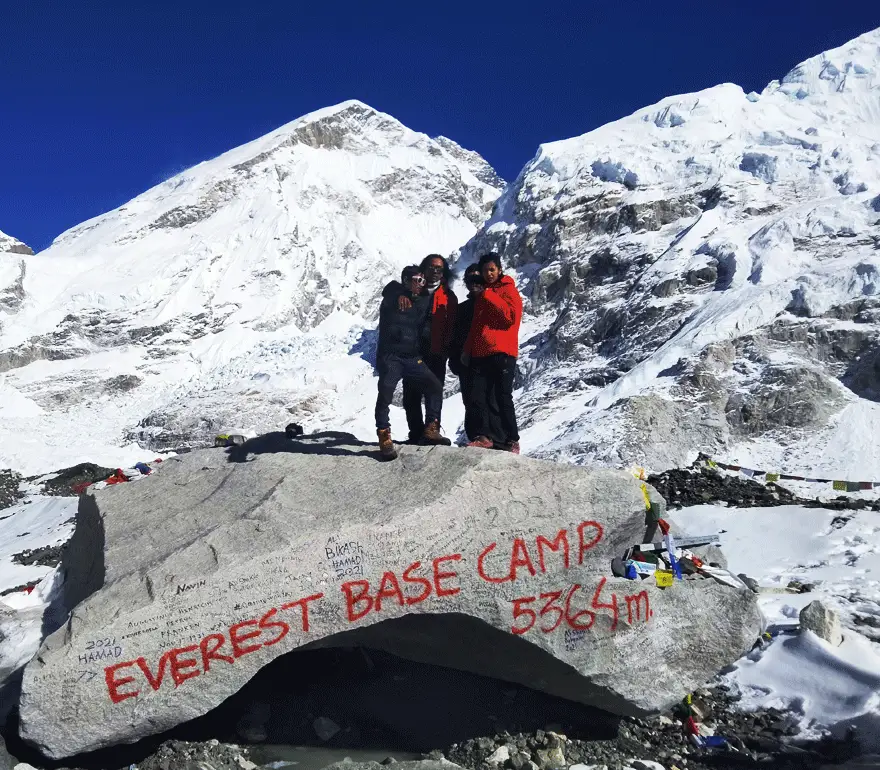
For trekkers venturing into the Everest region, the Namche Bazaar Trek serves as the gateway for the Gokyo Lakes and Everest Base Camp via the Three Passes trek. Trekkers typically spend at least two nights in Namche Bazaar to facilitate acclimatization to the high-altitude environment. The village boasts numerous shops and lodges, ensuring that trekkers can procure almost everything they require for their journey at slightly higher prices than those in Kathmandu. As one ascends further into the Khumbu, costs tend to rise.
Highlights of Namche Bazaar Trek
- Sagarmatha National Park Visitor Center: Offers information about the park’s biodiversity, geology, and conservation efforts.
- Sherpa Culture Museum: Displays artifacts and exhibits related to Sherpa history, culture, and mountaineering.
- Namche Monastery: A significant religious site for the local Buddhist community.
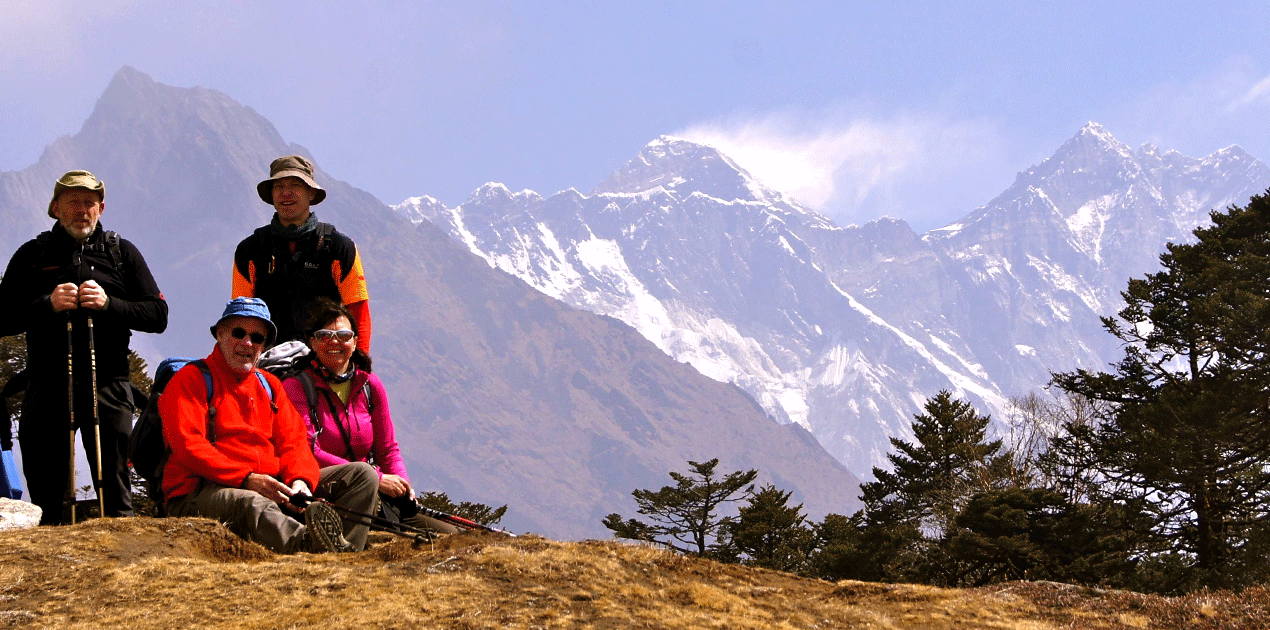
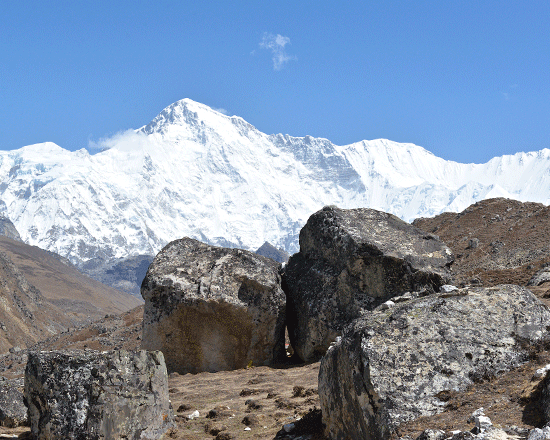
- Sightseeing: Stunning Everest, Lhotse, Ama Dablam, and other peaks can be enjoyed from various vantage points around Namche.
-
Population: Around 1,500–2,000 permanent residents.
-
Gateway to: Everest Base Camp and Sagarmatha National Park.
-
Primary economy: Tourism and mountaineering support services.
- Friday Market: A weekly market where locals and trekkers can buy fresh produce, clothing, and other goods.
Exploring the Sherpa Culture and History in the Namche Bazaar Trek
Culturally, Namche provides a rich introduction to Sherpa heritage. Visitors can explore monasteries, museums, and traditional villages, gaining insight into Buddhist practices, mountaineering history, and local mountain life.
- Inhabitants: Primarily Sherpa people, known for their mountaineering skills and rich cultural heritage.
- Language: Sherpa and Nepali, with English, commonly spoken in the tourism sector.
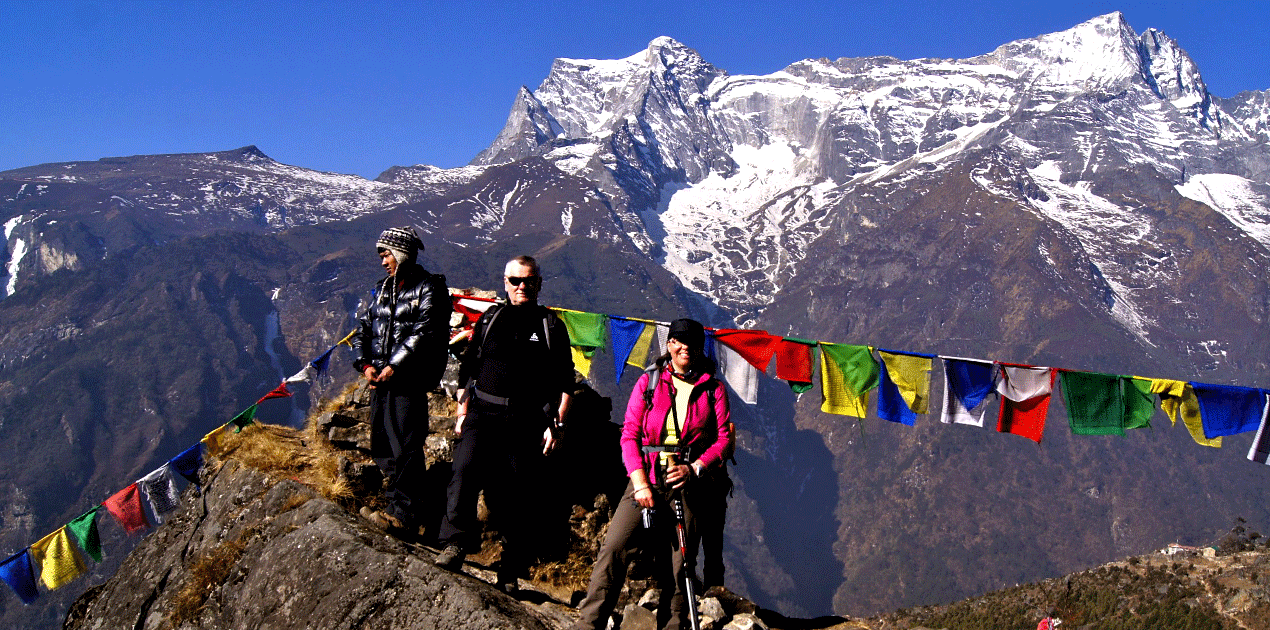
- Religion: Predominantly Tibetan Buddhism, evidenced by the presence of monasteries, prayer flags, and mani stones.
Sherpa Museum
The Sherpa Museum provides valuable insights into the rich weaving of Sherpa heritage. Additionally, the Sherpa Culture Library offers opportunities for in-depth research and exploration of the Sherpa culture. Additionally, here are the key exhibits and features showcased in the museum;
Sherpa Artifacts and Tools
- Traditional Clothing: Displays of traditional Sherpa attire, including the distinctive chuba (a long-sleeved robe), are worn during different seasons and ceremonies.
- Household Items: Collection of everyday utensils, tools, and kitchenware used by Sherpa families.
- Agricultural Tools: Implements used in farming and animal husbandry, the traditional lifestyle of the Sherpa community.
Mountaineering Equipment
- Historic Gear: Early climbing equipment used by Sherpa climbers and Western mountaineers, including ice axes, crampons, ropes, and oxygen tanks.
- Expedition Artifacts: Memorabilia from famous Everest expeditions, including items used by Sir Edmund Hillary and Tenzing Norgay during their historic ascent in 1953.
Photographs and Documents
- Historic Photographs: Archival photos depicting the history of mountaineering in the Everest region, notable Sherpa figures, and significant cultural events.
- Documents and Letters: Important documents, expedition logs, and personal letters from prominent climbers and explorers.
Cultural and Religious Artifacts
- Religious Items: Displays of Buddhist religious artifacts, such as prayer wheels, thangkas (Tibetan Buddhist paintings), and statues of deities.
Ceremonial Items: Items used in traditional Sherpa ceremonies and rituals highlight the rich spiritual heritage.
Sherpa Lifestyle and Traditions
- Daily Life: Insights into the daily routines, customs, and social structure of the Sherpa people.
- Festivals and Celebrations: Information on major Sherpa festivals like Losar (Tibetan New Year) and Dumje, including the rituals and activities associated with these celebrations.
Mountaineering History
- Everest Expeditions: Detailed accounts of significant Everest expeditions, focusing on the role of Sherpa climbers and their contributions to mountaineering.
- Sherpa Climbers: Profiles of renowned Sherpa climbers who have made significant achievements in the field of mountaineering.
Additional Features includes
1. Multimedia Presentations
- Documentary Films: Screenings of documentaries about Sherpa culture, the history of mountaineering in the Everest region, and the environmental challenges faced by the Himalayas.
- Interactive Displays: Touchscreen exhibits and audio-visual presentations that provide an engaging way to learn about Sherpa culture and mountaineering history.
2. Replica Sherpa House
- Traditional Home Setup: A full-scale replica of a traditionally furnished Sherpa house, showcasing architectural style and interior layout.
3. Educational Programs
-
- Guided Tours: Expert-led tours that offer in-depth explanations of the exhibits and additional context about Sherpa culture and history.
- Workshops and Talks: Occasional workshops and lectures by historians, climbers, and local experts on various topics.
Namche Bazaar Trek Difficulty Level
- Level: Moderate
- Suitable for: First-time trekkers with basic fitness.
- Main challenge: Steep ascent and altitude gain rather than technical climbing.
Overall, the Namche Bazaar trek is achievable for most people with reasonable fitness, especially when taken at a steady pace.
Best Season for the Namche Bazaar Trek
The trek to Namche Bazaar can be done almost year-round, but some seasons offer much better weather, clearer mountain views, and safer trail conditions.
1. Spring (March to May) – One of the Best Seasons
Spring is a highly popular trekking season. The weather is generally stable, with moderate temperatures and clear mornings. Rhododendron forests bloom along the trail, making the landscape especially beautiful. Mountain views are usually excellent during this period.
2. Autumn (September to November) – Best Overall Season
Autumn is considered the best time for trekking in Nepal. After the monsoon, the air becomes clean, and visibility is at its peak. The weather is dry, stable, and ideal for both trekking and photography. This is also the busiest season on the Everest trail.
3. Winter (December to February) – Cold but Peaceful
Winter trekking is possible, but much colder, especially at night. Trails are quieter, offering a more peaceful experience. However, snow may occasionally affect higher sections, and proper warm gear is essential.
4. Monsoon (June to August) – Least Recommended
The monsoon season brings heavy rain, cloudy skies, and slippery trails. However, the Everest region is less affected than some other parts of Nepal, and occasional trekking is still possible for experienced trekkers who prefer fewer crowds.
Why Namche Bazaar Trek is the Heart of the Everest Region?
Namche is the first major settlement where trekkers truly feel immersed in high Himalayan life. It plays a crucial role in acclimatization, as most itineraries include at least one rest day. During this time, trekkers often hike to nearby viewpoints like Everest View Hotel or Khumjung village to help their bodies adjust safely to altitude.
Beyond its medical and logistical importance, Namche is the economic center of the Khumbu region. It offers some of the best-developed trekking infrastructure in the Himalayas, including lodges, bakeries, cafés, gear shops, and internet services. This level of comfort, rare at high altitude, makes it a vital support point for expeditions heading deeper into the mountains.
Every Saturday, a bustling bazaar descends upon Namche, attracting individuals from the surrounding areas to exchange goods. Namche Bazaar, the central hub of the Khumbu region, offers a vibrant marketplace where the locals trade a diverse array of products.
The Sagarmatha National Park office, with commanding views of Tengboche Monastery, Kongde Ri at 6,187 meters, and Thamserku at 6,608 meters.
Tips for the Namche Bazaar Trek
- Health Precautions: Stay well hydrated, eat regularly, avoid alcohol and smoking, and monitor early symptoms of altitude sickness such as headache, nausea, dizziness, or loss of appetite. Ascend gradually and take rest days when needed.
- Respect Local Culture: Dress modestly, ask permission before taking photos of people, and respect monasteries, prayer flags, and other religious sites. Walk clockwise around religious monuments as a sign of respect.
- Sun Protection: Use sunscreen, sunglasses, and a hat, as UV exposure is very strong at high altitude.
- Pace Yourself: Walk slowly and steadily (“slow and steady” is key in the Himalayas) to help your body adapt to altitude.
- Eat Properly: Choose light, energy-rich meals and avoid overeating at high altitude to support digestion and stamina.
- Carry Basic Medications: Bring personal medications, altitude sickness tablets (if prescribed), and a basic first-aid kit.
- Stay Warm and Dry: Dress in layers and keep dry to avoid cold-related illnesses, especially in the evenings and early mornings.
- Listen to Your Body: Do not ignore persistent symptoms; descend if altitude sickness symptoms worsen.
Guided by Professionals: The Namche Bazaar Trek Experience
The Namche Bazaar Trek, including the Everest Panorama View Trek, is led by the expert team, Nepal Wilderness Trekking. Our professional guides are very familiar with the Namche Bazaar area, having deep insights into its people, cultures, histories, and natural wonders. Our dedicated guides and porters are insured and well-equipped to ensure your safe and comfortable journey. We think of exceptional service to our valued customers, ensuring the Namche Bazaar Trek is nothing short of extraordinary.
Note
The Namche Bazaar trek can be arranged with flexible departure dates, allowing travelers to plan their journey according to their personal schedule and travel convenience. Unlike fixed group departures, this trek can be customized based on individual preferences, making it ideal for solo trekkers, couples, or private groups.