Paldor Peak Climbing: Nepal’s Perfect Beginner Mountaineering Peak
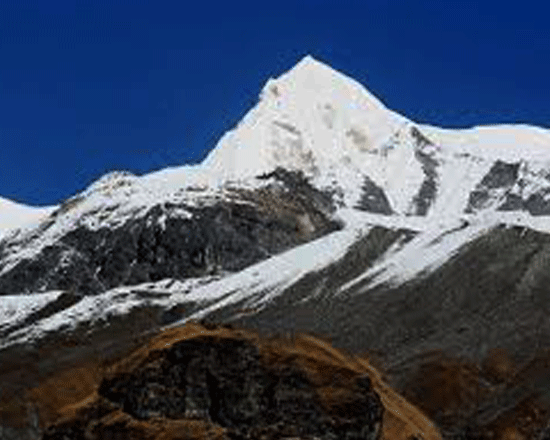
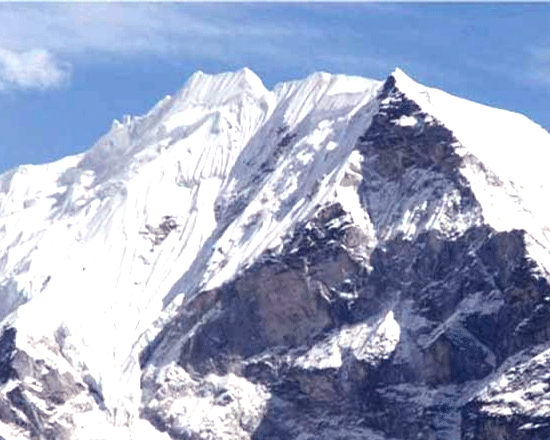
Paldor Peak climbing is a beautiful and challenging mountain adventure in Nepal. It is located in the Ruby Valley of the Ganesh Himal region, northwest of Kathmandu. With an elevation of 5,896 meters, Paldor Peak is not extremely high compared to other Himalayan mountains; however, it is still a challenging climb that requires good fitness and basic mountaineering skills.
Paldor Peak is ideal for climbers seeking a quiet and less crowded route. The journey offers amazing mountain views, rich local culture, peaceful nature, and excellent acclimatization. Paldor Peak is officially listed as a Group B trekking peak by the Nepal Mountaineering Association.
Location and Mountain Setting
Paldor Peak lies between the Ganesh Himal and Langtang Himal ranges. It is part of the remote Ruby Valley, a region still untouched by mass tourism. The area is known for deep valleys, high passes, glaciers, forests, and traditional villages.
The mountain is connected to Tiru and Karpu Danda. Rivers like the Malling Khola flow down from the mountain and join the Trishuli River. This natural setting makes the trek to Paldor Peak very scenic and peaceful.
History of Paldor Peak
Paldor Peak was first climbed in 1974 by John Cleare and Ian Howell. Since then, only a small number of climbers visit this mountain each year. Because of this, the trails remain quiet and natural.
The West Ridge is the most common route to the summit. It is safe and well-known among climbing guides, although weather and snow conditions can change the route.
Himalayan Views from the Summit
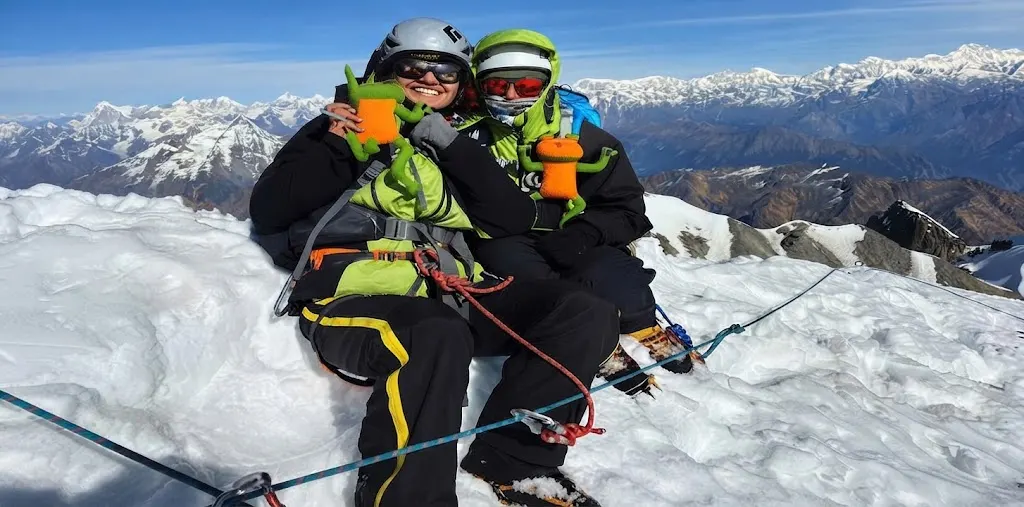
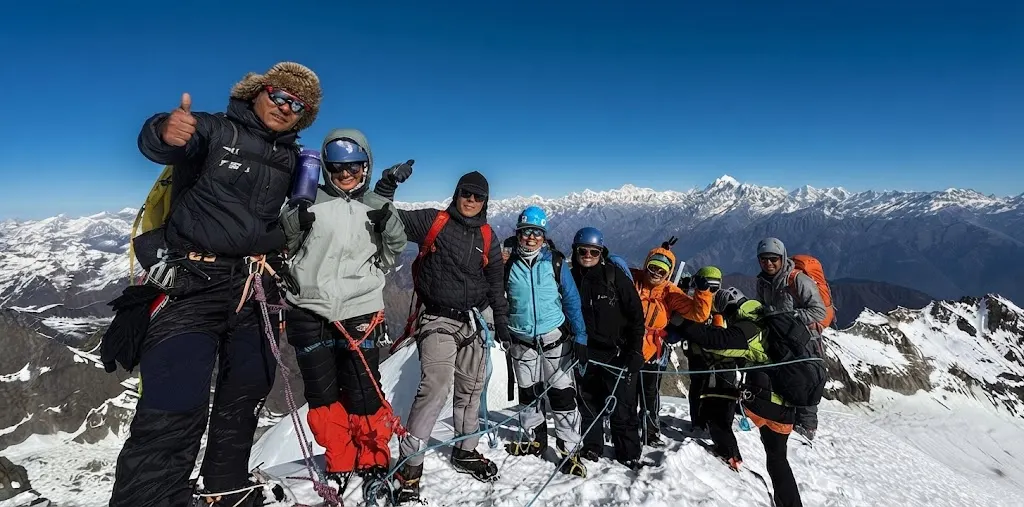
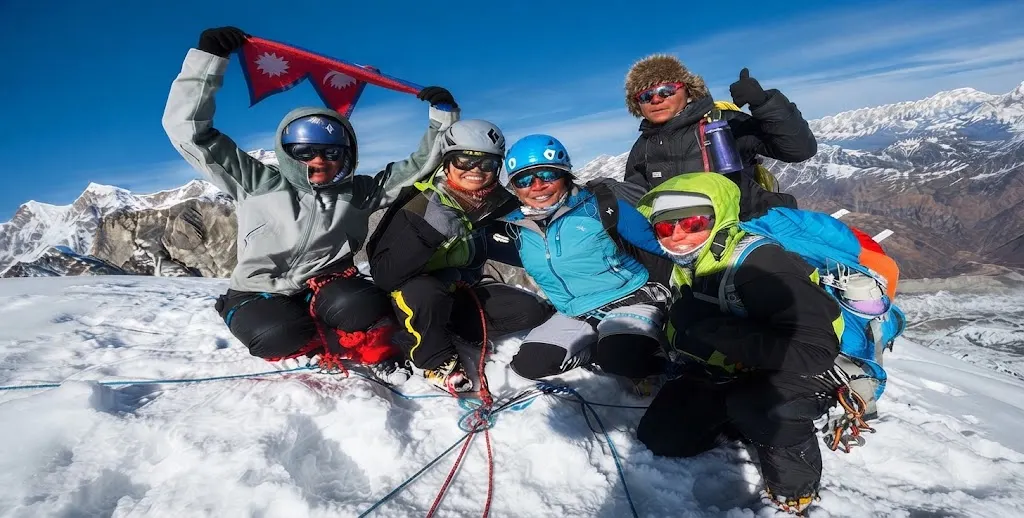
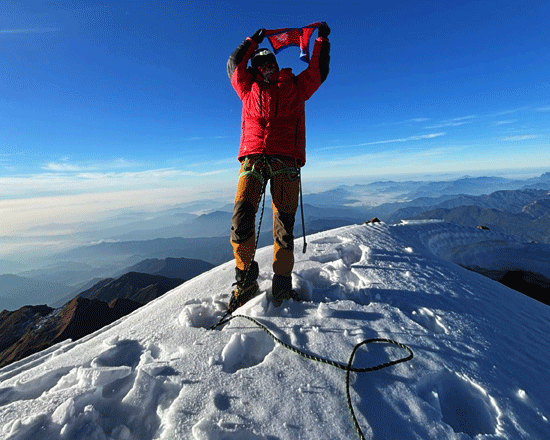
Reaching the top of Paldor Peak is very rewarding. From the summit, climbers can see many famous Himalayan mountains all around.
Some of the main peaks visible from the summit include:
- Langtang Lirung
- Langtang Ri
- Ganesh I
- Ganesh V
- Manaslu
These mountains create a stunning 360-degree Himalayan view. On a clear day, the scenery is unforgettable.
Ruby Valley Route and Better Acclimatization
One of the biggest advantages of Paldor Peak climbing is the Ruby Valley trekking route. This route allows climbers to gain altitude slowly. Because of this, the body has more time to adjust to the height.
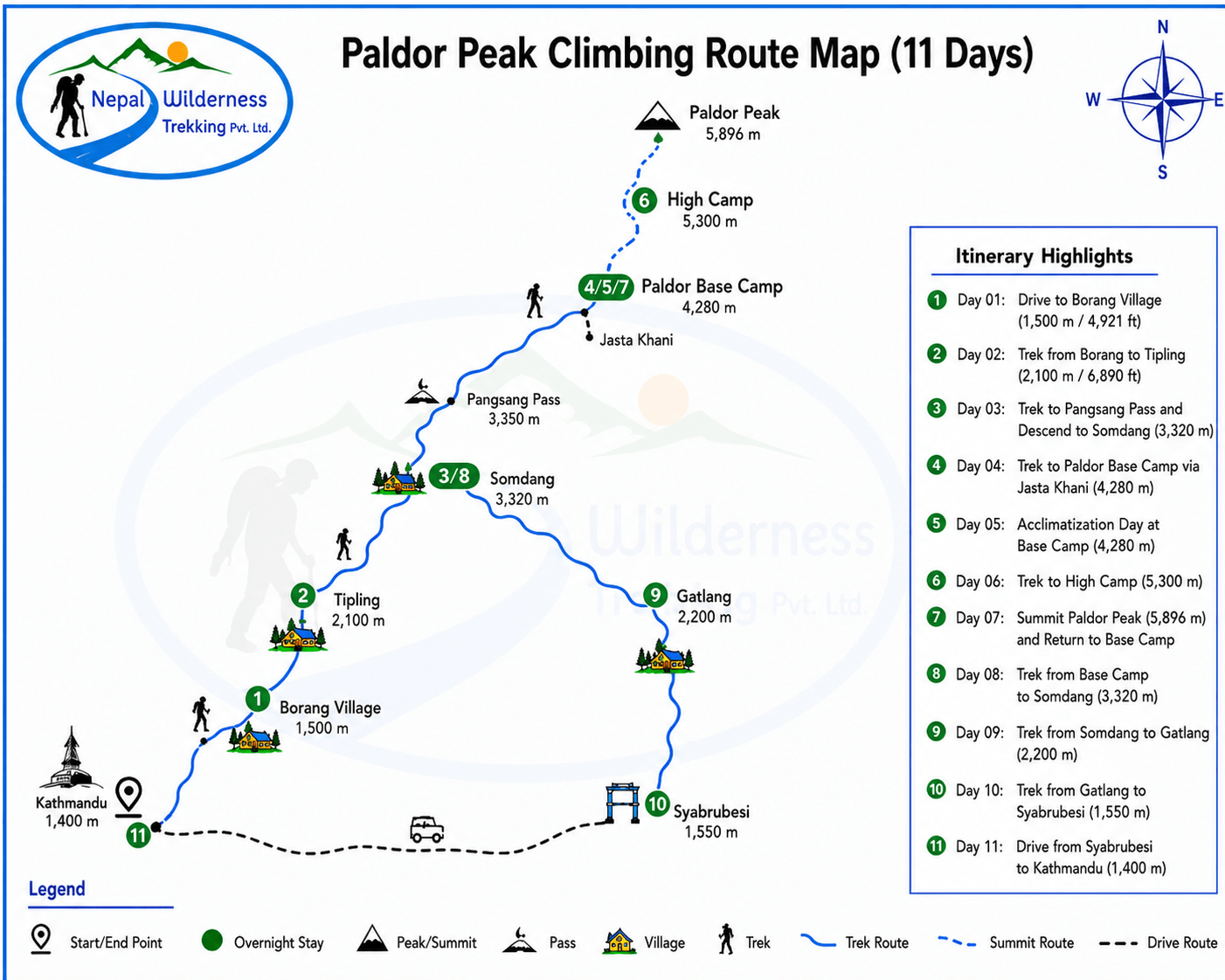
The trip usually starts with a drive from Kathmandu to Dhading Besi. From there, the trek passes through villages such as:
- Darkha
- Borang
- Sertung
- Tipling
- Pangsang La Pass
- Somdang and Paldor Base Camp
This gradual climb helps reduce the risk of altitude sickness. Rest days and short walks are included to support safe acclimatization. This makes Paldor Peak a good option even for climbers new to Himalayan climbing but who have trained well.
Culture and Local People
The Ruby Valley is home to the Tamang and Gurung communities. These people have lived in the mountains for generations. Their lifestyle, language, and traditions are still very strong.
While trekking, you will see:
- Buddhist monasteries and prayer flags
- Stone houses and small farms
- Traditional clothing and daily village life
Local people are friendly and welcoming. Staying in village lodges or camps supports the local economy and gives visitors a real cultural experience.
Flora and Fauna
Paldor Peak lies within the Langtang National Park, which is known for its natural beauty and wildlife.
Plants
As you walk higher, the plants change:
- Lower areas have pine and sal forests
- Mid-hills have oak and rhododendron forests
- Higher areas have alpine grass, bushes, and moss
In spring, colorful rhododendron flowers make the trek even more beautiful.
Animals
Wildlife in this area includes:
- Himalayan tahr
- Musk deer
- Langur monkeys
- Himalayan birds
Because the area is quiet, wildlife is often easier to see.
Optional Extension: Langtang Valley Trek and Tamang Heritage Trail
After or before climbing Paldor Peak, you can add the Langtang Valley Trek and Tamang Heritage Trail. This gives more time to enjoy mountains, nature, and local culture. The trail passes through forests, rivers, yak pastures, and traditional Tamang villages like Gatlang and Briddim. You can also see monasteries, prayer flags, and local life, making it a rich cultural experience.
Pangsang La Pass – Key Part of the Route
While trekking from Tipling to Somdang, climbers must cross Pangsang La Pass. This high mountain pass offers panoramic views of Ganesh Himal, Langtang range, and even Manaslu on clear days. It also serves as a great acclimatization point before reaching Paldor Base Camp.
Pangsang La Pass is essential for anyone following the original Ruby Valley route and adds scenic and cultural value to the trek.
Nature and Landscape
The journey to Paldor Peak shows many different landscapes in one trip. You will walk through:
- Green hills and forests
- Waterfalls and rivers
- High mountain passes
- Glaciers and snowfields
This mix of nature makes the trek interesting every day.
Paldor Peak Climbing Cost
The cost of Paldor Peak Climbing depends on the itinerary, group size, and services included. Most guided expeditions range from USD 2,800 to USD 3,000 per person, covering permits, professional climbing guides, porters, accommodation, meals during the trek, transportation, and camping equipment above base camp. Luxury or private expeditions with additional support and customized services may cost more.
The larger the group the lower the cost becomes for the Paldor Peak Climbing. Although the price per person decreases, every climber still receives the same essential services, including professional guides, safety equipment, permits, meals, accommodation, and logistical support. This makes joining a group departure an excellent option for travelers looking to enjoy a professionally organized expedition at a more affordable price.
Difficulty Level of Paldor Peak Climbing
Although Paldor Peak is under 6,000 meters, it is not an easy climb. Good physical fitness and mental strength are very important.
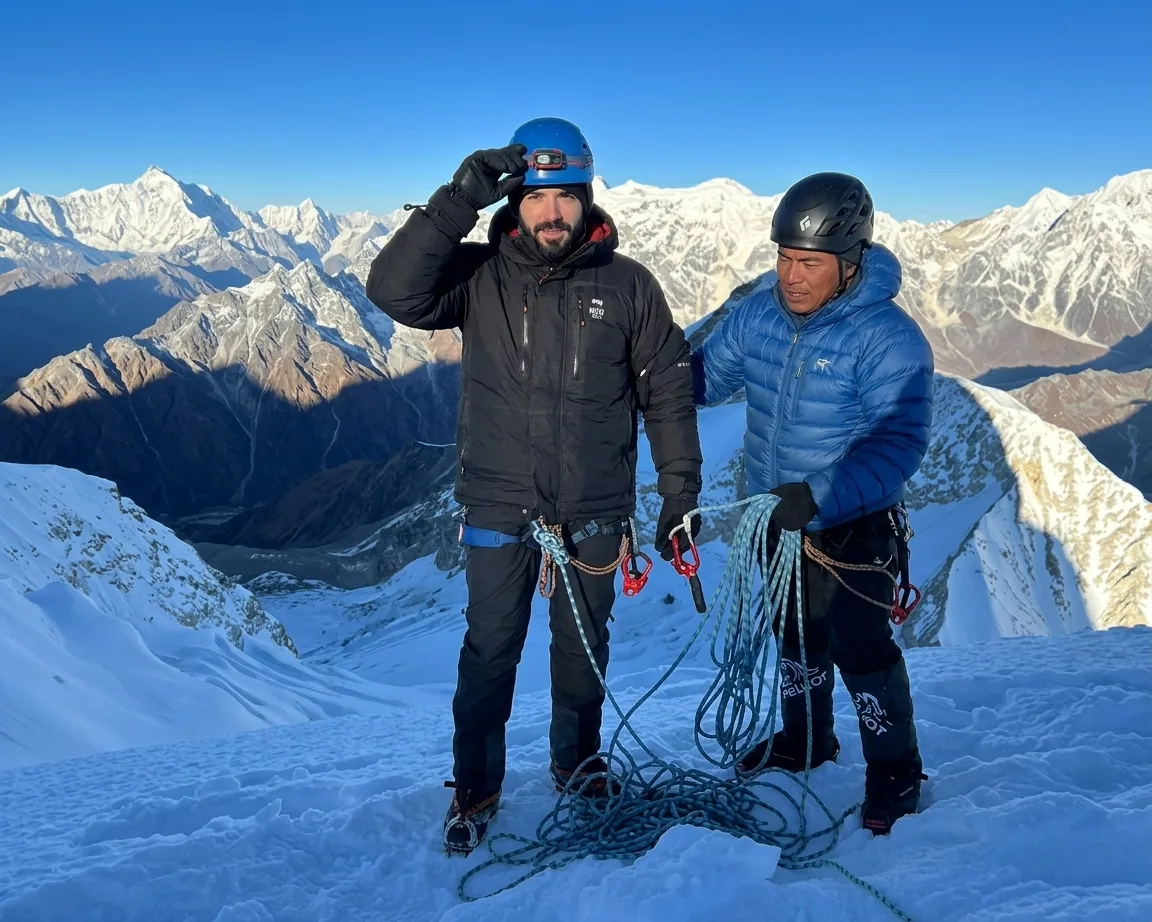
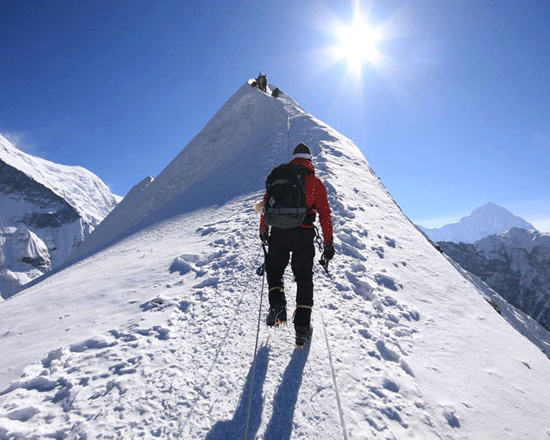
Each day, climbers walk about 6–7 hours on rough trails. Near the summit, the route becomes steep and icy. The final part of the climb is around 45 degrees, and climbers must use ice axes, crampons, ropes, and safety equipment.
Basic knowledge of mountaineering tools is helpful. However, professional guides provide training and support during the climb.
Altitude and Safety
Altitude sickness can affect anyone. Even experienced climbers must be careful. The itinerary is designed to help the body adjust slowly, but it is still important to:
- Walk slowly
- Drink plenty of water
- Rest when needed
If symptoms appear, the best solution is to stop or go down to a lower altitude.
Best Time for the Paldor Peak Climbing
The best seasons for Paldor Peak climbing are:
- Spring (March to May) – Clear views and mild weather
- Autumn (September to November) – Stable weather and excellent visibility
Winter is very cold, and the monsoon season brings heavy rain, so these times are not recommended.
Why Choose Paldor Peak Climbing?
Main Highlights
- Quiet and remote trekking route
- Beautiful views of Ganesh Himal, Langtang, and Manaslu
- Rich local culture and village life
- Diverse plants and wildlife
- Better acclimatization through Ruby Valley
- Great experience for intermediate climbers
Conclusion
Paldor Peak climbing is a perfect choice for those who want a real Himalayan experience away from busy trekking areas. It offers a balance of adventure, nature, culture, and technical climbing.
With its peaceful trails, friendly local people, and stunning mountain views, the Paldor Base Camp Trek is also a hidden gem in Nepal. It is an excellent mountain for climbers who want to build experience and enjoy the true beauty of the Himalayas.
Departure Note
All published departure dates listed below are 100% guaranteed to operate.
If the scheduled departure dates do not align with your travel plans, we would be pleased to arrange a private trek on your preferred dates at the same cost. Whether you are traveling solo, with family, friends, or as part of a group, we can customize the itinerary to suit your schedule, interests, and trekking experience.
Our team will be delighted to design a personalized itinerary and help you create an unforgettable trekking experience in Nepal.