24 hours customer service +9779849693351

Shey Phoksundo Lake Trek

Shey Phoksundo Lake Trek

Wilderness Trekking
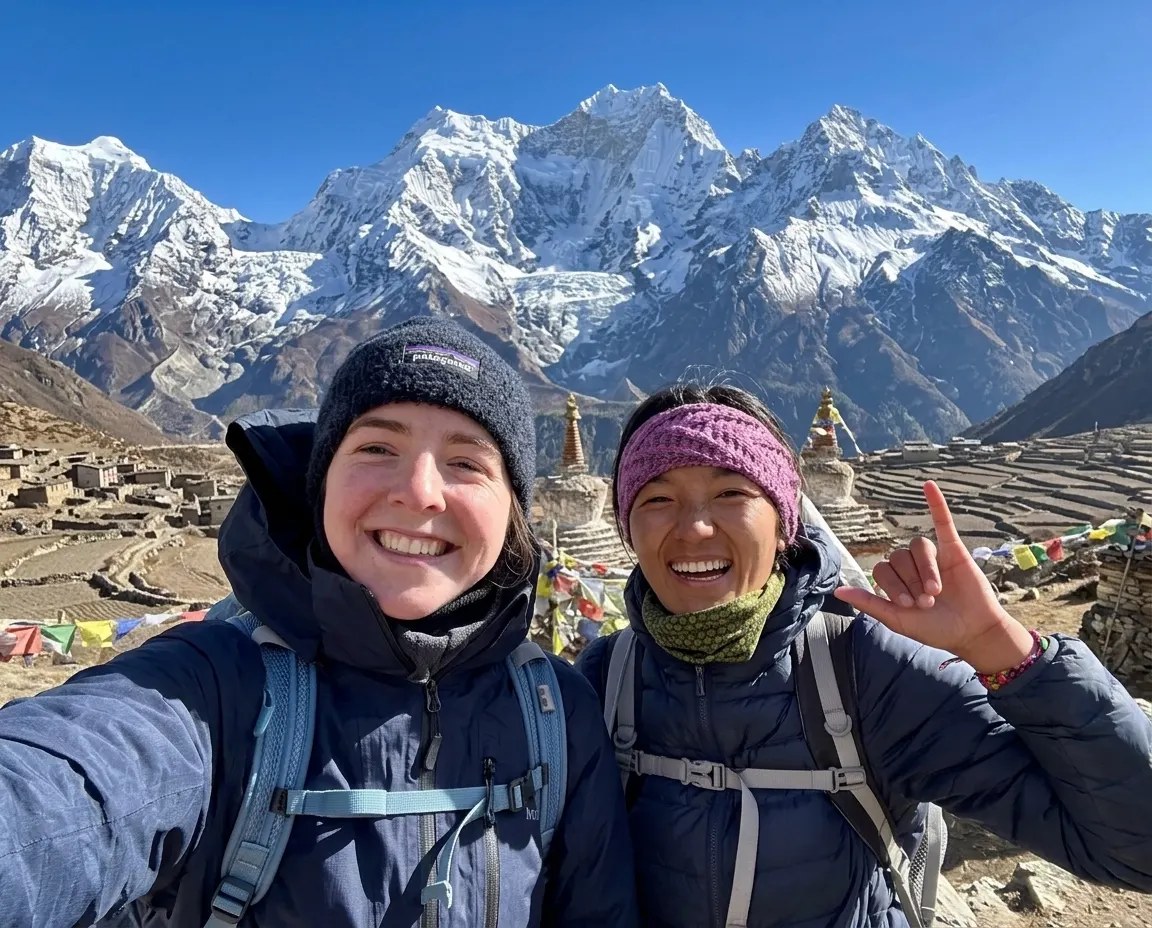
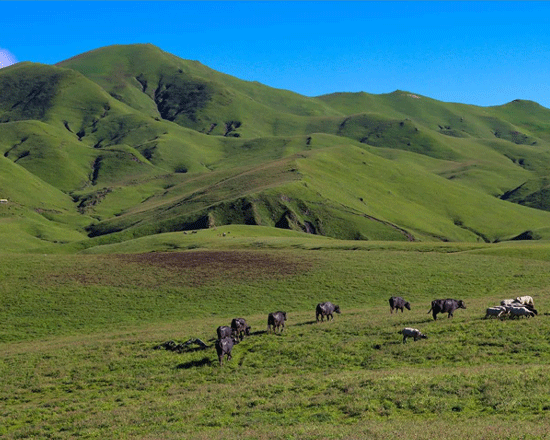
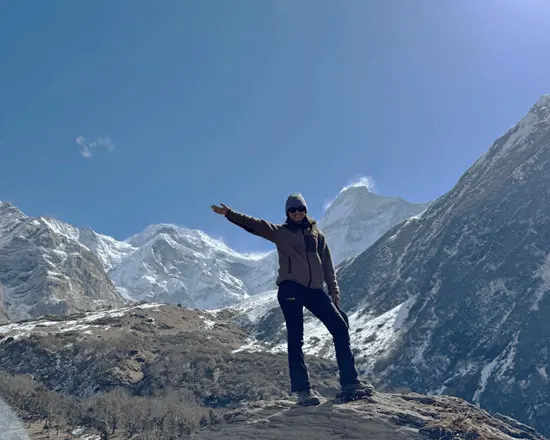
guide close to the Phoksundo Lake
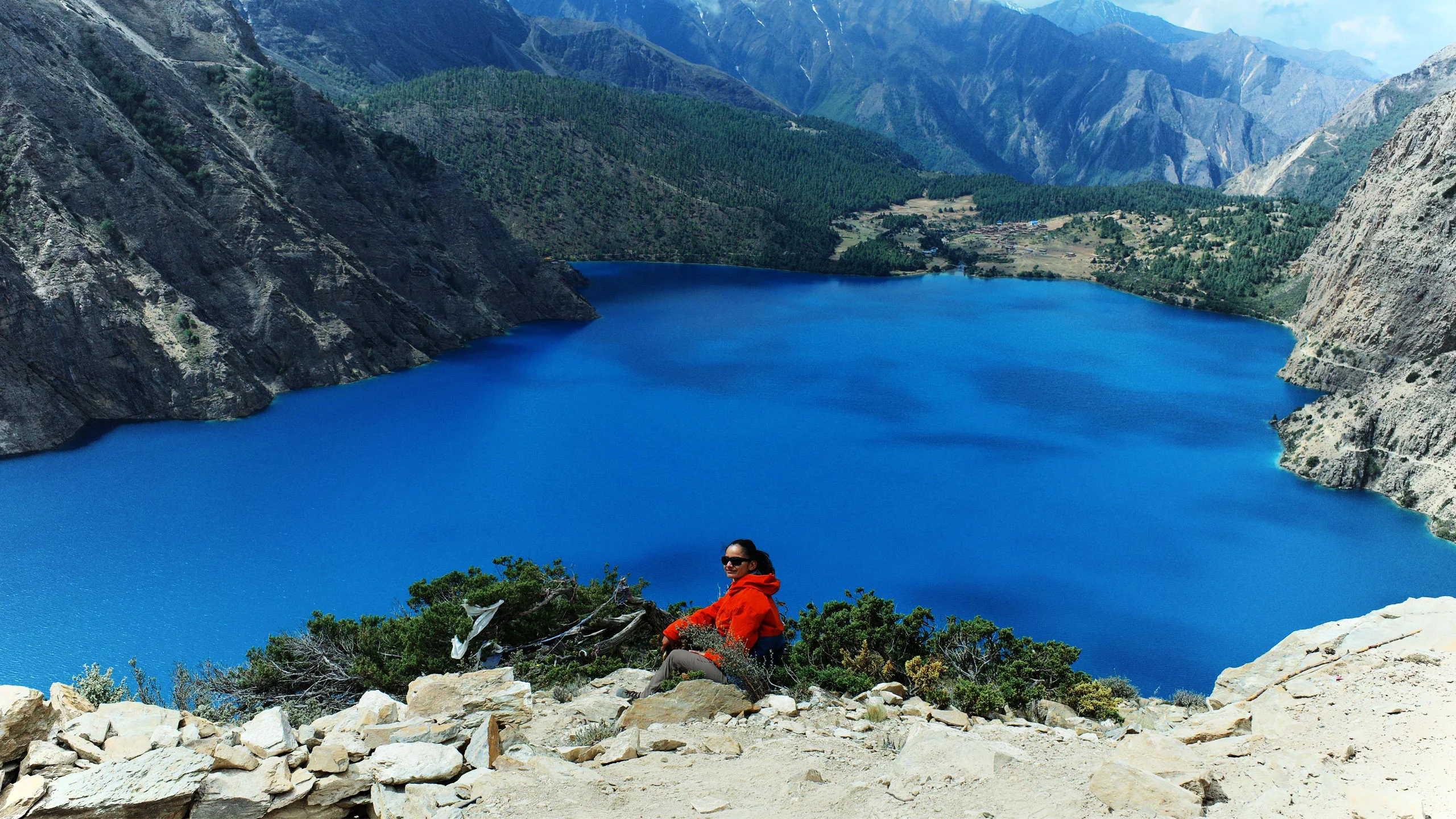
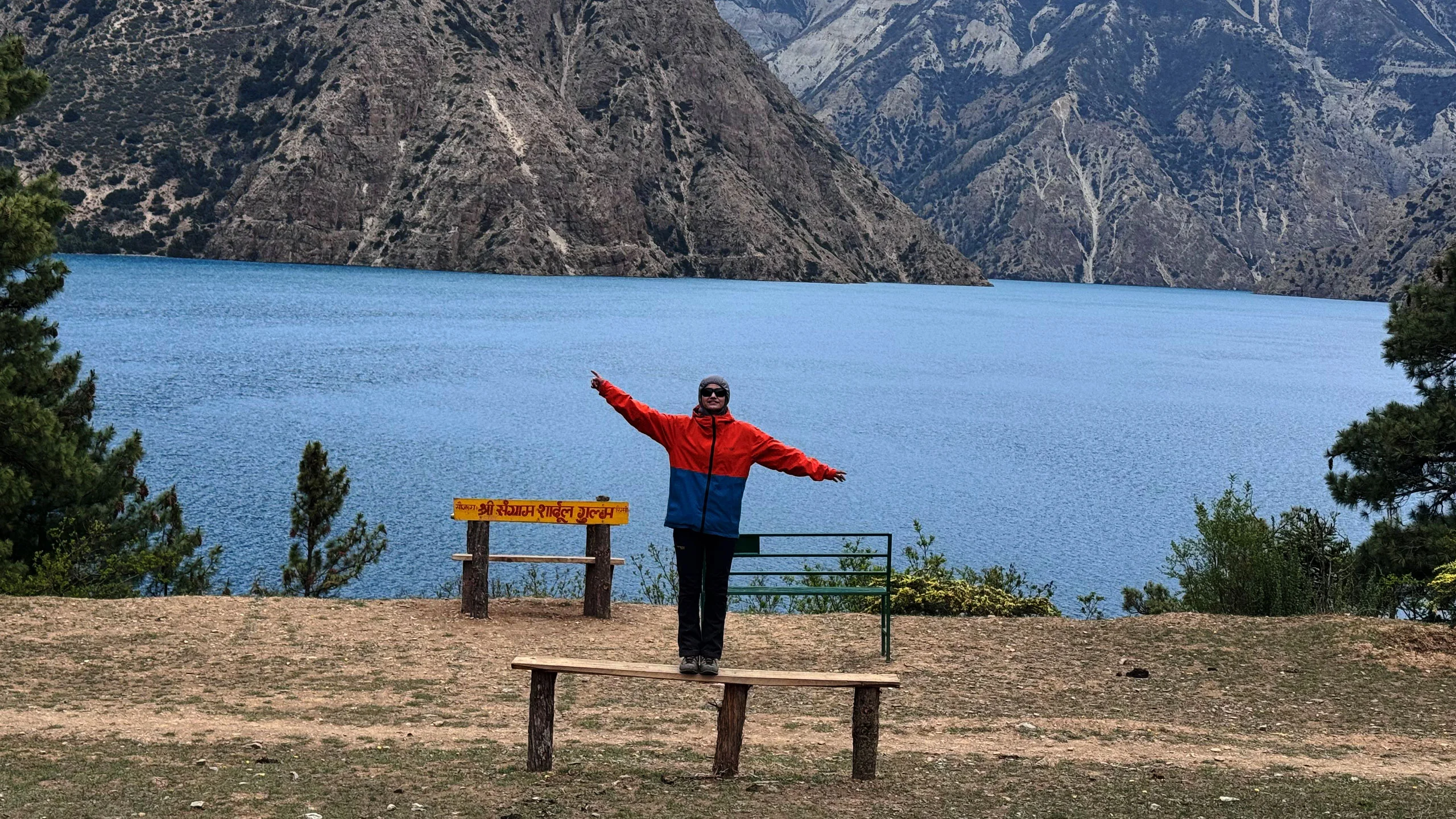
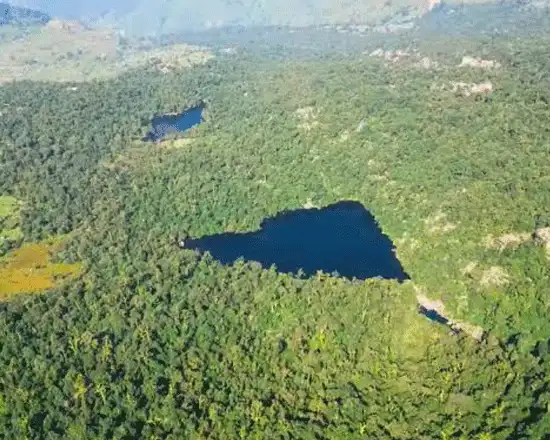
Phoksundo Lake
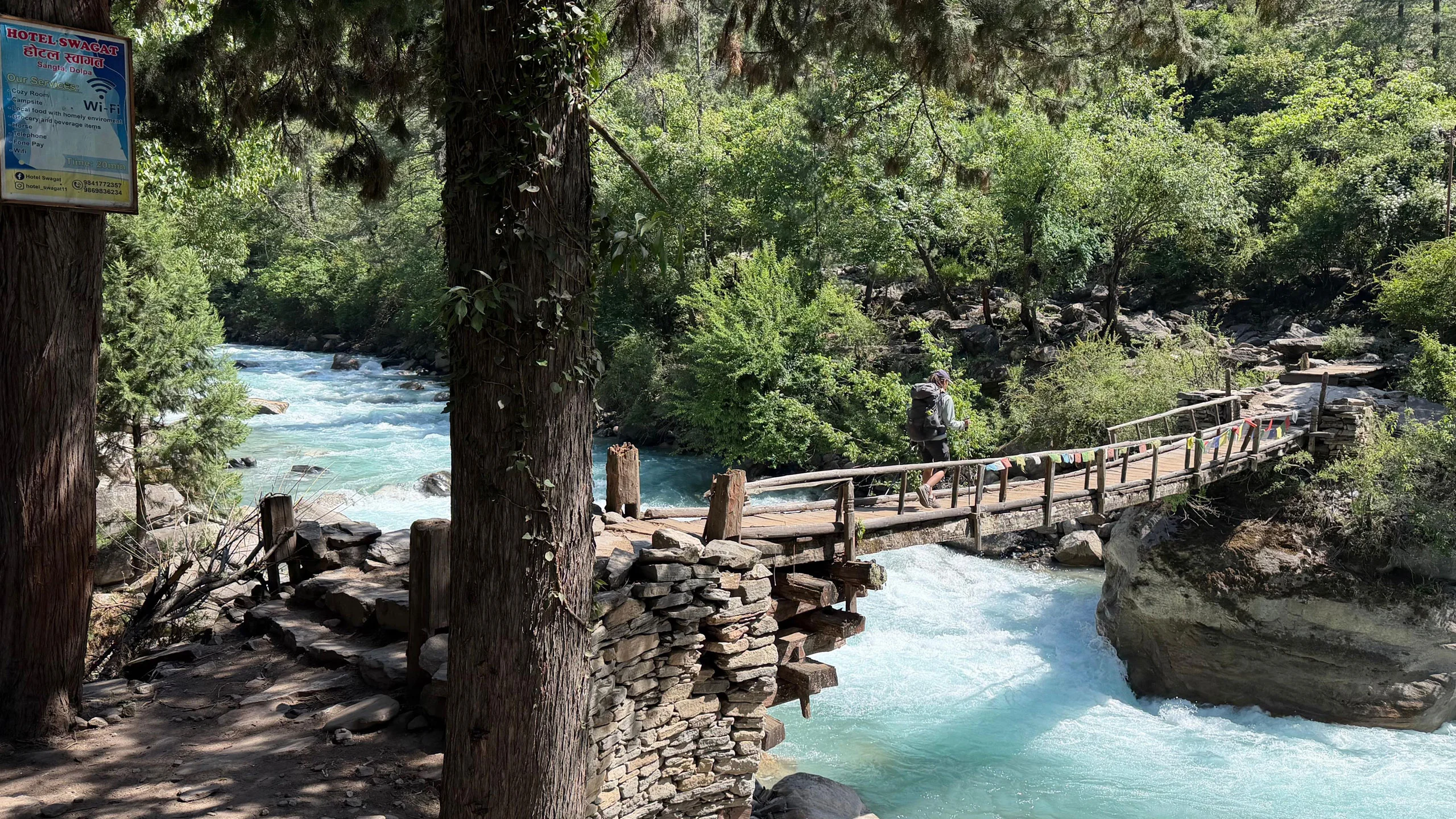
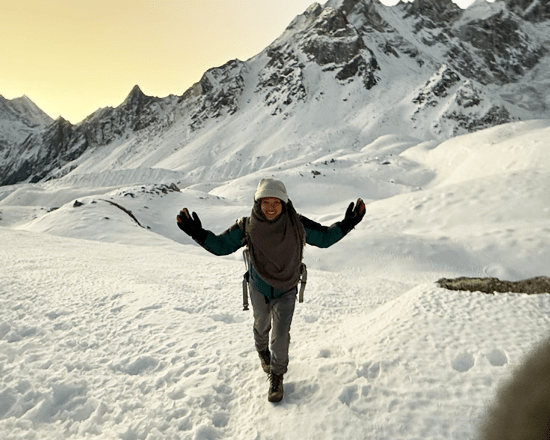
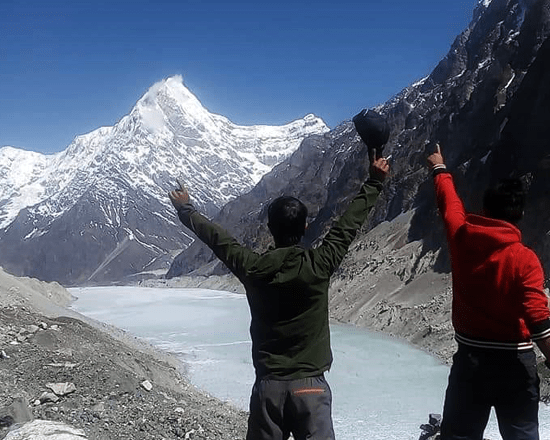
way to Phoksundo Lake

Trip Facts

Duration : 9 Days Max-Altitude : 3,611M Program Type : Tea House Best Season : April- May, Jun- Jul Sep-Oct-Nov Per Day Walking : 5/6 h Trek Grade : Grade 2:

These treks are suitable for any walker looking for something a little more challenging and energetic. They are a combination of some longer and shorter walks and hill-walking experience is desirable. The duration is usually from 10 to 15 days. Following the up and down terrain of Nepal and walking to higher elevations contrasts these treks to those in the easy classification. However, you will be rewarded for your efforts with spectacular close-up views of glaciers and of the high Himalayas. Although the terrain is not difficult, some vigorous hiking experience is useful. There may be up to 6 hours a day on the trail and the elevation rises and falls from 800m/ 2624ft to 4000m/13210ft above sea level.

100%

600 Reviews

Start From

All price inclusive
$ 1700 $ 1500
USD per person

Group Price

No. of Persons Price per Person
1 Pax $1500
2 Paxes $1300
3-6 Paxes $1250
7-10 Paxes $1200
11-15 Paxes $1180
16+Paxes $1180

Number of Travellers

Overview

Exploring the Enchanting Shey Phoksundo Lake Trek

Shey Phoksundo Lake, located in the Dolpa district of Nepal, is a natural wonder renowned for its stunning natural beauty and cultural significance. Nestled deep within the picturesque Upper Dolpo region of Nepal lies the jewel of the Himalayas – Shey Phoksundo Lake. This breathtaking trek offers a delightful blend of natural splendor and cultural significance, making it an ideal adventure for those seeking a shorter yet rewarding trekking experience. Spanning 7 days, the Shey Phoksundo Lake Trek provides flexibility in daily walking hours, allowing you to tailor the journey to your preferences while ensuring you witness the wonders of this region.

Shey Phoksundo Lake was formed over 30,000 years ago. It sits at an altitude of 3,611 meters (11,849 feet) and covers an area of about 4.94 square kilometers. The lake’s deep blue and turquoise colors result from the lack of aquatic life and high mineral content in the water.

The Allure of Shey Phoksundo Lake

Shey Phoksundo Lake Trek is a popular trekking destination, attracting adventurers from around the world. The challenging trek to the lake offers breathtaking views, encounters with unique wildlife, and insights into the traditional way of life of the Dolpo people. The lake’s pristine beauty and cultural richness make it a symbol of Nepal’s natural and cultural heritage.

Cultural Significance

The lake and its surroundings are part of the Shey Phoksundo National Park, Nepal’s largest national park, established in 1984. The park is home to various endangered species, including the snow leopard, blue sheep, and musk deer.

The region around Shey Phoksundo Lake is predominantly inhabited by the Dolpo people, who follow the Bonpo religion, an ancient Tibetan spiritual tradition. The lake is considered sacred, and local legends tell of its mystical properties and the deities that reside within it.

Historical Background

  • Bonpo Tradition: The Bonpo religion, named Buddhism, holds Shey Phoksundo Lake in high regard. The lake is believed to be a site of immense spiritual power, and many pilgrims visit to perform rituals and offer prayers. The nearby Shey Gompa, an ancient Bonpo monastery, is a significant religious site.
  • Tibetan Influence: The Dolpo region has strong cultural and historical ties with Tibet. The traditional practices, language, and lifestyle of the Dolpo people are heavily influenced by Tibetan culture. Over the centuries, the region has served as a refuge for Tibetan monks and laypeople, especially during times of conflict.
  • Exploration and Conservation: In the 20th century, the area gained attention from explorers, conservationists, and trekkers. The establishment of Shey Phoksundo National Park helped protect the lake and its surroundings from environmental degradation. The park also aims to preserve the unique cultural heritage of the Dolpo people.

Natural Treasure Collection: Shey Phoksundo National Park

The lake is situated within Shey Phoksundo National Park, a sanctuary for flora and fauna enthusiasts. This park boasts a wealth of medicinal herbs, making it an excellent destination for those interested in botanicals. Beyond its botanical riches, the park encompasses both the Lower Dolpo, and Upper Dolpo Trek regions, both renowned for their natural beauty and cultural significance. As you trek through the park, you’ll have the opportunity to immerse yourself in this rich tapestry of nature and culture.

However, before embarking on this magical journey, there are some practicalities to consider. You need permits to visit Phoksundo Lake because it falls within restricted areas. Lower Dolpo permits cost US$20 per person per week, while the entry into Shey Phoksundo National Park fee of US$30 per person. These permits are essential to ensure responsible tourism in this ecologically sensitive region.

Cultural Significance

The lake and its surroundings are part of the Shey Phoksundo National Park, Nepal’s largest national park, established in 1984. The park is home to various endangered species, including the snow leopard, blue sheep, and musk deer.

The Dolpo people, who follow the Bonpo religion, an ancient Tibetan spiritual tradition, inhabit the region around Shey Phoksundo Lake. They consider the lake sacred, and local legends tell of its mystical properties and the deities that reside within it.

Historical Background

  • Bonpo Tradition: The Bonpo religion, which predates Buddhism, holds Shey Phoksundo Lake in high regard. People believe the lake to be a site of immense spiritual power, and many pilgrims visit to perform rituals and offer prayers. The nearby Shey Gompa, an ancient Bonpo monastery, is a significant religious site.
  • Tibetan Influence: The Dolpo region has strong cultural and historical ties with Tibet. Tibetan culture heavily influences the traditional practices, language, and lifestyle of the Dolpo people. Over the centuries, the region has served as a refuge for Tibetan monks and laypeople, especially during times of conflict.
  • Exploration and Conservation: In the 20th century, the area gained attention from explorers, conservationists, and trekkers. The establishment of Shey Phoksundo National Park helped protect the lake and its surroundings from environmental degradation. The park also aims to preserve the unique cultural heritage of the Dolpo people.

Physical fitness preparation

To undertake the Shey Phoksundo Lake Trek, trekkers need to be physically fit. It is recommended to run for at least an hour a day for 10 to 15 days or for a month, depending on your fitness level, before the trek. This helps to build the individual’s hiking stamina. This preparation helps in acclimatizing to the high altitudes and ensures you are ready for the demanding terrain of the trek, including the challenging ascent. 

What’s crucial is a willingness to prepare physically and mentally, and to respect the demands of the environment. Proper acclimatization ensures trekkers can fully enjoy the journey, absorbing the breathtaking landscapes and immersing themselves in the local culture. Ensure that you bring the recommended trekking equipment list. Remember, quality trekking equipment can make your trip enjoyable, while poor one can make it miserable.

Choosing the Perfect Season

When planning your visit to Shey Phoksundo Lake, it’s crucial to select the right season for your trek. Each season offers a unique experience, catering to different preferences and desires. Here are the recommended seasons:

March to May (Spring): People consider this period the most ideal for the Shey Phoksundo Lake Trek. During spring, the climate is favorable with moderate temperatures and pleasant weather. Additionally, the hillsides burst into vibrant colors as rhododendrons bloom, adding a touch of brilliance to the surroundings. Consequently, you can expect excellent views of Dhaulagiri and other majestic mountains.

September to November (Autumn): Autumn is another fantastic season for the trek. The weather remains pleasant, with moderate temperatures and sunny days that provide breathtaking vistas of the mountains and picturesque landscapes. Furthermore, this season is ideal for exploring the beauty of Phoksundo Lake, as the clear skies offer unrivaled reflections on the pristine waters.

December to February (Winter): Although winter in Nepal can be harsh, the Shey Phoksundo Lake Trek remains manageable due to its lower altitude. While you can expect cold temperatures, with the right gear, the trek is still feasible. Moreover, the winter trek presents a unique perspective, with the landscape blanketed in snow, creating a serene atmosphere.

June to August (Summer): Nepal’s summer season brings hot and humid weather, often accompanied by cloudy skies and rainfall. If you choose to trek during this time, it’s advisable to opt for regions in the “rain shadow,” such as Upper Mustang, Lower Mustang, or Nar Phu. Additionally, June presents an opportunity to witness the vibrant Yarthung Horse Festival in either Manang or Mustang.

In conclusion

In conclusion, the Shey Phoksundo Lake Trek is an unforgettable journey that allows you to immerse yourself in the natural and cultural wonders of the Dolpo region. This relatively short trek, moreover, packs a punch by offering a glimpse into Nepal’s mesmerizing landscapes and the spiritual significance of Shey Phoksundo Lake. Whether you are a seasoned trekker or a first-time adventurer, this trek promises to create lifelong memories amidst the breathtaking landscapes of Nepal. Therefore, lace up your hiking boots, embrace the enchantment of Shey Phoksundo Lake, and connect on an unforgettable journey through Upper Dolpa and Jomsom to Lower Dolpo, the heart of the Himalayas.

Note

All published dates are guaranteed to depart. If these dates don’t match your travel plans, we are happy to create a trip for your desired dates. Let us know what kind of trip you are looking for, and we will help make your dream destination a reality.


Detail Itinerary

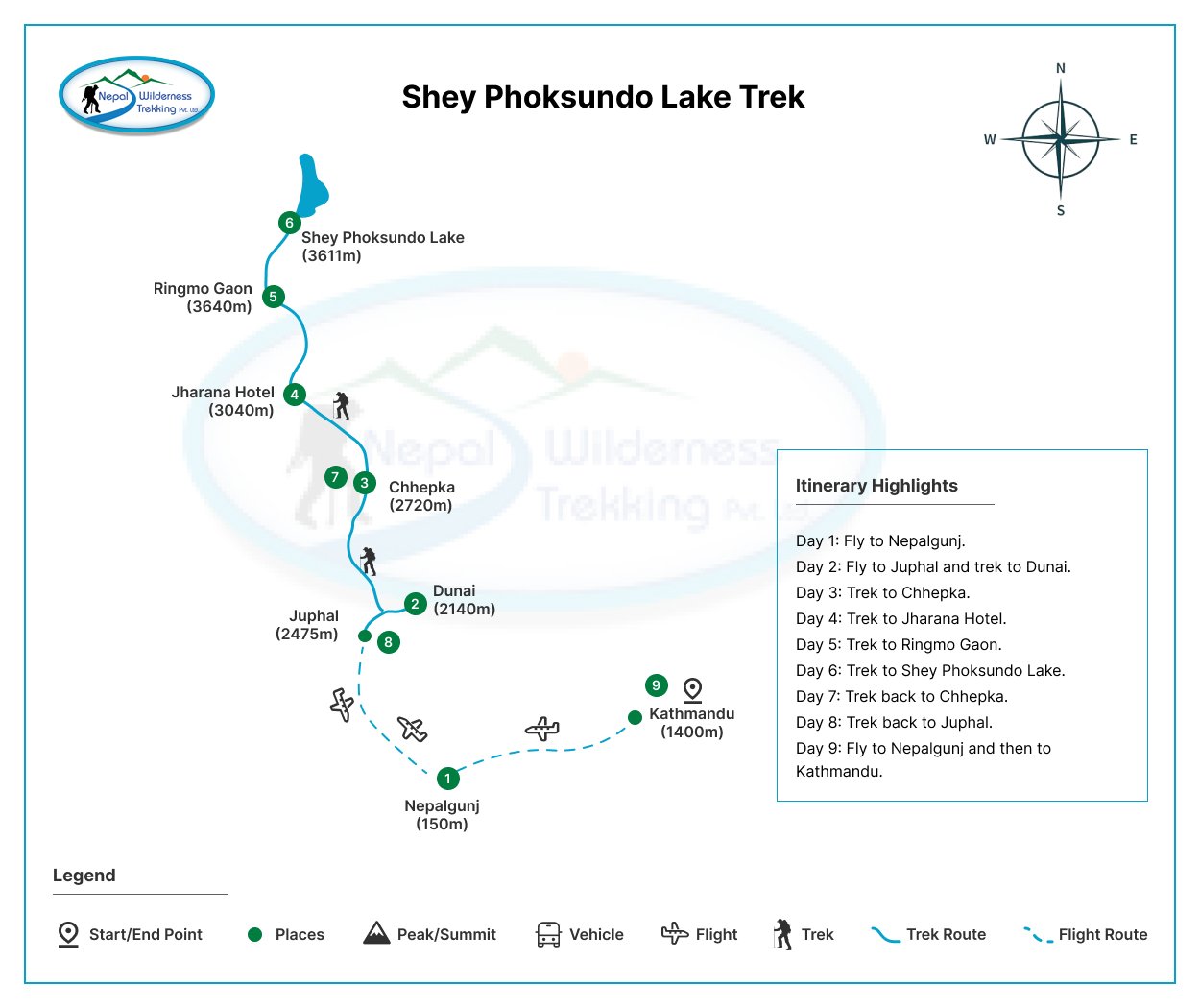
  • Day 1: Kathmandu – Nepalgunj (Elevation: 152 m)
    Begin your journey with a short domestic flight from Kathmandu to Nepalgunj, approximately 1 hour. Upon arrival, transfer to a hotel for an overnight stay. This day allows you to rest and prepare for the upcoming high-altitude trek.
  • Day 2: Nepalgunj – Juphal – Sulighat (Elevation: 2,475 m, Trekking: 3–4 hours)
    Take a scenic 30-minute flight from Nepalgunj to Juphal. From here, start your trek to Sulighat, following gentle trails along the valley. The gradual ascent helps your body acclimatize to higher altitudes. Overnight stay in a basic lodge.
  • Day 3: Dunai – Chhepka (Elevation Gain: 2,720 m, Hiking: 5–6 hours)
    Today you trek from Dunai to Chhepka. The trail passes through terraced fields, small villages, and river crossings. This day involves moderate climbing, giving you spectacular views of the surrounding Dolpo hills. Overnight at a local lodge in Chhepka.
  • Day 4: Chhepka – Jharana Hotel (Elevation Gain: 3,040 m, Hiking: 4–5 hours)
    Continue your trek ascending to Jharana Hotel. The trail is moderately steep with occasional stone stairways. Along the way, enjoy panoramic vistas of the Dolpo mountains. Overnight stay at a lodge.
  • Day 5: Jharana Hotel – Ringmo Gaon (Elevation Gain: 3,640 m, Hiking: 2–3 hours)
    A shorter trekking day today as you head to the traditional Tibetan-style village of Ringmo Gaon. The slower pace allows for further acclimatization. Explore the village and interact with locals to experience Dolpo culture. Overnight at a lodge in Ringmo.
  • Day 6: Ringmo Gaon – Shey Phoksundo Lake (Elevation Gain: 3,611 m, Hiking: 4–5 hours)
    Trek to the iconic Shey Phoksundo Lake, known for its striking turquoise waters and serene environment. The trail passes through rugged terrain and pine forests. Spend time photographing the lake and enjoying the natural beauty. Overnight at a lodge near the lake.
  • Day 7: Shey Phoksundo Lake – Chhepka (Elevation Loss: 2,720 m, Hiking: 5–6 hours)
    Begin your return trek from Shey Phoksundo Lake back to Chhepka. Today involves descending through scenic landscapes, retracing the trail you took on the way in. Overnight stay in Chhepka.
  • Day 8: Chhepka – Juphal (Elevation Loss: 2,475 m, Hiking: 5–6 hours)
    Continue descending towards Juphal. The trek is moderately long, offering opportunities to revisit villages and enjoy the peaceful Dolpo countryside. Overnight at a lodge in Juphal.
  • Day 9: Juphal – Nepalgunj – Kathmandu (Elevation: 152 m)
    Take an early morning flight from Juphal to Nepalgunj (30 minutes) and connect to a flight back to Kathmandu (1 hour). Arrival in Kathmandu marks the end of your trek, bringing you back from the remote landscapes of Lower Dolpo to the bustling city life.

Cost Included

  • Flight Tickets: Round-trip flights from Kathmandu to Nepalganj and return, including the connecting flight to Jhupal.
  • Phoksundo National Park entry fee
  • Lower Dolpo Restricted Area special trekking permits
  • National park fees as required
  • Accommodation: Basic lodge accommodation throughout the trek.
  • Meals: Three meals per day (breakfast, lunch, and dinner) with options including Italian, Chinese, Nepali, Indian, and various European dishes. One main course is provided per meal during the trek.
  • Fluent English-speaking, government-licensed local Sherpa guide
  • One porter for every 2–3 trekkers. Note: Solo trekkers requiring a porter will incur an additional cost.
  • A kitbag for storing your belongings for the trek, carried by the porter
  • Sleeping bag for a comfortable night's sleep on a trek in minus-25 degrees
  • Necessary paperwork, all government, and local taxes
  • A certificate of appreciation from Nepal Wilderness Trekking after a successful trek
  • Guide and porter wages, equipment, insurance,

Cost Excluded

  • Hotel accommodation in Kathmandu
  • All meals in Kathmandu
  • All beverages during the trek, including soft drinks, caffeinated drinks (e.g., Coke, tea, coffee), beer, and mineral water
  • Travel insurance (unless specified separately) must cover helicopter rescue/evacuation in case of emergency.
  • Personal expenses, including bar bills, desserts, laundry, and other items of a personal nature
  • Tips for guides and porters
  • International airfare
  • Nepal entry visa fees upon arrival at Tribhuvan International Airport (15 days: $25–30; 30 days: as applicable)
  • Accommodation and meals in Kathmandu and Pokhara before and after the trek
  • Personal trekking equipment for high-altitude and cold-weather conditions
  • Any costs related to emergency high-altitude rescue or evacuation not covered by travel insurance
  • Any costs or delays beyond the control of management, such as:
  • Landslides or adverse weather conditions
  • Itinerary modifications for safety reasons
  • Illness or personal emergencies
  • Changes in government policies, strikes, or other unforeseen events

Trip Map

Enquiry


Sign Up for free newsletter
Follow Us