Panch Pokhari Trek: 8-Day Itinerary
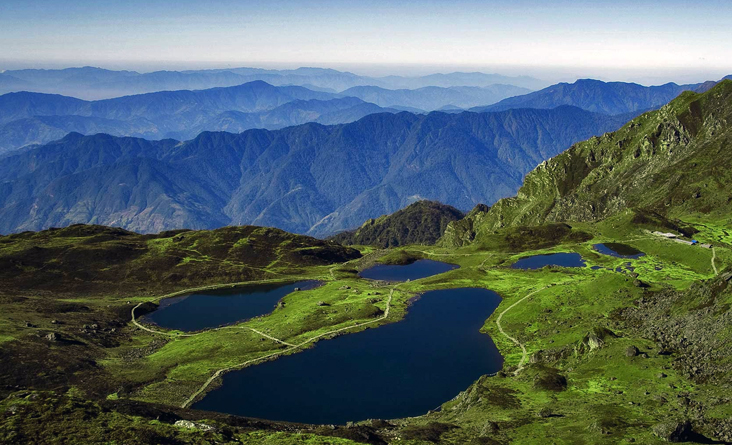
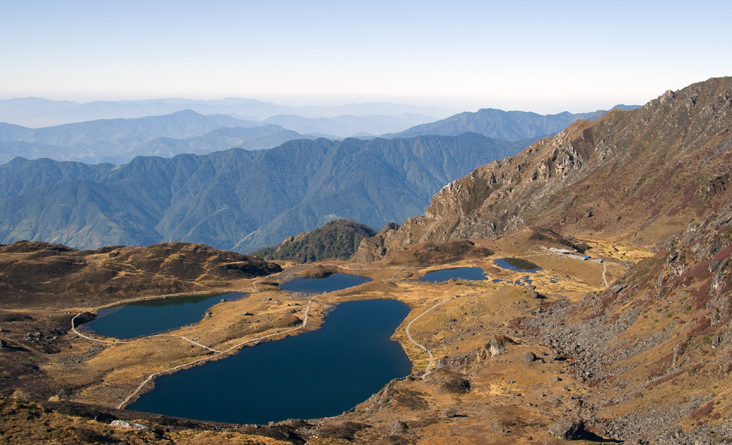
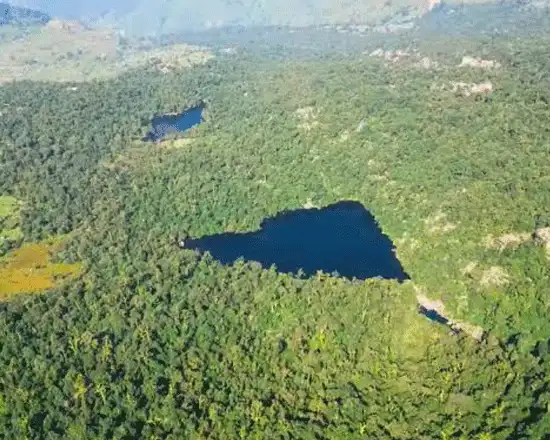
The Panch Pokhari Trek, located in the picturesque Sindhupalchowk district of Nepal, is a renowned trekking route known as the “Trek of the Five Ponds”. Panch Pokhari is a group of five alpine lakes, considered sacred by Hindus and Buddhists. During Janai Purnima, huge numbers of pilgrims visit the lakes to bathe in the holy waters. That falls on the full moon day in August.
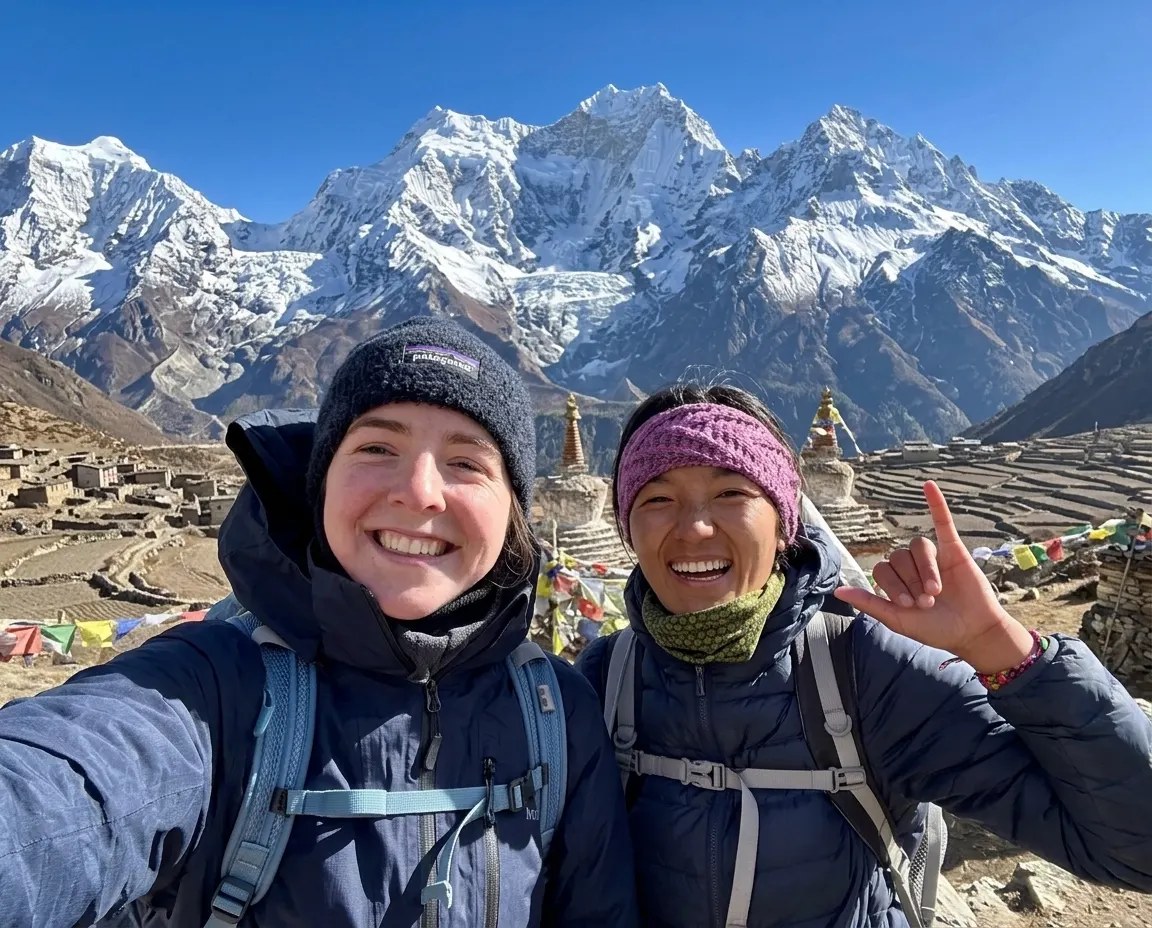
Named after the five sacred ponds (Panch Pokhari) of this trekking area, this trek offers breathtaking views of the Himalayan range and a chance to immerse oneself in local culture and lifestyle.
Overview of Panch Pokhari Trek
- Location: Northeast of Kathmandu, in the Sindhupalchowk district.
- Altitude: Panch Pokhari is located at an altitude of 4,100 meters (13,451 feet).
- Trek Duration: Generally, the trek takes around 13 days, depending on the specific itinerary.
- Trek Grade: Moderate to challenging. The trek requires some endurance but is suitable for trekkers with a moderate fitness level.
- Trek Type: Camping or teahouse treks (limited teahouses).
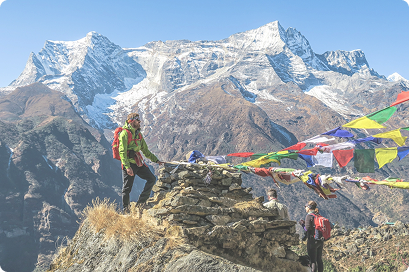
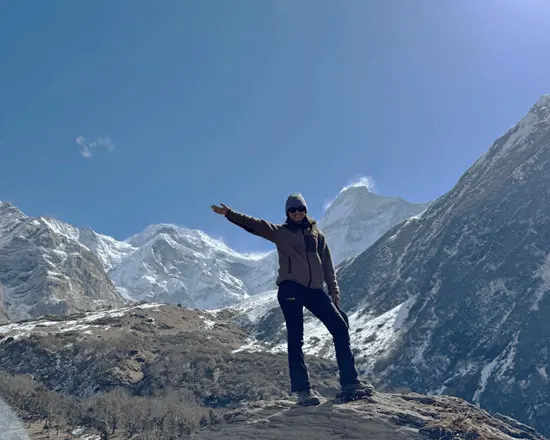
- Spectacular views: Jugal Himal range, including peaks like Dorje Lakpa (6,966m), Phurbi Chhyachu, Langtang Himal, and Rolwaling Range.
Majestic Landscapes
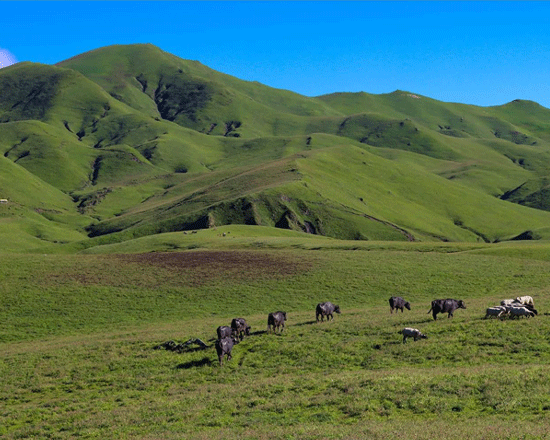
The area is renowned for its pristine natural beauty, offering panoramic views of the surrounding mountains, including Langtang, Jugal Himal, and Rolwaling ranges. The serene lakes, lush green meadows, and vibrant rhododendron forests create a picturesque landscape. These sites are important pilgrimage destinations for both Hindus and Buddhists. This trek is still relatively off-the-beaten-path compared to more commercial treks like Everest Base Camp or Annapurna Circuit. You can enjoy a peaceful journey without large crowds.
Starting Point and Route
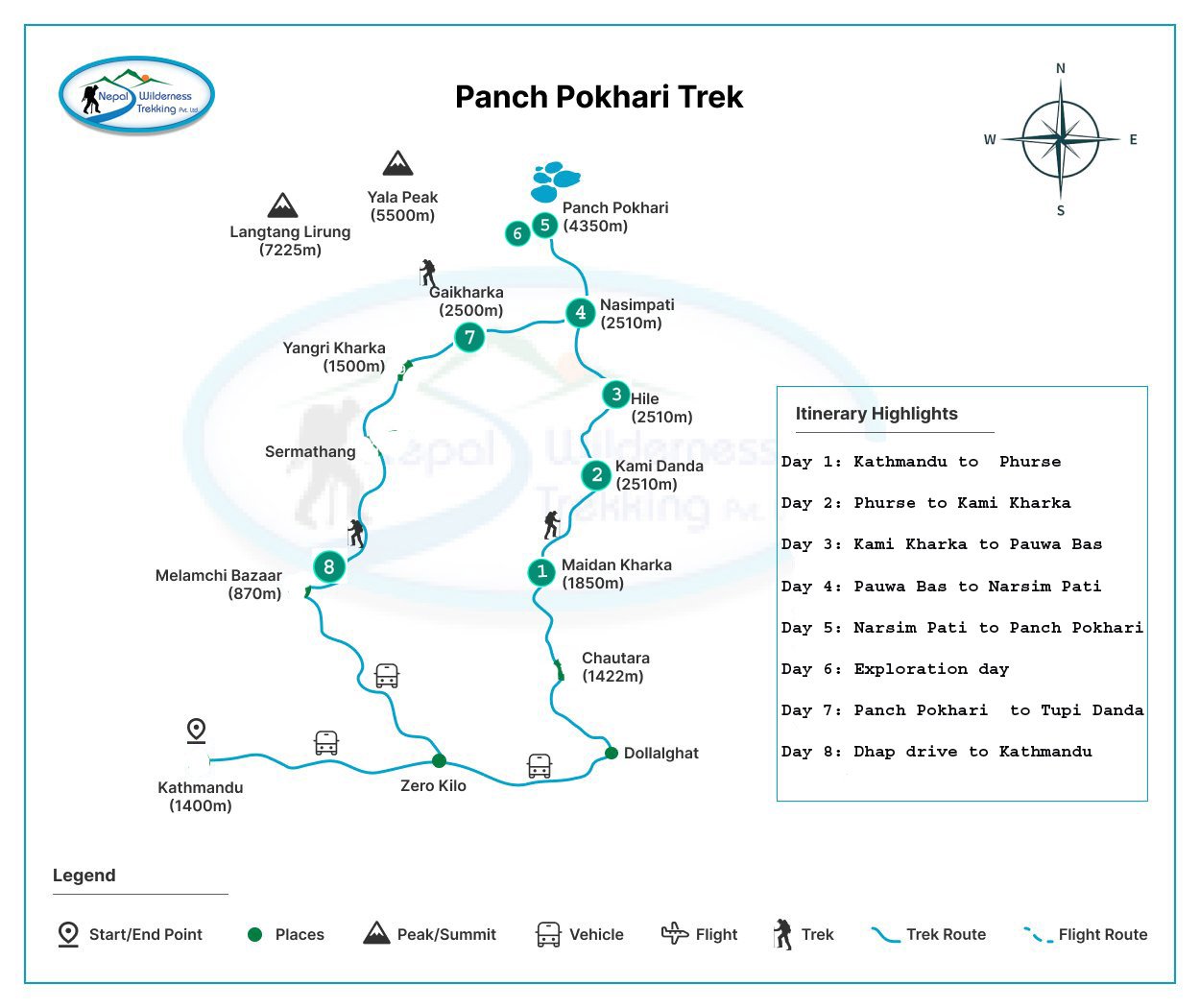
The Panch Pokhari trek begins in Chautara, accessible via a 5-6 hour drive from Kathmandu. The trail passes through picturesque villages, dense forests, and high passes before reaching the Panch Pokhari. En route, enjoy cascading waterfalls, terraced fields, and traditional Nepali houses.
Key locations along the trek include Lami Danda, Kami Danda, Sharpe Dhunga, and Norsingpati. These spots offer stunning mountain vistas, enchanting pine forests, verdant terraced fields, and rural villages inhabited by followers of Hinduism and Buddhism.
Cultural and Spiritual Significance
- Panch Pokhari is considered a sacred site, and both Hindus and Buddhists draw numerous pilgrims seeking spiritual solace.
- The Janai Purnima festival in August is a notable event where devotees bathe in the holy ponds, believing it will cleanse their sins.
- According to Hindu mythology, the five lakes were created by Lord Shiva, who bathed in them after consuming poison to save the universe. Also, it is believed that Lord Shiva dug the water at Gosaikunda with his sword to fulfill his thirst. Where huge devotees visit the Gosaikunda lake for worship on august full moon day i.e, Janai purnima day.
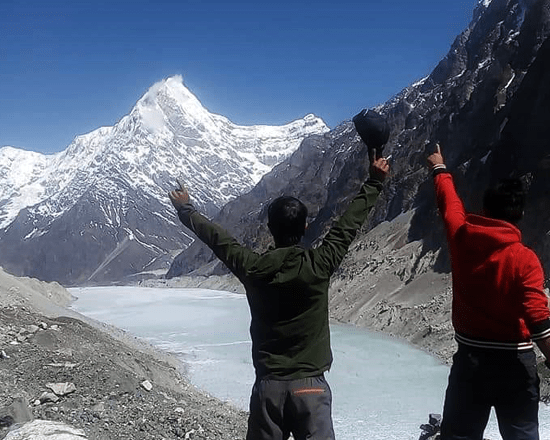
- The lakes are also a source of spiritual peace and meditation, adding a spiritual dimension to the trek. The sight of the five ponds, surrounded by snow-capped peaks, is awe-inspiring.
Best Time to Trek Panch Pokhari
The Panch Pokhari trek is best undertaken during spring (March to May) and autumn (September to November). Although moderately challenging, it requires prior trekking experience and good physical fitness. Additionally, the trail demands careful preparation, as weather conditions can vary significantly between these seasons. Moreover, trekkers should be equipped to handle the terrain’s demands, ensuring a safe and enjoyable journey. Consequently, those who are well-prepared and physically fit will find the trek both rewarding and memorable.
Alternative Routes and Pastures
- Tilman Pass Trek
- The Panch Pokhari Trek connects with other trekking trails, such as the Tilman Pass Trek, providing further exploration opportunities.
- During the monsoon season, the Panch Pokhari trek is covered with lush pastures, attracting yaks and sheep from nearby villages. The scenic drives to Chautara village, near the Tibet-Nepal border, offer breathtaking views and access to this region.
Trekking Experience
- Panch Pokhari Trek exclusively takes you through camping arrangements, ensuring an authentic and immersive experience. Our team of expert Sherpa guides, dedicated porters, skilled cooks, and a kitchen crew caters to all your needs. Due to a lack of tea houses, we have a camping journey. We have the tea house option to stay only from Sermathang if you prefer, following the Sermathang route through Tarchi Ghyang, Kutungsang, and Chisapani. This section of the trek is known as the Helambu trek. However, our itinerary concludes at Melamchi Bazaar, from where we drive back to Kathmandu.
Cultural Experience
- The Panch Pokhari trek passes through traditional Tamang and Sherpa villages, providing an opportunity to experience local customs, hospitality, and lifestyle. You’ll encounter terraced fields, quaint villages, and Buddhist monasteries along the way. Visitors can witness traditional architecture and festivals.
Flora and Fauna
- The Panch Pokhari trek takes you through the Langtang National Park, home to a variety of wildlife such as musk deer, red pandas, Himalayan black bears, Himalayan tahr, and numerous species of birds. The forests are filled with rhododendron, oak, and pine trees, which make for beautiful scenery, especially in the spring when flowers are in bloom. The region is rich and home to various flora and fauna. Rare medicinal herbs and plants can be found here.
Weather Conditions
The Panch Pokhari Trek offers excellent visibility of the mountain range during autumn and spring. Clear skies and vivid blue backdrops make these seasons ideal for trekking. However, avoid the monsoon season (June to August) due to heavy rainfall and the winter months (mid-December to February) due to harsh weather conditions and heavy snowfall.
Physical fitness preparation
To undertake the Panch Pokari Trek, trekkers need to be physically fit. Also recommended to run for at least an hour a day for 10 to 15 days or for a month, depending on your fitness level, before the trek. This helps to build the individual’s hiking stamina. This preparation helps in acclimatizing to the high altitudes and ensures you are ready for the demanding terrain of the trek.
What’s crucial is a willingness to prepare physically and mentally, and to respect the demands of the environment. Proper acclimatization ensures trekkers can fully enjoy the journey, absorbing the breathtaking landscapes and immersing themselves in the local culture.
Essential Equipment for the Trek
When it comes to equipment, it is crucial to ensure that you bring the recommended trekking equipment list. Remember, quality trekking equipment can make your trip enjoyable, while poor equipment can make it miserable. The weather can vary depending on the altitude and time of year. Suitable footwear includes waterproof walking boots that have been worn before the trek, along with warm socks and gaiters for winter conditions. It is advisable to have loose, casual trousers and thermal leggings, as well as waterproof pants.
Our Commitment
The Nepal Wilderness Trekking team ensures an exceptional camping experience, providing all necessary camping gear and delicious organic meals. Our guides and porters, often from the same region, possess extensive knowledge of the trekking trails, local communities, cultural heritage, historical significance, and the area’s diverse flora and fauna.
Conclusion
The Panch Pokhari Trek holds out not just a glimpse of Nepal’s stunning natural beauty, but also an opportunity for physical challenge and personal growth. It is a unique adventure that provides insight into the country’s rich culture and traditions. Our team is dedicated to ensuring a memorable and rewarding experience as you immerse yourself in the wonders of the Panch Pokhari region.
Note
All published dates are guaranteed departures for the Panch Pkhari trek. If the date does not fit your schedule, we would be gGuide to book the private trip at the same cost on your preferred dates. Share your desired trip details, and we’ll make your dream destination a reality.