Everest Base Camp Trek 12 days Package
The Everest Base Camp Trek is one of the world’s most iconic Himalayan adventures, offering an unforgettable journey into the heart of Nepal’s Khumbu region and to the base camp of Mount Everest (8,848.86 m), the world’s highest mountain.
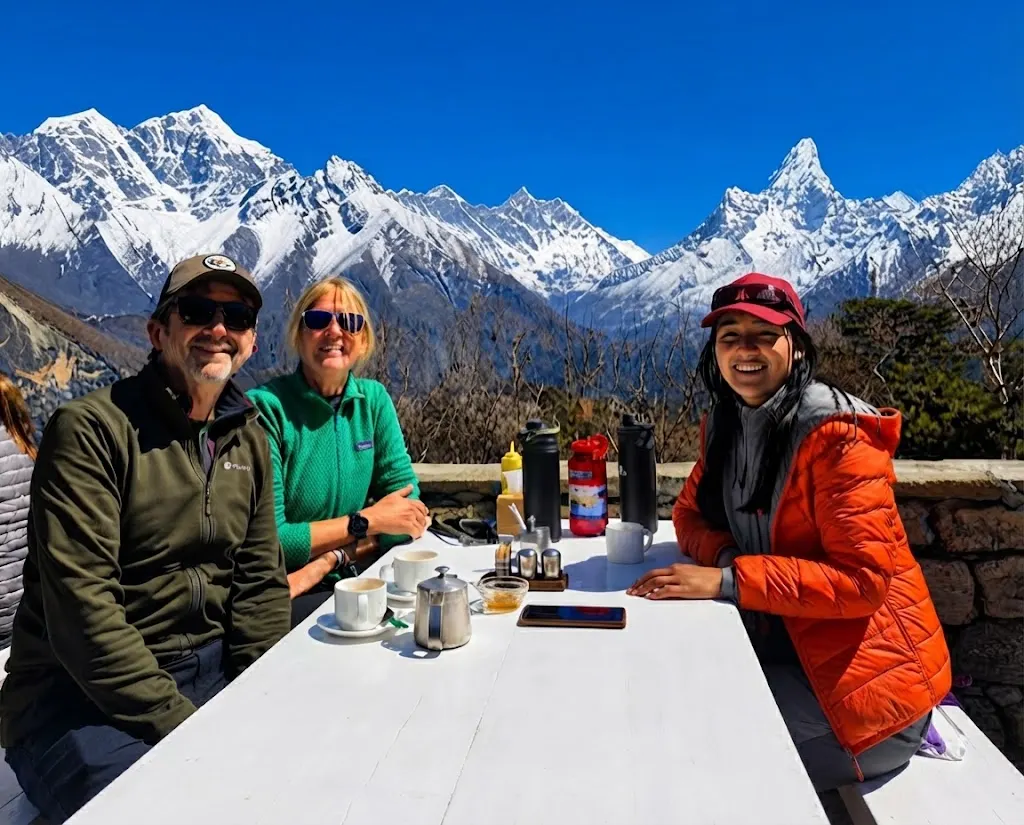
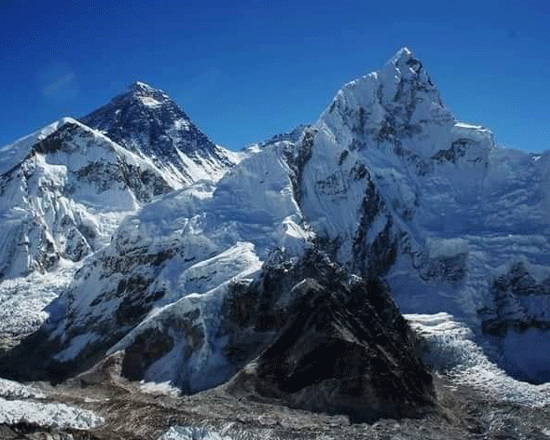
The trek combines spectacular Himalayan scenery, traditional Sherpa villages, Buddhist culture, and the unique experience of walking through the Sagarmatha National Park. Along the trail, trekkers can enjoy breathtaking views of Mount Everest, Lhotse, Nuptse, Ama Dablam, Thamserku, and other Himalayan peaks.
For adventure seekers looking for a challenging yet rewarding Himalayan experience, the Trek offers an excellent combination of mountain scenery, cultural immersion, and high-altitude adventure.
The Everest region, known as the Khumbu Valley, has been home to the Sherpa community for centuries. The region gained worldwide recognition after Sir Edmund Hillary and Tenzing Norgay Sherpa successfully summited Mount Everest in 1953. Today, the trek provides an opportunity to experience Sherpa hospitality, traditional Buddhist practices, and the unique mountain lifestyle of the Khumbu.
The Journey to Everest Base Camp
The Everest Base Camp Trek begins with a scenic flight to Lukla, the main gateway to the Khumbu region. Depending on the season and flight operations, flights may operate between Kathmandu and Lukla or between Ramechhap and Lukla.
The Kathmandu–Lukla flight takes approximately 35 minutes, while the Ramechhap–Lukla flight takes around 20 minutes. During busy trekking seasons, flights to Lukla commonly operate from Ramechhap, with transportation arranged between Kathmandu and Ramechhap.
After landing in Lukla, the trek begins through beautiful mountain villages, forests, suspension bridges, and traditional settlements. Along the trail, you will encounter Buddhist prayer wheels, mani walls, stupas, chortens, prayer flags, and monasteries.
When passing Buddhist religious sites, trekkers should walk around stupas, mani walls, and prayer wheels in a clockwise direction, following local Buddhist traditions and showing respect for the culture of the Khumbu communities.
Our Everest Base Camp Trek itinerary is carefully designed with gradual altitude gain and acclimatization days to help trekkers adapt to the increasing elevation.
Explore Sherpa Villages and Majestic Peaks
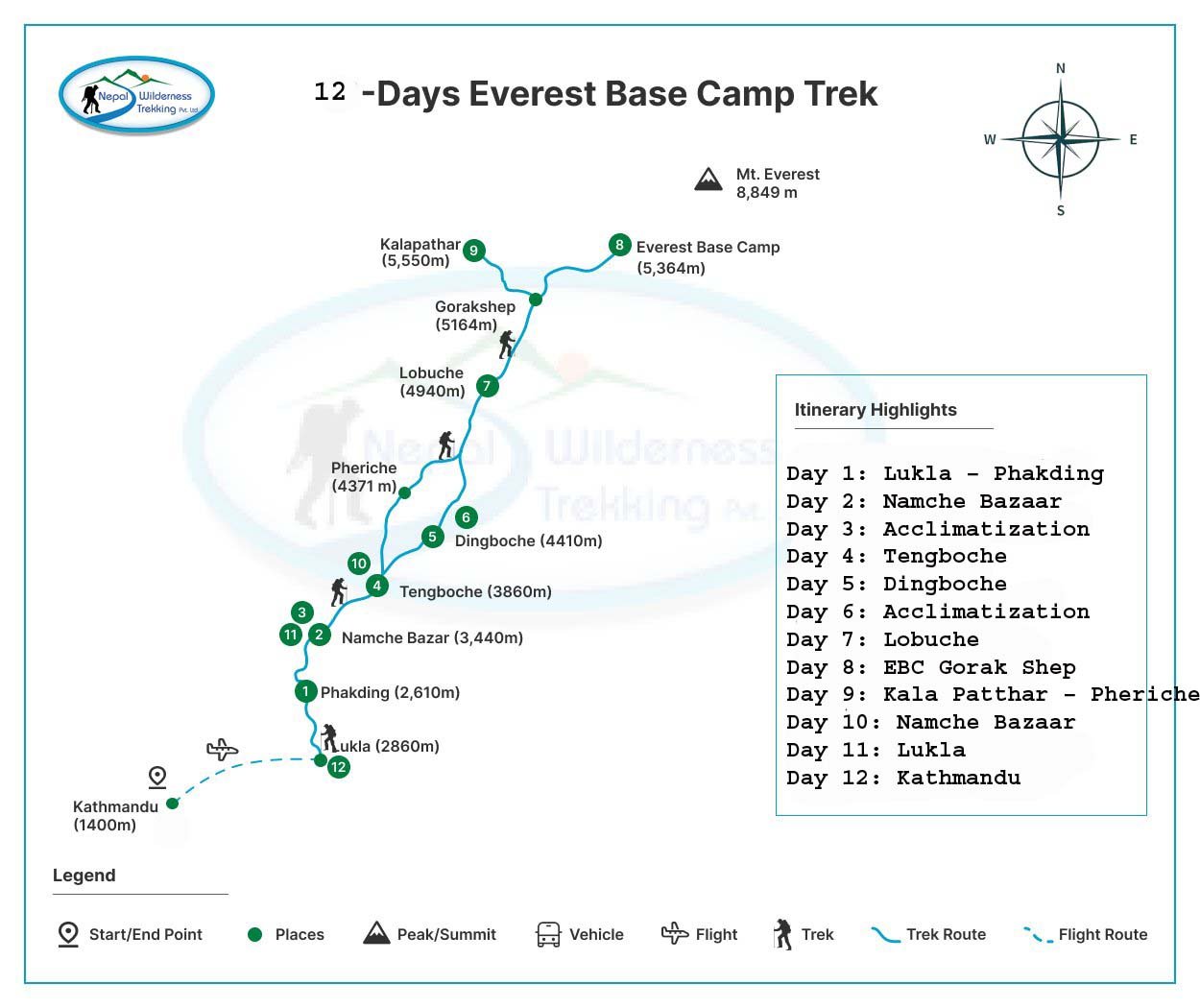
The Everest Base Camp Trek passes through famous Sherpa settlements including Lukla, Phakding, Namche Bazaar, Tengboche, Dingboche, Lobuche, and Gorakshep.
Located within Sagarmatha National Park, a UNESCO World Heritage Site, the trail offers an extraordinary combination of Himalayan landscapes, wildlife, forests, glaciers, and traditional mountain culture.
Namche Bazaar is the main trading and acclimatization center of the Khumbu region. Tengboche is famous for its historic monastery and spectacular views of Ama Dablam and surrounding peaks. As you continue toward Everest Base Camp, the landscape gradually changes from lush mountain forests to rugged alpine terrain and glacial valleys.
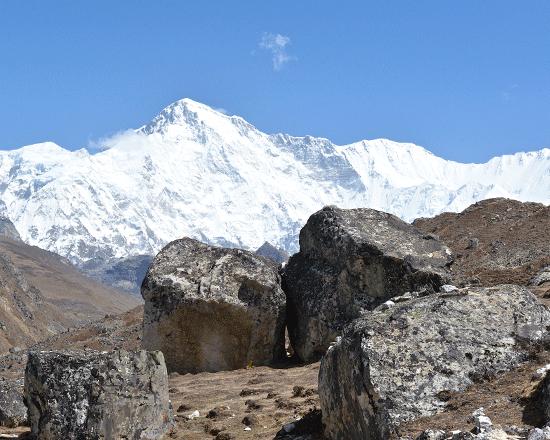
Throughout the journey, you will be surrounded by some of the Himalayas’ most impressive peaks, including Mount Everest, Lhotse, Nuptse, Ama Dablam, Thamserku, and Pumori.
The trek is not only about reaching Everest Base Camp. there are longet three passes trek, lobuche peak and Island peak if you want t more time, It is also an opportunity to experience the traditions, hospitality, religion, and everyday lifestyle of the Sherpa people.
Sherpa Museum in Namche
The Sherpa Museum in Namche Bazaar offers an interesting introduction to Sherpa culture and the history of mountaineering in the Everest region.
The museum features photographs, traditional household items, mountaineering equipment, and information about famous expeditions and climbers. It provides visitors with a deeper understanding of the Sherpa people’s heritage and their important role in Himalayan mountaineering.
The museum can be visited during the acclimatization day in Namche Bazaar before continuing toward higher elevations.
Everest Base Camp and Kala Patthar
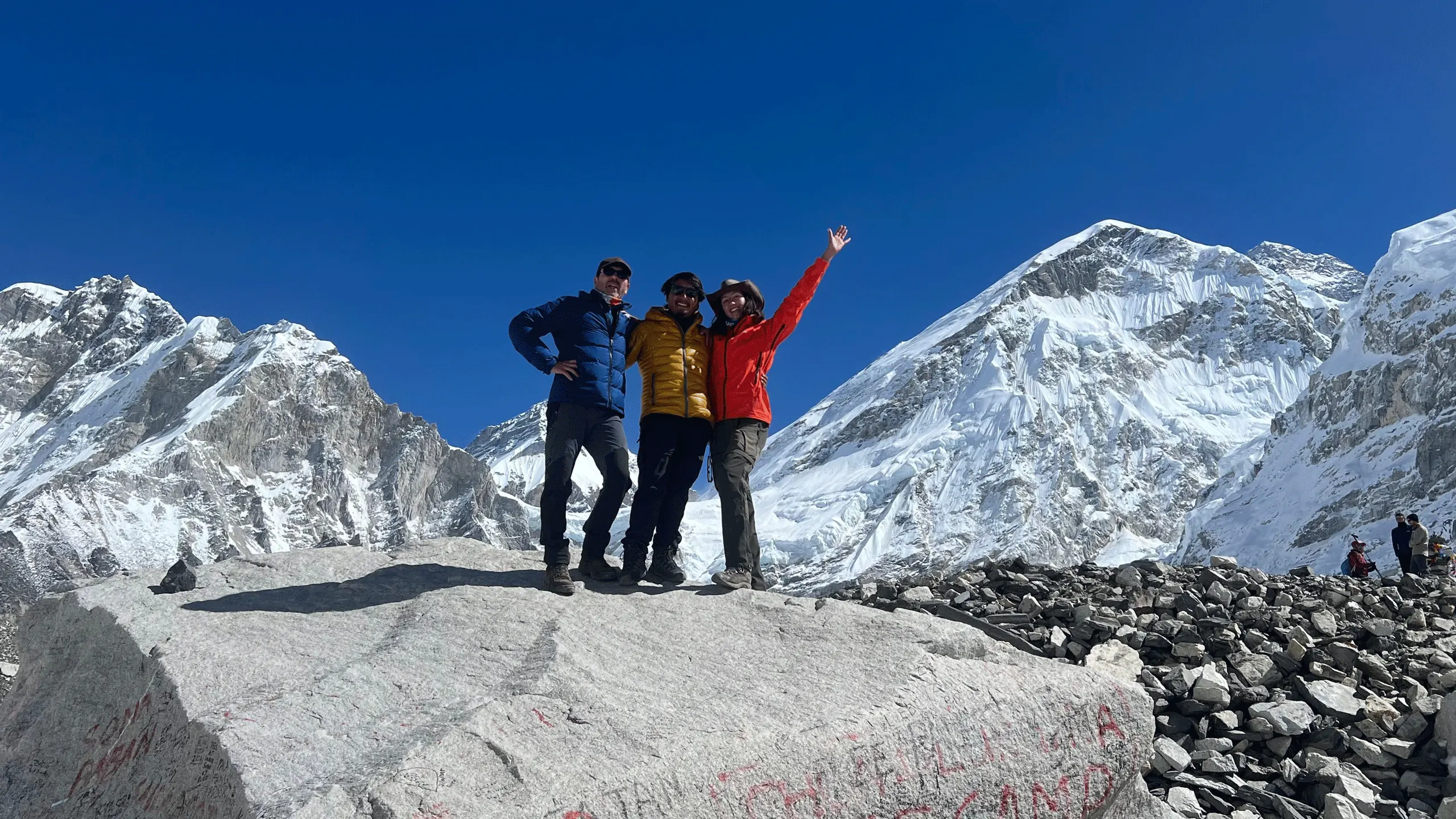
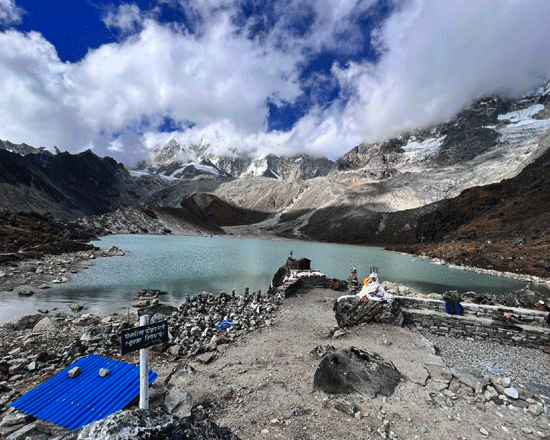
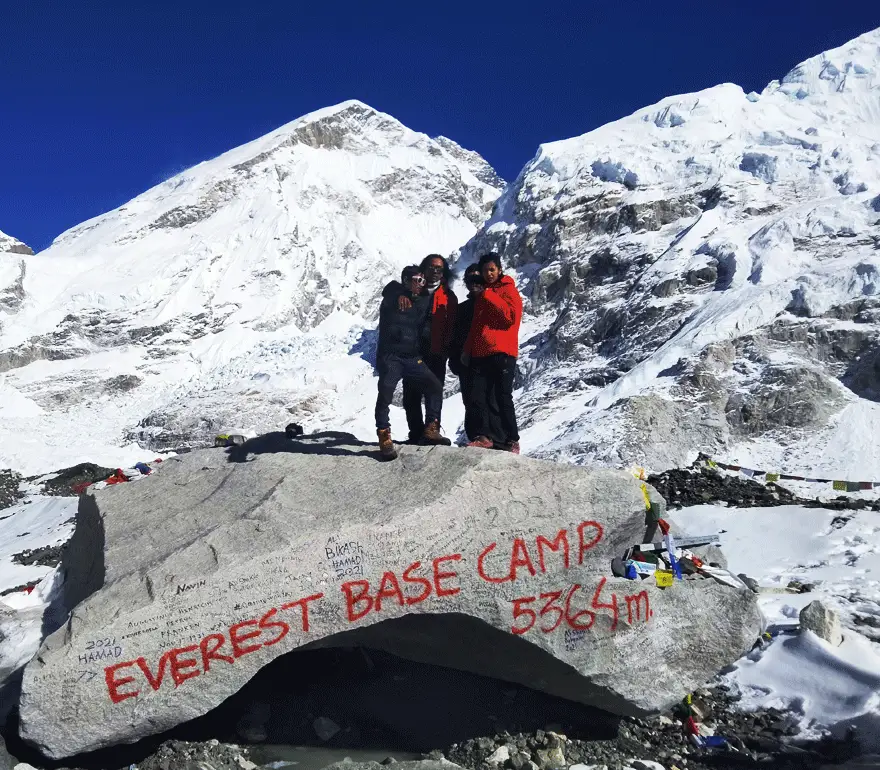
Reaching Everest Base Camp at 5,364 m is the main objective of the trek and one of the most memorable experiences of the journey. From Gorakshep, the trail follows the Khumbu Glacier toward Base Camp, passing through a dramatic landscape of glaciers, moraine, and towering Himalayan peaks.
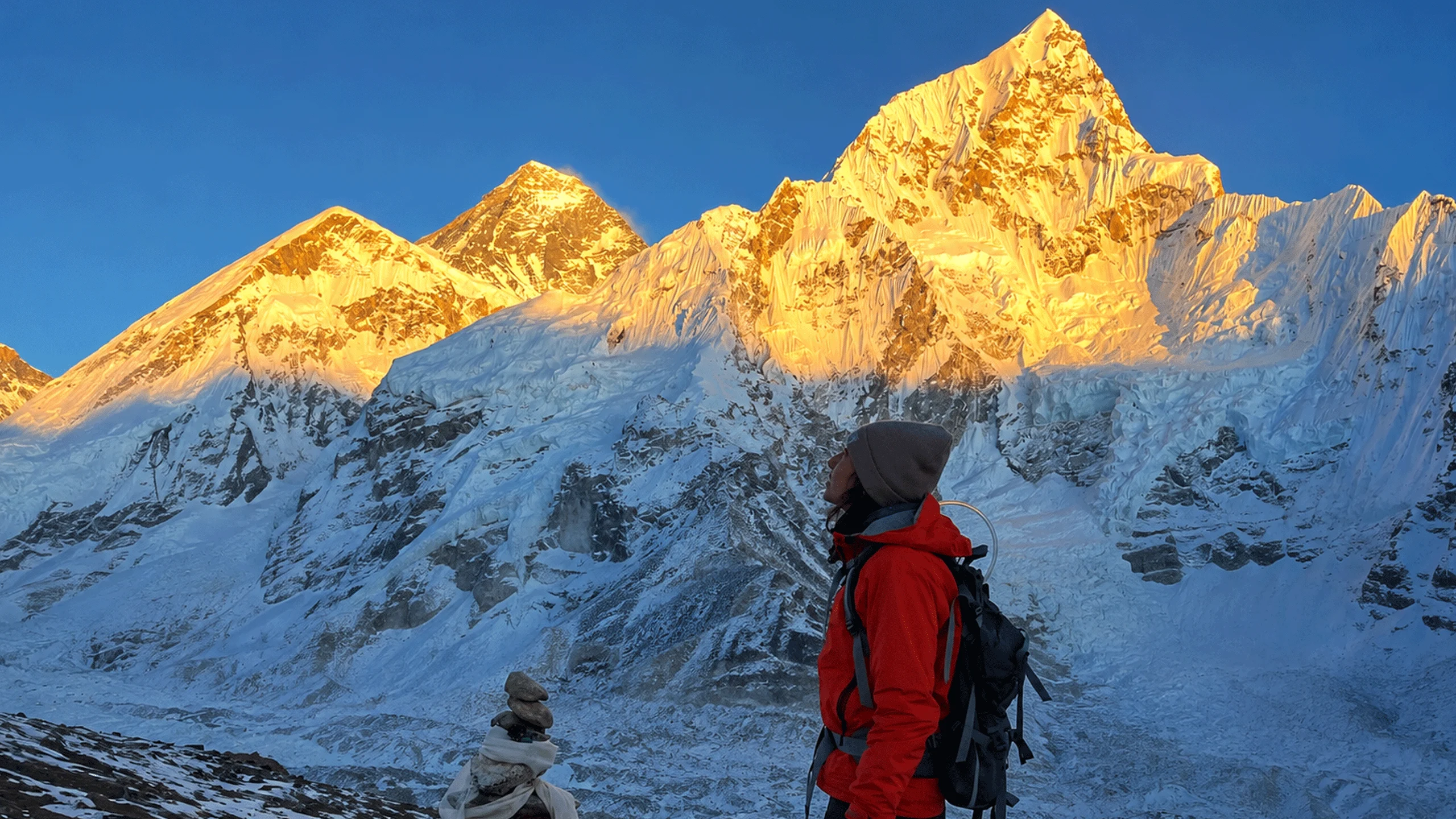
Another major highlight is the early-morning hike to Kala Patthar (5,545 m), one of the best viewpoints in the Everest region. From the summit, trekkers can enjoy spectacular panoramic views of Mount Everest, Nuptse, Pumori, and the surrounding Himalayan range.
The sunrise from Kala Patthar is particularly impressive and provides one of the finest mountain views of the entire Everest Trek.
Experience Sherpa Hospitality
The Everest Trek provides an opportunity to experience the warm hospitality and traditional lifestyle of the Sherpa communities.
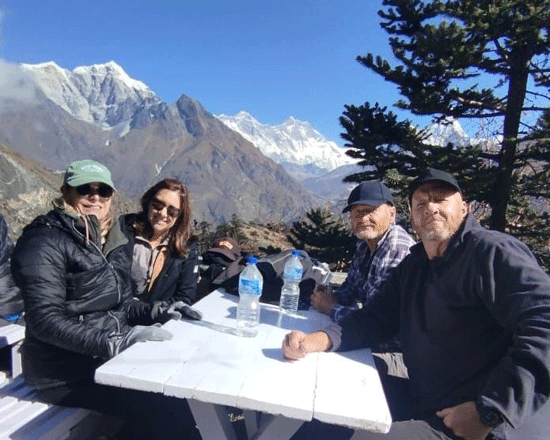
Local teahouses, monasteries, prayer flags, traditional homes, and mountain villages are an important part of the journey. Staying in local teahouses allows trekkers to experience the unique atmosphere of life in the high Himalayas.
The Everest trek is accompanied by an experienced local guide who helps with navigation, cultural interpretation, acclimatization, and general trekking support throughout the journey.
Best Time for the Everest Base Camp Trek
The best seasons for the Everest Base Camp Trek are spring (March–May) and autumn (September–November). These seasons generally provide stable weather, clearer skies, and excellent mountain visibility.
Spring brings warmer temperatures and blooming rhododendrons in the lower valleys, while autumn is particularly popular for its clear mountain views and generally favorable trekking conditions.
Winter trekking is also possible for experienced and well-prepared trekkers, although temperatures can be very cold and snowfall may affect higher sections of the trail. The monsoon season from June to August brings rain to the lower elevations and can affect mountain flight operations.
Buffer Days and Lukla Flight Delays
Trekkers should consider keeping one or two extra days in their overall Nepal travel schedule, particularly if they have an international flight shortly after completing the trek.
Weather conditions can change rapidly in the Himalayas, and flights between Ramechhap and Lukla may sometimes be delayed or cancelled. Having a buffer day provides greater flexibility in case of unexpected flight disruptions.
Accommodation During the Trek
Accommodation during the EBC Trek is provided in local teahouses and lodges.
Rooms are generally simple and include a bed, mattress, pillow, and blanket. Most accommodation is twin-sharing, while single rooms may be available at some lodges for an additional cost, subject to availability.
As the trail reaches higher elevations, accommodation becomes more basic because of the remote mountain environment. Nevertheless, teahouses provide a warm and comfortable place to rest after each day’s trek.
Meals During the Trek
Teahouses along the Everest Base Camp route offer a variety of local and international meals. Common choices include dal bhat, rice, noodles, pasta, potatoes, soups, vegetables, eggs, Tibetan bread, and other simple but filling dishes.
Dal bhat is particularly popular among trekkers because it provides a nutritious and energy-rich meal for long days of walking.
We recommend staying well hydrated throughout the trek. Trekkers can use treated local water with purification tablets, liquid purification, or a suitable filtration system. Bottled and mineral water are also available along the route.
Using reusable water bottles and water purification methods is encouraged because it helps reduce plastic waste in the fragile Himalayan environment.
Safety on the Everest Base Camp Trek
The safety and well-being of our clients are our highest priorities. The EBC Trek is led by experienced and knowledgeable local guides who are familiar with the trail, altitude, weather conditions, and local communities.
Our guides carry essential first-aid supplies and monitor trekkers throughout the journey. They also help maintain an appropriate walking pace and provide guidance during acclimatization days.
Because the trek reaches high elevations, altitude sickness is one of the main safety concerns. Trekkers should understand the symptoms of Acute Mountain Sickness (AMS) and immediately inform their guide if they feel unwell.
Trekkers are also strongly advised to have comprehensive travel insurance covering high-altitude trekking, medical treatment, emergency helicopter evacuation, and trip cancellation or interruption.
EBC Trek Cost
The Everest Base Camp trek cost depends on the group size, travel arrangements, services, and inclusions.
Our package pricing is based on the number of trekkers joining the trip, with discounted rates available for larger groups. Solo travelers can also book a private Trek.
The package includes the major trekking services listed in the Included section, while personal expenses are paid separately.
Typical personal expenses during the trek may include:
- Snacks and additional drinks
- Charging and electricity
- Wi-Fi
- Hot showers
- Personal shopping
- Tips for guides and porters
- Other personal expenses not included in the package
Prices for these services can vary depending on the location and lodge.
Physical Preparation and Trekking Fitness
The Everest Base Camp requires good physical fitness because of the long walking days and high altitude. Previous trekking experience is helpful but not essential if you are physically prepared.
We recommend beginning your training several weeks before the trek. Useful preparation includes:
- Regular hiking and walking
- Running, cycling, or swimming for cardiovascular fitness
- Leg and core strength training
- Longer weekend hikes
- Practicing with your trekking boots and daypack
If possible, gaining experience walking at moderate elevations before the trek can also help you become more comfortable in mountainous terrain.
Acclimatization and Altitude
Proper acclimatization is one of the most important aspects of the this Trek. The itinerary includes acclimatization days in Namche Bazaar and Dingboche, allowing your body time to adapt gradually to increasing elevation.
During acclimatization days, short hikes to higher elevations followed by returning to a lower sleeping altitude help the body adjust.
Important altitude-safety guidelines include:
- Walk slowly and maintain a steady pace.
- Stay properly hydrated.
- Avoid unnecessary physical exertion.
- Get adequate rest and sleep.
- Follow your guide’s recommendations.
- Inform your guide immediately if you experience symptoms of altitude sickness.
- If symptoms become severe or worsen, descend to a lower elevation.
Common symptoms of Acute Mountain Sickness (AMS) include headache, nausea, dizziness, unusual tiredness, and loss of appetite.
Medication such as acetazolamide (Diamox) is used by some trekkers for altitude-related prevention or treatment, but it should only be taken following appropriate medical advice.
Guide, Porter and Packing for the Everest Base Camp Trek
Although experienced trekkers may choose to travel independently, Trek provides valuable support throughout the journey. An experienced local guide assists with trail navigation, accommodation arrangements, communication with teahouses, cultural interpretation, trekking pace and altitude awareness.
A porter can carry your main luggage, allowing you to trek with a lighter daypack and enjoy the journey more comfortably. We offer private Everest Base Camp Trek arrangements for solo trekkers, couples, families and small groups, with the walking pace and itinerary adapted to your requirements.
Everest Base Camp Trek Packing List
Proper equipment is essential for a safe and comfortable Trek. Conditions can change quickly in the mountains, particularly at higher elevations, so you should be prepared for cold temperatures, wind, rain and possible snow.
Clothing
- Waterproof trekking jacket and trousers
- Warm down jacket
- Fleece or warm mid-layer
- Thermal base layers
- Comfortable trekking trousers
- Warm gloves
- Warm hat and sun hat
- Trekking socks and spare socks
Footwear
- Good-quality, comfortable trekking boots
- Lightweight camp shoes or sandals
Trekking Equipment
- Comfortable daypack
- Duffel bag
- Cold-weather sleeping bag
- Trekking poles
- Headlamp with spare batteries
- Reusable water bottles or hydration system
- Dry bags or waterproof packing bags
- Compression sacks for organizing clothing and equipment
Personal Items
- Sunglasses
- Sunscreen and lip balm
- Personal medications
- Basic first-aid supplies
- Toiletries
- Hand sanitizer
- Power bank
- Mobile phone or camera
Important Documents
- Passport
- Travel insurance documents
- Flight details
- Emergency contact information
Dry bags or waterproof packing bags are particularly useful for protecting clothing, documents and electronics from rain and moisture. Compression sacks can also help reduce the volume of your clothing and keep your duffel bag organized.
We can provide or arrange selected trekking equipment, including a sleeping bag, duffel/kit bag and trekking poles, depending on the package and your requirements. We recommend discussing any equipment needs with us before departure so that everything can be prepared in advance.
Respect Local Culture and the Environment
The Everest Base Camp Trek passes through communities with strong Buddhist traditions and a distinctive Sherpa culture.
Trekkers are encouraged to respect local customs by dressing appropriately, asking permission before photographing people, walking clockwise around stupas and mani walls, and avoiding unnecessary disturbance at monasteries and religious sites.
It is equally important to protect the Himalayan environment by avoiding unnecessary plastic, carrying reusable water bottles, disposing of waste properly, and following responsible trekking practices.
Respect for local communities, guides, porters, wildlife, and the mountain environment helps preserve the Khumbu region for future generations.
Everest Base Camp Trek Difficulty
The Everest BC Trek is considered a challenging high-altitude trek, but it does not require technical climbing skills or previous mountaineering experience. The main challenges are the high altitude, long walking days, steep and uneven trails, and changing mountain weather.
Trekkers normally walk for around 5–7 hours per day, although some days are shorter or longer depending on the route and pace. The highest point of the trek is Kala Patthar at 5,545 meters, while Everest Base Camp sits at 5,364 meters.
Good physical preparation and a gradual itinerary are important. Our itinerary includes acclimatization days in Namche Bazaar and Dingboche to allow the body to adjust to increasing altitude.
Everest Base Camp Trek Distance
The total walking distance of the Everest Base Camp Trek is approximately 120–130 km round trip, depending on the exact route, side trips, and daily trail conditions.
The trek begins at Lukla and passes through Phakding, Namche Bazaar, Tengboche, Dingboche, Lobuche and Gorakshep before reaching Everest Base Camp. The return journey follows the trail back toward Lukla.
Rather than focusing only on total distance, trekkers should prepare for several consecutive days of walking at high altitude. The combination of elevation, terrain and walking hours makes proper preparation particularly important.
Who Can Do the Everest Base Camp Trek?
The Everest Base Camp Trek is suitable for people with a reasonable level of fitness who are comfortable walking for several hours a day.
You do not need previous high-altitude trekking or mountaineering experience. Many first-time Himalayan trekkers successfully complete the route with appropriate preparation, a sensible pace and proper acclimatization.
Before the trek, we recommend building endurance through regular walking, hiking, running, cycling or other aerobic exercise. Longer weekend hikes are particularly useful for preparing your legs and feet for consecutive trekking days.
If you have a pre-existing medical condition or concerns about high-altitude trekking, consult your doctor before traveling.
Altitude Sickness and Acclimatization
Altitude is one of the most important factors to consider on the Everest Base Camp Trek. As you ascend above 3,000 meters, the amount of available oxygen decreases and your body needs time to adapt.
Our itinerary includes acclimatization stops in Namche Bazaar and Dingboche, with gradual elevation gain rather than ascending too quickly.
Common symptoms of mild altitude sickness can include headache, nausea, dizziness, tiredness and reduced appetite. Trekkers should inform their guide immediately if they develop symptoms.
The best approach is to walk slowly, stay hydrated, eat properly, avoid overexertion and follow the recommended acclimatization schedule. If symptoms become severe or continue to worsen, descending to a lower altitude is essential.
Medication for altitude sickness should only be taken according to appropriate medical advice.
Everest Base Camp Trek Permits
Two main local permits are required for the Everest Base Camp Trek:
- Sagarmatha National Park Entry Permit
- Khumbu Pasang Lhamu Rural Municipality Permit
These permits are required for entering and trekking through the Everest region. Our trekking package includes the necessary permit arrangements, so you do not need to manage the application process yourself.
Departure Dates
Our published EBC Trek departure dates are available for trekkers who want to join scheduled departures.
If your preferred date does not match our published schedule, we can arrange a private Everest Base Camp Trekking according to your travel plans.
Private departures are available for solo travelers, couples, families, and groups, and the itinerary can be customized according to your schedule, preferred pace, and interests.