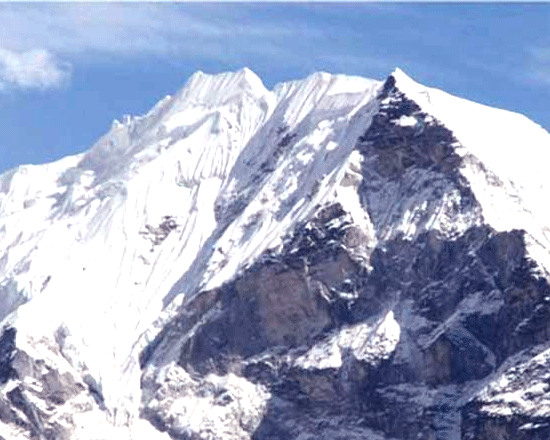
Pokalde Peak Climbing (5,806m) – Best Beginner-Friendly Peak Climbing in the Everest Region
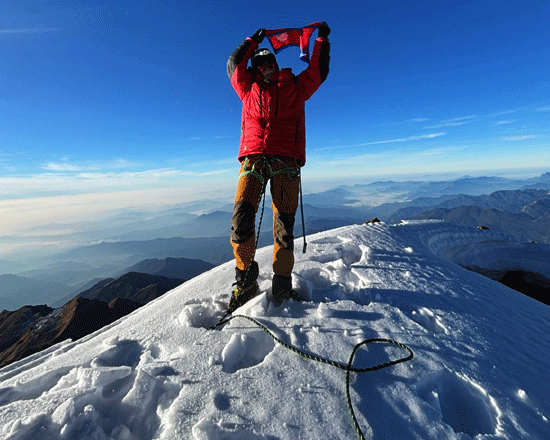
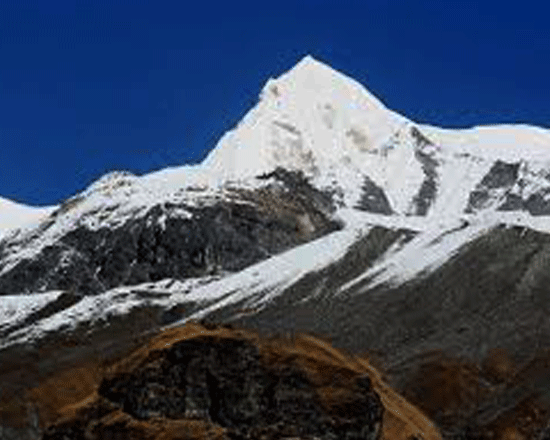
Pokalde Peak, standing at an altitude of 5,806 meters, is one of the most accessible and rewarding trekking peaks in Nepal’s Everest region. Located just a short distance from Everest Base Camp and near the famous Kongma La Pass, this peak offers an exceptional combination of trekking adventure and non-technical mountaineering. Also locally known as Dolma Ri, Pokalde Peak is a hidden gem within the Khumbu Himalaya, attracting trekkers who want a high-altitude summit experience without the extreme difficulty of technical climbing.
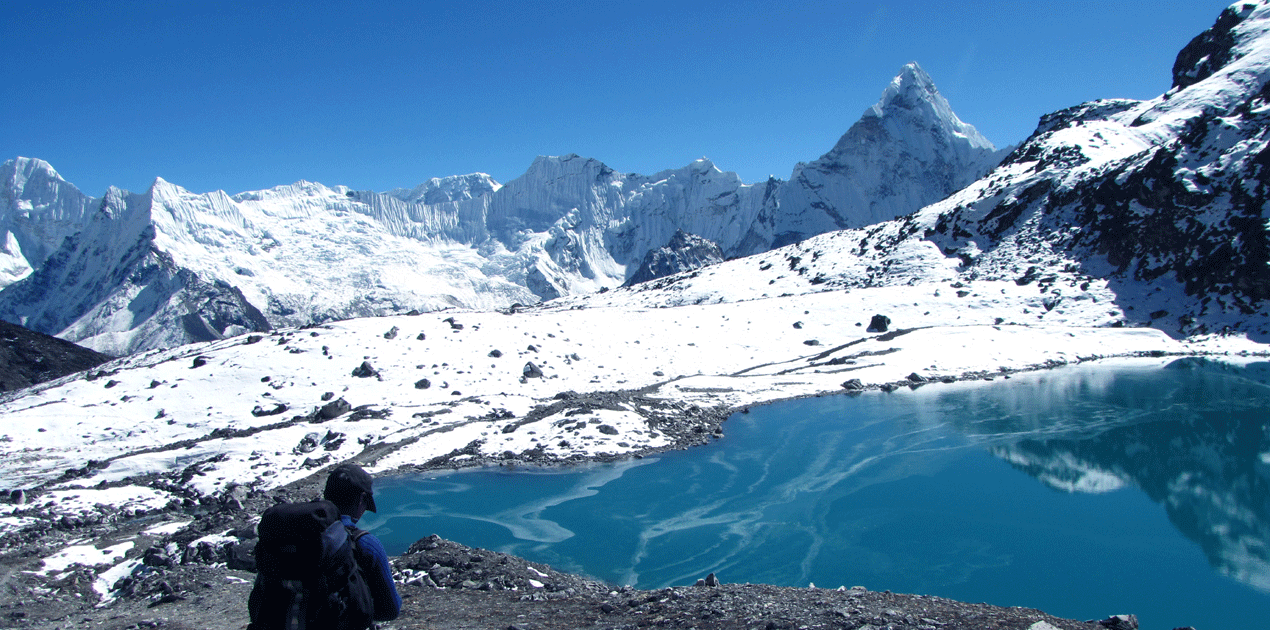
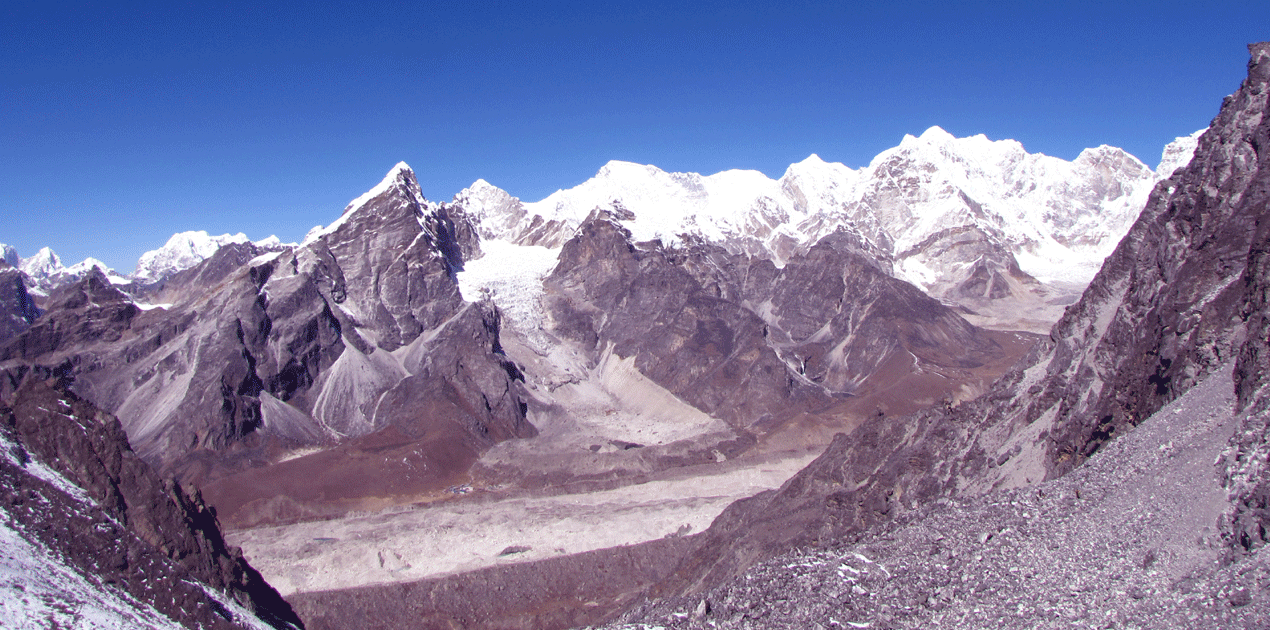
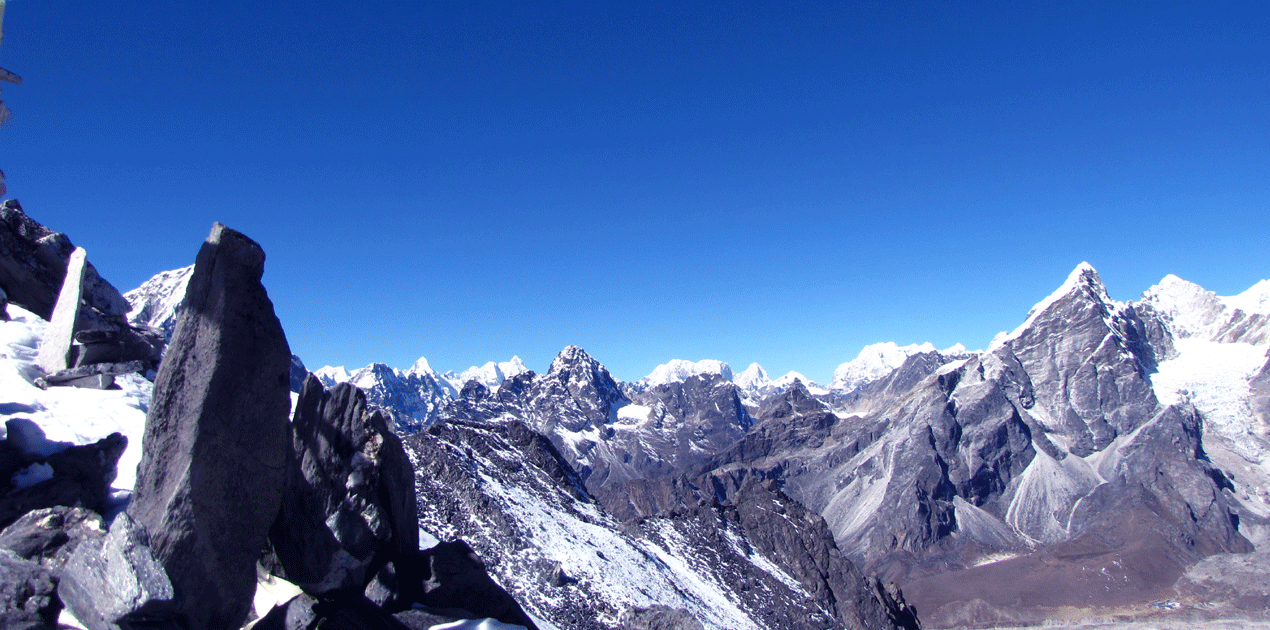
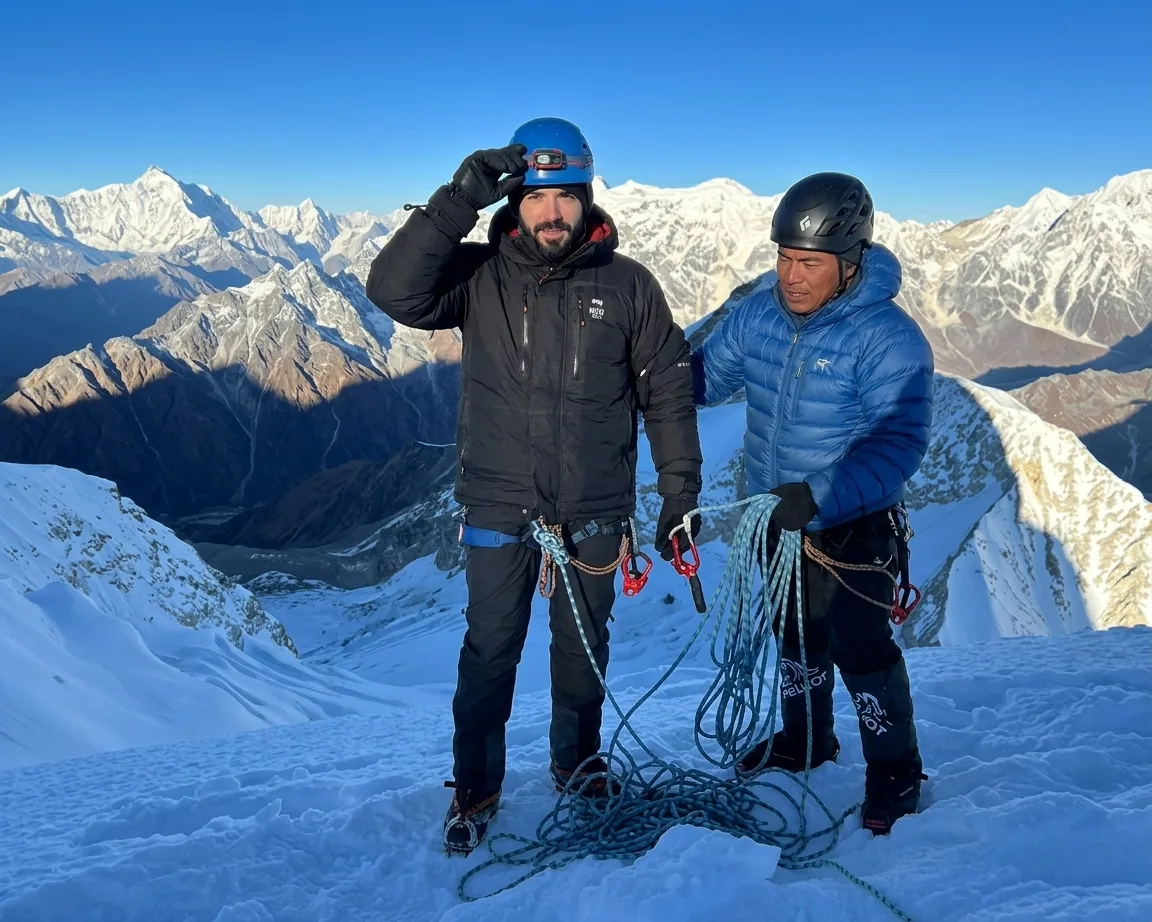
This peak lies within the protected boundaries of Sagarmatha National Park, a UNESCO World Heritage Site, where trekkers experience dramatic Himalayan landscapes, ancient Sherpa culture, and the raw beauty of the world’s highest mountain region. From the summit of Pokalde Peak, climbers are rewarded with breathtaking panoramic views of some of the most iconic Himalayan giants, including Mount Makalu, Ama Dablam, Pumori, Lhotse, and the surrounding Mahalangur range.
A Perfect Introduction to Himalayan Climbing
Pokalde Peak is widely recognized as one of the best introductory climbing peaks in Nepal. Unlike more technical expeditions, this climb does not require advanced mountaineering skills or complex rope techniques under normal conditions. It is often chosen by trekkers who want to transition from high-altitude trekking into the world of Himalayan mountaineering.
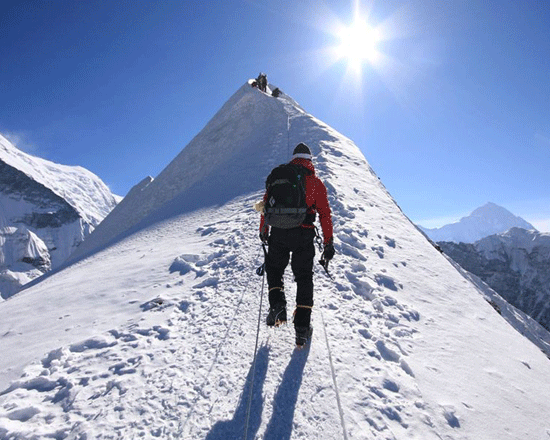
The route involves trekking through rocky terrain, glacial moraines, and steep alpine slopes, but it remains manageable for physically fit trekkers with basic high-altitude experience. While technical equipment is not always necessary, climbers must still be prepared for loose scree, changing weather conditions, and the challenges of thin air above 5,000 meters.
Despite its relatively easier classification, Pokalde Peak delivers a genuine sense of achievement, making it a popular choice for those completing the Everest Base Camp Gokyo Lake trek.
Location and Natural Setting of Pokalde Peak
Pokalde Peak is situated in the eastern Himalayan section of Nepal, within the Khumbu Valley. The mountain lies close to the Kongma La Pass (5,535m), one of the highest trekking passes in the Everest region. Its strategic position between major trekking routes makes it a natural extension for trekkers exploring Everest Base Camp or the Three High Passes circuit.
Rugged alpine terrain, ancient glaciers, and dramatic mountain walls define the surrounding environment. As trekkers ascend, the landscape transitions from lush pine forests and Sherpa villages to barren, icy wilderness dominated by rock and snow. The proximity to the Khumbu Glacier adds a dramatic backdrop to the climb, creating a truly unforgettable Himalayan atmosphere.
Dolma Ri – The Spiritual Identity of Pokalde Peak
Pokalde Peak is also known locally as Dolma Ri, a name deeply rooted in Buddhist culture and Sherpa traditions. The word “Dolma” refers to Tara, a revered female deity in Tibetan Buddhism who symbolizes compassion, protection, and wisdom. The term “Ri” means mountain in the Sherpa language.
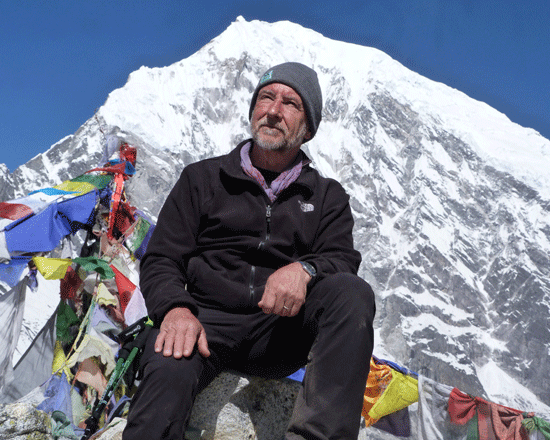
The name Dolma Ri reflects the spiritual connection between the Himalayan landscape and local belief systems. For many Sherpa communities, mountains are not just physical formations but sacred spaces inhabited by protective deities. This spiritual dimension adds cultural depth to the Pokalde Peak journey, especially when passing through monasteries, prayer flags, and ancient religious sites in the Khumbu region.
Climbing Experience and Difficulty Level
Pokalde Peak is classified as a non-technical trekking peak, making it one of the more accessible climbing peaks above 5,800 meters in Nepal. However, it should not be underestimated, as altitude remains the primary challenge.
Key characteristics of the climb include:
- Steep ascents over rocky and uneven terrain
- Sections of loose scree near higher elevations
- Exposure to strong winds and sudden weather changes
- High-altitude conditions require proper acclimatization
While most climbers do not require ropes or technical gear in standard conditions, the summit approach demands careful footing and strong physical endurance. The thin air above 5,000 meters significantly reduces stamina, making gradual acclimatization essential for a successful ascent.
Best Time for Pokalde Peak Climbing
The most favorable seasons for Pokalde Peak climbing are spring (March to May) and autumn (September to November). These periods offer the most stable weather conditions and clear mountain visibility.
Spring Season (March–May)
Spring is one of the most popular seasons for climbing in the Everest region. The weather is generally stable, temperatures are moderate, and the trails are decorated with blooming rhododendron forests in lower elevations. Visibility of the Himalayan peaks is excellent, making it ideal for photography and summit attempts.
Autumn Season (September–November)
Autumn is considered the best overall season for Pokalde Peak. After the monsoon rains, the air becomes crystal clear, offering stunning visibility of Everest, Makalu, and surrounding peaks. The weather is dry and stable, making trekking conditions highly favorable.
Winter Season (December–February)
Winter climbing is possible for experienced trekkers. The region is much quieter, and the mountain views are exceptionally clear. However, extremely cold temperatures and heavy snowfall at higher altitudes require proper preparation and gear.
Monsoon Season (June–August)
Monsoon is not recommended due to heavy rainfall, slippery trails, poor visibility, and frequent flight disruptions in the Everest region.
Cultural and Natural Highlights
The Pokalde Peak Trek is not only a climbing adventure but also a cultural journey through the heart of the Sherpa homeland. The route passes through traditional villages where ancient Buddhist traditions remain an integral part of daily life.
Key highlights include:
- Exploration of Sherpa villages such as Namche Bazaar and Dingboche
- Visit to Tengboche Monastery, one of the most important Buddhist monasteries in the Everest region
- Interaction with local communities and traditional yak herders
- Observation of prayer wheels, mani walls, and colorful Buddhist flags
- Scenic views of glacial valleys, waterfalls, and alpine landscapes
This combination of natural beauty and cultural richness makes Pokalde Peak a deeply rewarding Himalayan experience.
Why Pokalde Peak is a Unique Climbing Choice
Pokalde Peak stands out among trekking peaks in Nepal for several reasons. It offers a rare opportunity to experience high-altitude climbing without the complexity of technical mountaineering expeditions. Its location near Everest Base Camp allows trekkers to combine iconic trekking routes with a summit experience, making the journey more diverse and fulfilling.
Unlike more commercial trekking peaks, Pokalde remains relatively less crowded, providing a quieter and more immersive Himalayan experience. The views from the summit are equally impressive, offering a wide-angle panorama of some of the tallest mountains in the world.
Safety, Acclimatization, and Preparation
Although Pokalde Peak is considered a non-technical climb, safety remains a key priority due to extreme altitude conditions. Proper acclimatization is essential to reduce the risk of altitude sickness.
Important preparation points include:
- Gradual ascent with proper acclimatization days
- Hydration throughout the trek
- Maintaining steady pace during ascent
- Monitoring physical condition closely
- Using experienced guides familiar with the route
A well-planned itinerary and professional guidance significantly increase the success rate of the climb.
Pokalde Peak Trek with Nepal Wilderness Trekking
Nepal Wilderness Trekking provides professionally guided Pokalde Peak climbing expeditions with experienced high-altitude guides and full logistical support. The team ensures safety, comfort, and proper acclimatization throughout the journey.
Services include:
- Expert climbing and trekking guides
- Permit arrangements and logistics
- Safety-focused expedition planning
- Flexible departure options
- Personalized trekking support
Each expedition is carefully organized to deliver a safe and memorable Himalayan experience.
Conclusion
Pokalde Peak (5,806m), or Dolma Ri, is one of the most rewarding trekking peaks in the Everest region. It offers the perfect balance of adventure, culture, and Himalayan beauty. With its non-technical nature, stunning summit views, and proximity to Everest Base Camp, it is an ideal choice for trekkers seeking their first Himalayan climbing experience.
From Sherpa villages and Buddhist monasteries to icy ridges and panoramic mountain vistas, the journey to Pokalde Peak is a true Himalayan adventure that leaves a lasting impression on every climber.