Skip to content
Trekking in Nepal

Private local-guided destination

Trekking in Nepal

Trekking in Nepal

About this destination

About Trekking in Nepal

Trekking in Nepal

Trekking in Nepal Trekking in Nepal offers unique adventure, combining breathtaking landscapes, rich cultural experiences, and a sense of accomplishment as you trek some of the world's most famous trails. From the iconic Everest Base Camp trek to the serene Annapurna Circuit, Nepal's diverse terrain attract to all levels of trekkers. Whether you're seeking high-altitude challenges, lush valleys, or the opportunity to interact with local communities, Nepal has something for everyone. Each trek offers its own highlights, from stunning Himalayan…

5 Activities
0 Trip Options
Trekking in Nepal

Activity guides

Detailed Information

Annapurna Region

Annapurna Region Trek

Annapurna Region trek is ideal for its legendary area around and various Trekking routes, climbing peaks, and charming villages. The historic most prosperous Himalaya region bounded by the Kali Gandaki River on the west, the Marshyangdi River on the north and east.

Annapurna region trek is the fabulous mountain zone, connecting with Baglung, Kaski, Lamjung, Manang, and Myagdi. This region offers magnificent mountain vistas and a large Nepalese indigenous group vast Cultures.

Peoples and cultures

  • Diverse Ethnic Communities: Indigenous group people inhabitant richer cultures land, mostly Gurung, Magar, Thakali, and Manangi, each with its own distinct culture, language, and traditions who are mainly Buddhist Bon Po and Hinduism.
  • Flora and Fauna: The Annapurna Conservation Area is rich in biodiversity, featuring forests of rhododendron, oak, and pine, as well as wildlife like snow leopards, Himalayan tahr, and various bird species.
  • Sacred Sites: The region is dotted with important religious sites, including temples, monasteries, and gompas, many of which are significant to both Hindus and Buddhists.

Trekkings

The Annapurna region trek is one of the most popular trekking destinations in Nepal and offers a variety of trekking options. Here are some of the most popular Annapurna region treks:

1. Annapurna Circuit Trek

  • Duration: 15-20 days
  • Max Altitude: 5,416 meters (Thorong La Pass)
  • Difficulty: Moderate to Difficult
  • Highlights: The Annapurna Circuit is one of the most famous trekking routes globally, known for its incredible diversity in landscapes, from lush subtropical forests to high alpine meadows and arid, desert-like terrain.
    • The trek circles the Annapurna Massif and crosses the Thorong La Pass, offering panoramic views of peaks like Annapurna, Dhaulagiri, and Machapuchare.
    • Cultural encounters with the Gurung, Thakali, and Manangi people, visits to ancient monasteries, and the pilgrimage site of Muktinath add to the trek’s allure.
  • Best Time to Trek: March to June and September to December.

2. Annapurna Base Camp (ABC) Trek

  • Duration: 7-12 days
  • Max Altitude: 4,130 meters (Annapurna Base Camp)
  • Difficulty: Moderate
  • Highlights: The ABC trek is a direct route to the base camp of Mount Annapurna,  the 10th highest peak in the world. It offers close-up views of Annapurna I, Annapurna South, Machapuchare (Fishtail), and other peaks.
    • The trail passes through diverse landscapes, including terraced fields, rhododendron forests, and high alpine meadows.
    • The trek is culturally rich, with stops at traditional Gurung and Magar villages, providing insights into the local way of life.
  • Best Time to Trek: March to June and September to December.

3. Ghorepani Poon Hill Trek

  • Duration: 4-5 days
  • Max Altitude: 3,210 meters (Poon Hill)
  • Difficulty: Easy to Moderate
  • Highlights: The Ghorepani Poon Hill trek is a shorter, less strenuous trek, ideal for those with limited time or trekking with families.
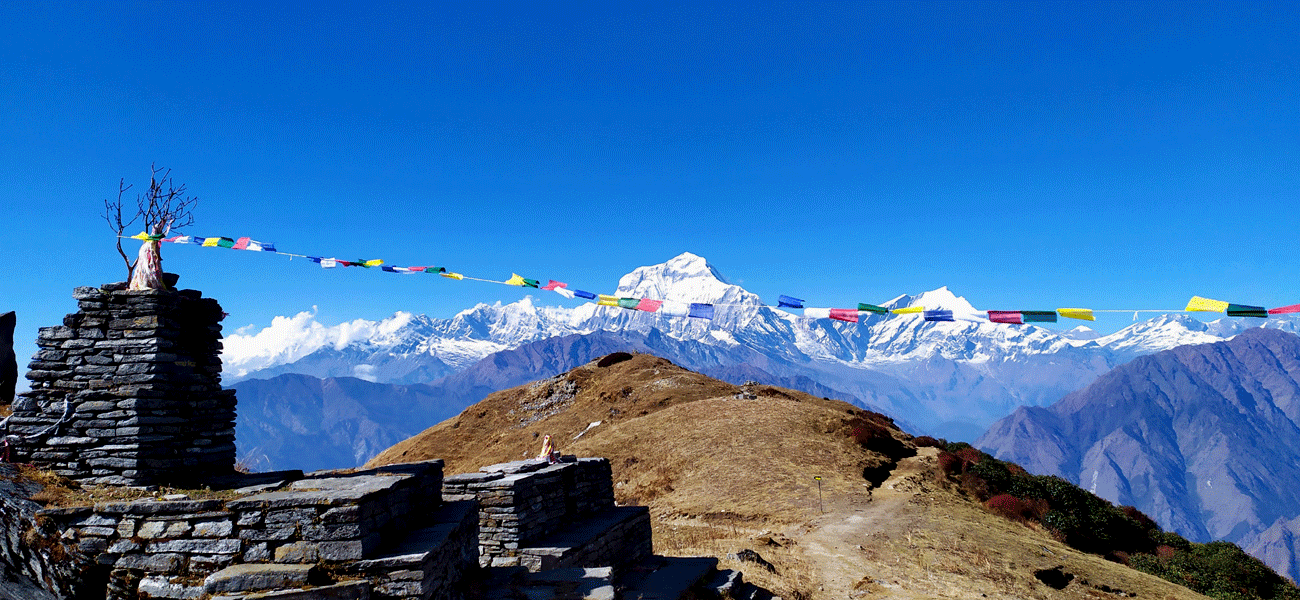
    • Poon Hill is famous for its sunrise view, offering breathtaking panoramic vistas of the Annapurna and Dhaulagiri mountain ranges.
    • The trek is accessible and passes through beautiful forests, terraced fields, and charming villages, with opportunities to interact with the local Gurung and Magar communities.
  • Best Time to Trek: Year-round, but the best views are during the spring (March to June) and autumn (September to December).

4. Mardi Himal Trek

  • Duration: 5-7 days
  • Max Altitude: 4,500 meters (Mardi Himal Base Camp)
  • Difficulty: Moderate
  • Highlights: The Mardi Himal trek is a relatively new and less crowded route, offering stunning views of Annapurna South, Hiunchuli, and Machapuchare.
    • The trek takes you through pristine forests, rugged landscapes, and high ridges, ending at the base of Mardi Himal.
    • The trail offers an off-the-beaten-path experience, with fewer trekkers and a more intimate connection with nature.
  • Best Time to Trek: March to June and September to December.

5. Jomsom Muktinath Trek

  • Duration: 7-12 days
  • Max Altitude: 3,800 meters (Muktinath)
  • Difficulty: Moderate
  • Highlights: The Jomsom Muktinath trek is part of the Annapurna Circuit but can be done as a shorter, standalone trek. It follows the Kali Gandaki Valley, known for being the deepest gorge in the world.
    • The trek offers varied landscapes, from the lush green hills near Pokhara to the arid, desert-like terrain of the Mustang region.
    • Muktinath, a sacred site for both Hindus and Buddhists, is a significant highlight, along with the unique culture and traditions of the Thakali and Tibetan-influenced communities.
  • Best Time to Trek: March to June and September to December.

6. Khopra Ridge Trek

  • Duration: 7-9 days
  • Max Altitude: 3,660 meters (Khopra Ridge)
  • Difficulty: Moderate
  • Highlights: The Khopra Ridge trek is a lesser-known route that offers stunning views of Annapurna, Dhaulagiri, Nilgiri, and other peaks.
    • The trek includes a visit to Khayer Lake, a sacred high-altitude lake with spiritual significance.
    • The trail is less crowded, providing a peaceful trekking experience with opportunities to experience local hospitality in the teahouses.
  • Best Time to Trek: March to June and September to December.

7. Tilicho Lake Trek

  • Duration: 15-20 days (often combined with the Annapurna Circuit)
  • Max Altitude: 4,919 meters (Tilicho Lake)
  • Difficulty: Moderate to Difficult
  • Highlights: Tilicho Lake is one of the highest lakes in the world, located at the base of Tilicho Peak. The trek offers a challenging extension to the Annapurna Circuit.
    • The trek provides a combination of cultural experiences and breathtaking landscapes, including the Marsyangdi Valley and views of the Annapurna range.
    • The pristine, turquoise waters of Tilicho Lake against the backdrop of snow-capped peaks make this a rewarding trek for those seeking a bit more adventure.
  • Best Time to Trek: March to June and September to December

8. Nar Phu Valley Trek: The Nar Phu Valley trek is a remote and less-traveled trek that takes you through traditional villages and over high mountain passes. The trek offers stunning views of the Annapurna and Manaslu mountain ranges and a chance to experience the unique culture of the Nar and Phu people.

These are just a few of the many trekking options in the Annapurna region. Each trek offers its unique beauty, culture, and trekking experience, making it a popular destination for trekking enthusiasts from around the world.

The most popular doable trekking are Annapurna Base Camp, Annapurna Circuit, Jomsom Muktinath, Kaligandaki valley, Mohare Danda, Ghorepani Poon Hill, Royal Trek, Khopra danda Trek, Mardi Himal, and Karbakeli Trek, Panchase Trek, Dhaulagiri Circuit.

Mountain Peaks

There are several peaks that are popular climbing for climbers, Tent Peak, Him Chuli, Dhampus Peak, Tilicho Peak, Chulu Far East, Pisang Peak in the Annapurna region, also some highest mountain expeditions over 8000 m are Dhaulagiri and Annapurna I.

Lakes

The Lap of the Annapurna region trek has so many lakes heritages, Fewa lake, Begnas Lake, and Rupa Lake in the Pokhara, in the Manang side is Tilicho Lake, Ice Lake, Upper Mustang has Damodar Kunda which is popular for the Hinduism pilgrims.

The Annapurna region is protected within the 7,629-square-kilometre inner Annapurna Conservation Area Project.

Trekking Tips for the Annapurna Region trek

  • Permits: Trekkers need the Annapurna Conservation Area Permit (ACAP) and a TIMS (Trekkers’ Information Management System) card.
  • Guides and Porters: Hiring a guide and/or porter can enhance your experience, providing local knowledge and easing the physical burden.
  • Accommodation: Teahouses are widely available along the trekking routes, offering basic but comfortable lodging and meals.
  • Altitude Awareness: Be mindful of altitude sickness, especially on treks that involve crossing high passes like Thorong La. Acclimatize properly and stay hydrated.

The Annapurna region trek offers an unparalleled trekking experience with its diverse landscapes, rich cultural heritage, and majestic mountain views, making it a must-visit destination for trekkers of all levels.

Everest Region

Everest region

The Everest region, known for its iconic peaks and rich Sherpa culture, offers some of the most famous trekking routes in Nepal. Whether you’re aiming to stand at the base of the world’s highest peak or explore serene lakes and high passes, the Everest region has a trek suited to your interests and experience level.

Here are some of the most favored treks in this region:

  1. Everest Base Camp Trek (EBC) Trek
    • Highest Point: Everest Base Camp at 5,364 meters (17,598 feet).
    • Duration: 12-16 days.
    • Highlights: The EBC trek takes you through lush forests, Sherpa villages, and Buddhist monasteries to reach the iconic base camp of Mount Everest. Along the way, you’ll experience stunning views of Everest, Lhotse, and Nuptse, and visit key sites like Tengboche Monastery and Namche Bazaar.
  2. The Gokyo Lakes trek
    • Highest Point: Gokyo Ri at 5,357 meters (17,575 feet).
    • Duration: 12-14 days.
    • Highlights: This trek is known for its beautiful glacial lakes and panoramic views from Gokyo Ri. It includes crossing the Cho La Pass (5,420 meters/17,782 feet) and offers stunning vistas of Everest, Lhotse, and Makalu. The trek also includes a visit to the serene Gokyo Lakes.
  3. Everest Three Passes Trek
    • Highest Point: Renjo La Pass at 5,388 meters (17,676 feet), Cho La Pass at 5,420 meters (17,782 feet), and Kongma La Pass at 5,535 meters (18,159 feet).
    • Duration: 18-22 days.
    • Highlights:The challenging trek takes trekkers crossing three high passes and offers incredible views of the Everest region. Along the way, adventurers are treated to splendid panoramas of Everest, Lhotse, Nuptse, and other Himalayan giants.
  4. Everest View Trek
    • Highest Point: Tengboche at 3,867 meters (12,687 feet)
    • Duration: 7-10 days
    • Highlights: It provides a delightful option for those in search of a more relaxed trek. This moderately easy trek guides adventurers through traditional Sherpa villages, offering striking views of the Everest, Lhotse, and Ama Dablam mountain ranges. Trekkers also visit the ancient and revered Tengboche monastery, a significant spiritual landmark in the region. It’s a great option for those who want to experience the Everest region but have limited time or are looking for a less strenuous trek.
  5. EBC via Jiri
    • Highest Point: Everest Base Camp at 5,364 meters (17,598 feet)
    • Duration: 18-20 days
    • Highlights: This route approaches Everest Base Camp from the east, starting from Jiri and passing through lesser-traveled areas. It offers a chance to experience more of the rural and cultural aspects of Nepal before joining the classic EBC trail.
  6. For seasoned adventurers, the  Island Peak trek beckons. This challenging trek leads adventurers to the summit of Island Peak, a towering mountain standing at 6,189 meters in the Everest region. Along the way, trekkers have the chance to immerse themselves in the culture of the Sherpa communities and savor jaw-dropping Himalayan vistas.

These are merely a handful of the numerous trekking possibilities in the Everest region. Each trek boasts its distinctive charm, cultural experiences, and trekking thrills, making this region an irresistible destination for trekking enthusiasts from across the globe.

Why Trek in the Everest Region?

  • Iconic Views: The region provides unparalleled views of Everest, Lhotse, Nuptse, and other Himalayan giants.
  • Sherpa Culture: Experience the rich culture and hospitality of the Sherpa people, including visits to traditional villages, sherpa museum and monasteries.
  • Varied Terrain: Oppotunity to trek from lush forests to high-altitude deserts, with the opportunity to explore beautiful glacial lakes and high mountain passes.

Best Time to Trek in the Everest Region

The best times for trekking in the Everest region are during the pre-monsoon (March to May) and post-monsoon (September to November) seasons. These periods offer clear skies, stable weather, and the best views of the mountains.

Trekking in the Everest region is an extraordinary experience, combining breathtaking scenery, cultural encounters, and the challenge of high-altitude trekking. Whether you’re reaching the base camp of the world’s highest peak or exploring high mountain passes, the Everest region promises a memorable adventure.

Langtang Region

Langtang Region

The Langtang region, located north of Kathmandu, is a beautiful and less crowded trekking destination in Nepal. Known for its stunning landscapes, rich Tamang culture, and relatively easy accessibility, the Langtang region offers a rewarding experience for trekkers seeking both natural beauty and cultural immersion. Encompassing the Ganesh Himal to the west and the Helamhu area to the east. Situated just south of the Nepal-China border in the Rasuwa district.

Regarding accommodations and meals, the Langtang Valley and Gosainkunda areas offer excellent amenities, including hot showers, Western toilets, and delectable local cuisine. However, in the Ganesh Himal Ruby Valley and Tamang Heritage regions, only homestay accommodations are available, and the range of Western meals is limited. It is worth noting that trekking in the Langtang region is possible even during the monsoon season, although the optimal times are from September to December and February to June.

Trekking Region in langtang

  1. Langtang Valley Trek
    • Highest Point: Kyanjin Ri at 4,773 meters (15,655 feet)
    • Duration: 7-10 days
    • Highlights: This expansive trekking region offers a breathtaking array of snow-capped peaks, glaciers, diverse flora, and fauna. Additionally, it provides a remarkable opportunity to immerse oneself in the vibrant cultures of the indigenous Tamang and Ghale communities, who have a rich ancient civilization in these areas. To preserve the cultural heritage and natural beauty of the valley, part of it is protected as the Langtang National Park, showcasing the connection between the Tamang people and the great Himalayan trails.
  2. Gosainkunda Trek
    • Highest Point: Gosainkunda Lake at 4,380 meters (14,370 feet)
    • Duration: 7-9 days
    • Highlights: This trek leads to the sacred Gosainkunda Lake, an important pilgrimage site for both Hindus and Buddhists. The trail passes through rhododendron and oak forests, offering stunning views of the Himalayas. The trek is often combined with the Langtang Valley or Helambu treks for an extended adventure.
  3. Langtang Gosainkunda Helambu Trek
    • Highest Point: Lauribina Pass at 4,610 meters (15,125 feet)
    • Duration: 14-18 days
    • Highlights: This trek combines the Langtang Valley and Gosainkunda treks with the Helambu region, offering a diverse experience of the Langtang region. You’ll pass through a variety of landscapes, from dense forests to alpine terrain, and explore both the Langtang Valley and the sacred Gosainkunda Lake before descending into the culturally rich Helambu area.
  4. Helambu Trek
    • Highest Point: Tharepati Pass at 3,650 meters (11,975 feet)
    • Duration: 5-8 days
    • Highlights: The Helambu Trek is a shorter trek close to Kathmandu, known for its rich cultural experiences and beautiful scenery. The trail winds through Sherpa and Tamang villages, terraced fields, and rhododendron forests. The views of the Langtang Himal and Jugal Himal are impressive, and the trek offers a glimpse into the traditional way of life in the region.

Furthermore, the Langtang region boasts remarkable trails that explore the heritage and culture of the Tamang people, such as the Tamang heritage and Ruby Valley homestay treks. This area is also known for its two passes—the Pangsang La Pass at 3,800 meters and the Singla Pass at 4,050 meters—providing captivating views and experiences.

Why Trek in the Langtang Region?

  • Cultural Immersion: The Langtang region is home to the Tamang people, offering a deep cultural experience with traditional villages, ancient monasteries, and a unique way of life influenced by Tibetan Buddhism.
  • Stunning Scenery: The region features beautiful valleys, glacial lakes, dense forests, and breathtaking mountain views, including the peaks of Langtang Lirung, Dorje Lakpa, and Ganesh Himal.
  • Less Crowded: Compared to other popular trekking regions like Everest or Annapurna, Langtang sees fewer trekkers, providing a more peaceful and intimate trekking experience.
  • Accessibility: The Langtang region is easily accessible from Kathmandu, with a short drive to the trailhead, making it a convenient option for those with limited time.

Trekking in the Langtang region can commence from either Dhunche or Syabrubesi, depending on the chosen route, whether it be Gosainkunda, Ruby Valley, Tamang Heritage, Langtang Valley, or the Langtang Gosainkunda circuit.

Best Time to Trek in the Langtang Region

The best times to trek in the Langtang region are during the spring (March to May) and autumn (September to November) seasons. These periods offer stable weather, clear skies, and beautiful views, along with blooming rhododendrons in the spring.

The Langtang region is an excellent choice for trekkers looking for a combination of natural beauty, cultural experiences, and relatively easy access from Kathmandu. Whether exploring the serene Langtang Valley, visiting the sacred Gosainkunda Lake, or trekking through the Helambu region, you’ll find the Langtang region a deeply rewarding destination.

Homestay Trek

Homestay trek

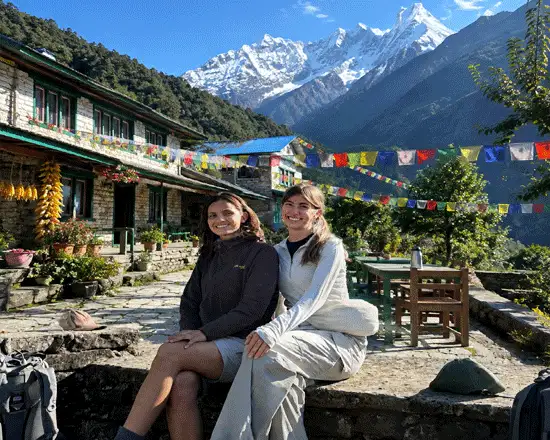
Taking a homestay trek in Nepal is more familiar than a lodge-to-lodge trek, and you will be able to get to know the local people, thus learning more about Nepalese culture. There is nothing better than a homestay trek, staying with a local family, eating with them, cooking Nepali cuisine together, and feeling the warmth of hospitality.

Homestay Trekking includes Ruby Valley, Ghale Gaon, Sirubari, Tamang Heritage, and Tsum Valley.

Currently, there are a few hidden homestay areas in Nepal that promote pure beauty, and by offering these treks that have spectacular natural scenes, we are providing homestay treks for anyone who has a different interest and wants to get close to them the locals.

It is our pleasure to welcome you to these homestay treks if you are one of them and would like to grasp the benefits we’re offering.

Whenever people live where people do not have access to up-to-date facilities, our goal is to ensure that the community’s economy grows for the village. The locals receive massive support from your visit and from spending the night with them, and they only receive a small amount of money for their cooperation, accommodation, and meals.

Trekking through the rugged trails under the frozen Himalayan peaks on a homestay tour in Nepal offers a wonderful opportunity for cross-cultural exchange. This is a great opportunity to see a way of life that hasn’t changed in centuries. A homestay is also an excellent way to beat homesickness since you get treated like a member of the family by the host family.

Wilderness Trekking

Wilderness trekking

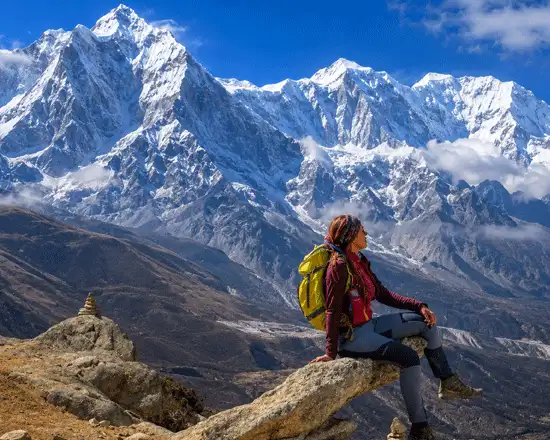
Wilderness trekking regions are areas where land remains in its natural state with minimal human impact. These regions, legally protected from development in some wealthy, industrialized nations, showcase untouched beauty and off-the-beaten trek.

The International Union for Conservation of Nature (IUCN) categorizes wilderness into two types: strict nature reserves (Ia) and wilderness areas (Ib).

No place on Earth is completely untouched by human activity. This is either due to Indigenous occupation or global factors like climate change and pollution. The effects of activities on the outskirts of wilderness areas, such as fire suppression and disruptions to animal migration, are still observable within these regions.

Exploring remote and less-traveled paths of high Himalayan trails through wilderness trekking offers a fantastic experience. Proper support, including well-equipped facilities, an experienced guide, a Sherpa, a cook, kitchen helpers, and porters, along with camping arrangements, is crucial.

Located far from civilization and lacking phone service, wilderness trekking regions present challenging and difficult-to-navigate trails. Nepal offers numerous adventure trekking trails, with wilderness areas consisting of trails, hidden valleys, and mostly accessible only by tent camping, with scattered tea houses available.

While trekking in the wilderness of Nepal, trekkers can encounter a wide variety of wildlife, birds, and butterflies. Endangered animals, such as pandas, musk deer, and snow leopards, can still be spotted in certain parts of the wilderness.

Nepal boasts several stunning wilderness trekking regions, including:

  • Kanchenjunga Wilderness Trekking Region: Situated in the eastern part of Nepal, the Kanchenjunga region Trek is remote and less visited. Trekking through this region offers breathtaking landscapes, ancient monasteries, and panoramic views of Mount Kanchenjunga, the world’s third-highest mountain.
  • Dolpo Wilderness Trekking Region: Located in northwest Nepal, the Dolpo region is renowned for its remoteness and untouched natural beauty. Trekking here immerses adventurers in the unique culture of the Dolpo people, ancient monasteries, and stunning mountain vistas.
  • Upper Mustang Wilderness Trekking Region: Found in north-central Nepal, the Upper Mustang region offers a captivating and distinctive trekking experience. This area features stark, desert-like landscapes, ancient caves, and traditional Tibetan culture.
  • Manaslu Wilderness Trekking Region: Situated in west-central Nepal, the Manaslu region offers a challenging trek with awe-inspiring mountain scenery. The route takes trekkers through remote villages, dense forests, and high mountain passes.
  • Makalu Wilderness Trekking Region: Located in eastern Nepal, the Makalu region hike presents a demanding trek that rewards adventurers with breathtaking mountain views, including Mount Makalu, the world’s fifth-highest peak. This region is known for its pristine beauty, traditional Sherpa villages, and captivating landscapes.

These wilderness trekking regions offer the chance to explore nature in its purest form, far from the crowded trails often packed with tourists. Here are some of the best off-the-beaten-path trekking areas that promise solitude, adventure, and breathtaking natural beauty. Prepare well and respect nature when exploring these off-the-beaten-path trekking areas to experience an unparalleled connection with some of the world’s most beautiful and remote landscapes.