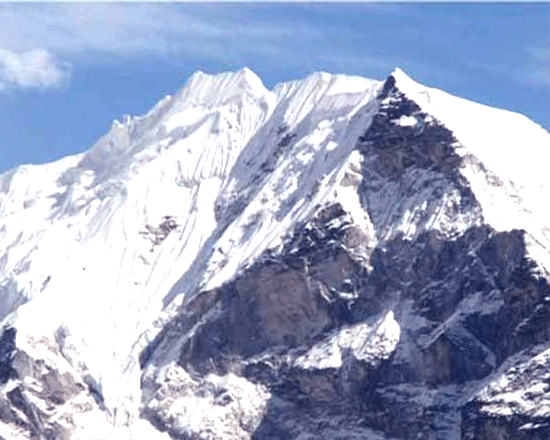
Pisang Peak Climbing – A Classic 6,091m Trekking Peak in the Annapurna Region
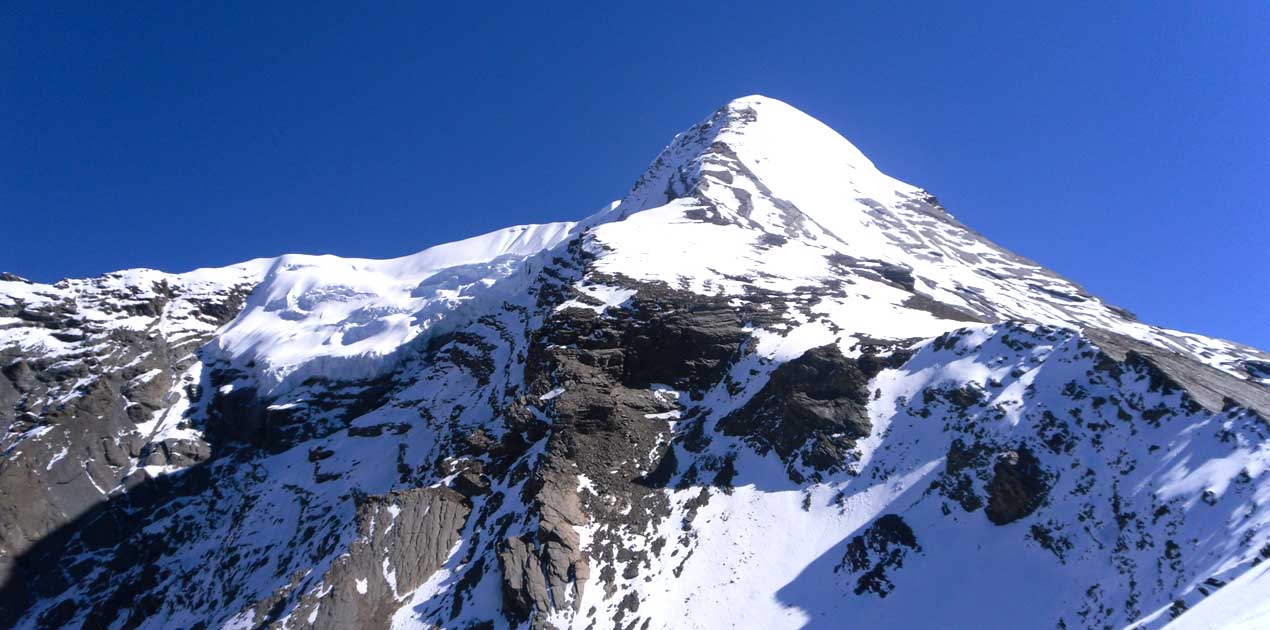
Pisang Peak (6,091 m / 19,983 ft) is one of Nepal’s most popular trekking peaks, located in the northern Manang District between the magnificent Annapurna and Manaslu mountain ranges. Rising directly above the traditional village of Upper Pisang on the famous Annapurna Circuit, the peak offers an excellent introduction to Himalayan mountaineering for trekkers seeking their first 6,000-meter climbing experience.
First successfully climbed by a German expedition in 1955, Pisang Peak has become a favorite among climbers because of its spectacular mountain scenery, relatively straightforward climbing route, and excellent acclimatization opportunities along the Annapurna Circuit. The summit rewards climbers with breathtaking panoramic views of Annapurna II (7,937 m), Annapurna III (7,555 m), Annapurna IV (7,525 m), Gangapurna (7,455 m), Tilicho Peak, Chulu Peaks, Manaslu (8,163 m), Lamjung Himal, and countless snow-covered Himalayan giants.
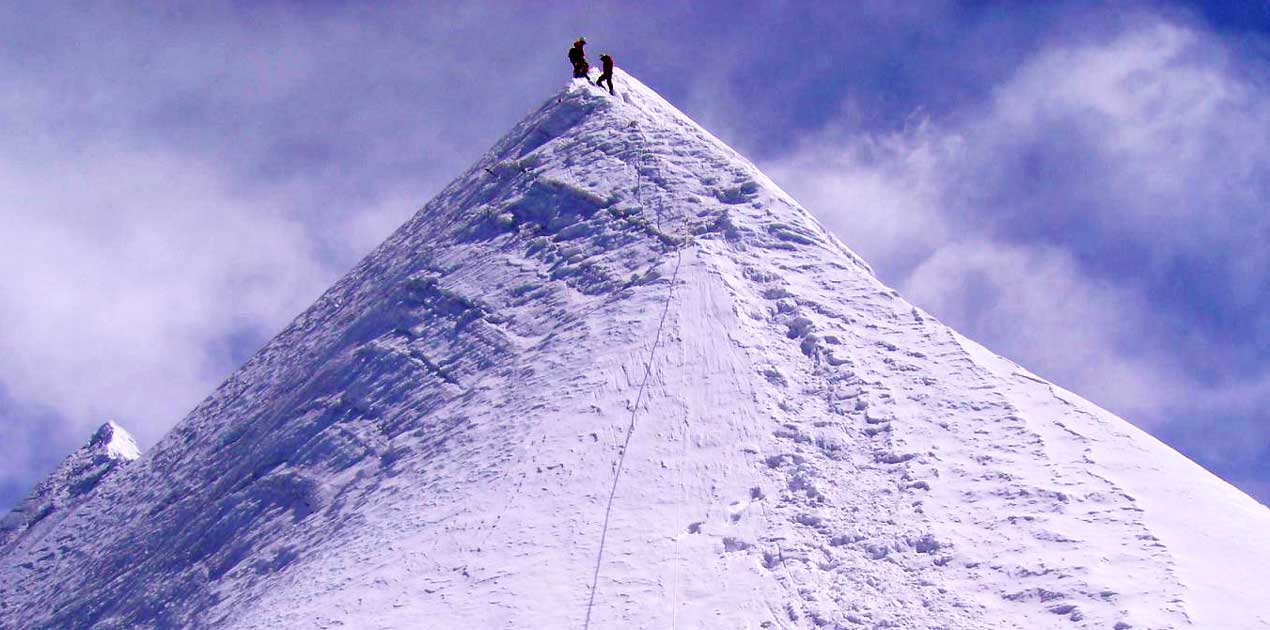
Although Pisang Peak is classified as a trekking peak by the Nepal Mountaineering Association (NMA), it should not be underestimated. The climb involves glacier travel, steep snow slopes, fixed rope sections, and basic mountaineering techniques, making it an exciting adventure for both beginners with proper guidance and experienced climbers.
Pisang Peak Climbing Experience
Pisang Peak Climbing combines one of Nepal’s most scenic trekking routes with an unforgettable alpine climbing adventure. The journey follows the world-famous Annapurna Circuit, passing through lush forests, waterfalls, alpine meadows, ancient monasteries, and traditional Gurung, Manangi, and Tibetan-influenced villages before reaching the mountain’s base.
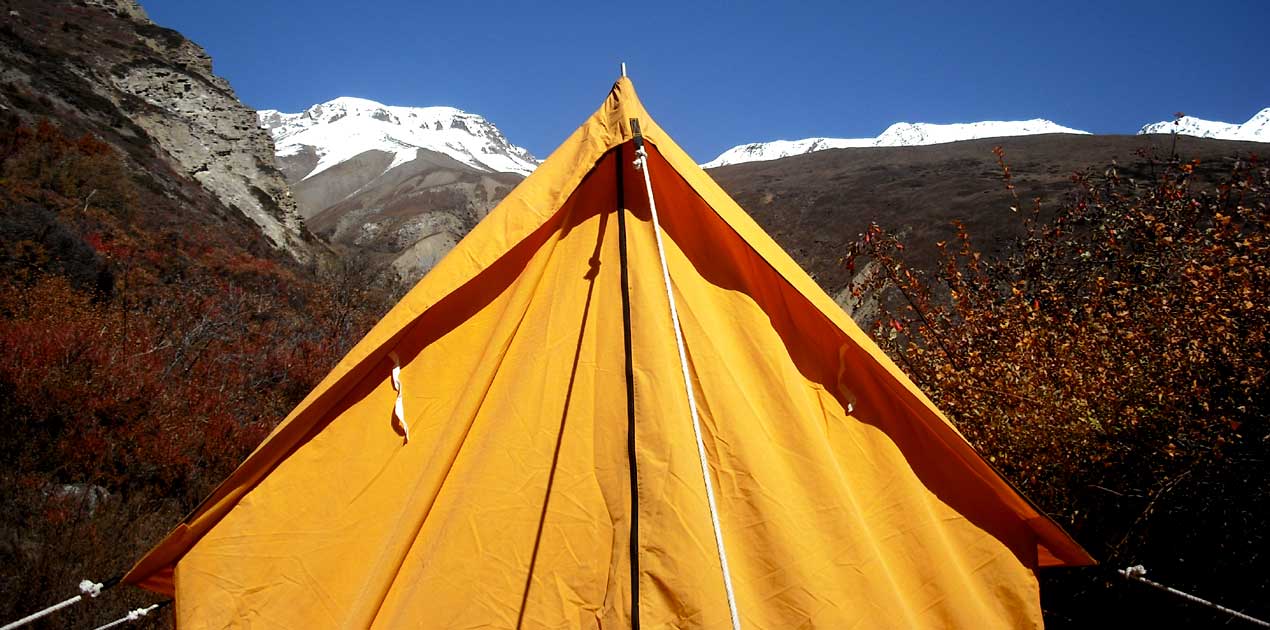
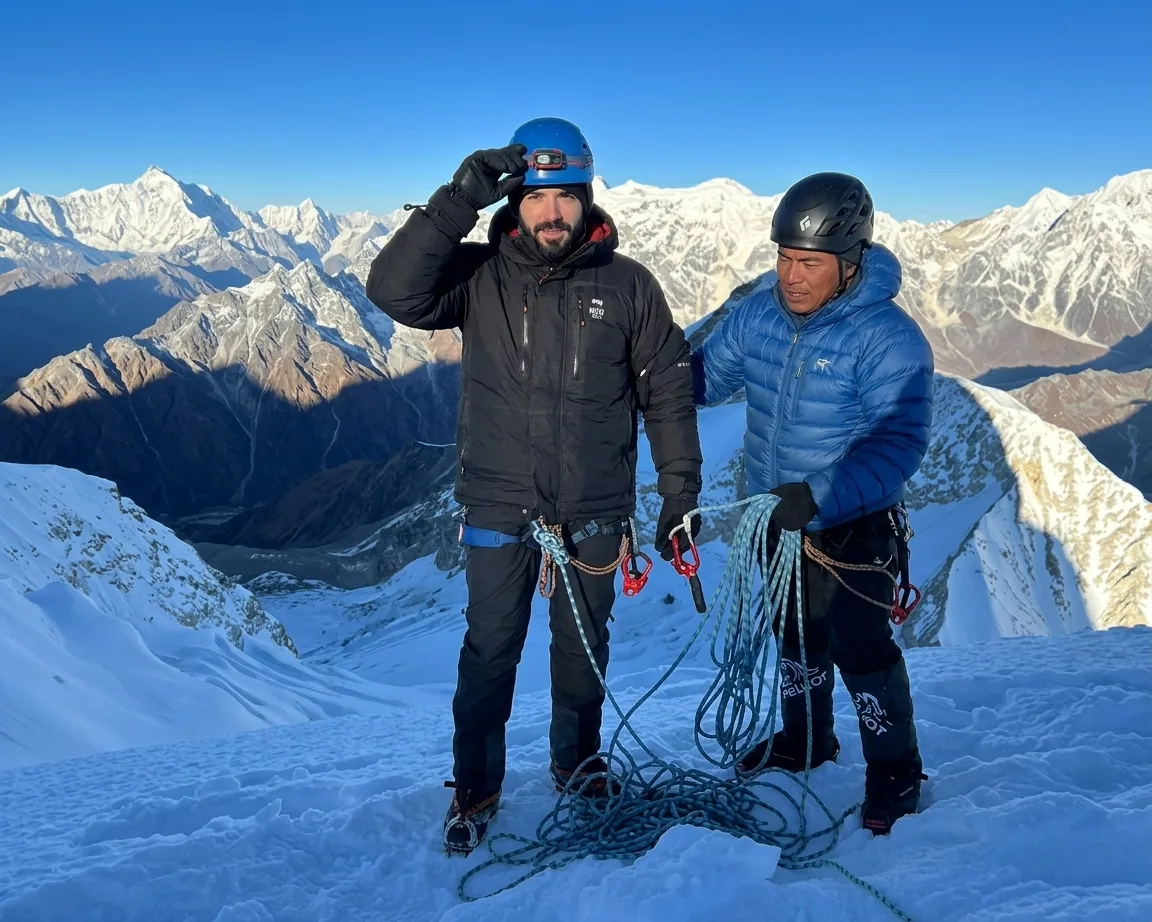
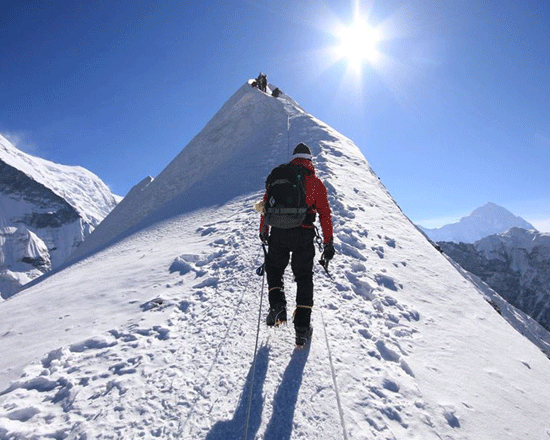
From Upper Pisang, the trail climbs through yak pastures and sparse alpine vegetation to Pisang Peak Base Camp (4,380 m). Climbers continue to High Camp (5,400 m), situated on the southwest ridge, where stunning sunset and sunrise views illuminate the Annapurna massif. Summit day begins before dawn, following snow and ice slopes secured with fixed ropes before reaching the narrow summit ridge.
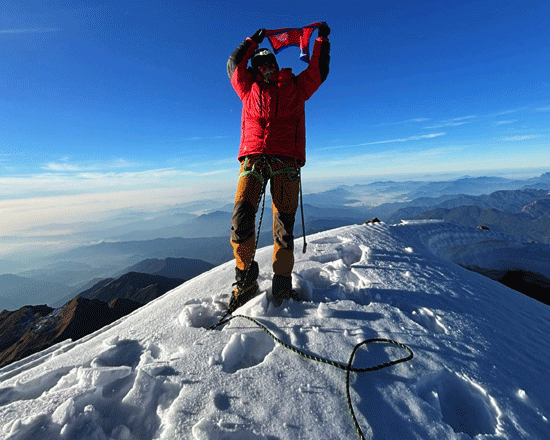
Standing atop Pisang Peak is an unforgettable achievement, offering a spectacular 360-degree panorama across the Annapurna Himalaya and beyond.
Journey to Pisang Peak
The adventure begins with a scenic drive from Kathmandu to Besisahar, followed by another drive to Chame, the headquarters of Manang District. From there, the trekking route follows the Marsyangdi River Valley through dense pine forests, charming villages, suspension bridges, and dramatic mountain landscapes.
As the trail ascends, trekkers enjoy spectacular views of Lamjung Himal, Annapurna II, Annapurna IV, Pisang Peak, and Manaslu. After proper acclimatization in Manang, climbers head to Upper Pisang before ascending to Base Camp and High Camp.
Following the successful summit, the journey continues across the legendary Thorang La Pass (5,416 m), one of the highest trekking passes in the world, before descending to the sacred pilgrimage site of Muktinath Temple. The trek concludes through the beautiful Kali Gandaki Valley before returning to Pokhara.
This combination of trekking, cultural exploration, and alpine climbing makes Pisang Peak one of Nepal’s finest adventure holidays.
Why Choose Nepal Wilderness Trekking?
Nepal Wilderness Trekking Pvt. Ltd. is a government-registered local trekking and climbing company based in Kathmandu, specializing in trekking peaks, mountaineering expeditions, and Himalayan adventures throughout Nepal.
Our experienced climbing guides are professionally trained in mountain safety, rope fixing, glacier travel, altitude management, and rescue procedures. With years of experience leading successful Pisang Peak expeditions, our team ensures every climber enjoys a safe, well-organized, and memorable adventure.
Our Pisang Peak package includes all required climbing permits, experienced climbing guides, quality camping equipment at higher camps, fixed ropes where necessary, and personalized support throughout the expedition.
By choosing Nepal Wilderness Trekking, you benefit from:
- 100% locally owned and operated company
- Government-licensed climbing and trekking guides
- Small group departures with personalized service
- High success rate on trekking peaks
- Competitive prices with no hidden costs
- Professional safety equipment and climbing support
- Flexible itineraries tailored to your experience level
Best Time for Pisang Peak Climbing
Pisang Peak can technically be climbed throughout the year, but the best seasons are spring (March to May) and autumn (September to November).
Spring (March–May)
Spring offers stable weather, moderate temperatures, clear skies, and colorful rhododendron forests along the lower trails. Snow conditions on the mountain are generally ideal, making this the most popular climbing season.
Autumn (September–November)
Autumn provides excellent mountain visibility, dry trails, crisp air, and stable weather after the monsoon. These months offer the highest summit success rates and spectacular Himalayan panoramas.
Winter (December–February)
Winter climbs are possible for experienced climbers but involve colder temperatures, heavy snowfall, and more challenging climbing conditions.
Monsoon (June–August)
Although the Manang region lies in Nepal’s rain shadow and receives less rainfall than other trekking areas, occasional rain, slippery trails, and poor visibility can make climbing more demanding.
Pisang Peak Climbing Cost
The cost of Pisang Peak Climbing depends on several factors, including group size, itinerary duration, transportation, accommodation choices, climbing logistics, and seasonal permit fees.
Nepal Wilderness Trekking offers a fully organized Pisang Peak Climbing package starting from USD 2,700 per person based on a minimum of two participants. Solo climbers are subject to an additional USD 300 single supplement.
Our package includes climbing permits, Annapurna Conservation Area Permit (ACAP), TIMS card (if applicable), professional climbing guide, porter services, accommodation, meals during the trek, camping equipment at higher camps, transportation, and all essential climbing logistics.
Pisang Peak Climbing Difficulty
Pisang Peak is considered one of Nepal’s easier trekking peaks, but it remains a serious high-altitude climbing objective. Reaching 6,091 meters requires excellent physical fitness, proper acclimatization, mental determination, and basic mountaineering skills.
The main challenges include:
- High altitude and risk of Acute Mountain Sickness (AMS)
- Long summit day of 8–12 hours
- Steep snow and ice slopes near the summit
- Glacier travel using crampons
- Fixed rope climbing
- Cold temperatures and rapidly changing weather
Previous mountaineering experience is helpful but not mandatory. Beginners can successfully climb Pisang Peak under the guidance of experienced climbing leaders after learning the basic use of crampons, ice axes, harnesses, ascenders, and ropes.
Preparing with regular hiking, cardiovascular training, strength exercises, and shorter Himalayan treks such as Mardi Himal Trek, Poon Hill Trek, or Langtang Valley Trek can greatly improve your chances of reaching the summit safely.
Climbing Permits
Climbing Pisang Peak requires several permits:
- Pisang Peak Climbing Permit (Nepal Mountaineering Association)
- Annapurna Conservation Area Permit (ACAP)
- TIMS Card (where applicable)
All permits are arranged by Nepal Wilderness Trekking before the expedition begins.
Essential Equipment
Climbers should carry quality mountaineering equipment, including insulated climbing boots, crampons, ice axe, climbing harness, helmet, ascender, descender, trekking poles, down jacket, sleeping bag, glacier sunglasses, and warm layered clothing. Technical climbing equipment can also be rented in Kathmandu if required.
Note
If you’re looking for a more technical and challenging Himalayan climb, Island Peak (6,189 m) is a more demanding expedition that requires greater climbing skills and experience. Alternatively, Dampus Peak (6,012 m) offers a quieter and slightly easier mountaineering experience with fewer climbers.
Regardless of which trekking peak you choose, success depends on proper acclimatization, physical preparation, professional guidance, and favorable weather conditions. With the support of Nepal Wilderness Trekking’s experienced climbing team, Pisang Peak offers an unforgettable introduction to Himalayan mountaineering.