24 hours customer service +9779849693351

Amphu Lapcha Pass

Amphu Lapcha Pass

Peak Climbing In Nepal
Hinku Valley Kongma dingma
Hinku Valley
Island Peak
Mera La

Trip Facts

Duration : 19 Days Max-Altitude : 6,461M Program Type : Camping Best Season : Mar- July, Sep- Dec, Per Day Walking : 6/7 Hours Trek Grade : Grade 4:

This is challenging and technical Trekking, climbing of Nepal, you most have to physically fit and mentally prepare, off the beaten trails, camping or challenging high passes Treks, at this level can he arranged for periods of 18 to 32 days. Typically, a gradual ascent through a green river valley will lead you up to a number of high passes, where you will reach the altitude of 5416m. Often times, you will get a close insight into the Tibetan culture. Participants should expect to trek above 5416m/17872ft. or climbing 6540m.

Hold Your Guide : Pasang Sherpa

100%

600 Reviews

Start From

All price inclusive
$ 4000 $ 3850
USD per person

Group Price

No. of Persons Price per Person
1 Pax $3850
2 Paxes $3800
3-4 Paxes $3750
5-6 Paxes $3730
7-10 Paxes $3700
11-15 Paxes $3680
16+Paxes $3680

Number of Travellers

Overview

Mera Peak, Amphu Lapcha Pass & Island Peak Trek

Nepal, home to the world’s highest mountains, offers some of the most thrilling and challenging trekking experiences. Among them, the Mera Peak, Amphu Lapcha Pass, and Island Peak treks stand out as a unique combination of high-altitude trekking, technical climbing, and exploration of remote Himalayan wilderness. This trek, organized by Nepal Wilderness Trekking, is designed for experienced trekkers and mountaineers seeking an extraordinary journey across rugged valleys, glacial landscapes, and iconic Himalayan peaks.

The trek spans 19 days and combines two remarkable peak climbs—Mera Peak (6,461 meters) and Island Peak (6,189 meters)—with a crossing of the challenging Amphu Lapcha Pass (5,650 meters). The route navigates the Hinku Valley, the Imja Valley, and the upper Hongu region, offering breathtaking vistas of Everest, Lhotse, Makalu, Cho Oyu, Kanchenjunga, Ama Dablam, and other towering peaks. This trek is not just about reaching summits but also experiencing the profound beauty and isolation of Nepal’s high Himalayas.

The Unique Appeal of Amphu Lapcha Pass

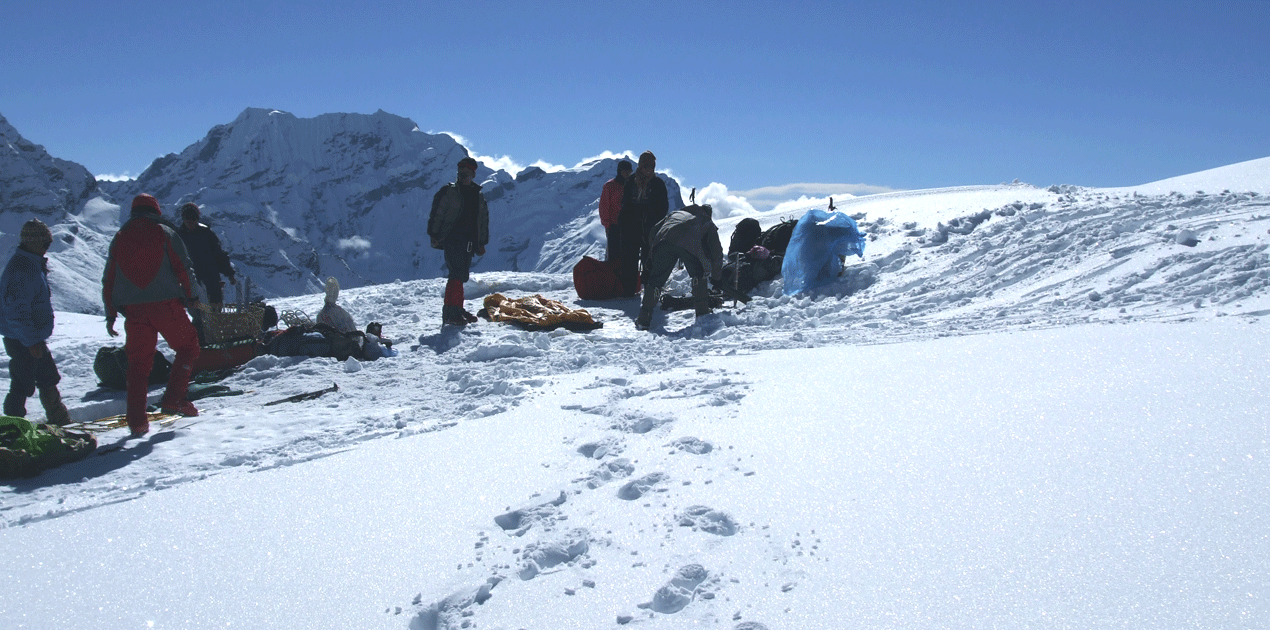
Amphu Lapcha Pass is one of the most technical and remote passes in the KHUMBU VALLEY. Sitting at an elevation of 5,650 meters, it connects the Hinku Valley to the Imja Valley and requires mountaineering skills to traverse safely. The pass features steep ascents, glacial crossings, and rocky ridges, often navigated with fixed ropes. Its remoteness makes it a challenging yet highly rewarding adventure for trekkers who are comfortable with high-altitude terrain and technical climbing.

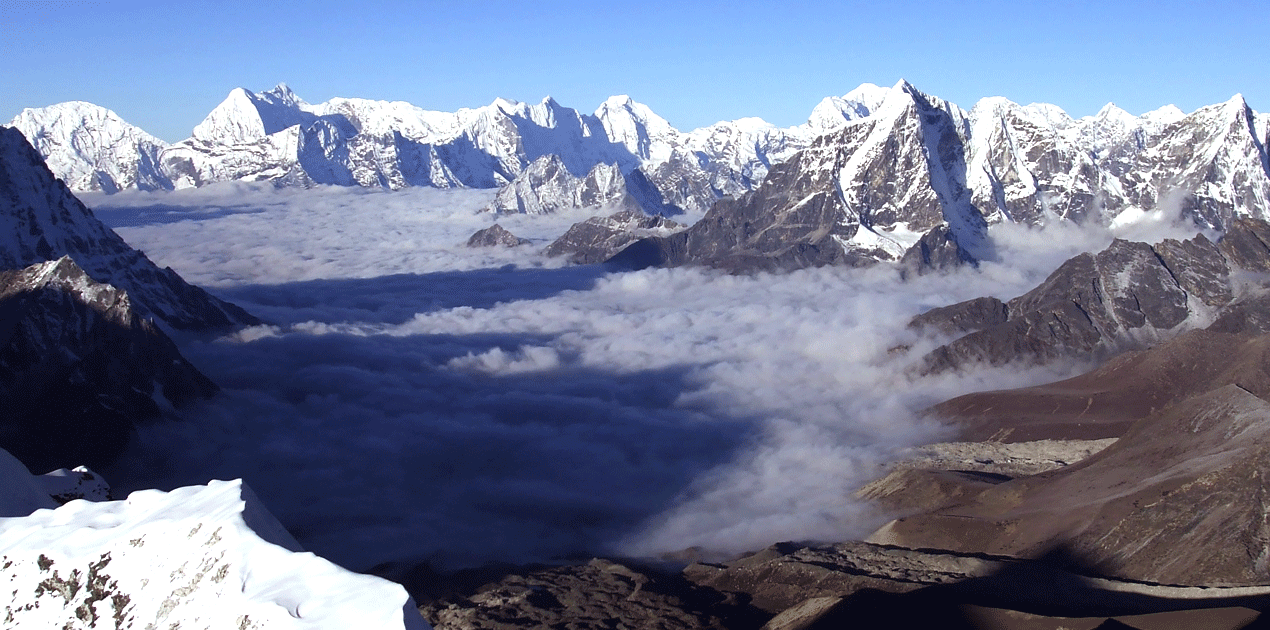
The Amphu Lapcha Pass offers unparalleled views of the surrounding mountains and glacial valleys. From the pass, trekkers can witness panoramic landscapes including Mera Peak, Makalu, and the impressive ridges of the upper Hinku Valley. The area around Amphu Lapcha is largely untouched, providing a wilderness experience that few treks in the Everest region can match. Traversing this pass is considered a pinnacle achievement in high-altitude trekking and mountaineering.

Mera Peak – The Gateway to the High Himalayas

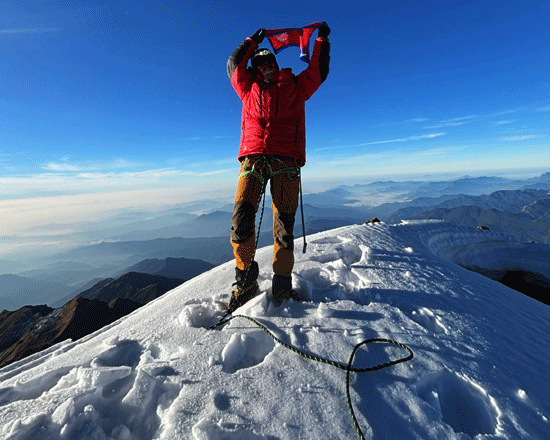
Mera Peak is the highest trekking peak in Nepal, standing at 6,461 meters. While technically classified as a trekking peak, the ascent of Mera Peak is challenging due to its high altitude and glacial terrain. It is often the first summit for climbers venturing into the higher Himalayas, offering a gateway to high-altitude mountaineering.

The climb to Mera Peak provides stunning 360-degree views of some of the highest mountains in the world, including Everest, Cho Oyu, Lhotse, Makalu, and Kanchenjunga. The summit rewards climbers with a sense of accomplishment and the rare opportunity to stand above 6,000 meters in one of the world’s most spectacular mountain ranges. Beyond the summit, Mera Peak offers insight into the rugged terrain of Nepal’s Khumbu region and the lifestyles of the highland Sherpas.

Island Peak – A Classic Himalayan Climb

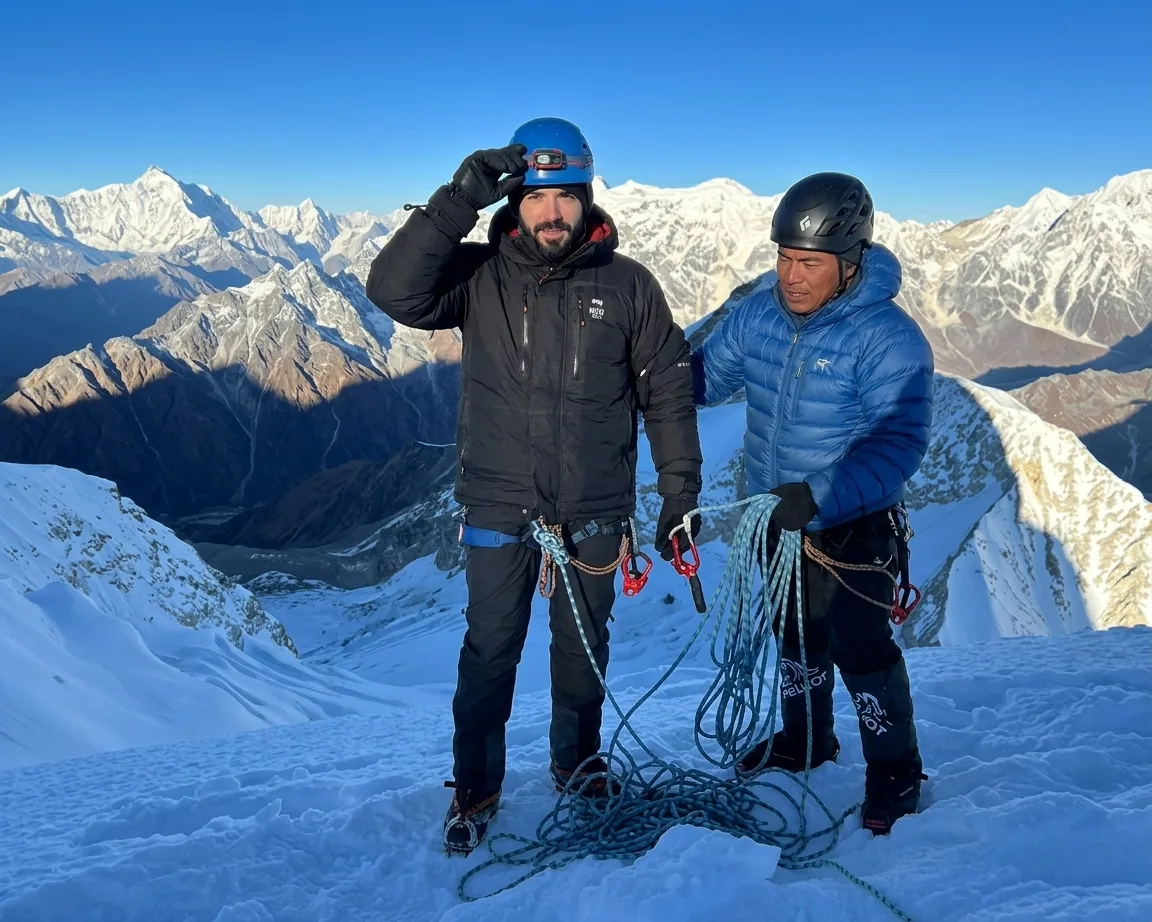
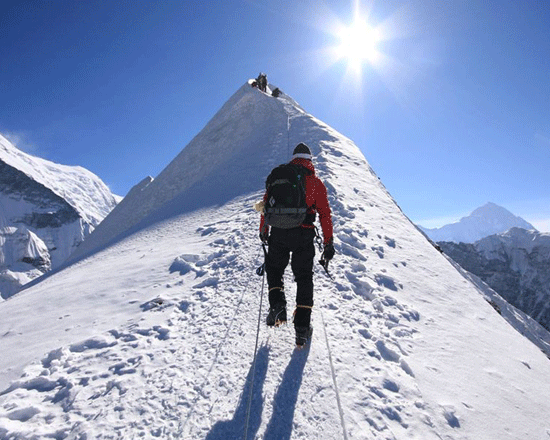
Island Peak, also known as Imja Tse, is a classic Himalayan trekking peak standing at 6,189 meters. Unlike Mera Peak, Island Peak presents more technical climbing challenges, including fixed ropes, steep ice walls, and snowfields. It is located near Chhukung, at the heart of the Imja Valley, and is often combined with the Amphu Lapcha Pass for a comprehensive high-altitude adventure.

The climb to Island Peak is physically demanding but extremely rewarding. From the summit, climbers enjoy awe-inspiring views of Everest, Lhotse, Nuptse, Ama Dablam, and the surrounding peaks of the Khumbu region. The combination of trekking and climbing makes Island Peak a favorite among adventurers who seek both a cultural and mountaineering experience.

The Journey Through Remote Valleys

One of the most remarkable aspects of this trek is its exploration of remote Himalayan valleys. The Hinku Valley, located between Mera Peak and Amphu Lapcha Pass, remains largely untouched by mass tourism. Wild landscapes, glaciers, alpine lakes, and highland meadows characterize this area. Similarly, the Imja Valley, leading to Island Peak, offers pristine glacial terrain and magnificent views of surrounding peaks.

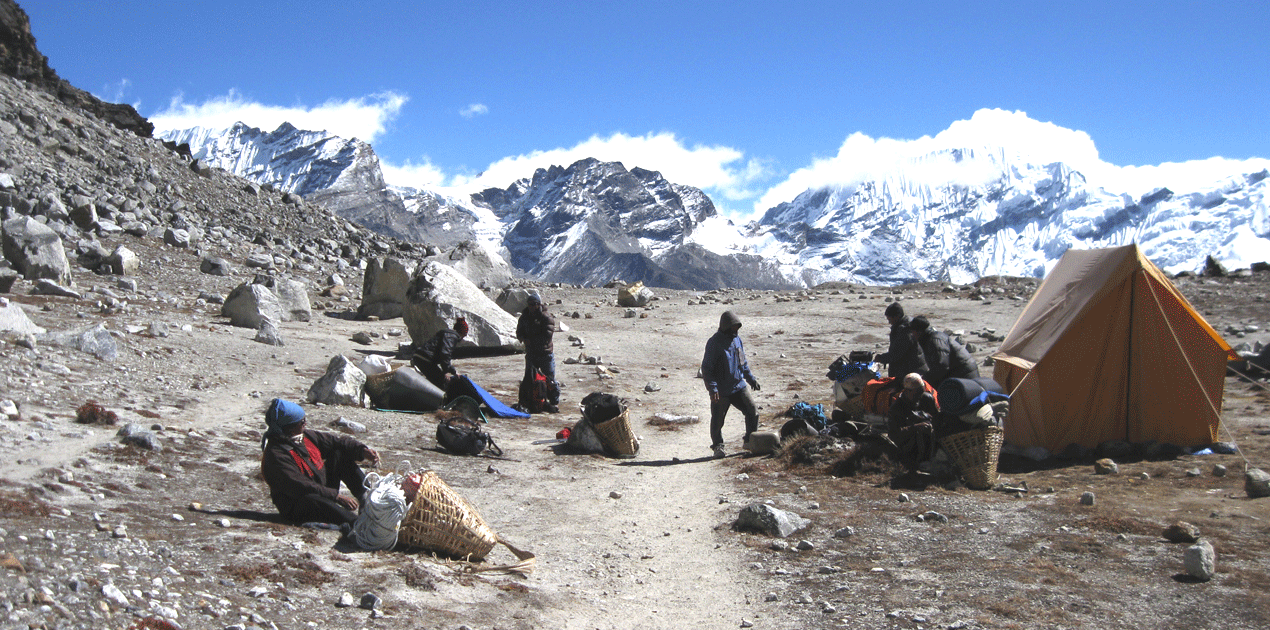
Along the trek, travelers experience Sherpa culture firsthand. Small villages and highland settlements along the route provide insights into the daily lives of local herders and climbers. Although tea houses are available up to Khare, the high-altitude sections, including Amphu Lapcha Base Camp, require camping with support from porters and climbing guides, adding to the adventure and wilderness experience.

Technical Challenges and Preparation

The Amphu Lapcha Pass trek is not for the unprepared. Trekkers need to be in excellent physical condition and possess some mountaineering experience. Preparation should focus on endurance, cardiovascular fitness, and strength training. High-altitude acclimatization is essential, as the trek involves prolonged exposure to elevations above 5,000 meters.

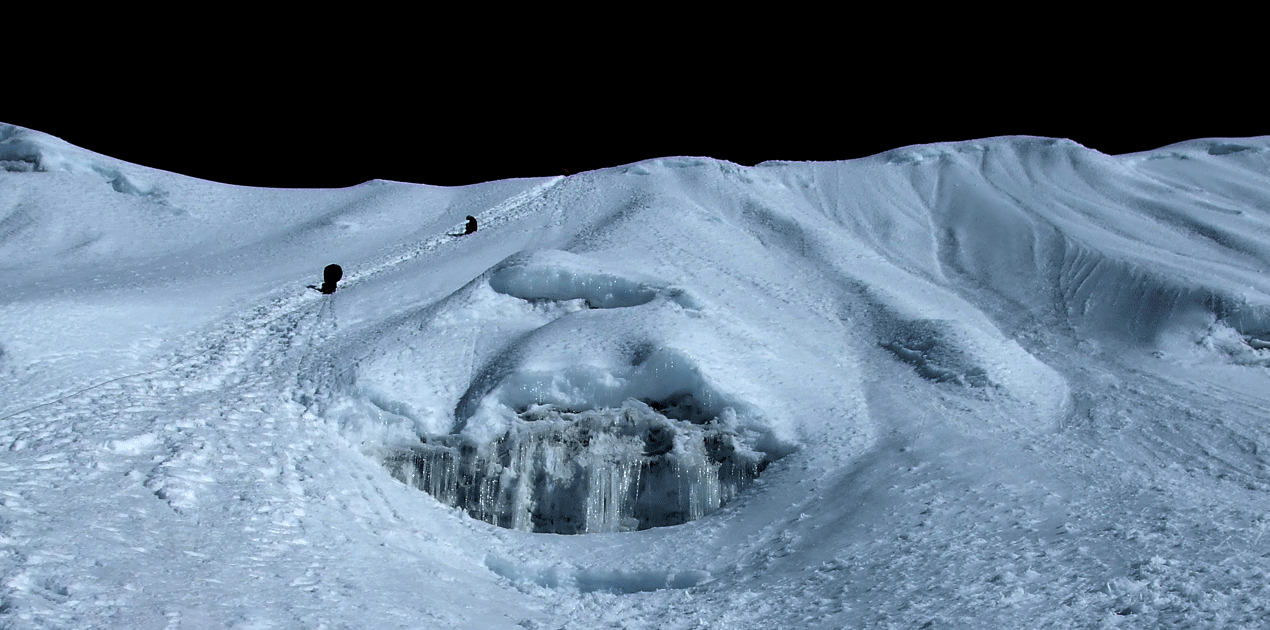
Crossing the Amphu Lapcha Pass is one of the most challenging sections in the Everest–Makalu region, requiring solid technical climbing skills and previous high-altitude experience. The pass involves the use of fixed ropes, ice axes, crampons, harnesses, and proper rope-handling techniques on steep ice and snow slopes. Climbers must also be confident moving across exposed ridges, navigating crevassed glaciers, and managing the physical and mental demands of long alpine days.

This pass forms an important link between the Hongu Valley and the Imja Valley, and it is often combined with other major objectives. Many mountaineers cross Amphu Lapcha after completing the Sherpani Col route or while returning from the Baruntse expedition. It is also commonly incorporated into itineraries that include Mera Peak and Island Peak, making the region a challenging but rewarding destination for experienced trekkers and climbers seeking true Himalayan adventure.

Essential gear includes high-quality trekking boots, warm clothing, gloves, hats, sleeping bags rated for extreme cold, climbing harnesses, crampons, ice axes, and first aid kits. Nepal Wilderness Trekking provides expert guides, porters, and climbing support to ensure safety and a smooth expedition experience.

Best Time to Trek

The best seasons for this high-altitude adventure are:

  • Pre-monsoon (Spring): April to early June, when the weather is stable, temperatures are moderate, and mountain views are clear.
  • Post-monsoon (Autumn): September to December, when skies are clear and precipitation is low, offering perfect visibility for photography and summit views.

Winter trekking (December to February) is possible but requires extreme cold-weather gear and experience in harsh conditions. Monsoon season (June to August) is generally avoided due to heavy rainfall, landslides, and unstable terrain.

Safety and Risk Management

High-altitude trekking and mountaineering carry inherent risks, including acute mountain sickness (AMS), hypothermia, falls, and crevasse hazards. Proper acclimatization, pacing, hydration, and a gradual increase in altitude are critical for safety. Nepal Wilderness Trekking ensures all expeditions are led by certified guides trained in high-altitude first aid and rescue operations.

The Amphu Lapcha Pass is particularly challenging. Weather conditions can change rapidly, with snowstorms, high winds, and freezing temperatures. Trekkers must be prepared for delays or route adjustments due to safety concerns. The trek requires careful planning, experienced staff, and specialized climbing equipment.

Cultural and Natural Highlights

Beyond the adventure, this trek offers rich cultural experiences. Sherpa villages, highland monasteries, and traditional alpine settlements provide insight into the lifestyle and customs of people living in the high Himalayas. The trek passes through regions within Sagarmatha National Park and Makalu Barun National Park, both UNESCO World Heritage sites, known for their biodiversity, flora, and fauna.

Natural highlights include:

  • Glacial Lakes: Seto Pokhari and Panch Pokhari
  • Rugged Glaciers: Views of glacial moraines and icefalls
  • Alpine Meadows: Wildflower-covered ridges and highland pastures
  • Iconic Peaks: Everest, Lhotse, Makalu, Cho Oyu, Ama Dablam, Kanchenjunga

The combination of untouched wilderness, high-altitude landscapes, and Himalayan culture makes this trek a once-in-a-lifetime experience for adventure seekers.

Why Choose Nepal Wilderness Trekking

Nepal Wilderness Trekking brings over a decade of experience organizing high-altitude expeditions. Our team of certified guides, Sherpa staff, and porters ensures a safe, comfortable, and memorable trek. We provide:

  • Experienced climbing guides for Mera Peak, Island Peak, and Amphu Lapcha Pass
  • Proper logistics for remote camps and tea house stays
  • Technical equipment and support for high passes and summits
  • Comprehensive safety measures and emergency protocols

The trek is carefully designed to balance adventure, safety, and cultural immersion. From scenic flights to Lukla to summit views of the world’s highest mountains, every aspect of this journey is tailored for the ultimate high-altitude adventure.

Conclusion

The Mera Peak, Amphu Lapcha Pass, and Island Peak trek is a rare and rewarding expedition combining high-altitude trekking, technical climbing, and Himalayan wilderness exploration. It is ideal for experienced trekkers and mountaineers seeking a challenge beyond traditional trekking routes.

This 19-day adventure offers the ch3850ance to climb two iconic Himalayan peaks, cross one of the most challenging passes in Nepal, and explore remote valleys filled with stunning glaciers, alpine lakes, and highland pastures. The combination of breathtaking scenery, Sherpa culture, and mountaineering challenges makes this trek a once-in-a-lifetime Himalayan journey.

With proper preparation, acclimatization, and the guidance of experienced staff, trekkers can safely experience one of Nepal’s most spectacular high-altitude adventures. The Mera Peak, Amphu Lapcha Pass, and Island Peak trek is not just a trek—it is an extraordinary expedition into the heart of the Himalayas.


Detail Itinerary

  • Day 1: Kathmandu – Lukla – Chutanga (2,860 m – 3,020 m). Start your adventure with an early morning scenic flight from Kathmandu to Lukla. Upon arrival, meet your guide and porters and begin trekking along the Dudh Koshi River. Pass through pine forests and small Sherpa villages before reaching Chutanga (3,020 m), a peaceful settlement surrounded by towering peaks. Overnight in a teahouse.
  • Day 2: Chutanga – Thuli Kharka (3,020 m – 4,100 m) via Zatrwa La Pass (4,600 m). The trek today takes you to Thuli Kharka via the dramatic Zatrwa La Pass at 4,600 m. Enjoy spectacular panoramic views of Mera Peak, Kusum Kanguru, and the surrounding glaciers. Descend slightly to Thuli Kharka (4,100 m), where you camp amid breathtaking mountain scenery.
  • Day 3: Thuli Kharka – Kothe (4,182 m). Continue trekking through glacial moraines and rocky ridges, with South Mera Peak dominating the skyline. Arrive at Kothe (4,182 m), a small settlement used by climbers and herders, and spend the night in tents surrounded by alpine scenery.
  • Day 4: Kothe – Thaknak (4,358 m). Walk along the west side of the Hinku Valley with magnificent views of Mera Peak and surrounding glaciers. Reach Thaknak (4,358 m), a small settlement offering a glimpse into the life of local climbers and herders. Overnight in a tented camp.
  • Day 5: Thaknak – Khare (5,045 m). Trek up a steep but rewarding route to Khare, the base camp of Mera Peak. Relax and prepare for the high-altitude summit climb. Optional short hikes around Khare help with acclimatization and offer fantastic views of nearby peaks.
  • Day 6: Acclimatization Day in Khare (5,045 m). Take a rest day to acclimatize properly. Optional hikes to nearby ridges allow for altitude adaptation while enjoying stunning Himalayan panoramas.
  • Day 7: Khare – Mera High Camp (5,780 m). Climb gradually to Mera La and onward to Mera High Camp. Experience unforgettable sunset views of Everest, Lhotse, and Makalu. Overnight in tents.
  • Day 8: Mera Peak Summit (6,461 m) – Trek to Kongma Dingma (4,850 m). Early morning summit attempt of Mera Peak. Enjoy 360° panoramic views of Everest, Cho Oyu, Lhotse, Makalu, and Kanchenjunga. Descend to Kongma Dingma (4,850 m) for an overnight stay in tents.
  • Day 9: Kongma Dingma – Rest Day. Rest day to recover from the summit climb. Optional short hikes around the camp provide acclimatization and additional photo opportunities of the surrounding peaks.
  • Day 10: Trek to Seto Pokhari (5,035 m, 5–6 hours). Trek through high alpine terrain with moraines, glaciers, and small streams. Reach Seto Pokhari, a peaceful glacial lake offering serene mountain reflections and spectacular scenery.
  • Day 11: Seto Pokhari – Amphu Lapcha Base Camp (5,500 m, 5–6 hours). Follow the challenging alpine terrain to reach Amphu Lapcha Base Camp. Camp here amid dramatic ridges and glaciers in preparation for the high pass crossing.
  • Day 12: Amphu Lapcha Base Camp – Amphu Lapcha Pass (5,650 m) – Chhukung (4,730 m, 6–7 hours). Start early to cross the Amphu Lapcha Pass, surrounded by glaciers and dramatic ridges. Descend to Chhukung, enjoying panoramic Himalayan views along the way. Overnight in tents.
  • Day 13: Rest Day at Chhukung. Take a rest day for acclimatization. Optional hikes to nearby ridges or Chhukung Ri (5,500 m) provide excellent photo opportunities and preparation for Island Peak.
  • Day 14: Chhukung – Island Peak Base Camp (5,200 m, 3 hours). Hike to Island Peak Base Camp. Receive a 2-hour training session from your climbing guide on crampons, belay ropes, and safety procedures. Overnight at base camp.
  • Day 15: Summit Island Peak (6,189 m) – Return to Chhukung. Early morning summit attempt of Island Peak. Enjoy panoramic views of Everest, Lhotse, Nuptse, and Ama Dablam. Descend to Chhukung; if late or the weather is bad, spend the night at base camp.
  • Day 16: Chhukung – Tyangboche (3,860 m, 5 hours). Descend through Imja Valley to Tyangboche, visiting the famous monastery. Overnight in a lodge with beautiful mountain views.
  • Day 17: Tyangboche – Namche Bazaar (3,440 m, 6–7 hours). Trek through pine forests and charming Sherpa villages. Spend the night in Namche Bazaar, the cultural hub of the Khumbu region.
  • Day 18: Namche Bazaar – Lukla (2,860 m, 7–8 hours). Descend along the Dudh Koshi River back to Lukla. Enjoy your final night in a teahouse, reflecting on the trek.
  • Day 19: Lukla – Kathmandu (Flight, 35 minutes). Early morning flight back to Kathmandu. Transfer to your hotel and conclude your trek.

Cost Included

  • Transportation from the hotel to the domestic airport in Kathmandu
  • Round-trip domestic flights: Kathmandu – Lukla – Kathmandu
  • Meals during the trek: Breakfast, lunch, and dinner with a variety of Italian, Chinese, Nepali, Indian, and European dishes. One main course is provided per meal.
  • Accommodation in tea houses as per the itinerary
  • Kitbag for storing personal belongings during the trek
  • Sleeping bag suitable for temperatures as low as -25°C
  • Everest National Park Entrance Trekking Permit
  • Khumbu Pasang Lhamu Rural Municipality Entrance Permit
  • One porter for every 2–3 participants (additional cost applies for solo clients requiring a porter)
  • Guide and porter salary, meals, accommodation, and insurance
  • All necessary paperwork, government fees, and local taxes
  • Certificate of appreciation from Nepal Wilderness Trekking upon successful completion of the trek
  • Tents and mattresses during peak climbing and the Amphu Lapcha Pass sections
  • Climbing equipment, including ropes, ice screws, and snow bars
  • Insurance coverage for Nepalese staff
  • Service charge and administrative fees
  • Equipment fees for a climbing guide
  • Climbing peak permits
  • Essential climbing gear, such as ropes and snow bars

Cost Excluded

  • International airfare to and from Nepal
  • Nepal entry visa fees at Tribhuvan International Airport (varies: 15 days – $25–30, 30 days – $40–50)
  • Accommodation and meals in Kathmandu before and after the trek
  • Personal high-altitude and cold-weather equipment
  • Emergency high-altitude rescue and evacuation (to be covered by personal travel insurance)
  • Beverages, soft drinks, mineral water, coffee, tea, beer, desserts, hot showers, and laundry services
  • Tips for guides, porters, and support staff
  • Any costs not explicitly mentioned under “Cost Includes”
  • Additional expenses or delays caused by factors beyond management control, such as landslides, extreme weather, itinerary modifications for safety, illness, government policy changes, strikes, or other unforeseen events

Frequently Asked Questions

This trek is considered challenging to very challenging. It combines high-altitude trekking with technical climbing for Mera Peak, Island Peak, and the Amphu Lapcha Pass. A good level of fitness and some mountaineering experience is recommended.
The highest point is the summit of Mera Peak at 6,461 meters, followed by Island Peak at 6,189 meters and Amphu Lapcha Pass at 5,650 meters.
The full trek is 19 days, starting and ending in Kathmandu. It includes acclimatization days, summit attempts, and crossing the Amphu Lapcha Pass.
Trek permits include: • Sagarmatha National Park Permit (SNP) • Makalu Barun National Park Permit (MBNP) • TIMS Card (Trekkers’ Information Management System) • And both peaks climbing permits Nepal Wilderness Trekking assists with all required permits.
• Spring (April – early June): Stable weather, clear skies, and moderate temperatures. • Autumn (September – December): Clear skies, minimal rainfall, and excellent mountain views. Winter trekking is possible but recommended only for experienced high-altitude trekkers due to extreme cold.
Yes, prior experience with trekking peaks, glacier travel, and basic use of crampons, ropes, and ice axes is highly recommended for Amphu Lapcha Pass, Mera Peak, and Island Peak.
Yes, solo travelers can join, but a porter or guide is recommended for safety, especially for technical sections and high-altitude camps.
Yes, the trek reaches above 6,000 meters. Proper acclimatization days are included, and you should monitor symptoms of Acute Mountain Sickness (AMS). Guides are trained in high-altitude first aid.
Yes, high-altitude trekking and climbing insurance is strongly recommended. It should cover emergency evacuation, helicopter rescue, and medical treatment at high altitude.
A good level of fitness is essential. Training should focus on endurance, strength, and cardiovascular fitness. Prior trekking experience at high altitude is highly recommended.
Yes, Nepal Wilderness Trekking can customize itineraries if you wish to attempt only one of the peaks, but combining both with Amphu Lapcha Pass provides a complete high-altitude Himalayan experience

Altitude Chart

Enquiry


Similar Packages

Larke peak photo
17 Days
$ 2900
Bokta peak climbing
20 Days
$ 4800
Chulu west
17 Days
$ 3500
gangchempo peak climbing
20 Days
$ 8000
langshisha peak
17 Days
$ 3000
pokhalde peak
14 Days
$ 1990
Sign Up for free newsletter
Follow Us