24 hours customer service +9779849693351

Mardi Himal Trek 5 Days

Mardi Himal Trek 5 Days

Annapurna Region
Mardi trek
Mardi himal trek
Mardi trek
Mardi base camp

Trip Facts

Duration : 5 Days Max-Altitude : 4500 m Program Type : Tea House Best Season : 4 season Per Day Walking : 6/7 Hours Trek Grade : Grade 3:

Since the terrain can be hard and the days long, hikers on these treks should be in good physical condition and have some previous mountain walking experience. Steep climbing may be involved, although it is never necessary to use ropes. Treks at this level can he arranged for periods of 16 to 21 days. Typically, a gradual ascent through a green river valley will lead you up to a number of high passes, where you will reach the altitude of 5416m. Often times, you will get a close insight into the Tibetan culture. Participants should expect to trek above 5416m/17872ft.

Mode of Travel : Land

100%

600 Reviews

Start From

All price inclusive
$ 460 $ 430
USD per person

Group Price

No. of Persons Price per Person
1 Pax $430
2 Paxes $400
3-4 Paxes $380
5-6 Paxes $360
7-10 Paxes $340
11-15 Paxes $300
16+Paxes $300

Number of Travellers

Overview

Mardi Himal Trek 5-day Journey from Pokhara

The Mardi Himal Trek is one of Nepal’s most enchanting short treks, tucked away in the heart of the Annapurna region. Unlike the more crowded trails of Annapurna Base Camp or Poon Hill, this trek offers peace, solitude, and pristine mountain landscapes while still being easily accessible from Pokhara. Rising to an altitude of 4,500 meters, the Mardi Himal trek takes you through lush forests, traditional villages, alpine meadows, and finally to breathtaking viewpoints directly beneath the majestic Mardi Himal (5,587 m) and the towering Machhapuchhre (Fishtail, 6,993 m).

For trekkers seeking a perfect balance of cultural immersion, natural diversity, and Himalayan panoramas without the crowds, the Mardi Himal Trek is an absolute treasure.

Highlights of the Mardi Himal Trek

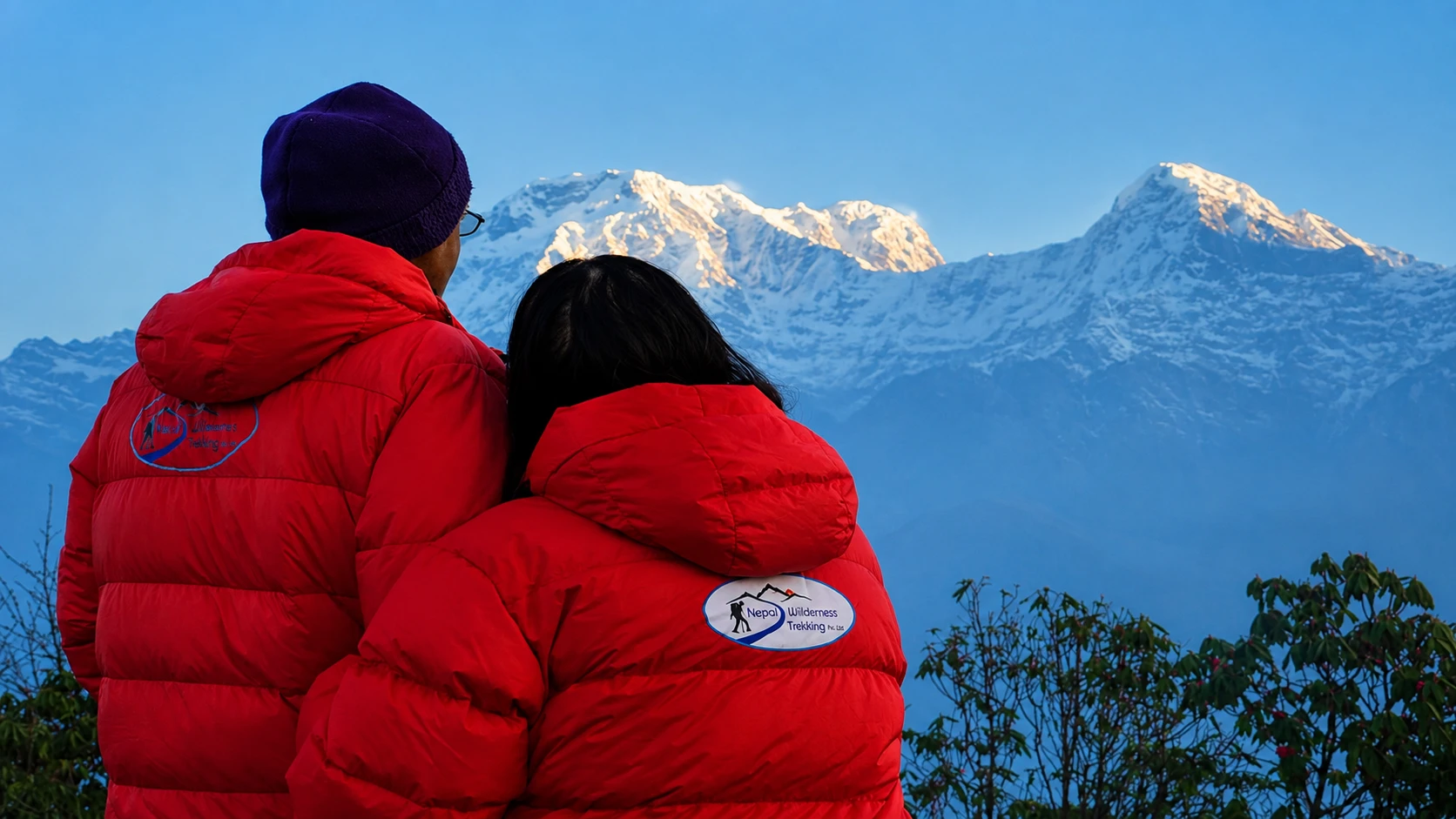
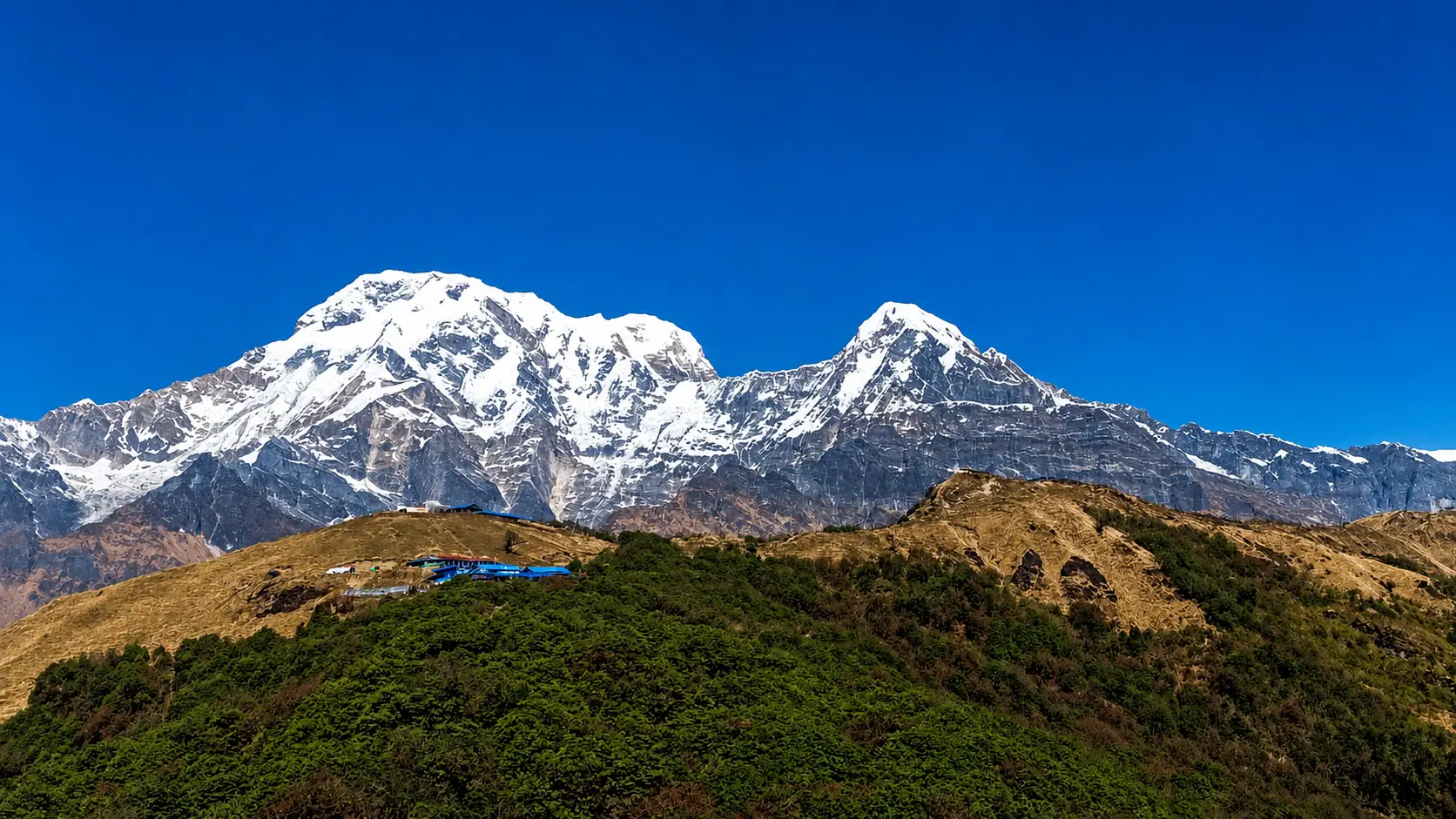
  • Stunning close-up views of Mardi Himal, Machhapuchhre (Fishtail), Annapurna South, and Hiunchuli.
  • Walking through serene rhododendron forests, alpine meadows, and rugged mountain terrain.
  • Immersion in Gurung and Magar villages, experiencing authentic Himalayan culture.
  • Rich diversity of flora and fauna, from subtropical forests to high-altitude alpine vegetation.
  • Less-crowded trails compared to other Annapurna region treks.
  • Short itinerary (5 days) but with high rewards.

The Route and Experience

The Mardi Himal trek begins from Pokhara, a lakeside city and Nepal’s trekking hub. A short drive takes you to the trailhead, usually Kande or Phedi, from where the journey unfolds. The trek starts with gentle trails through terraced farmlands, traditional stone houses, and dense forests.

The first few days are spent climbing through beautiful rhododendron and oak forests, especially magical during spring (March–April) when the forests burst into colors of red, pink, and white blooms. As the altitude increases, the landscapes change dramatically.

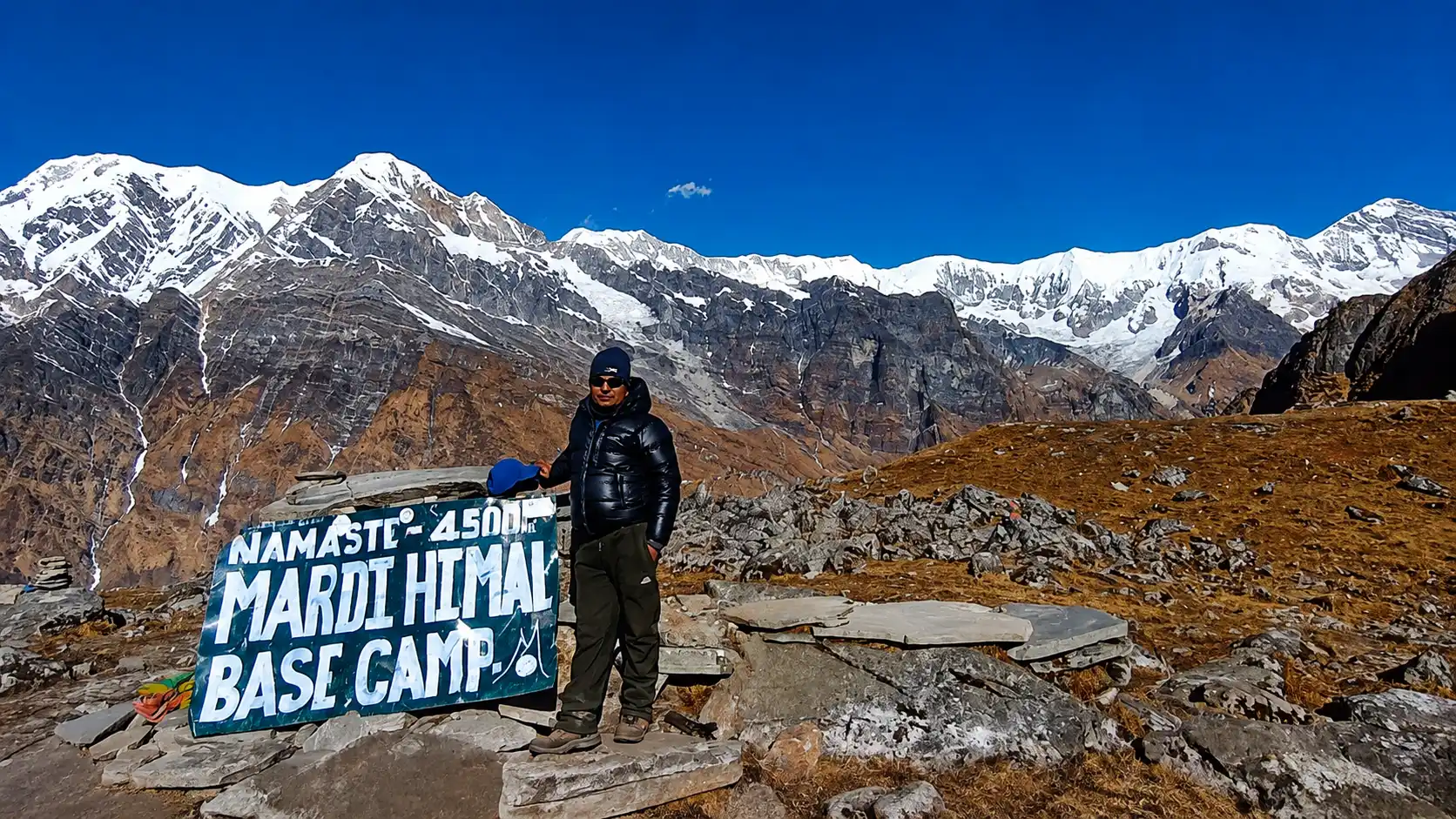
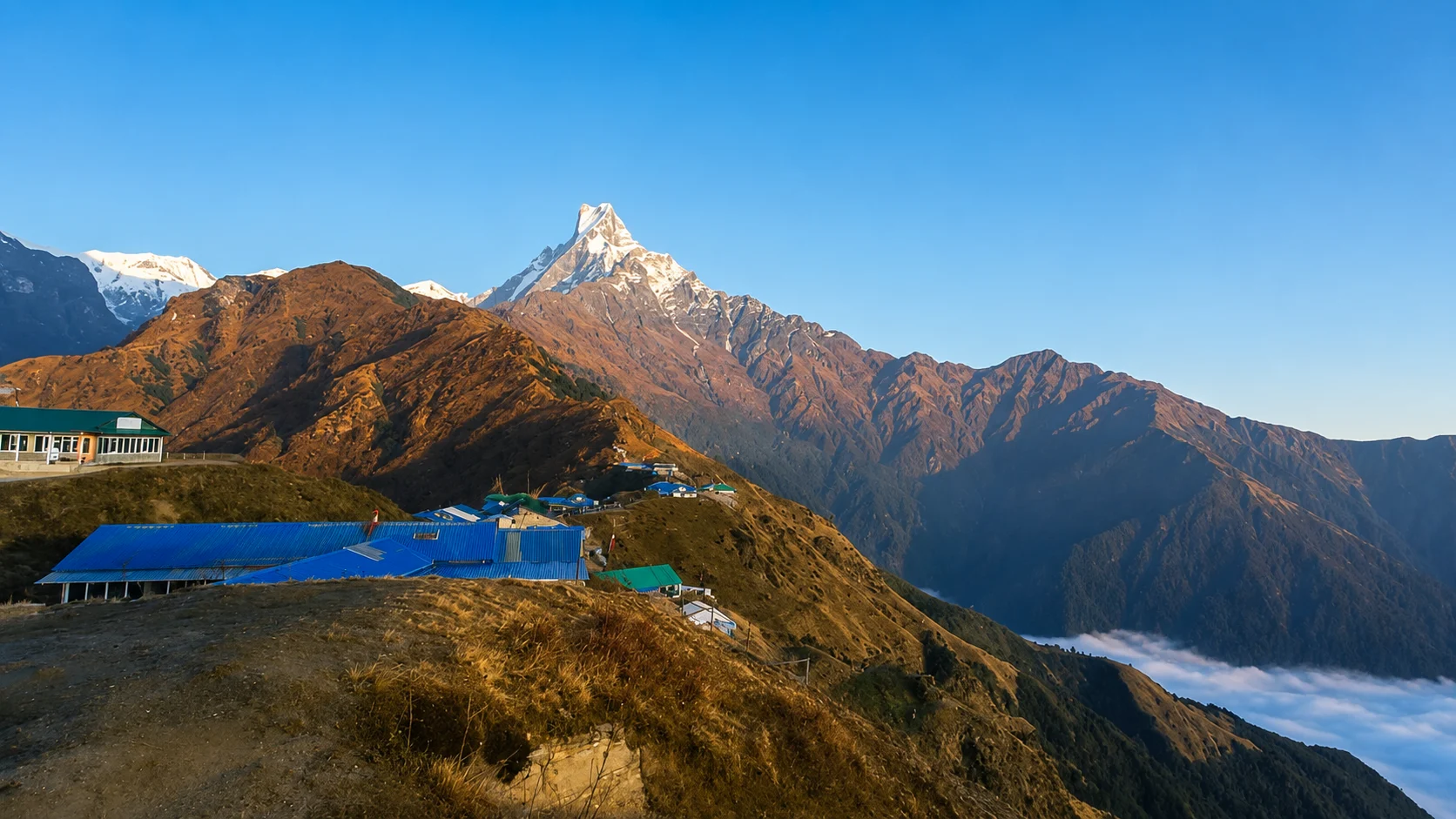
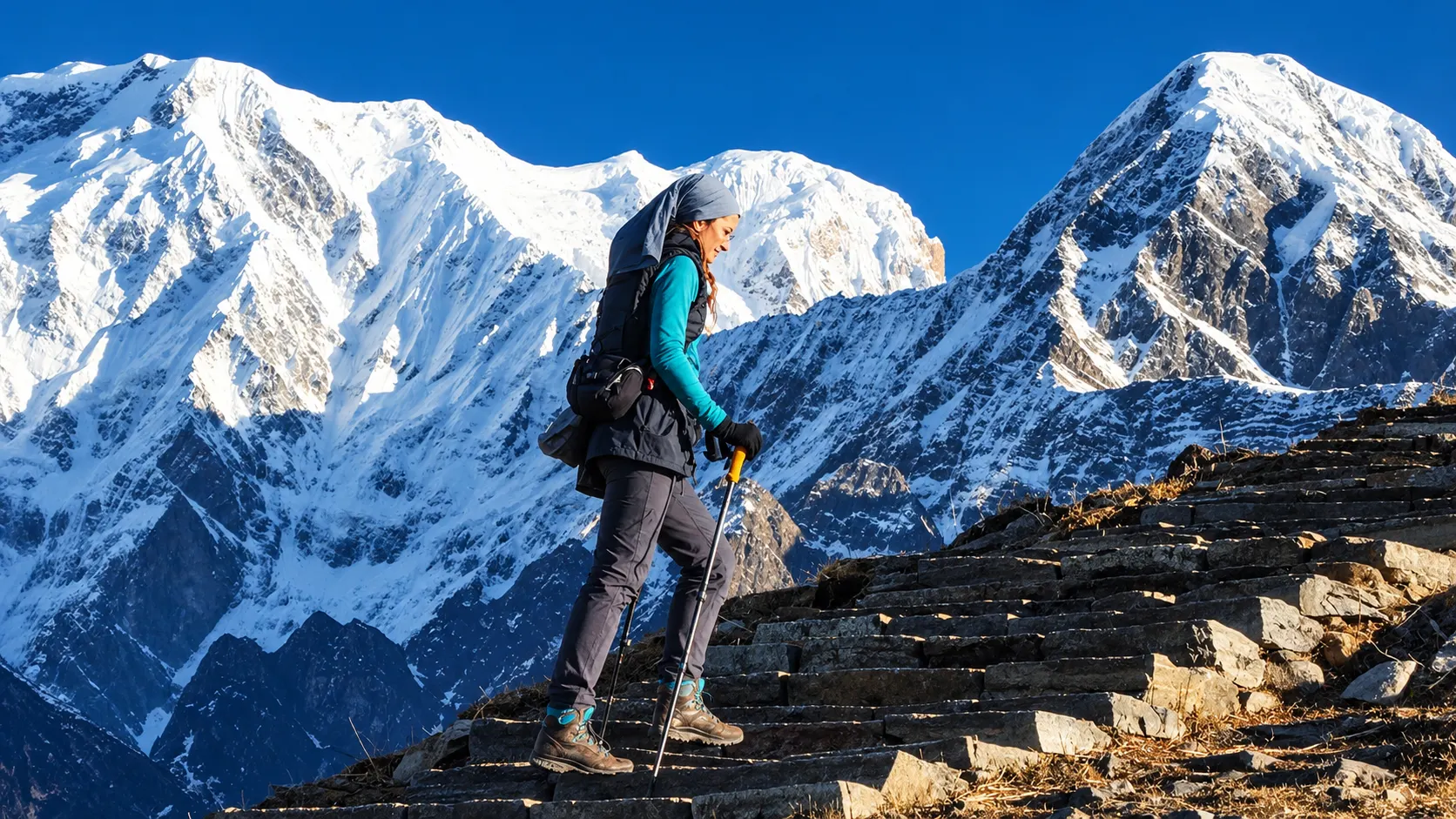
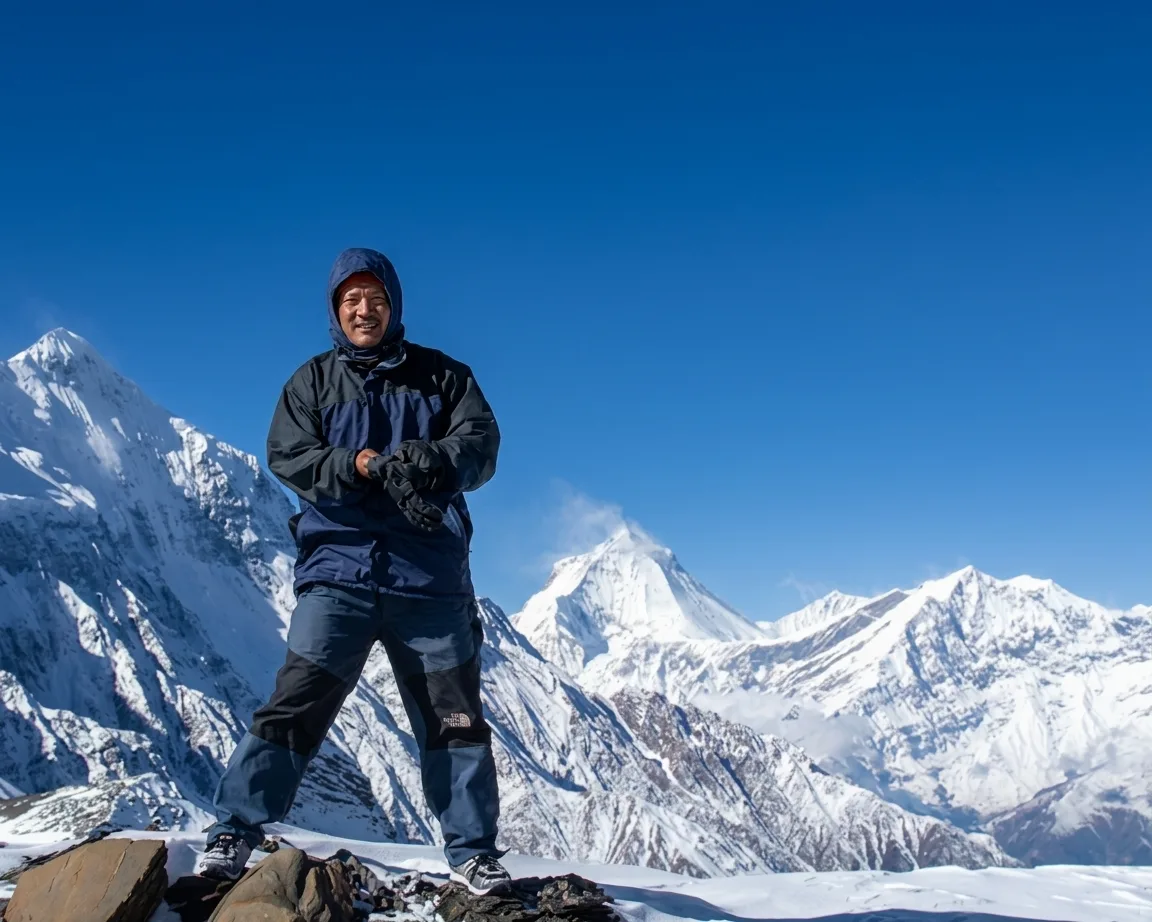
By the time trekkers reach Low Camp and High Camp, the scenery opens up to vast alpine meadows, grazing yaks, and panoramic Himalayan views. The highlight is the hike to Mardi Himal Base Camp (4,500 m) or Viewpoint (4,200 m). From here, trekkers stand face-to-face with the south face of Machhapuchhre—so close it feels like you could reach out and touch it.

Mountain Views and Alpine Meadows

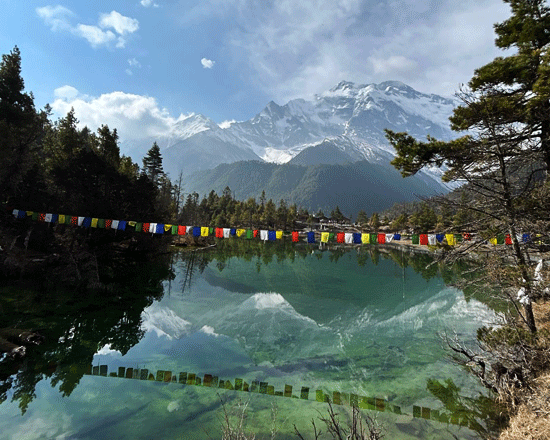
One of the biggest charms of the Mardi Himal trek is its breathtaking alpine scenery. At High Camp and beyond, the trail winds along grassy ridgelines with sweeping views of the Annapurna range. The meadows are often dotted with grazing yaks and wildflowers, creating a postcard-perfect Himalayan setting.

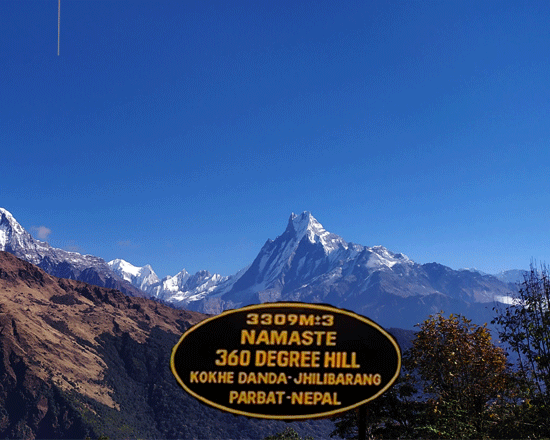
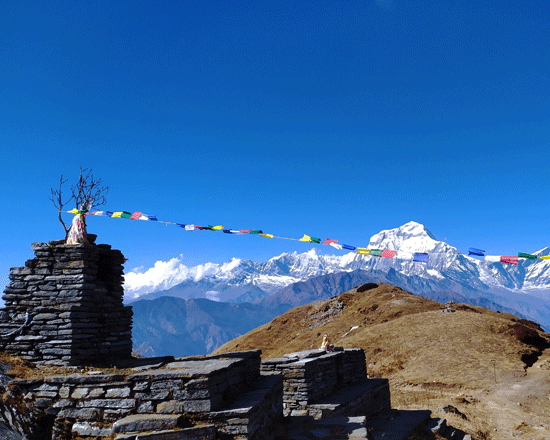
The Mardi Himal Base Camp viewpoint provides perhaps the best angle to admire Fishtail (Machhapuchhre)—a mountain considered sacred and unclimbed due to its religious significance. Alongside it, Annapurna I, Annapurna South, Hiunchuli, and Dhaulagiri dominate the skyline.

Culture Along the Trail

The Mardi Himal trek is not only about mountains; it’s also a cultural journey. The lower sections of the trek pass through Gurung and Magar villages, where trekkers can observe daily life, traditions, and warm hospitality.

The Gurung people, known for their bravery as Gurkha soldiers, have a rich cultural heritage that includes traditional dress, dances, and rituals tied to Buddhism and Hinduism. Local teahouses along the trek are often family-run, offering trekkers the chance to engage with the hosts, learn about their customs, and enjoy homemade Nepali food like dal bhat, dhido, and fresh organic vegetables.

Unlike more commercialized routes, the Mardi Himal trek still retains a sense of authenticity, where visitors feel part of a community rather than just passing tourists.

Flora and Fauna

The trek passes through multiple ecological zones, making it a paradise for nature lovers.

  • Lower forests (1,000–2,500 m): Rich subtropical vegetation including oak, maple, and bamboo. These areas are home to monkeys, Himalayan langurs, and diverse bird species.
  • Rhododendron zone (2,500–3,500 m): In spring, this zone bursts into a riot of colors, with forests of blooming rhododendrons (Nepal’s national flower).
  • Alpine meadows (3,500–4,500 m): Sparse vegetation with juniper, shrubs, and wild alpine flowers. You might spot Himalayan thar, musk deer, and colorful pheasants such as the Danphe (Himalayan Monal, Nepal’s national bird).

This unique blend of ecosystems makes the Mardi Himal trek a mini showcase of Nepal’s biodiversity within just a week-long journey.

Best Time for the Mardi Himal Trek

The best time to trek Mardi Himal is during the spring (March–May) and autumn (September–November) seasons.

  • Spring (March–May): Pleasant temperatures, clear skies, and rhododendron forests in full bloom. Ideal for nature and photography enthusiasts.
  • Autumn (September–November): The most popular season, with stable weather, crystal-clear mountain views, and comfortable temperatures.
  • Winter (December–February): Possible for experienced trekkers, but snow and cold temperatures make conditions challenging. Trails may be slippery at higher altitudes.
  • Summer/Monsoon (June–August): Not recommended due to heavy rains, leeches, and limited visibility, though the forests are lush and green.

Difficulty and Preparation

The Mardi Himal trek is considered a moderate trek. The trail involves daily hikes of 5–7 hours, with some steep ascents and descents. The highest point is around 4,500 meters, which means altitude sickness is a mild risk but manageable with proper acclimatization.

No prior trekking or mountaineering experience is necessary, making this trek suitable for beginners with a good fitness level. However, preparation through regular walking, cardio exercise, and leg strength training is recommended before the trip.

Accommodation and Food

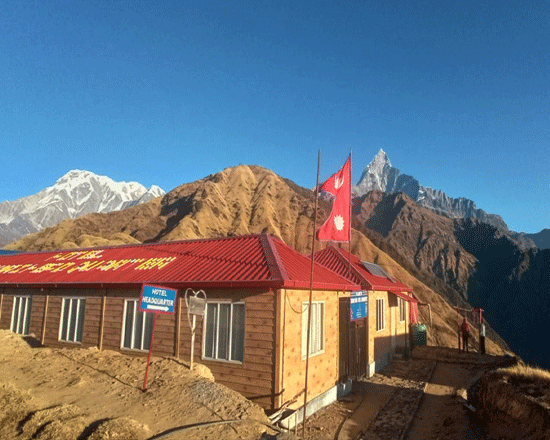
The trek is fully supported by teahouses and lodges, which have improved significantly over the years. Rooms are basic but comfortable, usually with twin beds and shared bathrooms. At higher camps, facilities are more limited.

Food along the Mardi Himal trek is a mix of local Nepali dishes and some international options. Trekkers can enjoy hearty meals such as:

  • Dal bhat (rice, lentil soup, vegetables)
  • Noodles and pasta
  • Tibetan bread and pancakes
  • Potato dishes
  • Tea, coffee, and hot soups for the cold evenings

Why Choose the Mardi Himal Trek?

The Mardi Himal trek stands out for its unique combination of natural beauty, cultural richness, and accessibility. Unlike other treks in the Annapurna region that can be crowded, Mardi Himal remains a quieter trail, perfect for trekkers seeking tranquility and a more personal connection with the mountains.

It’s also a cost-effective trek, requiring less time and logistics compared to Annapurna Circuit or Everest Base Camp, but still delivering world-class Himalayan views.

Sustainable Trekking Practices

As the Mardi Himal trek grows in popularity, trekkers are encouraged to follow eco-friendly practices:

  • Carry a reusable water bottle and purification tablets to reduce plastic waste.
  • Respect local cultures and traditions.
  • Dispose of waste properly or carry it back to Pokhara.
  • Support local teahouses and communities by buying locally produced food and crafts.

This ensures that the Mardi Himal trail remains pristine for future generations.

Mardi Himal or Poon Hill trek?

 Mardi Himal and Classic Poon Hill, each graced with their unique highlights. The trek provides excellent opportunities to admire mountain scenery, while the Poon Hill trek offers breathtaking sunrise views. Both treks allow you to witness the stunning Annapurna Himalayas and immerse yourself in the vibrant Gurung and Magar cultures. The Poon Hill trek typically takes 3 days from Pokhara, while the Mardi Himal trek spans over 5 days. If you have a period of 10 days, it would be possible to extend your journey by combining the Mardi Himal trek with a continuation of the Annapurna Base Camp

Nepal Wilderness Trekking offers the Mardi Himal trek package cost of $430 per person for 5 days. This price covers guides, permits, accommodation, meals throughout the trek, and transportation to and from the starting point. There are no hidden costs. The final price may vary depending on the number of participants. This ensures transparency and flexibility for all trekkers. Enjoy a hassle-free adventure with everything included. Also, we have compiled the short 3-day Mardi trek for the physically fit and time-limited traveler. This is to meet their demand and capture the thrilling adventure journey with the mesmerizing mountain views of the Mardi base camp trek.

Conclusion

The Mardi Himal trek is a true hidden gem of Nepal. From vibrant rhododendron forests to windswept alpine meadows and jaw-dropping Himalayan panoramas, it packs incredible diversity into a short and accessible itinerary. The mix of natural wonders, cultural encounters, and peaceful trails makes it a perfect choice for trekkers of all levels.

Whether you’re a first-time visitor to Nepal or a seasoned trekker looking for something new, the Mardi Himal trek will leave you with unforgettable memories and a deeper connection to the majestic Annapurna region.


Detail Itinerary

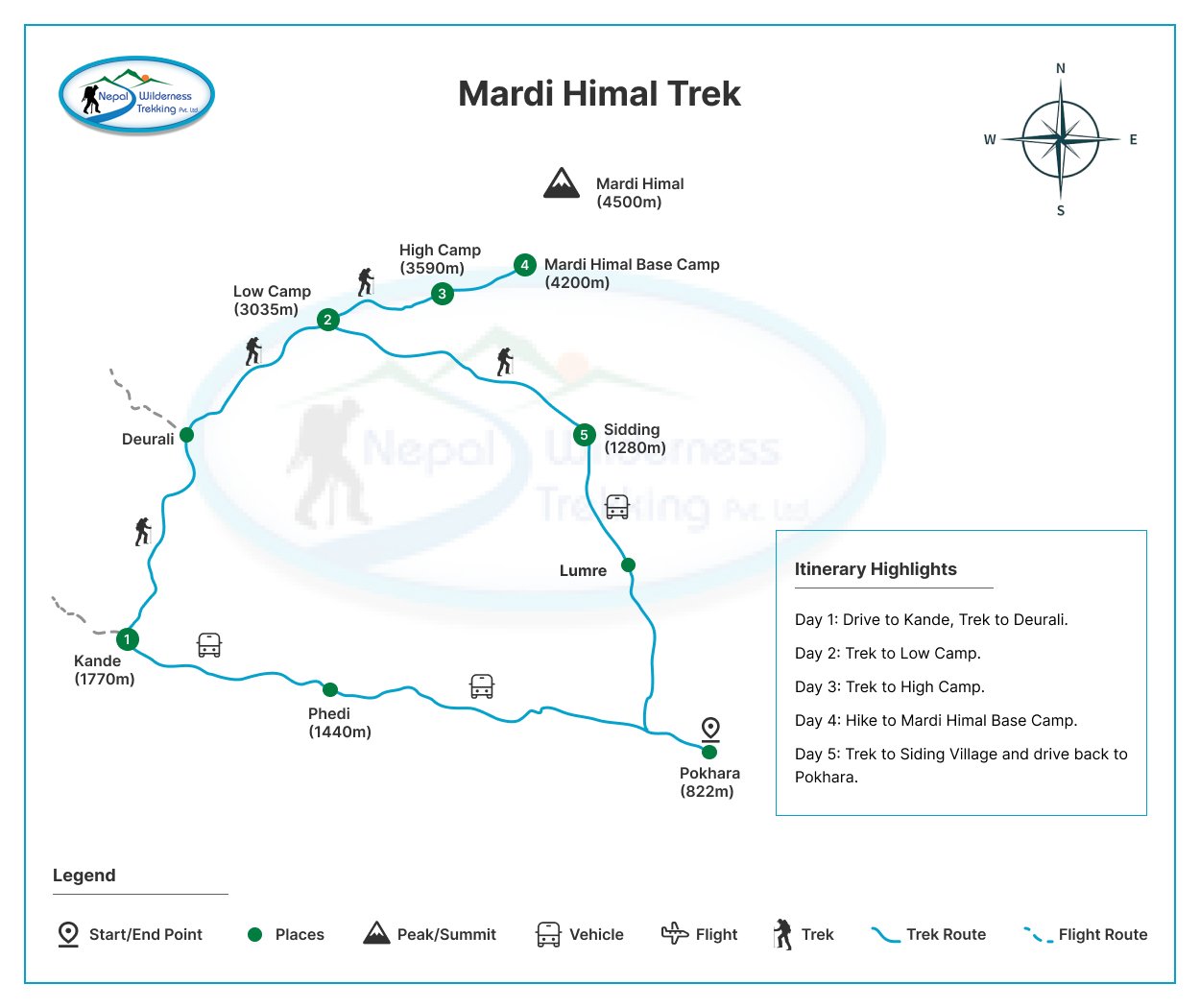
  • Day 01: Your guide will pick you up at your hotel in Pokhara at 8 AM and drive to Kande, where your trek begins, the trek to Pitam Deurali (1925m, about 4 4-hour trek). Overnight at the lodge.
  • Day 02: From Pitam Deurali to Low Camp (2985m). After trekking for about four hours, you will stop for lunch at Forest Camp (2600m). It takes 6 hours to hike from Pitam Deurali to the Low Camp, and an overnight stay at the Lodge.
  • Day 03: Trek from Low Camp to High Camp (3,550m). There will be spectacular views of Machhapuchhre ahead and Annapurna South to the left. The trek to High Camp (3550m) took about four hours. Overnight at the Lodge
  • Day 04: You will hike to Mardi Himal Base Camp (4500m) and back to High Camp on the same day. Approximately four to five hours will be needed to complete the round trip. Alternatively, you can hike to a viewpoint about halfway and back to High Camp if you do not want to trek to Mardi Himal. Trek down to Low camp (3210m), and then overnight at a lodge
  • Day 05: Trek to Sidding village for a two-and-a-half-hour hike, and drive back to Pokhara by sharing a jeep.

Cost Included

  • Pokhara to Kande by private car or Van and Sidding village to Pokhara by sharing a jeep on the way back.
  • Clean Lodge accommodation on the way during your Mardi Himal Base Camp Trek.
  • Meals: Italian, Chinese, Nepali, Indian, and various European dishes are available three times a day breakfast, lunch, and dinner. One main course is provided per meal during the trek.
  • ACAP permit and TIMS card permit for the Mardi Himal trek
  • Experienced English-speaking trekking guide licensed by the government, familiar with the area.
  • One porter for every two to three participants. (Note: An additional cost applies for solo clients requiring a porter.)
  • Guides/Porter's food, accommodations, bus transportation, salary, insurance, equipment, etc.
  • A kitbag for storing your belongings for the trek, carried by the porter
  • Sleeping bag for a comfortable night's sleep on a trek in minus-25 degrees
  • Necessary paperwork, all government, and local taxes
  • A certificate of appreciation from Nepal Wilderness Trekking after a successful trek

Cost Excluded

  • Airfare for international flights
  • Upon arrival at Tribhuwan International Airport, Nepal entry visa fees vary by duration (15 days - $25-30, 30 days
  • Accommodations and meals in Kathmandu and Pokhara before and after our journey
  • Personal equipment for high and cold temperatures
  • Emergency high-altitude rescue and evacuation are covered by travel insurance
  • All beverages, Soft and caffeinated table drinks such as Coke, beer,
  • Drinking water/mineral water, Dessert, etc. Hot shower, laundry
  • Tip for the guide and the porter
  • Excluded are all costs and expenses not listed under "cost includes."
  • Inclusion of costs or delays beyond the control of the management, such as landslides, weather conditions, itinerary modifications due to safety concerns, illness, changes in government policies, strikes, etc.
Trip Dates Trip Price Confirmed Pax Trip Status
November 15, 2025 US$ 400 Join a Group Book Now
November 20, 2025 US$ 400 Join a Group Book Now
November 25, 2025 US$ 400 Join a Group Book Now
November 30, 2025 US$ 400 Join a Group Book Now
December 5, 2025 US$ 400 Join a Group Book Now
December 10, 2025 US$ 400 Join a Group Book Now
December 13, 2025 US$ 400 Join a Group Book Now
December 16, 2025 US$ 400 Join a Group Book Now
December 19, 2025 US$ 400 Join a Group Book Now
December 22, 2025 US$ 400 Join a Group Book Now
December 25, 2025 US$ 400 Join a Group Book Now
December 28, 2025 US$ 400 Join a Group Book Now
December 31, 2025 US$ 400 Join a Group Book Now
January 2, 2026 US$ 400 Join a Group Book Now
January 7, 2026 US$ 400 Join a Group Book Now
January 10, 2026 US$ 400 Join a Group Book Now
January 14, 2026 US$ 400 Join a Group Book Now
January 18, 2026 US$ 400 Join a Group Book Now
January 22, 2026 US$ 400 Join a Group Book Now
January 26, 2026 US$ 400 Join a Group Book Now
January 30, 2026 US$ 400 Join a Group Book Now
February 4, 2026 US$ 400 Join a Group Book Now
February 8, 2026 US$ 400 Join a Group Book Now
February 12, 2026 US$ 400 Join a Group Book Now
February 16, 2026 US$ 400 Join a Group Book Now
February 20, 2026 US$ 400 Join a Group Book Now
February 24, 2026 US$ 400 Join a Group Book Now
February 28, 2026 US$ 400 Join a Group Book Now
March 4, 2026 US$ 400 Join a Group Book Now
February 8, 2026 US$ 400 Join a Group Book Now
March 12, 2026 US$ 400 Join a Group Book Now
March 16, 2026 US$ 400 Join a Group Book Now
March 20, 2026 US$ 400 Join a Group Book Now
March 24, 2026 US$ 400 Join a Group Book Now
March 28, 2026 US$ 400 Join a Group Book Now
April 1, 2026 US$ 400 Join a Group Book Now
April 3, 2026 US$ 400 Join a Group Book Now
April 6, 2026 US$ 400 Join a Group Book Now
April 9, 2026 US$ 400 Join a Group Book Now
April 12, 2026 US$ 400 Join a Group Book Now
April 15, 2026 US$ 400 Join a Group Book Now
April 18, 2026 US$ 400 Join a Group Book Now
April 21, 2026 US$ 400 Join a Group Book Now
April 24, 2026 US$ 400 Join a Group Book Now
April 27, 2026 US$ 400 Join a Group Book Now
April 30, 2026 US$ 400 Join a Group Book Now
May 4, 2026 US$ 400 Join a Group Book Now
May 7, 2026 US$ 400 Join a Group Book Now
May 11, 2026 US$ 400 Join a Group Book Now
May 14, 2026 US$ 400 Join a Group Book Now
May 17, 2026 US$ 400 Join a Group Book Now
May 20, 2026 US$ 400 Join a Group Book Now
May 23, 2026 US$ 400 Join a Group Book Now
May 27, 2026 US$ 400 Join a Group Book Now
May 30, 2026 US$ 400 Join a Group Book Now
June 3, 2026 US$ 400 Join a Group Book Now
June 7, 2026 US$ 400 Join a Group Book Now
June 11, 2026 US$ 400 Join a Group Book Now
June 15, 2026 US$ 400 Join a Group Book Now
June 19, 2026 US$ 400 Join a Group Book Now
June 23, 2026 US$ 400 Join a Group Book Now
June 27, 2026 US$ 400 Join a Group Book Now
July 1, 2026 US$ 400 Join a Group Book Now
July 4, 2026 US$ 400 Join a Group Book Now
July 8, 2026 US$ 400 Join a Group Book Now
July 12, 2026 US$ 400 Join a Group Book Now
July 16, 2026 US$ 400 Join a Group Book Now
July 20, 2026 US$ 400 Join a Group Book Now
July 24, 2026 US$ 400 Join a Group Book Now
July 28, 2026 US$ 400 Join a Group Book Now
August 3, 2026 US$ 400 Join a Group Book Now
August 8, 2026 US$ 400 Join a Group Book Now
August 12, 2026 US$ 400 Join a Group Book Now
August 16, 2026 US$ 400 Join a Group Book Now
August 20, 2026 US$ 400 Join a Group Book Now
August 24, 2026 US$ 400 Join a Group Book Now
August 28, 2026 US$ 400 Join a Group Book Now
August 31, 2026 US$ 400 Join a Group Book Now
September 3, 2026 US$ 400 Join a Group Book Now
September 6, 2026 US$ 400 Join a Group Book Now
September 9, 2026 US$ 400 Join a Group Book Now
September 12, 2026 US$ 400 Join a Group Book Now
September 15, 2026 US$ 400 Join a Group Book Now
September 18, 2026 US$ 400 Join a Group Book Now
September 21, 2026 US$ 400 Join a Group Book Now
September 24, 2026 US$ 400 Join a Group Book Now
September 27, 2026 US$ 400 Join a Group Book Now
September 30, 2026 US$ 400 Join a Group Book Now
October 3, 2026 US$ 400 Join a Group Book Now
October 6, 2026 US$ 400 Join a Group Book Now
October 9, 2026 US$ 400 Join a Group Book Now
October 12, 2026 US$ 400 Join a Group Book Now
October 15, 2026 US$ 400 Join a Group Book Now
October 18, 2026 US$ 400 Join a Group Book Now
October 21, 2026 US$ 400 Join a Group Book Now
October 23, 2026 US$ 400 Join a Group Book Now
October 26, 2026 US$ 400 Join a Group Book Now
October 29, 2026 US$ 400 Join a Group Book Now
November 1, 2026 US$ 400 Join a Group Book Now
November 4, 2026 US$ 400 Join a Group Book Now
November 8, 2026 US$ 400 Join a Group Book Now
November 12, 2026 US$ 400 Join a Group Book Now
November 16, 2026 US$ 400 Join a Group Book Now
November 20, 2026 US$ 400 Join a Group Book Now
October 24, 2026 US$ 400 Join a Group Book Now
November 28, 2026 US$ 400 Join a Group Book Now
December 5, 2026 US$ 400 Join a Group Book Now
December 10, 2026 US$ 400 Join a Group Book Now
December 15, 2026 US$ 400 Join a Group Book Now
December 20, 2026 US$ 400 Join a Group Book Now
December 25, 2026 US$ 400 Join a Group Book Now
December 30, 2026 US$ 400 Join a Group Book Now

Trip Map

Frequently Asked Questions

The Mardi Himal trek is moderately challenging, with the highest point reaching around 4,500 meters in altitude. It requires a reasonable level of fitness and some prior trekking experience. The trail can be steep, rugged, and uneven at times. However, with proper preparation and guidance, most people with trekking experience should be able to complete the trek.
During the Mardi Himal trek, you can expect to walk for approximately 5 to 6 hours per day. The daily distance covered will vary depending on factors such as the pace of the group, trail conditions, and elevation gain. On average, you can expect to hike around 12-15 kilometers per day. These estimates are rough guidelines and can vary based on individual fitness levels and preferences. It's important to note that some days may involve shorter or longer walking hours and distances depending on the specific itinerary and trail conditions.
The accommodation on the Mardi Himal trek consists of basic tea houses or guesthouses. These tea houses provide simple rooms with twin beds or dormitory-style sleeping arrangements. The facilities are basic, and amenities such as electricity and hot water may not be available consistently. Meals are served in communal dining areas, offering local Nepali dishes and some Western options. It is recommended to bring a sleeping bag and personal toiletries for the trek. Tea houses can get crowded during peak seasons, so our guide books in advance.
Yes, it is possible to add 2 to 3 extra days to the Mardi Himal trek to explore the Mardi High Camps. The cost for each additional day is $60. Adding more days allows for a more leisurely pace and the opportunity to fully immerse yourself in the scenic surroundings.
In case of an emergency during the Mardi Himal trek, your guide will take necessary actions. They are knowledgeable about altitude sickness and will contact the insurance company for assistance. It is important to have insurance that covers emergency evacuations. The guide will closely monitor your health and communicate with us and you, after getting in for from the guide we do communicate with your insurances company. If required, arrangements will be made for medical evacuation, potentially by helicopter, to a facility in Pokhara or Kathmandu.
The ideal time to do the Mardi Himal trek is during the pre-monsoon (spring) season, which runs from February to May, or the post-monsoon (autumn) season, which starts from late September and extends until December. These periods offer the best weather and optimal trekking conditions in the region. During the pre-monsoon season (February to May), the weather is generally stable with clear skies, making it a popular time for trekking. The temperatures are moderate, and the rhododendron forests along the trail are in full bloom, adding vibrant colors to the landscape. The post-monsoon season (late September to December) is another excellent time to undertake the Mardi Himal trek. The monsoon rains would have subsided by late September, and the skies become clearer. The weather remains pleasant, with cooler temperatures and less chance of rainfall. The mountain views are often at their best during this time, offering spectacular panoramic vistas. Both seasons have their advantages, and the choice ultimately depends on personal preferences and availability. It's important to note that weather conditions can still vary, and it's always recommended to check the latest weather forecasts and consult with local trekking agencies or guides before finalizing your trekking plans.
For the Mardi Himal trek, you need two permits: the TIMS (Trekkers' Information Management System) permit and the ACAP (Annapurna Conservation Area Permit). The TIMS permit collects trekkers' information for safety, and the ACAP permit supports conservation efforts in the Annapurna region. we obtain these permits as we are a registered trekking agency. It's important to carry these permits with you during the trek and present them when required.
No, there are no specific trek restrictions for the Mardi Himal trek. However, it's recommended to stay updated on any local regulations or requirements by checking with local authorities or trekking agencies before starting the trek.
Some challenges you might encounter on the Mardi Himal trek include: Altitude sickness: As the trek involves gaining altitude, there is a risk of altitude sickness. Proper acclimatization and awareness of symptoms are important. Weather conditions: Weather in the mountains can be unpredictable, with rain, fog, and snow possible. Being prepared with appropriate clothing and equipment is essential. Trail conditions: The trail can be steep, rugged, and uneven. Proper footwear and caution while walking are important. Limited accommodation: There are limited rooms available along the trek, so it is advisable to book in advance to secure accommodations. Physical endurance: The trek requires a reasonable level of fitness and stamina due to long hours of walking. Having an experienced guide, being prepared with necessary gear, and maintaining good physical condition will help you overcome these challenges and enjoy a safe trek.

Altitude Chart

Enquiry


Similar Packages

Sign Up for free newsletter
Follow Us