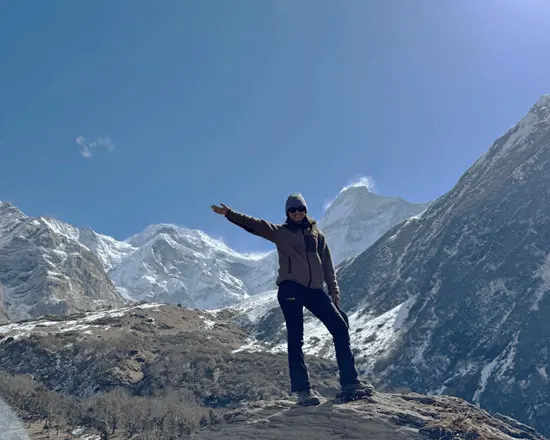
Sherpani Col Passes Trekking Itinerary
The Sherpani Col Pass trek is an epic adventure through the stunning Makalu and Everest regions. This journey connects three high mountain passes: Sherpani Col Pass, West Col Pass, and Amphu Lapcha Pass. Known as the “3-Col Pass” trek, it is challenging and requires excellent physical fitness, experience in high-altitude trekking, and technical mountaineering skills. This adventurous journey through remote and wilderness regions is part of the Great Himalayan trails and requires full logistical support. It is perfect for hikers seeking a different route and a fresh perspective.
Overview of Sherpani Col Pass Trek
The Sherpani Col Pass trek traverses both the Everest and Makalu base camps. It follows the high ridge separating the Dudh Koshi River and Arun valleys in the Everest region, known as the Hidden Treasure Trek. The trek includes the Makalu base camp the bank of the rivers, which is used as a base camp for the Makalu Expedition.
- Sherpani Col Pass (6,155m): The first and most challenging pass, involving steep and exposed ice slopes.
- West Col Pass (6,143m): The second pass requires a technical climb on fixed ropes.
- Amphu Lapcha Pass (5,845m): The final pass involves a steep climb on a rocky ridge.
The Highest Pass in Nepal
Sherpani Col, standing at 6,155 meters above sea level, is the highest pass in Nepal. Although Nepal has numerous passes, Sherpani Col is often considered the highest. Some might claim that Thorong La Pass and Everest 3 Passes are the highest, but Sherpani Col holds this distinction. During the trek, you will stay at Baruntse Camp One, located at 6,146 meters.
Trekking Route
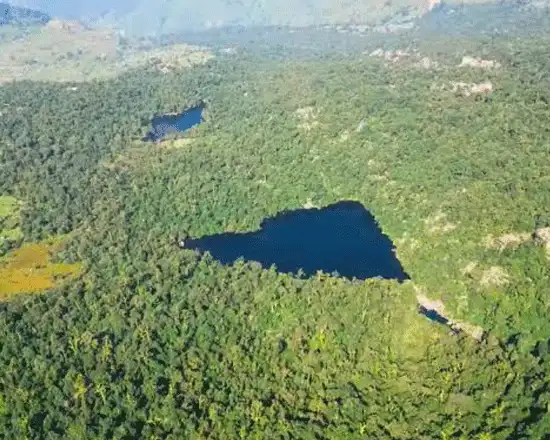
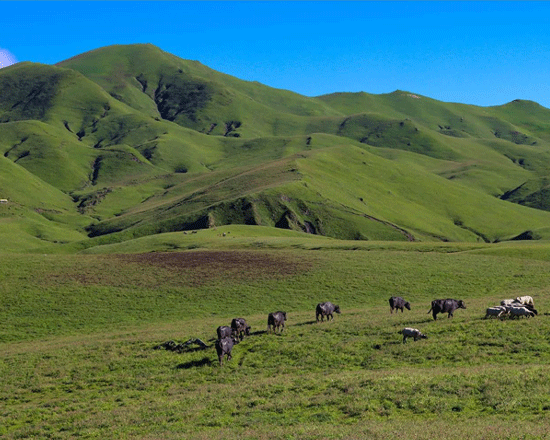
The Sherpani Col Pass trek begins with a flight to Tumlingtar, followed by a journey through lush forests, the Arun Valley, and rural areas. You will pass through charming traditional villages like Khandbari, Mane Bhanjyang, Cheche La, Num, Sama Gau, Tashi Gaon, and Khongma. The route offers breathtaking views of the Himalayan range, including Makalu, Kanchenjunga, and Everest. This trek is a camping trek in Nepal, connected with the Great Himalayan Trails, enhancing the overall experience.
Key Highlights
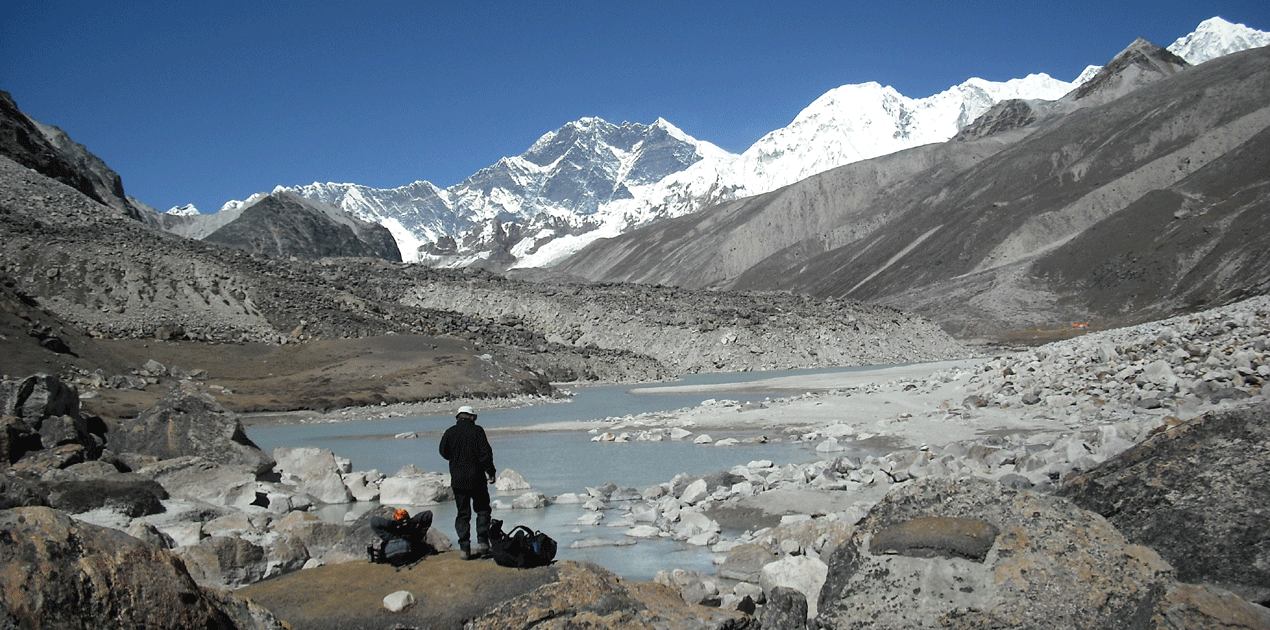
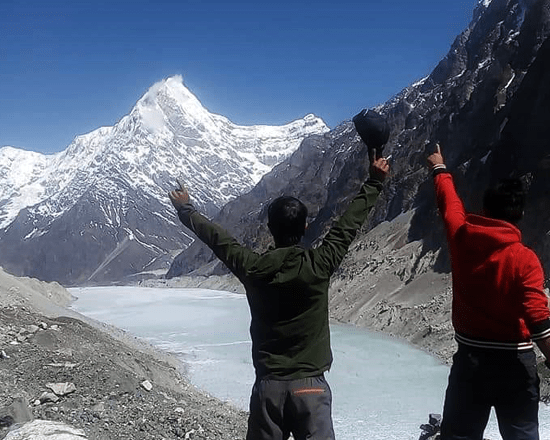
- Scenic Views: Panoramic views of Everest, Lhotse, Makalu, and other peaks.
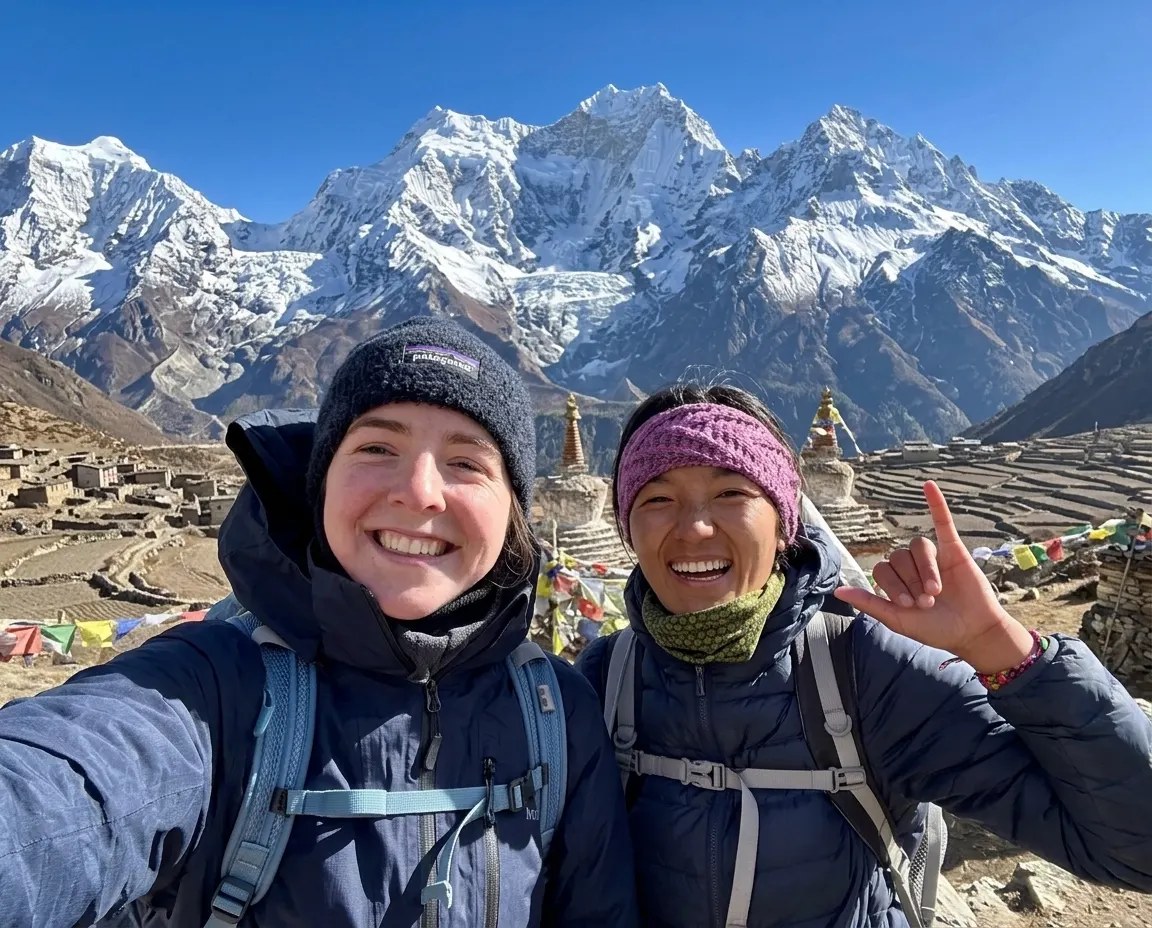
- Cultural Experience: Diverse cultures, traditions, and lifestyles of the Sherpa and Rai communities.
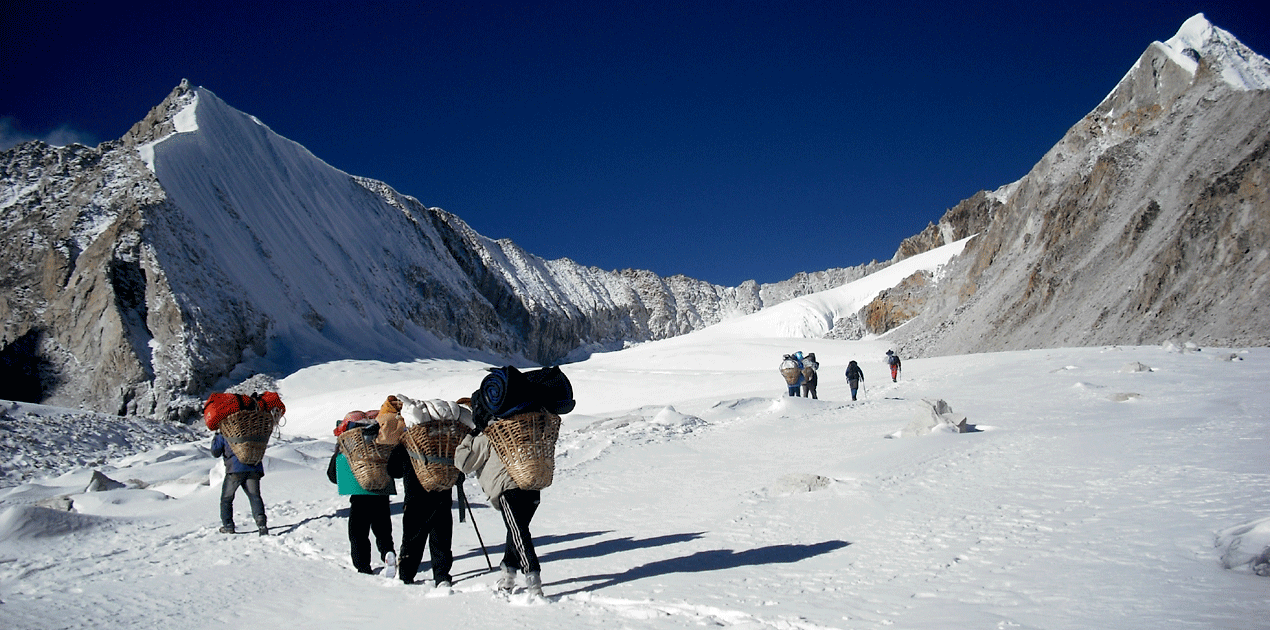
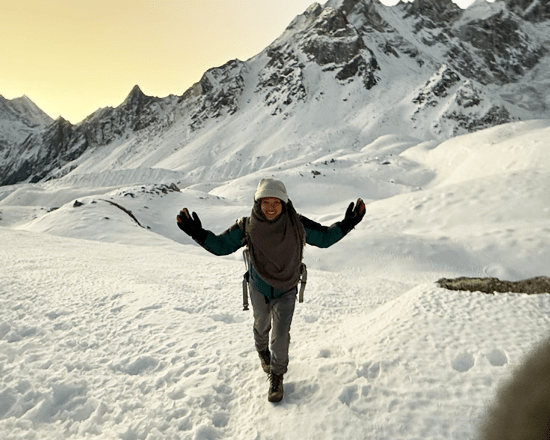
- Glacial Valleys: Trekking through traditional Sherpa villages and glacial valleys.
Challenges of the Sherpani Col Pass Trek
The Sherpani Col Pass trek is challenging and requires careful planning and preparation.
High Altitude
- Extreme Elevation: The trek reaches heights of up to 6,155 meters, which can lead to altitude sickness.
- Acclimatization: Proper acclimatization is crucial, often requiring several days at high altitudes.
Technical Difficulty
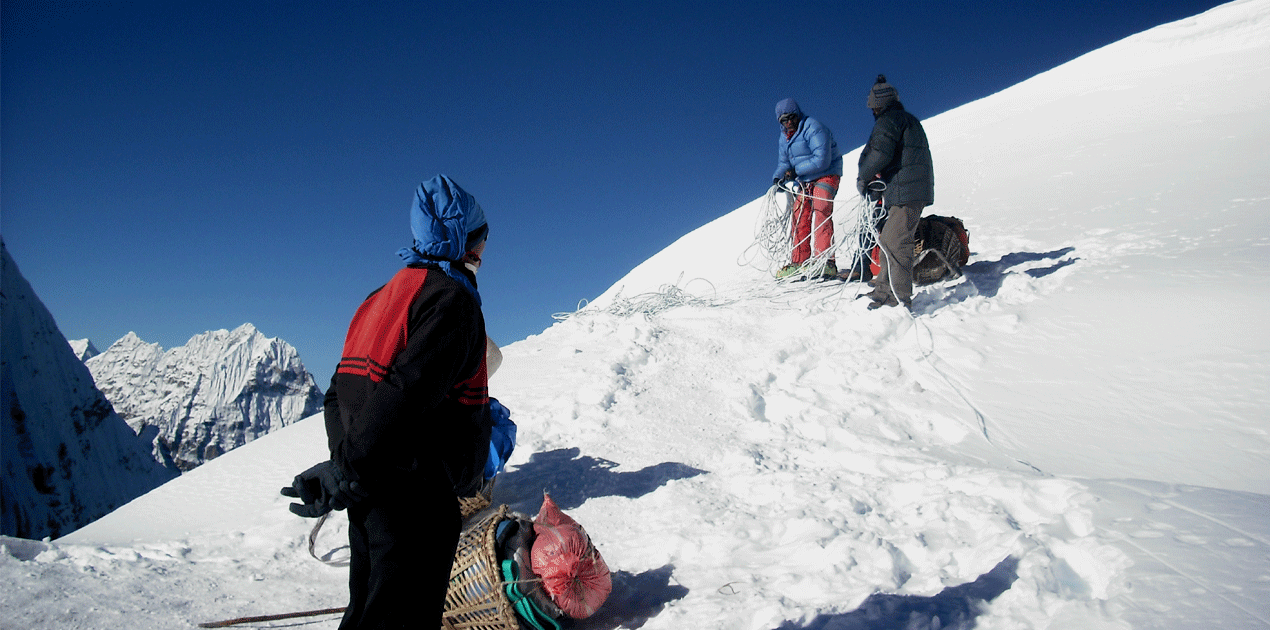
- Climbing Skills: The trek involves crossing high passes and technical terrain, requiring ropes, crampons, and ice axes.
- Glacier Navigation: Navigating glaciers with crevasses and steep ice slopes adds complexity.
Weather Conditions
- Unpredictable Weather: High-altitude regions are prone to sudden weather changes, including snowstorms and high winds.
- Seasonal Challenges: The best seasons for the Sherpani col trek are Spring (March-May) and Autumn (September-November).
Remote Location
- Isolation: The Sherpani Col Pass trek passes through remote areas with limited access to medical facilities and communication.
- Logistics: Managing food, fuel, and supplies requires careful planning.
Physical Endurance
- Stamina: The Col Pass trek demands high physical fitness and endurance, as it involves long days of trekking over rugged terrain.
- Mental Fortitude: Challenging conditions require mental toughness and the ability to handle prolonged exertion and isolation.
Preparation Tips
- Training: Before the trek, engage in cardiovascular and strength training exercises for several months. If possible, include altitude training.
- Gear: Ensure you have high-quality gear, including mountaineering boots, cold-weather clothing, and technical climbing equipment.
- Guidance: Hire experienced guides and porters familiar with the region.
- Acclimatization Schedule: Follow a proper acclimatization schedule and be prepared to take extra rest days if necessary.
- Health Precautions: Carry a comprehensive first aid kit and medications for altitude sickness and other common ailments.
Best Time to Trek
The best time to undertake the Sherpani Col Pass trek is during Spring (March to May) and Autumn (September to November). For these reasons, the weather is typically stable, with mild temperatures and clear skies, offering stunning mountain vistas.
- Spring brings gradual warming and vibrant displays of rhododendrons and wildflowers.
- Autumn: Cooler temperatures with clear, stable weather, ideal for trekking.
Avoid the monsoon season (June to August) due to heavy rainfall and slippery trails, and the winter season (December to February) due to extreme cold and hazardous conditions.
Conclusion
The Sherpani Col Pass is a unique adventure, culture, and natural beauty. Proper preparation, equipment, and a skilled guide are essential for a safe and successful journey with NEPAL WILDERNESS TREKKING PVT Guide Team. Sherpa Col, comprising experienced guides and porters, has been leading this trek since 2001, equipped with the necessary gear. This half-camping and half-tea-house trek, connected with the Great Himalayan Trails, promises an unforgettable experience for adventurous trekkers.
Departure Note
All published departure dates listed below are 100% guaranteed to operate.
If the scheduled departure dates do not align with your travel plans, we would be pleased to arrange a private trek on your preferred dates at the same cost. Whether you are traveling solo, with family, friends, or as part of a group, we can customize the itinerary to suit your schedule, interests, and trekking experience.
Our team will be delighted to design a personalized itinerary and help you create an unforgettable trekking experience in Nepal.