Manaslu Circuit Trek with Serang Gompa: A Unique Cultural Adventure in Nepal
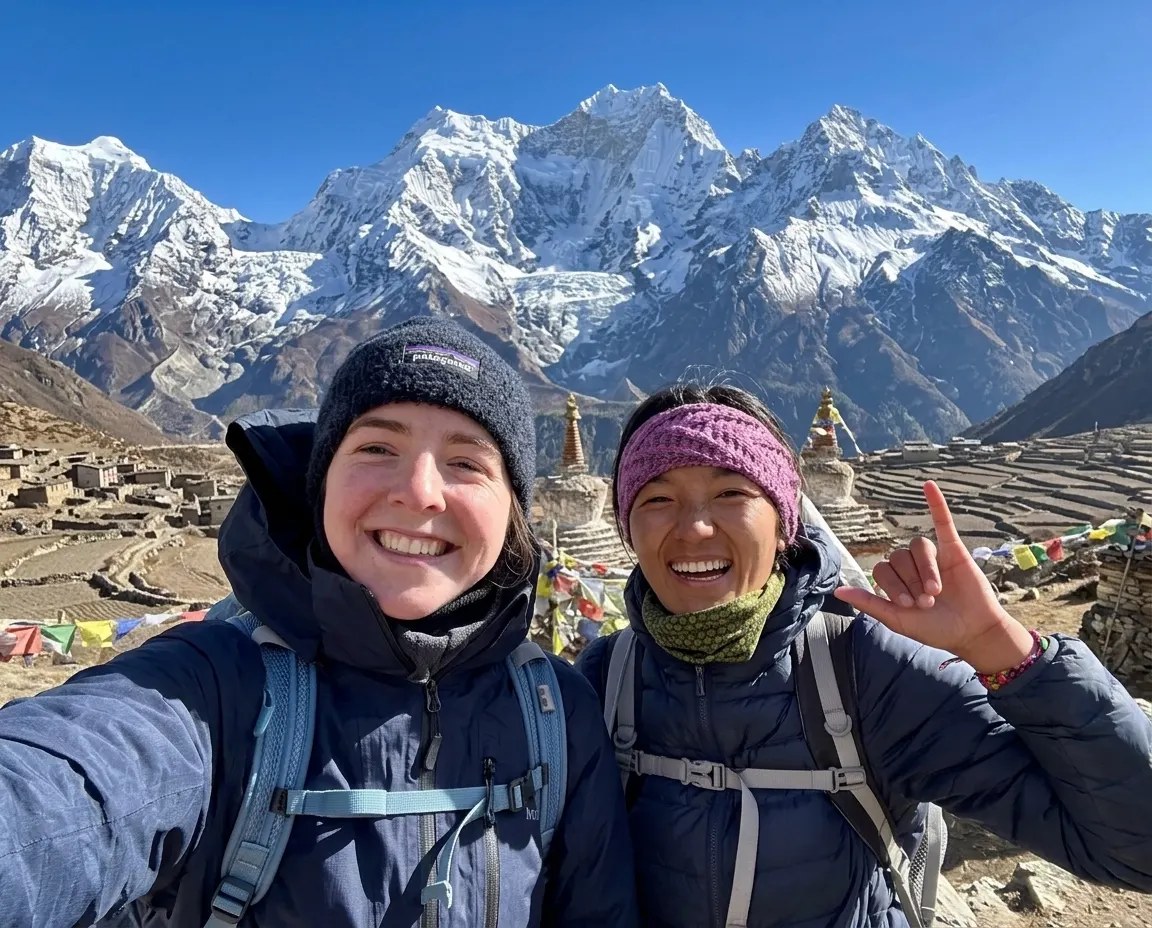
The Serang Gompa trek is a unique adventure in the heart of the Manaslu region, offering breathtaking landscapes and deep cultural and spiritual experiences. This trek not only takes you to the Manaslu Circuit but also introduces you to the ancient Serang Gompa, considered the best highland meditation center, set in a peaceful natural environment, and holds significant religious importance for Tibetan Buddhists. The trek to Serang Gompa offers solitude and insight into Tibetan Buddhist traditions, making it a must-do for trekkers seeking physical and spiritual challenges.
Serang Gompa History
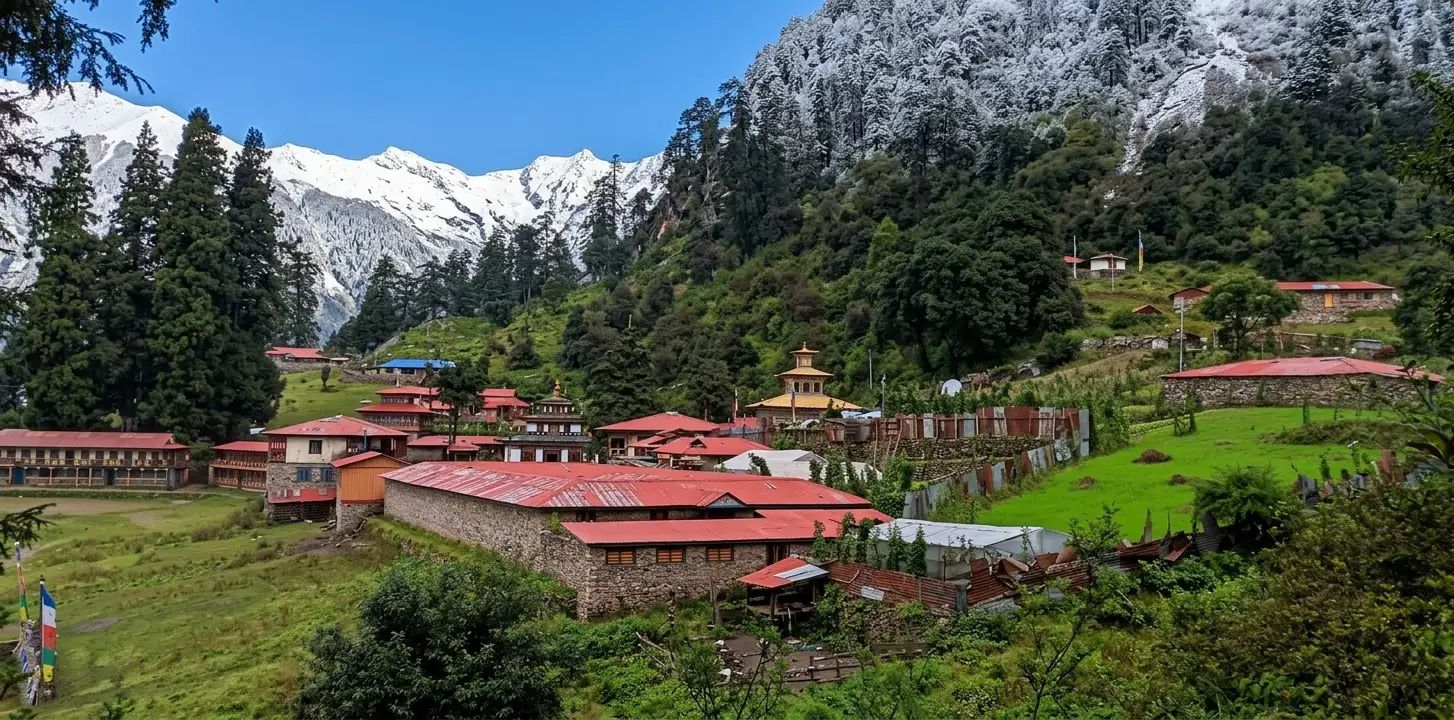
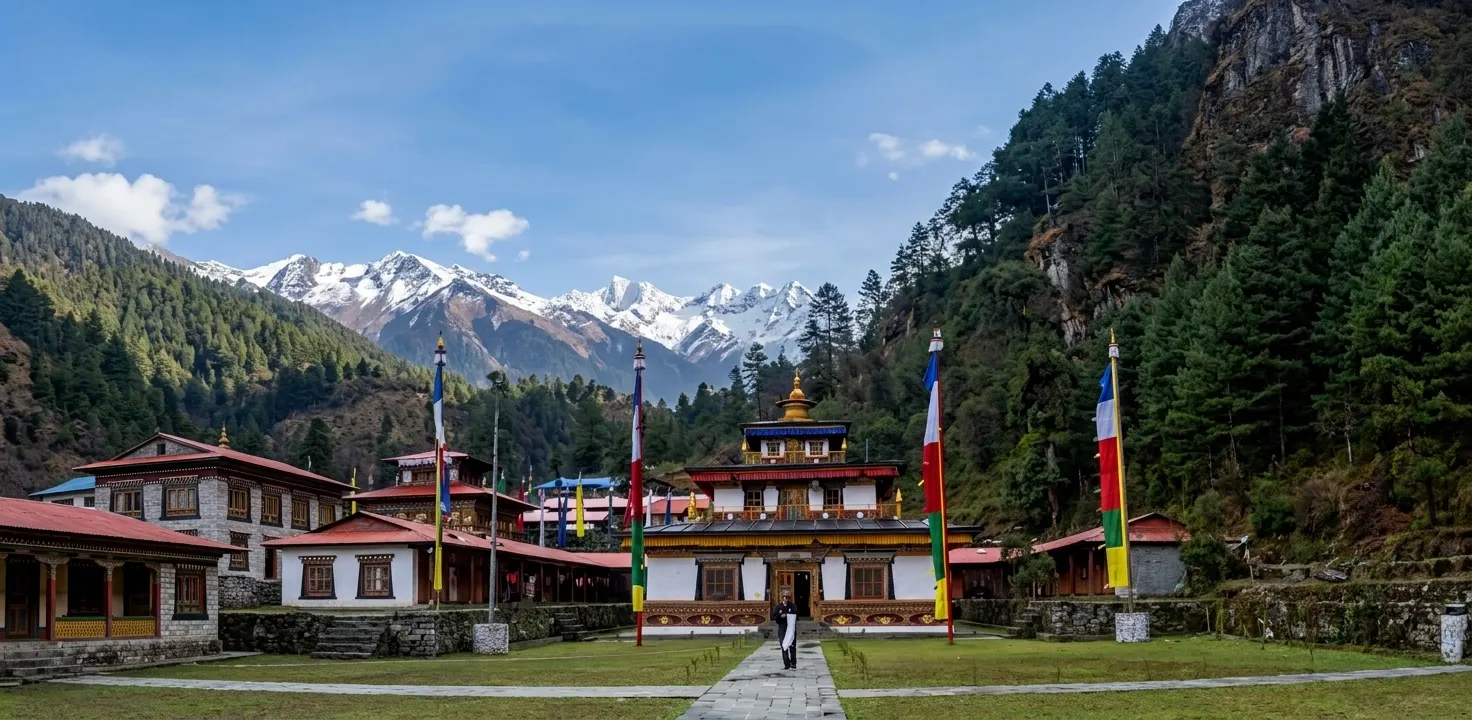
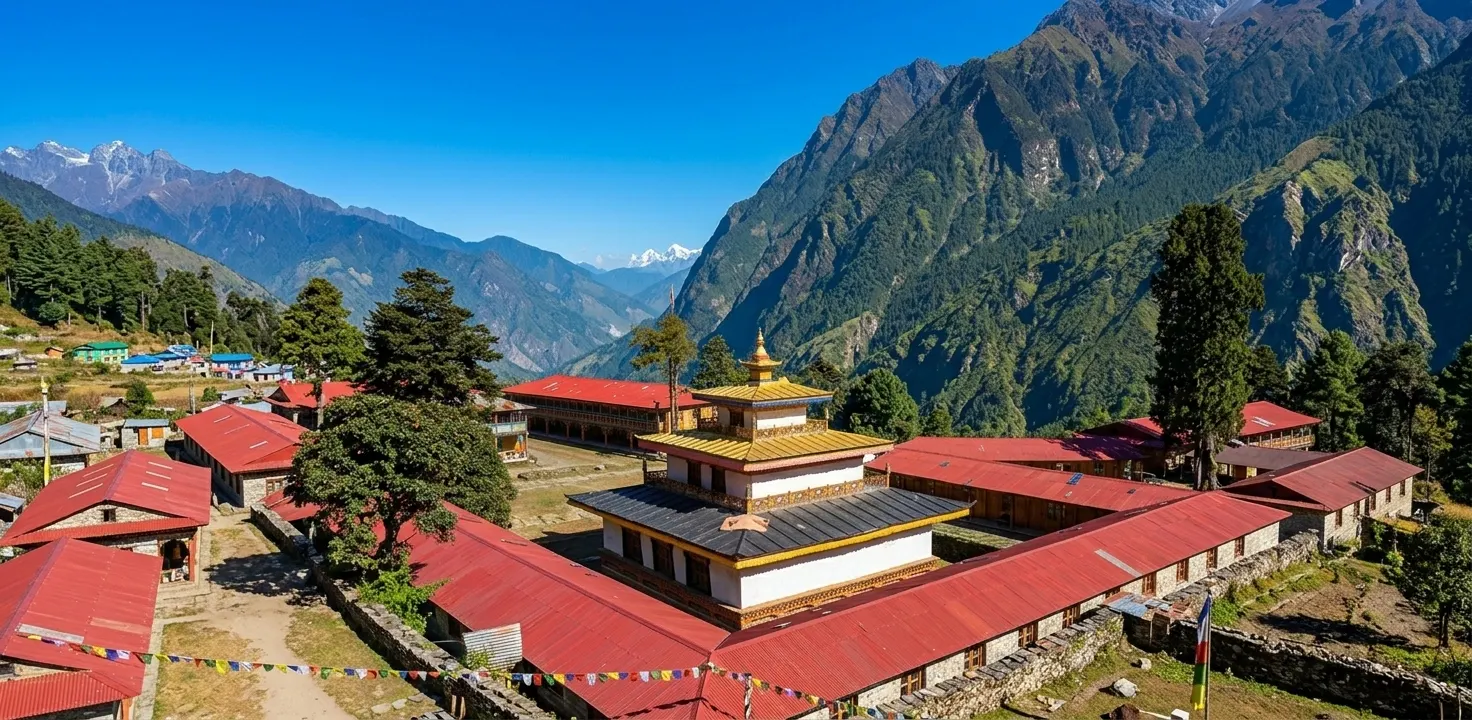
Manaslu circuit trek with serang gompa (often referred to as Serang Gompa in some texts) is an ancient Tibetan Buddhist monastery nestled in the remote hills of the Manaslu region. Its exact origins remain unclear, but Tibetan monks likely established it several hundred years ago when they fled persecution and sought refuge in the higher Himalayan regions. The monastery served as a spiritual sanctuary, functioning as a center for meditation, religious ceremonies, and education for the local Tibetan Buddhist community.
Throughout the centuries, Serang Gompa has stayed relatively isolated, preserving its ancient traditions and architecture. The monks here live a simple life, dedicating themselves to prayer, meditation, and supporting the surrounding communities. Renowned for its collection of ancient scriptures, thangka paintings, and Buddhist relics, the Gompa offers trekkers an authentic insight into Tibetan Buddhism.
Overview of Serang Gompa Trek
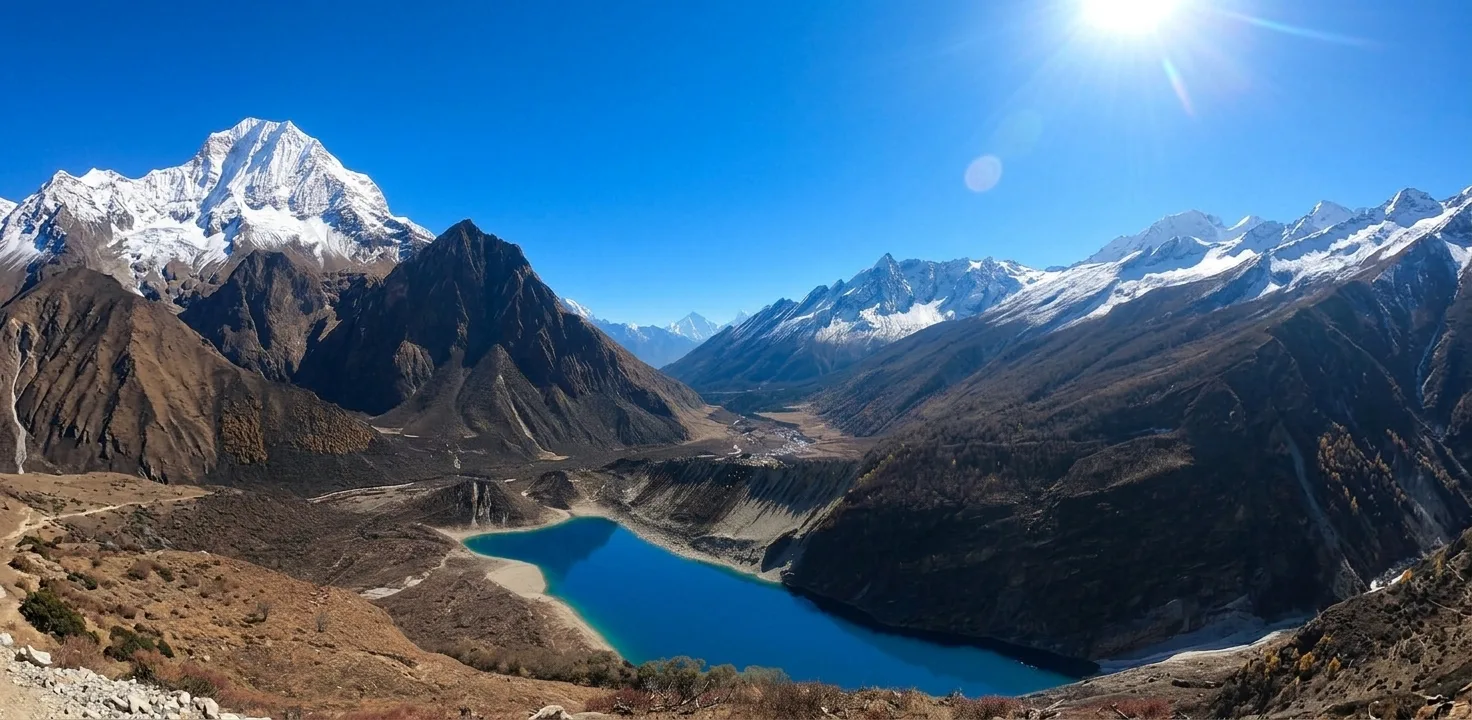
The Serang Gompa trek is part of the larger Manaslu Circuit trek a 15-day adventure that takes you around Mount Manaslu (8,163 meters), the eighth-highest peak in the world. The trek offers a combination of cultural richness, natural beauty, and high-altitude challenges, including the famous Larkya La Pass (5,106 meters).
The Manaslu Circuit trek with serang gompa remains relatively less crowded compared to the Everest Base Camp and Annapurna Circuit treks, making it a perfect choice for trekkers looking for a quieter and more immersive experience. Along the way, you’ll encounter picturesque villages, ancient monasteries like Pungyen Monastery, and stunning mountain vistas.
Serang Gompa Manaslu: A Spiritual Highlight
Serang Gompa Trek is a major highlight of the Manaslu trek. Located near the village of Bihi at an altitude of around 3100m (10170ft). This monastery is a focal point for the spiritual life of the local Tibetan Buddhist communities. The Gompa offers a peaceful retreat, where trekkers can take time to meditate, receive blessings from the monks, or simply soak in the serene atmosphere.
Visiting Serang Gompa allows trekkers to learn about Tibetan Buddhism firsthand. The monastery holds daily prayers and rituals, and the monks often invite visitors to participate in their spiritual activities. This cultural immersion adds a deeper layer of meaning to the trek, making it more than just a physical challenge.
Serang Gompa Trek Distance
The Serang Gompa trek distance varies depending on whether you undertake the full Manaslu Circuit trek or focus solely on the Serang Gompa trek. When combined with the Manaslu Circuit, the total trekking distance is approximately 160-180 kilometers (99-111 miles), spanning from Soti Khola to the high-altitude Larkya La Pass.
For those specifically visiting the Serang Gompa trek, it usually takes shorter days but is still a significant journey that requires several days of trekking through the beautiful, rugged terrain of the Manaslu region. The Serang Gompa trek can be completed as part of a custom itinerary, but most trekkers prefer to incorporate it into the full Manaslu Circuit for a complete experience.
Essential Equipment for the Trek
When it comes to equipment, it is crucial to ensure that you bring the recommended trekking equipment list. Remember, quality trekking equipment can make your trip enjoyable, while poor equipment can make it miserable. As the weather can vary depending on the altitude and time of year, suitable footwear includes waterproof walking boots that have been worn before the trek, along with warm socks and gaiters for winter conditions.
It is advisable to have loose, casual trousers and thermal leggings, as well as waterproof pants. Trekkers should ensure they have adequate clothing for varying temperatures, sturdy boots, trekking poles, and a good quality backpack.
Acclimatization
Acclimatization is crucial during high-altitude treks such as the Manaslu Circuit Trek with Serang Gompa and the Larkya La Pass trek. Altitude sickness, or acute mountain sickness (AMS), is a common concern at higher elevations and should never be taken lightly.
We prioritize the health, well-being, and safety of our trekkers throughout the journey. Our experienced trekking guides are trained to recognize symptoms of altitude sickness and are familiar with first-aid procedures and high-altitude trekking conditions.
A proper acclimatization schedule is included in the itinerary, giving your body time to adjust to the increasing elevation while allowing you to explore the surrounding mountain landscapes. Walking at a gradual pace, staying hydrated, eating properly, and listening to your body are important parts of safe acclimatization.
If you experience severe symptoms of altitude sickness, the most effective response is to descend to a lower elevation as quickly as possible. Your guide will assess the situation and help determine the safest course of action.
Ultimately, every trekker is responsible for honestly assessing their health and fitness and following the guidance of the trekking team. Proper acclimatization and careful pacing are essential for enjoying the Manaslu Circuit Trek with Serang Gompa safely and comfortably.
Pungyen Monastery: A Sacred Side Trip
Pungyen Monastery, a hidden gem on the
Manaslu Circuit near Samagaun, offers spectacular views of Manaslu and holds deep spiritual significance. According to legend, the locals angered the mountain gods when they built the monastery, causing an avalanche that destroyed it. Afterward, they rebuilt the monastery, and today, it stands as a symbol of resilience and faith.
Rui La Pass: Crossing into Tibet
For trekkers interested in exploring more remote areas beyond the main route, the Manaslu Circuit Trek with Serang Gompa can also provide opportunities to experience the lesser-visited landscapes of the Manaslu region. Rui La Pass is a historic trade route connecting Nepal with Tibet and lies close to the Nepal–Tibet border.
Although Rui La Pass is not part of the standard Manaslu Circuit itinerary, adventurous trekkers can consider arranging a side trip with additional planning and appropriate local guidance. The pass offers spectacular mountain views and a chance to experience the rugged, high-altitude landscapes that characterize this remote part of northern Nepal.
Adding Rui La to a Manaslu Circuit Trek with Serang Gompa can be an appealing option for trekkers seeking a more remote and culturally rich experience beyond the classic circuit route.
Best Time for the Manaslu Circuit Trek with Serang Gompa
The best time for the Manaslu Circuit Trek with Serang Gompa is during the autumn season, from September to November. This is generally considered the most favorable period for trekking in the Manaslu region, with stable weather, clear skies, comfortable daytime temperatures, and excellent mountain visibility. The trails are also in good condition, making it an ideal time to enjoy the spectacular Himalayan scenery and cultural highlights along the route.
Spring, from March to May, is another excellent season for the Manaslu Circuit Trek with Serang Gompa. The weather is generally pleasant, and the hills come alive with blooming rhododendrons and other wildflowers. Clear mountain views, fresh landscapes, and moderate trekking temperatures make spring a rewarding alternative to autumn.
The monsoon season (June to August) brings heavier rainfall, cloudy conditions, and potentially muddy or slippery trails, while winter can bring very cold temperatures and snow at higher elevations. For the best overall trekking experience, autumn and spring are the recommended seasons.
Conclusion
The Manaslu Circuit Trek with Serang Gompa combines spectacular Himalayan scenery, remote mountain landscapes, traditional villages, and rich Tibetan-influenced culture. Choosing the right season can make your journey more comfortable and enjoyable. Whether you trek in the clear autumn months or during the colorful spring season, proper preparation, gradual acclimatization, and an experienced trekking team will help you make the most of this remarkable adventure in the Manaslu region.
Scheduled Departure Dates for Serang Gompa Trek
- We have several scheduled departure dates for the Serang Gompa trek.
- If the scheduled date of your trip cannot be matched with the other groups, we can also lead a private trip with the guide at the same cost.
-
If we cannot match your trip’s scheduled date with the other groups, we will also lead a private trip with a guide at the same cost.
- The itinerary works very flexibly, meeting your demands.
- You can extend the days as needed during your journey if you meet the dates for the international flights.