July 8, 2024
Best Time to Visit Everest Base Camp
 By admin
Best Time to Visit Everest Base Camp
Everest Base Camp (EBC) is a dream destination for trekkers from around the world. Nestled in the heart of the Himalayas, this legendary trek offers breathtaking mountain scenery, rich Sherpa culture, and the unforgettable experience of standing beneath the world’s highest peak. To make the most of your adventure, choosing the best time to visit Everest Base Camp is essential. This guide explains the weather, trail conditions, and unique experiences throughout the year, helping you decide the ideal season for your Everest Base Camp Trek.
When Is the Best Time to Visit Everest Base Camp?
The best time to visit Everest Base Camp is from mid-September to early December and from late March to early May. These two trekking seasons offer the most stable weather, clear mountain views, and comfortable temperatures.
Autumn (mid-September to early December) is considered the most popular trekking season because the monsoon rains have cleared the atmosphere, leaving crystal-clear skies and excellent visibility. The trails are in great condition, making this the ideal time for photography and mountain views.
Spring (late March to early May) is the second most popular season. During this period, rhododendron forests bloom, temperatures become warmer, and Everest Base Camp comes alive with mountaineering expeditions preparing for their summit attempts. Both seasons provide outstanding trekking conditions and are widely regarded as the best times to visit Nepal for Himalayan trekking.
Spring: The Blooming Season (Late March to Early May)
Spring is one of the most popular seasons and is widely considered the best time to visit Everest Base Camp. As winter fades, the Everest region comes to life with colorful rhododendron forests, pleasant temperatures, and longer daylight hours.
Weather and Trail Conditions
During spring, daytime temperatures range between 10°C and 15°C at lower elevations, while temperatures around Everest Base Camp typically range from -6°C to -2°C during the day.
Trekkers enjoy clear skies, excellent visibility, and dry trails, making walking conditions comfortable. The longer daylight hours also provide more time for photography and enjoying the spectacular Himalayan scenery.
Unique Experiences
Late April and early May coincide with the Everest climbing season. Trekkers can witness hundreds of mountaineers preparing for their summit attempts at Everest Base Camp, creating an exciting atmosphere unlike any other.
Spring also offers opportunities to experience local festivals and the warm hospitality of Sherpa communities, making the journey both culturally and naturally rewarding.
Autumn: Crystal-Clear Views (Mid-September to Early December)
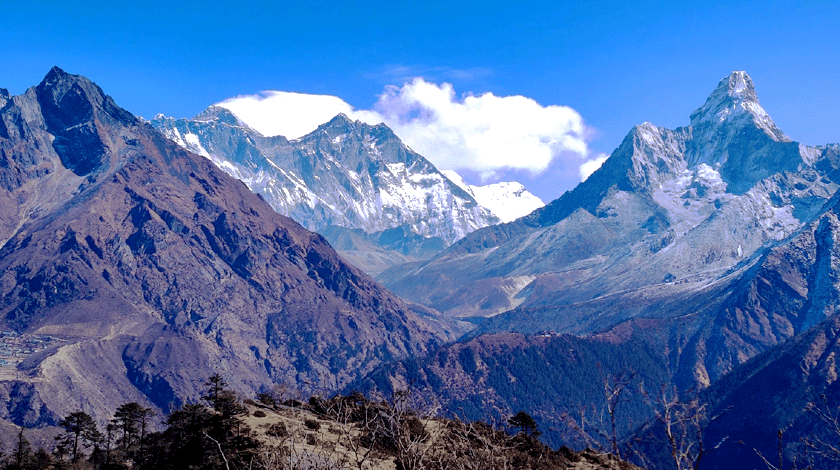
Autumn is regarded by many as the absolute best time to visit Everest Base Camp. Following the monsoon season, the skies become exceptionally clear, offering some of the finest mountain views of the year.
Weather and Trail Conditions
Daytime temperatures generally range between 10°C and 15°C at lower elevations, while Everest Base Camp experiences daytime temperatures around -5°C to -10°C.
The trails are dry, firm, and free from dust after the summer rains, providing excellent trekking conditions. Visibility is often outstanding, making autumn the favorite season for photographers and nature lovers.
Unique Experiences
Autumn also coincides with Nepal’s largest festivals, including Dashain and Tihar, allowing trekkers to experience local traditions and celebrations along the route.
Although this is the busiest trekking season, the vibrant atmosphere, comfortable weather, and spectacular scenery make it well worth the popularity.
Winter: A Peaceful Himalayan Adventure (Late December to February)
Winter offers a completely different Everest Base Camp experience. While temperatures are much colder, the trails are quieter, making it ideal for trekkers seeking solitude.
Weather and Trail Conditions
Winter daytime temperatures at Everest Base Camp often range from -10°C to -15°C, while nighttime temperatures can fall below -20°C.
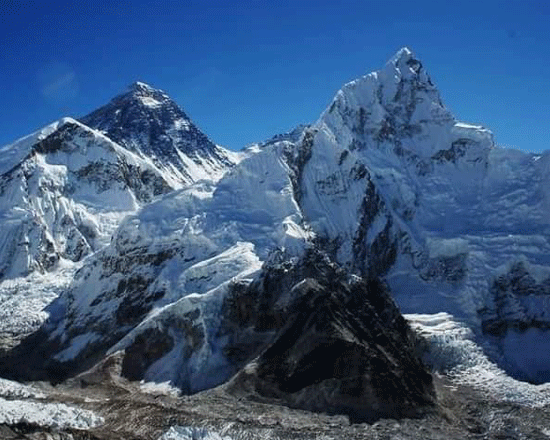
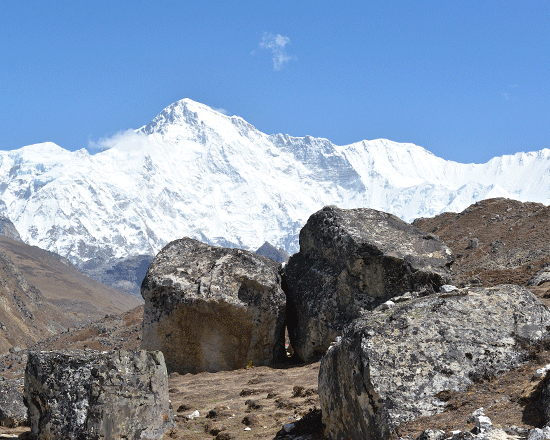
The skies are generally clear, offering magnificent views of snow-covered Himalayan peaks. Most teahouses remain open, although some at higher elevations may operate with limited services.
Trekking is essentially day hiking and doesn't require any special training. However, good physical condition, a love of walking, and a desire to enjoy mountain views and village life are essential.
These treks are suitable for walkers looking for something more challenging and energetic. Hill-walking experience is desirable, with longer days and higher elevations.
Since the terrain can be hard and the days long, hikers should be in good physical condition and have previous mountain walking experience. High passes and extended trekking days may be involved.
Trekking is essentially day hiking and doesn't require any special training. However, good physical condition, a love of walking, and a desire to enjoy mountain views and village life are essential.
These treks are suitable for walkers looking for something more challenging and energetic. Hill-walking experience is desirable, with longer days and higher elevations.
Since the terrain can be hard and the days long, hikers should be in good physical condition and have previous mountain walking experience. High passes and extended trekking days may be involved.
Unique Experiences
The biggest advantage of winter trekking is the peaceful environment. You’ll encounter far fewer trekkers, enjoy quieter teahouses, and experience the Everest region in its most tranquil form.
However, proper winter clothing, insulated boots, and quality sleeping gear are essential for a safe and comfortable trek.
Monsoon: The Least Recommended Season (June to Mid-September)
The monsoon season is generally the least favorable time to visit Everest Base Camp. Heavy rainfall, cloudy skies, and unpredictable weather make trekking more challenging.
However, shorter treks such as the Everest View Trek to Namche Bazaar and Tengboche Monastery remain possible during this period, as flights and trails are often more manageable than the full Everest Base Camp route.
Weather and Trail Conditions
During the monsoon season:
- Trails become muddy and slippery.
- Leeches are common in lower elevations.
- Frequent cloud cover limits mountain views.
- Landslides can delay transportation and flights.
- Flight cancellations to Lukla become more frequent.
Unique Experiences
Despite the drawbacks, the Everest region becomes incredibly green and vibrant. Rivers flow at full strength, forests appear lush, and local villages harvest fresh organic vegetables. Trekkers who don’t mind occasional rain can still enjoy a quieter experience, although flexibility in travel plans is essential.
Month-by-Month Guide
January
January is one of the coldest months in the Everest region. Daytime temperatures at Base Camp often remain around -15°C, while nights become significantly colder. The trails are peaceful, and the mountain views are usually excellent.
February
February remains very cold, with nighttime temperatures dropping below -20°C. However, longer sunny periods and fewer trekkers make it an attractive month for experienced hikers seeking solitude.
March
March marks the beginning of spring. Temperatures gradually rise, snow begins melting at lower elevations, and rhododendron forests start to bloom.
April
April is one of the finest months for trekking. Stable weather, warm days, colorful landscapes, and Everest expedition activity create an unforgettable atmosphere.
May
Early May remains an excellent time to trek before the arrival of the summer monsoon. Climbers preparing for Everest summit attempts add excitement to Base Camp.
June to August
Heavy rainfall dominates these months. Muddy trails, poor visibility, and frequent flight delays make trekking difficult. This period is generally not recommended for the full Everest Base Camp Trek.
September
Conditions gradually improve as the monsoon ends. By mid to late September, skies become clearer, temperatures are pleasant, and the trekking season begins.
October
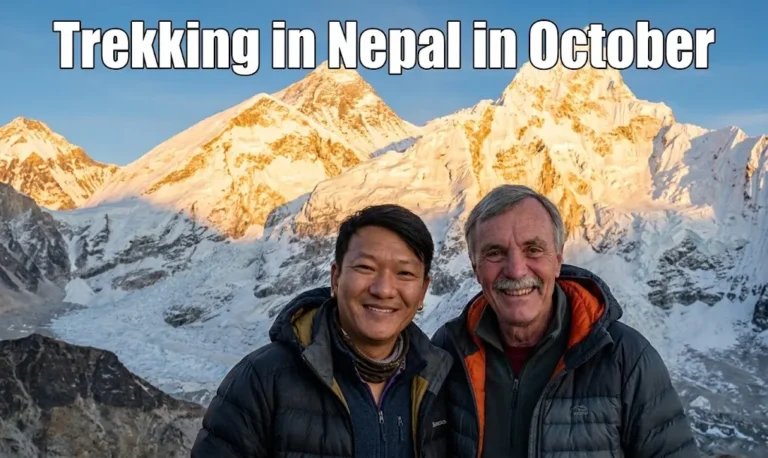
October is widely considered the best month to visit Everest Base Camp. Stable weather, crystal-clear mountain views, comfortable temperatures, and Nepal’s major festivals create ideal trekking conditions.
November
November offers similar weather to October, with slightly cooler temperatures and fewer trekkers. It remains one of the best months for photography and mountain scenery.
December
December brings colder temperatures but clear skies and quieter trails. It is an excellent choice for trekkers looking for a more peaceful Himalayan experience before the harshest winter conditions arrive.
Conclusion
The best time to visit Everest Base Camp ultimately depends on your travel preferences, but spring (late March to early May) and autumn (mid-September to early December) provide the most favorable trekking conditions. These seasons offer clear skies, breathtaking mountain views, comfortable temperatures, and excellent trail conditions.
Winter is perfect for experienced trekkers seeking solitude and snow-covered landscapes, while the monsoon season is generally not recommended due to heavy rainfall, slippery trails, and frequent flight disruptions. Whether you choose to trek with a Lukla flight or via one of the alternative overland routes, careful planning will ensure an unforgettable journey to the base of the world’s highest mountain.
Note
We guarantee departures on all published dates for our Everest Base Camp Trek itineraries. If our scheduled departures do not match your travel plans, we are happy to arrange a private trek on your preferred dates. Simply let us know your preferred travel dates, group size, and trekking style, and our team will create a personalized Everest Base Camp adventure tailored to your needs.