Green Lake Trek: Nepal’s Hidden Alpine Paradise
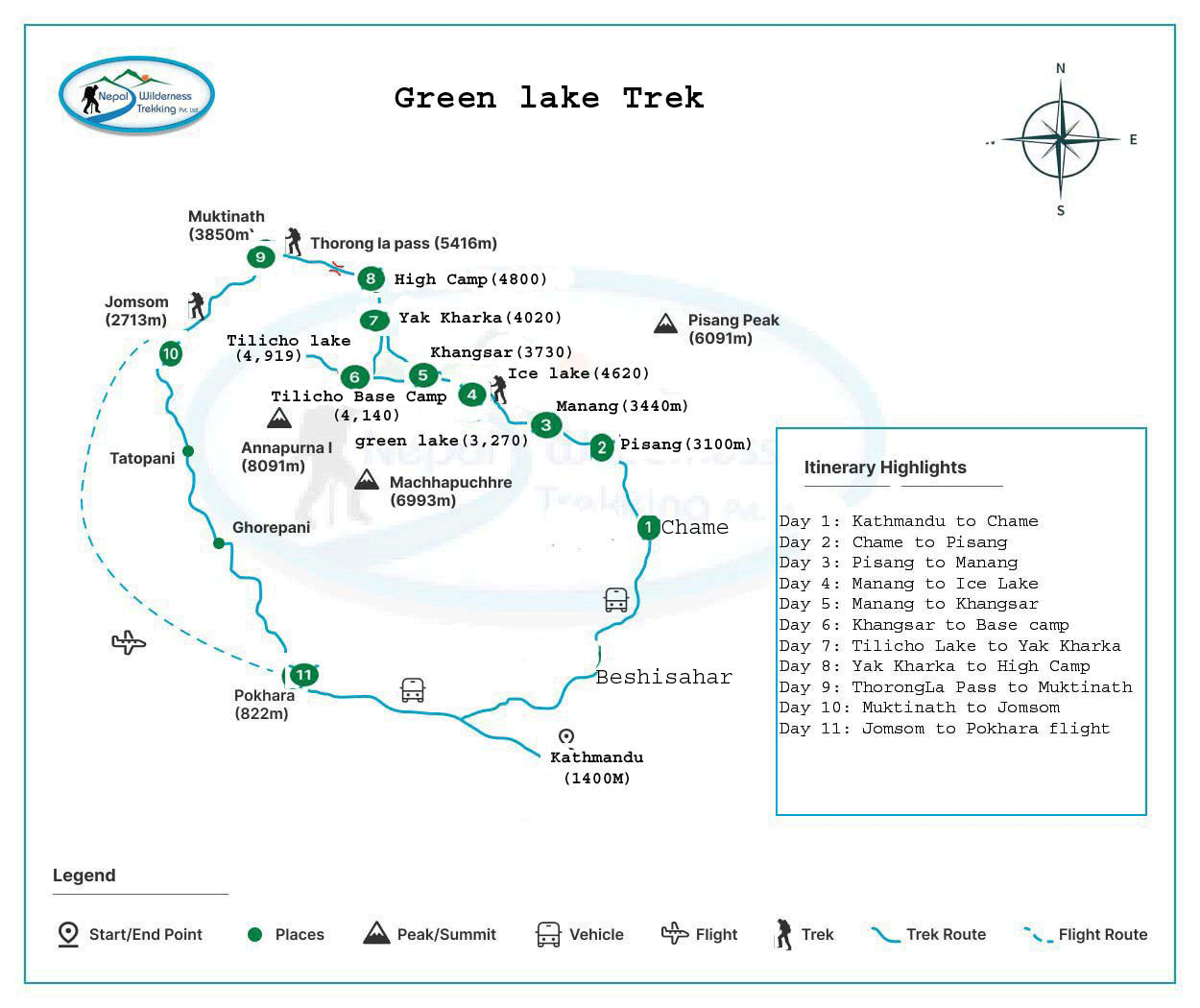
The Green Lake Trek in Nepal’s Annapurna region is one of the least explored yet most rewarding trekking routes for adventurers seeking pristine nature and authentic culture. The Green Lake Trek offers a peaceful alternative that combines the majesty of the Himalayas with unique lake heritage trails, including side trips to Ice Lake and Tilicho Lake.
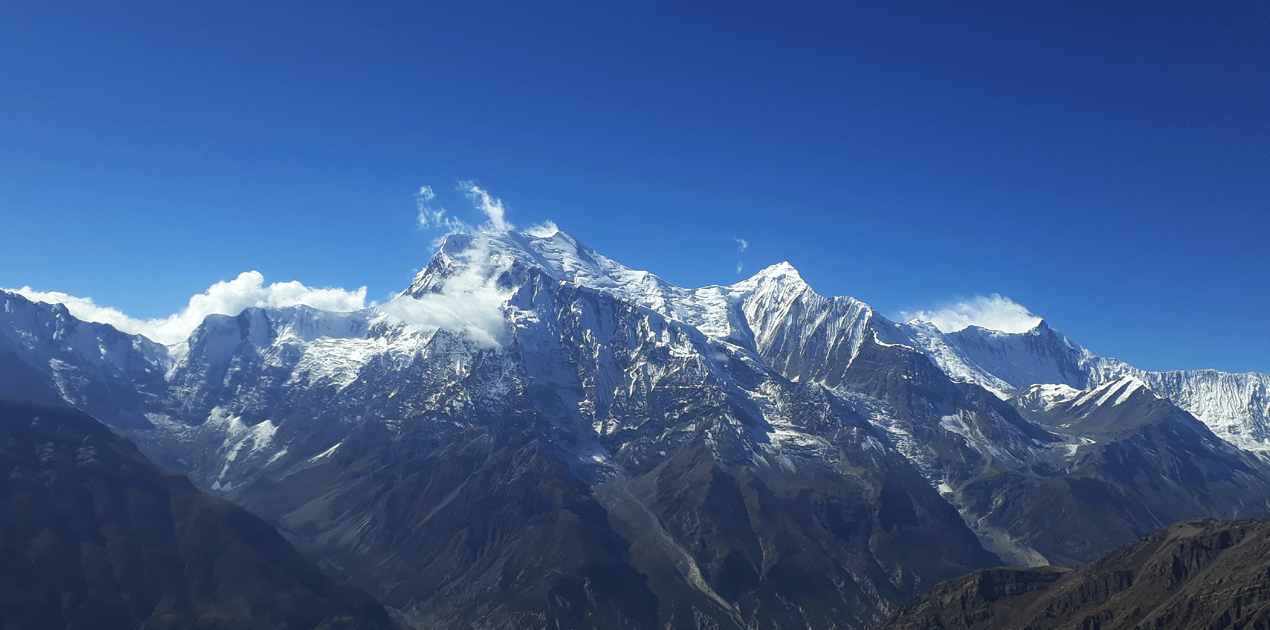
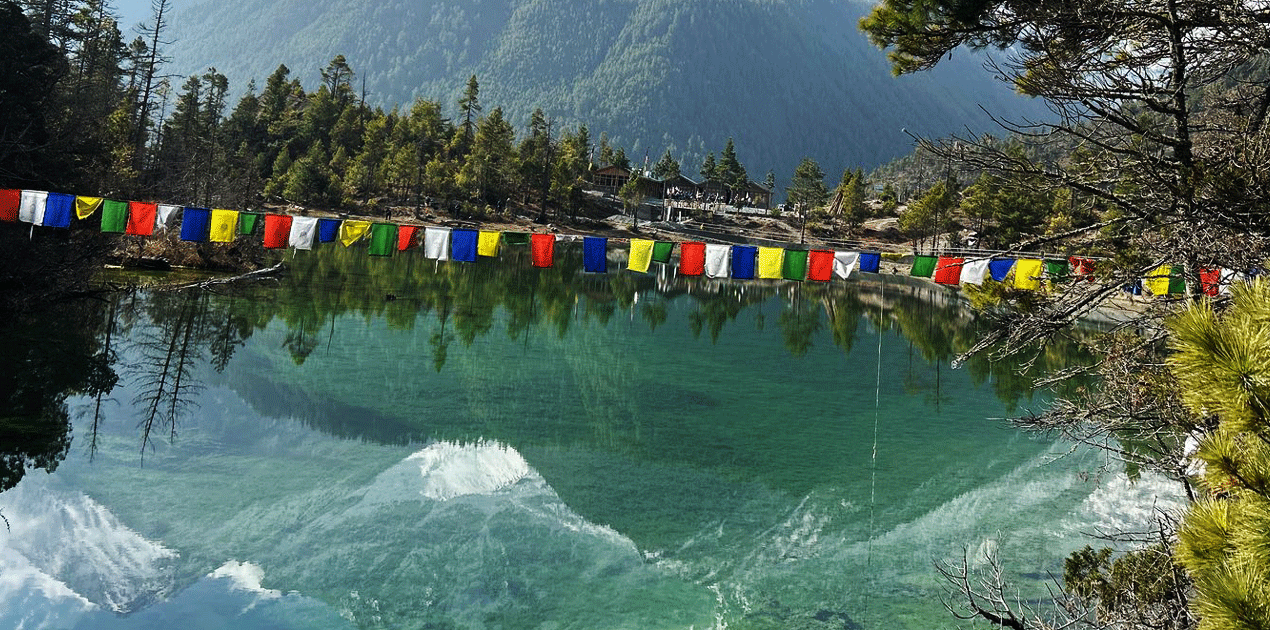
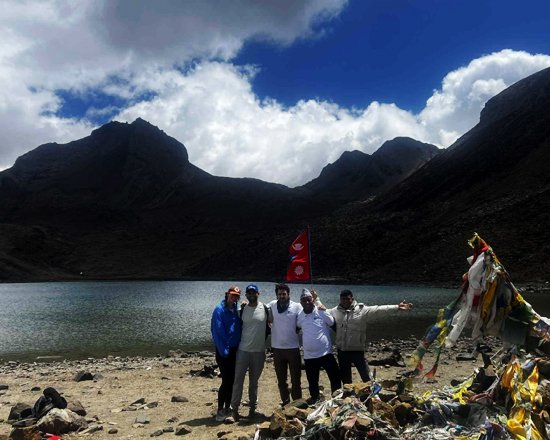
Nestled near Upper Pisang on the way to Manang, lies a less-travelled alpine lake in the towering peaks and rugged landscapes. With shimmering emerald waters reflecting Annapurna II, Annapurna III, Gangapurna, and Pisang Peak, it provides one of the most awe-inspiring panoramas in Nepal. The trek weaves through lush forests, ancient villages, glacial valleys, and alpine meadows, creating an unforgettable blend of natural beauty and cultural depth. It offers tranquility, adventure, and a deep connection to both people and landscape—qualities often lost on crowded trekking routes.
Scenic Beauty of the Green Lake Trek
The journey begins with winding trails that climb gradually through terraced fields and dense pine and juniper forests. The air grows cooler and crisper as you ascend, and the scenery changes dramatically from green hillsides to alpine meadows dotted with wildflowers.
The highlight of the Lake is a stunning emerald-colored glacial lake set in a natural amphitheater of snow-clad mountains. Its pristine waters, untouched by mass tourism, mirror the rugged cliffs and the shimmering white of the Annapurna massif. Sitting by the lakeshore brings an unparalleled sense of peace, an experience that words can hardly capture.
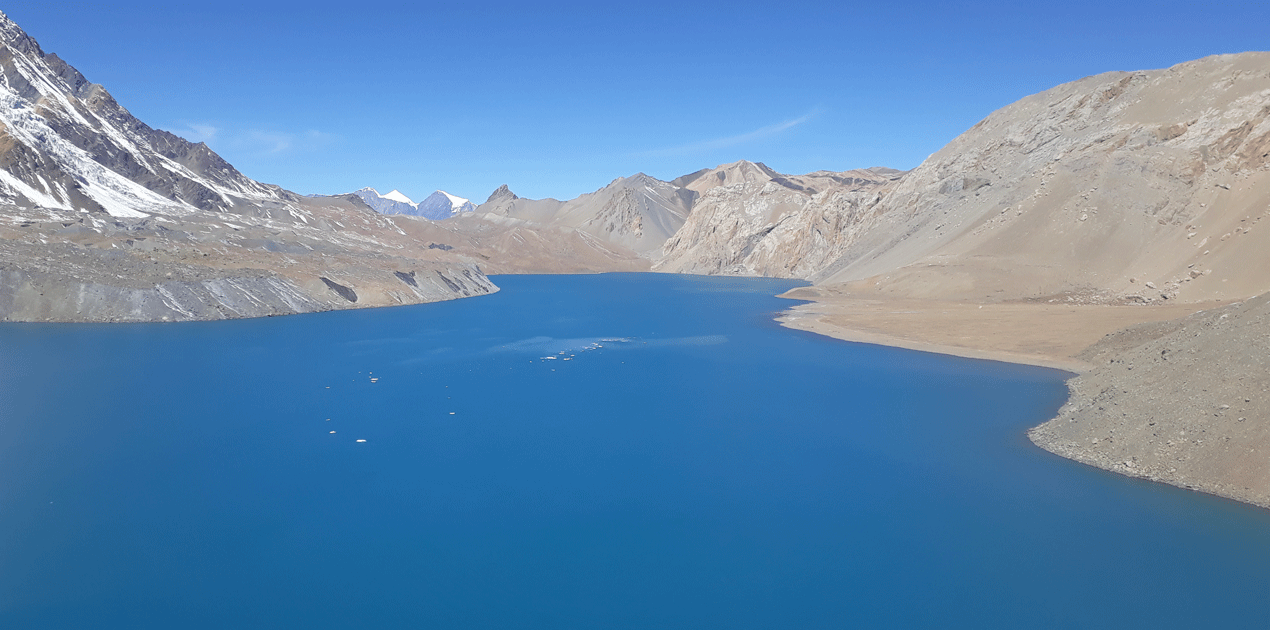
Beyond the lake, trekkers often extend their journey to Ice Lake at 4,600 meters, which is surrounded by icy moraines and frozen cliffs, and Tilicho Lake, one of the highest glacial lakes in the world at 4,919 meters.
In spring, rhododendrons splash the hillsides with red, pink, and white blooms, while autumn paints the valleys golden under crystal-clear skies. Winter adds a mystical touch with snow-covered forests and frozen streams, making the Lake magical in every season.
Cultural Immersion on the Trail
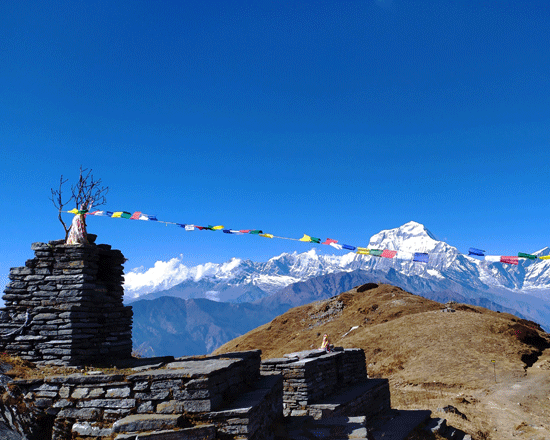
What sets the Green Lake Trek apart from other Himalayan adventures is not just its landscapes but also the rich cultural encounters along the way. The trek passes through villages inhabited by Gurung and Tibetan-influenced communities. Along the way, you will encounter ancient monasteries, prayer wheels, and fluttering prayer flags, all of which reflect the deep-rooted Buddhist heritage of the area. Here, life has remained largely unchanged for centuries.
In Upper Pisang and Manang, trekkers are welcomed into stone-built houses decorated with prayer flags and wood carvings. The villagers, dressed in traditional attire, cultivate barley, buckwheat, and potatoes, staple crops of the highlands. Trekkers can witness these agricultural practices and sometimes take part in seasonal activities such as harvesting or local festivals.
The route is dotted with ancient Buddhist monasteries, mani walls, and prayer wheels. Each fluttering prayer flag carries the chants of the Himalayas, blessing both locals and trekkers. Evenings spent in teahouses often turn into cultural exchanges, where visitors can enjoy Tibetan bread, yak cheese, or butter tea while listening to local stories.
This cultural richness complements the natural grandeur of the Green Lake trail, making it not only a physical journey but also a spiritual and cultural exploration.
Villages along the trail showcase traditional stone-built houses adorned with wood carvings and vibrant prayer flags. The farmers and herders cultivate crops, barley, buckwheat, and potatoes adapted to the high-altitude conditions. You may witness their age-old farming practices and even participate in seasonal festivals. The warm smiles and welcoming nature of the villagers create an enriching cultural experience that complements the natural beauty of the trek.
Why the Green Lake Trek Feels Exclusive
The Annapurna region is one of the most popular trekking destinations in Nepal, yet the Green Lake Trail remains relatively untouched. Unlike the busy trails of the Annapurna Circuit or Annapurna Base Camp, this route attracts fewer trekkers, making it perfect for those seeking solitude and reflection.
The quietness enhances the overall experience. Without the rush of large groups, trekkers can immerse themselves in the sound of nature, the rustle of pine leaves, the call of Himalayan birds, or the roar of distant waterfalls. This sense of exclusivity allows for a deeper connection with the environment, making every step more meaningful.
For photographers, the lack of crowds means uninterrupted opportunities to capture the changing light over the Annapurna massif, pristine lakes, and cultural villages.
Rich Biodiversity in the Annapurna Conservation Area
The Green Lake Trek falls within the Annapurna Conservation Area, the largest protected region in Nepal. It is a biodiversity hotspot, home to rare wildlife and diverse plant life.
Trekkers often spot Himalayan Tahr grazing on cliffs, blue sheep bounding across rocky slopes, and colorful pheasants such as the Danphe, Nepal’s national bird. If lucky, one might catch a glimpse of the elusive snow leopard or red panda, although these animals are notoriously shy.
Flora is equally fascinating. In lower elevations, forests are filled with oak, maple, and rhododendrons, while higher up, alpine shrubs, junipers, and medicinal herbs thrive. Seasonal orchids and magnolias add splashes of color to the trail, ensuring that no two treks ever feel the same.
The Trek is therefore not just about lakes and mountains; it’s also a journey through Nepal’s natural heritage.
Rbs and aromatic plants thrive in the alpine meadows. This ever-changing environment keeps the trek fascinating from start to finish, offering new wonders with every season.
Best Time to Trek
The best time for the Trek is during the spring (March to May) and autumn (September to November) seasons. These months are with the clearest skies, stunning views of the mountains, and comfortable trekking conditions. Spring brings vibrant wildflowers, while autumn offers crisp air and golden landscapes. Both seasons ensure an unforgettable trekking experience.
Winter (December to February) can also be beautiful, with snow-covered trails and peaceful solitude, though the temperatures are much colder. The monsoon season (June to August) is not recommended due to heavy rainfall, slippery trails, and obscured mountain views.
Trek Difficulty and Physical Preparation
Trekkers with a reasonable level of fitness and a spirit of adventure can access the trek, even though it ranges from moderate to challenging. They climb steep ascents and descend rugged trails, but they earn rewarding views at every step. To avoid altitude sickness, trekkers must acclimatize properly as they move higher toward the glacial lake. They pace themselves carefully and stay hydrated throughout the journey.
Regular cardiovascular exercise and strength training before the trek build endurance. Mental preparation also plays a key role; trekkers who stay adaptable to changing weather enjoy a smoother and more fulfilling adventure.
Permits and Regulations
For the Green Lake Trek, you will need to obtain the Annapurna Conservation Area Permit (ACAP) and the Trekkers’ Information Management System (TIMS) card. These permits are essential for accessing the region and can be easily arranged through a registered trekking agency in Kathmandu or Pokhara. Following the local guidelines and regulations ensures a safe and responsible trekking experience.
Accommodation and Food
Accommodation during the trek typically consists of teahouses and lodges. These offer basic yet comfortable amenities, including warm meals and cozy rooms. Traditional Nepali dishes such as dhal bhat (rice and lentils), noodles, and soups are commonly served.
Teahouses along the route often use locally sourced ingredients, and you may get to enjoy homemade yak cheese or Tibetan bread. The hospitality of the teahouse owners adds a personal touch to the trekking experience. Moreover, sharing stories with fellow trekkers around the dining room fire enhances the sense of friendship.
Essential Packing List
Packing the right gear is crucial for a successful trek. Experts recommend bringing warm clothing, sturdy trekking boots, a quality sleeping bag, sunscreen, and sunglasses. Using trekking poles can also help you navigate uneven terrain. When you prepare well, you can focus on enjoying the beauty of the journey and the cultural experiences along the way.
Additional recommended items include a first-aid kit, a water purification tablet or liquid, and extra layers for cold evenings. A camera or smartphone with good battery backup ensures you capture the awe-inspiring landscapes and cultural landmarks.
Why Choose the Green Lake Trek?
The Green Lake Trek is more than just a physical challenge; it is a journey into the heart of the Himalayas. The combination of majestic mountain scenery, cultural richness, and the serenity of the glacial lake makes it an unforgettable adventure. For those seeking an exclusive trekking experience, the Green Lake Trek offers a perfect wilderness. This trek provides an unparalleled blend of natural beauty, cultural authenticity, and personal discovery.
Conclusion
Whether you are a seasoned trekker or an adventurer, this trek promises lasting memories and a profound connection to nature. From the awe-inspiring views to the warm encounters with local communities, every moment on the Ice Lake, Tilicho Lake, and Green Lake Trail is an opportunity to explore. Embrace the journey, and let the magic of the Annapurna region captivate your heart and soul.
Trekking Routes That Can Be Combined with the Green Lake Trek are;
Some Other Challenging and high-altitude treks in Nepal are;
Departure Note
All published departure dates listed below are 100% guaranteed to operate.
If the scheduled departure dates do not align with your travel plans, we would be pleased to arrange a private trek on your preferred dates at the same cost. Whether you are traveling solo, with family, friends, or as part of a group, we can customize the itinerary to suit your schedule, interests, and trekking experience.
Our team will be delighted to design a personalized itinerary and help create an unforgettable trekking experience in Nepal.