Jomsom Dolpo Trek: Explore the Untouched Beauty of Dolpo
The Jomsom Dolpo Trek is one of the most amazing and remote adventures in the Himalayas, offering a chance to explore the untouched wilderness of western Nepal. This trail connects the windy valleys of Mustang to the mystical land of Dolpo, passing along ancient salt trade routes, high mountain passes, clear lakes, and centuries-old Tibetan Buddhist villages. The Lower Dolpo trek via Jomsom is less crowded, giving trekkers peace, authenticity, and stunning views.
For anyone looking for a quiet, off-the-beaten-path trek in Nepal, the Jomsom Dolpo route is a perfect choice. Whether you love adventure and nature or want to experience traditional Tibetan culture, this trek provides a truly unforgettable journey.
Trekking from Jomsom Dolpo Trek
The Jomsom Dolpo Trek begins with a scenic morning flight that takes you over the Annapurna and Dhaulagiri ranges into the windy Kali Gandaki valley. After landing in Jomsom, the trek begins with a gentle walk along the Kali Gandaki River toward Kagbeni. A historic village and gateway to Upper Mustang and the lower part of Mustang for the Jomsom Muktinath Trek.
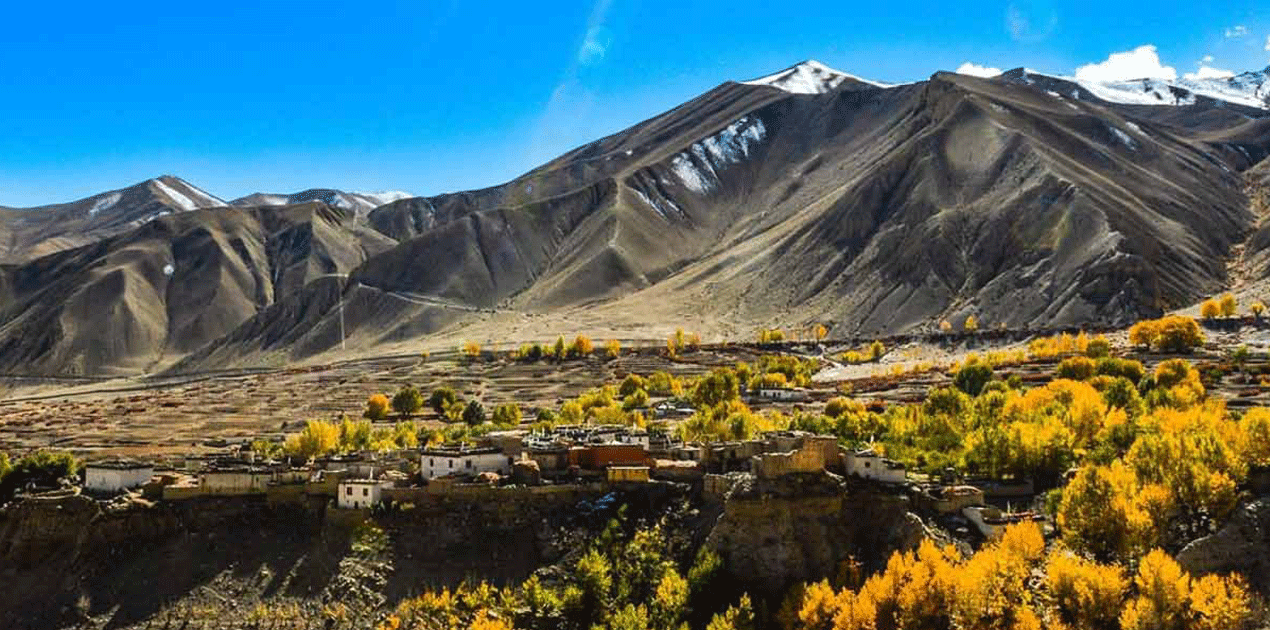
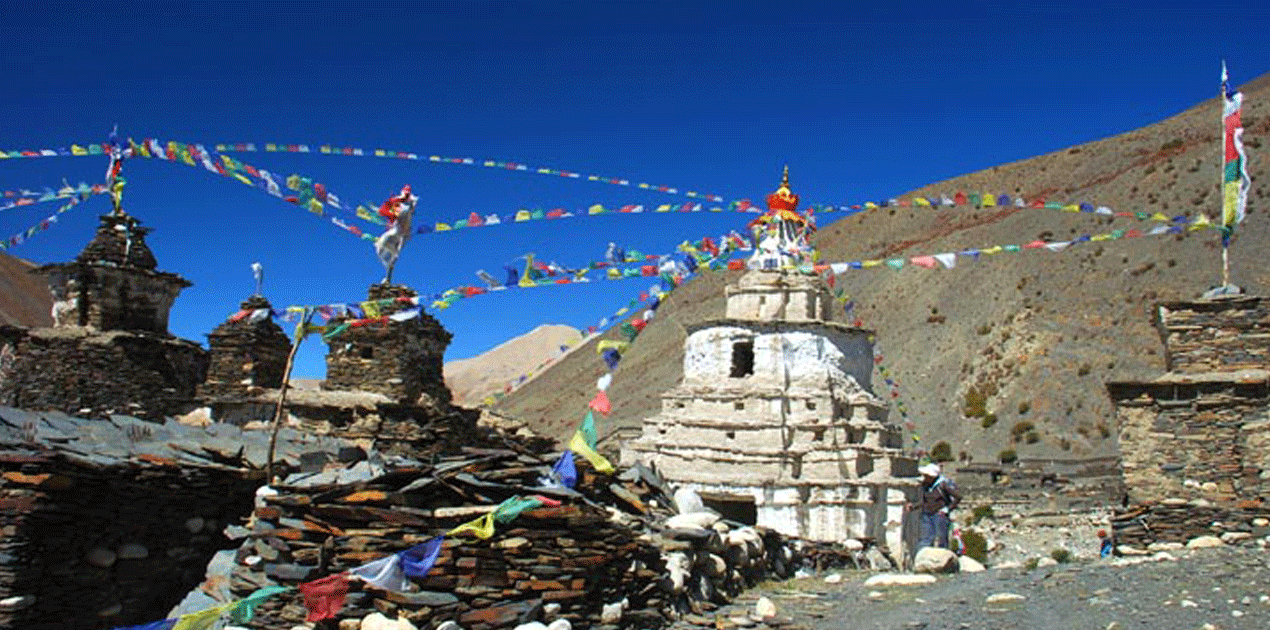
Kagbeni is a Tibetan-influenced village with a 500-year-old monastery, chortens, mani walls, and prayer flags fluttering in the wind. Its mud-brick houses reflect ancient salt trade routes.
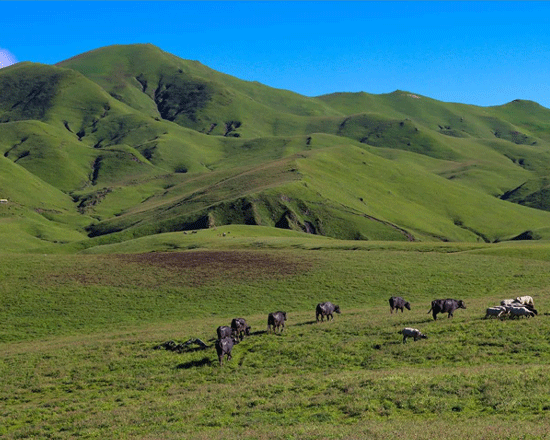
From here, trekkers cross the rain shadow region with the Himalayan landscapes, high-altitude passes, apple orchards, and isolated villages where traditional life remains untouched by modernity. The Jomsom trails pass through gravel paths, rocky sections, strong afternoon winds, and a beautiful mountain view.
Jomsom Dolpo Trek Overview
The Jomsom Dolpo Trek takes you through the beautiful southern region of Dolpo, a land known for its dramatic mountain scenery, ancient Buddhist monasteries, traditional Tibetan culture, and the stunning turquoise waters of Shey Phoksundo Lake. Compared to the Upper Dolpo Trek, this route is shorter, more affordable, and easier to access, making it an excellent choice for trekkers seeking an authentic Himalayan adventure. The trek still offers breathtaking landscapes, remote villages, rich cultural experiences, and unforgettable wilderness, making it one of Nepal’s most rewarding off-the-beaten-path journeys.
Highlights include:
- Shey Phoksundo National Park – Nepal’s largest national park, rich in biodiversity.
- Phoksundo Lake – A turquoise, glacial lake renowned for its stunning beauty.
- High mountain passes like Jungben La Pass (5550m), Niwas La Pass, and Numa La Pass.
- Jomsom Airport Thakali villages
- Remote villages like Dunai, Dho Tarap, and Ringmo.
- Tibetan Buddhist culture and ancient Bon traditions.
Jomsom Dolpo Trek Route
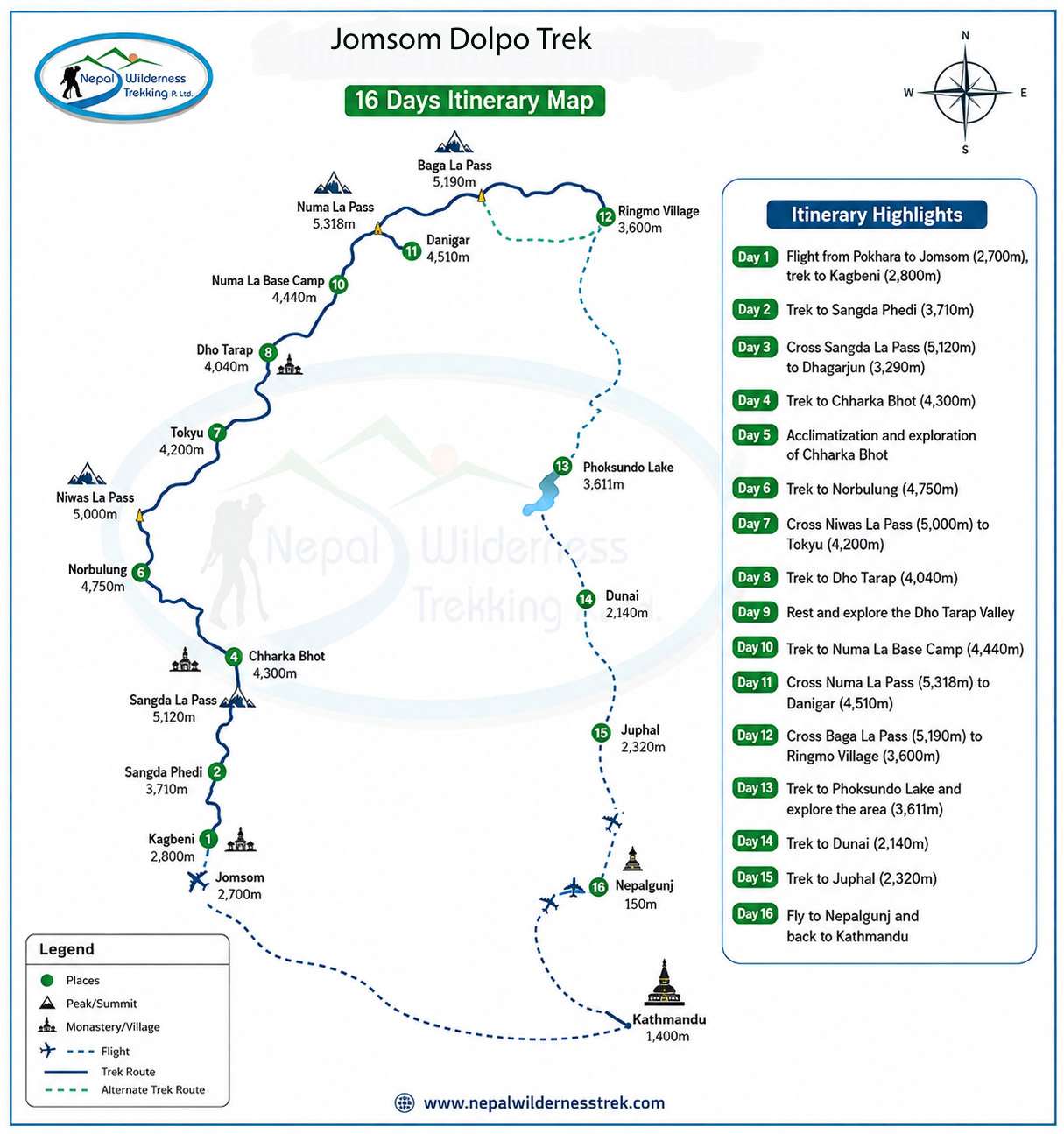
This unique trekking route starts in Jomsom (2700m) and typically follows this progression:
- Jomsom to Kagbeni – Gateway to Upper Mustang.
- Kagbeni to Sangda Phedi – Cross arid ridges with panoramic views.
- Sangda Phedi to Sangda La Pass (5120m) – Start of remote wilderness.
- Sangda La to Chharka Bhot – A hidden valley village surrounded by barren cliffs.
- Chharka Bhot to Dho Tarap – Stunning traditional settlements and monasteries.
- Dho Tarap to Numa La Pass (5318m) – One of the most challenging sections.
- Descend via Niwas La Pass and trek to Phoksundo Lake.
- End the trek in Dunai – The administrative center of the Dolpo District.
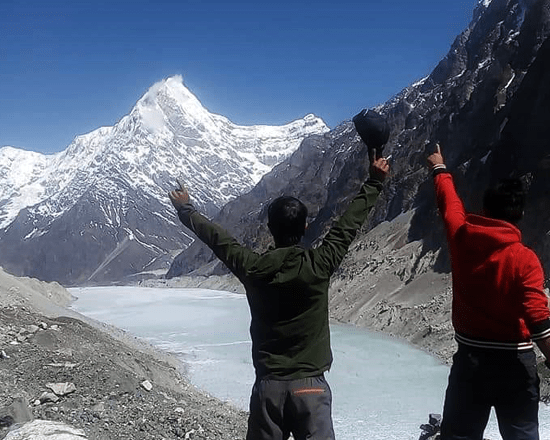
This Jomsom to Dunai trek takes you through varied landscapes, from barren cliffs to pine forests, and elevates you to cross over 5000 meters, offering exceptional views of Dhaulagiri, Kanjiroba, and other Himalayan giants.
Shey Phoksundo Trek from Jomsom
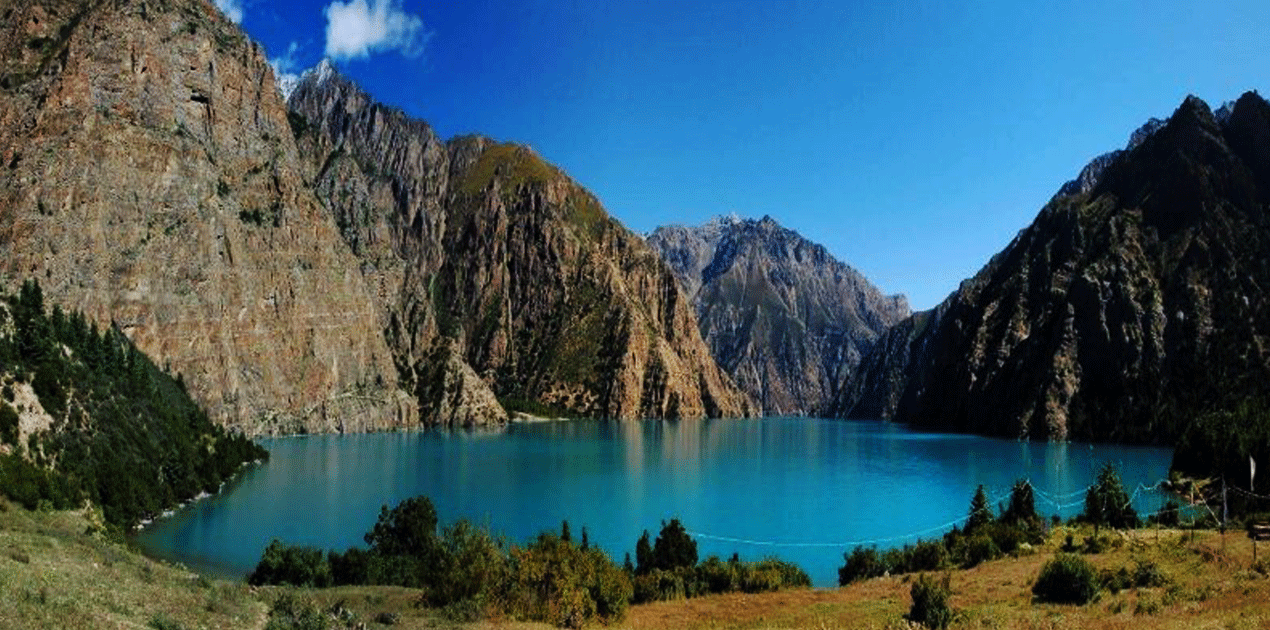
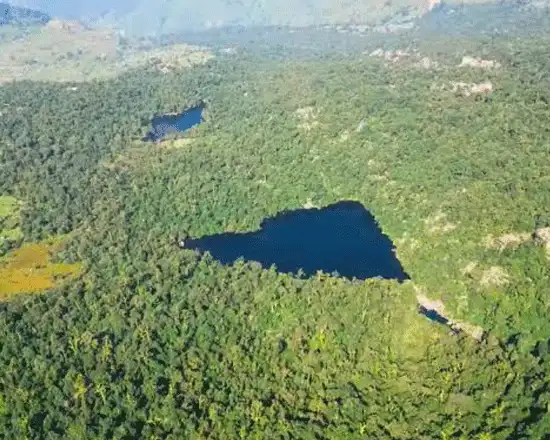
A major highlight of the Jomsom to Dolpo trek is the opportunity to visit Shey Phoksundo Lake, one of the most beautiful lakes in Nepal. Nestled at 3,611 meters, this lake has no visible outlet, and its deep turquoise color appears surreal against the barren cliffs and conifer forests.
The Jomsom to Phoksundo Lake trek offers a dramatic transformation in scenery from the rain-shadow area, wind-eroded cliffs of Mustang to the alpine serenity of Phoksundo.
Restricted Area Trek in Nepal: Permits and Regulations
The Dolpo region is classified as a restricted area trek in Nepal, meaning special trekking permits are required. They are:
- Lower Dolpo Restricted Area Permit – USD 20 per person per week ( for 7 days), USD 5 per day thereafter.
- Shey Phoksundo National Park Entry Fee – NPR 3,000 per person (about USD 25).
- TIMS Card (Trekkers Information Management System) – Required for most treks unless using a government-registered trekking company.
- ACAP Permit (if entering through the Jomsom/Mustang region).
All permits must be issued through a registered trekking agency. The area is restricted, so solo travelers are not allowed to travel themself and must be accompanied by a licensed guide.
Jomsom Dolpo Trek Cost, Package, Itinerary, and Permits
The Jomsom Dolpo trek cost varies depending on the length of the trek, the number of participants, and the level of service (standard tea house vs fully supported camping trek). Camping treks may cost more due to the need for extra support staff, tents, kitchen equipment, and food supplies. The trek itinerary is for a total of sixteen days, begins at Jomsom, and ends in Kathmandu after a scenic flight from Nepalgunj.
Best Time for Jomsom Dolpo Trek
The ideal time for the Jomsom to Dolpo trek is during the dry months of spring (April to June) and autumn (September to early November).
Spring (April–June)
- Stable weather and moderate temperatures
- Blooming wildflowers and rhododendrons in lower altitudes
- Clear skies with great visibility
Autumn (September–early November)
- Crisp, dry air with crystal-clear mountain views
- Harvest season—ideal for cultural encounters
- Fewer leeches and insects compared to the monsoon
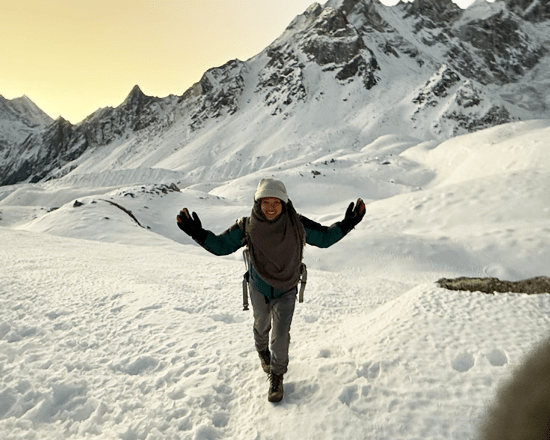
The monsoon season (July–August) is not ideal due to muddy trails, landslides, and flight delays. Winter (December–February) brings heavy snow and freezing temperatures, making high passes impassable.
Festivals Celebrated in Lower Dolpo and Mustang Trek
1. Shey Festival (Shey Mela)
-
Where: Shey Gompa, near Crystal Mountain
-
When: Once every 12 years in the Tibetan Dragon Year (next in 2036)
-
What Happens:
-
Thousands of pilgrims and monks gather to circumambulate Crystal Mountain.
-
Monastic dances, teachings by high lamas, and spiritual ceremonies.
-
Trekkers can witness centuries-old rituals and vibrant spiritual energy.
2. Losar (Tibetan New Year)
-
Where: Celebrated in all Dolpo villages (Dho Tarap, Ringmo, Saldang, etc.)
-
When: Late January to February (varies by lunar calendar)
-
What Happens:
-
Families clean and decorate homes, offer butter lamps, and perform rituals.
-
Mask dances and community feasts take place in some villages.
-
A time of prayer, renewal, and cultural unity.
3. Sowa Festival
4. Fagu Purnima (Holi) –
In mixed Hindu-Buddhist areas like Tarakot
-
When: March
-
What Happens:
-
Locals celebrate with colored powders, singing, and dancing.
-
A lighter, joyful festival compared to the intense spiritual events in high Dolpo.
Festivals in Lower Mustang
1. Tiji Festival – Lo Manthang (Upper Mustang)
-
Where: Royal Palace courtyard, Lo Manthang
-
When: May, during the 3rd Tibetan lunar month
-
What Happens:
-
A 3-day Buddhist festival commemorating the triumph of Dorje Jono over a demon.
-
Includes dramatic masked dances, rituals, and colorful monk performances.
2. Yartung Festival – Muktinath/Jhong/Kagbeni
3. Losar (Buddhist New Year)
Why these Festivals Matter for Trekkers?
-
Offer rare access to hidden Himalayan traditions.
-
Combine high-altitude trekking with cultural depth and spiritual insight.
-
Villages become vibrant with music, rituals, and hospitality during festivals.
-
Great opportunities for photography, learning, and personal connection with locals.
Why Choose the Jomsom Dolpo Route?
Most popular treks in Nepal follow well-established trails like Everest Base Camp or Annapurna Circuit. While beautiful, these routes are often crowded.
In contrast, the Jomsom Dolpo Trek is:
- Remote and peaceful, far from tourist crowds
- A gateway to authentic Himalayan culture and untouched landscapes
- Ideal for seasoned trekkers seeking solitude and challenge
- Rich in wildlife, including blue sheep, Himalayan monals, and snow leopards
If you’re dreaming of remote treks in western Nepal, this route offers an unmatched sense of exploration and personal triumph.
High Mountain Passes on the Jomsom Dolpo Trail
The trek involves several high-altitude crossings, and many places have no hotels, requiring camping. The trek is not for beginners; ideal for fit, experienced trekkers with high-altitude acclimatization. The high passes trek includes:
Baga la Pass: 5,170 meters (16,962 feet)
- Between Ringmo (Shey Phoksundo Lake) and Dho Tarap Valley, in Lower Dolpo, within Shey Phoksundo National Park.
-
The trail ascends gradually through pine and birch forests, then turns rugged and alpine.
-
After leaving the treeline, it climbs through rocky scree slopes and snow patches, especially early in the season.
Niwas La Pass (5000m):
-
Lies on the section between Chharka Bhot (Upper Dolpo), flanked by steep rock walls and wide alpine meadows, and Sangda (Mustang).
-
A crucial pass to transition from Dolpo into the Mustang region or vice versa.
-
Offers panoramic views of the Dhaulagiri massif and Dolpo’s arid terrain.
Numa La Pass (5318m):
-
Located between Charka Bhot and Dho Tarap Valley.
-
One of the highest and most scenic passes on the Lower Dolpo trail.
-
Part of the remote Dolpo trans-Himalayan corridor.
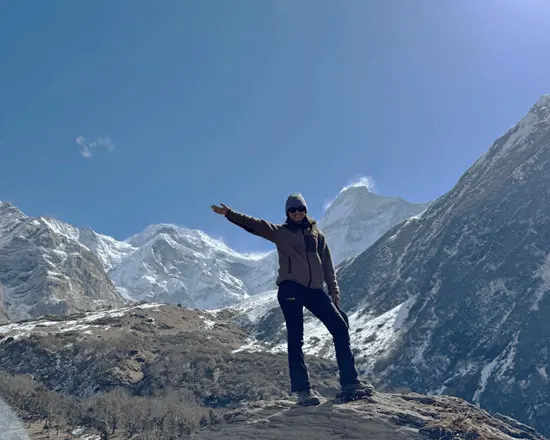
All these passes are challenging and rewarding climbs on the trail, offering 360° views of the snowbound peaks. These passes are remote and physically demanding, often requiring camping support, experienced guides, and good acclimatization, but reward you with solitude and jaw-dropping beauty.
Responsible for Trekking in Dolpo
The Dolpo region is ecologically and culturally sensitive. Trekkers are advised to:
- Pack out all non-biodegradable waste
- Respect local customs and ask before photographing people
- Support local teahouses and buy local products
- Avoid over-bargaining or disrupting traditional lifestyles
Why Trek with Nepal Wilderness Trekking?
As a licensed and experienced trekking company, Nepal Wilderness Trekking Pvt. Ltd. specializes in restricted area treks in Nepal, including the Jomsom to Dolpo trek. Our certified guides have deep knowledge of the terrain, culture, and logistics necessary to make your trek safe, enriching, and memorable.
We offer:
- Tailor-made itineraries based on your time and fitness
- Full support with restricted permits and logistics
- English and Japanese-speaking guides
- Ethical and eco-conscious travel practices
- Flexible options for private or group treks
Final Thoughts
The Jomsom Dolpo trek is a once-in-a-lifetime Himalayan journey that takes you across ancient paths, Chharka Bhot, which is a trail connected with the upper Dolpo trek, soaring mountain passes, and unspoiled valleys. It’s a chance to truly disconnect and reconnect with nature, culture, and yourself.
If you’re ready to go beyond the usual routes and explore remote treks in western Nepal, contact Nepal Wilderness Trekking today to start planning your Jomsom to Dolpo adventure.
Departure Note
All published departure dates listed below are 100% guaranteed to operate.
If the scheduled departure dates do not align with your travel plans, we would be pleased to arrange a private trek on your preferred dates at the same cost. Whether you are traveling solo, with family, friends, or as part of a group, we can customize the itinerary to suit your schedule, interests, and trekking experience.
Our team will be delighted to create a personalized itinerary and help create an unforgettable trekking experience in Nepal.