24 hours customer service +9779849693351

Island Peak Climb with Everest Base Camp Trek

Island Peak Climb with Everest Base Camp Trek

Peak Climbing In Nepal
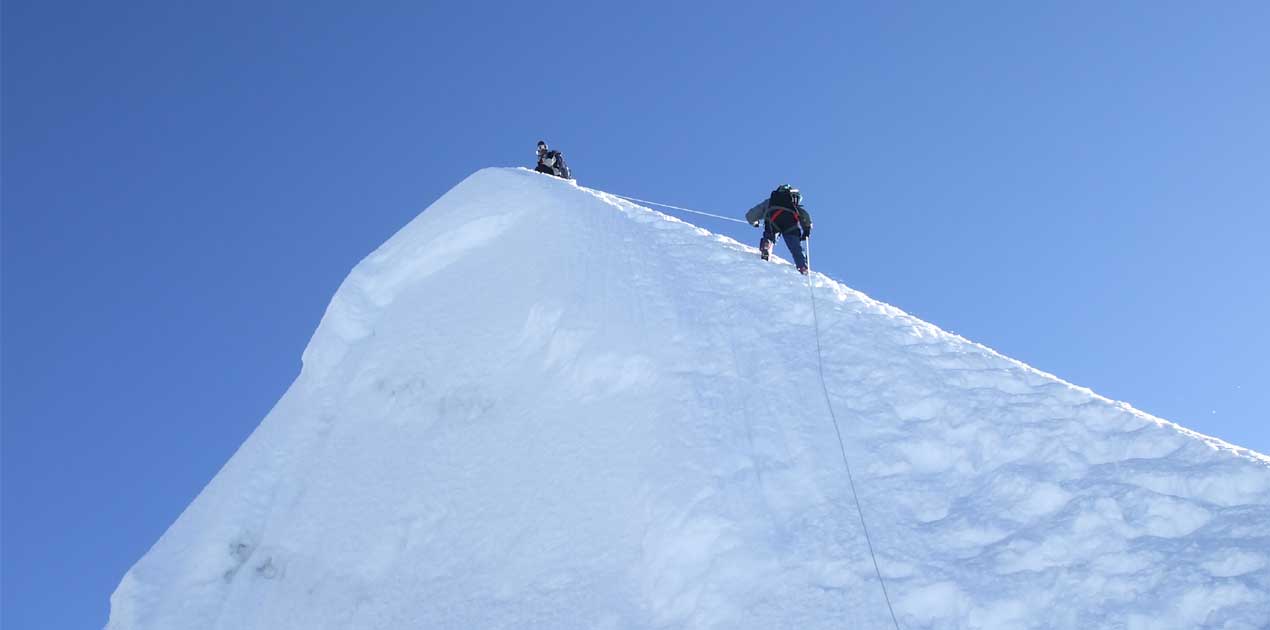
Island peak tecnicle climbing part
Island peak climbing trek

Trip Facts

Duration : 19 Days Max-Altitude : 6189 Program Type : Tea house and Camping Best Season : March- April to Nov Per Day Walking : 6/7 Hours Trek Grade : Grade 4:

This is challenging and technical Trekking, climbing of Nepal, you most have to physically fit and mentally prepare, off the beaten trails, camping or challenging high passes Treks, at this level can he arranged for periods of 18 to 32 days. Typically, a gradual ascent through a green river valley will lead you up to a number of high passes, where you will reach the altitude of 5416m. Often times, you will get a close insight into the Tibetan culture. Participants should expect to trek above 5416m/17872ft. or climbing 6540m.

Mode of Travel : Flight/Land

100%

600 Reviews

Start From

All price inclusive
$ 2800 $ 2670
USD per person

Group Price

No. of Persons Price per Person
1 Pax $2670
2 Paxes $2580
3-4 Paxes $2570
5-6 Paxes $2560
7-15 Paxes $2550
16+Paxes $2550

Number of Travellers

Overview

Island Peak Climb with Everest Base Camp Trek, 19 days

The Island Peak with Everest Base Camp Trek via the Three Passes is a captivating 19-day adventure that commences and concludes in the lively city of Kathmandu, Nepal. This extraordinary journey leads you through the enchanting Gokyo Lakes region, nestled within the stunning heritage of the Khumbu Valley. The Island Peak Climb with Everest Base Camp trek is an exhilarating journey that immerses you in the heart of Nepal’s Khumbu region. The trek presents awe-inspiring views of the world’s highest peak, Mount Everest.  But it also offers the thrilling opportunity to summit Island Peak, a challenging yet attainable climb for adventure enthusiasts.

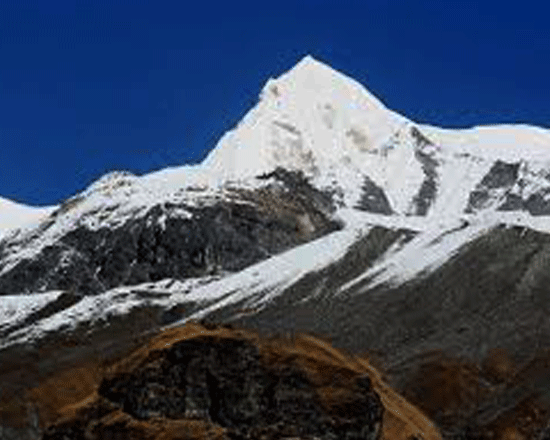
Island Peak, officially known as Imja Tse (6,189 m / 20,305 ft), is one of the most popular trekking peaks in Nepal. Located in the Everest region, it rises impressively from the Imja Valley, appearing like an island in a sea of ice—hence the English name given by Eric Shipton’s 1953 British Everest Expedition. The climb offers a thrilling mix of trekking and basic alpine climbing, making it an ideal challenge for adventurous trekkers aiming to step into mountaineering.

Island Peak is often seen as the perfect first step for aspiring mountaineers. The climb begins with trekking, an introduction to essential alpine skills, rope work, glacier travel, crampons, and an ice axe.

Island Peak Climb with Everest Base Camp Trek

Get ready for a big challenge as you aim to conquer Island Peak climbing via three tough high mountain passes: Renjo La (5,360m), Cho La (5,420m), and Kongma La (5,545m). These passes are popular for the views of Mt. Everest, making this trek known as the Three Passes Trek. Each pass is like a doorway to stunning natural beauty and will test your strength for the mountain adventure journey. Get set to be amazed as you cross these tough passes and see the breathtaking scenery waiting for you in the Himalayas.

Island Peak Climbing Group cost with the package

The cost per person decreases as the group size increases, making it more affordable for larger teams. The price of the package depends on the number of days spent, but we have crafted a 19–day full package (including the Everest Base Camp trek and the Island Peak climb).

  • For a solo climber (1 person), the price is USD 2,670.

  • For 2 people, the rate is USD 2,580 per person.

  • For 3 to 4 people, the cost is USD 2,570 per person.

  • For 5 to 6 people, the price is USD 2,560 per person.

  • For 7 to 15 people, the rate drops to USD 2,550 per person.

  • For 16 people above, the cost is USD 2,550 per person.

The cost of the Island Peak climb covers all the essential logistics, gear, and staff support needed for a safe and successful expedition. A shorter 3-day climb from Chhukung costs around USD 700 – 870 (guide, permits, camping, climbing gear).

Island Peak Distance from Chhukung

The Chhukung Valley lies east of Dingboche in the upper Imja Valley of the Everest region. At an altitude of around 4,730 m (15,518 ft), it serves as a quiet and scenic side valley surrounded by dramatic Himalayan peaks. The valley is flanked by Lhotse, Nuptse, Ama Dablam, and Baruntse, with the massive south face of Lhotse dominating the skyline.

Chhukung is often used as an acclimatization stop for trekkers heading to Island Peak (Imja Tse), Kongma La Pass, the three passes trek, or those exploring side hikes such as Chhukung Ri (5,550 m), which offers spectacular panoramic views of Makalu, Lhotse, and the Imja Glacier.

Unlike busier villages like Dingboche or Namche, Chhukung is smaller, with a handful of lodges that offer basic but comfortable accommodation. Its peaceful setting makes it an excellent base for preparing for high passes and climbing adventures.

  • Chhukung (4,730 m) to Island Peak Base Camp (5,100 m):

    • Approx. 3–4 hours trek

    • Distance: ~4.5 km / 2.8 miles

    • Trail: Gradual ascent through rocky trails along the Imja River, with stunning views of Lhotse, Ama Dablam, and the Imja Glacier.

A Journey Through Chhukung to Island Peak Climbing

  • Island Peak Climbing From Chhukung, trekker hike to Island Peak Base Camp (5,200m), which takes 3-4 hours.
  • The summit push typically starts very early in the morning (around 2 AM) to take advantage of stable weather conditions and to ensure a return to Base Camp by afternoon.
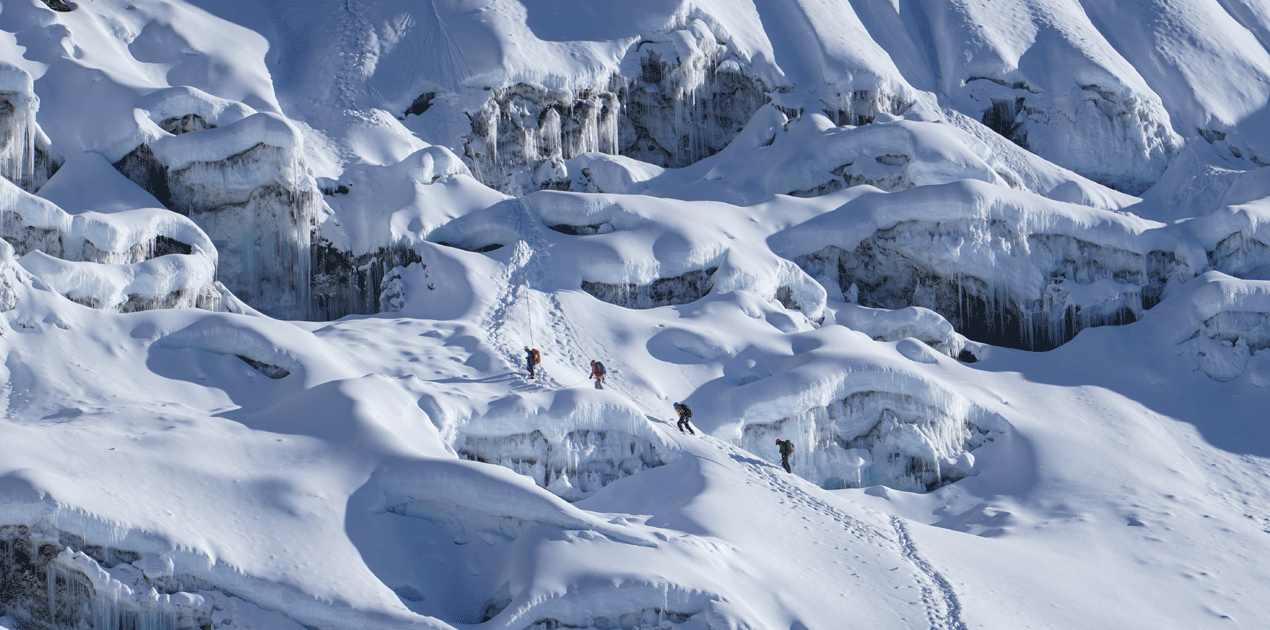
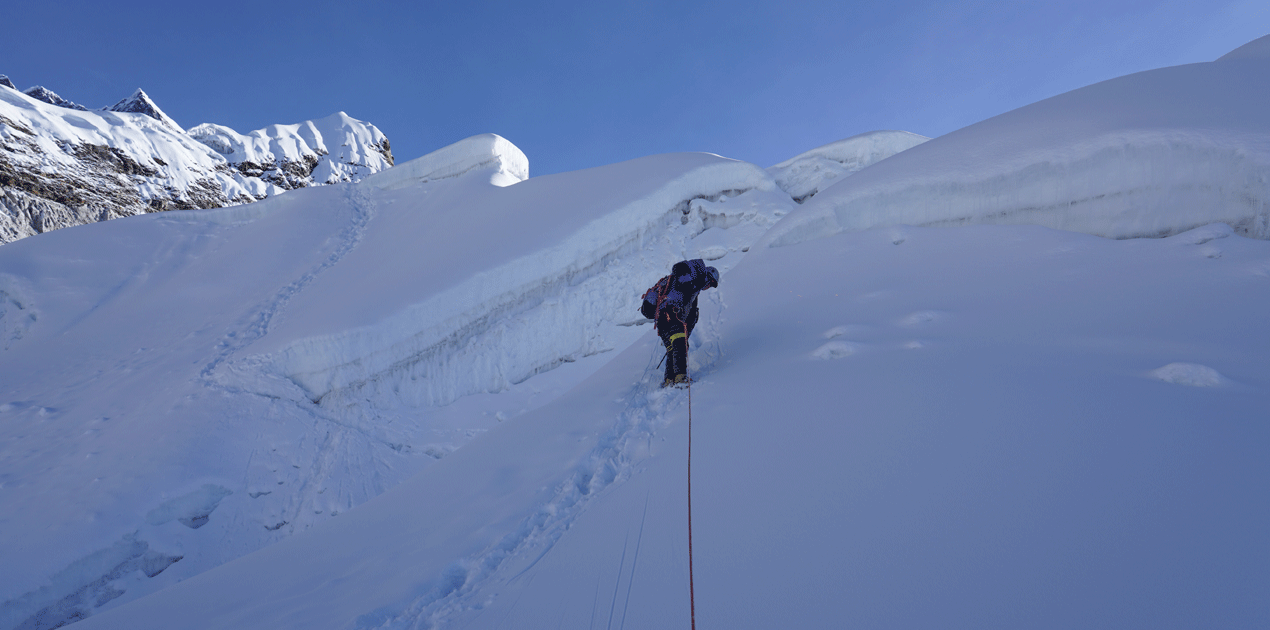
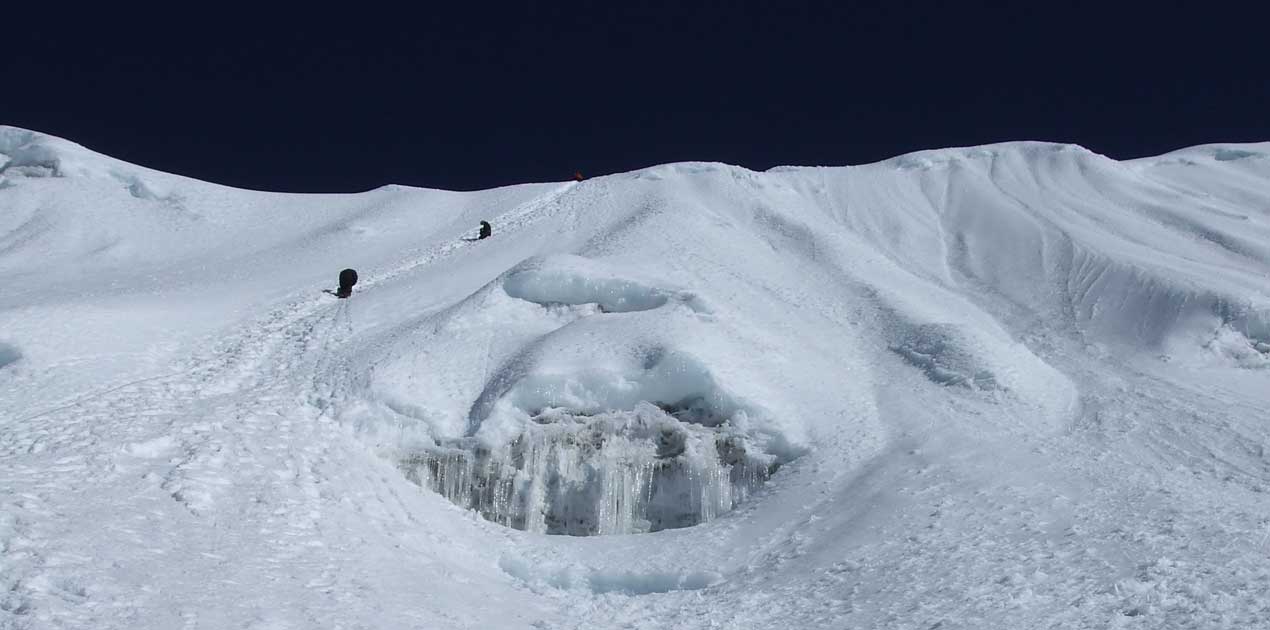
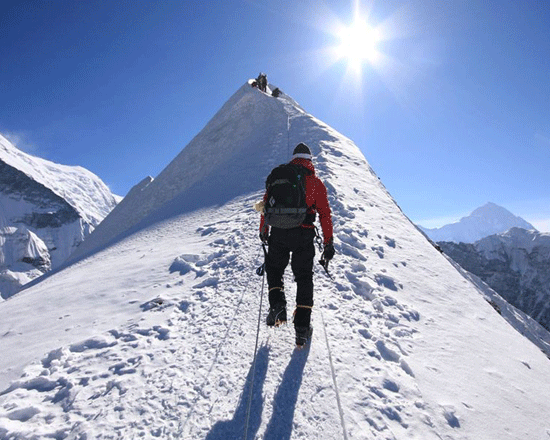
  • The climb involves crossing glaciers, climbing a steep snow wall, and finally, ascending a narrow ridge to the summit.
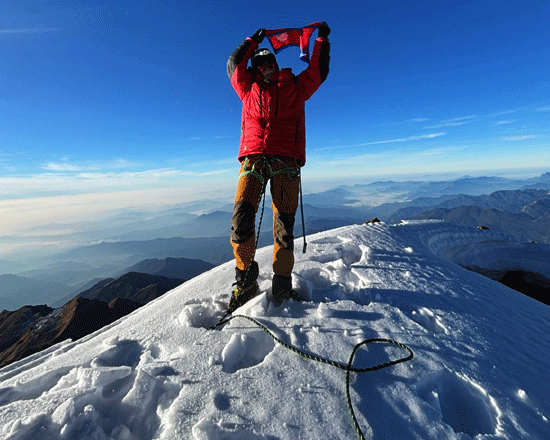
  • The summit of Island Peak is at 6,189m (20,305ft), offering spectacular views of the surrounding peaks, including Lhotse, Nuptse, and Makalu.
  • After summiting, climbers descend back to Base Camp and then retrace their steps to Chhukung, Dingboche, Tengboche, Namche Bazaar, and finally Lukla, where they catch a flight back to Kathmandu.

The interesting part of Island Peak Climbing is following the path of Sir Edmund Hillary and Tenzing Norgay, who conquered Everest in 1953, and used Island Peak for training. Now, you can walk the same way they did, making your adventure even more special.

Physical Fitness Preparation for Island Peak Climbing

  • Hiking and Trekking: Start with moderate hikes and gradually increase the distance and elevation gain. Carry a backpack to simulate climbing conditions.
  • Running and Jogging: Include interval training and long-distance runs to build aerobic capacity and endurance.
  • Cycling: Both road biking and mountain biking are excellent forms of exercise for building leg strength and cardiovascular fitness.
  • Swimming: Great for overall cardiovascular conditioning and low-impact exercise.

Frequency: Aim for 3-5 sessions per week, each lasting 30-60 minutes.

Strength Training

  • Legs: Squats, lunges, deadlifts, and step-ups to build strength in your quadriceps, hamstrings, calves, and glutes.
  • Core: Planks, Russian twists, leg raises, and mountain climbers strengthen your core muscles, which are crucial for stability and balance.
  • Upper Body: Pull-ups, push-ups, bench presses, and rows to develop arm, shoulder, and back strength needed for climbing and handling ropes.

Frequency: Aim for 2-3 strength training sessions per week, focusing on different muscle groups.

Mental Training

  • Visualization: Practice visualizing successful climbs and overcoming obstacles.
  • Meditation: Incorporate mindfulness and meditation techniques to improve mental clarity and stress management.
  • Goal Setting: Set realistic, incremental goals to keep motivated and track progress.

A Carefully Crafted Itinerary

Island Peak Climb with Everest Base Camp Trek is a 19-day itinerary that incorporates essential acclimatization periods. As you gradually ascend the Khumbu Valley via the Three Passes, you’ll have the opportunity to savor magnificent views from Gokyo Ri (5,357m) and Kala Patthar (5,545m). These vantage points provide unparalleled perspectives on the Himalayan giants that surround you.

Island Peak Base Camp

  • Altitude: 5,100 m (16,732 ft)

  • Location: Southeast of Chhukung, in the Imja Valley

  • Facilities: Mostly camping, but some tea houses in Chhukung provide food and gear rental before moving to Base Camp.

  • Climbing Route:

    • From Base Camp, climbers ascend steep grassy slopes and scree to reach High Camp (5,600 m).

    • The final climb involves a glacier crossing, fixed rope sections on a headwall, and a thrilling summit ridge.

Preparation for Higher Mountains

Many climbers use Island Peak as training for higher expeditions, such as Mount Everest, Ama Dablam, or other 7000m and 8000m peaks. Climbing Island Peak helps them:

  • Test their fitness and acclimatization ability.

  • Practice using high-altitude climbing gear.

  • Experience a real Himalayan summit push in a relatively controlled environment.

Success Rate and Safety

The likelihood of successfully reaching the summit of Island Peak usually falls between 60% to 70%. Several factors, such as weather conditions, personal experience, and acclimatization, play a crucial role in determining the outcome. Ensuring safety is the top priority, and participating in guided expeditions enhances the chances of a successful climb. Having experienced guides can make a significant difference in navigating challenges and increasing the overall success rate of summit attempts.

Your Experienced Guides

When you join the Nepal Wilderness Trekking team for this extraordinary adventure, you’re in the hands of seasoned experts. Our experienced climbing guides are ready to lead you through the heart of the Himalayas on this exhilarating journey. With years of experience, they possess the necessary expertise to ensure your safety and success on this technical ascent.

An Unforgettable Adventure

The Three Passes trek with Island Peak climbing offers not only the thrill of scaling Island Peak but also the challenge of conquering three high mountain passes. With excellent acclimatization opportunities, your attempt at Island Peak Climbing becomes more achievable.

Comprehensive Support

The Nepal Wilderness Trekking team leads the Island Peak Climbing with exceptional services and unwavering support for our valued clients. Our dedicated team of seasoned porters and support staff is committed to ensuring that your trek and climb are not only adventurous but also marked by seamless and unforgettable experiences. Our experienced and passionate team makes your journey memorable and full of adventure. You can trust us to guide you safely and reliably through the mountains.

Conclusion: A Journey to Cherish Forever

Join us on the Island Peak Everest Base Camp trek for an unparalleled adventure. You’ll fulfill your dream of summiting a technical 6000-meter peak and create lifelong memories of the Himalayan wilderness. Embrace the spirit of adventure as our expert team guides you to the pinnacle of Island Peak, an achievement to cherish forever.

Island Peak Climbing Permit Costs

Obtaining permits for Island Peak climbing is a crucial part of the process. The Nepal Mountaineering Association (NMA) issues permits for various peaks, with Island Peak categorized as a Group B trekking peak. Permit costs vary based on the season:

  • Spring (March to May): USD 250 per person
  • Autumn (September to November): USD 125 per person
  • Winter (December to February): USD 70 per person
  • Summer (June to August): USD 70 per person

Spring and Autumn are the Best times to climb Island Peak due to their favorable weather conditions, with Spring being the peak season, commanding the highest permit cost. Winter and Summer, with fewer tourists, entail lower expenses.

It’s important to note that NMA permits can only be obtained through government-registered local trekking agencies affiliated with the Nepal Mountaineering Association (NMA). These agencies can not only secure your permit but also provide comprehensive support and arrangements for your island peak climbing with EBC Adventure with an experienced professional climbing guide.


Detail Itinerary

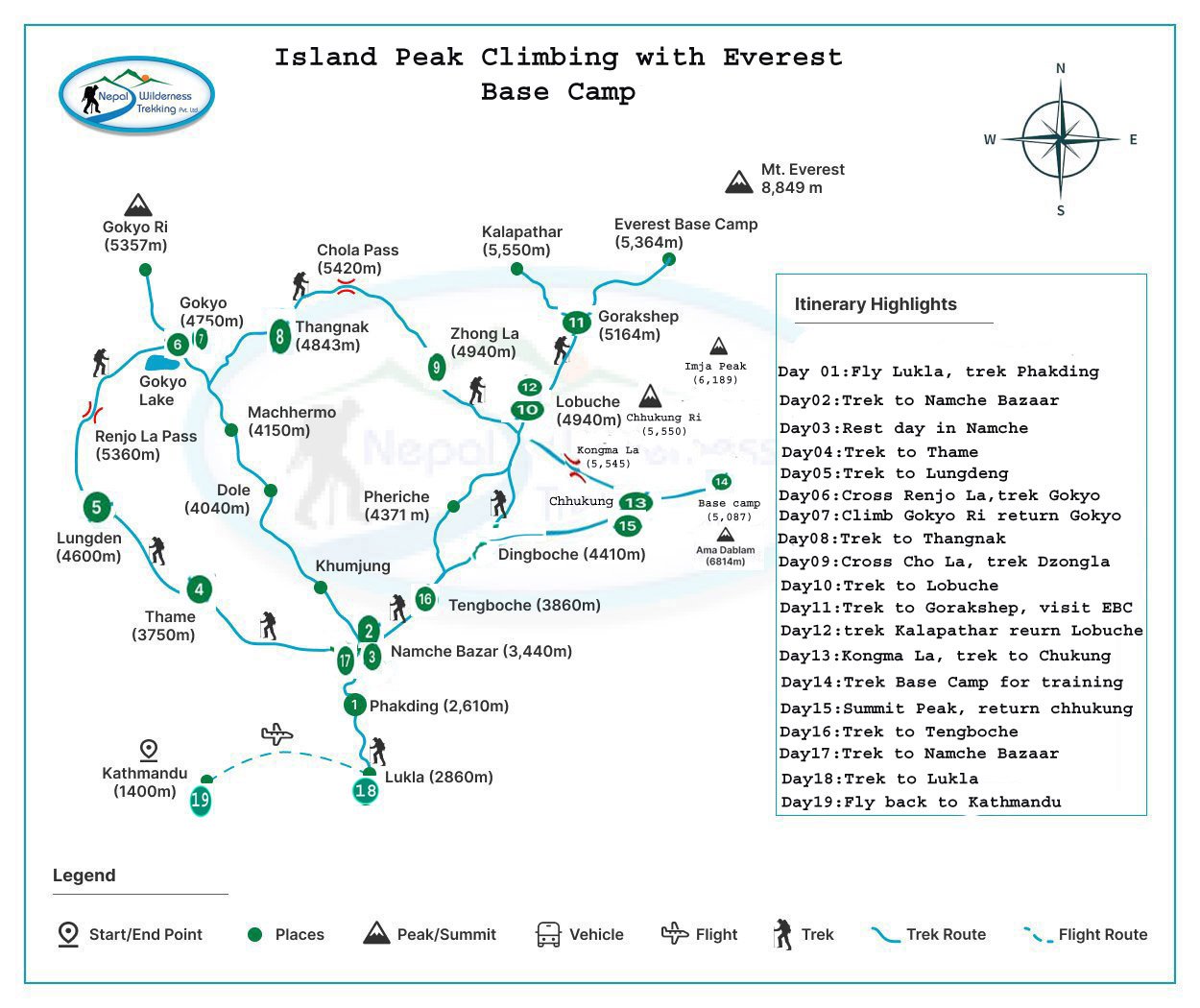
  • Day 1: Fly to Lukla (Hillary Airport) early in the morning (2,800m, 35 minutes), then trek to Phakding (2,640m, 3 hours). Overnight at a lodge. In the evening, take a brief village tour.
  • Day 2: Trek to Namche Bazaar (3,440m, 6-7 hours). Overnight at a lodge.
  • Day 3: Rest day in Namche for acclimatization. Visit the Sherpa Museum and Everest View Lodge for panoramic Himalayan views.
  • Day 4: Trek to Thame (3,800m, 4 hours). Overnight at a lodge. Thame is renowned among Everest climbers.
  • Day 5: Trek to Lungdeng (4,600m, 5-6 hours). Overnight at a lodge.
  • Day 6: Trek to Gokyo (4,760m) via Renjo Pass (5,435m, 6 hours). Overnight at a lodge in Gokyo.
  • Day 7: Early morning hike to Gokyo Peak (5,560m, 4.5 hours) for sunrise and panoramic views of four 8,000 m+ peaks. Return to Gokyo and overnight stay
  • Day 8: Trek to Tangnak (5 hours). Overnight at a lodge. (If time allows, you can spend an extra day in Gokyo to visit the 5th Lake for additional mountain views.)
  • Day 9: Trek to Zhong La via Cho La Pass (5,320m, 6-7 hours). The path is narrow and steep, leading to the top of Cho La. Overnight at a lodge.
  • Day 10: Trek to Lobuche (4,930m, 4 hours). Overnight at a lodge.
  • Day 11: Trek to Gorakshep (3 hours). In the afternoon, visit Everest Base Camp and return to Gorakshep for the night.
  • Day 12: Early morning hike to Kala Patthar (5,545m) for the best Everest views. Then trek back to Lobuche (5 hours). Overnight at a lodge.
  • Day 13: Cross Kongma-La (5,535m, 7 hours). Overnight at a lodge in Chukung.
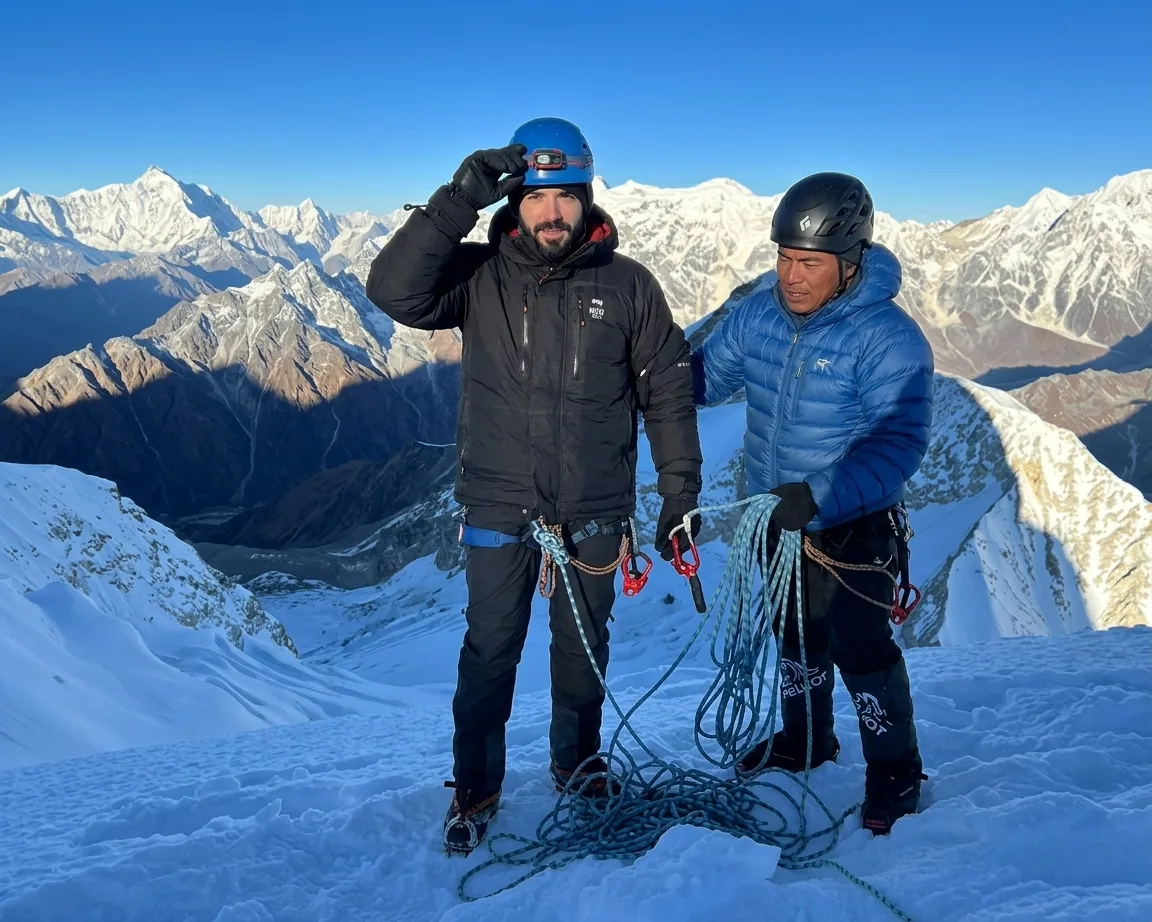
  • Day 14: Hike to Island Peak Base Camp (5,200m, 3 hours). Your climbing guide will conduct a 2-hour training session with crampons, belay ropes, safety procedures, and more.
  • Day 15: Summit Island Peak (6,189m) and return to Chukung. If the weather is bad or you return late, you will stay at the base camp for the night.
  • Day 16: Trek back to Tyangboche (3,860m, 5 hours). Overnight at a lodge.
  • Day 17: Trek back to Namche Bazaar (3,440m, 6-7 hours). Overnight at a lodge.
  • Day 18: Trek back to Lukla (7-8 hours). Overnight at a lodge.
  • Day 19: Fly back to Kathmandu early in the morning around 07:00 AM (35 minutes).

Cost Included

  • Round-trip domestic flight tickets: Kathmandu / Ramechhap – Lukla – Ramechhap.
  • Meals: Italian, Chinese, Nepali, Indian, and various European dishes are available three times a day breakfast, lunch, and dinner. One main course is provided per meal during the trek.
  • Accommodation in teahouses as per the itinerary (twin-sharing basis).
  • Sleeping bag suitable for a comfortable night on the trek, down to –25°C.
  • Everest National Park Entrance Trekking Permit.
  • Khumbu Pasang Lhamu Rural Municipality Entrance Permit.
  • Experienced English-speaking, government-licensed trekking guide.
  • Porters: 1 porter for every 2–3 trekkers; solo trekkers require an additional porter at extra cost.
  • Guide and porter meals, accommodation, salary, and insurance.
  • All necessary paperwork, including government and local taxes.
  • Kitchen equipment during peak climbing period: trekking tents, dining tents, kitchen tents, toilet tents, tables, chairs, and mattresses.
  • Climbing equipment: ropes, ice screws, snow anchors.
  • Base camp staff support.
  • Climbing Sherpa for summit attempt.
  • Service charges.
  • Equipment fees for the climbing guide.
  • Peak climbing permit
  • Meals from base camp to base camp during the climbing period.
  • Climbing gear provided: crampons, harnesses, ice axes, screw gear, and carabiners.
  • Meals, accommodation, salary, and insurance for the guide and porter throughout the climbing.
  • All necessary paperwork, government, and local taxes related to trekking and climbing.

Cost Excluded

  • International flights to and from Nepal.
  • Accommodation and meals in Kathmandu.
  • Kathmandu hotel accommodation.
  • All beverages, including tea, coffee, bottled water, soda, and other drinks.
  • Climbing boots and other personal trekking or climbing gear (unless rented separately).
  • Travel insurance and trekking/climbing insurance (mandatory). emergency rescue and helicopter evacuation (must be covered by personal insurance).
  • Personal expenses such as snacks, souvenirs, laundry, Wi-Fi, and battery charging.
  • Tips for guides, porters, and drivers (recommended but at the traveler’s discretion).
  • Cultural visits or excursions outside the itinerary (e.g., museums or extra hikes).
  • Equipment rental for climbing (can be arranged separately).
  • Additional costs due to delays from weather, flight cancellations, landslides, or other natural events.
  • Personal medical expenses are not covered by the group first-aid kit.
  • All costs and expenses not listed under "Cost Includes" are excluded.
  • Please note that unforeseen factors, such as landslides, weather conditions, itinerary changes for safety reasons, illness, government policy changes, or strikes, may affect costs or cause delays.
Trip Dates Trip Price Confirmed Pax Trip Status
November 12, 2025 US$ 2580 Join a Group Book Now
November 16, 2025 US$ 2580 Join a Group Book Now
November 20, 2025 US$ 2580 Join a Group Book Now
November 25, 2025 US$ 2580 Join a Group Book Now
November 30, 2025 US$ 2580 Join a Group Book Now
December 4, 2025 US$ 2580 Join a Group Book Now
December 9, 2025 US$ 2580 Join a Group Book Now
December 14, 2025 US$ 2580 Join a Group Book Now
December 19, 2025 US$ 2580 Join a Group Book Now
December 20, 2025 US$ 2580 Join a Group Book Now
December 26, 2025 US$ 2580 Join a Group Book Now
December 30, 2025 US$ 2580 Join a Group Book Now
January 4, 2026 US$ 2580 Join a Group Book Now
January 10, 2026 US$ 2580 Join a Group Book Now
January 15, 2026 US$ 2580 Join a Group Book Now
January 20, 2026 US$ 2580 Join a Group Book Now
January 25, 2026 US$ 2580 Join a Group Book Now
January 30, 2026 US$ 2580 Join a Group Book Now
February 4, 2026 US$ 2580 Join a Group Book Now
February 10, 2026 US$ 2580 Join a Group Book Now
February 15, 2026 US$ 2580 Join a Group Book Now
February 20, 2026 US$ 2580 Join a Group Book Now
February 25, 2026 US$ 2580 Join a Group Book Now
March 2, 2026 US$ 2580 Join a Group Book Now
March 4, 2026 US$ 2580 Join a Group Book Now
March 10, 2026 US$ 2580 Join a Group Book Now
March 15, 2026 US$ 2580 Join a Group Book Now
March 20, 2026 US$ 2580 Join a Group Book Now
March 25, 2026 US$ 2580 Join a Group Book Now
March 30, 2026 US$ 2580 Join a Group Book Now
April 3, 2026 US$ 2580 Join a Group Book Now
April 10, 2026 US$ 2580 Join a Group Book Now
April 14, 2026 US$ 2580 Join a Group Book Now
April 19, 2026 US$ 2580 Join a Group Book Now
April 22, 2026 US$ 2580 Join a Group Book Now
April 26, 2026 US$ 2580 Join a Group Book Now
April 30, 2026 US$ 2580 Join a Group Book Now
May 6, 2026 US$ 2580 Join a Group Book Now
May 12, 2026 US$ 2580 Join a Group Book Now
May 17, 2026 US$ 2580 Join a Group Book Now
May 22, 2026 US$ 2580 Join a Group Book Now
May 27, 2026 US$ 2580 Join a Group Book Now
May 30, 2026 US$ 2580 Join a Group Book Now
June 5, 2026 US$ 2580 Join a Group Book Now
June 10, 2026 US$ 2580 Join a Group Book Now
June 16, 2026 US$ 2580 Join a Group Book Now
June 22, 2026 US$ 2580 Join a Group Book Now
June 26, 2026 US$ 2580 Join a Group Book Now
June 30, 2026 US$ 2580 Join a Group Book Now
July 1, 2026 US$ 2580 Join a Group Book Now
July 10, 2026 US$ 2580 Join a Group Book Now
July 20, 2026 US$ 2580 Join a Group Book Now
July 30, 2026 US$ 2580 Join a Group Book Now
August 10, 2026 US$ 2580 Join a Group Book Now
August 20, 2026 US$ 2580 Join a Group Book Now
August 28, 2026 US$ 2580 Join a Group Book Now
September 5, 2026 US$ 2580 Join a Group Book Now
September 10, 2026 US$ 2580 Join a Group Book Now
September 15, 2026 US$ 2580 Join a Group Book Now
September 20, 2026 US$ 2580 Join a Group Book Now
September 25, 2026 US$ 2580 Join a Group Book Now
September 30, 2026 US$ 2580 Join a Group Book Now
October 1, 2026 US$ 2580 Join a Group Book Now
October 5, 2026 US$ 2580 Join a Group Book Now
October 9, 2026 US$ 2580 Join a Group Book Now
October 14, 2026 US$ 2580 Join a Group Book Now
October 20, 2026 US$ 2580 Join a Group Book Now
October 25, 2026 US$ 2580 Join a Group Book Now
October 30, 2026 US$ 2580 Join a Group Book Now
November 1, 2026 US$ 2580 Join a Group Book Now
November 5, 2026 US$ 2580 Join a Group Book Now
November 9, 2026 US$ 2580 Join a Group Book Now
November 15, 2026 US$ 2580 Join a Group Book Now
November 20, 2026 US$ 2580 Join a Group Book Now
November 25, 2026 US$ 2580 Join a Group Book Now
November 30, 2026 US$ 2580 Join a Group Book Now
December 1, 2026 US$ 2580 Join a Group Book Now
December 4, 2026 US$ 2580 Join a Group Book Now
December 9, 2026 US$ 2580 Join a Group Book Now
December 14, 2026 US$ 2580 Join a Group Book Now
December 20, 2026 US$ 2580 Join a Group Book Now
December 24, 2026 US$ 2580 Join a Group Book Now
December 28, 2026 US$ 2580 Join a Group Book Now
December 30, 2026 US$ 2580 Join a Group Book Now

Trip Map

Frequently Asked Questions

Island Peak, also known as Imja Tse, stands at 6,189 meters (20,305 ft) above sea level in the Everest region of Nepal.
Island Peak is considered a moderate technical climb, but it does require previous mountaineering experience and familiarity with using equipment like ice axes and crampons. Climbers should also be prepared for cold temperatures and variable weather conditions.
The typical approach to Island Peak starts with a trek to Everest Base Camp, which allows climbers to acclimatize to the high altitude. From Everest Base Camp, trekkers proceed to Island Peak Base Camp. The climb to the summit usually involves a glacier crossing and a steep, icy headwall before reaching the summit ridge.
The best time to attempt Island Peak is during the pre-monsoon (spring) season from April to May and the post-monsoon (autumn) season from September to November when the weather is relatively stable.
Yes, by regulation you must climb with a licensed climbing guide. Guides provide technical training, fix ropes, and ensure safety during the summit push
You need both trekking and climbing gear such as: Climbing boots, crampons, harness, helmet, ice axe, carabiners, ascender/descender, and ropes. Most gear can be rented in Kathmandu or Chhukung if you don’t bring your own.
The summit of Island Peak offers breathtaking panoramic views of the Everest Massif, Lhotse, Nuptse, and other surrounding peaks. It provides a unique perspective of Mount Everest from a vantage point that few get to experience.
You should have good physical fitness, stamina, and prior experience of multi-day treks at altitude. Cardiovascular training, endurance exercises, and leg strength workouts are highly recommended before the climb.
Island Peak is considered a trekking peak, suitable for beginner climbers with good trekking experience at high altitude. Basic mountaineering skills like using crampons, ropes, ice axe, and harness are taught during the climb. Prior climbing experience is helpful but not compulsory.
A standard itinerary takes 17–20 days including the Everest Base Camp trek and acclimatization. A short version from Chhukung takes 3–4 days if you are already acclimatized.
You get teahouse meals (Nepali, Tibetan, Indian, and Western options) during the trek. At Base Camp, meals are prepared by the expedition cook team.
Yes, Island Peak is above 6,000m, so acclimatization is critical. Most itineraries include nights in Namche Bazaar, Dingboche, and Chhukung before the climb. Diamox can be used as a preventive measure.
Yes, most climbers combine Island Peak with Everest Base Camp and Kala Patthar for better acclimatization and a complete Himalayan experience.
The success rate is generally above 85%, provided the climber is fit, acclimatized, and climbs in the right season with a professional guide.
The cost depends on the itinerary, services, and group size, usually ranging from USD 1,800 – 3,000 per person for a full package, including permits, guide, food, and accommodation.
Yes, you must have travel insurance that covers high-altitude trekking and emergency helicopter evacuation.

Altitude Chart

Enquiry


Similar Packages

Larke peak photo
17 Days
$ 2900
Bokta peak climbing
20 Days
$ 4800
Chulu west
17 Days
$ 3500
gangchempo peak climbing
20 Days
$ 8000
langshisha peak
17 Days
$ 3000
pokhalde peak
14 Days
$ 1990
Sign Up for free newsletter
Follow Us