Everest Base Camp Trek without Flight to Lukla
Trekkers looking for the Everest Base Camp trek without a flight to Lukla can access the road route, offering unique and rewarding experiences. The EBC trek without a flight to Lukla is the most reliable option to begin the Everest Base Camp Trek. The trekkers follow the footsteps of the renowned mountaineer Sir Edmund Hillary and Tenzing Norgay Sherpa. Many travelers prefer the thrill of flying to Lukla from Kathmandu, the small Himalayan airstrip often regarded as the gateway to the Everest region. But the delay or cancellation of flights due to unpredictable weather conditions in Lukla and Ramechhap increases the pressure on individuals. So, to reduce the burden of these risks and appreciate the value of time and money, the Nepal Wilderness Trekking Company has set an alternative route for the Everest trek.
The Benefits of trekking without a flight to Lukla
- Trekkers under pressure to fly to Lukla can easily access the roadway without any hassle or worry.
- The Expensive flight to Lukla can be avoided.
- The luggage limit is 15 kg; any excess weight will incur an additional charge during the trek.
- The risky landing in Lukla due to the short runway can be avoided.
- As the trek starts from a very low elevation, trekkers can be well acclimatised.
Road Access to Everest Base Camp Trek: How to Get There
To access the Everest Base Camp trek by road, you can drive from Kathmandu to Salleri, which takes approximately 8–9 hours along winding mountain roads with scenic valley and mountain views. To reduce the long hours of driving, an overnight stop in Salleri is most convenient, and continue the next day with a shorter scenic drive to Surke on a rough mountain road.
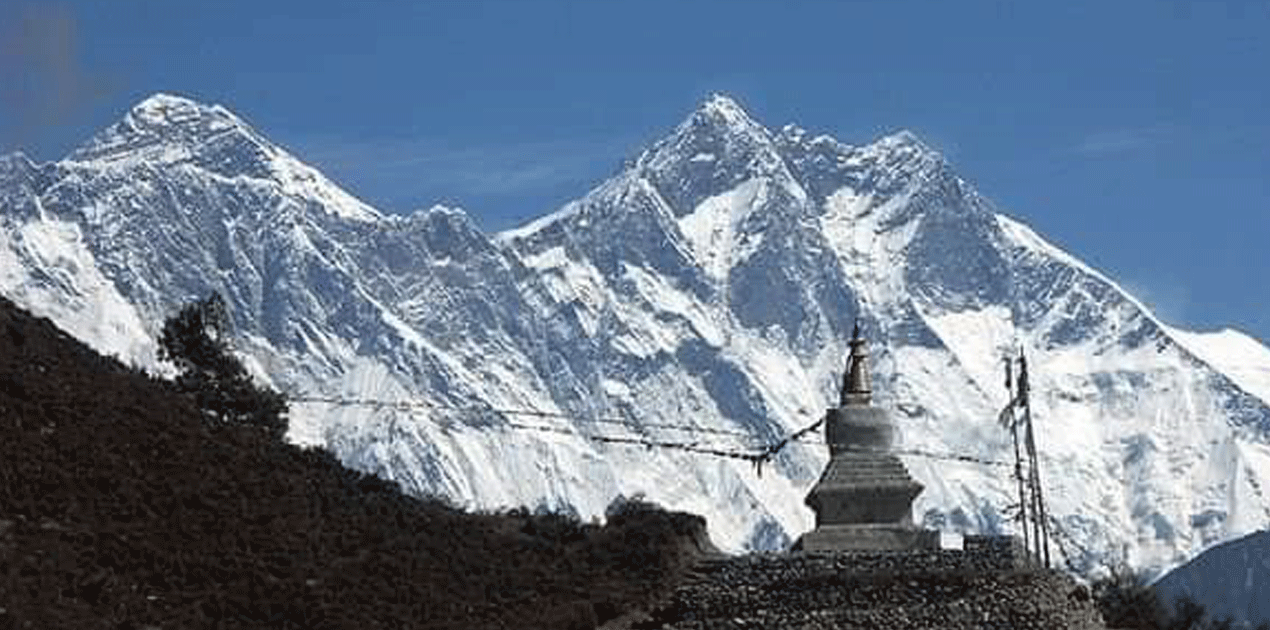
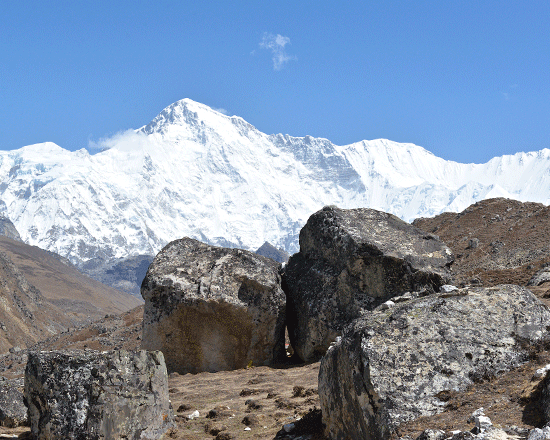
The Everest trek by road without a flight to Lukla has several benefits. First, it reduces your dependency on flights that can be delayed or canceled due to unstable weather. On a clear day on the way to Salleri from Dhap, you will capture the Everest and other mountains. Second, it allows you to enjoy a road trip through the rugged terrain, soaking in the local culture and natural beauty along the way.
Some people feel fear of flying to Lukla, as it is one of the most dangerous airports in the world. If you follow the route of the Everest Base Camp Trek by driving, you will avoid the mental problem of the Lukla flight.
Trekking from Surke to Base Camp without a flight to Lukla
After your drive to Surke, your trekking adventure begins. The Surke to EBC trek follows a scenic route that passes through remote villages along the main trekking trail. From here, you’ll walk the same famous path taken by countless trekkers to reach Everest Base Camp.
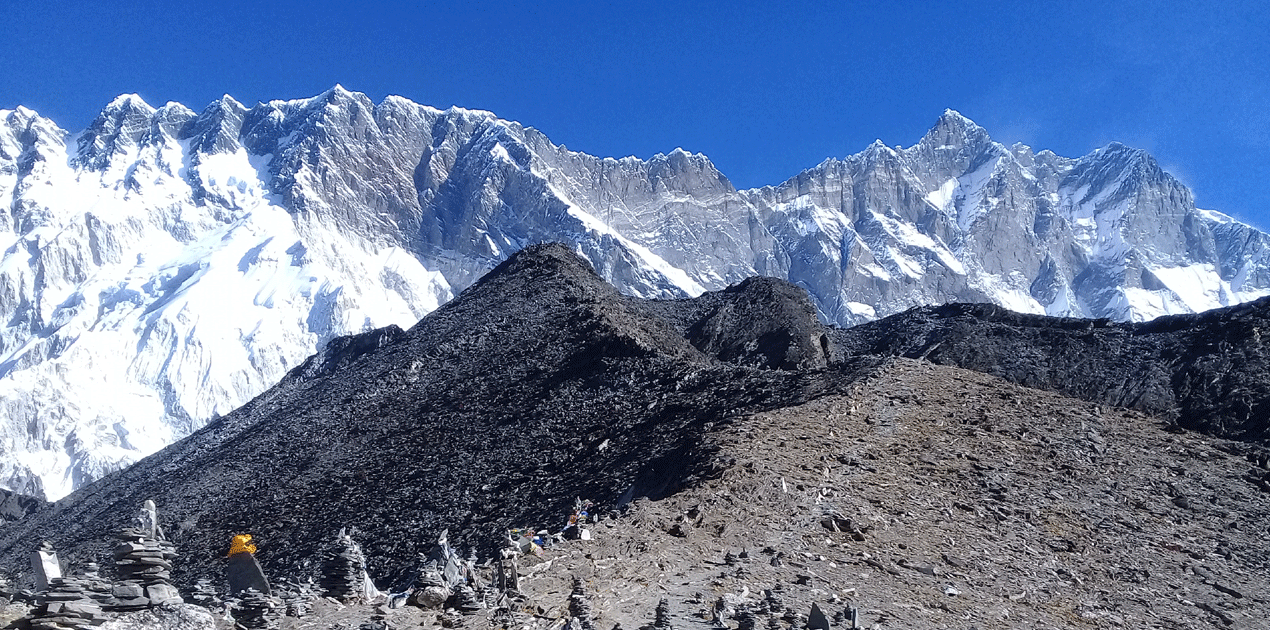
The first few days of the trek offer spectacular views of rolling hills, terraced farmland, and dense forests. This part of the journey allows you to gradually acclimate to the increasing altitude, which is crucial for your health as you ascend further into the Himalayas. Along the way, you’ll cross several suspension bridges that span deep river gorges, offering breathtaking views of the valleys below.
Essential Equipment for EBC Trek
When it comes to equipment, it is crucial to bring the recommended trekking equipment list. Remember, quality trekking equipment can make the trip enjoyable, while poor-quality equipment can make it miserable. As the weather can vary with altitude and time of year, suitable footwear includes waterproof walking boots that have been used before the trek, along with warm socks and gaiters for winter conditions. It is advisable to have loose, casual trousers, thermal leggings, and waterproof pants. Trekkers should ensure they have adequate clothing for varying temperatures, sturdy boots, trekking poles, and a good-quality backpack. Trekkers should ensure they have adequate clothing for varying temperatures, sturdy boots, trekking poles, and a good-quality backpack.
How to train for the Everest Trek?
- At least 30-45 minutes of running or jogging, 3-5 times a week. Focus on both steady-state runs and interval training to build stamina and endurance.
- Cycling in your routine to build leg strength and cardiovascular fitness. Aim for 60-90 minutes, 2-3 times a week.
- Swimming is a great full-body workout that improves cardiovascular endurance without putting stress on your joints.
- Strength training in the legs, core, step-ups, Planks, Calf raises, and upper body area.
- Train with Hills or Stairs, climbing with a backpack.
- Practice with a Backpack.
The Main Trekking Route to Everest Base Camp without a flight to Lukla
Once you reach Phakding, you’ll join the classic EBC trekking trail. From here, the trek follows the Dudh Koshi River towards Namche Bazaar, the bustling Sherpa town that serves as the main hub for trekkers. Namche Bazaar is an excellent place to acclimate before ascending. The town offers modern amenities, including cafes, bakeries, and gear shops, while also providing insight into the rich Sherpa culture.
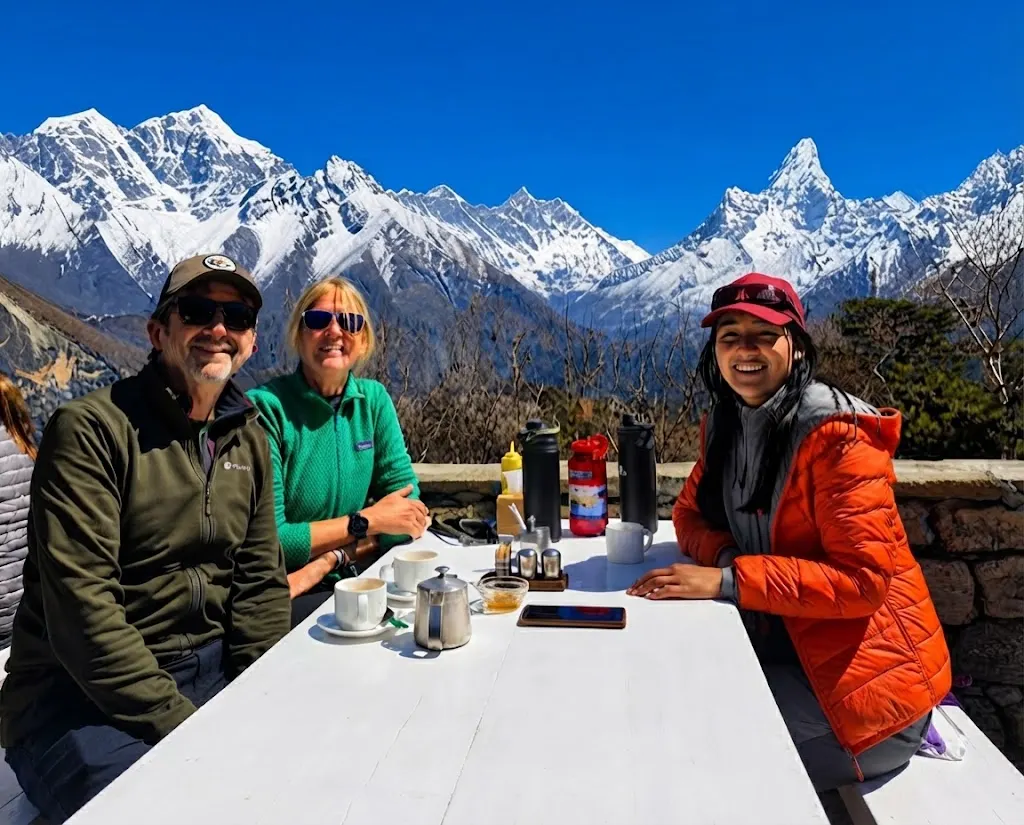
After spending a night or two in Namche to adjust to the altitude, you’ll continue your ascent towards Tengboche, home to the famous Tengboche Monastery. This iconic Buddhist monastery at 3,860 meters offers panoramic views of the surrounding peaks, including Ama Dablam, Nuptse, and Everest.
From Tengboche, the trail continues upward, passing through the villages of Dingboche, Lobuche, and finally Gorak Shep, the last stop before reaching Everest Base Camp. The trek to EBC starting from Surke offers the same awe-inspiring views and sense of accomplishment as the traditional route, but with the added benefit of starting from a road-accessible point.
Acclimatization Day
- As you ascend higher into the Everest region, the air pressure and oxygen levels decrease, leading to lower oxygen saturation in your blood. This can cause altitude-related illnesses such as Acute Mountain Sickness (AMS), High Altitude Pulmonary Edema (HAPE), and High Altitude Cerebral Edema (HACE).
- Acclimatization allows you to adjust to the reduced oxygen levels, minimizing the risk of these illnesses.
- Acclimatization helps trekkers and guides with the opportunity to monitor any symptoms of altitude sickness that may develop, such as headache, nausea, dizziness, and fatigue. Additionally, to prevent such problems, which can cause severe conditions.
Best time to visit the EBC trek without a Lukla Flight
The best time to visit the Everest trek is from March to June. These months offer favorable weather and excellent visibility, providing an opportunity to immerse oneself in the awe-inspiring natural beauty. With blooming flowers and verdant greenery, the landscape becomes more appealing overall during the trek. Furthermore, during this time, the trails are less crowded compared to the peak trekking season, ensuring a more tranquil and peaceful experience for adventurers.
Alternatively, the early months of September to December also present an optimal window for the EBC trek without a flight to Lukla. This period marks the autumn season when the weather is stable. The days offer mild temperatures, perfect for comfortable trekking. Autumn unveils breathtaking views of the surrounding mountains, as the clear skies allow trekkers uninterrupted panoramas of the majestic Himalayas. Similar to the spring season, embarking on the EBC trek without a flight to Lukla during autumn offers the advantage of a peaceful journey, with fewer fellow trekkers on the trails.
How to prepare for the high altitude?
- Ascend Slowly (Most Important Rule)
- Do not rush above 3,000 m.
- Follow gradual ascent itineraries.
- Improve Your Fitness Before the Trek
- Regular hiking or walking (long durations).
- Stair climbing or uphill training.
- Cardio exercises (running, cycling, and swimming).
- Practice Breathing Techniques
- Deep breathing (slow inhale, long exhale).
- Yoga or pranayama (very helpful).
- Stay calm while walking uphill (avoid rushing).
- Stay Well Hydrated
- Drink 3–4 liters of water daily
- Add warm drinks (tea, soup).
- Avoid too much alcohol or smoking.
- Eat Properly for Energy
- Eat carbohydrates (rice, pasta, potatoes, bread).
- Eat small but frequent meals.
- Avoid heavy fatty meals in high-altitude areas.
- Recognize Early Symptoms of Headache, Loss of appetite, dizziness, nausea, and Poor sleep.
Everest Base Camp trek without flight to Lukla: The Final Destination
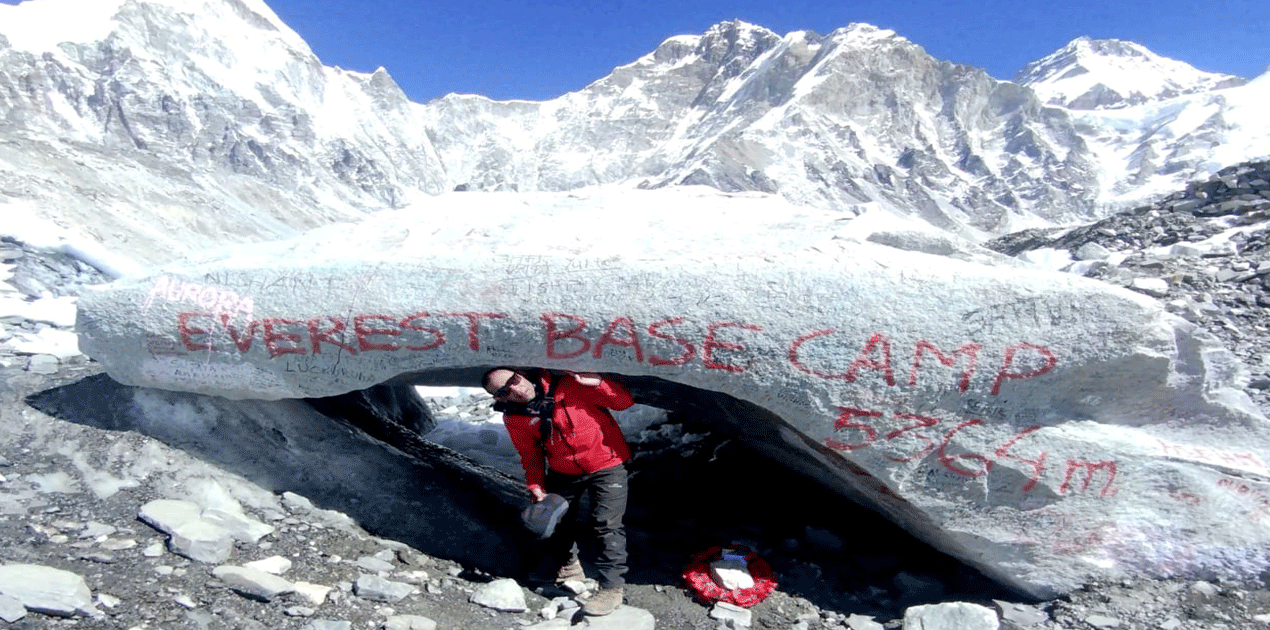
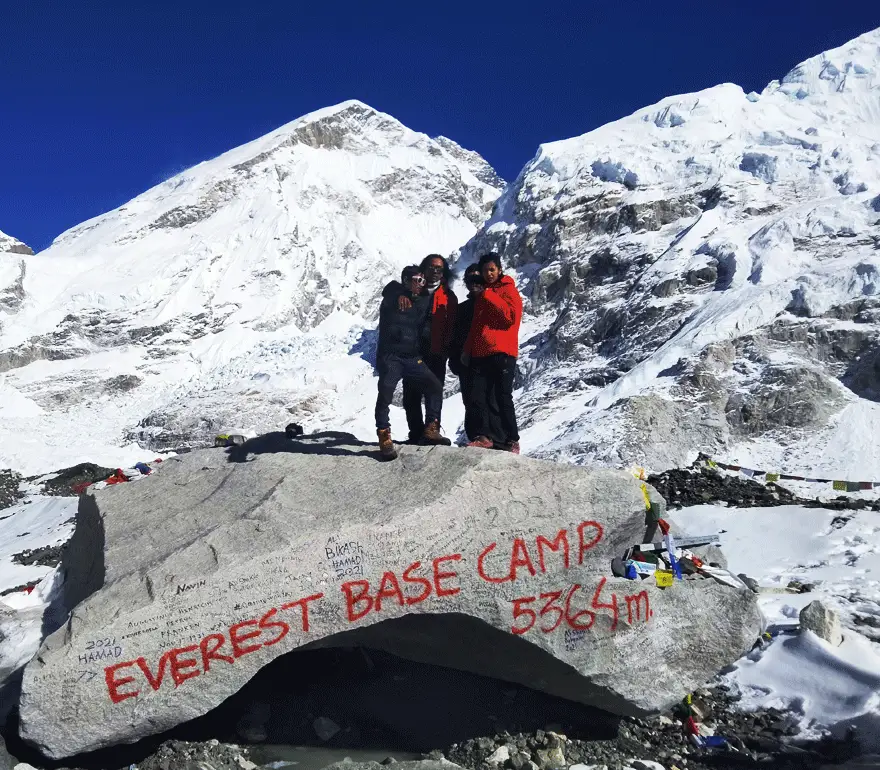
After days of trekking through breathtaking mountain landscapes, you’ll finally reach Everest Base Camp, situated at an elevation of 5,364 meters. From here, you’ll be able to stand at the foot of the world’s highest peak, marveling at the towering South Face of Everest. The sense of accomplishment that comes with completing this trek, especially via an alternative route, is immense.
On your return journey, you can either retrace your steps to Surke or opt to descend to Lukla and catch a flight back to Kathmandu. For those who prefer a round-trip overland journey, it’s possible to trek back down to Paiya and complete your adventure by road, avoiding the flight altogether.
Challenges of the EBC trek without a flight to Lukla
While the Everest Base Camp trek from Paiya offers many rewards, it’s important to be aware of the challenges. The road journey from Kathmandu to Lukla Surke can be long and tiring, and the trek itself involves significant elevation gain over several days. Proper acclimatization is key to avoiding altitude sickness. Trekkers need to be well-prepared with gear, including sturdy trekking boots, warm clothing, and a good sleeping bag for colder nights at higher elevations.
Since the route from Surke is less frequented by tourists, it’s advisable to hire a local guide who knows the terrain well. This will not only ensure your safety but also enhance your experience by providing insights into the local culture and history.
Conclusion of the EBC trek without a flight to Lukla
Trekking to Everest Base Camp without a flight to Lukla is a fantastic option for adventurers seeking fewer risks and a more immersive experience. Beginning the journey from Surke offers flexibility for the trek and avoids the unpredictable weather that often disrupts the flights to Lukla. Additionally, shorter treks in the lower Khumbu region, such as the Dudh Kunda trek, are also possible by taking a jeep to Phaplu and trekking to Dudh Kunda.
Everest Base Camp trek offers trekkers stunning scenery, cultural encounters, and a gradual ascent. Whether you choose to trek overland to Everest or return by road after reaching base camp, this journey promises an unforgettable adventure in the heart of the Himalayas. Trekkers with limited time frames can choose the Short Trek to Everest. Moreover, we have organized the shortest luxury Everest Base Camp trek with a helicopter return to Kathmandu. The EBC without flight is a bit challenging for a beginner.
Departure Note
All published departure dates listed below are 100% guaranteed to operate.
If the scheduled departure dates do not align with your travel plans, we would be pleased to arrange a private trek on your preferred dates at the same EBC Trek cost. Whether you are traveling solo, with family, friends, or as part of a group, we can customize the itinerary to suit your schedule, interests, and trekking experience.
Our team will be delighted to design a personalized itinerary and help you create an unforgettable trekking experience in Nepal.