Manaslu Annapurna Circuit Trek
The Manaslu Annapurna Circuit Trek is a remarkable 21-day Himalayan journey that combines the raw, untouched wilderness of the Manaslu region with the world-famous Annapurna Circuit. This extraordinary expedition takes you across two of Nepal’s most iconic trekking routes in a single continuous adventure.
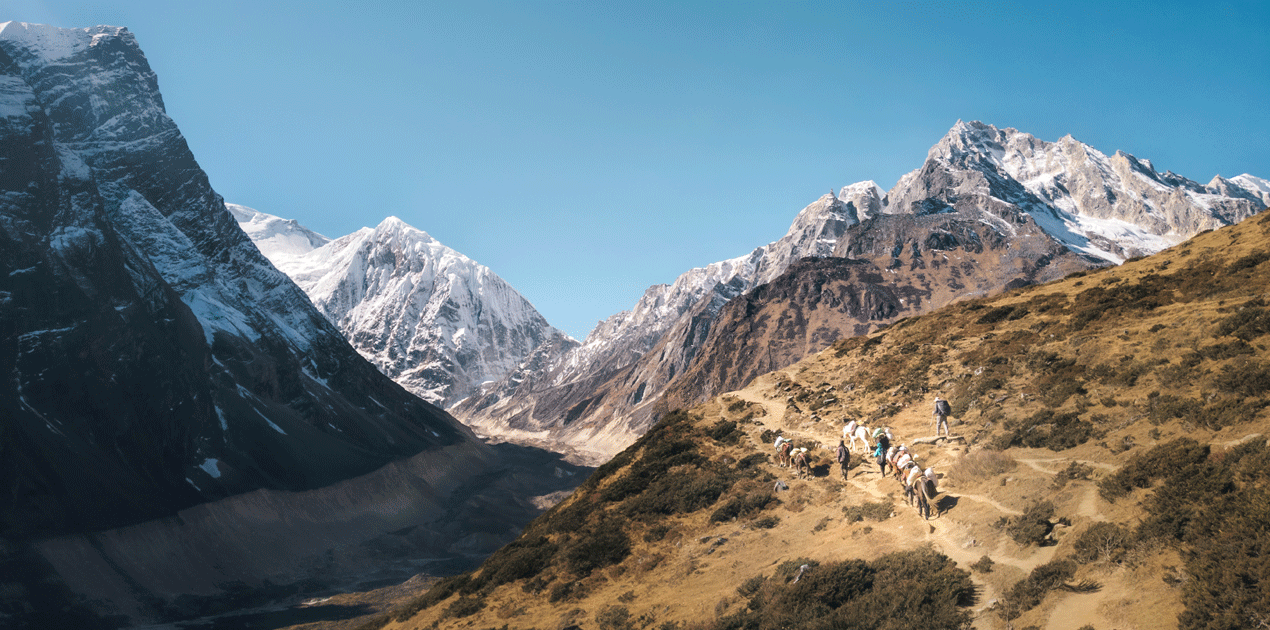
Trek through dramatic Himalayan landscapes, cross challenging high mountain passes, and explore remote traditional villages where ancient Tibetan-influenced cultures are still deeply preserved. From lush river valleys and dense forests to high alpine terrain and glacier-crossed passes, every day reveals a new and unforgettable scene.
This is more than just a trek; it is a true Himalayan expedition. A journey that blends natural beauty, cultural depth, and high-altitude adventure into one powerful experience. The Manaslu Annapurna Circuit Trek offers a rare opportunity to connect two legendary regions and experience the Himalayas in their most authentic and diverse form.
The Unique Landscape of Manaslu Annapurna Circuit Trek: A Tapestry of Natural Wonders
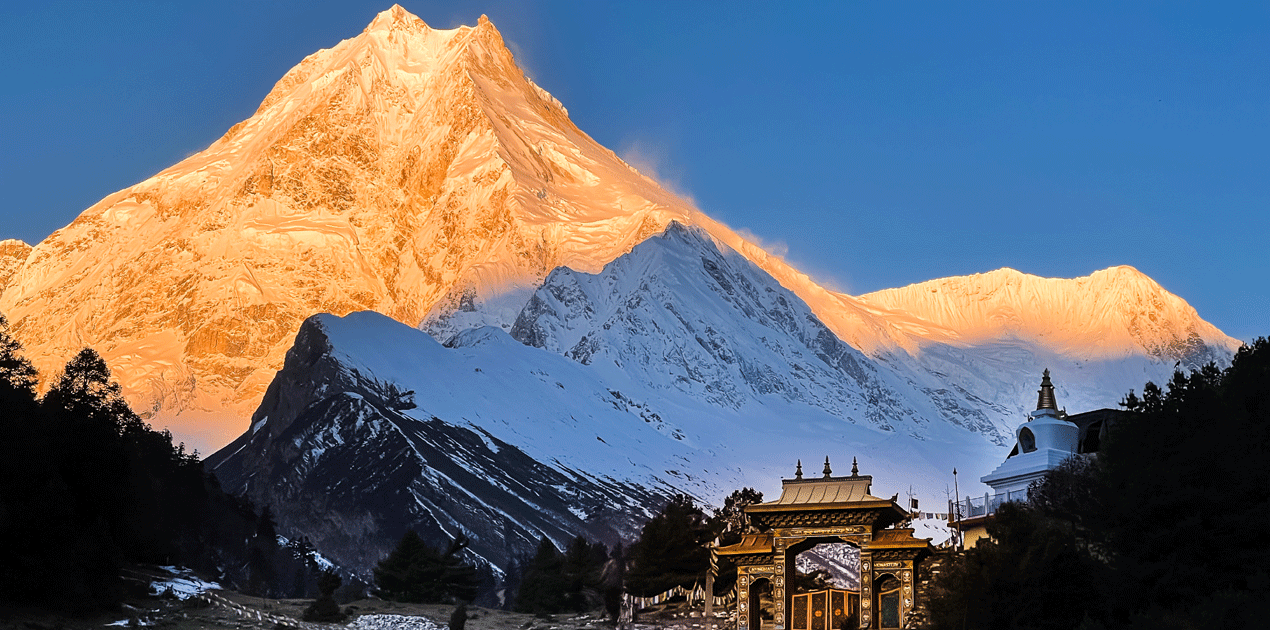
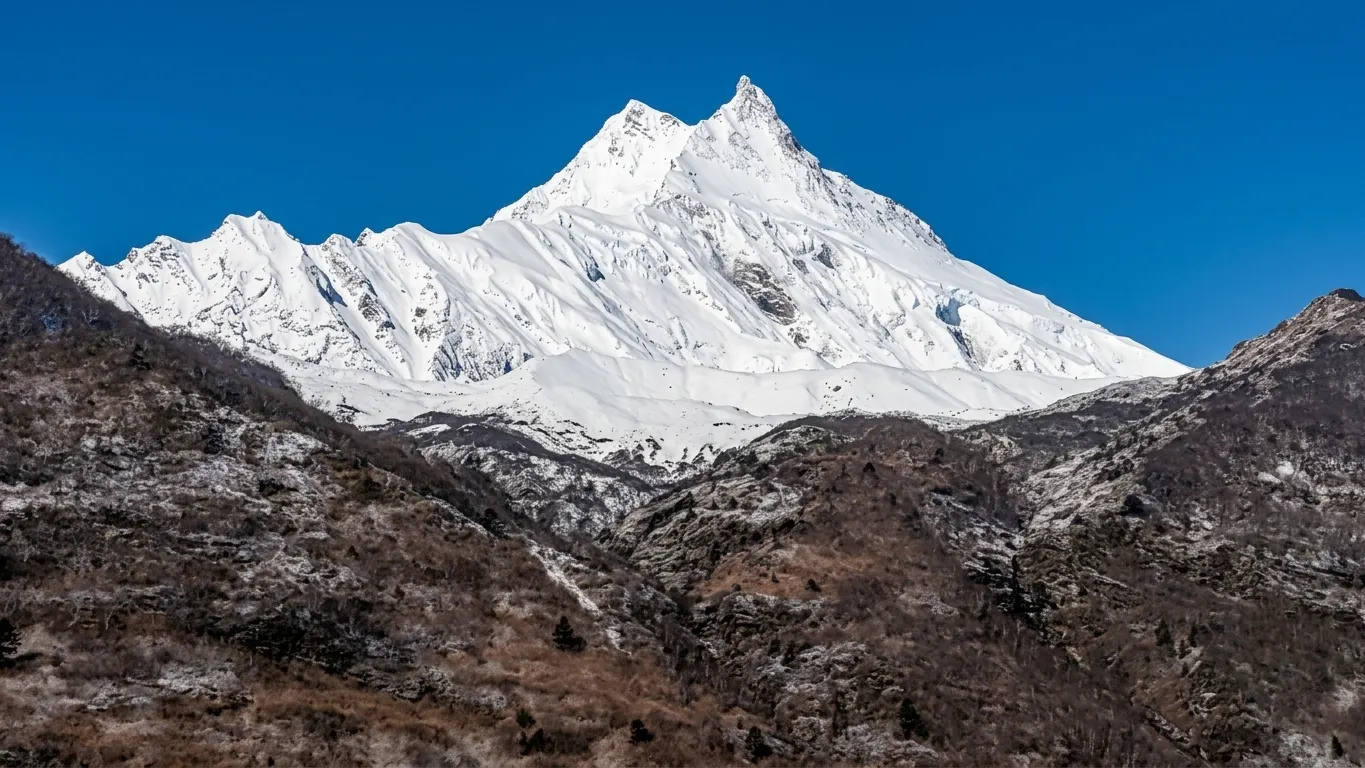
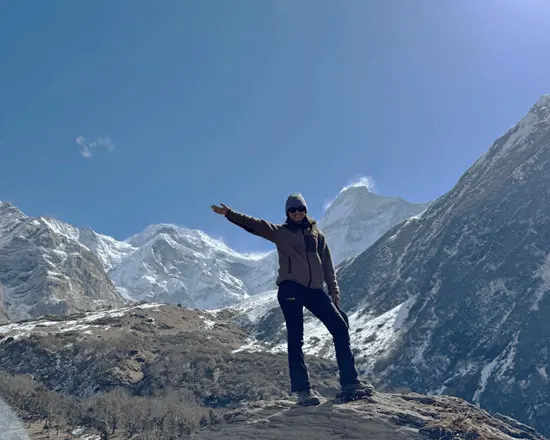
The Manaslu Annapurna Circuit Trek begins in the less-traveled Manaslu region, a pristine wilderness that offers a more raw and authentic trekking experience. Mount Manaslu, the eighth-highest peak in the world, stands at 8,163 meters. The Manaslu expedition begins from the Samagaun valley. The expeditions are held in both seasons. Unlike the more popular trekking routes, the Manaslu region remains relatively untouched, providing trekkers with a sense of true wilderness and isolation.
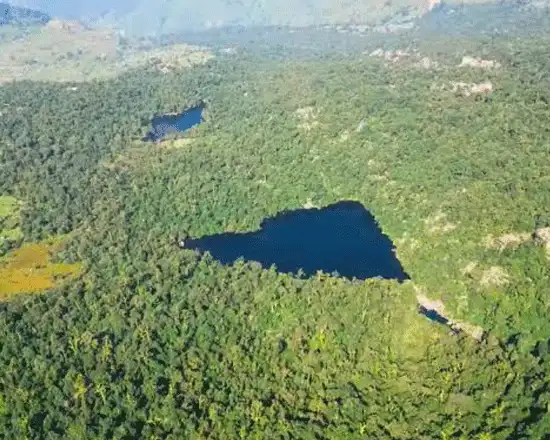
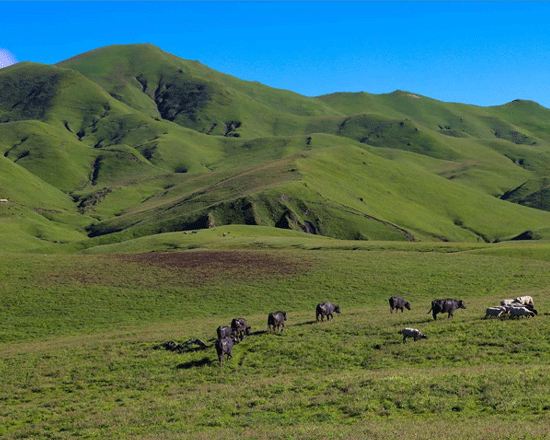
As you navigate this remarkable terrain, you’ll traverse diverse ecological zones. The journey begins from the lower Manaslu valley, with lush subtropical forests, gradually ascending through the temperate forests of rhododendrons and pine, before emerging into the stark, breathtaking alpine landscapes. The region is home to a variety of wildlife, including the elusive snow leopard, Himalayan tahr, and numerous bird species.
Annapurna Circuit Trek: A Classic Himalayan Route
The trek is connected with the legendary Annapurna Circuit, a route that has captured the imagination of trekkers worldwide. Here, you’ll encounter a dramatic landscape of the world’s deepest gorges, towering peaks, and the challenging Thorong La Pass at 5,416 meters. The Annapurna Circuit trek offers natural beauty and cultural richness, with panoramic views of Annapurna II, III, IV, Gangapurna, and Dhaulagiri. Moreover, the Manalsu Annapurna Circuit trek can be connected to the Annapurna Base Camp trek by the Poon Hill Ghorepani Trek. The trek is a popular destination for trekkers to capture the mountains in their lap.
Cultural Immersion: Beyond the Mountains
The Manaslu Circuit trek offers a cultural journey, as people from the region are more deeply rooted in their lifestyle, culture, and religion. You’ll pass through communities of diverse ethnic groups, each with unique traditions, languages, and ways of life. During the Manaslu Circuit Trek, you’ll encounter Tibetan-influenced communities, the Nubri and Tsum, known for their distinctive Buddhist practices and traditional lifestyle. The Annapurna region introduces you to Gurung, Thakali, and Magar communities, each offering warm hospitality and insights into their rich culture.
Traditional Mountain Villages of Manaslu Annapurna Circuit Trek
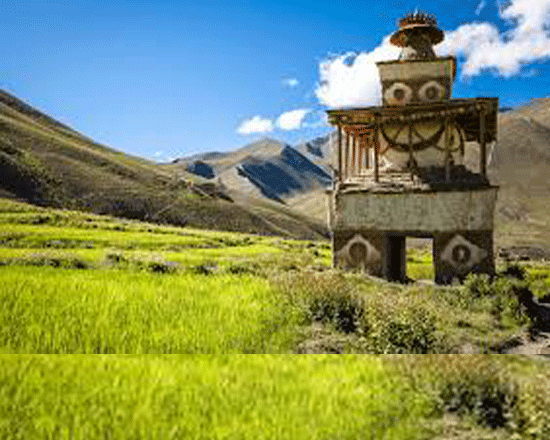
Trekking through villages like Samagaon, Samdo, Dharapani, Chame, and Manang, you’ll witness a way of life that has remained largely unchanged for centuries. Stone houses, Buddhist monasteries, prayer wheels, and terraced fields create a picturesque landscape.
Physical Challenge and Preparation
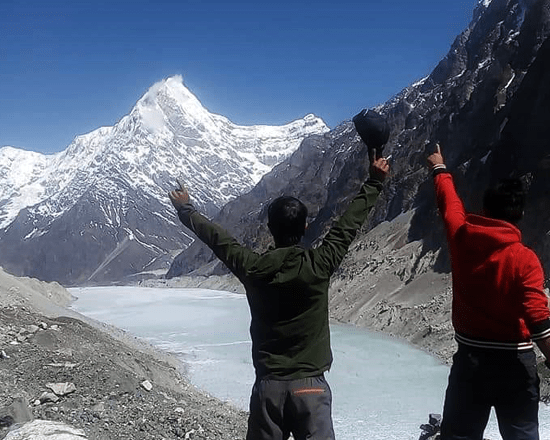
The Manaslu Circuit Trek combined with the Annapurna Circuit Trek creates one of the most demanding and rewarding trekking journeys in the Himalaya. This extended route takes trekkers through remote valleys, high mountain passes, and diverse landscapes, including the famous Larkya La Pass (5,160 m) and Thorong La Pass (5,416 m).
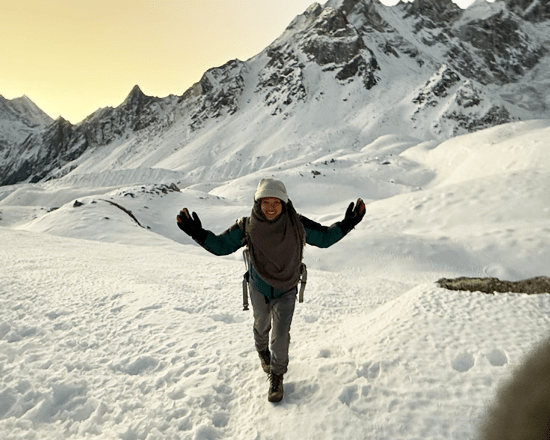
During the trek, hikers usually walk 6 to 8 hours per day, sometimes longer when crossing high passes or moving between remote villages. The trails include steep ascents, long descents, rocky, and sometimes snow-covered sections, especially near the passes. Therefore, prior trekking experience will help the body adapt prepare better for safety and confidence in challenging terrain.
Good physical preparation is not only about completing the trek, but it’s also about enjoying the experience fully.
Essential Tips for Manaslu Annapurna Circuit Trek
- Physical Training: Begin a comprehensive fitness program 3-6 months before the trek.
- Altitude Acclimatisation: Include rest days and gradual ascent.
- Technical Gear: High-quality trekking boots, layered clothing, and cold-weather equipment are crucial.
- Medical Preparation: Comprehensive health check-up and necessary vaccinations.
- Mental Preparation: Develop mental resilience and a positive attitude.
Seasons Overview
Nepal experiences four primary seasons:
- Spring (March-May): Pre-monsoon season.
- Summer/Monsoon (June–August): Wet season.
- Autumn (September–November): Post-monsoon season.
- Winter (December–February): Cold season.
Best Season for Manaslu Annapurna Circuit Trek
The spring and autumn seasons are widely regarded as the best time to trek to the Manaslu Annapurna Circuit Trek.
1. Spring (March to May)
- Spring is one of the most popular times for trekking in Nepal.
- The weather is mild, and the skies are generally clear in the mornings.
Pros
- Flora and Fauna: The trails cover blooming rhododendrons, magnolias, and orchids. The Manaslu Annapurna Circuit trek is an excellent time for nature lovers during this month.
- Stable Weather: Daytime temperatures are comfortable, ranging from 10°C to 20°C at lower altitudes and 0°C to -10°C at higher elevations.
- Views: Stunning visibility of mountains like Annapurna II, III, IV, Gangapurna, Dhaulagiri, and Manaslu.
Challenges:
- Higher foot traffic and Occasional pre-monsoon haze in the lower valley.
2. Autumn (September to November)
- Considered the best time for trekking in Nepal due to ideal weather conditions and crystal-clear skies.
Pros:
- Clear Skies: The monsoon rains clear away dust and pollution, offering exceptional visibility of the mountains and landscapes.
- Stable Weather: Warm days and cool nights, with daytime temperatures ranging from 10°C to 18°C in lower areas and -5°C to -15°C at higher altitudes. Season of the Hindu festival Dashain and Tihar.
Challenges:
- Moderate crowd levels, though still quieter compared to other treks.
3. Winter (December to February)
- Winter is the off-season for the Manaslu Annapurna Circuit Trek due to cold temperatures and heavy snowfall at higher altitudes.
Pros:
- Solitude: Fewer trekkers on the trail, providing a more peaceful experience.
- Crisp Views: Cold weather ensures incredibly sharp visibility on clear days.
Challenges:
- Cold Temperatures: Can drop below -20°C at higher elevations.
- Snowfall: Heavy snow may block trails and passes, especially near Thorong Pass, Larke La Pass, and the base camp. Limited tea houses on the way.
Permits and Logistics
– Manaslu Conservation Area Permit.
– Annapurna Conservation Area Permit.
– Special Restricted Area Permit for Manaslu.
– TIMS (Trekkers’ Information Management Systems) Card.
Recommended Support
While experienced trekkers might consider an independent trek, we strongly recommend:
– Experienced local guide
– Porter support
– Organised trekking package for safety and logistical ease
Environmental Consciousness
– Follow “Leave No Trace” principles.
– Minimise plastic waste.
– Respect local cultural and environmental sensitivities.
– Support local economies through responsible tourism.
Unique Highlights of the Trek
- Crossing Thorong La Pass: A challenging yet rewarding high-altitude mountain pass.
- Diverse Ecosystems: From subtropical forests to alpine deserts.
- Cultural Encounters: Immersion in Tibetan Buddhist and traditional mountain cultures.
- Stunning Mountain Panoramas: Uninterrupted views of some of the world’s highest peaks.
Conclusion: More Than Just a Trek
The Manaslu Annapurna Circuit Trek is a life-changing journey that goes far beyond a simple walking expedition. It’s an opportunity to challenge your physical limits, connect with ancient cultures, and witness some of the most spectacular landscapes on our planet. Every step is a story, every view a masterpiece, and every moment an opportunity for personal transformation.
Ready for the Ultimate Himalayan Adventure?
The Manaslu Circuit Trek offers an unforgettable journey through remote villages, ancient monasteries, and breathtaking mountain landscapes. Crossing the spectacular Larke La Pass (5,106m) rewards trekkers with stunning Himalayan panoramas and a true sense of achievement.
Are you ready to embark on the ultimate Himalayan adventure?
Note: Always trek with a certified guide, respect local cultures, and prioritise your safety while helping preserve these magnificent mountain environments for future generations. More info about the Manaslu region.
Departure Note
All published departure dates listed below are 100% guaranteed to operate.
If the scheduled departure dates do not align with your travel plans, we would be pleased to arrange a private trek on your preferred dates at the same cost. Whether you are traveling solo, with family, friends, or as part of a group, we can customize the itinerary to suit your schedule, interests, and trekking experience.
Our team will be delighted to design a personalized itinerary and help you create an unforgettable trekking experience in Nepal.