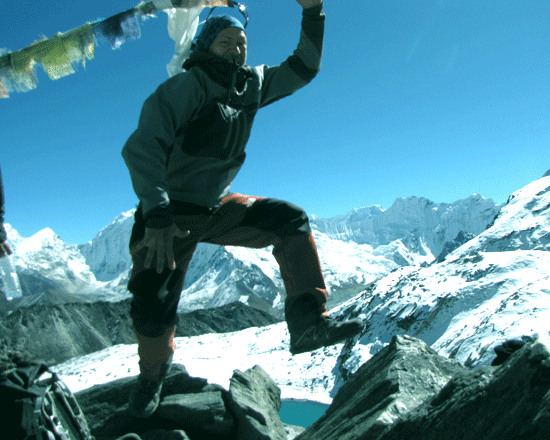
Chulu West Peak Climbing (6,419m)
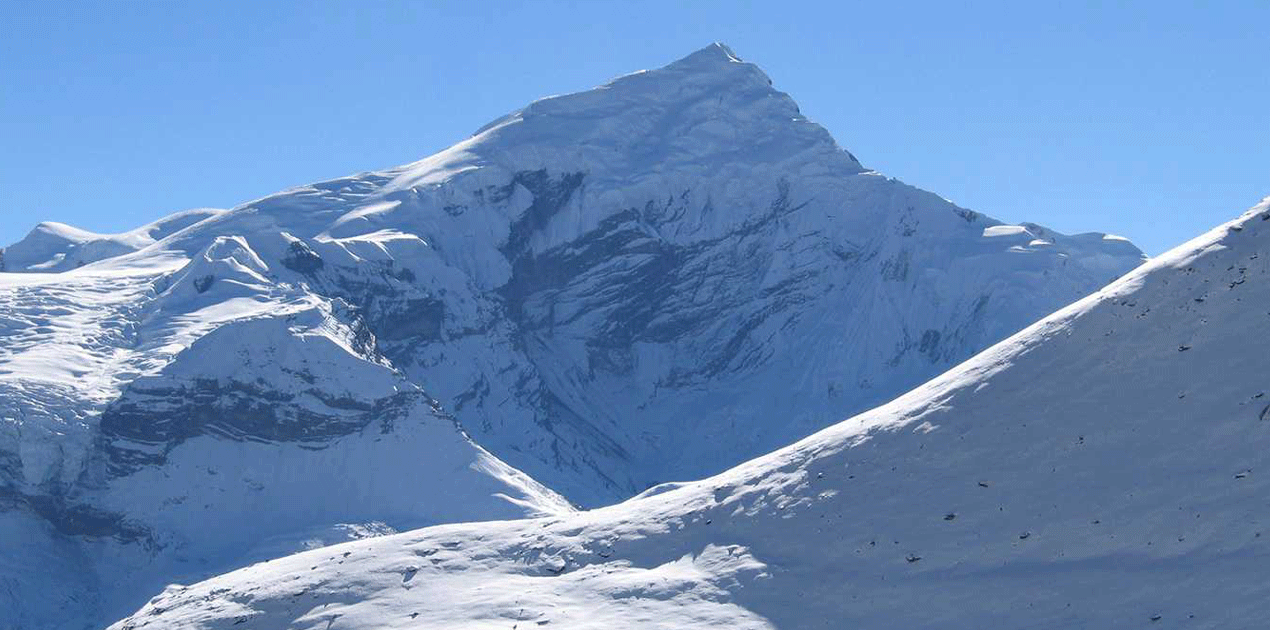
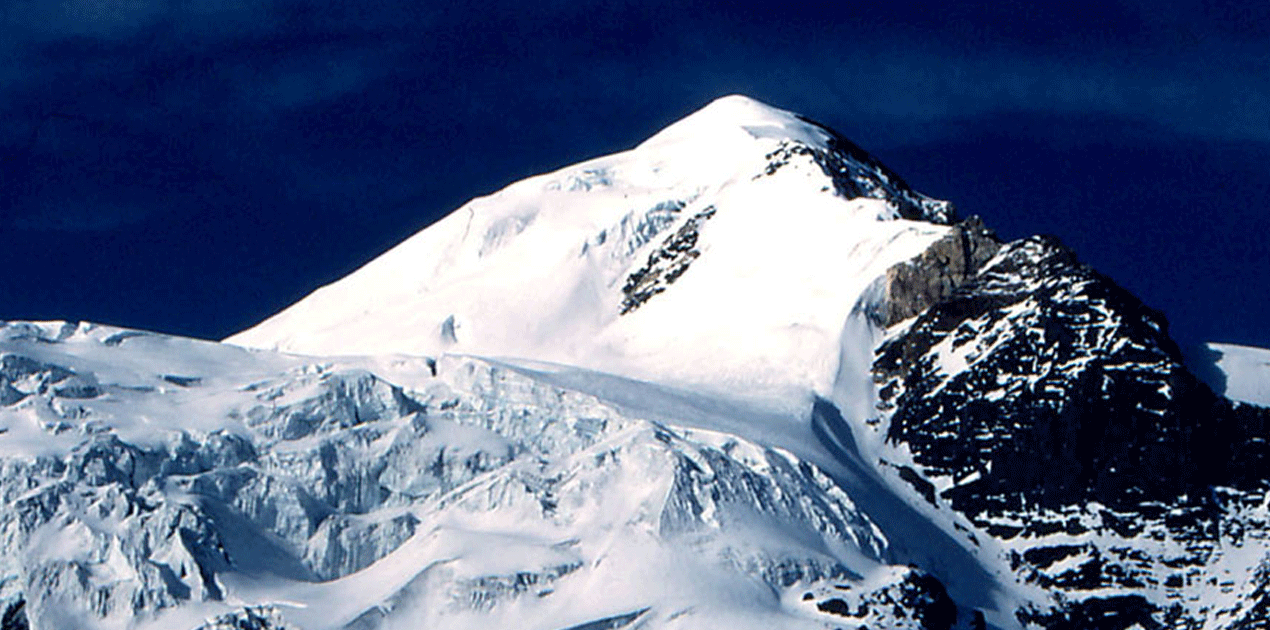
Chulu West Peak Climbing is one of the most rewarding trekking peak adventures in Nepal’s Annapurna region. Rising to an impressive altitude of 6,419 meters (21,059 feet), Chulu West offers a perfect combination of high-altitude trekking, technical mountaineering, and spectacular Himalayan scenery. Located north of Manang along the famous Annapurna Circuit, this peak is ideal for adventurous trekkers seeking their first Himalayan climbing experience.
The journey combines breathtaking mountain landscapes, traditional Himalayan villages, and a challenging summit ascent. From the top of Chulu West Peak, climbers are rewarded with unforgettable views of some of Nepal’s highest mountains, making it one of the most sought-after climbing peaks in the Annapurna region.
Spectacular Himalayan Views
One of the greatest rewards of Chulu West Peak Climbing is the panoramic Himalayan scenery. From high camp and the summit, climbers enjoy magnificent views of Annapurna II (7,937m), Annapurna III (7,555m), Annapurna IV (7,525m), Gangapurna (7,455m), Tilicho Peak (7,134m), Pisang Peak (6,091m), and the mighty Dhaulagiri range on clear days.
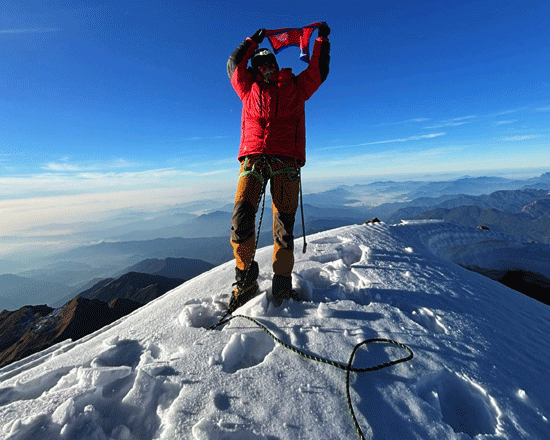
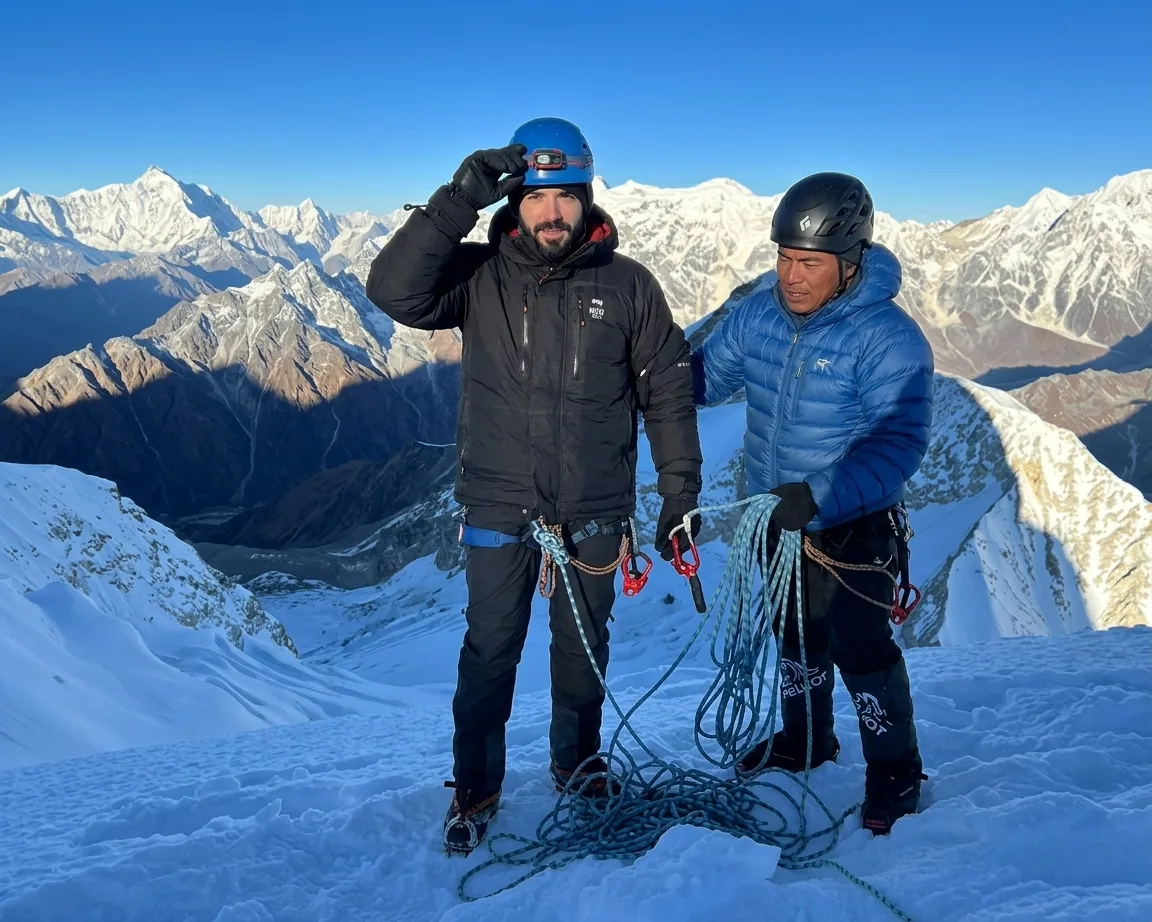
The summit provides a breathtaking 360-degree panorama of snow-covered peaks, glaciers, and rugged mountain landscapes stretching across the Annapurna Conservation Area.
Trek Through the Famous Annapurna Circuit
The approach to Chulu West follows part of the legendary Annapurna Circuit Trek. The adventure begins with a scenic drive from Kathmandu to Besisahar before trekking through picturesque villages, forests, and alpine valleys.
The trail passes through popular settlements such as Chame, Pisang, and Manang, allowing climbers to experience the diverse landscapes and cultures that make the Annapurna Circuit one of the world’s most famous trekking routes.
Cultural Experience in the Manang Region
The journey to Chulu West Peak is more than just a climbing expedition. Along the route, trekkers encounter traditional Gurung, Manangi, and Thakali communities, ancient monasteries, colorful prayer flags, and centuries-old Buddhist traditions.
Manang is particularly rich in Tibetan-influenced culture, offering visitors a unique opportunity to experience mountain lifestyles, local hospitality, and spiritual heritage in the heart of the Himalayas.
Training Provided by Climbing Guide
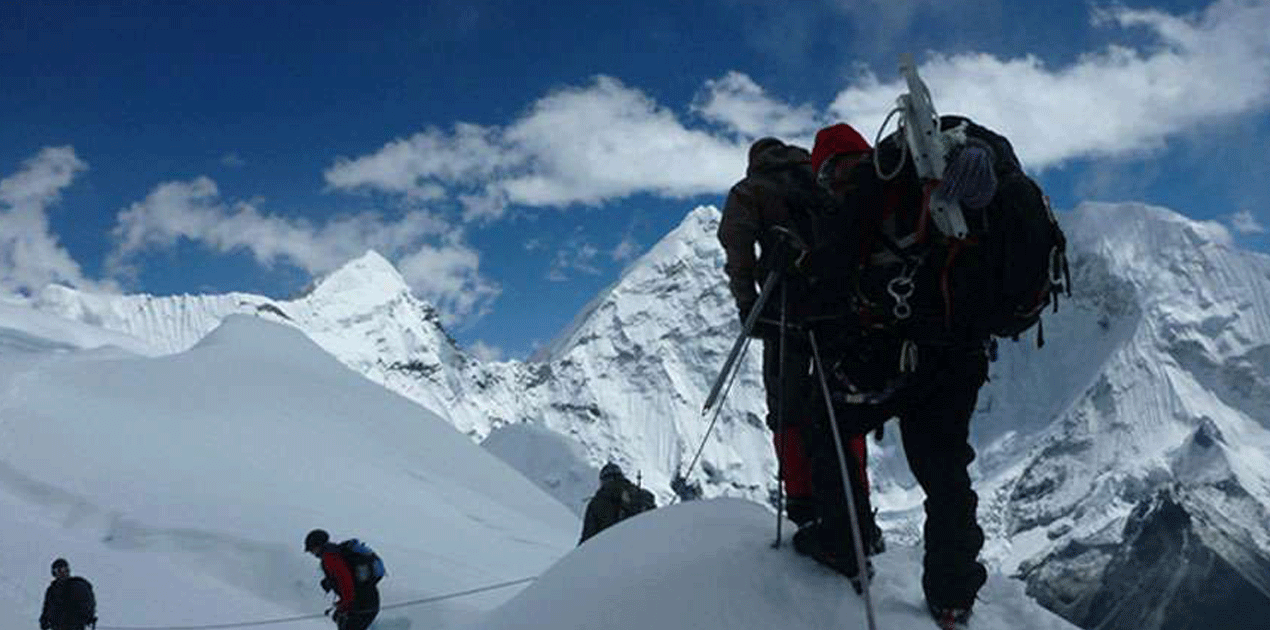
Before the summit attempt, your climbing guide will provide basic mountaineering training at base camp or high camp. This is especially helpful for beginners. Training usually includes:
- How to use crampons and walk on snow/ice
- Proper use of an ice axe for balance and safety
- Rope techniques and basic climbing skills
- How to use a harness, carabiners, and safety gear
- Basic rescue techniques and glacier travel awareness
This hands-on training builds confidence and prepares you for the technical sections of the climb.
Acclimatization and Route Selection
As climbers progress towards Chulu West Base Camp at approximately 4,900 meters (16,076 feet), they traverse challenging terrain including rocky paths and moraine fields. The itinerary strategically builds acclimatization days to minimize the risk of altitude sickness and optimize physical readiness for the climbing peak. These stops also allow for cultural immersion, interacting with local communities such as the Gurung and Thakali people, who inhabit the region and offer insights into their traditional way of life.
Technical Challenges and Climbing Strategy
Ascending Chulu West Peak requires a blend of technical climbing skills and physical endurance. The route to the summit involves navigating steep ice and snow slopes, often involving the use of crampons, ice axes, and ropes for safety. Weather conditions can vary dramatically, from clear skies offering breathtaking views of neighboring peaks like Annapurna II and III to sudden snowstorms that require climbers to exercise caution and adapt their strategy accordingly.
Summit Day Experience
The culmination of the climb begins with an alpine start before dawn, as climbers embark on the final push towards the summit ridge. The ascent is demanding yet rewarding, with each step bringing closer to the spectacular panorama of the Himalayan range unfolding beneath. Upon reaching the summit of Chulu West Peak, climbers experience a sense of accomplishment and behold awe-inspiring views stretching across the vast expanse of the Annapurna Conservation Area.
Safety and Considerations
Safety is paramount throughout the Chulu West Peak climbing expedition. Hiring an experienced guide familiar with the terrain and weather patterns is essential, as is carrying adequate supplies of food, water, and emergency equipment. Maintaining communication with base camps and adhering to established protocols for high-altitude mountaineering ensures a secure and successful journey.
Cultural and Environmental Impact
Climbing Chulu West Peak is not only a physical challenge but also an opportunity to engage responsibly with the local environment and culture. The Annapurna Conservation Area, a UNESCO World Heritage site, is home to diverse flora and fauna, including rare species like the Himalayan tahr and blue sheep. Respecting the natural surroundings and cultural traditions of the indigenous communities contributes to the sustainability of tourism in the region.
Climbing Peaks in the Annapurna Circuit
The Annapurna Circuit offers trekkers the opportunity to explore various peaks, including Chulu West, Chulu Far East, and Pisang Peak. These climbing peaks add an adventurous dimension to the trek, providing climbers with challenging yet rewarding experiences. Chulu Far East, known for its technical climb, offers stunning panoramic views, while Pisang Peak is popular for its relatively straightforward ascent, making it ideal for novice climbers. These peaks, situated in the heart of the Annapurna region, enhance the trekking experience with their unique landscapes and thrilling climbing routes, making the Annapurna Circuit a premier destination for trekking and mountaineering enthusiasts.
Climbing Equipment for Chulu Peak
Chulu West Peak’s height is 6,419 meters and Climbing Chulu West Peak requires proper mountaineering equipment to ensure a safe and successful climb. Here is a list of essential equipment that climbers will need:
Mountaineering boots: Sturdy and warm boots with good ankle support are essential for the climb.
Crampons: Crampons are metal spikes that attach to the bottom of boots to provide traction on snow and ice.
Ice Axe: An ice axe is used for balance, support, and self-arrest in the event of a fall.
Climbing Harness: A harness is used to attach the climber to a rope, providing safety and support on steep terrain.
Climbing helmet: A helmet protects the head from falling rocks and ice.
Rope: Climbing rope is essential for safety and support on steep terrain.
Carabiners: Carabiners are used to attach equipment to the harness and rope.
Ascenders and Descenders: Ascenders are used to climb up the rope, while descenders are used to rappel down.
Mountaineering clothing: Warm and waterproof clothing, including base layers, mid-layers, and outer layers, are essential for the climb.
Backpack: A backpack is needed to carry all the equipment and supplies required for the climb.
Sunglasses and Sunscreen: The high altitude can increase the risk of sunburn and snow blindness, so it is essential to protect the eyes and skin from the sun.
Climbers should ensure that all equipment is in good condition and properly fitted before beginning the climb.
Chulu West peak itinerary is subject to change depending on weather conditions, group size, and individual fitness levels. Please consult your guide or a Nepal wilderness trekking mountaineering agency for a customized itinerary that fits your specific needs and preferences.
Cost of Climbing Chulu West
The cost of climbing Chulu West Peak can vary depending on several factors such as the season, the services included in the package (like guides, porters, equipment, permits), and the chosen route. Additionally, on average, the price is influenced by the local agency organizing the expedition. For example, Nepal Wilderness Trekking lists a range of $3000 to $3,500 per person for a fully guided expedition, which varies based on group size. Specifically, this fee covers permits, accommodation, meals, and other logistical support.
Conclusion
Chulu West Peak climbing epitomizes the spirit of adventure and exploration in the Himalayas. From the initial planning stages to the exhilaration of standing atop the summit, every aspect of the journey leaves an indelible mark on those who undertake it. Whether you’re a seasoned mountaineer seeking a new challenge or an avid trekker drawn to Nepal’s majestic landscapes, Chulu West Peak offers an unmatched experience. This adventure transcends mere physical achievement; it fosters personal growth and cultural immersion.
In conclusion, climbing Chulu West Peak is not just about conquering a mountain. Rather, it’s about forging a deep connection with nature, embracing challenges with determination, and discovering the profound beauty of the Himalayas.
Note
If you’re looking for a more technical and higher-altitude climb, Pachermo Peak Climbing is the more challenging option. However, if you prefer a slightly easier and less crowded experience, Ramdung Peak climbing might be a better choice. Additionally, all peaks require a good level of fitness, basic mountaineering skills, and proper acclimatization to ensure a safe and enjoyable climb. Moreover, once this journey is successful one can also hold a more challenging expedition like the Manaslu expedition or Daulagiri expedition to lead or preserve the priceless journey for a lifetime.
Departure Note
All published departure dates listed below are 100% guaranteed to operate.
If the scheduled departure dates do not align with your travel plans, we would be pleased to arrange a private trek on your preferred dates at the same cost. Whether you are traveling solo, with family, friends, or as part of a group, we can customize the itinerary to suit your schedule, interests, and trekking experience.
Our team will be delighted to design a personalized itinerary and help you create an unforgettable trekking experience in Nepal.