Badimalika Trek: Discover Nepal’s Sacred Himalayan Wilderness
The Badimalika Trek is one of Nepal’s most captivating and sacred Himalayan journeys, nestled deep within the untouched landscapes of Far West Nepal. Celebrated for its pristine alpine meadows, sweeping mountain panoramas, and powerful spiritual aura, this trek takes adventurers far beyond the popular tourist routes into the heart of cultural and natural authenticity.
What makes the Badimalika trail truly unique is its ability to combine a remote, off-grid trekking experience with deep-rooted spiritual significance. The crown jewel of this trail is the Badimalika Temple, perched on a high ridge at 4,200 meters above sea level, surrounded by dramatic landscapes and the whispered legends of deities and ancient myths. For anyone seeking off-the-beaten-path treks in Nepal, few routes rival the profound and scenic rewards offered by the Badimalika route.
A Sacred Destination: The Legend of Badimalika Temple
At the heart of the Badimalika Trek lies the revered Badimalika Temple, a significant pilgrimage site for Hindus across Nepal and India. According to ancient mythology, the site marks the location where the body parts of Goddess Sati fell after her tragic demise, as Lord Shiva wandered the Himalayas in grief. Today, this mountaintop shrine stands as a beacon of divine energy and devotion, attracting thousands of pilgrims each year, especially during the Janai Purnima festival in August.
The Badimalika Temple Trek isn’t just about reaching a high-altitude sanctuary; it’s a spiritual journey that allows trekkers to connect with centuries-old rituals, sacred legends, and the powerful silence of the high Himalayas. Whether you’re religious or simply drawn to meaningful landscapes, the aura surrounding Badimalika Temple leaves a lasting impression on all who visit.
Untouched Landscapes and Remote Beauty
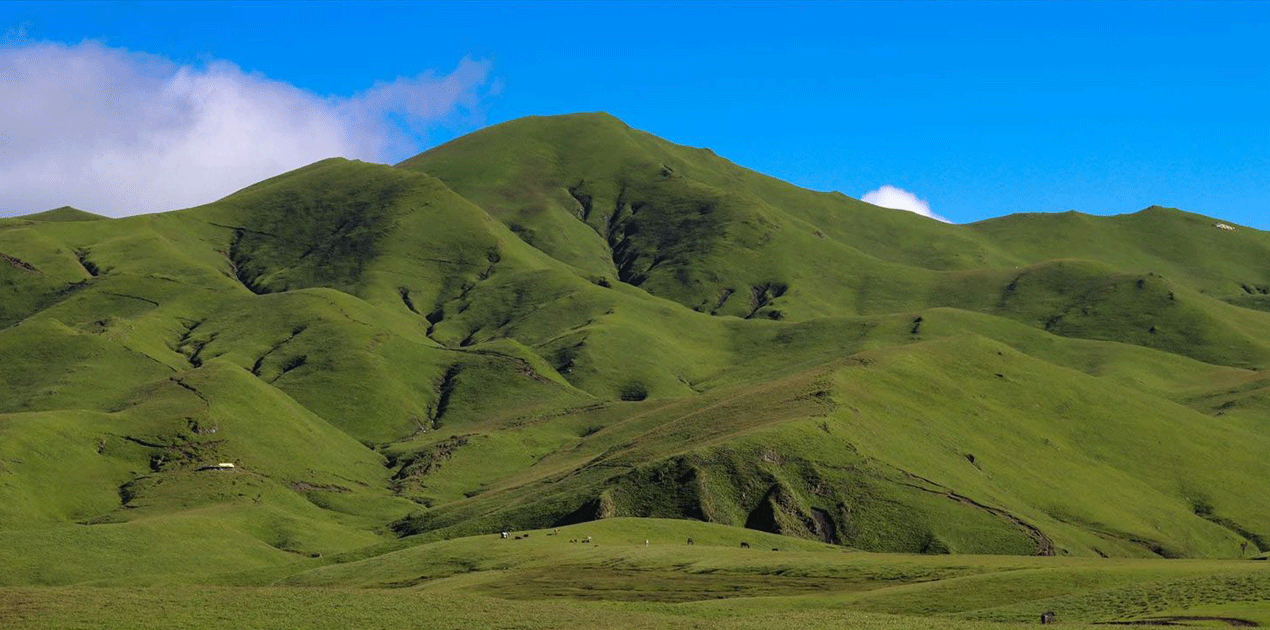
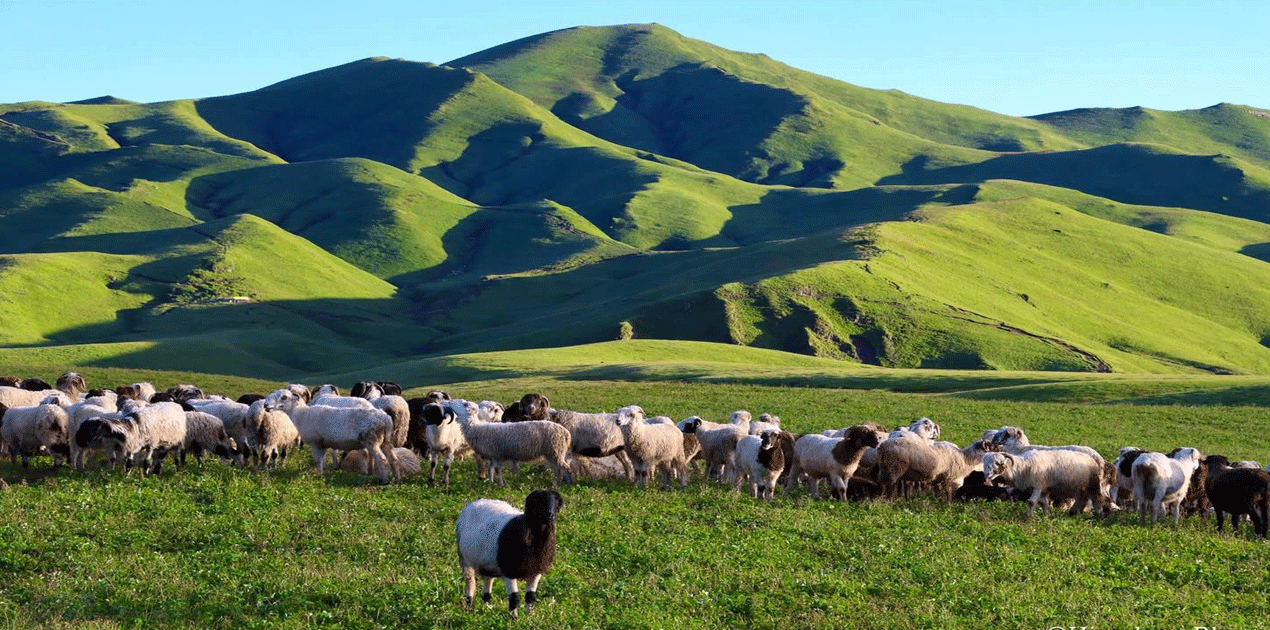
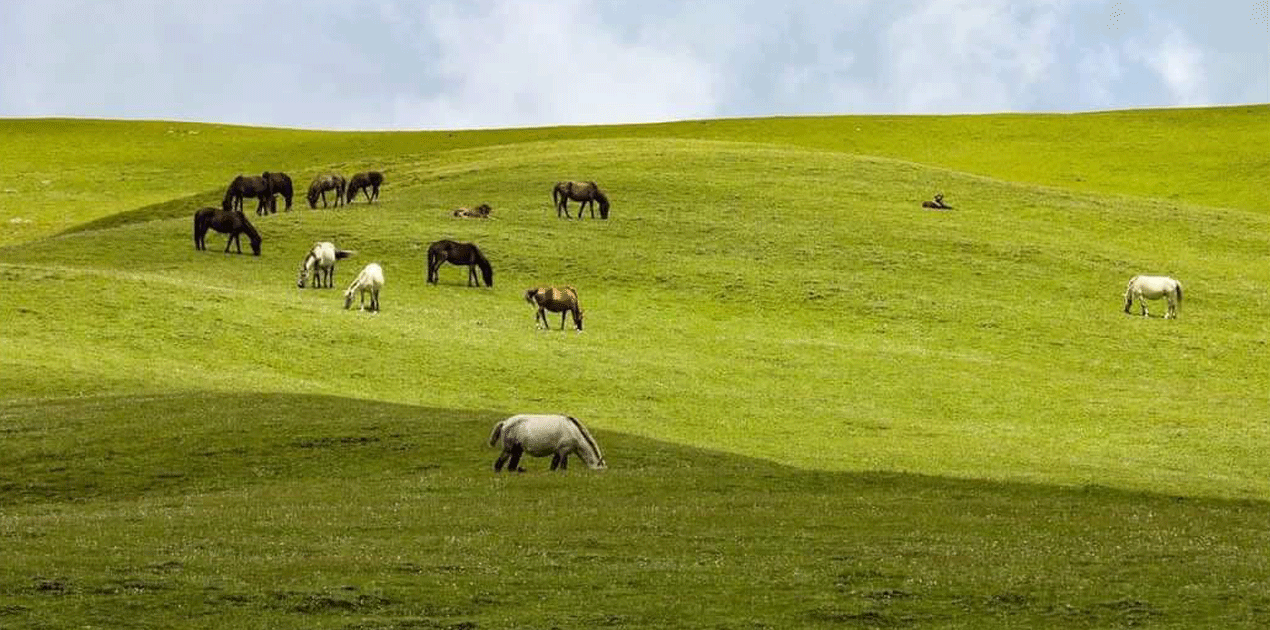
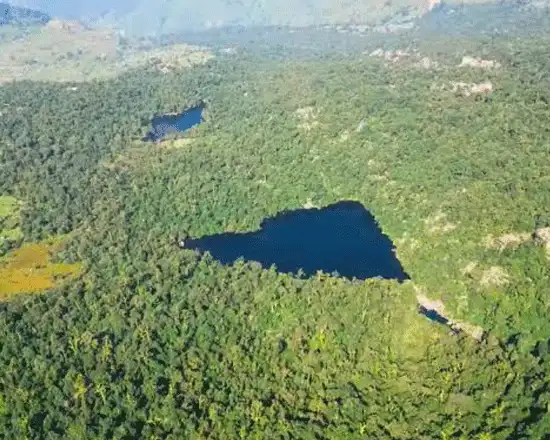
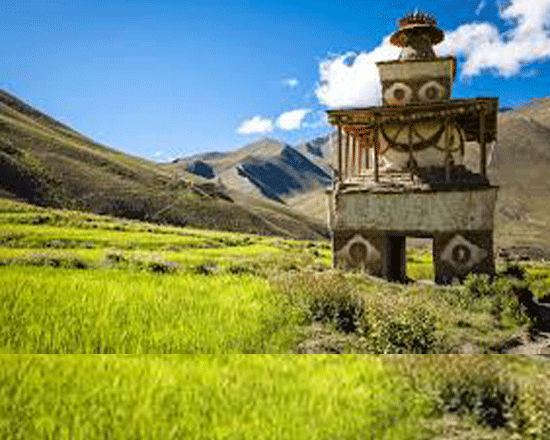
The Badimalika Trek is a true wilderness experience. Far from the popular Everest and Annapurna circuits, this trail immerses trekkers in the raw beauty of Western Nepal. Rolling green hills give way to alpine forests, expansive ridgelines, and panoramic views of peaks like Api and Saipal. The trail passes through remote hamlets, untouched highland pastures, and high-altitude ridges where nature still reigns supreme.
This is remote trekking in Nepal at its finest. Few human-made distractions, no traffic of commercial trekkers, and limited infrastructure mean that the journey is authentic, immersive, and serene. For many, the Badimalika Trail is a return to the essence of Himalayan exploration. Walking in silence, connecting with nature, and encountering people who live far from modern convenience yet close to cultural depth.
Rich Culture of the Far West
The Badimalika Trek isn’t only about majestic views; it also offers a window into the deeply rooted traditions of Nepal’s Bajura District. Locals, mostly of Brahmin, Chhetri, Thakuri, and Dalit heritage, preserve ancient customs, rituals, and folklore. Their hospitality is genuine and often humbling. Staying in traditional villages, even briefly, allows trekkers to observe traditional lifestyles, agricultural practices, and unique dialects of the Far West Nepal trekking route.
Festivals, particularly around the Badimalika Temple, are celebrated with great devotion. Pilgrims clad in colorful traditional attire gather during special events, adding spiritual energy and vibrant color to the otherwise tranquil landscapes. For those interested in culture and nature treks in Nepal, this trail offers one of the most authentic cultural encounters in the country.
Perfect for the Spiritual Trekker
The Badimalika Trek is perfect for travelers wishing to go beyond the commercial trekking scene. The Badimalika Trek ranks among Nepal’s most highly recommended hidden trekking routes, offering both adventure and rewarding experiences. Trekkers hike through high-altitude landscapes, manage basic camping conditions, and cross remote, untouched terrain. Those who embrace the challenge gain breathtaking Himalayan scenery, spiritual serenity, and a deep sense of discovery that few other trekking routes can match.
For spiritual seekers, the Badimalika pilgrimage trek offers a rare chance to walk a path that has been sacred for centuries. For adventurers, it offers rugged ascents, mountain solitude, and panoramic vistas rarely seen by outsiders. As one of the best remote treks in Nepal, it allows you to step completely off the grid, away from Wi-Fi signals, crowded trails, and noisy cities, and into a world shaped by sky, stone, wind, and devotion.
Monsoon Magic and Floral Splendor
The Badimalika trail stands out as a rare monsoon trekking route in Nepal. While most Himalayan trails become difficult during the rainy season, this region bursts into life with lush greenery and blooming wildflowers, turning the landscape into a vibrant paradise. Verdant meadows bloom with colorful alpine flora, and waterfalls tumble from cliff faces into misty gorges.
Trekkers venturing to Badimalika Temple during the monsoon months will also experience the vibrant Janai Purnima festival, when devotees from all over the country ascend to offer prayers and participate in age-old rituals. If you’re looking for a unique, lush-season adventure, this is one of the few trails where the monsoon adds beauty rather than obstacles.
Geographic and Ecological Diversity
The Badimalika Trek covers a variety of ecological zones, from subtropical forests and terraced farmland to high alpine pastures and windswept ridgelines. The biodiversity is stunning, especially within the boundaries of Khaptad National Park, which lies nearby and shares similar ecological richness.
Bird watchers, photographers, and nature lovers will find joy in spotting Himalayan monals, musk deer, and even snow leopards in the higher elevations. The Badimalika Trail offers an ideal blend of ecology and exploration, making it a top pick for anyone seeking a culture and nature trek in Nepal.
The Badimalika pilgrimage Trek and the Api Himal Trek are both located in the far-western region of Nepal, offering remote and culturally rich trekking experiences. However, they lie in different districts—Badimalika in Bajura and Api Himal in Darchula. The Badimalika Trek is a spiritual journey to a sacred hilltop temple, surrounded by lush alpine meadows and panoramic mountain views. In contrast, the Api Himal Trek is a more rugged adventure that leads to the base of Api Himal, one of the highest and least-explored peaks in western Nepal. Both treks are off-the-beaten-path and ideal for trekkers seeking solitude and natural beauty.
A True Off-the-Beaten Adventure
The Badimalika Trek is relatively undiscovered by international travelers. Few trekking companies feature it in their standard offerings, which means those who do make the journey are often pioneers on the path. The sense of solitude is immense, and every bend of the trail feels like a personal discovery.
This trek is also a journey through Nepal’s spiritual geography. Beyond the Badimalika Temple, the trail passes through other sacred sites like the Triveni Temple in Bajura, where three holy rivers meet, adding another layer of sanctity to the landscape.
The Bajura Badimalika Trek encapsulates everything that makes trekking in Far West Nepal so special: isolation, authenticity, challenge, and reward.
Challenges and Preparation
The Badimalika Trek challenges even seasoned trekkers. Its remote location offers minimal infrastructure, requiring you to camp, hike long distances daily, face unpredictable weather, and disconnect from the outside world. Yet, this very isolation gives the journey its raw and authentic appeal.
The trail climbs high and stretches long, so trekkers need strong fitness and prior experience. Hire an experienced guide or book with a trekking company that knows the Bajura route. The trail offers few signs and limited support.
Preserving the Purity of the Trail
Sustainable travel matters on the Badimalika Trek. The region remains fragile, both environmentally and culturally. Trekkers must reduce plastic waste, respect local customs, and support the economy. Hire local guides, buy local food, and stay in community-run shelters when possible.
Promote the trail as part of Western Nepal’s trekking network. This brings income to underdeveloped districts while preserving traditions and ecosystems.
Conclusion: Why Badimalika Trek Is a Must-Do
The Badimalika Trek is more than a walk through the mountains; it is a spiritual, cultural, and personal pilgrimage through one of Nepal’s most enigmatic regions. With its profound connection to Hindu mythology, dramatic landscapes, genuine hospitality, and meditative solitude, this trail promises an unforgettable Himalayan experience.
Whether you’re drawn by the divine presence of the Badimalika Temple, the desire for remote trekking in Nepal, or the call of off-the-beaten-path treks in Nepal, this trek stands as one of the most authentic and rewarding journeys in the country.
For those who seek a deeper connection with the land, its people, and their inner landscape, the Badimalika Trek is a sacred path worth walking.
Some of the short and scenic treks with a pilgrimage site visit are:
Muktinath temple
Shey Festival
Departure Note
All published departure dates listed below are 100% guaranteed to operate.
If the scheduled departure dates do not align with your travel plans, we would be pleased to arrange a private trek on your preferred dates at the same cost. Whether you are traveling solo, with family, friends, or as part of a group, we can customize the itinerary to suit your schedule, interests, and trekking experience.
Our team will be delighted to design a personalized itinerary and help you create an unforgettable trekking experience in Nepal.
Explore More Treks in Far Western Nepal
After visiting the sacred Badimalika Temple, continue your adventure on the Ramaroshan Lakes Trek, where you’ll explore peaceful alpine lakes, rolling grasslands, and untouched natural landscapes. If you’re looking for a longer and more adventurous journey, the Api Himal Trek offers an unforgettable trekking experience through remote valleys, traditional villages, and breathtaking views of Api Himal (7,132m).