Ice Lake Trek (Kicho Tal Trek) – A Stunning High-Altitude Day Hike in the Annapurna Region
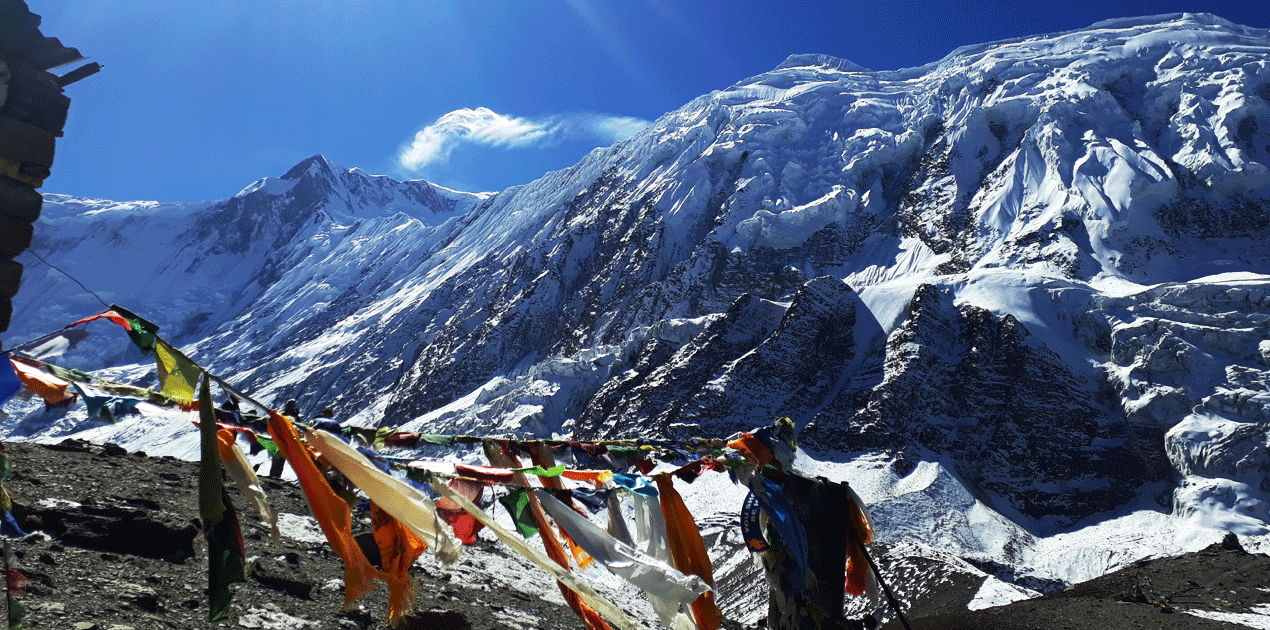
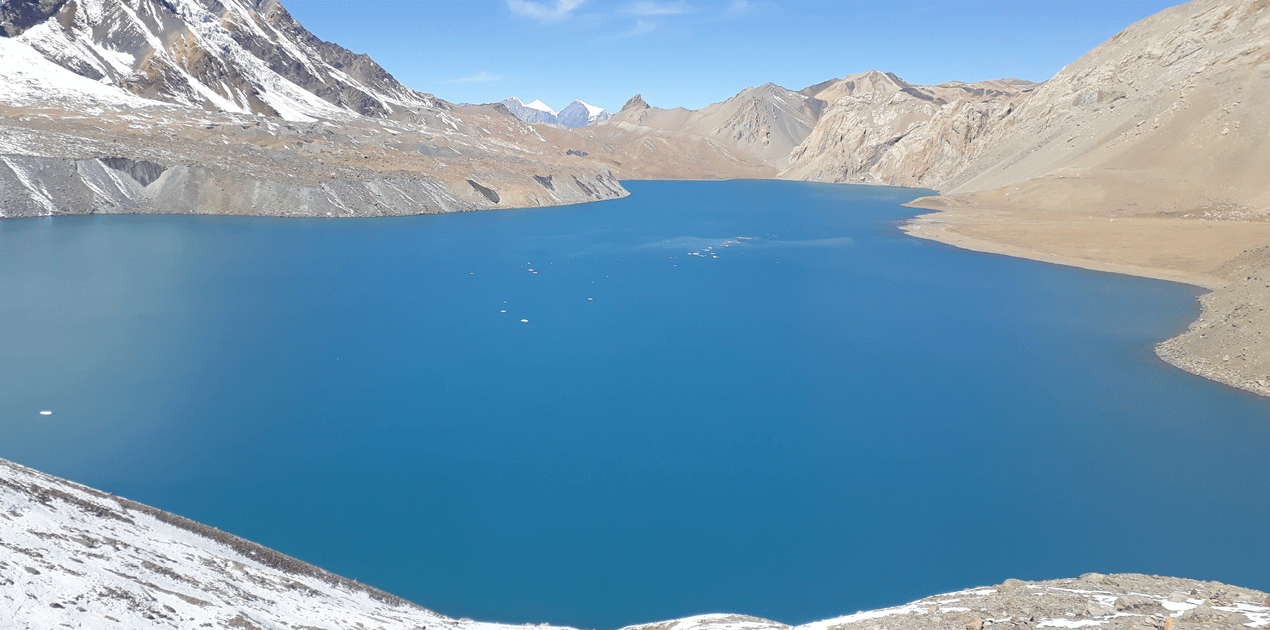
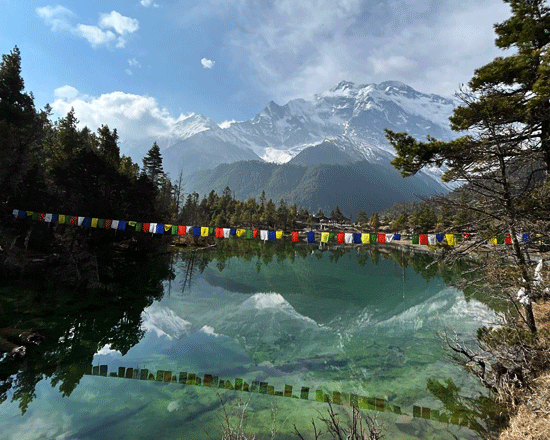
The Ice Lake Trek is one of the most rewarding and least crowded trekking experiences in the Annapurna region of Nepal. Known locally as Kicho Tal, Ice Lake sits high above the Manang Valley with breathtaking panoramic views of the Annapurna range. Perched at 4,620 meters above Manang Valley, Ice Lake offers panoramic views of the Annapurna II, Annapurna III, Gangapurna, and Chulu peaks. This trek is ideal for adventure seekers who want a challenging high-altitude hike, peaceful alpine landscapes, and excellent acclimatisation for higher passes such as Thorong La.
Unlike other longer Annapurna Circuit side hikes, Ice Lake can be done as a day hike from Manang or as a short extension to the main circuit, making it perfect for trekkers with limited time but high reward expectations.
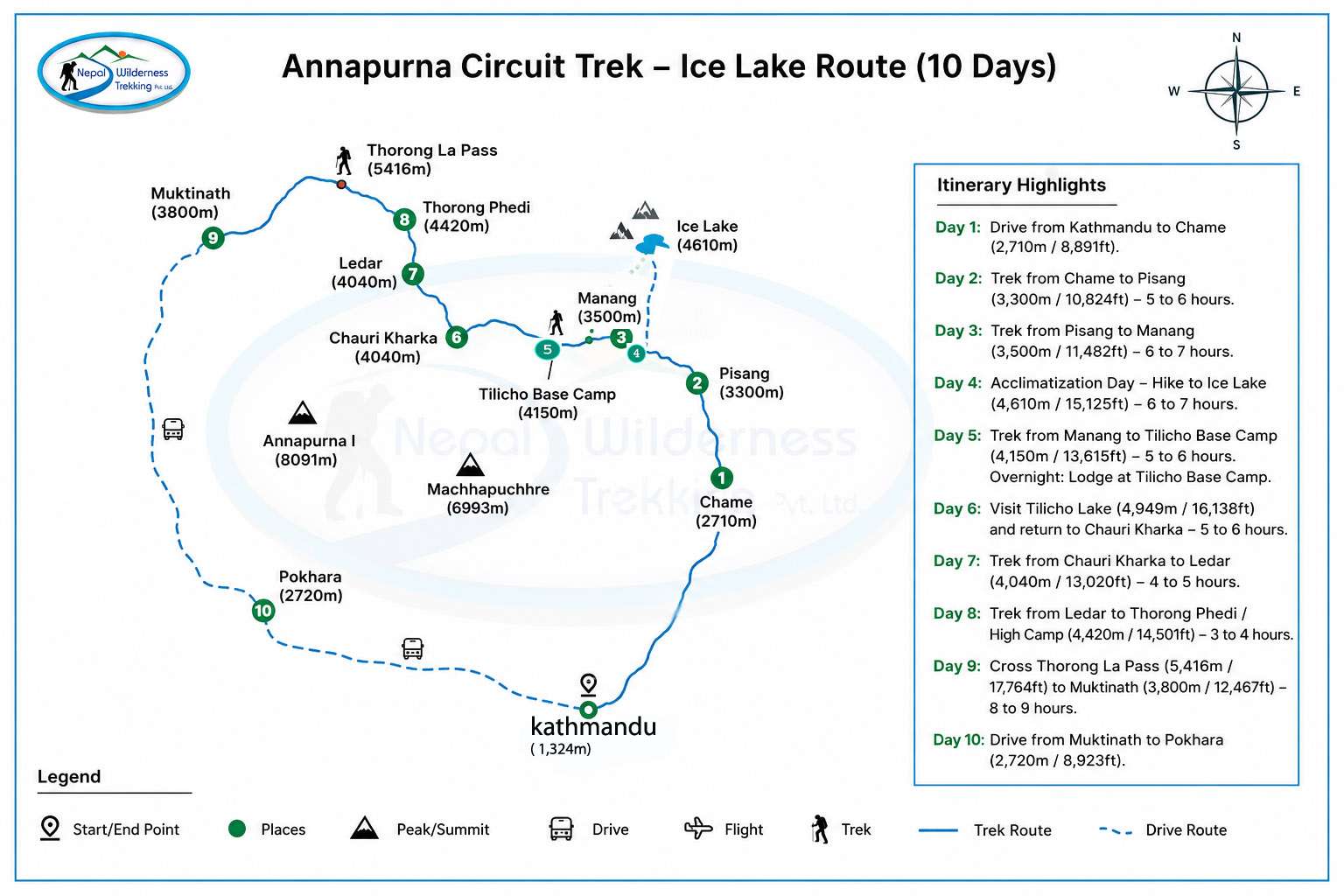
Unlike longer teahouse routes, the Ice Lake Trek is often completed as a side hike or short extension of the Annapurna Circuit, making it perfect for trekkers who want maximum reward in a limited timeframe. Whether you approach it as a standalone trek or as part of the Ice Lake Annapurna Circuit Trek, this journey delivers unforgettable mountain experiences.
Ice Lake Trek Highlights
Trekking to the Ice Lake requires proper planning. Here are the practical details trekkers need:
- Duration: Typically 6–8 hours round trip from Manang for the day hike; can be part of a 12–14-day Annapurna Circuit extension.
- Difficulty Level: Moderate to challenging; suitable for trekkers with prior hiking experience.
- Maximum Altitude: 4,620 meters (Ice Lake / Kicho Tal).
- Distance: Approx. 12–14 km round trip from Manang.
Trekking Experience on the Ice Lake Trek
The Ice Lake Trek (Kicho Tal) offers a truly high-altitude Himalayan adventure, combining challenging terrain, serene landscapes, and cultural immersion. Understanding the trekking experience helps you prepare physically, mentally, and logistically for this rewarding journey.
- The trail is steep, rocky, and in places exposed, requiring careful footing and stamina.
- Sections may include loose gravel, narrow ridges, and occasional snow patches at higher altitudes.
- While the route is well-marked, trekkers should have previous hiking experience and a moderate fitness level.
- Trekking poles are highly recommended to aid balance and reduce fatigue.
- Paths can vary from wide stone-paved tracks near Manang to narrow, rocky ridges near Ice Lake.
- Some areas are exposed to winds and sun, so layered clothing and sun protection are essential.
- Minimal foot traffic makes this trek feel remote and untouched, giving a strong sense of adventure and solitude.
- Small seasonal streams may cross the trail, particularly in spring during snowmelt, adding to the trekking challenge.
- Road to Manang can be rough; transport times may vary.
Ice Lake Trek Difficulty Level
Because of the rapid ascent, the Ice Lake acclimatisation hike is often used by trekkers preparing for higher passes such as Thorong La.
- Difficulty Grade: Moderate to Challenging.
- Best for: Fit trekkers with some prior hiking experience.
- Not recommended for: Beginners without altitude experience.
- Starting Elevation: Approximately 3,540 m (11,614 ft) at Braga (Braka).
- Maximum Elevation: 4,600 m (15,092 ft) at Ice Lake (Kicho Tal).
- Elevation Gain: Approximately 1,060 m (3,478 ft).
- Walking Distance: Around 12–14 km (7.5–8.7 miles) round trip.
- Hiking Time: 6–8 hours round trip.
Because of the rapid ascent of more than 1,000 meters in a single day, the Ice Lake acclimatization hike is commonly undertaken by trekkers preparing for higher elevations, particularly before crossing the Thorong La Pass (5,416 m) on the Annapurna Circuit Trek. Although the trail is well-defined, the steep climb, high altitude, and thinner air make the hike physically demanding. Walking at a steady pace, staying well hydrated, and taking regular breaks are essential for a safe and enjoyable experience.
Ice Lake Manang Day Hike
The Ice Lake hike from Manang typically starts early in the morning. The trail begins gently but soon becomes steep and demanding.
Typical Hiking Details
- Duration: 6–8 hours round trip
- Elevation gain: ~1,100 meters
- Trail type: Steep, rocky, and exposed in places
Trekkers should move slowly, take regular breaks, and stay well-hydrated. The reward at the top is spectacular—sweeping views of the Annapurna massif and the serene beauty of Ice Lake itself.
For many trekkers on the Annapurna Circuit, the Ice Lake Manang day hike is a true highlight of the journey. It is most commonly undertaken as an acclimatisation or rest-day hike while staying in Manang, helping trekkers adjust to the altitude while enjoying spectacular mountain scenery.
On this rest day, some trekkers choose alternative short hikes such as a visit to Milarepa Cave, an important spiritual site, or a walk to Gangapurna Lake, known for its stunning turquoise waters and views of Annapurna III and Gangapurna. Among these options, however, the Ice Lake hike stands out for its challenging ascent and rewarding panoramic views.
Ice Lake Annapurna Trekking Route
The Ice Lake Annapurna trekking route follows a clear but steep trail above Manang Valley.
- Manang Village
- Alpine pastures and yak grazing areas
- High ridges with panoramic mountain views
- Ice Lake (Kicho Tal)
The route is well-known locally but less commercialised, preserving its raw and natural charm.
Ice Lake Annapurna Circuit Trek
The Ice Lake Annapurna Circuit Trek variation is highly recommended for trekkers who want to enhance their Annapurna Circuit experience.
- Better acclimatisation before Thorong La Pass
- Unique scenery, different from the main circuit trail
- Sense of achievement reaching over 4,600m
Many experienced guides recommend Ice Lake over Tilicho Lake for trekkers focused on altitude preparation rather than distance.
Ice Lake vs Gangapurna Lake – Which Is Better?
Trekkers often compare Ice Lake vs Gangapurna Lake when choosing an acclimatisation hike in Manang.
Gangapurna Lake
- Lower altitude (approx. 3,900m)
- Easier and shorter hike
- More popular and crowded
Ice Lake
- Much higher altitude
- More challenging and rewarding
- Better for acclimatisation
- Far fewer trekkers
For serious trekkers and adventure seekers, the Ice Lake Trek is the superior choice.
Ice Lake Trek: Best Season for Trekking
Choosing the right time is crucial for a safe and enjoyable trek.
-
Clear mornings are ideal for hiking and capturing mountain views. Trekkers are advised to start early to avoid afternoon clouds, especially in the monsoon season.
-
Spring (March–May): Alpine flowers bloom, and skies are generally clear, creating perfect trekking conditions.
-
Autumn (September–November): Stable weather and crisp air allow for unobstructed mountain vistas.
Winter (December–February)
- Extremely cold
- Ice Lake is fully frozen
- Requires winter trekking experience
Monsoon (June–August)
- Slippery trails
- Cloudy views
- Less recommended
Accommodation and Facilities
Accommodation during the trek to Ice Lake in Nepal is based in Manang village.
- Comfortable teahouses and lodges
- Hot meals, Wi-Fi (limited), charging facilities
- No accommodation at Ice Lake itself
The hike is done as a day trip, returning to Manang the same day.
Food and Meals on the Ice Lake Trek
Trekkers can enjoy a variety of meals in Manang, including:
- Dal bhat
- Pasta and noodles
- Tibetan bread
- Soups and hot drinks
High-energy meals are recommended before attempting the Ice Lake hike from Manang.
Packing List for Ice Lake Trek
Essential items for the trekking equipment list include:
- Warm down jacket
- Thermal layers
- Trekking boots
- Trekking poles
- Sunglasses and sunscreen
- Water bottles and purification tablets
Because of the Ice Lake altitude, proper layering is crucial even in warmer seasons.
How to Avoid Altitude Sickness?
-
Acclimatise properly in Manang. Trekkers spend at least one night in Manang before attempting the hike to allow the body to adjust to the altitude.
-
Ascend slowly and maintain a steady pace. The trail climbs more than 1,000 meters from Manang, so walking slowly helps your body adapt.
-
Stay well hydrated. Drink plenty of water (3–4 liters per day) while trekking at high altitude.
-
Avoid alcohol and smoking. These can worsen dehydration and increase the risk of altitude-related problems.
-
Eat light but regular meals. High-energy foods help maintain strength during the climb.
-
Listen to your body. If symptoms worsen, it is important to stop ascending and descend to a lower altitude immediately.
Why Book the Ice Lake Trek with a Local Operator?
Booking your Ice Lake Hike with a licensed local trekking company ensures:
- Experienced local guides
- Safety and altitude management
- Flexible itineraries
- Direct support to local communities
Local expertise makes a big difference on high-altitude treks like Ice Lake.
Ice Lake Trek Package
Our Nepal Trek package is designed for safety, comfort, and unforgettable mountain experiences.
Package Includes
- Licensed trekking guide
- Accommodation in Manang
- Meals during the trek
- Trekking permits
- First-aid and safety support
Optional Add-ons
- Porter service
- Annapurna Circuit extension
- Thorong La Pass crossing
Final Thoughts: Is the Ice Lake Trek Worth It?
Absolutely. The Ice Lake Trek is one of Nepal’s most underrated yet spectacular high-altitude hikes. With far fewer crowds, breathtaking alpine scenery, and strong acclimatisation benefits, it makes an excellent addition to any Annapurna region adventure.
Whether you tackle it as an Ice Lake Manang day hike or include it as part of a longer Ice Lake Annapurna Circuit Thorong La pass Trek, even adding the Tilicho Lake trek, this journey rewards you with raw Himalayan beauty and unforgettable mountain views.
For trekkers seeking a challenging, scenic, and authentic experience away from the busy trails, the Ice Lake hike truly deserves a top spot on your Nepal trekking list.
Note: Nepal Visa Information Center
Additionally, we have prepared a comprehensive guide on Nepal visa information to make the arrival process easier for travelers. The information explains everything you need to know about obtaining a visa on arrival at Tribhuvan International Airport.
It includes clear details about the visa application procedure, the documents required, current visa fees, and step-by-step instructions for completing the visa form and payment after you arrive. The information is designed to help travelers save time at the airport and ensure a smooth entry process when arriving in Nepal.
Departure Note
All published departure dates listed below are 100% guaranteed to operate for Ice Lake Trek.
If the scheduled departure dates do not align with your trekking plans, we would be pleased to organize a private trek on your preferred dates at the same cost. Whether you are traveling solo, with family, friends, or as part of a group, we can customize the itinerary to suit your schedule, interests, and trekking experience.
Our team will be delighted to design a personalized itinerary and help you create an unforgettable trekking experience in Nepal.