Paldor Peak Base Camp Trek: A Journey into Nepal’s Untouched Wilderness
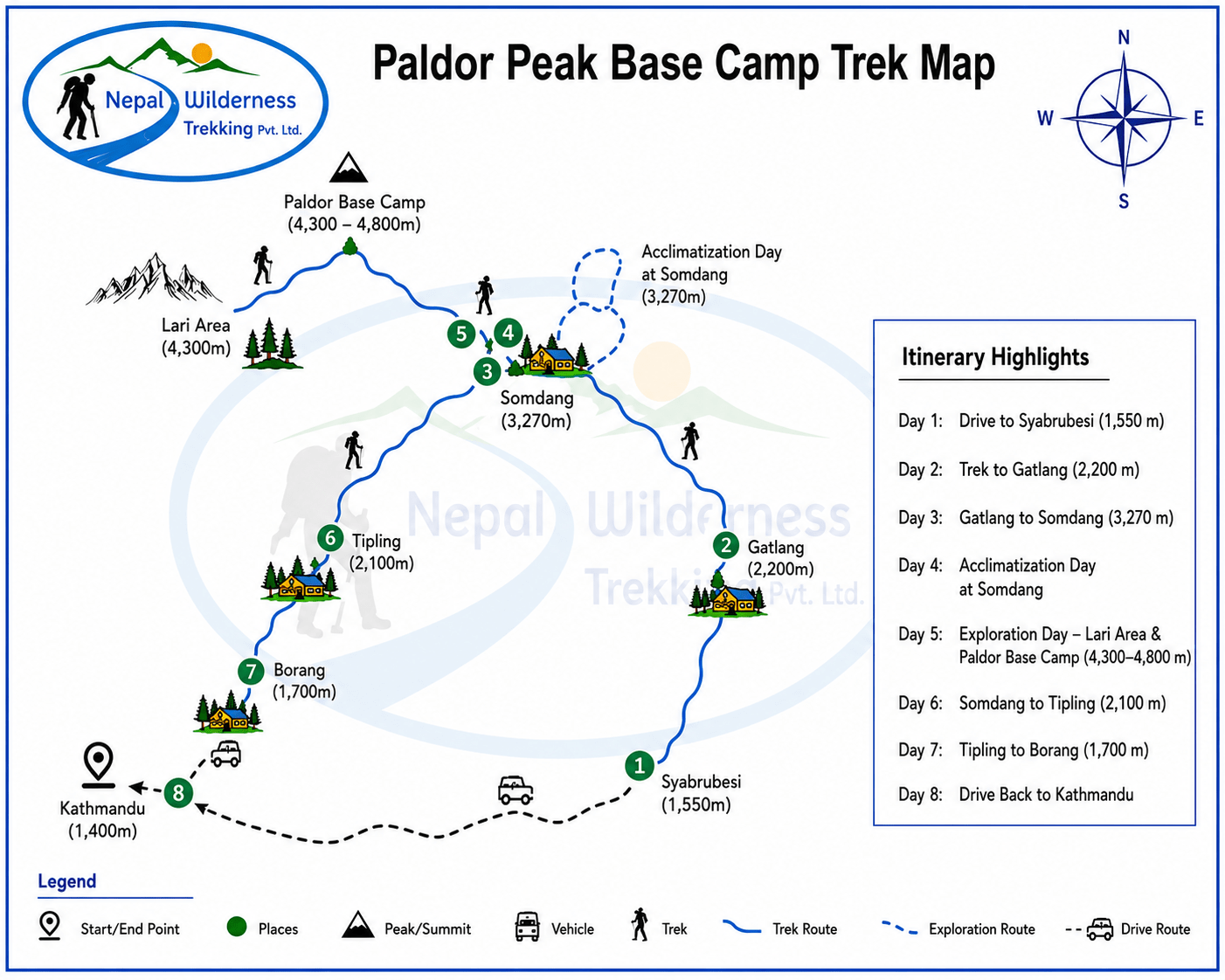
The Paldor Peak Base Camp Trek is a remote Himalayan adventure in the Ganesh Himal region, northwest of Kathmandu. This trek leads into the wild, less-explored Ruby Valley, offering scenic views of glaciers, high ridges, traditional villages, and the impressive Paldor Peak (5,896 m).
Unlike commercial trekking routes, this journey is quiet, culturally rich, and deeply connected to nature. It is ideal for trekkers seeking authenticity, wilderness, and mountain solitude.
The trek begins with a drive from Kathmandu into rural hill regions, followed by walking trails that pass through forests, rivers, and Tamang villages. As altitude increases, the landscape changes into alpine meadows and glacial terrain leading toward Paldor Base Camp.
This route lies between the Langtang Valley and Manaslu regions, making it a natural corridor of biodiversity and culture.
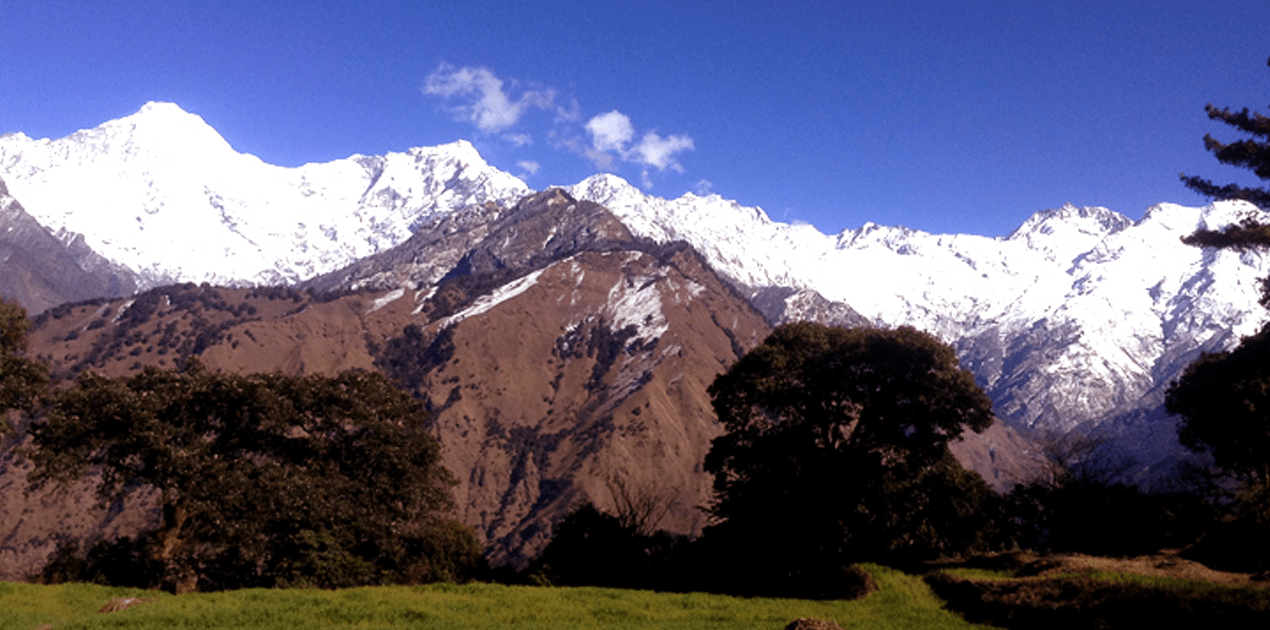
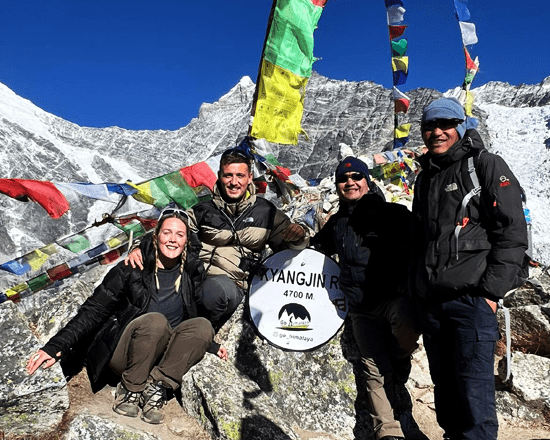
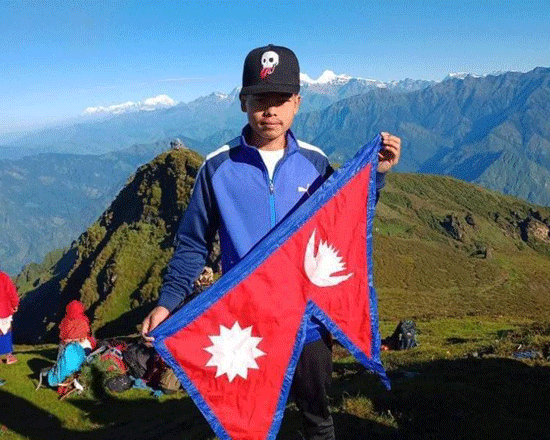
The mountain captured during the Paldor Peak Base Camp Trek
The Paldor Peak Base Camp trek offers views of several Himalayan peaks in the Ganesh Himal range:
- Paldor Peak – 5,896 m (main peak of the region)
- Ganesh Himal I – 7,422 m
- Ganesh Himal II – 7,118 m
- Ganesh Himal III – 7,043 m
- Ganesh Himal IV – 7,104 m
- Shishapangma (Tibet view on clear days) – 8,027 m
These peaks create a dramatic skyline throughout the trek, especially from higher camps and ridges.
Nature & Landscape
The Paldor Peak Base Camp Trek is known for its dramatic natural diversity.
Key Landscapes:
- Dense rhododendron and pine forests
- Deep river valleys and suspension bridges
- Terraced farmlands in lower villages
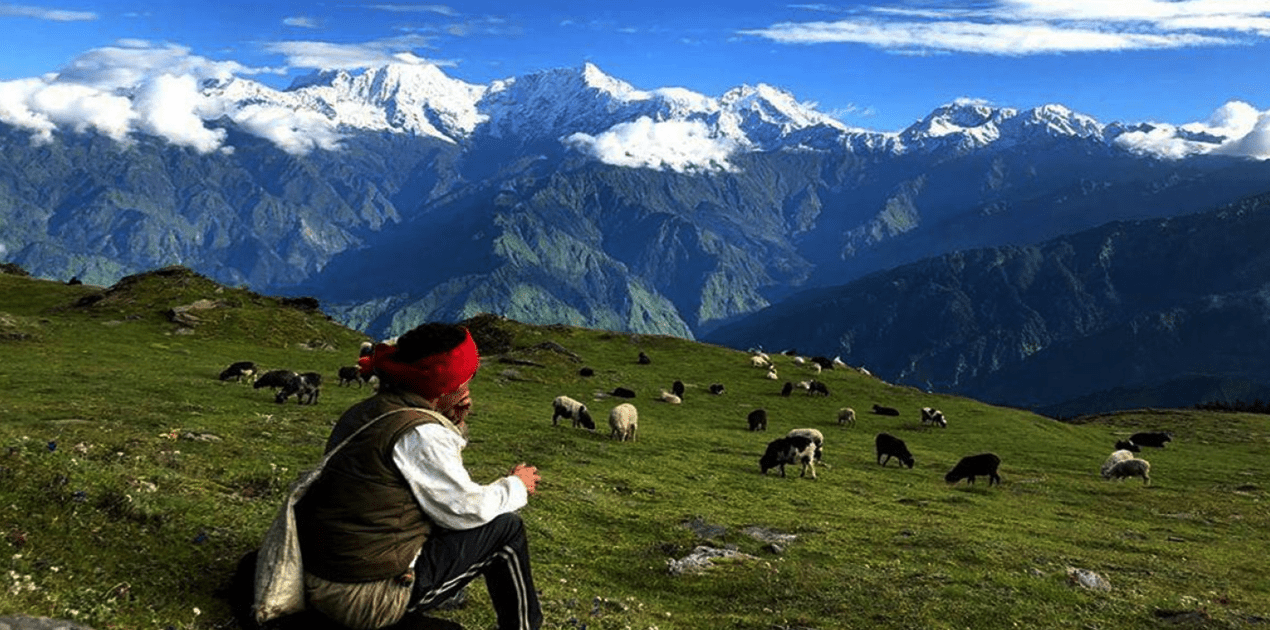
- Alpine grasslands and yak pastures
- Glacial moraines and rocky high-altitude terrain
The transition from green valleys to icy mountains makes this trek visually powerful and unique.
Lakes & Water Sources
Although not famous for large alpine lakes like Everest or Annapurna, the region features:
- Small glacial ponds near high camps
- Seasonal mountain streams
- Snow-fed rivers flowing through Ruby Valley
- Natural water sources used by local communities
These water systems are essential for both trekking routes and village life.
Mine of Lari (Local Resource Area)
The Mine of Lari area in the Ruby Valley region is known locally for traditional mineral and stone extraction zones historically used by villagers.
- Small-scale local mining activity (non-industrial)
- Used historically for construction materials and local tools
- Located in remote valley sections of the Ganesh Himal region
It is not a commercial mining zone but part of the traditional resource landscape of the region.
Flora and Fauna
The trek passes through one of Nepal’s most diverse ecological zones.
Flora:
- Rhododendron forests (Nepal’s national flower)
- Oak and pine trees
- Bamboo groves in the lower regions
- Medicinal herbs and alpine shrubs
- Seasonal wildflowers in spring
Fauna:
- Himalayan thar
- Musk deer
- Langur monkeys in the lower forests
- Himalayan monal (Danphe – national bird of Nepal)
- Rare sightings of snow leopard in the upper remote zones
The biodiversity is rich due to minimal human disturbance.
Cultural Highlights
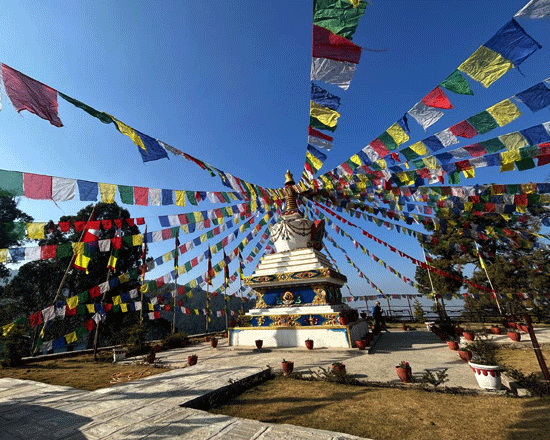
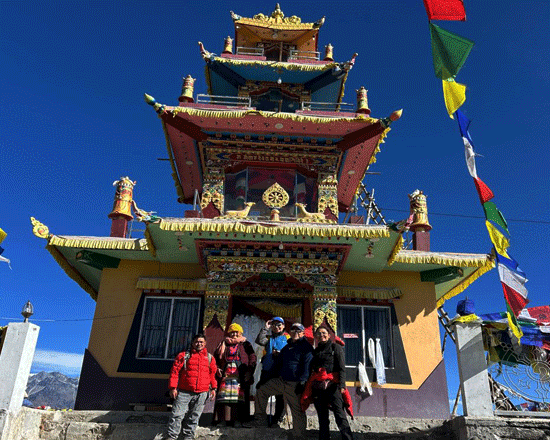
- Buddhist monasteries and prayer flags
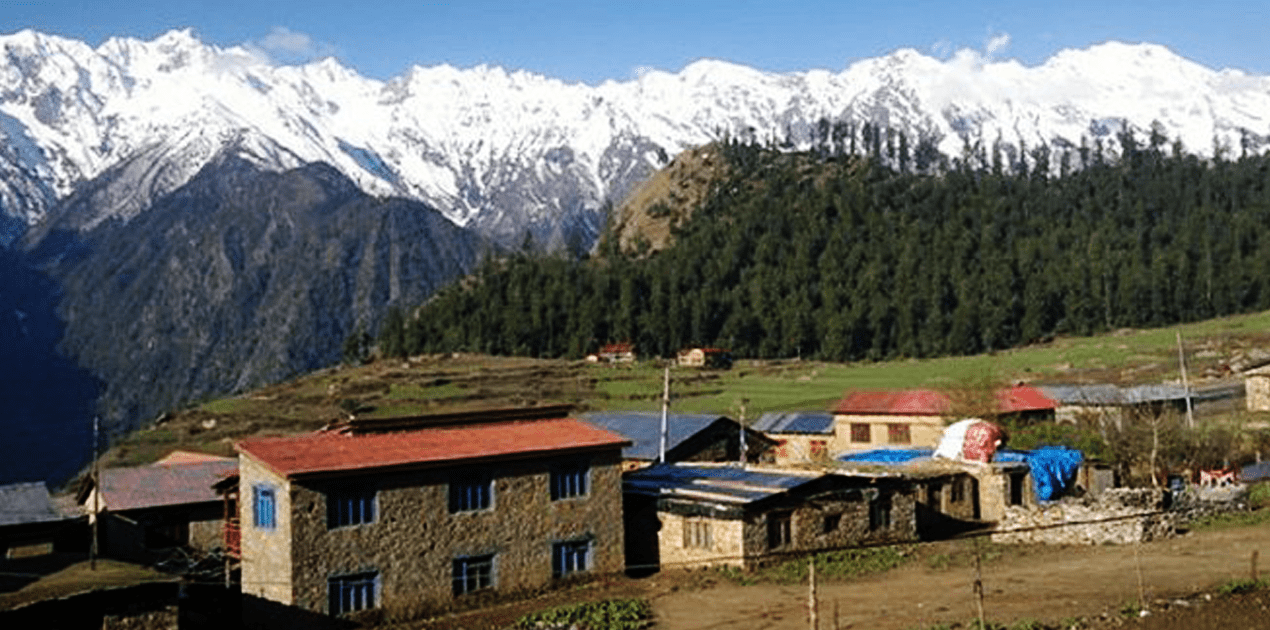
- Traditional stone houses with slate roofs
- Local festivals with music and dance
- Agricultural lifestyle (millet, maize, barley farming)
- Strong community-based living system
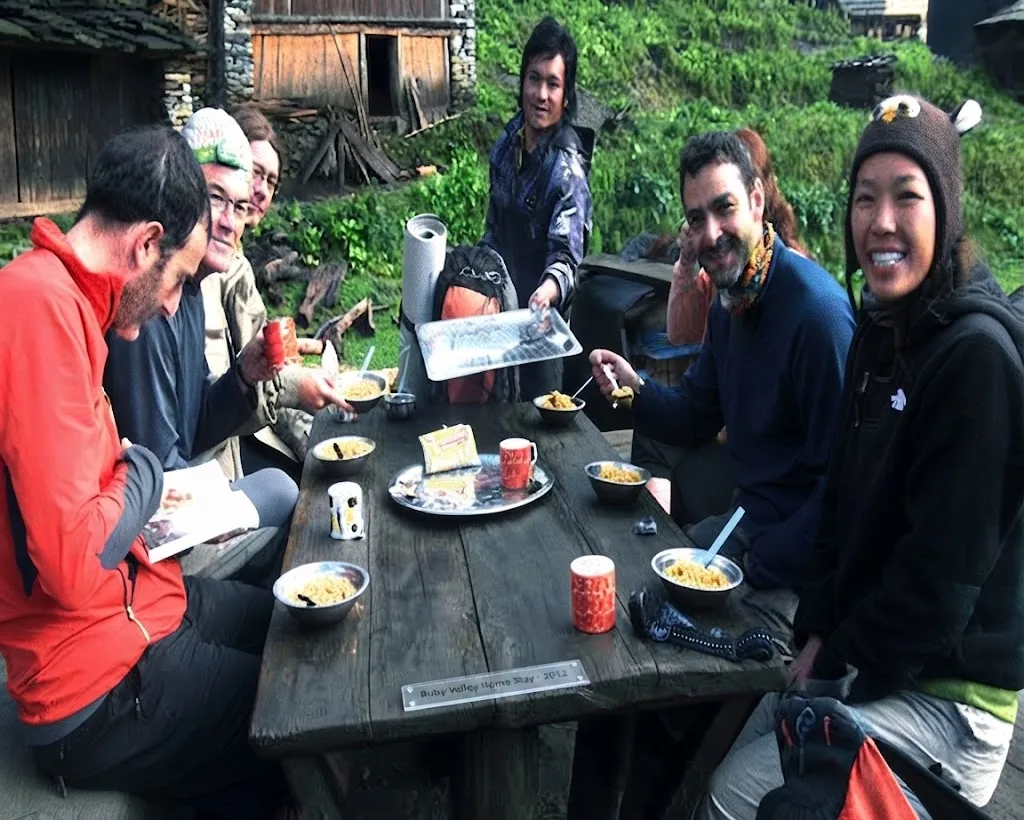
Hospitality is warm and simple, reflecting authentic rural Nepal.
Tamang Heritage in the Region
The Tamang community is one of the most important cultural groups in Paldor Peak Base Camp trekking region.
Key Features of Tamang Heritage:
- Deep connection to Tibetan Buddhism
- Traditional shamanic practices blended with Buddhism
- Rich oral history and folklore
- Unique language and dress
- Horse trading and farming traditions in the past
The nearby Tamang Heritage Trail is another cultural trekking route that shares strong connections with the Ruby Valley region.
Tamang villages along the Paldor route preserve centuries-old traditions, making the trek culturally enriching.
Ruby Valley – The Hidden Himalayan Corridor
The Paldor Peak Base Camp trek passes through the heart of Ruby Valley, one of Nepal’s least explored trekking regions.
Ruby Valley lies between Langtang and Manaslu and is known for:
- Multi-ethnic rural communities
- Untouched natural environment
- Hidden trekking routes
- Strong cultural preservation
- Low tourist traffic
Ruby Valley is often called a “living museum of Himalayan culture” because traditions remain unchanged by modern tourism.
Why Choose Paldor Peak Base Camp Trek?
- Remote and peaceful trekking route
- Close views of major Himalayan peaks
- Authentic Tamang cultural experience
- Camping in high alpine wilderness
- Less crowded compared to Everest/Annapurna
- Perfect blend of nature, culture, and adventure
Final Summary
The Paldor Peak Base Camp Trek is one of Nepal’s most underrated trekking experiences. It combines the raw wilderness of the Ganesh Himal region, the cultural richness of Tamang heritage villages, and the untouched beauty of the Ruby Valley trekking zone.
From lush forests to icy glaciers, from village life to high mountain silence, this trek offers a complete Himalayan experience without crowds or commercialization. It is ideal for trekkers who want to go beyond popular trails and experience Nepal in its most natural and authentic form.
Departure Note
All published departure dates listed for the Paldor Peak Base Camp trek are 100% guaranteed to operate.
If the scheduled departure dates do not align with your trekking plans, we would be pleased to organize a private trek on your preferred dates at the same cost. Whether you are traveling solo, with family, friends, or as part of a group, we can customize the itinerary to suit your schedule, interests, and trekking experience.
Our team will be delighted to create a personalized itinerary and help you organize an unforgettable trekking experience in Nepal.