
Uncategorized
January 5, 2026
Annapurna Conservation Area project
 By admin
Annapurna Conservation Area Project: The Ultimate Travel Guide by Local Experts
The Annapurna Conservation Area project (ACAP) is Nepal’s most celebrated trekking and adventure destination, and it also represents a remarkable model of community-based conservation. Spanning 7,629 square kilometers, it is the largest protected area in Nepal. For decades, this region has drawn trekkers, mountaineers, photographers, and nature enthusiasts from around the globe. Its appeal goes beyond the towering Himalayan peaks—it is a land of rich cultural heritage, diverse landscapes, and warm, welcoming local communities.
The Annapurna Conservation Area project has set a benchmark for sustainable tourism and environmental conservation, allowing travelers to enjoy pristine nature while supporting local communities. From short family-friendly hikes to challenging high-altitude expeditions, the Annapurna region caters to adventurers of all levels.
This guide provides a comprehensive overview from a trekking company’s perspective, giving practical insights into what makes the Annapurna Conservation Area project one of the most important and fascinating destinations in Nepal.
Where Is the Annapurna Conservation Project Located?
The Annapurna Conservation Project is situated in north-central Nepal, spreading across Kaski, Lamjung, Manang, Mustang, and Myagdi districts. It is geographically framed by the Marshyangdi River in the east and the Kali Gandaki Gorge, the world’s deepest gorge, in the west.
This location places trekkers in the heart of Nepal’s most spectacular landscapes, where lush hills, terraced farmlands, and arid high-altitude deserts coexist. The project connects both ecological richness and human heritage, making it unique among trekking destinations worldwide.
Altitude and Landscape Diversity
One of the most exciting aspects of the Annapurna Conservation Area project is its dramatic range of altitude, which allows trekkers to experience multiple ecosystems within a single journey:
- Lowest elevation: ~790 meters (Tatopani)
- Highest elevation: Annapurna I – 8,091 meters
Within the Annapurna Conservation Area project, travelers may traverse:
- Subtropical forests with sal and pine trees
- Terraced farmlands and traditional villages
- Alpine meadows above 3,000 meters
- Glacial valleys and moraines
- High-altitude desert regions near Thorong La Pass
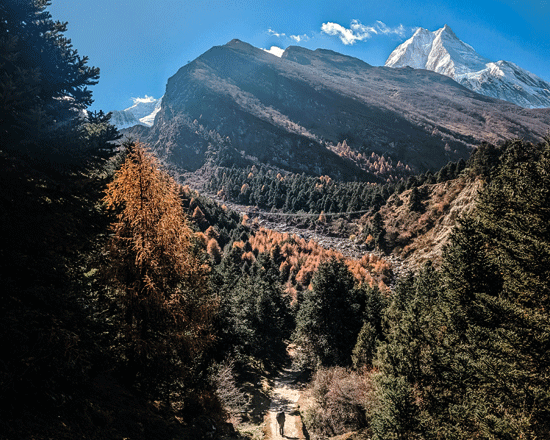
The landscape changes continuously, creating ever-changing scenery and unforgettable trekking experiences. This diversity is one reason why the Annapurna Conservation Area project has gained worldwide recognition as a trekking paradise.
Himalayan Giants of the Annapurna Region
The Annapurna Conservation Area project is home to some of the world’s most iconic Himalayan peaks, many visible directly from trekking trails and teahouses. These peaks are trekking highlights for both photographers and adventure seekers:
The Annapurna Conservation Area project is home to some of the most iconic Himalayan peaks, each offering unique trekking and viewing experiences. Annapurna I, standing at 8,091 meters, is the 10th highest mountain in the world and can be admired closely on the Annapurna Base Camp and Annapurna Sanctuary treks. MtAnnapurna II, at 7,937 meters, is popular among photographers and climbers for its striking presence. Annapurna III, rising to 7,555 meters, is known for its rugged terrain and breathtaking high-altitude vistas, while Annapurna IV, at 7,525 meters, offers less-crowded trails with spectacular mountain views.
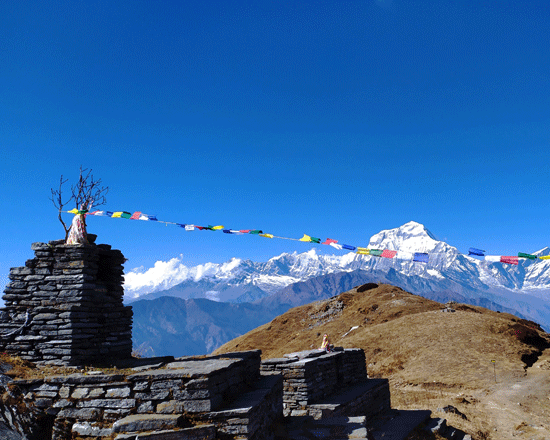
The sacred Machapuchare (Fishtail), standing at 6,993 meters, is famous for its distinctive, unclimbed peak, revered by locals and trekkers alike. Hiunchuli, at 6,441 meters, features prominently in Mardi Himal and Annapurna Sanctuary treks. Gangapurna, rising to 7,455 meters, is surrounded by high-altitude glaciers and scenic landscapes, making it a favorite for nature photographers. Finally, Dhaulagiri I, at 8,167 meters, is visible from the western routes of the Annapurna Circuit and provides a dramatic and unforgettable Himalayan backdrop.
Trekkers often highlight Annapurna Base Camp, Mardi Himal, and the Annapurna Circuit as providing some of the most breathtaking close-up Himalayan views in Nepal.
Biodiversity: Flora and Fauna in the Annapurna Conservation Area Project
Thanks to its vast range of altitudes and climates, the Annapurna Conservation Area project is one of Nepal’s richest regions for biodiversity.
Forests and Plant Life
The Annapurna Conservation Area project hosts more than 1,200 species of plants, including:
- Subtropical sal and pine forests at lower elevations
- Extensive rhododendron forests at mid-hills (blooming in March–April)
- Alpine grasslands and meadows
- Rare medicinal herbs are used in traditional Ayurvedic medicine
Spring treks are particularly popular because rhododendron blooms transform the hillsides into a sea of red, pink, and white, providing both beauty and ecological significance.
Wildlife in the Annapurna Conservation Area Project
While sightings depend on the season and a bit of luck, the Annapurna Conservation Area project supports a variety of wildlife:
- Snow leopard (rare, elusive)
- Himalayan tahr
- Blue sheep (bharal)
- Musk deer
- Langur monkeys
- Himalayan monal (Nepal’s national bird)
Trekking in this region allows nature enthusiasts to witness Himalayan wildlife in a natural, undisturbed habitat. The Annapurna Conservation Area project actively protects these species through anti-poaching programs and habitat preservation.
Culture and Communities in the Annapurna Conservation Area Project
The Annapurna Conservation Area project is not just about nature—it is also a cultural journey. Over 100,000 people live within the conservation area, maintaining ancient traditions, crafts, and lifestyles.
Ethnic Communities
Trekkers encounter a rich mosaic of ethnic communities in the Annapurna Conservation Area project:
- Gurung & Magar – mid-hill villages, famous for hospitality and trekking traditions
- Thakali – Kali Gandaki Valley, renowned for cuisine and teahouse hospitality
- Manangi – Manang region, key stops along the Annapurna Circuit
- Loba (Mustangi) – Upper Mustang, preserving Tibetan cultural practices
- Brahmin & Chhetri – lower elevations, agrarian communities
Religion and Heritage
- Buddhism and Hinduism coexist harmoniously, visible through monasteries, prayer wheels, mani walls, and chortens along trekking trails
- Festivals like Losar, Dashain, and Tihar enliven villages with colors, music, and rituals
- Interactions with locals in teahouses and villages offer authentic insights into traditional life
Cultural experiences are as rewarding as the natural beauty, making the Annapurna Conservation Area project a holistic travel experience.
Best Treks in the Annapurna Conservation Area Project
The Annapurna region offers trekking routes for beginners, families, and experienced adventurers.
Annapurna Base Camp (ABC) Trek
- Duration: 7–12 days
- Maximum altitude: 4,130 m
- Best for: First-time trekkers
- Highlights: Glacial valleys view from the ABC trek, close-up views of Annapurna I, Machapuchare, and surrounding peaks
Annapurna Circuit Trek
- Duration: 14–21 days
- Highest point: Thorong La Pass (5,416 m)
- Highlights: Dramatic landscape changes of Annapurna Circuit, Manang Valley, Muktinath Temple, and high-altitude deserts
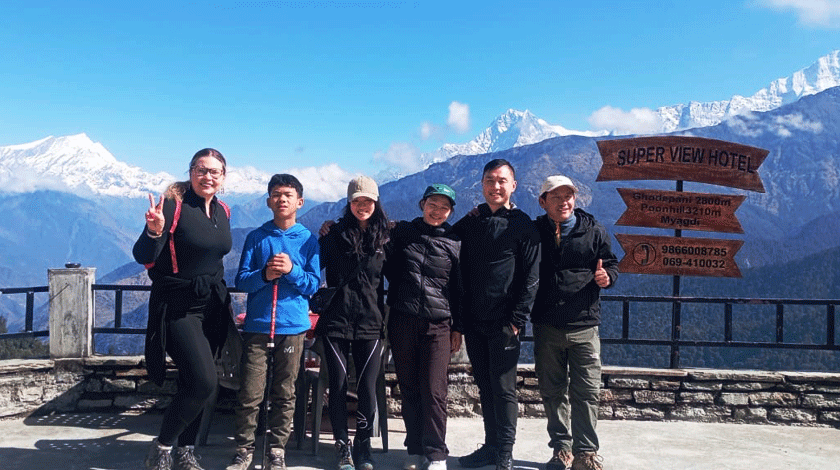
Ghorepani Poon Hill Trek
- Duration: 4–7 days
- Best for: Short holidays, families
- Highlights: Sunrise views from Poon Hill, rhododendron forests, and lush terraced hills
Mardi Himal Trek
- Duration: 5–10 days
- Best for: Less-crowded trails
- Highlights: Mardi himal trek is Ridge walks with panoramic views of Machapuchare and Annapurna South
Tilicho Lake Trek
- Elevation: 4,919 m
- Often combined with: Annapurna Circuit
- Highlights: One of the world’s highest lakes, Tolicho lake surrounded by glaciers and snow-capped peaks
Each trek offers a unique perspective of the Annapurna Conservation Area project, blending natural beauty, adventure, and cultural immersion.
Annapurna Conservation Area Permit (ACAP)
All trekkers must obtain an Annapurna Conservation Area Permit (ACAP). This permit supports environmental conservation, community development, and regulated trekking.
Why ACAP Is Important
Permit fees are allocated to:
- Trail maintenance and signage
- Conservation and wildlife protection projects
- Waste management programs
- Schools, health posts, and community infrastructure
The Annapurna Conservation Area project is an exemplary model of community-based conservation, ensuring that tourism directly benefits local residents and the environment.
Sustainable Tourism in the Annapurna Conservation Area Project
Sustainable tourism is a cornerstone of the Annapurna Conservation Area project. It focuses on protecting natural resources, preserving culture, and improving livelihoods.
Key Practices
- Reduced firewood usage in lodges and promoted solar energy
- Community-managed forests and wildlife protection programs
- Responsible trekking with minimal environmental impact
- Support for local businesses and handicrafts
By trekking responsibly, visitors help ensure the longevity and health of the ACAP for future generations.
Best Time to Visit
- Autumn (September–November): Clear skies, stable weather – ideal trekking conditions
- Spring (March–May): Mild temperatures and rhododendron blooms
- Winter (December–February): Quieter trails, some high passes closed, cold but scenic
- Monsoon (June–August): Green landscapes, suitable for Upper Mustang treks in rain-shadow areas
Planning according to season ensures the best possible experience of the Annapurna Conservation Area project.
Accommodation and Meals
The Annapurna region is famous for teahouse trekking, where lodges provide comfort, hygiene, and local cuisine:
- Clean rooms and bedding
- Meals ranging from traditional Dal Bhat to international cuisine
- Warm hospitality from local families
Carefully selected lodges contribute to both sustainable tourism and cultural preservation.
Responsible Trekking Tips
- Carry reusable water bottles
- Avoid plastic and minimize waste
- Respect local customs, traditions, and religious sites
- Stay on marked trails
- Support local businesses, guides, and artisans
Even small steps by trekkers help preserve the Annapurna Conservation for years to come.
Why Choose the Annapurna Conservation Area Project?
- Nepal’s largest protected area with wide biodiversity
- A variety of trekking routes for beginners and seasoned trekkers
- Stunning Himalayan scenery, including Annapurna I and Machapuchare
- Rich culture and warm, welcoming communities
- Well-developed trekking infrastructure with teahouses and guides
Whether it is your first Himalayan trek or a return adventure, the Annapurna Conservation Area project offers an unmatched combination of nature, culture, and adventure.
Final Thoughts
The Conservation Area project is far more than a trekking destination. It is a living model of how tourism, conservation, and community development can thrive together. With its diverse trekking options, breathtaking landscapes, and vibrant culture, the region remains one of the most sought-after trekking areas in the world.
For travelers planning a journey to Nepal, the Conservation Area project should be at the top of your list. Its combination of adventure, natural beauty, cultural immersion, and sustainability ensures an experience that is both memorable and meaningful.
Trek Grade
Grade 1
Tap outside to close
*
Grade 2
Tap outside to close
**
Grade 3
Tap outside to close
***
Grade 4
Tap outside to close
Annapurna Circuit + Base Camp Trek – Grade 4: This is a challenging high-altitude trek combining the Annapurna Circuit with a demanding side trip to Annapurna Base Camp. The trek involves long walking days, steep ascents and descents, rugged mountain terrain, and crossing the 5,416 m Thorong La Pass before continuing toward Annapurna Base Camp. Good physical fitness, endurance, and proper preparation for high-altitude conditions are essential.
Trek Grade
Grade 1
Tap outside to close
Trekking is essentially day hiking and doesn't require any special training. However, good physical condition, a love of walking, and a desire to enjoy mountain views and village life are essential.
Grade 2
Tap outside to close
These treks are suitable for walkers looking for something more challenging and energetic. Hill-walking experience is desirable, with longer days and higher elevations.
Grade 3
Tap outside to close
Since the terrain can be hard and the days long, hikers should be in good physical condition and have previous mountain walking experience. High passes and extended trekking days may be involved.