
Uncategorized
September 30, 2025
Khumbu Icefall
 By admin
Khumbu Icefall: The Gateway to Everest
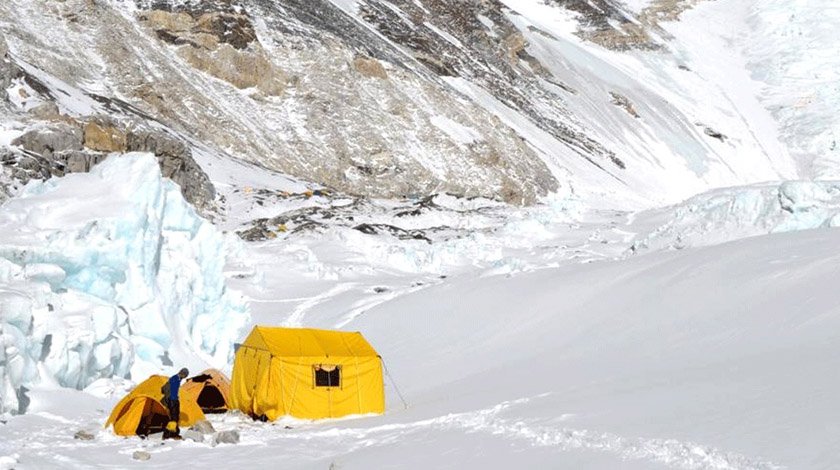
The Khumbu Icefall is one of the most dramatic and dangerous sections on the route to the summit of Mount Everest, the world’s highest peak. Rising above Everest Base Camp (5,364 m), this massive wall of shifting ice towers, crevasses, and seracs has become a legendary name in the mountaineering world. Climbers attempting to reach the summit must pass through this icy labyrinth, often described as the single most treacherous part of the expedition.
For trekkers on the Everest Base Camp Trek, the Khumbu Icefall is not only a breathtaking natural wonder but also a humbling reminder of the risks mountaineers face. Standing at Base Camp and gazing at the icefall gives a sense of both awe and respect for the climbers who dare to cross it.
This article explores the geography, history, dangers, and climbing challenges of the Khumbu Icefall while also linking it with nearby trekking routes such as the Everest View Trek, Chola Pass Trek, Pikey Peak Trek, Dudh Kunda Trek, Classical Jiri to Everest Trek, and other adventures in the Khumbu region.
Geography of the Khumbu Icefall
The Khumbu Icefall is part of the mighty Khumbu Glacier, the largest glacier in Nepal, stretching 17 kilometers down the southern side of Mount Everest. The icefall lies between Base Camp and the Western Cwm, starting at around 5,500 meters and rising to nearly 6,100 meters.
Unlike a solid wall of ice, the icefall is a constantly shifting maze of towering ice blocks, some as tall as multi-story buildings. The glacier moves at a rapid pace of up to one meter per day, which causes deep cracks (crevasses) and towering ice pinnacles (seracs) to form. These structures collapse unpredictably, creating avalanches and icefalls that make the terrain extremely unstable.
Trekkers who hike to Everest Base Camp can view the Khumbu Icefall up close. While they do not cross it, they can witness the dramatic formations from a safe distance. It is one of the highlights of the Everest Base Camp Trek, especially for those curious about climbing life beyond the trekking trails.
Challenges of the Khumbu Icefall
The Khumbu Icefall is notorious for its dangers. Climbers face:
- Seracs – gigantic ice towers that collapse without warning.
- Crevasses – deep cracks in the glacier, sometimes hidden by thin snow bridges.
- Avalanches – triggered by ice movement or weather changes.
- Unstable terrain – ladders and ropes are used to cross gaping chasms.
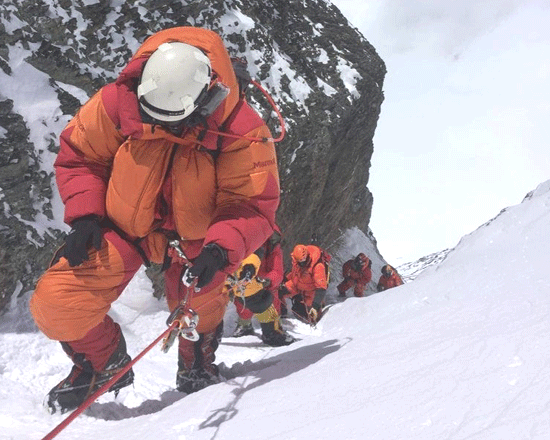
Due to its instability, climbers attempt the icefall in the early hours of the morning, typically starting at 2–3 am, when the cold temperatures keep the ice in place more firmly. By late morning, as the sun warms the glacier, the risk of collapse increases.
Crossing the Khumbu Icefall is a mental and physical test. It is not the steepest or most technical part of climbing Everest, but it is widely feared as the most unpredictable.
History and Mountaineering Significance
The Khumbu Icefall has been central to every expedition on the south side of Everest. In 1953, Sir Edmund Hillary and Tenzing Norgay Sherpa crossed it during their historic first ascent of Everest. Since then, it has been a compulsory passage for thousands of climbers attempting the peak.
Over the decades, many accidents have occurred in the icefall. One of the deadliest was in 2014 when 16 Sherpas lost their lives in an avalanche. Such tragedies highlight the risks involved and the courage of the Sherpa climbers who guide expeditions.
Role of Sherpas and the “Icefall Doctors”
The Khumbu Icefall is maintained and prepared each season by a specialized team of Sherpas known as the Icefall Doctors. They are responsible for fixing ropes, setting ladders across crevasses, and maintaining the safest possible route for climbers.
These Sherpas face enormous risks, as they are the first to enter the icefall each season. Without their work, the south-side route to Everest would be nearly impossible to climb. Their bravery and skill make them some of the most respected figures in the mountaineering world.
Climbing Through the Khumbu Icefall
Climbers must carefully plan their approach to the Khumbu Icefall. Essential strategies include:
- Early morning climbs to avoid daytime heat.
- Acclimatization at Base Camp before attempting the icefall.
- Climbing gear such as crampons, helmets, harnesses, and ascenders.
- Sherpa support for safety and guidance.
It usually takes 6–8 hours to cross the icefall, depending on conditions. Climbers ascend through it multiple times during acclimatization, going up to Camp I and returning to Base Camp to adjust their bodies to high altitude.
Treks Around the Khumbu Icefall
For those who are not climbing Everest, the Khumbu Icefall can still be admired on treks in the Everest region. Several trekking routes bring travelers close to the icefall while offering cultural, scenic, and adventurous experiences.
Everest Base Camp Trek
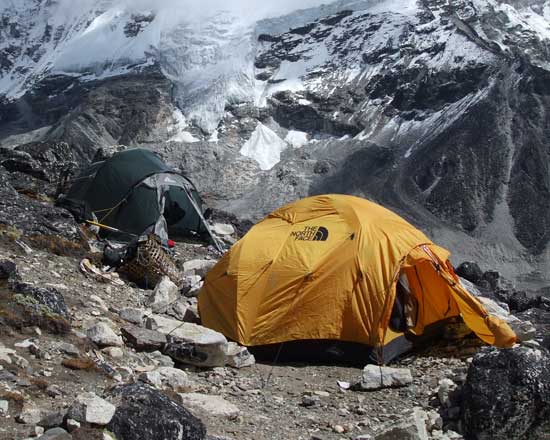
The most popular trek in Nepal, the Everest Base Camp Trek, brings trekkers directly to the foot of the Khumbu Icefall. Reaching Base Camp at 5,364 meters, visitors can stand just below the icefall and admire its massive ice towers.
Everest View Trek
For travelers with limited time, the Everest View Trek offers shorter itineraries. Though it does not reach Base Camp, trekkers enjoy panoramic views of Everest, Lhotse, Ama Dablam, and glimpses of the upper Khumbu.
Gokyo and Chola Pass Trek
The Chola Pass Trek combines the beauty of Gokyo Lakes with a challenging high pass crossing. From the pass, trekkers see close-up views of Everest and the Khumbu Glacier, which feeds into the icefall.
Pikey Peak Trek
The Pikey Peak Trek, located in the lower Everest region, is famous for stunning sunrise views of Everest and the surrounding Himalayan range. Though it does not reach the icefall, it provides an alternative perspective of the Everest landscape.
Classical Jiri to Everest Trek
Before flights to Lukla became popular, the Jiri to Everest Trek was the traditional route taken by early expeditions, including Hillary’s team in 1953. This longer trek allows for gradual acclimatization and eventually leads trekkers to Base Camp and views of the Khumbu Icefall.
Dudh Kunda Trek
The Dudh Kunda Trek offers a blend of culture and natural beauty in the Solu region. While not directly connected to the icefall, it is often combined with Everest region trekking itineraries.
The Numbur Cheese Circuit Trek
This off-the-beaten-path trek provides cultural insights and mountain views. Though it doesn’t reach Base Camp, it enriches the Everest trekking portfolio and connects trekkers with Sherpa culture that thrives around the Khumbu Icefall.
Safety and Risks
The Khumbu Icefall is considered one of the deadliest sections on Mount Everest. Its dangers include:
- Sudden collapses of seracs.
- Falling into hidden crevasses.
- Avalanches triggered by shifting ice.
Climbers accept these risks as part of the Everest challenge, but many also consider it a section to be crossed as quickly and efficiently as possible.
Alternative Experiences Without Climbing the Icefall
Trekkers who wish to experience the magic of the Khumbu without facing its dangers have many options:
- Everest Base Camp Trek – stand at the foot of the icefall.
- Chhukung village and Chhukung Ri – trek to high viewpoints with dramatic vistas.
- Short Treks to Everest Base Camp – suitable for those with limited time.
- Luxury Everest Base Camp Trek – enjoy comfort while reaching Base Camp.
These treks allow people to admire the Khumbu Icefall from safe vantage points while enjoying Sherpa hospitality and Himalayan scenery.
Climate Change and the Future of the Khumbu Icefall
Climate change is affecting glaciers worldwide, and the Khumbu Icefall is no exception. Rising temperatures may increase instability, making the icefall even more dangerous for future climbers. Melting ice also poses a threat to the long-term stability of the Khumbu Glacier.
Sherpa communities are deeply aware of these changes, as their livelihoods depend on both tourism and mountaineering. The future of climbing in the Khumbu Icefall may depend on careful adaptation and respect for nature.
Practical Information for Trekkers
- Best Season: Spring (March–May) and Autumn (September–November).
- Permits: Trekkers need the Sagarmatha National Park Permit and the Khumbu Pasang Lhamu Rural Municipality Permit. Climbers require special climbing permits.
- Altitude Preparation: Acclimatization is crucial to avoid altitude sickness.
- Support: Hiring a local guide or joining an organized trek enhances safety and experience.
Conclusion
The Khumbu Icefall is both a symbol of danger and a testament to human courage. For climbers, it represents the first major obstacle on the path to the summit of Everest. For trekkers, it is an awe-inspiring sight that crowns the journey to Base Camp.
Whether approached through the Everest Base Camp Trek, Chola Pass Trek, Classical Jiri to Everest Trek, or admired from nearby viewpoints such as Pikey Peak, the Khumbu Icefall remains one of the most fascinating features of the Himalayas.
Trek Grade
Grade 1
Tap outside to close
Trekking is essentially day hiking and doesn't require any special training. However, good physical condition, a love of walking, and a desire to enjoy mountain views and village life are essential.
Grade 2
Tap outside to close
These treks are suitable for walkers looking for something more challenging and energetic. Hill-walking experience is desirable, with longer days and higher elevations.
Grade 3
Tap outside to close
Since the terrain can be hard and the days long, hikers should be in good physical condition and have previous mountain walking experience. High passes and extended trekking days may be involved.
Grade 4
Tap outside to close
This is challenging and technical trekking or climbing in Nepal. Participants should be physically fit, mentally prepared, and ready for off-the-beaten-trail routes, camping, or high passes.
Grade 5
Tap outside to close
This is a very demanding expedition level trip for experienced trekkers or climbers. Strong fitness, preparation, and confidence in remote high-altitude conditions are required.
Trek Grade
Grade 1
Tap outside to close
Trekking is essentially day hiking and doesn't require any special training. However, good physical condition, a love of walking, and a desire to enjoy mountain views and village life are essential.
Grade 2
Tap outside to close
These treks are suitable for walkers looking for something more challenging and energetic. Hill-walking experience is desirable, with longer days and higher elevations.
Grade 3
Tap outside to close
Since the terrain can be hard and the days long, hikers should be in good physical condition and have previous mountain walking experience. High passes and extended trekking days may be involved.
Grade 4
Tap outside to close
This is challenging and technical trekking or climbing in Nepal. Participants should be physically fit, mentally prepared, and ready for off-the-beaten-trail routes, camping, or high passes.
It is a reminder of nature’s immense power and a place where respect, preparation, and bravery converge. To know more info, please contact us