
April 17, 2026
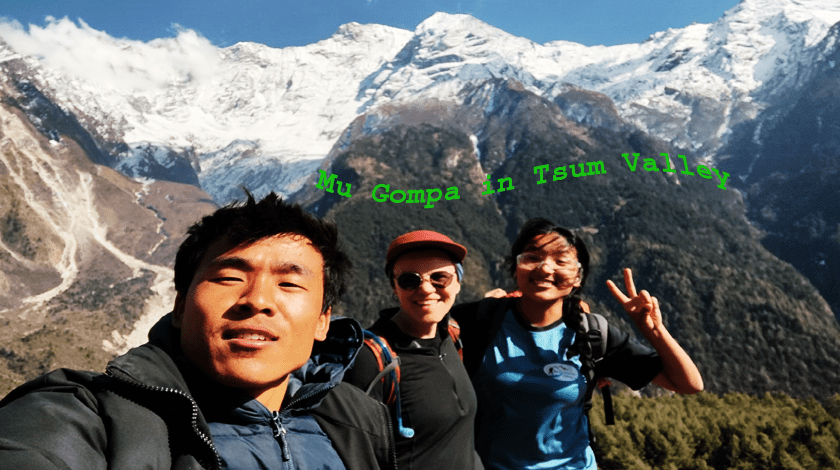
Mu Gompa in Tsum Valley
 By admin
Mu Gompa in Tsum Valley: A Hidden Himalayan Sanctuary of Culture, Spirituality, and Timeless Beauty
Tucked away in one of Nepal’s most remote Himalayan corners, Mu Gompa in Tsum Valley stands as a symbol of peace, spirituality, and untouched culture. Far from the busy trekking routes of Everest and Annapurna, this sacred monastery offers a rare opportunity to experience the Himalayas in their purest form—where ancient traditions still guide daily life, and the mountains remain quiet and deeply spiritual.
For trekkers seeking more than just dramatic landscapes, Mu Gompa delivers something unforgettable. It is a place where culture, history, and nature come together in harmony, creating a journey that feels both physical and deeply personal.
Discovering Tsum Valley: Nepal’s Hidden Sacred Valley
Tsum Valley is often described as a “hidden valley,” and once you step into it, the name makes perfect sense. Isolated for centuries and only opened to trekkers in 2008, the valley has preserved a way of life that has almost disappeared elsewhere.
Located in the northern part of the Manaslu region near the Tibetan border, Tsum Valley sits within a natural amphitheater of Himalayan giants. The landscape here is both rugged and peaceful—deep river gorges, pine forests, high-altitude meadows, and wide open valleys framed by snow-covered peaks.
But what truly sets Tsum Valley apart is not just its scenery—it is its living culture. This is a place where Tibetan Buddhist traditions are not just practiced; they are deeply woven into everyday life.
At the heart of this sacred valley lies Mu Gompa, the most important monastery in the region and one of the highest inhabited spiritual centers in Nepal.
Mu Gompa: The Spiritual Heart of Tsum Valley
Perched at around 3,700 meters above sea level, Mu Gompa is the final destination for trekkers exploring the upper Tsum Valley. Reaching it is not just a physical achievement but also a spiritual experience.
Unlike many monasteries that have become tourist attractions, Mu Gompa remains authentic and quiet. It is home to a small community of monks who dedicate their lives to prayer, meditation, and study. The monastery itself is simple yet deeply powerful, filled with ancient scriptures, prayer flags, and sacred relics that reflect centuries of devotion.
There is a unique stillness here. The air feels calmer, the surroundings quieter, and time seems to slow down. Many visitors say that Mu Gompa is not just a place you see—it is a place you feel.
A Land Shaped by Nature and Isolation
The journey to Mu Gompa takes trekkers through some of the most diverse landscapes in the Manaslu region. Starting from lower subtropical forests, the trail gradually climbs into alpine terrain and eventually opens into a high Himalayan plateau.
Villages like Chumling, Chhokang Paro, Nile, and Chhule serve as stepping stones along the way. Each one offers a glimpse into traditional life, with stone houses, prayer wheels, and terraced fields carved into the mountainsides.
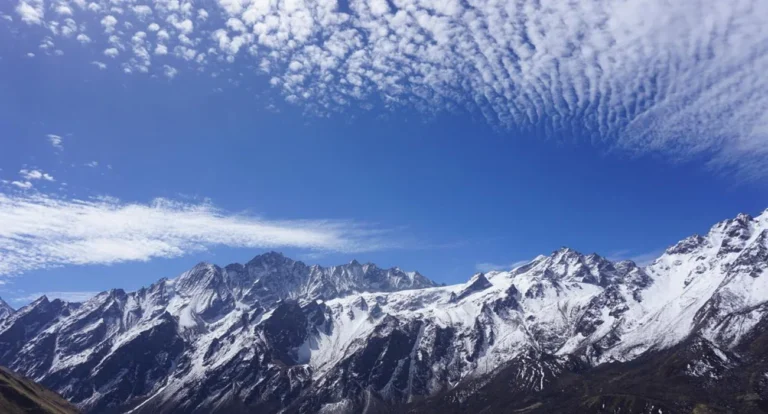
As you move higher, the valley becomes wider and more open. The forests thin out, replaced by yak pastures and rocky hillsides. Snow-capped peaks rise in every direction, and the sense of remoteness becomes more profound.
This isolation has played a crucial role in preserving the valley’s environment and culture. Unlike more developed trekking regions, Tsum Valley still feels untouched, raw, and deeply connected to nature.
The History of Mu Gompa and the Sacred Valley
The spiritual significance of Tsum Valley dates back many centuries. According to local belief, the valley is a Beyul, or sacred hidden land, blessed by Guru Padmasambhava—the revered Buddhist master who spread Buddhism across the Himalayas.
It is said that great yogis and saints, including Milarepa, meditated in caves throughout the region. These stories are not just legends here; they are part of the living identity of the valley.
Mu Gompa itself has a long history, believed to have been established several hundred years ago by Buddhist masters who recognized the valley’s spiritual importance. Over time, it became a center for learning, meditation, and religious practice.
In the early 20th century, the monastery and surrounding religious institutions were revitalized by respected spiritual leaders, strengthening the role of Buddhism in the region.
Even today, Mu Gompa continues to serve as a spiritual guide for the local community, preserving traditions that have remained unchanged for generations.
Culture of the Tsumba People
The people of Tsum Valley, known as the Tsumba, have a culture that is deeply rooted in Tibetan Buddhism. Their language, dress, and customs closely resemble those found in Tibetan communities, reflecting centuries of cultural exchange across the border.
One of the most remarkable aspects of Tsumba culture is its emphasis on compassion and non-violence. The valley follows an ancient practice that discourages killing animals, creating a peaceful coexistence between humans and nature.
Daily life revolves around spiritual practice. Prayer flags flutter across rooftops and mountain passes, mani walls line the trails, and monasteries play a central role in community life.
Traditional customs such as polyandry, where brothers share a wife, have also been practiced in the valley, reflecting unique social structures adapted to the harsh mountain environment.
Despite modern influences slowly reaching the region, the Tsumba people have managed to preserve their identity in a way that feels both rare and inspiring.
Life in the Valley: Simple, Resilient, and Connected
Life in Tsum Valley is not easy, but it is deeply meaningful. The harsh climate and remote location require resilience and cooperation.
Most families rely on subsistence farming, growing crops like barley, potatoes, and buckwheat. Yak and sheep herding are also essential for survival, providing milk, wool, and transportation.
Trade with nearby regions, including Tibet, has historically played an important role in the local economy.
What stands out most, however, is the strong sense of community. People support each other, share resources, and live in harmony with their surroundings.
For visitors, this simplicity is often one of the most powerful aspects of the journey. It offers a perspective on life that is grounded, balanced, and deeply connected to nature.
Why Trekkers Love Visiting Mu Gompa
Mu Gompa has become a favorite destination for trekkers who are looking for something beyond the usual trekking experience.
A True Sense of Peace
Unlike busy trekking routes, the trail to Mu Gompa is quiet and uncrowded. The absence of noise and distraction creates a sense of calm that is hard to find elsewhere.
Authentic Cultural Experience
The valley offers a genuine connection to Himalayan culture. Visitors are not just observing traditions—they are experiencing them firsthand.
Spiritual Connection
Many trekkers describe a feeling of inner peace when they reach Mu Gompa. Whether it is the chanting of monks, the stillness of the landscape, or the energy of the place, it leaves a lasting impression.
Remote Adventure
For those who love off-the-beaten-path travel, Tsum Valley offers a sense of discovery that is increasingly rare in today’s world.
Stunning Himalayan Views
The scenery around Mu Gompa is breathtaking, with panoramic views of surrounding peaks and wide open valleys that feel almost untouched.
Why Add Tsum Valley to the Manaslu Circuit Trek?
One of the most common questions trekkers ask is why they should include Tsum Valley when doing the Manaslu Circuit Trek. The answer lies in the unique combination of adventure and culture that this extension provides.
A Perfect Blend of Culture and Adventure
The Manaslu Circuit Trek is known for its dramatic landscapes and high mountain passes, especially the challenging Larkya La Pass. Adding Tsum Valley introduces a cultural dimension that enriches the entire journey.
Easy Integration into the Route
The trek to Tsum Valley branches off from the main Manaslu route at Lokpa, making it a natural extension. With proper planning, it adds about 5 to 7 days to the itinerary.
Unique Monasteries and Spiritual Sites
Including Tsum Valley allows trekkers to visit important religious sites like Mu Gompa and Rachen Gompa, offering deeper insight into Himalayan Buddhism.
Fewer Crowds and More Authenticity
While the Manaslu Circuit is already less crowded than Everest or Annapurna, Tsum Valley is even more remote. This means a quieter and more personal trekking experience.
A More Meaningful Journey
For many trekkers, adding Tsum Valley transforms the Manaslu Circuit from a physical challenge into a journey of cultural discovery and personal reflection.
The Final Approach to Mu Gompa
The last section of the trek to Mu Gompa is often described as the most memorable. As you leave the lower villages behind, the trail becomes quieter and more open.
The landscape stretches wide, the sky feels closer, and the mountains surround you in every direction. Prayer flags guide the way, and the distant sound of wind replaces the noise of civilization.
When you finally arrive at Mu Gompa, no grand entrance or crowd is waiting—just a simple monastery standing quietly in the mountains.
It is a moment that feels both humbling and profound.
Conclusion: More Than a Destination
Mu Gompa in Tsum Valley is not just a place to visit—it is a place to experience. It offers a rare glimpse into a world where culture, spirituality, and nature exist in perfect balance.
For trekkers exploring the Manaslu region, adding Tsum Valley is not just an extension of the route—it is an opportunity to connect with something deeper.
In a time when many trekking destinations are becoming increasingly crowded and commercialized, Mu Gompa remains a reminder of what the Himalayas once were—and still can be.
If you are looking for a journey that goes beyond mountains, one that touches both the heart and the soul, then Mu Gompa in Tsum Valley is a place you should not miss.
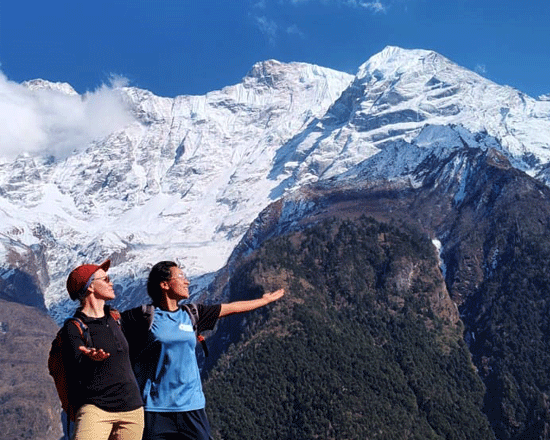
Trekking is essentially day hiking and doesn't require any special training. However, good physical condition, a love of walking, and a desire to enjoy mountain views and village life are essential.
These treks are suitable for walkers looking for something more challenging and energetic. Hill-walking experience is desirable, with longer days and higher elevations.
Since the terrain can be hard and the days long, hikers should be in good physical condition and have previous mountain walking experience. High passes and extended trekking days may be involved.
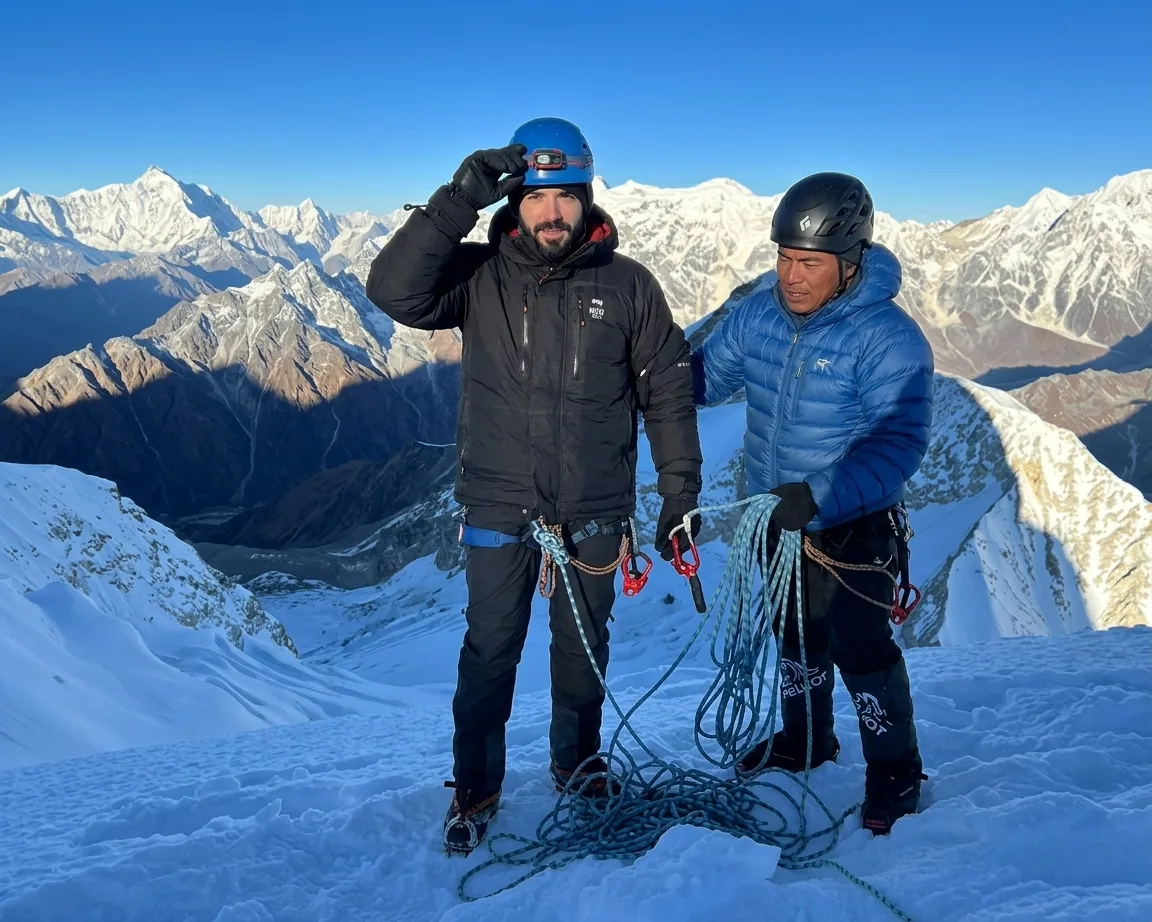
Trekking is essentially day hiking and doesn't require any special training. However, good physical condition, a love of walking, and a desire to enjoy mountain views and village life are essential.
These treks are suitable for walkers looking for something more challenging and energetic. Hill-walking experience is desirable, with longer days and higher elevations.
Since the terrain can be hard and the days long, hikers should be in good physical condition and have previous mountain walking experience. High passes and extended trekking days may be involved.
This is challenging and technical trekking or climbing in Nepal. Participants should be physically fit, mentally prepared, and ready for off-the-beaten-trail routes, camping, or high passes.