
Uncategorized
January 7, 2026
Rara Lake
 By admin
Rara Lake: Nepal’s Hidden Gem & The Queen of Lakes
Rara National Park, nestled in the remote far-western region of Nepal, is a pristine sanctuary known for its breathtaking landscapes, rich biodiversity, and serene Rara Lake—the largest lake in Nepal. Covering 106 km², this park is part of the Mugu District and is situated at an altitude ranging from 1,600 meters to 4,042 meters. Despite being relatively lesser-known than other trekking destinations like Annapurna or Everest, Rara National Park is a treasure for nature lovers, trekkers, bird watchers, and conservation enthusiasts.
This article will explore everything you need to know about Rara National Park—from its natural beauty and wildlife to trekking routes, conservation efforts, and cultural significance.
Overview of Rara Lake
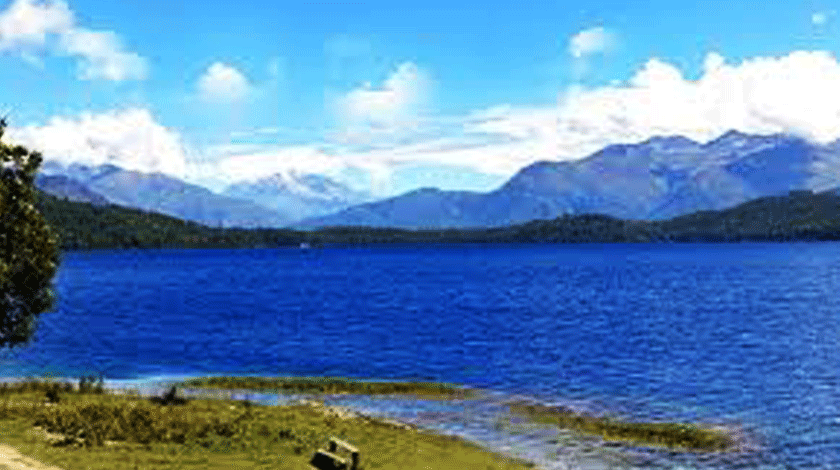
Established in 1976, Rara National Park was created to preserve the unique biodiversity of the mid-hill and high-hill ecosystems of far-western Nepal. It is the smallest national park in Nepal, but its ecological importance is immense. The park is dominated by Rara Lake, also known as Mahendra Tal, which sits at an elevation of 2,990 meters above sea level. The lake is not only a natural marvel but also an ecological hotspot supporting endemic fish species and a variety of water birds.
The park’s terrain is rugged, with deep valleys, dense forests, alpine pastures, and snow-capped peaks, making it a challenging yet rewarding destination for trekkers. Its relative remoteness ensures a pristine environment largely untouched by mass tourism, offering visitors a serene escape into nature.
Geography and Climate
Rara National Park lies in the Himalayan region of western Nepal, bordered by the Karnali River to the east. The park’s altitudinal range allows it to host diverse ecosystems—from subtropical forests in the lower valleys to alpine meadows in the higher reaches. Some of the notable peaks surrounding the park include:
- Chaukhamba (approx. 4,042 m)
- Malika (approx. 3,200 m)
- Rara Peak (approx. 4,034 m)
The park experiences distinct seasonal variations:
- Spring (March-May): Blooming rhododendrons and mild weather make it ideal for trekking.
- Summer (June-August): Monsoon brings heavy rainfall, lush greenery, and challenging trails.
- Autumn (September-November): Clear skies and pleasant temperatures attract most tourists.
- Winter (December-February): Cold temperatures and snow cover the highlands, making access difficult.
Understanding the climate is crucial for visitors, as the park’s remote location means that weather changes can be sudden and severe.
Biodiversity of Rara National Park
Rara National Park is rich in flora and fauna, including many species endemic to the region.
Flora
The park has several types of vegetation zones:
- Lower Temperate Zone (1,600–2,500 m): Broadleaf forests dominated by oak, pine, and rhododendron trees.
- Upper Temperate Zone (2,500–3,500 m): Mixed conifer forests with fir, birch, and juniper.
- Alpine Zone (above 3,500 m): Meadows, shrubs, and alpine herbs, including medicinal plants.
The rhododendron forest blooms spectacularly in spring, painting the hillsides in shades of red, pink, and white. This makes the park a visual delight for photographers and nature lovers.
Fauna
Rara National Park is home to a variety of wildlife:
- Mammals: Himalayan black bear, musk deer, red panda, Himalayan tahr, and leopard cat.
- Birds: Over 200 species of birds, including the golden eagle, Himalayan monal, snow pigeon, and the endangered impeyan pheasant.
- Fish: Rara Lake hosts endemic species like Schizothorax raraensis, found nowhere else in the world.
The park is also a haven for butterflies, amphibians, and reptiles, contributing to its ecological richness.
Cultural and Historical Significance
The region around Rara National Park is sparsely populated, primarily by Chhetri, Thakuri, and Magar communities. These communities have coexisted with the park’s environment for centuries, practicing sustainable agriculture and preserving local traditions.
Local folklore often revolves around Rara Lake, believed to be sacred and associated with various myths. Visitors can also explore nearby villages to experience traditional Nepali rural life, including local festivals, handicrafts, and cuisine.
Trekking in Rara Lake National Park
Trekking is one of the most popular activities in Rara National Park. The park offers a range of trails suitable for various levels of trekkers:
Popular Trekking Routes
- Rara Lake Circuit: A 3–4 day trek around the lake, offering panoramic views of the surrounding mountains.
- Mugu to Rara Trek: A longer route spanning 7–10 days, passing through remote villages and alpine forests.
- Rara Peak Climb: For adventurous trekkers, summiting Rara Peak offers breathtaking views of the Far Western Himalayas.
Trekking in Rara requires good preparation, as facilities are limited, and the trails can be rugged. Local guides are recommended for both safety and cultural insight.
Trekking Tips
- Carry sufficient warm clothing due to cold nights.
- Bring high-energy snacks and water purification tablets.
- Be respectful of local customs and avoid disturbing wildlife.
- Plan trips between March and May or September and November for optimal weather.
Accommodation and Facilities
Rara National Park is relatively underdeveloped in terms of tourism infrastructure, which adds to its charm. Accommodation options include:
- Tea Houses and Lodges: Small guesthouses in villages near the lake, offering basic amenities.
- Camping: Possible near the lake or along trekking routes for those seeking adventure.
Visitors should plan to bring essentials like warm clothing, food, and medical supplies, as facilities are limited compared to other trekking hubs in Nepal.
Adventure and Activities
Aside from trekking, Rara National Park offers several other activities:
- Bird Watching: Spot rare Himalayan birds around Rara Lake.
- Photography: Capture the stunning landscape, wildlife, and local culture.
- Boating on Rara Lake: A serene way to explore the lake and its surroundings.
- Nature Study: Ideal for researchers and students studying high-altitude ecosystems.
The park is a haven for eco-tourism, attracting both adventure seekers and conservation-minded travelers.
Conservation and Environmental Challenges
Despite its remote location, Rara National Park faces several environmental challenges:
- Deforestation and Firewood Collection: Local reliance on firewood can lead to forest degradation.
- Poaching: Though limited, the poaching of musk deer and birds poses a threat to wildlife.
- Tourism Impact: Unregulated tourism can disturb fragile ecosystems.
Efforts by the Department of National Parks and Wildlife Conservation (DNPWC) and local communities aim to maintain sustainability, promote eco-tourism, and involve locals in conservation.
How to Reach Rara National Park
Reaching Rara National Park requires some planning due to its remoteness:
- By Air: The nearest airport is Talcha Airport in Mugu District. Daily flights from Nepalgunj connect visitors to the park.
- By Road: A combination of bus and jeep from Nepalgunj or Jumla can reach the park, but roads are rugged and travel time is long.
- Trekking: Many visitors combine flights with trekking to fully experience the park’s natural beauty.
Best Time to Visit
The best time to visit Rara National Park is:
- Spring (March–May): For blooming rhododendrons and clear weather.
- Autumn (September–November): For trekking and stunning mountain views.
Winter brings snow, making some trails inaccessible, while the summer monsoon can make trekking trails slippery and challenging.
Rara Lake: Jewel of the National Park
No visit to Rara National Park is complete without exploring Rara Lake, the heart of the park:
- Size: Approximately 10.8 km²
- Altitude: 2,990 meters above sea level
- Depth: Average depth of 167 meters
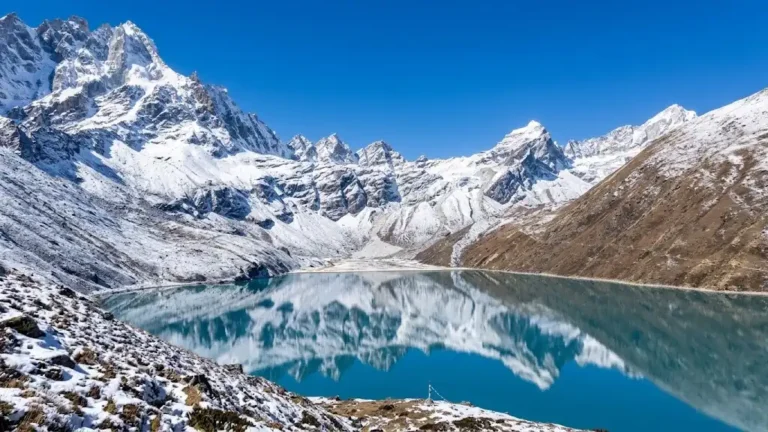
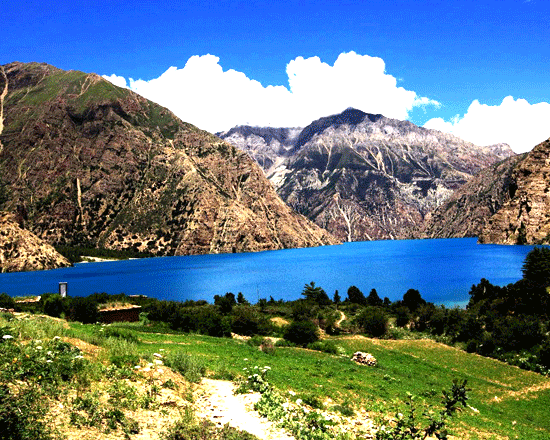
The lake is famous for its crystal-clear water, reflecting the surrounding snow-capped peaks. It is home to rare fish species and attracts migratory birds during certain seasons.
Visitors can enjoy peaceful boat rides, nature walks, and photography, making the lake an ideal spot for relaxation and contemplation.
Unique Features of Rara National Park
- Remote and Untouched: Unlike other popular national parks, Rara remains pristine and less commercialized.
- High Biodiversity: The park supports rare and endemic species.
- Cultural Immersion: Visitors can engage with local communities and experience authentic rural life.
- Adventure Opportunities: Ideal for trekking, camping, and eco-tourism.
Tips for Sustainable Tourism
To help protect Rara National Park:
- Avoid littering and carry reusable water bottles.
- Respect wildlife; do not disturb animals or birds.
- Support local communities by buying handicrafts and hiring local guides.
- Stick to established trekking paths to minimize environmental impact.
Responsible tourism ensures that this natural treasure remains unspoiled for future generations.
Rara National Park in the Context of Nepal’s Tourism
Rara National Park is an emerging destination in Nepal’s tourism industry. While Everest, Annapurna, and Chitwan dominate tourist itineraries, Rara offers an alternative, off-the-beaten-path experience. It appeals to travelers seeking solitude, adventure, and authentic cultural encounters. Promoting Rara National Park can help diversify Nepal’s tourism economy while preserving its unique environment.
Conclusion
Rara National Park is a hidden gem in the far-western Himalayas of Nepal. With its stunning lake, rich biodiversity, challenging trekking trails, and cultural heritage, it is a paradise for nature enthusiasts and adventure seekers. Its remoteness, pristine environment, and peaceful atmosphere make it an ideal destination for those looking to experience Nepal beyond the usual tourist spots.
Visitors to Rara National Park not only witness breathtaking natural beauty but also contribute to conservation and sustainable tourism, ensuring that this unique ecosystem remains intact for future generations.
Whether you are a trekker, photographer, bird watcher, or cultural explorer, Rara National Park offers an unforgettable Himalayan experience that few other destinations in the world can match.
Trek Grade
Grade 1
Tap outside to close
Trekking is essentially day hiking and doesn't require any special training. However, good physical condition, a love of walking, and a desire to enjoy mountain views and village life are essential.
Grade 2
Tap outside to close
These treks are suitable for walkers looking for something more challenging and energetic. Hill-walking experience is desirable, with longer days and higher elevations.
Grade 3
Tap outside to close
Since the terrain can be hard and the days long, hikers should be in good physical condition and have previous mountain walking experience. High passes and extended trekking days may be involved.
Trek Grade
Grade 1
Tap outside to close
Trekking is essentially day hiking and doesn't require any special training. However, good physical condition, a love of walking, and a desire to enjoy mountain views and village life are essential.
Grade 2
Tap outside to close
These treks are suitable for walkers looking for something more challenging and energetic. Hill-walking experience is desirable, with longer days and higher elevations.
Grade 3
Tap outside to close
Since the terrain can be hard and the days long, hikers should be in good physical condition and have previous mountain walking experience. High passes and extended trekking days may be involved.