
April 19, 2026
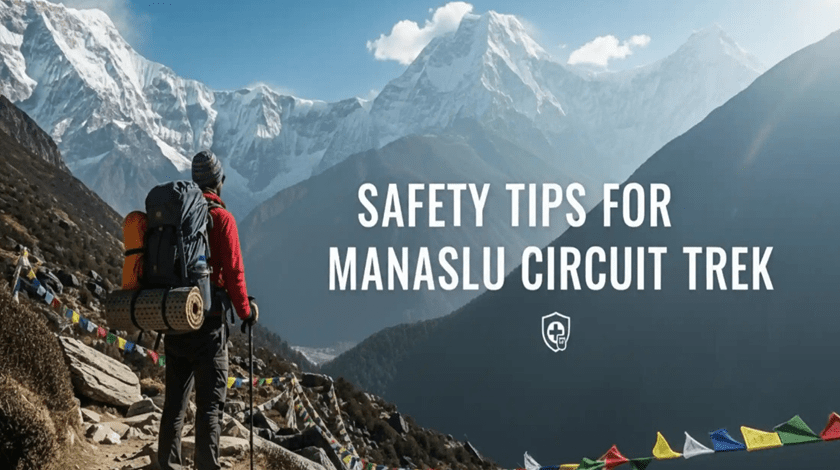
Safety Tips for Manaslu Circuit Trek
 By admin
Safety Tips for Manaslu Circuit Trek: Complete Guide for a Safe Himalayan Journey
Safety is a critical aspect of planning the Manaslu Circuit Trek, as this route passes through a remote and restricted Himalayan region with limited infrastructure and emergency support. Unlike more developed trekking areas, the Manaslu region has fewer medical facilities, limited communication access, and long distances between villages. Because of this, trekkers must rely heavily on preparation, awareness, and proper guidance.
The trek involves several risks, including high altitude, unpredictable weather conditions, rugged terrain, and physical endurance challenges. While the Manaslu Circuit Trek is generally safe when properly planned, it may not be ideal for complete beginners without prior trekking experience. However, with a licensed guide, proper acclimatization, and good physical fitness, most trekkers can complete the journey safely.
Key Risks on the Manaslu Circuit Trek
Understanding the main risks helps trekkers prepare effectively and avoid dangerous situations during the trek.
High Altitude Risk
The trek reaches its highest point at Larkya La Pass (5,160 meters), where oxygen levels are significantly lower than at sea level. This oxygen reduction can affect breathing, physical performance, and overall energy levels, increasing the risk of altitude-related health issues.
Remote Terrain and Limited Facilities
The Manaslu region is far less developed compared to popular trekking routes like Everest and Annapurna. There are no advanced hospitals, limited rescue infrastructure, and no ATMs along most parts of the trail. Trekkers must carry sufficient cash, essential supplies, and be prepared for limited access to services.
Weather and Natural Hazards
The weather in the Himalayas is highly unpredictable. Trekkers may encounter sudden snowfall, strong winds, and temperature drops, especially at higher elevations. In the lower and mid-sections of the trail, landslides and rockfall are also possible, particularly after rainfall or during the monsoon season.
Physical and Mental Challenges
The trek requires sustained physical effort, with daily walking durations often ranging from 6 to 8 hours. Steep ascents, long distances, and high-altitude conditions can lead to fatigue and exhaustion. Mental resilience is equally important, as remote environments can be physically and psychologically demanding.
Altitude Sickness (AMS) – Biggest Safety Concern
Altitude sickness, or Acute Mountain Sickness (AMS), occurs due to reduced oxygen levels at high altitude. Common symptoms include headache, nausea, dizziness, fatigue, loss of appetite, and difficulty sleeping. Preventing AMS requires gradual ascent, proper acclimatization, maintaining hydration of around 3–4 liters of water daily, and avoiding alcohol or smoking. If symptoms appear, trekkers should stop ascending, rest, and descend immediately if the condition worsens, while informing their guide.
Trek with a Licensed Guide (Mandatory Safety Rule)
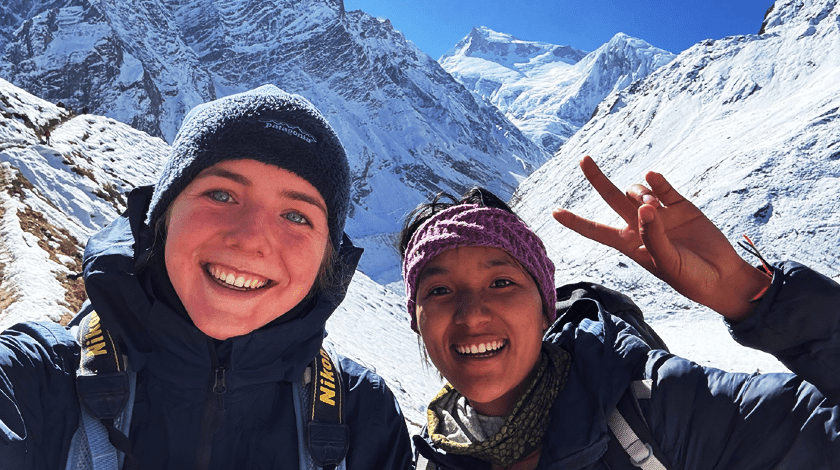
Trekking in the Manaslu region requires a licensed guide, as it is classified as a restricted area by the Nepalese government. This regulation is designed to enhance safety and ensure proper management of trekkers in remote terrain. Choosing the right guide is also important, and some trekkers prefer options like hiring a female as trekker guide for added comfort, cultural understanding, and personalized support during the journey.
A guide plays a crucial role in navigation, especially in areas where trails may be unclear or affected by weather conditions. They monitor altitude-related health issues, assist in emergencies, and coordinate rescue operations if necessary. In situations such as altitude sickness or injury, a guide’s experience and quick decision-making can be critical for ensuring safety.
Weather Awareness and Seasonal Safety
Weather Conditions in Manaslu
Weather conditions in the Manaslu region can change rapidly, particularly at higher elevations. Clear mornings can quickly turn into cloudy or windy conditions, making it essential to stay prepared for sudden changes.
Seasonal Risks
Different seasons present different risks. Winter brings heavy snowfall and extreme cold, which can make crossing Larkya La Pass difficult or impossible. During the monsoon season, trails become slippery, and the risk of landslides increases significantly. Spring and autumn are generally considered the safest seasons due to stable weather and clearer visibility. For a more detailed breakdown of weather patterns and trekking conditions, you can explore a complete guide on the best season for the Manaslu Circuit Trek.
Safety Tips for Weather
Trekkers should monitor weather forecasts regularly, start trekking early in the day to avoid afternoon weather changes, and carry appropriate gear for cold, wind, and rain protection.
Larkya La Pass Safety Tips (Critical Section)
Why Larkya La is Risky
Larkya La Pass (5,160 meters) is the highest and most demanding section of the trek. The combination of high altitude, cold temperatures, and long trekking hours makes this part particularly challenging.
Safe Crossing Strategy
Crossing the pass safely requires starting early in the morning, usually around morning, to avoid strong winds later in the day. Trekkers should maintain a slow and steady pace, take short breaks when needed, and continuously monitor their physical condition.
Snow and Ice Conditions
Snow and ice are common near the pass, increasing the risk of slipping. Using trekking poles for stability and wearing proper footwear with good grip significantly improves safety. Following the guide’s instructions is essential in these conditions.
Physical Preparation and Fitness Safety
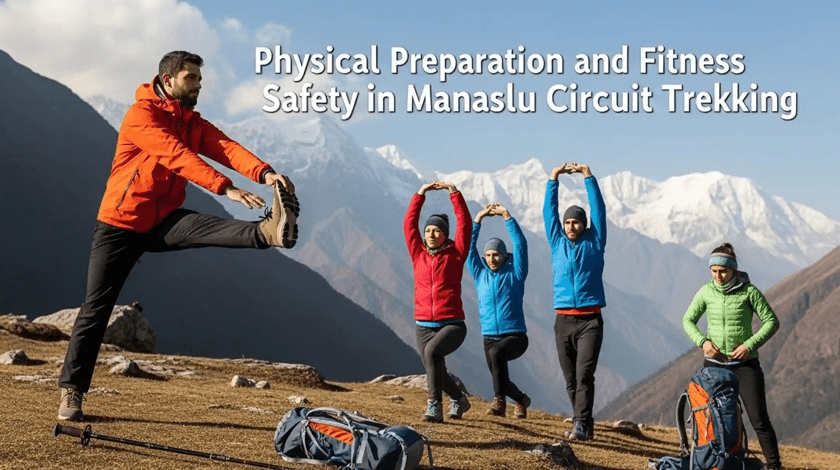
Physical preparation plays a key role in ensuring safety during the trek. The Manaslu Circuit requires strong endurance and the ability to walk for extended periods on uneven terrain.
Training should include cardiovascular exercises such as hiking, running, or cycling, along with strength training for legs and core muscles. During the trek, maintaining a steady pace and avoiding overexertion helps prevent fatigue and reduces the risk of injury.
If you are planning this journey, understanding the overall route, itinerary, and logistics of the Nepal Manaslu Circuit Trek can help you better prepare for the safety challenges.
Hydration, Nutrition, and Energy Management
Proper hydration and nutrition are essential for maintaining energy levels and preventing altitude-related issues. Trekkers should aim to drink 3–4 liters of water daily and consume high-energy meals such as Dal Bhat and other carbohydrate-rich foods.
Dehydration can worsen fatigue and increase the risk of altitude sickness, so regular fluid intake is critical throughout the trek.
Packing and Gear Safety Essentials
Packing appropriate gear ensures comfort and safety in changing mountain conditions. A layered clothing system allows trekkers to adjust to varying temperatures, while waterproof and windproof outer layers provide protection against harsh weather.
Essential safety gear includes trekking poles for balance, a headlamp for early morning or low-light conditions, and a sleeping bag suitable for cold temperatures. A basic first aid kit should always be carried, including personal medications and supplies for minor injuries.
Trail and Terrain Safety
Trail Conditions
The Manaslu Circuit Trek includes a variety of trail conditions, such as narrow mountain paths, suspension bridges over deep river gorges, and rocky sections prone to landslides.
Walking Safety Tips
To stay safe, trekkers should walk slowly and maintain balance, especially on uneven or narrow sections. Avoid rushing, particularly when crossing bridges or navigating steep terrain, as careful movement reduces the risk of accidents.
Drinking Water and Food Safety
Ensuring safe drinking water and hygienic food is essential during the trek. Trekkers should avoid untreated water and instead rely on boiled water provided by teahouses or use purification tablets or filtration systems.
Eating freshly prepared meals from reliable teahouses helps reduce the risk of foodborne illness and supports overall health during the trek.
Communication and Connectivity Safety
Communication in the Manaslu region is limited, especially at higher elevations where mobile network coverage is weak or unavailable. Some villages offer WiFi, but connections are often slow and unreliable.
Trekkers should inform their itinerary to family members or trekking agencies before departure and provide regular updates when possible. Guides often serve as the primary communication link in case of emergencies.
Emergency and Evacuation Safety
Travel insurance is essential for the Manaslu Circuit Trek and must include coverage for high-altitude trekking and helicopter evacuation. In serious emergencies, a helicopter rescue may be required to transport trekkers to medical facilities in Kathmandu or Pokhara.
Evacuation costs vary, making proper insurance coverage critical. Guides and trekking agencies play an important role in coordinating emergency responses.
Permits and Legal Safety Requirements
Trekkers must obtain all required permits before starting the trek, including the Restricted Area Permit (RAP), Manaslu Conservation Area Permit (MCAP), and Annapurna Conservation Area Permit (ACAP). Following these legal requirements ensures authorized access and contributes to safer trekking conditions.
Responsible Trekking for Safety and Sustainability
Responsible trekking helps protect the fragile environment and cultural heritage of the Manaslu region. Trekkers should minimize environmental impact, respect local customs and religious sites, and support local communities by using locally operated lodges and services.
Safety Tips for Solo vs Group Trekkers
Solo trekking is not permitted in the Manaslu region due to its restricted status. Trekking in a group provides additional safety through shared support, better decision-making, and assistance in emergencies. This is especially important for those with limited high-altitude experience, as trekking with a guide or group helps manage risks more effectively. If you are new to this route, understanding key challenges and preparation tips for first-time Manaslu Circuit trekkers can further improve safety and confidence during the journey.
Landslide and Rockfall Safety
Landslides and rockfall are potential hazards in certain sections of the trail, particularly in lower and mid-altitude areas and during or after rainfall. Trekkers should remain cautious, especially when passing through exposed sections.
Key safety practices include:
- walking early in the day when conditions are more stable
- avoiding stopping in landslide-prone areas
- following the guide’s instructions
- staying alert on narrow or exposed trails
Final Safety Checklist Before Trek
Before starting the trek, ensure that all preparations are complete. This includes physical fitness training, obtaining necessary permits and documents, confirming travel insurance coverage, packing essential gear, and planning a realistic itinerary with proper acclimatization.
Frequently Asked Questions (FAQ)
Is the Manaslu Circuit Trek safe for beginners?
It is safe with proper preparation, but beginners should trek with a guide and follow a structured itinerary.
How dangerous is Larkya La Pass?
It is the most challenging section due to altitude, cold, and long trekking hours, but manageable with proper pacing and preparation.
What is the biggest risk on the trek?
The main risks are altitude sickness and unpredictable weather conditions.
Do I need travel insurance?
Yes, travel insurance covering high-altitude trekking and emergency evacuation is essential.
Can altitude sickness be prevented?
It can be minimized through gradual ascent, proper acclimatization, hydration, and rest.
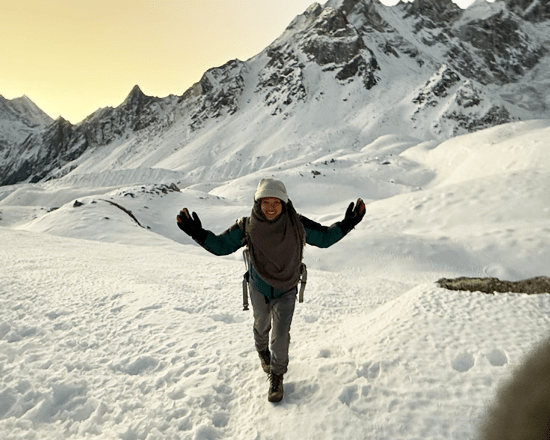
Trekking is essentially day hiking and doesn't require any special training. However, good physical condition, a love of walking, and a desire to enjoy mountain views and village life are essential.
These treks are suitable for walkers looking for something more challenging and energetic. Hill-walking experience is desirable, with longer days and higher elevations.
A moderately challenging high-altitude trek in the Manaslu region that involves long walking days, steep ascents, and crossing the Larkya La Pass at 5,160m. It requires good physical fitness, prior trekking experience, and proper acclimatization to handle the altitude and terrain safely.
Trekking is essentially day hiking and doesn't require any special training. However, good physical condition, a love of walking, and a desire to enjoy mountain views and village life are essential.
These treks are suitable for walkers looking for something more challenging and energetic. Hill-walking experience is desirable, with longer days and higher elevations.
Since the terrain can be hard and the days long, hikers should be in good physical condition and have previous mountain walking experience. High passes and extended trekking days may be involved.
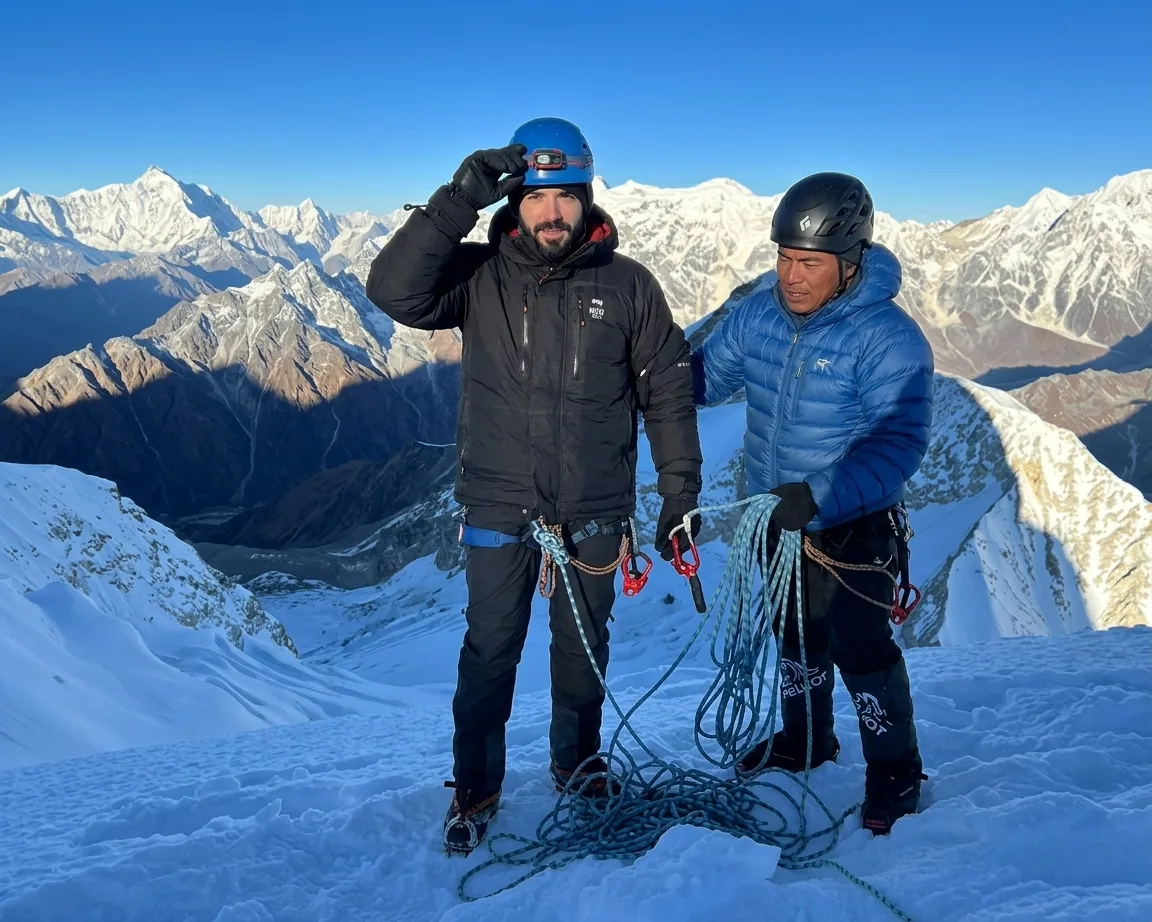
This is challenging and technical trekking or climbing in Nepal. Participants should be physically fit, mentally prepared, and ready for off-the-beaten-trail routes, camping, or high passes.