Tamang Heritage Trek – Discover the Authentic Culture of the Langtang Region
The Tamang Heritage Trek is one of Nepal’s most authentic cultural trekking routes, designed for trekkers who want a deep immersion into the living traditions, social fabric, and Himalayan lifestyle of the Tamang people. Positioned in the Langtang region, close to the Tibetan border, this trail provides a perfect blend of moderate walking, panoramic mountain scenery, natural hot springs, and genuine homestay experiences that showcase the centuries-old heritage of one of Nepal’s most unique ethnic communities.
As a designated cultural trekking route, the Tamang Heritage Trek emphasizes interaction, storytelling, and local hospitality rather than covering extreme altitude or challenging terrain. It is ideal for beginner to intermediate trekkers, families, and travellers seeking a culturally enriching Himalayan holiday.
Overview of the Tamang Heritage Trek
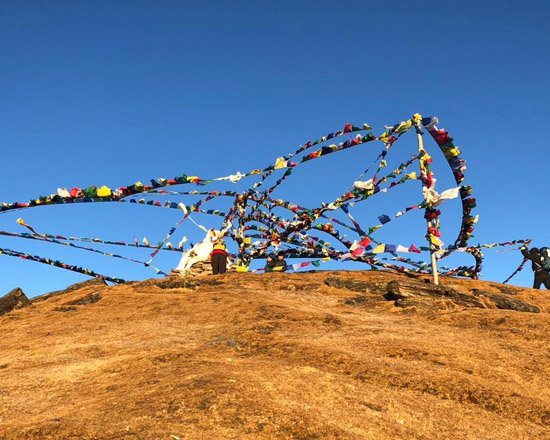
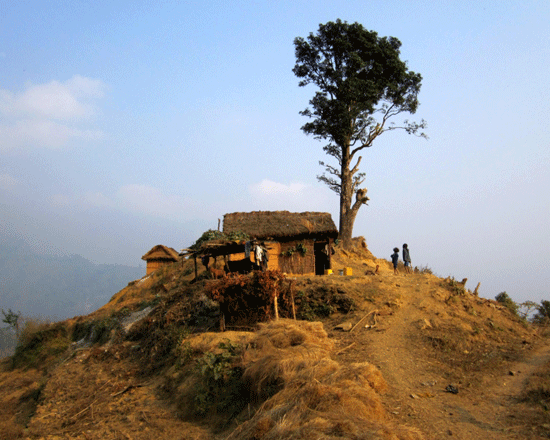
The Tamang Heritage Trail lies northwest of Kathmandu and was developed as a community-based tourism initiative. This region was historically a part of a trade corridor between Nepal and Tibet, and many of the customs, architecture, and festivals still reflect a strong Tibetan Buddhist influence. The trek offers a rare window into traditional rural life: stone-built houses, carved wooden windows, monasteries draped in prayer flags, and warm, welcoming home-cooked meals.
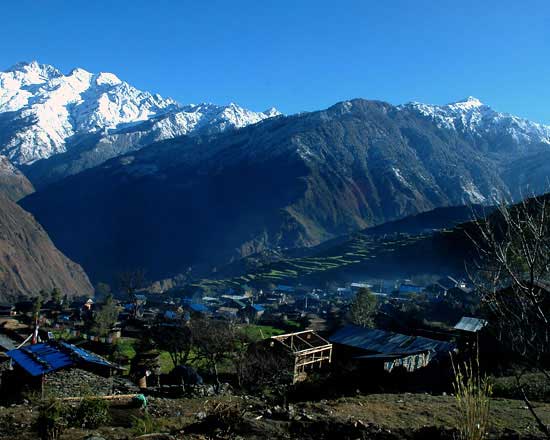
The route is also scenically rewarding. You will walk along terraced fields, pine and rhododendron forests, and high ridges offering spectacular views of Langtang Lirung (7,227 m), Ganesh Himal (7,422 m), Manaslu Massif, and distant peaks on the Tibetan frontier. The region is peaceful, less commercial compared to Everest and Annapurna, and ideal for trekkers who prefer quiet trails and authentic interactions over crowded routes.
Why Choose the Tamang Heritage Trek?
- Immersive Cultural Experience
This trek is one of Nepal’s best routes for cultural anthropology and ethnographic encounters. You will observe traditional Tamang dance, music, religious rituals, and ancestral craftsmanship such as weaving, wood carving, and stone masonry. The hospitality is warm and personal, with many families offering homestay-style accommodations.
- Moderate Grade – Suitable for All Trekkers
The maximum elevation is around 3,165 meters at Nagthali Viewpoint, making the Tamang Heritage Trek accessible to new trekkers, families with children, and travellers who prefer moderate uphill sections without high-altitude risks.
- Natural Hot Springs
The natural hot springs at Tatopani are a highlight for many trekkers. The warm mineral-rich water provides a perfect relaxation stop after several days of walking.
- Stunning Mountain and Valley Scenery
The route features diverse landscapes: terraced fields, river valleys, alpine ridges, and panoramic viewpoints. This is a photographer’s paradise, especially during early morning and late afternoon when light enhances the Himalayan contours.
- Proximity to Kathmandu
The starting point, Syabrubesi, is only a 6–7 hour drive from Kathmandu. Trekkers can complete the journey in under a week, making it one of the best cultural treks for limited holidays.
Detailed Route Highlights
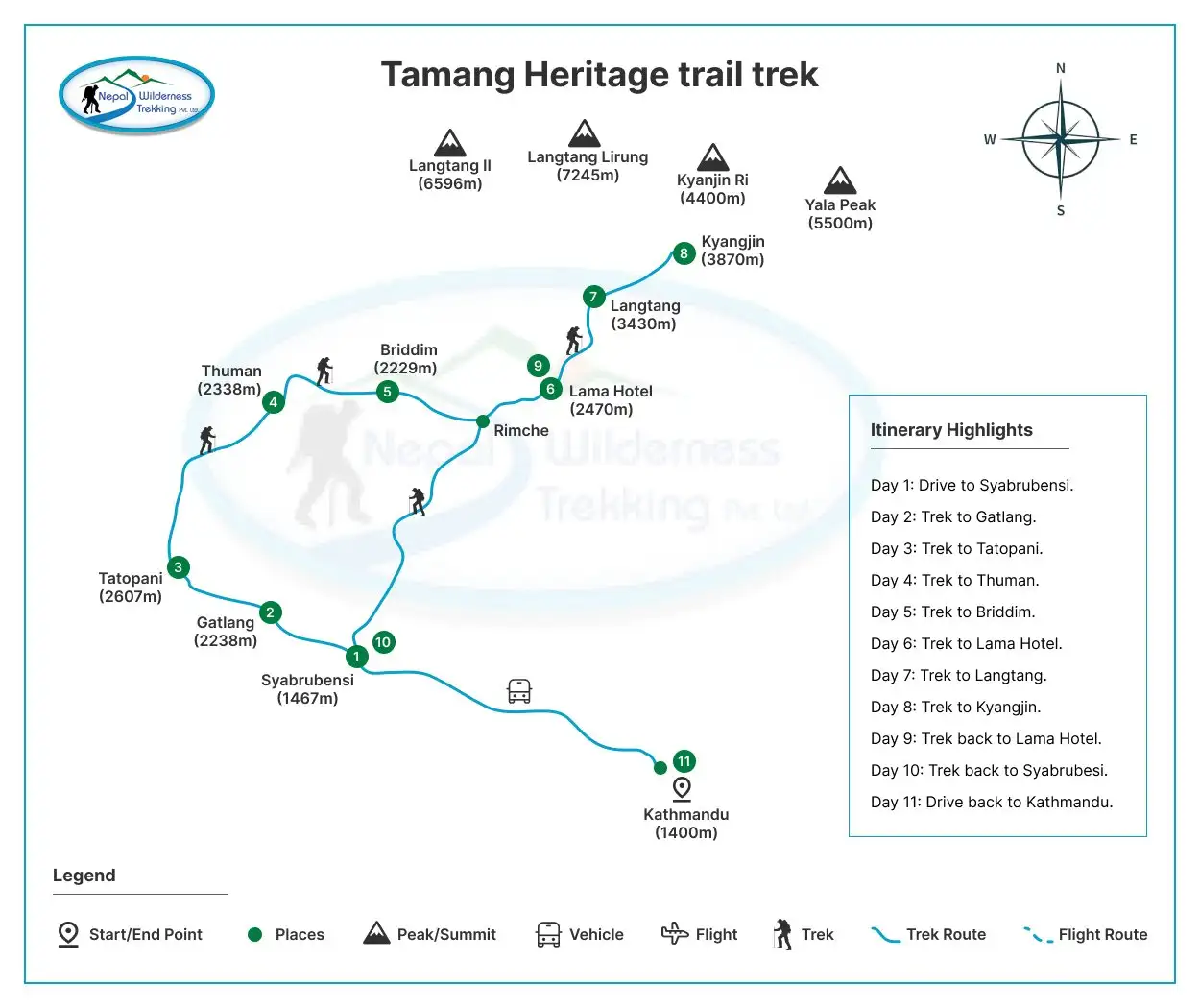
Syabrubesi (1,550 m)
The journey begins in Syabrubesi, a scenic Sherpa and Tamang settlement. This bustling gateway is the access point for both the Tamang Heritage Trail and the Langtang Valley Trek. It is an ideal place to adjust gear, meet your guide, and explore the riverside town.
Gatlang (2,200 m)
Gatlang is one of the most picturesque Tamang villages in Nepal. Houses are neatly arranged with carved windows and colorful prayer flags. The village is known for its vibrant cultural dances, traditional attire, and a beautiful local monastery. The surrounding terraced fields, especially during the agricultural seasons, create postcard-perfect scenery.
Parvati Kunda
Near Gatlang lies Parvati Kunda, a sacred lake revered by both Hindus and Buddhists. During the Janai Purnima festival, hundreds of pilgrims visit this tranquil alpine lake to worship and offer prayers.
Tatopani Hot Springs
Tatopani, meaning “hot water,” is famous for its natural hot springs. Tamang communities believe the waters have healing properties. Trekkers can enjoy a therapeutic break, soothing sore muscles after several days of hiking.
Nagthali Ghyang and Nagthali Viewpoint (3,165 m)
This is one of the highest and most spectacular viewpoints on the Tamang Heritage Trek. From the ridge, you can see a sweeping panorama of Langtang Lirung, Ganesh Himal, Kerung Himal, and distant Tibetan peaks. Nagthali is traditionally a meditation retreat for Buddhist monks and nuns, giving the place a peaceful spiritual atmosphere.
Thuman, Briddim, and Other Cultural Villages
The trail continues through a series of well-preserved Tamang settlements:
- Thuman – Known for its unique Tibetan-influenced houses and traditional weaving patterns.
- Briddim – A model of community-based tourism where trekkers stay in local homes. The village follows Tibetan-style architecture and offers deep cultural immersion.
- Lingling and Rimche – Offering forest trails, wildlife encounters, and gradual ascents through rhododendron and oak woods.
Every village offers distinct cultural performances, local foods, and opportunities to observe the daily life of Tamang families.
Cultural Significance of the Tamang People
The Tamang community is one of Nepal’s oldest ethnic groups, believed to be descendants of Tibetan migrants. Their cultural identity is tied deeply to the mountains, Buddhism, and the natural environment. Key cultural elements include:
- Tibetan Buddhism
The region is dotted with chortens, prayer wheels, and centuries-old monasteries. Rituals are performed by lamas, and festivals follow the Tibetan lunar calendar.
- Traditional Music and Dance
Tamang selo music, accompanied by the damphu (hand drum), is a trademark cultural expression. Many homestays arrange evening performances for guests.
- Distinctive Dress and Jewelry
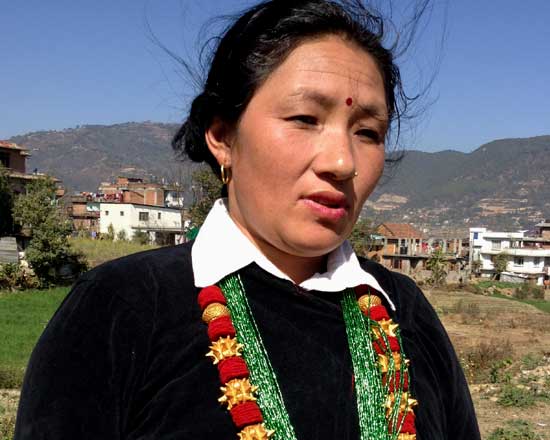
Tamang attire is beautifully woven with symbolic patterns. Women wear large silver ornaments, and men often wear woolen caps and traditional jackets adapted for mountain climates.
- Agriculture and Livelihood
The community survives on farming, livestock herding, and artisan crafts. Barley, millet, maize, potatoes, and buckwheat are staple crops. Yak and sheep pastures are common at higher elevations.
This trek provides a living museum of Himalayan social anthropology, making it an invaluable experience for culture-oriented travellers.
Flora, Fauna, and Natural Landscape
The Tamang Heritage region forms part of the buffer zone around Langtang National Park, home to diverse flora and fauna.
Natural Highlights
- Rhododendron forests (spectacular in spring)
- Dense coniferous woodlands
- High pastures and ridge-top meadows
- Deep river valleys and waterfalls
Wildlife
Although sightings depend on luck, trekkers may encounter:
- Himalayan thar
- Red panda (rare)
- Langur monkeys
- Barking deer
- Himalayan black bear
- Various species of pheasants and eagles
Birdwatchers will appreciate the diversity of high-altitude birds.
Best Time for the Tamang Heritage Trek
Spring (March–May)
The most colorful season—rhododendron forests bloom, skies are clear, and temperatures are mild.
Autumn (September–November)
The most popular time for trekking offering crisp air, excellent visibility, and comfortable conditions.
Winter (December–February)
Trails remain open, but mornings can be cold. Clear skies and quiet routes make winter trekking appealing for solitude-seekers.
Monsoon (June–August)
Not recommended. Trails become muddy and leech-prone, and visibility can be limited.
Accommodation and Meals
Accommodation is primarily community-operated guesthouses and homestays, ensuring income directly supports local development. Rooms are simple but clean, with twin beds, blankets, and solar lighting. Some villages offer private rooms.
Meals typically include:
- Dal bhat (rice, lentils, vegetables)
- Steamed bread and buckwheat chapatis
- Yak butter tea
- Tibetan bread
- Local potatoes and fresh vegetables
- Homemade yogurt and cheese
These meals reflect the Tamang dietary traditions and vary depending on altitude and season.
Permits Required
Trekkers must carry:
- Langtang National Park Entry Permit
- TIMS Card (Trekkers Information Management System)
Both can be arranged quickly in Kathmandu through a trekking agency.
Difficulty and Fitness Level
The Tamang Heritage Trek falls in the easy to moderate category. Daily walking hours range from 4 to 6 hours with gradual ascents. Trekkers do not need previous experience but should maintain basic fitness. Because altitudes are moderate, the risk of altitude sickness is minimal.
The Tamang Heritage Trek offers a rewarding cultural experience, but trekkers should prepare for several physical and logistical challenges:
- Steep ascents and descents: The trail includes frequent uphill and downhill sections, with some steep stretches that can be demanding, particularly after long walking days.
- Rough and uneven trails: Parts of the route follow rocky, narrow, and sometimes slippery paths. Good trekking shoes with solid grip are essential.
- Altitude gain: The trek reaches around 3,165 meters (10,384 feet) at its highest point. Although this is moderate compared with high-altitude Himalayan treks, some trekkers may still experience mild altitude-related symptoms.
- Long walking days: Most days involve approximately 5–7 hours of walking, depending on the route and pace.
- Limited facilities: Accommodation consists mainly of local teahouses and homestays. Facilities are more basic than those available on popular routes such as Everest and Annapurna.
Connectivity and Safety
- Mobile network coverage is improving, especially in larger villages.
- Guides are trained in first aid and local terrain.
- Trails are well-marked and maintained through community efforts.
- Local lodges are secure, and villages are known for warm hospitality.
Combining the Tamang Heritage Trek with Other Routes
For trekkers who want a longer experience in Langtang, the Tamang Heritage Trek can be extended easily:
- Combined Tamang Heritage + Langtang Valley Trek
This combination offers both cultural immersion and the high Himalayan scenery of Kyanjin Gompa.
- Tamang Heritage + Gosaikunda + Helambu
A full cultural and spiritual circuit into sacred lakes and high alpine passes.
- Tamang Heritage + Ruby Valley (Ganesh Himal)
An exploration of untouched villages between Langtang and Manaslu.
These extensions allow a deeper dive into the Himalayan ecosystems and ethnic diversity.
Why Trek with a Local Agency?
A locally managed agency ensures:
- Community benefits stay in the region
- Authentic cultural guidance
- Well-organized permits and transport
- Safe, experienced guides familiar with Tamang traditions
- Quality homestay arrangements
- Ethical trekking standards
As a community-based trail, local participation significantly enhances the experience.
Conclusion: The Cultural Heartbeat of Langtang
The Tamang Heritage Trek stands apart from other Nepali trekking routes due to its emphasis on cultural depth, community interaction, and sustainable tourism. It is the ideal trek for travellers seeking more than mountain scenery—an opportunity to connect with the people, traditions, and stories that make the Himalayas timeless.
With moderate difficulty, rich cultural heritage, panoramic views, and easy accessibility from Kathmandu, this trek is one of Nepal’s most rewarding short cultural journeys. Whether you’re a first-time trekker, a cultural enthusiast, or a photographer searching for authentic Himalayan life, the Tamang Heritage Trek delivers an unforgettable experience rooted in heritage, humility, and Himalayan warmth.
Departure Note
All departure dates listed below are 100% guaranteed to operate.
If none of the scheduled dates fits your travel plans, we can arrange a private trek on your preferred dates at the same cost. Whether you travel solo, with family or friends, or as part of a group, we can tailor the itinerary to match your schedule, interests, and trekking experience.
Our experienced team will work closely with you to create a personalized itinerary and make your trekking adventure in Nepal truly unforgettable.