Ramaroshan Lakes Trek – Nepal’s Untouched Highland of Lakes and Alpine Meadows
Far beyond Nepal’s famous trekking regions lies a landscape that has remained largely unchanged for generations. Hidden in the hills of Achham District, the Ramaroshan Lakes Trek takes you through a quiet world of shimmering alpine lakes, sweeping grasslands, ancient forests, and traditional mountain villages where nature still sets the rhythm of daily life. Unlike the busy trails of Everest or Annapurna, this journey is defined by silence, open space, and the chance to experience a part of Nepal that few international visitors have discovered.
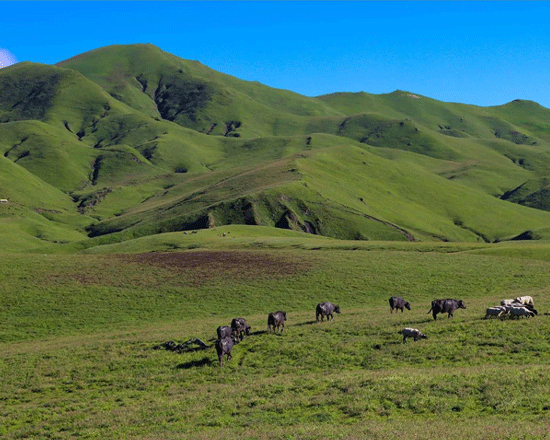
Ramaroshan is celebrated for its remarkable collection of high-altitude lakes and vast alpine meadows, but its true appeal extends far beyond its scenery. For centuries, local herding communities have brought livestock to these seasonal pastures each summer, creating a living cultural landscape where people and nature have coexisted for generations. Walking across these rolling grasslands, you may meet shepherds tending their animals, hear traditional Deuda songs during festival seasons, or watch Himalayan birds soaring above wetlands fed by crystal-clear mountain streams.
This six-day adventure is designed for travelers who value authentic experiences over crowded trails. Rather than rushing from one destination to another, the itinerary allows time to appreciate the region’s peaceful atmosphere, explore lakeside paths, enjoy panoramic viewpoints, and connect with local communities. Every day reveals a different side of Ramaroshan—from tranquil forests filled with rhododendrons and oak trees to open ridges overlooking the remote mountains of far western Nepal.
Whether you are searching for an off-the-beaten-path hiking destination, a rewarding photography trip, or a quiet escape into Nepal’s untouched wilderness, the Ramaroshan Lakes Trek offers a refreshing alternative to the country’s more commercial trekking routes. It is a place where natural beauty, local traditions, and genuine hospitality come together to create an unforgettable Himalayan experience.
Ramaroshan Lakes Trek – Discover the Untouched Highlands of Far Western Nepal
In the far western hills of Nepal, where tourism is still in its early stages and mountain life continues much as it has for generations, lies a remarkable landscape known as Ramaroshan. This peaceful highland is a place of shimmering alpine lakes, rolling green meadows, dense forests, and welcoming villages that offer a very different experience from Nepal’s famous trekking regions. For travelers seeking quiet trails, authentic local culture, and unspoiled natural beauty, the Ramaroshan Lakes Trek is one of the country’s most rewarding hidden adventures.
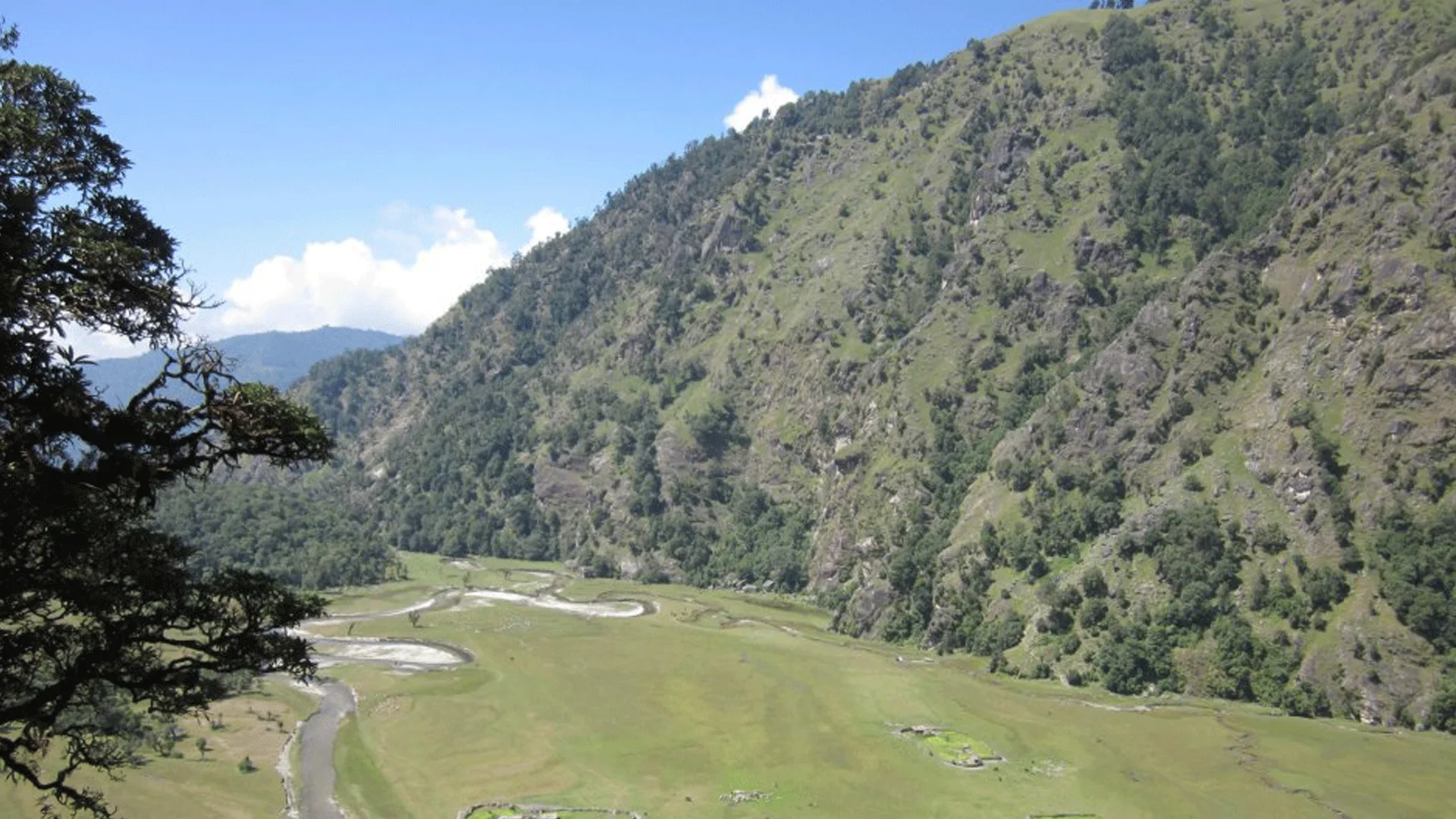
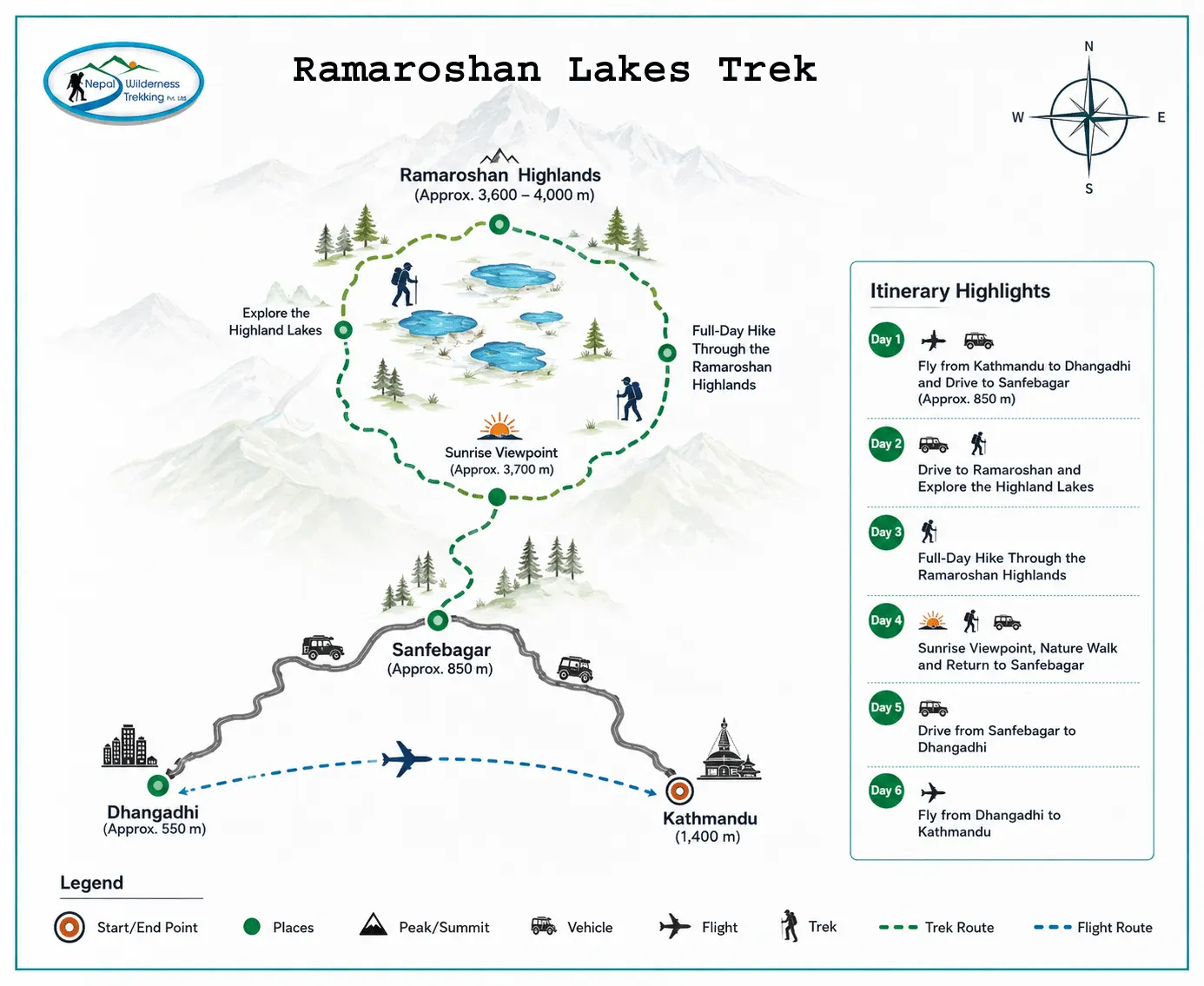
Located in Achham District of Sudurpashchim Province, Ramaroshan sits on a high plateau surrounded by forests and mountain ridges. The area stretches across a diverse landscape of wetlands, alpine grasslands, freshwater lakes, and traditional grazing pastures. Its elevation ranges from around 2,000 meters to nearly 3,800 meters, creating a comfortable trekking environment where visitors can enjoy cool mountain air, spectacular scenery, and rich biodiversity without reaching extreme Himalayan altitudes.
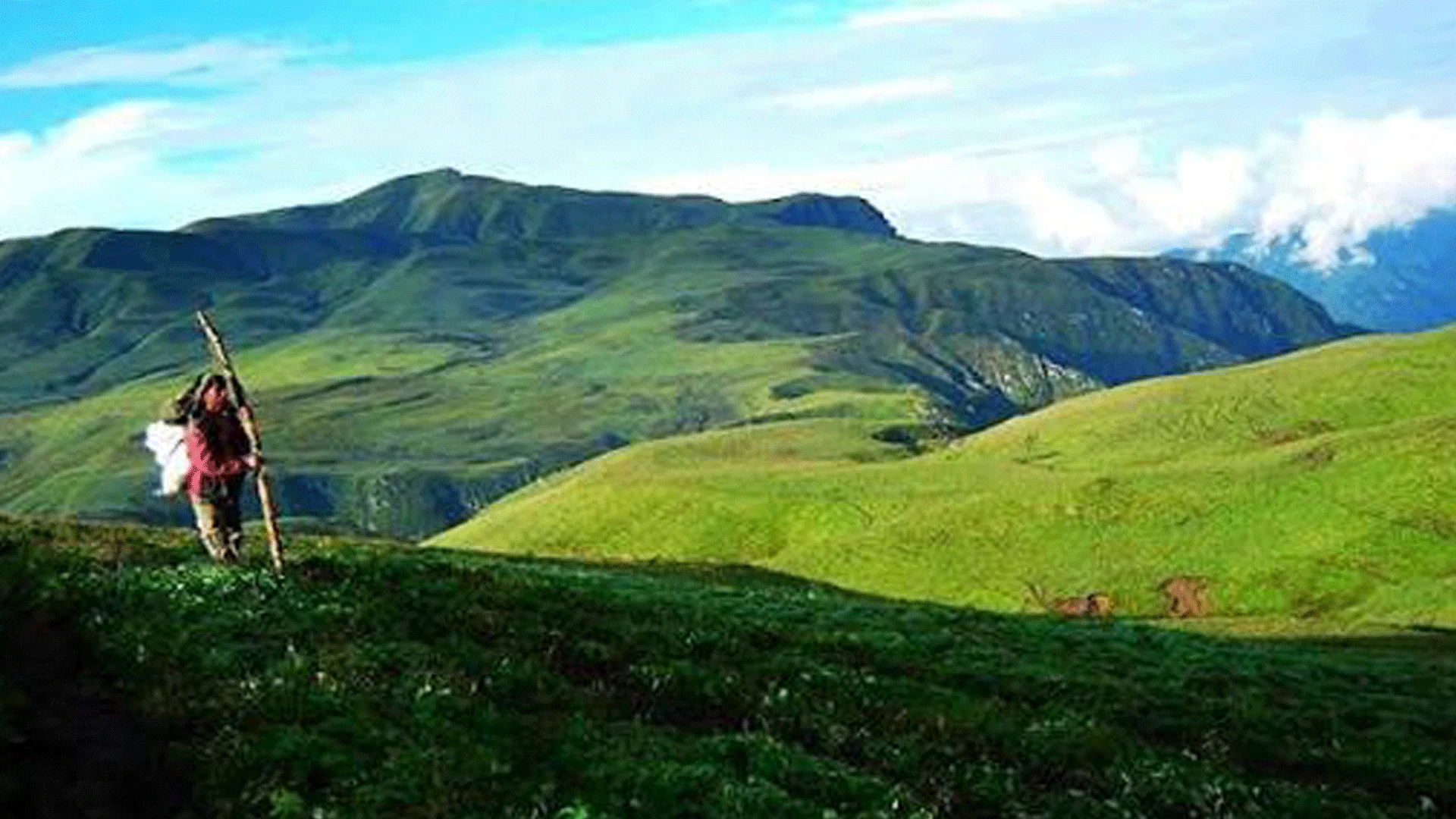
What makes Ramaroshan truly special is the harmony between nature and local life. Every summer, families from nearby villages bring cattle, buffalo, and sheep to the alpine meadows, following a seasonal tradition that has continued for generations. As you walk through these open grasslands, you may see herders tending livestock, hear cowbells echoing across the valleys, or meet local people collecting medicinal herbs and forest products. These everyday scenes give the trek an authentic character that is becoming increasingly rare in many of Nepal’s more commercial trekking destinations.
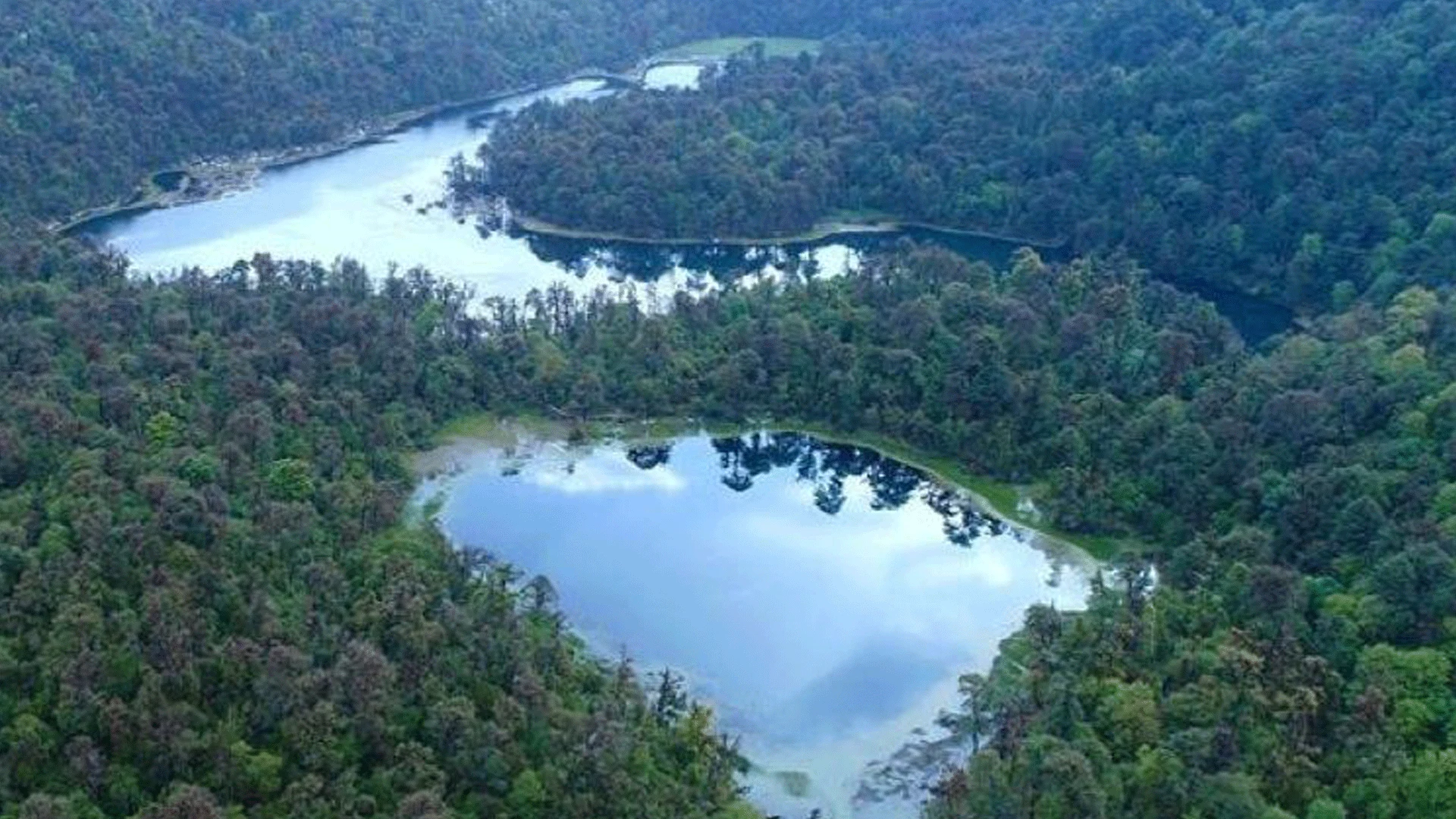
Water shapes nearly every corner of the Ramaroshan landscape. Streams flow gently through the meadows, wetlands support a variety of birds and plants, and a network of beautiful mountain lakes reflects the changing colors of the sky throughout the day. Some lakes are surrounded by thick rhododendron forests, while others rest quietly among open pastures where wildflowers bloom in spring and summer. Together, these lakes and grasslands create a landscape that feels both peaceful and timeless.
Unlike destinations where trekkers spend long days climbing steep mountain passes, the Ramaroshan Lakes Trek focuses on exploration rather than endurance. The journey combines scenic drives through western Nepal with enjoyable hikes across gentle ridges, lakeshores, forests, and panoramic viewpoints. This makes the trek suitable for nature lovers, photographers, birdwatchers, families with trekking experience, and anyone who prefers a relaxed walking holiday over a physically demanding expedition.
The cultural experience is equally memorable. Villages around Ramaroshan preserve traditions that have been passed from one generation to the next. Visitors have the opportunity to experience genuine mountain hospitality, taste local cuisine prepared with fresh ingredients, and learn about festivals, music, and customs that remain an important part of everyday life. During certain seasons, traditional Deuda songs and dances bring communities together, reflecting the rich cultural identity of far western Nepal.
Despite its outstanding natural beauty, Ramaroshan remains largely unknown outside Nepal. Many travelers pass through the country’s famous trekking regions without realizing that landscapes of equal tranquility exist in the west. This lack of mass tourism has allowed the area to retain its peaceful atmosphere, clean environment, and strong connection to local traditions. Instead of crowded trails and busy tea houses, visitors enjoy quiet walking paths, open scenery, and meaningful interactions with local communities.
Our carefully planned 6-day Ramaroshan Lakes Trek is designed to introduce you to this extraordinary destination in a comfortable and enjoyable way. The itinerary combines scenic flights, mountain drives, and rewarding day hikes, giving you enough time to explore the region’s most beautiful lakes, viewpoints, forests, and villages without rushing. Whether you are looking for a new trekking destination, a photography journey, or simply a chance to experience a quieter side of Nepal, Ramaroshan offers an unforgettable adventure where nature, culture, and history come together in perfect balance.
The Story Behind Ramaroshan
Every mountain region in Nepal has its own stories, and Ramaroshan is no exception. Long before the area became known as a trekking destination, these highlands were valued by local communities as seasonal grazing grounds, freshwater sources, and places connected with folklore and spiritual beliefs. Even today, many of the stories surrounding Ramaroshan are passed down through oral tradition rather than written history, giving the region an enduring sense of mystery.
The origin of the name Ramaroshan is still debated, and no single explanation has been officially confirmed. One of the most widely shared local traditions suggests that the name comes from two neighboring alpine meadows known as Rama and Roshan. As generations of herders and villagers referred to these grazing areas together, the combined name gradually came to represent the entire highland landscape. Another local belief associates Rama with a sacred figure and Roshan with brightness or beauty, describing a place blessed with exceptional natural scenery. While the exact origin remains uncertain, these traditions reflect the deep cultural connection local people have with the land.
Unlike many Himalayan destinations shaped mainly by mountaineering history, Ramaroshan developed around everyday mountain life. Families from villages across Achham have traditionally moved livestock into the high meadows during the warmer months, following a seasonal pattern that continues today. These journeys were not only essential for grazing animals but also strengthened community relationships, preserved traditional knowledge, and maintained the alpine grasslands that now define the region’s landscape.
The meadows, locally called patans, are among Ramaroshan’s most distinctive natural features. During spring and summer they become vibrant green pastures dotted with wildflowers, while autumn transforms them into golden open landscapes beneath crystal-clear skies. Between these meadows lie numerous freshwater lakes, small streams, and wetlands that support a rich variety of birds, plants, and wildlife. Together they form an interconnected ecosystem rather than a collection of isolated attractions.
Because of its location in the remote hills of western Nepal, Ramaroshan remained largely unknown to international visitors for many years. While trekking tourism expanded rapidly in regions such as Everest and Annapurna, this quiet corner of Achham continued to preserve its traditional lifestyle. Local communities focused on agriculture, livestock herding, and forest resources, with only a small number of domestic travelers visiting the area each year. As a result, much of Ramaroshan still feels remarkably untouched compared with Nepal’s more established trekking destinations.
Today, improved transportation has made the region easier to reach, yet it continues to retain the peaceful atmosphere that first attracted nature lovers and explorers. Walking through its forests, lakes, and meadows offers more than beautiful scenery—it provides an opportunity to experience a landscape where local traditions, seasonal rhythms, and the natural environment remain closely connected. This combination of culture and wilderness is what makes Ramaroshan one of the most authentic hiking destinations in Nepal.
Why Choose the Ramaroshan Lakes Trek?
Nepal is home to many world-famous trekking destinations, but few offer the quiet atmosphere and untouched landscapes found in Ramaroshan. This journey is not about crossing the highest mountain pass or reaching a famous base camp. Instead, it invites you to slow down, explore a hidden corner of the Himalayas, and experience a landscape where nature and traditional mountain life continue in harmony.
Escape the Crowded Trekking Routes
Many of Nepal’s popular trekking trails become busy during the spring and autumn seasons. Ramaroshan offers a completely different experience. The hiking trails are peaceful, the villages remain authentic, and you can spend hours walking through forests and meadows without meeting large trekking groups. For travelers who value solitude and nature, this is one of the region’s greatest attractions.
Explore a Landscape Shaped by Water and Grasslands
Ramaroshan is known for its beautiful combination of alpine lakes, rolling meadows, wetlands, and forests. Instead of dramatic glaciers and rocky mountain passes, the scenery here changes gently from open grasslands to peaceful lakeshores and dense woodland. Every section of the trail offers a different perspective of this remarkable highland environment.
Experience Genuine Rural Nepal
The villages surrounding Ramaroshan have preserved their traditional way of life for generations. Farming, livestock herding, and seasonal migration to the high pastures remain part of everyday life. During your journey, you may have the opportunity to meet local families, observe daily village activities, and learn about customs that continue to shape the culture of far western Nepal.
Walk Through Living Alpine Meadows
Unlike many trekking regions where alpine meadows are simply crossed on the way to higher mountains, the meadows of Ramaroshan are themselves one of the main attractions. These wide-open grasslands provide grazing areas for livestock, habitats for wildlife, and spectacular places to relax while enjoying uninterrupted mountain scenery.
A Paradise for Nature Lovers
The forests and wetlands around Ramaroshan support a rich variety of Himalayan wildlife and birdlife. Rhododendron forests bloom with vibrant colors in spring, while the wetlands attract numerous bird species throughout the year. Photographers and birdwatchers will find countless opportunities to observe nature in a peaceful environment.
Comfortable Altitude for Most Trekkers
The trek reaches moderate elevations without climbing into extreme high-altitude terrain. This allows many visitors to enjoy the beauty of Nepal’s mountains while reducing the physical demands associated with some of the country’s longer Himalayan expeditions.
Ideal for Short Adventure Holidays
Many travelers have limited time to explore Nepal. The six-day itinerary offers an excellent balance between travel, hiking, sightseeing, and cultural experiences. It is an ideal choice for those looking for a rewarding Himalayan adventure without committing to a two-week trek.
Discover a Destination Few International Visitors Know
One of the greatest rewards of visiting Ramaroshan is the feeling of discovering somewhere genuinely different. While famous trekking regions receive thousands of visitors each year, Ramaroshan remains one of Nepal’s least-visited mountain landscapes. The peaceful atmosphere and lack of commercial development allow visitors to experience the region in a more authentic way.
Enjoy Every Season in a Different Way
Each season brings a new character to Ramaroshan. Spring covers the hillsides with blooming rhododendrons and fresh greenery. Summer fills the meadows with wildflowers and flowing streams. Autumn provides crisp mountain views and pleasant hiking weather, while winter occasionally transforms the higher grasslands with light snowfall, creating an entirely different landscape.
Travel with Local Experts
Exploring a lesser-known destination is most rewarding when guided by people who understand its culture, environment, and communities. Our experienced local team takes care of transportation, accommodation, and logistics while sharing insights that help you appreciate the region beyond its beautiful scenery.
Ramaroshan Lakes Trek Difficulty
The Ramaroshan Lakes Trek is considered an easy to moderate hiking adventure, making it suitable for most travelers with a reasonable level of fitness. Unlike many of Nepal’s famous trekking routes, this journey does not involve crossing high mountain passes, climbing steep alpine trails, or trekking at extreme altitudes. Instead, the experience focuses on exploring peaceful meadows, alpine lakes, forests, and traditional villages at a relaxed pace.
Most daily walks take between 4 and 6 hours, following a mixture of jeep tracks, village paths, forest trails, and open grasslands. Although some sections include gradual uphill and downhill walking, the terrain is generally gentle compared to longer Himalayan expeditions such as the Everest Base Camp Trek or the Annapurna Circuit Trek.
The highest point of the trip is around 3,700 meters, where the air is thinner than at lower elevations. However, because the itinerary includes gradual altitude gain and the maximum elevation is moderate, the risk of altitude sickness is significantly lower than on many high-altitude treks. Most visitors complete the journey comfortably without any altitude-related problems.
This trek is an excellent choice for travelers who enjoy walking in nature rather than challenging mountain climbing. It is well suited for couples, families with older children, photographers, birdwatchers, and anyone looking to experience Nepal’s remote mountain landscapes without undertaking a physically demanding expedition.
To make your journey more enjoyable, we recommend preparing with regular walking or light exercise before your trip. Comfortable trekking boots, suitable clothing, and a small daypack are all you need to enjoy this rewarding Himalayan adventure.
Best Time for the Ramaroshan Lakes Trek
Ramaroshan can be visited throughout much of the year, but the best seasons are spring (March to May) and autumn (September to November). During these months, the weather is generally stable, temperatures are pleasant for hiking, and the mountain scenery is at its finest.
Spring (March to May)
Spring transforms the hills of Ramaroshan into a colorful natural garden. Rhododendron forests bloom in shades of red, pink, and white, while fresh greenery covers the alpine meadows. Temperatures are comfortable, making this one of the most enjoyable seasons for hiking, photography, and birdwatching.
Summer / Monsoon (June to August)
The monsoon brings lush vegetation and flowing streams, creating vibrant landscapes throughout the region. However, heavy rainfall can make mountain roads muddy and increase the likelihood of travel delays. If you plan to visit during this season, flexibility in your itinerary is recommended.
Autumn (September to November)
Autumn is widely regarded as the best time to visit Ramaroshan. After the monsoon rains, the skies become exceptionally clear, offering beautiful views of the surrounding mountains and countryside. Mild temperatures and dry trails create ideal conditions for hiking and outdoor exploration.
Winter (December to February)
Winter offers peaceful landscapes and cool mountain weather. Higher parts of Ramaroshan may occasionally receive light snowfall, creating beautiful scenery around the lakes and meadows. While daytime hiking remains possible on many trails, temperatures can drop below freezing at night, so warm clothing is essential.
Accommodation During the Ramaroshan Lakes Trek
Accommodation on the Ramaroshan Lakes Trek offers a genuine experience of rural Nepal. Rather than staying in large hotels or modern mountain lodges, you’ll spend your nights in comfortable local lodges, family-run guesthouses, and community homestays that reflect the traditional lifestyle of Achham District.
In Sanfebagar, accommodation is available in simple hotels and lodges with private or twin-sharing rooms. While the facilities are modest, they provide a clean, comfortable place to rest after your journey. Most rooms include comfortable beds, blankets, and basic furniture, while bathrooms may be private or shared depending on the lodge.
During your stay in the Ramaroshan area, accommodation is generally provided in locally operated lodges or community homestays. These accommodations allow visitors to experience the warm hospitality of the local people while contributing directly to the local economy. The rooms are simple but clean, offering a peaceful environment surrounded by forests, alpine meadows, and mountain scenery.
Electricity is available in most villages, although occasional power interruptions may occur due to weather or local conditions. Mobile network coverage is available in some areas but may be limited in more remote parts of the trek. Wi-Fi is not widely available, making this an excellent opportunity to disconnect from everyday life and fully appreciate the natural surroundings.
Although the accommodation is more basic than in Nepal’s major trekking regions, the genuine hospitality, home-cooked meals, and peaceful mountain atmosphere create an experience that many travelers find far more memorable than staying in commercial hotels.
Api Himal Base Camp Trek
$ 1700
11 Days
Meals During the Ramaroshan Lakes Trek
Meals during the trek are freshly prepared using locally available ingredients, giving visitors an opportunity to experience the traditional flavors of far western Nepal. The menu is simple, nutritious, and designed to provide the energy needed for daily hiking.
Breakfast usually includes items such as Tibetan bread, chapati, eggs, porridge, pancakes, potatoes, tea, or coffee. Fresh seasonal fruits may also be available depending on the time of year.
Lunch and dinner typically feature traditional Nepali dishes prepared with rice, lentil soup, seasonal vegetables, pickles, and locally grown produce. Noodles, fried rice, pasta, soups, momo, and potato dishes are also commonly available at many lodges.
One of the highlights of the journey is enjoying Dal Bhat, Nepal’s traditional meal of rice, lentil soup, vegetables, and seasonal curry. Freshly prepared and served with generous refills, it remains the preferred meal for both trekkers and local people because it is healthy, filling, and rich in energy.
Vegetarian meals are widely available throughout the trek. If you have special dietary requirements, such as vegan, gluten-free, or food allergies, please let us know before the trip so we can make the necessary arrangements whenever possible.
Drinking water is available throughout the journey. To reduce plastic waste, we recommend carrying a reusable water bottle and using water purification tablets or a portable filter rather than purchasing bottled water.
Transportation for the Ramaroshan Lakes Trek
The journey begins with a scenic one-hour flight from Kathmandu to Dhangadhi, followed by a private jeep drive through the hills of Achham District to Ramaroshan. The road passes traditional villages, terraced farmland, forests, and river valleys, offering a glimpse into the daily life of far western Nepal.
Although road conditions have improved in recent years, some sections remain rough and unpaved. Our experienced drivers use reliable four-wheel-drive vehicles to ensure a safe and comfortable journey. The combination of domestic flights and private transportation allows you to experience this remote destination within a convenient six-day itinerary.
Permits for the Ramaroshan Lakes Trek
At present, no special trekking permit is required for the Ramaroshan Lakes Trek, unlike many restricted trekking regions in Nepal. However, local entry fees or conservation charges may apply depending on current regulations. Nepal Wilderness Trekking will arrange all necessary permits and local formalities before your trip, allowing you to enjoy a hassle-free adventure.
We recommend bringing:
- Comfortable trekking boots
- Lightweight hiking clothing
- Warm fleece or down jacket
- Waterproof jacket and trousers
- Sun hat and sunglasses
- Reusable water bottle
- Sunscreen and lip balm
- Personal toiletries
- Basic first aid items
- Camera or binoculars
- Power bank
- Trekking poles (optional)
Travel Insurance
Although the Ramaroshan Lakes Trek is an easy to moderate adventure, comprehensive travel insurance is strongly recommended. Your policy should cover medical treatment, emergency evacuation if required, trip cancellation, and other unexpected travel disruptions. Having suitable insurance provides peace of mind while exploring remote areas of Nepal.
Why Trek with Nepal Wilderness Trekking?
- Experienced local trekking guides
- Government-licensed trekking company
- Small private and customized trips
- Fair prices with no hidden costs
- 24/7 customer support
- Responsible and sustainable tourism
- Friendly, knowledgeable guides with local experience
Explore More Treks in Far Western Nepal
If you would like to discover more of far western Nepal after the Ramaroshan Lakes Trek, the Badimalika Trek is an excellent choice. This scenic pilgrimage trek leads to the sacred Badimalika Temple (4,200m), passing through beautiful alpine meadows and traditional mountain villages. For a more challenging Himalayan adventure, the Api Himal Trek takes you into one of Nepal’s most remote regions, offering spectacular mountain scenery, pristine forests, and authentic local culture.