
April 22, 2026
How Difficult is the Everest Base Camp Trek
 By admin
How Difficult is the Everest Base Camp Trek?
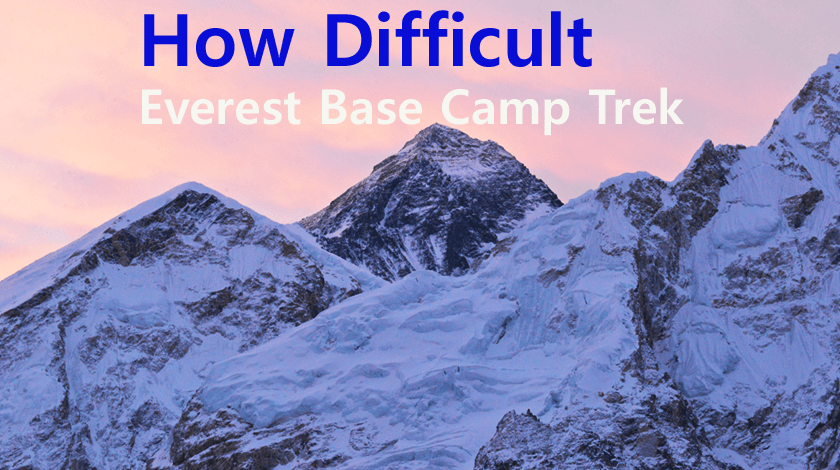
The Everest Base Camp Trek is considered moderately difficult, but it is achievable for most people with proper preparation. The challenge is not technical climbing but rather the combination of long walking days, high altitude, and changing weather conditions. Trekkers typically walk 5 to 7 hours per day for nearly two weeks, gradually gaining elevation in the remote Himalayan region.
The greatest difficulty comes from altitude. As you ascend above 3,500 meters, oxygen levels decrease, making physical activity more demanding. Even fit individuals may feel tired or short of breath. In addition, basic accommodation, cold temperatures, and limited facilities can add to the overall challenge.
However, the trek is well-established, with clear trails and regular teahouses along the route. With a proper itinerary, acclimatization days, and a steady pace, most trekkers can successfully reach Everest Base Camp. Mental strength and patience are just as important as physical fitness, making this trek a rewarding but demanding adventure.
How Long Does the Everest Base Camp Trek Take?
The Everest Base Camp Trek usually takes 12 to 14 days, depending on the itinerary and acclimatization schedule. The journey begins with a scenic flight to Lukla, followed by a gradual trek through the Khumbu Region, passing through villages like Namche Bazaar, Tengboche, and Dingboche.
Most itineraries include at least two acclimatization days, typically in Namche Bazaar and Dingboche, to help the body adjust to the increasing altitude. These rest days are essential for reducing the risk of altitude sickness and improving overall comfort during the trek.
Daily walking distances vary, but trekkers usually spend 5 to 7 hours on the trail each day. Some shorter or longer itineraries are available, but rushing the trek is not recommended due to the risks associated with rapid altitude gain.
The return journey is faster as you descend, usually taking 3 to 4 days. Overall, the duration is carefully designed to balance physical effort and proper acclimatization, ensuring a safe and enjoyable trekking experience.
How Much Does the Everest Base Camp Trek Cost?
The cost of the Everest Base Camp Trek can vary widely depending on the level of service, trekking style, and preferences. On average, a standard package ranges from $1,200 to $2,500 per person. This typically includes permits, accommodation, guide, porter, meals, and domestic flights.
Budget trekkers may spend less by traveling independently and choosing basic teahouses, while luxury packages with high-end lodges and helicopter returns can cost significantly more. The biggest fixed expense is the flight to Lukla, which is essential for accessing the Everest region.
Additional costs include personal expenses such as snacks, hot showers, WiFi, battery charging, and tips for guides and porters. Prices for food and services increase with altitude due to transportation challenges.
Hiring a guide and porter may increase the cost but greatly improves safety, comfort, and overall experience. Proper planning and understanding of inclusions help trekkers manage their budget effectively while enjoying the incredible journey to Everest Base Camp.
What is the difference between the Everest Base Camp Trek and the Three Passes Trek?
The Everest Base Camp Trek and the Everest Three Passes Trek both take place in the same region but differ significantly in difficulty and experience. The standard EBC Kala Patthar trek focuses on reaching base camp and visiting highlights like Namche Bazaar and Kala Patthar. It is suitable for trekkers with moderate fitness and limited high-altitude experience.
In contrast, the Three Passes Trek is a more challenging and adventurous route that includes crossing three high mountain passes: Kongma La, Cho La, and Renjo La. These passes exceed 5,000 meters and require stronger endurance, better acclimatization, and sometimes basic technical awareness.
The Three Passes Trek takes longer, usually around 18 to 20 days, and offers more remote and less crowded trails. It offers panoramic views and a deeper exploration of the Everest region, but requires greater physical and mental preparation.
For most trekkers, the Everest Base Camp Trek is the ideal introduction to high-altitude trekking. At the same time, the Three Passes Trek is better suited for experienced adventurers seeking a more demanding challenge.
Understanding the Physical Demands
Before starting training, it is important to understand what your body will experience in the Khumbu Region.
Trek demands:
- 5–7 hours of walking daily
- Continuous uphill and downhill trekking
- Thin air above 3,500 meters
- Cold temperatures and basic mountain facilities
The main challenge is not speed, but sustained physical effort over 12–14 days.
Fitness Requirements for Everest Base Camp Trek
You do not need to be an athlete, but you should have:
✔️ Cardiovascular endurance – Ability to walk for long hours without exhaustion
✔️ Leg strength – To handle steep ascents and descents
✔️ Core stability – For balance on uneven trails
✔️ Mental endurance – To maintain consistency over multiple days
Ideal Training Timeline
Begin training 6–8 weeks before your trek.
Suggested plan:
- Week 1–2: Build base fitness
- Week 3–5: Increase intensity and duration
- Week 6–8: Simulate trekking conditions
A longer preparation period is always beneficial for better results.
Cardio Training: The Foundation
Cardiovascular fitness is essential for trekking.
Best exercises:
- Brisk walking
- Hiking
- Running or jogging
- Cycling
- Stair climbing
Weekly structure:
- 4–5 sessions per week
- Start with 30 minutes and progress to 60–90 minutes
Goal: Comfortable walking for 6–7 hours continuously.
Hiking Practice: Most Effective Training
Real hiking is the best preparation.
Training method:
- Weekend-long hikes
- Include uphill and downhill terrain
- Use trekking shoes
Add weight:
Carry a 5–8 kg backpack to simulate real trekking conditions.
Strength Training: Build Trekking Power
Strong legs reduce fatigue and injury risk.
Key exercises:
- Squats
- Lunges
- Step-ups
- Light deadlifts
- Calf raises
Core training:
- Plank
- Side plank
- Sit-ups
Frequency:
2–3 times per week, focusing on endurance.
Stair Training: Highly Effective Method
Stair climbing closely simulates trekking conditions.
Method:
- Continuous climbing for 20–40 minutes
- Use a backpack for added resistance
Benefits:
- Improves leg strength
- Enhances lung capacity
- Prepares for steep climbs like Namche Bazaar
Flexibility & Recovery
Flexibility reduces injury risk and improves performance.
Include:
- Post-workout stretching
- Yoga (1–2 times weekly)
Focus areas:
- Hamstrings
- Quads
- Calves
- Lower back
Recovery is essential for long-term training success.
Altitude Preparation
While altitude cannot be fully simulated, you can prepare your body.
Tips:
- Improve cardiovascular fitness
- Practice controlled breathing
- Train in higher elevations if possible
Fitness significantly improves altitude adaptation.
Training with Gear
Train with actual trekking equipment.
Use:
- Hiking boots
- Backpack
- Trekking poles
Benefits:
- Prevents blisters
- Improves comfort
- Builds familiarity
Never use new boots directly on the trek.
Nutrition During Training
Proper nutrition improves endurance and recovery.
Eat:
- Balanced meals (carbohydrates, protein, fats)
- Fresh fruits and vegetables
- Adequate hydration
Before training:
Light carbohydrate-based meals
After training:
Protein for muscle recovery
Mental Preparation
Mental strength is crucial for success.
Training mindset:
- Prepare for long walking days
- Accept slow and steady progress
- Build consistency
Trek reality:
- Basic accommodation
- Cold conditions
- Limited comfort
A strong mindset enhances the entire experience.
Sample Weekly Training Plan
Monday: Cardio (45 min walk/jog)
Tuesday: Strength training (legs + core)
Wednesday: Stair climbing (30 min)
Thursday: Rest or yoga
Friday: Cardio (60 min brisk walk)
Saturday: Long hike (2–5 hours with backpack)
Sunday: Rest or light activity
Common Training Mistakes
❌ Starting too late
❌ Ignoring leg strength
❌ Not training with a backpack
❌ Overtraining without recovery
❌ Skipping long hikes
Do You Need a Guide?
A guide improves safety and comfort during the trek.
A guide can:
- Maintain proper trekking pace
- Monitor altitude symptoms
- Assist with logistics
Final Preparation Checklist
Before departure, ensure you can:
- Walk 5–6 hours comfortably
- Climb stairs without exhaustion
- Carry a daypack for long durations
- Recover quickly after exertion
Final Thoughts
Training for the Everest Base Camp Trek is about preparation, not perfection. Consistency and endurance matter more than extreme fitness.
With proper training:
- You reduce injury risk
- You enjoy the journey more
- You increase the success rate
Reaching the base of Mount Everest is a life-changing achievement—and preparation makes the experience even more rewarding.
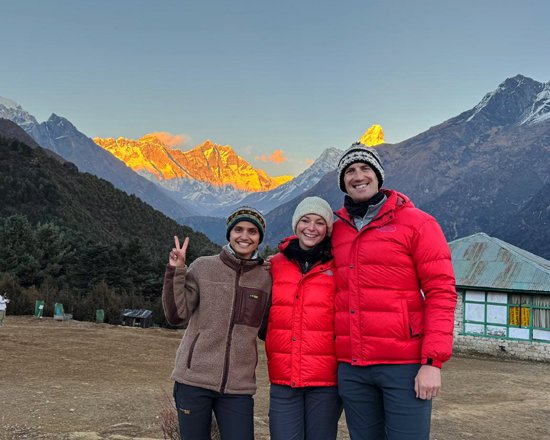
Trekking is essentially day hiking and doesn't require any special training. However, good physical condition, a love of walking, and a desire to enjoy mountain views and village life are essential.
These treks are suitable for walkers looking for something more challenging and energetic. Hill-walking experience is desirable, with longer days and higher elevations.
Since the terrain can be hard and the days long, hikers should be in good physical condition and have previous mountain walking experience. High passes and extended trekking days may be involved.
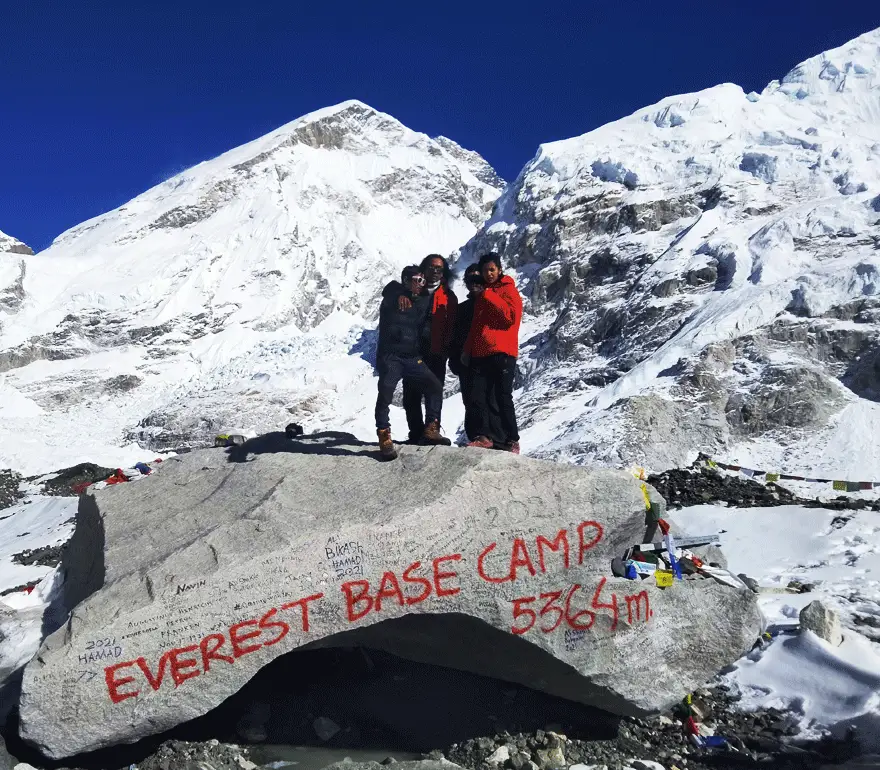
Trekking is essentially day hiking and doesn't require any special training. However, good physical condition, a love of walking, and a desire to enjoy mountain views and village life are essential.
These treks are suitable for walkers looking for something more challenging and energetic. Hill-walking experience is desirable, with longer days and higher elevations.
Since the terrain can be hard and the days long, hikers should be in good physical condition and have previous mountain walking experience. High passes and extended trekking days may be involved.