Uncategorized
May 28, 2026
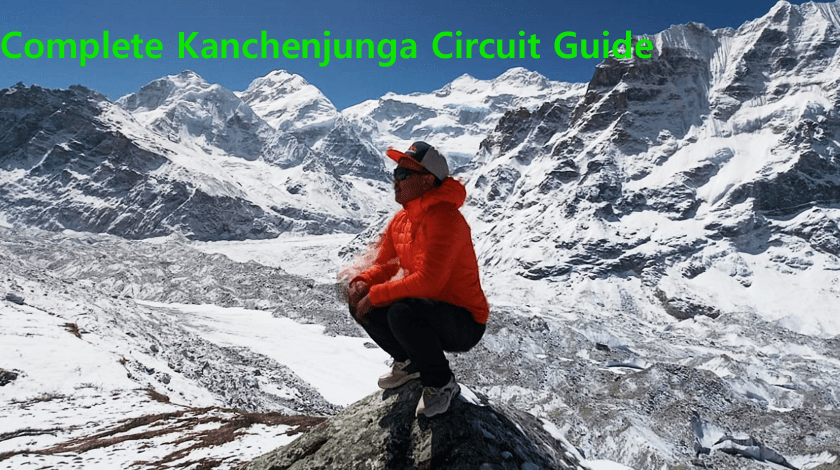
Complete Kanchenjunga Circuit Guide
 By admin
Complete Kanchenjunga Circuit Guide
The Kanchenjunga Circuit Trek is one of the most remote and rewarding Himalayan journeys in Nepal, circling the world’s third-highest mountain, Mount Kanchenjunga (8,586 m). Located in the far eastern corner of Nepal, the trail passes through untouched valleys, ancient villages, dense forests, high-alpine terrain, and dramatic glacial landscapes. Unlike more commercial trekking regions such as Everest or Annapurna, this route remains wild, quiet, and deeply authentic.
The circuit combines both major highlights of the region: the Kanchenjunga North Base Camp and Kanchenjunga South Base Camp, making it one of the most complete trekking experiences in Nepal. Trekkers also pass through high passes, remote settlements, and conservation areas where wildlife such as red pandas and snow leopards still survive in the wild. For those looking for an extended adventure, the region can also be linked with nearby trekking and climbing peaks such as Pokta Peak, offering additional exploration opportunities.
This guide provides a complete overview of the Kanchenjunga Circuit Trek, including route details, highlights, cultural experiences, and essential travel information.
Overview of the Kanchenjunga Circuit Trek
The Kanchenjunga Circuit Trek is a long and challenging journey that covers both the northern and southern sides of the Kanchenjunga massif. The trek begins in Taplejung and gradually climbs through subtropical forests and river valleys before reaching high alpine landscapes near the base camps. The route then crosses high mountain passes like Sele La Pass before descending toward the southern valleys.
This trek is typically completed in 20 to 25 days, depending on the itinerary and acclimatization schedule. It requires a high level of physical fitness due to long walking days and remote conditions. Accommodation is mostly in basic teahouses, although facilities become more limited as altitude increases.
From a trekking perspective, this route is ideal for those seeking true wilderness. It is not a luxury trek but a raw Himalayan expedition. Trekkers often combine this journey with other nearby adventures, such as the Pokta Peak climb for those interested in mountaineering extensions.
Kanchenjunga North Base Camp Experience
The journey to Kanchenjunga North Base Camp (Pangpema) is one of the most dramatic sections of the entire circuit. The trail passes through Ghunsa, Kambachen, and Lhonak before reaching the base camp area. Each stage of the trek offers increasingly spectacular views of snow-covered peaks, glaciers, and vast alpine valleys.
At North Base Camp, trekkers stand face-to-face with the massive north wall of Mount Kanchenjunga. The glacier system here is enormous, and the surroundings feel completely untouched by human development. The silence, combined with the scale of the mountains, creates a powerful and unforgettable experience. For those interested in a detailed exploration of this region, more information can be found in the dedicated Kanchenjunga North Base Camp Trek route guide.
This section of the trek is also important for acclimatization before crossing the high passes toward the southern side of the circuit. The remote nature of this area makes it one of the most pristine trekking environments in Nepal.
Crossing Sele La Pass and the Circuit Transition
One of the most challenging yet rewarding parts of the Kanchenjunga Circuit trek is crossing the Sele La Pass (around 5,100 m). This high mountain pass connects the northern and southern regions of the circuit and requires good weather conditions and strong physical preparation.
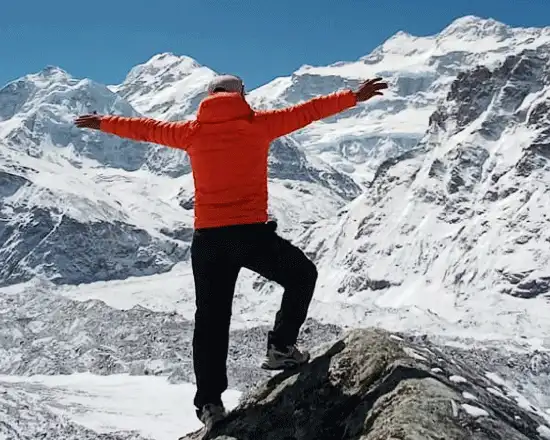
The crossing usually involves multiple passes in a single section, with steep ascents and descents. However, the reward is incredible panoramic views of Kanchenjunga, Makalu, Jannu, and the surrounding peaks. The landscape transitions dramatically during this section, moving from icy glaciers in the north to greener valleys in the south.
This part of the trek is considered the true heart of the Kanchenjunga Circuit Trek, as it completes the full loop around the mountain range. Trekkers often describe it as one of the most adventurous and remote pass crossings in Nepal.
Trek Grade
Grade 1
Tap outside to close
Trekking is essentially day hiking and doesn't require any special training. However, good physical condition, a love of walking, and a desire to enjoy mountain views and village life are essential.
Grade 2
Tap outside to close
These treks are suitable for walkers looking for something more challenging and energetic. Hill-walking experience is desirable, with longer days and higher elevations.
Grade 3
Tap outside to close
Since the terrain can be hard and the days long, hikers should be in good physical condition and have previous mountain walking experience. High passes and extended trekking days may be involved.
Trek Grade
Grade 1
Tap outside to close
Trekking is essentially day hiking and doesn't require any special training. However, good physical condition, a love of walking, and a desire to enjoy mountain views and village life are essential.
Grade 2
Tap outside to close
These treks are suitable for walkers looking for something more challenging and energetic. Hill-walking experience is desirable, with longer days and higher elevations.
Grade 3
Tap outside to close
Since the terrain can be hard and the days long, hikers should be in good physical condition and have previous mountain walking experience. High passes and extended trekking days may be involved.
Kanchenjunga South Base Camp Journey
After crossing the high passes, the trail descends toward the southern side of the Kanchenjunga region, leading to Ramche and finally the Kanchenjunga South Base Camp (Oktang). This section of the trek is very different from the northern side, offering lush forests, rhododendron landscapes, and wider valleys.
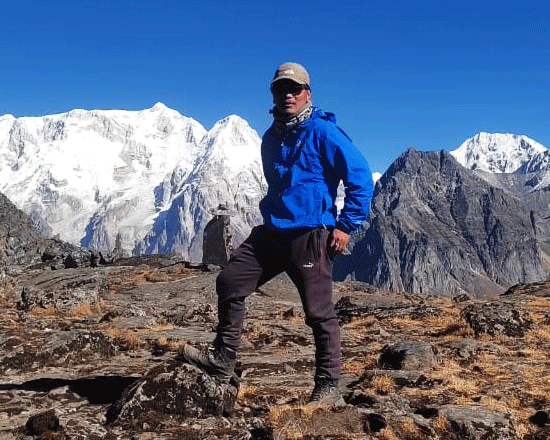
The South Base Camp provides a stunning view of the southern face of Kanchenjunga and the massive Yalung Glacier. The scenery here is more open and colorful than in the rugged, icy north. Trekkers can explore viewpoints and glacier edges that offer panoramic Himalayan scenery.
For those interested in a focused journey, the Kanchenjunga South Base Camp Trek provides a shorter version of this section of the circuit. However, combining it with the full circuit gives a much deeper understanding of the entire mountain system.
Bokta Peak and Climbing Extension Options
For trekkers and climbers looking to extend their adventure beyond the Kanchenjunga Circuit, Bokta Peak is an excellent additional climbing objective. This peak lies in the same eastern Himalayan region and offers a technical but achievable climbing experience for those with basic mountaineering skills.
The climb usually involves glacier travel, rope sections, and high-altitude camping. It is often added after completing parts of the Kanchenjunga Circuit Trek or as part of a larger expedition plan in eastern Nepal. The advantage of including Bokta Peak is that it provides a more technical alpine experience alongside the cultural and trekking journey of Kanchenjunga.
This combination makes the region ideal for expedition-style trekking, blending both trekking and mountaineering into a single adventure itinerary.
Culture, Villages, and Local Life
One of the most remarkable aspects of the Kanchenjunga Circuit Trek is the cultural diversity found along the trail. The lower regions are inhabited by the Limbu and Rai communities, while the higher valleys show strong Tibetan Buddhist influence. Villages along the route are traditional, with stone houses, terraced fields, and prayer flags fluttering in the wind.
Trekkers experience a deep cultural transition as they move from subtropical farming communities to high-altitude Himalayan settlements. Monasteries, chortens, and prayer wheels are common, especially around Ghunsa and higher villages. The hospitality of local people is warm and genuine, despite the remote conditions.
This cultural richness adds emotional depth to the trek, making it more than just a physical journey. It becomes an exploration of heritage, spirituality, and mountain lifestyle.
Difficulty and Physical Demand
The Kanchenjunga Circuit Trek is considered one of the most difficult trekking routes in Nepal. The combination of long distances, high altitude, and remote terrain requires strong physical endurance. Trekkers typically walk 6 to 8 hours per day, often in isolated conditions without easy access to modern facilities.
Proper acclimatization is essential, especially before reaching North Base Camp and crossing Sele La Pass. Weather conditions can change quickly, and logistical support is limited. For this reason, experienced guides are mandatory, and independent trekking is not allowed in the region.
Despite the difficulty, the rewards are unmatched. The sense of isolation and natural beauty make every effort worthwhile.
Best Time for Kanchenjunga Circuit Trek
The best time to complete the Kanchenjunga Circuit Trek is during spring (March to May) and autumn (September to November). During these seasons, the weather is stable, the skies are clear, and the mountain views are at their best.
The spring season brings blooming rhododendron forests and vibrant landscapes, especially in the lower regions. Autumn offers the clearest visibility and most stable trekking conditions, making it the most popular season for high-altitude trekking in Nepal.
Winter trekking is possible but extremely cold and challenging, especially near the passes and base camps. The monsoon season is generally not recommended due to landslides and slippery trails.
Permits and Trekking Regulations
The Kanchenjunga region is a restricted trekking area in Nepal, so trekkers must obtain special permits. Trekkers need a Restricted Area Permit (RAP) along with a Kanchenjunga Conservation Area Permit (KCAP). Government regulations require a licensed guide, and trekkers usually travel in groups.
These rules preserve the fragile environment and protect the region’s cultural heritage. They also ensure safety in one of Nepal’s most remote trekking areas.
Conclusion
The Complete Kanchenjunga Circuit Guide reveals one of the most extraordinary trekking experiences in Nepal. From the dramatic landscapes of Kanchenjunga North Base Camp to the lush valleys of the South Base Camp and the challenging crossing of Sele La Pass, this journey offers unmatched variety and adventure.
The route is not just a trek but a full Himalayan expedition, combining wilderness, culture, and high-altitude exploration. With additional extensions like Bokta Peak, the region becomes even more appealing for adventure seekers looking for something beyond standard trekking routes.
For those who want to experience Nepal in its most raw and untouched form, the Kanchenjunga Circuit Trek stands as one of the greatest journeys in the Himalayas.
Trek Grade
Grade 1
Tap outside to close
Trekking is essentially day hiking and doesn't require any special training. However, good physical condition, a love of walking, and a desire to enjoy mountain views and village life are essential.
Grade 2
Tap outside to close
These treks are suitable for walkers looking for something more challenging and energetic. Hill-walking experience is desirable, with longer days and higher elevations.
Grade 3
Tap outside to close
Since the terrain can be hard and the days long, hikers should be in good physical condition and have previous mountain walking experience. High passes and extended trekking days may be involved.
Trek Grade
Grade 1
Tap outside to close
Trekking is essentially day hiking and doesn't require any special training. However, good physical condition, a love of walking, and a desire to enjoy mountain views and village life are essential.
Grade 2
Tap outside to close
These treks are suitable for walkers looking for something more challenging and energetic. Hill-walking experience is desirable, with longer days and higher elevations.
Grade 3
Tap outside to close
Since the terrain can be hard and the days long, hikers should be in good physical condition and have previous mountain walking experience. High passes and extended trekking days may be involved.