

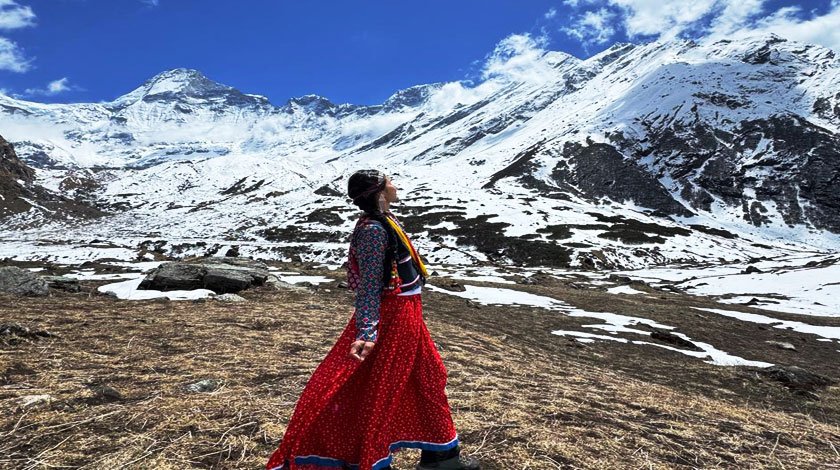
Api himal base camp trek
June 15, 2026
Best Time to Visit Api Himal Trek
 By admin
Best Time to Visit Api Himal Trek: Complete Seasonal Guide
The Api Himal Trek is one of Nepal’s most remote, least-explored, and most rewarding trekking adventures. Located in the far-western corner of Nepal’s Darchula District, this extraordinary journey takes trekkers deep into a region where ancient traditions remain intact, mountain landscapes are untouched by mass tourism, and the trails see only a fraction of the visitors found in Everest or Annapurna.
Dominated by the majestic Api Himal (7,132m), the highest peak in western Nepal, the region offers an exceptional combination of pristine forests, alpine meadows, glacial rivers, traditional villages, sacred lakes, and dramatic mountain scenery. For trekkers seeking solitude and authentic Himalayan experiences, few destinations can rival Api Himal.
One of the most common questions asked by travelers is: “When is the best time to visit Api Himal Trek?”
The answer depends on what you hope to experience. While the trek can be attempted during different seasons, spring and autumn provide the best conditions for mountain views, trail accessibility, and overall trekking comfort.
This guide explains the best seasons to visit Api Himal, highlights the most beautiful places along the route, discusses accommodation and trail conditions, and helps you choose the perfect time for your adventure.
Why Choosing the Right Season Matters
Unlike popular trekking regions that have extensive infrastructure and year-round traffic, the Api Himal Trek remains a true wilderness journey. Weather conditions have a significant impact on visibility, river crossings, trail safety, and transportation to the trailhead.
The right season can reward trekkers with crystal-clear mountain views, blooming forests, and stable weather. The wrong season may bring heavy rain, landslides, snow-covered passes, or limited visibility.
Because the region is remote and facilities are basic, selecting the best trekking season becomes even more important than in other parts of Nepal.
Spring Season (March to May): A Colorful Himalayan Wonderland
Spring is widely considered one of the best times to visit the Api Himal Trek.
As winter snow gradually melts from the lower elevations, the valleys and forests burst into life. Rhododendrons, Nepal’s national flower, bloom across the hillsides, creating spectacular displays of red, pink, and white blossoms.
Temperatures become pleasant during the day, while skies are often clear enough to provide excellent mountain views.
Why Spring Is Excellent for the Api Himal Trek
- Comfortable trekking temperatures
- Rhododendron forests in full bloom
- Longer daylight hours
- Active wildlife
- Clear mountain panoramas
- Beautiful photography conditions
One of the highlights of spring trekking is witnessing the contrast between colorful forests and snow-covered peaks. The valleys appear vibrant and alive, while Api Himal and Nampa Himal remain brilliantly white above the landscape.
April is particularly beautiful because the flowers are at their peak and the weather is generally stable.
Spring Temperatures
Lower villages experience pleasant daytime temperatures ranging from 15°C to 25°C, while higher camps remain cooler. Nights can still be cold at higher elevations, especially near the base camp area.
For photographers and nature enthusiasts, spring may be the most visually rewarding season.
Autumn Season (September to November): The Ultimate Time to Trek
If only one season can be recommended, autumn stands above all others as the best overall time to visit Api Himal Trek.
Following the summer monsoon, the air becomes exceptionally clean and clear. Dust and haze disappear, rivers flow strongly, and the mountains appear sharper than at any other time of the year.
This is the season when Nepal’s Himalayan views are at their absolute best.
Why Autumn Is the Best Season
- Crystal-clear mountain views
- Stable weather patterns
- Dry trekking trails
- Comfortable temperatures
- Excellent visibility
- Minimal rainfall
October is often regarded as the finest month for trekking in the Api Himal region. The combination of clear skies and stable weather creates ideal conditions for reaching viewpoints and photographing the surrounding mountains.
Trekkers during autumn enjoy uninterrupted views of Api Himal, Nampa Himal, Bobaye Himal, and countless surrounding peaks.
Autumn Temperatures
Days are generally warm and comfortable, while evenings remain cool but manageable. Higher elevations experience colder nights, though conditions are usually less severe than in winter.
For first-time visitors to Api Himal, autumn is usually the safest and most reliable choice.
Winter Season (December to February)
Winter transforms the Api Himal region into a spectacular snow-covered wilderness.
The mountains become incredibly beautiful, and the trails are often completely deserted. Trekkers seeking solitude may find winter appealing.
However, winter also brings significant challenges.
Advantages of Winter Trekking
- Exceptional solitude
- Snow-covered scenery
- Crystal-clear skies
- Unique photography opportunities
Challenges of Winter Trekking
- Freezing nighttime temperatures
- Heavy snowfall at higher elevations
- Difficult trail conditions
- Reduced availability of services
The upper sections of the trek may become inaccessible following heavy snowfall. Therefore, winter trekking is best suited to experienced adventurers who are prepared for cold weather conditions.
Monsoon Season (June to August)
The monsoon season is generally considered the least favorable time to visit Api Himal.
Heavy rainfall affects transportation, creates slippery trails, and increases the risk of landslides. Clouds frequently obscure mountain views.
Challenges During Monsoon
- Frequent rain showers
- Reduced visibility
- Muddy trails
- Difficult road access
- Increased leech activity
Despite these challenges, the landscape becomes incredibly green and lush. Waterfalls reach their maximum flow, forests thrive, and the countryside appears vibrant.
Trekkers who prioritize solitude and greenery over mountain views may still find monsoon trekking rewarding.
The Most Beautiful Places on the Api Himal Trek
One reason the Api Himal Trek is becoming increasingly popular among experienced trekkers is the diversity of landscapes found along the route.
Api Base Camp
Api Base Camp is undoubtedly the crown jewel of the trek.
Situated beneath the towering face of Api Himal, the area offers breathtaking views of glaciers, icefalls, and snow-covered peaks. Sunrise and sunset create extraordinary colors across the mountain faces.
Many trekkers consider Api Base Camp among the most beautiful base camp destinations in Nepal.
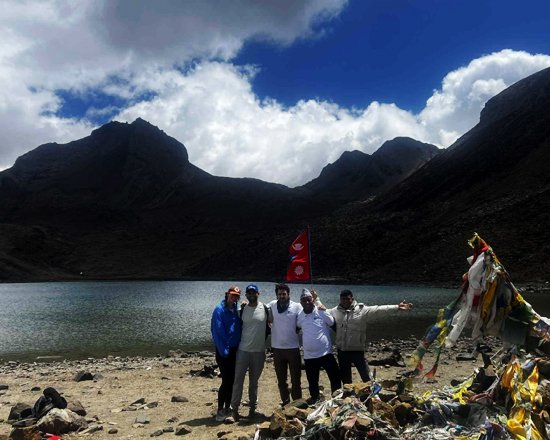
Kali Dhunga Lake
This sacred alpine lake sits amid dramatic mountain scenery and is one of the most peaceful locations in the region.
The reflections of surrounding peaks on the lake’s surface create unforgettable photographic opportunities.
Simar Meadows
Simar features expansive alpine grasslands surrounded by rugged mountain terrain.
The contrast between green meadows and snow-covered peaks creates some of the trek’s most picturesque landscapes.
Ghusa Village
Ghusa is one of the cultural highlights of the trek.
Traditional stone houses, terraced fields, and friendly local communities provide visitors with a genuine glimpse into life in far-west Nepal.
Api Nampa Conservation Area
The entire conservation area is a destination in itself.
Dense forests, deep valleys, wildlife habitats, waterfalls, and pristine rivers make this one of Nepal’s most untouched protected regions.
Why Api Himal Is More Beautiful Than Many Popular Treks
While beauty is subjective, many experienced trekkers who have visited Everest, Annapurna, Langtang, and Api Himal often describe Api Himal as Nepal’s last truly wild trekking destination.
Fewer Crowds
Unlike Everest Base Camp and Annapurna Base Camp, you may trek for hours without meeting another group.
Authentic Village Life
Tourism has had minimal impact on local culture. Villages retain their traditional character and lifestyle.
Untouched Wilderness
The forests, rivers, and landscapes feel remarkably natural and unspoiled.
Greater Sense of Exploration
Api Himal still offers the feeling of discovering a hidden corner of the Himalayas.
Accommodation on the Api Himal Trek
Trekkers should understand that accommodation in the Api Himal region is significantly more basic than in Everest or Annapurna.
Most villages provide simple tea houses, homestays, or locally operated lodges.
Facilities often include:
- Basic twin-sharing rooms
- Shared toilets
- Limited electricity
- Simple local meals
- Occasional charging facilities
Luxury lodges do not exist in this region.
For many trekkers, however, this simplicity becomes one of the trek’s greatest attractions. The warm hospitality of local families often creates experiences that are more memorable than modern facilities.
Those seeking adventure, cultural immersion, and authenticity generally find the accommodations perfectly adequate.
Do You Need a Permit for the Api Himal Trek?
Permit regulations in Nepal occasionally change, so trekkers should always verify the latest requirements before departure.
One advantage of the Api Himal Trek is that it is not a restricted-area trek like Upper Mustang, Upper Dolpo, Nar Phu Valley, or Manaslu. As a result, the permit process is generally simpler and less expensive than many other remote trekking regions.
Before planning your trek, consult a reputable local trekking company or the relevant authorities for the most current permit information.
Who Should Choose the Api Himal Trek?
The Api Himal Trek is ideal for travelers who:
- Prefer remote trekking routes
- Enjoy wilderness experiences
- Seek authentic local culture
- Want to avoid crowded trails
- Appreciate raw Himalayan landscapes
- Are comfortable with basic accommodation
This trek is less suitable for travelers seeking luxury lodges, extensive infrastructure, or highly commercialized trekking routes.
Final Verdict: When Is the Best Time to Visit Api Himal Trek?
For most trekkers, the best time to visit the Api Himal Trek is during the autumn months of September, October, and November.
October offers the most reliable weather, clearest skies, and finest mountain views.
Spring, particularly April and May, comes a close second and provides beautiful rhododendron forests, pleasant temperatures, and excellent photography opportunities.
Whether you choose spring or autumn, the Api Himal Trek promises one of Nepal’s most authentic and rewarding Himalayan adventures. Far from the crowded trekking highways, this hidden gem offers a rare opportunity to experience the Himalayas as they once were—wild, remote, and unforgettable.
Trek Grade
Grade 1
Tap outside to close
Trekking is essentially day hiking and doesn't require any special training. However, good physical condition, a love of walking, and a desire to enjoy mountain views and village life are essential.
Grade 2
Tap outside to close
These treks are suitable for walkers looking for something more challenging and energetic. Hill-walking experience is desirable, with longer days and higher elevations.
Grade 3
Tap outside to close
Since the terrain can be hard and the days long, hikers should be in good physical condition and have previous mountain walking experience. High passes and extended trekking days may be involved.
Trek Grade
Grade 1
Tap outside to close
Trekking is essentially day hiking and doesn't require any special training. However, good physical condition, a love of walking, and a desire to enjoy mountain views and village life are essential.
Grade 2
Tap outside to close
These treks are suitable for walkers looking for something more challenging and energetic. Hill-walking experience is desirable, with longer days and higher elevations.
Grade 3
Tap outside to close
Since the terrain can be hard and the days long, hikers should be in good physical condition and have previous mountain walking experience. High passes and extended trekking days may be involved.
