Explore Nepal’s Hidden Himalayan Tsum Valley Trek 13 days
The Tsum Valley Trek is a remote cultural journey through northern Gorkha, Nepal, known for its traditional Tibetan-influenced villages, ancient Buddhist monasteries, dramatic mountain scenery, and peaceful Himalayan landscapes. The trail follows the Budhi Gandaki River before turning into the secluded Tsum Valley, where centuries-old Buddhist traditions remain an important part of everyday life.
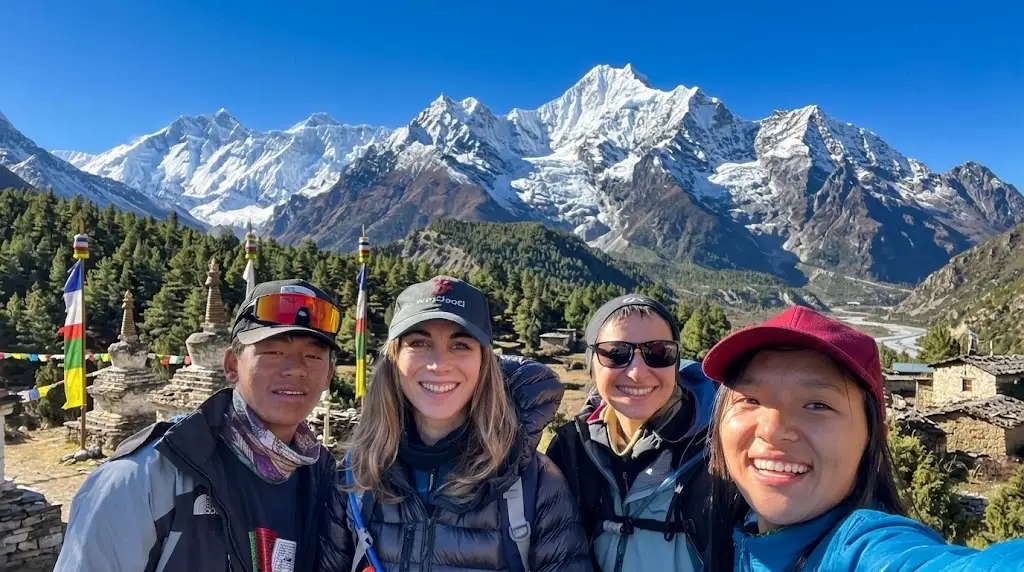
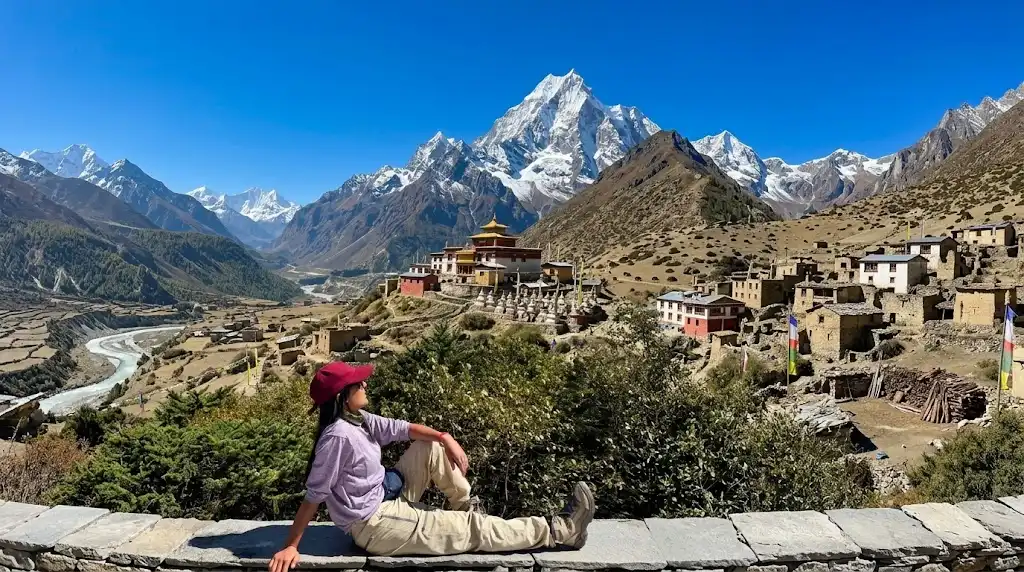
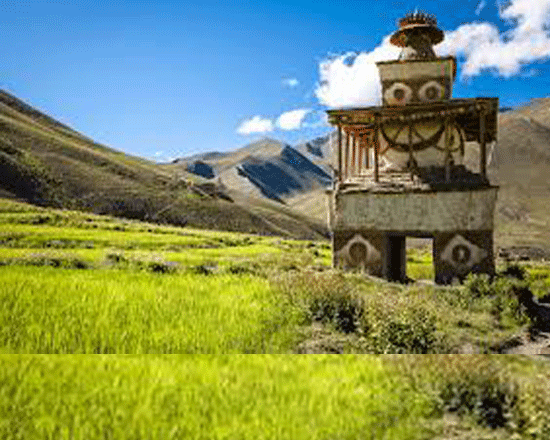
As you trek deeper into the valley, you pass through traditional settlements such as Chumling, Chhokangparo, Nile, and Mu Gompa. Stone houses, mani walls, prayer flags, chortens, and monasteries reflect the unique cultural heritage of the local communities.
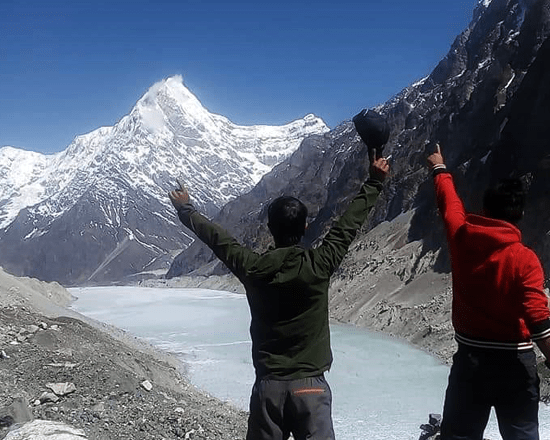
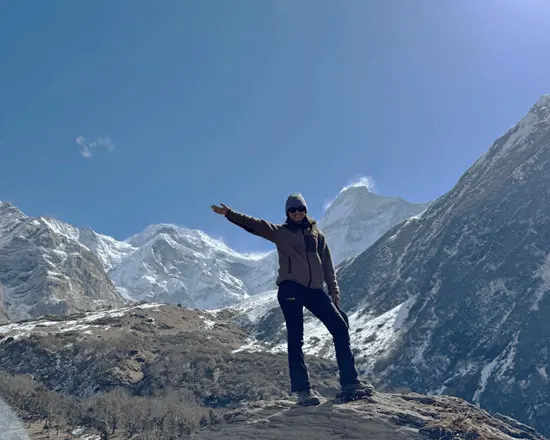
The valley is surrounded by impressive Himalayan peaks, including Ganesh Himal, Sringi Himal, and Buddha Himal, creating spectacular scenery throughout the journey.
The Tsum Valley Trek is ideal for travelers looking for a combination of Himalayan mountain scenery, authentic Buddhist culture, traditional villages, ancient monasteries, and peaceful trekking trails away from Nepal’s busier trekking routes.
Where Is Tsum Valley?
Tsum Valley is a secluded Himalayan valley in northern Gorkha District, Nepal, near the country’s northern frontier with Tibet. The valley sits within the Manaslu region and is separated from the main Budhi Gandaki Valley by steep mountain terrain, which has contributed to its remote character and distinctive cultural identity.
The journey to Tsum Valley begins by traveling from Kathmandu toward Machha Khola and Jagat. From the Budhi Gandaki Valley, the trail branches toward Lokpa, marking the entrance to Tsum Valley. From here, the route gradually climbs deeper into the valley through forests, rocky slopes, traditional settlements, and narrow mountain landscapes.
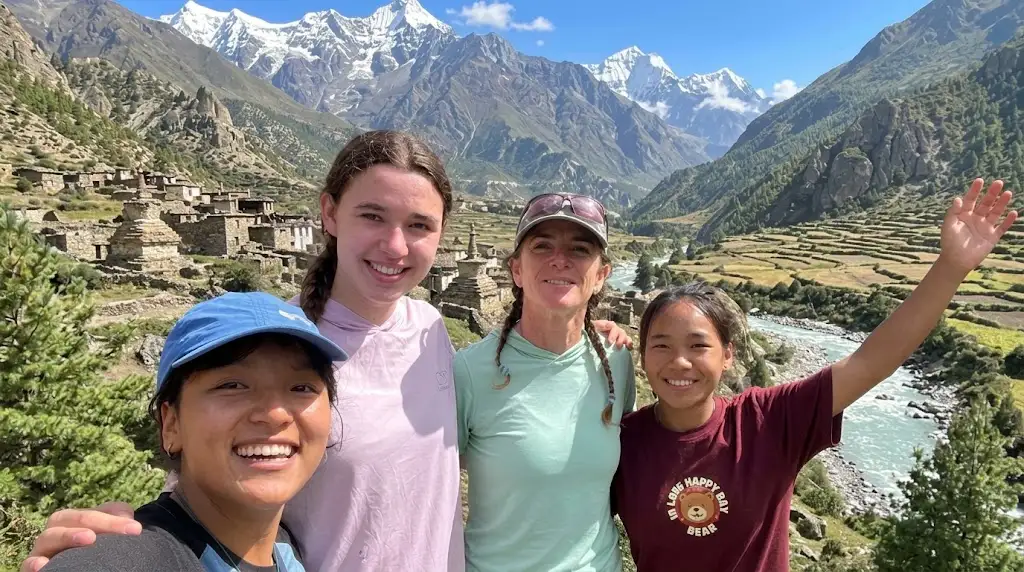
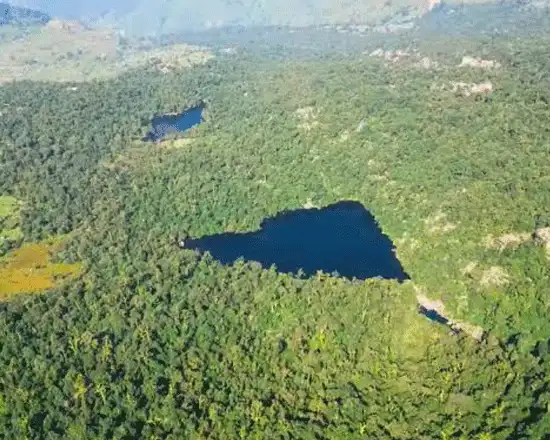
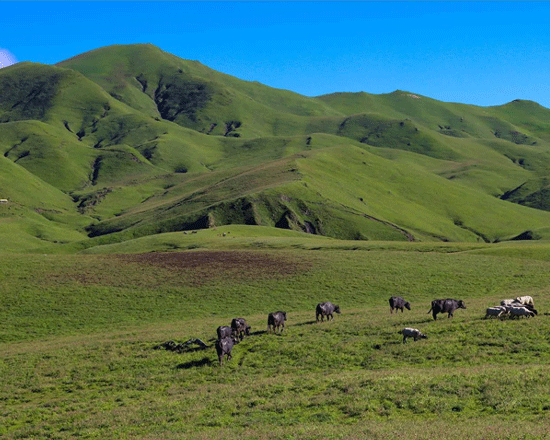
The scenery changes noticeably as you gain elevation. The lower sections feature green hills, terraced fields, dense forests, and rushing rivers, while the upper valley becomes drier and more alpine. Traditional stone houses, prayer flags, mani walls, chortens, and Buddhist monasteries become an increasingly prominent part of the landscape.
Tsum Valley is home to communities with strong Tibetan Buddhist traditions, and its geographical isolation has helped preserve local customs, architecture, religious practices, and a way of life that remains closely connected to the mountains.
For trekkers, this combination of remote geography, Himalayan scenery, traditional villages, and living Buddhist culture is what makes Tsum Valley different from many of Nepal’s more established trekking destinations.
Tsum Valley Trek Difficulty
The Tsum Valley Trek 13 days is a moderate to challenging Himalayan trek. It does not involve technical climbing, but the remote mountain terrain, daily elevation changes, and several consecutive days of walking require a reasonable level of fitness and preparation.
The difficulty is not simply about reaching a high altitude. The trail changes considerably as you travel from the lower Budhi Gandaki Valley into the upper Tsum Valley. You will encounter forest paths, rocky sections, stone steps, suspension bridges, narrow mountain trails, and steep climbs and descents. The lower section shares part of the Budhi Gandaki route with the Manaslu Circuit Trek, while the trail later branches toward the more remote Tsum Valley.
For travelers considering a longer Himalayan journey, the Tsum Valley Trek can also be combined with the Manaslu Circuit. The combined Manaslu Tsum Valley Trek adds the cultural and remote landscapes of Tsum Valley to the wider Manaslu trekking route.
What Makes the Tsum Valley Trekking Challenging?
Several factors contribute to the difficulty of the trek:
- Long walking days: Most trekking days involve several hours of walking, often on uneven mountain trails.
- Steep ascents and descents: Some sections require sustained uphill climbing, followed by equally demanding downhill stretches.
- Rugged terrain: The trail includes rocky paths, stone steps, forest tracks, and narrow sections along mountain slopes.
- Altitude: The route gradually reaches elevations above 3,000 meters, where the effects of altitude can become more noticeable.
- Remote location: Medical facilities and transportation are limited in the upper valley, so trekkers need to be prepared and should follow their guide’s advice.
- Changing weather: Conditions can change quickly in the mountains, particularly at higher elevations.
Do You Need Previous Trekking Experience?
Previous high-altitude trekking experience is helpful but not essential. Travelers who are physically active and accustomed to walking for several hours can usually prepare for the Tsum Valley Trek with appropriate training.
The most important preparation is building walking endurance and leg strength before arrival in Nepal. Regular hiking, walking, stair climbing, and other cardiovascular activities can help prepare you for the terrain.
Tsum Valley Trek and Altitude
Altitude becomes an increasingly important consideration as the trail climbs toward the upper valley. The route gradually moves from the lower Budhi Gandaki Valley to settlements above 3,000 meters, with Mu Gompa at around 3,700 meters.
A gradual itinerary allows your body time to adjust to the changing elevation. It is important not to rush the ascent, even if you feel strong during the first few days.
Common symptoms of altitude sickness can include headache, nausea, dizziness, unusual tiredness, and loss of appetite. More serious symptoms require immediate attention. If you develop concerning symptoms, tell your guide rather than trying to continue.
Is Tsum Valley Suitable for First-Time Trekkers?
Yes, fit first-time trekkers can undertake the Tsum Nubri Valley Trek with proper preparation and a sensible itinerary. You do not need mountaineering or technical climbing skills.
However, this is not a short or easy walking holiday. The combination of remote terrain, daily walking, and altitude means you should be prepared for several demanding days.
How to Prepare for the Tsum Valley Trek
Start preparing several weeks before your trek. Regular walking and hiking are the most useful forms of preparation.
We recommend:
- Walk or hike regularly and gradually increase your distance.
- Include uphill and downhill walking in your training.
- Strengthen your legs and core.
- Practice walking with a daypack.
- Wear your trekking boots before the trip.
- Stay well hydrated during the trek.
- Allow enough time for acclimatization.
- Maintain a comfortable pace rather than trying to walk too quickly.
Trek at Your Own Pace
There is no benefit in rushing through Tsum Valley. A comfortable pace gives you more time to enjoy the villages, monasteries, mountain scenery, and local culture while also allowing your body to adjust to the increasing elevation.
Our local guide monitors the group’s pace and can help adjust the daily plan when necessary because of weather, trail conditions, altitude, or individual fitness and acclimatization.
For travelers who are unsure about their fitness or altitude experience, we can discuss the itinerary before the trek and recommend an appropriate walking schedule.
Best Time for the Tsum Trek
The best time for the Tsum Valley Trek is generally during spring and autumn, when the trails are more favorable and mountain visibility is often good. However, each season offers a different experience, and the right time depends on whether you prefer warmer temperatures, clear mountain views, fewer trekkers, or a winter landscape.
Spring: March to May
Spring brings a gradual increase in temperature and generally pleasant trekking conditions. The lower sections of the trail become greener, while rhododendrons and other Himalayan flowers add color to the forest.
March and April are particularly attractive for trekking, with comfortable daytime conditions and good opportunities for mountain views. May can become warmer at lower elevations, while conditions remain cooler in the upper valley.
Autumn: September to November
Autumn is another popular period for the Tsum Valley Trek. Following the monsoon, the atmosphere is often clearer, and the surrounding mountains can appear particularly sharp and impressive.
October and November are especially popular months. Daytime conditions are generally suitable for trekking, although temperatures become colder as winter approaches, particularly at higher elevations.
Winter: December to February
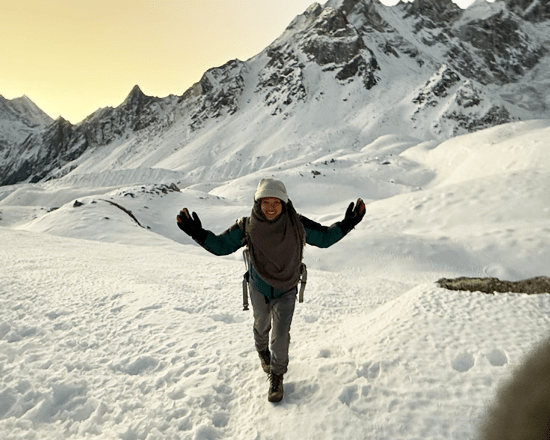
Winter brings cold conditions and the possibility of snow in the upper parts of Tsum Valley. The landscape can be beautifully quiet, but shorter daylight hours, freezing temperatures, and possible snowfall require more careful planning.
Some accommodation and services may operate on a limited basis during the colder months. If you plan a winter trek, we recommend checking the latest trail, weather, and lodge conditions before departure.
Monsoon: June to August
The summer monsoon brings frequent rainfall to many parts of Nepal. Wet and muddy trails, slippery sections, landslides, and difficult road conditions can make the journey more challenging.
Trekking during this period is possible in some circumstances, but conditions can change quickly. The road journey to and from the trailhead is an important consideration, so current local conditions should be checked before departure.
Tsum Valley Trek Permits
Tsum Valley is a restricted trekking area, and trekkers must obtain the permits required by the Government of Nepal before entering the region. For a standard Tsum Valley itinerary, the required documentation may include:
- Tsum Valley Restricted Area Permit
- Manaslu Conservation Area Permit (MCAP)
Permit requirements, fees, and regulations can change. We therefore check the current requirements when arranging your trek and make sure the necessary permits are prepared before you enter the restricted area.
Accommodation on the Tsum Valley Trek
Accommodation on the Tsum Valley Trek is provided mainly by family-run teahouses and small mountain lodges. These are simple properties designed for trekkers rather than luxury accommodation.
Most rooms have basic beds, mattresses, blankets, and limited furnishings. Bathrooms are often shared, and hot showers may not always be available, particularly in the more remote upper valley.
Facilities become increasingly basic as you travel farther into Tsum Valley. This is part of the experience of trekking in a remote Himalayan region.
Staying in local teahouses also allows you to interact with mountain communities and experience their hospitality, food, and everyday way of life.
Food on the Tsum Valley
Teahouses along the route serve simple, freshly prepared meals designed to provide enough energy for long days on the trail.
Depending on the village and season, meals can include:
- Dal bhat with rice, lentils, vegetables, and curry
- Vegetable curry
- Noodles
- Fried rice
- Pasta
- Soup
- Potatoes
- Eggs
- Tibetan bread
- Porridge
- Tea and coffee
Dal bhat is a particularly popular choice among trekkers because it is filling and can provide a good combination of carbohydrates, protein, and vegetables.
Food choices become more limited in the upper valley, so it is useful to carry a few personal snacks such as energy bars, nuts, chocolate, or dried fruit.
Tsum Valley Trekking With a Guide
Trekking in Tsum Valley requires careful planning because it is a restricted and relatively remote Himalayan region. Traveling with a qualified local guide makes the journey easier to manage and provides additional support throughout the trek.
Your guide can assist with:
- Required permit arrangements
- Route navigation
- Finding suitable accommodation
- Daily walking plans
- Communication with local teahouses
- Understanding local customs and Buddhist traditions
- Monitoring your condition at higher elevations
- Responding to changing weather or trail conditions
- Coordinating assistance in an emergency
A local guide also adds cultural value to the trek. Instead of simply passing through villages and monasteries, you can learn more about the people, traditions, architecture, and religious practices of Tsum Valley.
Tsum Valley Treks With a Porter
A porter can make the trek considerably more comfortable by carrying your main trekking bag while you walk with a lighter daypack.
You normally carry only the items you need during the day, such as:
- Water
- Camera and phone
- Snacks
- Sunglasses
- Sunscreen
- Rain or warm layers
- Personal essentials
Your main luggage can remain with the porter.
Porter loads should be kept within a reasonable and agreed weight limit. We discuss luggage requirements with you before departure so that the porter arrangement is clear and practical for everyone.
What to Pack for the Tsum Valley Trek
Your packing list should reflect both the season and the altitude of your itinerary. Temperatures can vary considerably between the lower valley and the upper settlements.
Clothing
- Moisture-wicking trekking shirts
- Thermal base layers
- Fleece or warm mid-layer
- Down or insulated jacket
- Waterproof jacket
- Trekking trousers
- Warm hat
- Sun hat or cap
- Gloves
- Warm trekking socks
- Comfortable, well-broken-in trekking boots
Trekking Gear
- Daypack
- Warm sleeping bag
- Trekking poles
- Headlamp with spare batteries
- Water bottles or hydration system
- Sunglasses
- Sunscreen and lip balm
- Personal first-aid supplies
- Water purification tablets, drops, or filter
- Small personal toiletries
- Power bank
Important Documents
- Passport
- Passport-size photographs
- Travel insurance information
- Emergency contact details
- Required trekking documents and permits
You do not need to bring every piece of trekking equipment available on the market. Pack according to the season, itinerary, and your personal requirements, and avoid carrying unnecessary weight.
Tsum Valley Culture and Traditions
The cultural character of Tsum Valley is one of the main reasons travelers choose this trek.
The valley has a strong Tibetan Buddhist heritage, reflected in its monasteries, prayer flags, mani walls, chortens, traditional houses, and religious practices. The villages have developed their own distinctive character through centuries of relative isolation from the outside world.
Walking through Tsum Valley offers opportunities to see more than mountain scenery. You can observe traditional architecture, agricultural practices, religious sites, and everyday village life.
Visitors should approach these communities respectfully. Ask permission before photographing local people, avoid disturbing religious ceremonies, and follow instructions when entering monasteries or other sacred places.
Mu Gompa: A Spiritual Landmark of Upper Tsum Valley
Mu Gompa is one of the most important Buddhist monasteries in the upper Tsum Valley and a major destination on the trek.
The monastery stands in a remote mountain setting surrounded by rugged Himalayan terrain. Reaching Mu Gompa provides more than another scenic stop on the route; it offers an opportunity to experience the religious and cultural atmosphere of the upper valley.
The surrounding landscape becomes increasingly open and alpine as you approach the monastery, creating a striking contrast with the forests and greener landscapes found lower down the valley.
Visitors should remember that Mu Gompa is an active religious site. Quiet and respectful behavior is appropriate, particularly when monks are engaged in prayer or other religious activities.
Is the Tsum Valley Trek Safe?
The Tsum Valley 13 days trek is a remote Himalayan journey, and like any high-altitude trek, it requires sensible preparation.
The main factors to consider are:
- Increasing altitude
- Changing mountain weather
- Steep and uneven terrain
- Remote locations
- Limited medical facilities
- Seasonal road and trail conditions
- Possible delays caused by weather
The best approach is to maintain a steady pace, stay properly hydrated, eat regularly, and give your body enough time to adjust to the elevation.
Tell your guide immediately if you experience unusual symptoms such as a persistent headache, dizziness, nausea, unusual weakness, difficulty breathing, or difficulty walking normally. Do not try to hide symptoms simply to continue the itinerary.
We strongly recommend travel insurance that specifically covers high-altitude trekking and emergency helicopter evacuation in Nepal.
Tsum Valley Trekking Cost
The cost of the Tsum Valley Trekking depends on several factors, including your group size, travel dates, itinerary length, transportation, accommodation, guide and porter requirements, and current permit fees.
Depending on the package you choose, an organized Tsum Valley Trek may include:
- Licensed trekking guide
- Porter service, if requested
- Required trekking permits
- Teahouse accommodation
- Meals included according to the selected package
- Transportation between Kathmandu and the trekking area
- Guide and porter wages
- Guide and porter accommodation and meals
- Trekking equipment provided by the agency, where applicable
Some expenses may be additional depending on your personal requirements, such as drinks, snacks, hot showers, charging, Wi-Fi, personal equipment, travel insurance, and emergency evacuation.
Because permit fees and transportation costs can change, we provide the current trekking price based on your dates and group size rather than relying on an outdated fixed price.
Why Trek Tsum Valley With Nepal Wilderness Trekking?
Nepal Wilderness Trekking Pvt. Ltd. is a locally owned trekking agency based in Kathmandu, Nepal, specializing in trekking and Himalayan adventures throughout Nepal. Our local team has extensive experience organizing journeys in remote mountain regions, including Tsum Valley.
We understand that trekking in a remote area requires more than simply following a route. Before your departure, our team helps arrange the necessary permits, transportation, accommodation, guide, porter, and other essential logistics.
For the Tsum Valley Trekking, we keep the itinerary practical and can discuss the walking pace, acclimatization, travel dates, group size, and guide or porter requirements according to your needs.
Our local guides also bring knowledge of the mountain trails, villages, Buddhist culture, monasteries, weather conditions, and local communities. This allows you to experience Tsum Valley beyond its mountain scenery and learn more about the people and traditions that make the valley unique.
From your first inquiry to the completion of your trek, our team focuses on safety, clear communication, and a well-organized trekking experience in the remote Himalayas of Nepal.