Nar Phu Valley Trek – Remote Himalayan Adventure
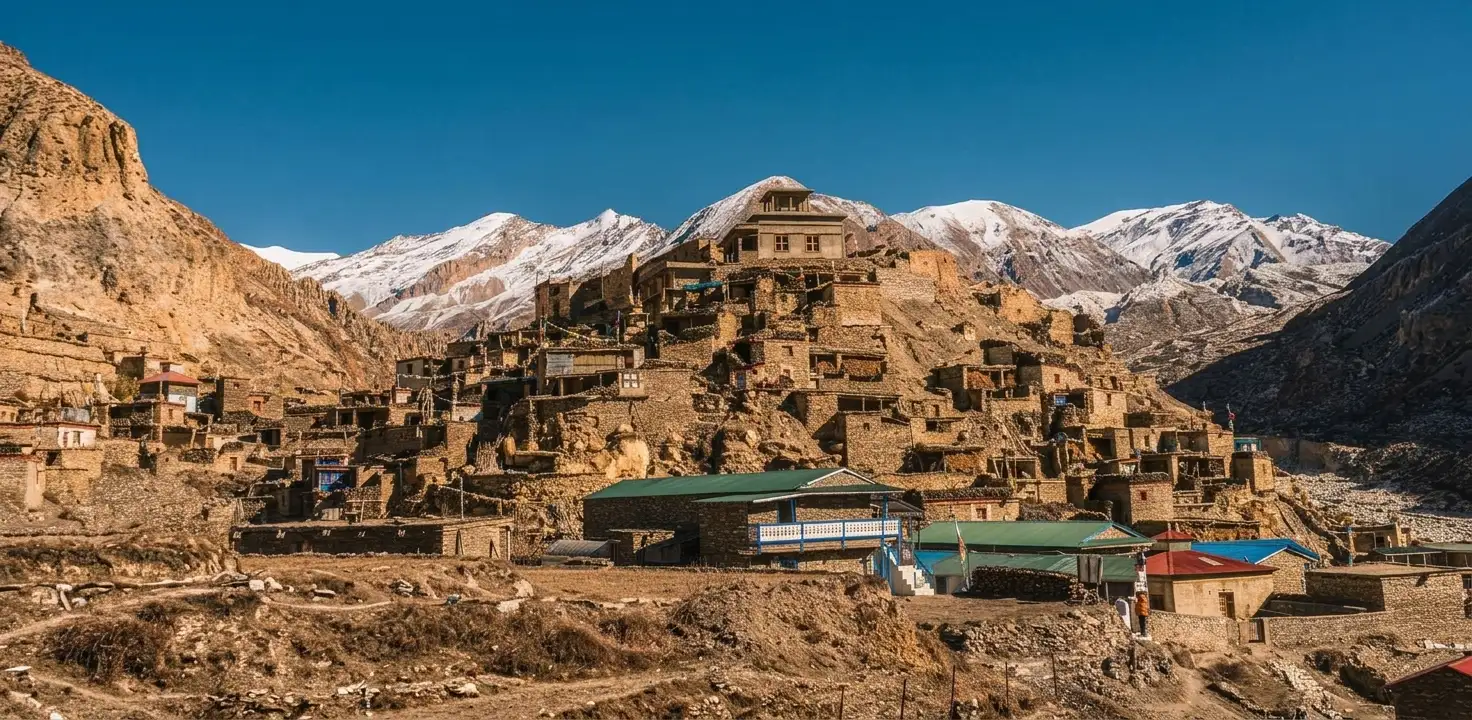
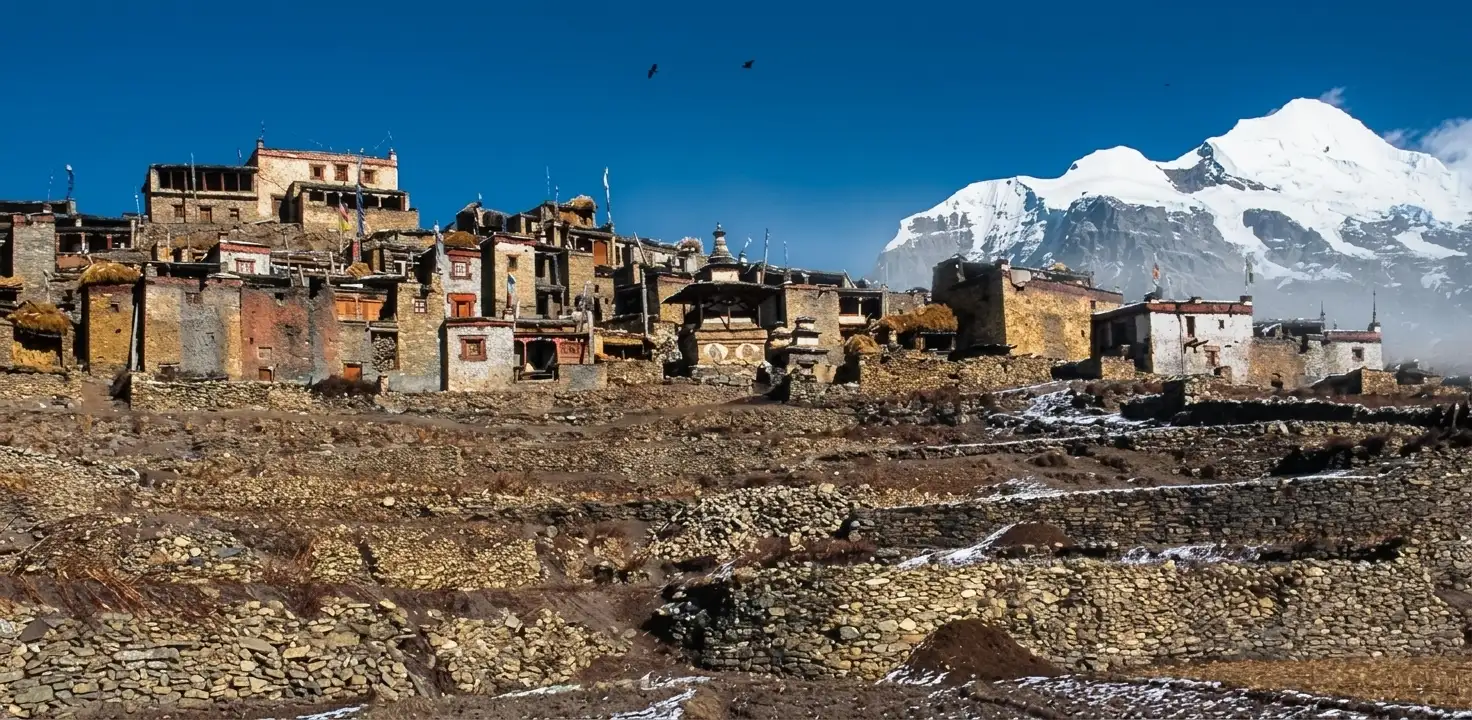
The Nar Phu Valley Trek is one of Nepal’s most remote and rewarding trekking adventures, taking you deep into a hidden Himalayan valley that remained closed to outsiders until 2003. Located north of the Annapurna Circuit, this restricted area offers a rare opportunity to explore the ancient villages of Nar and Phu, where Tibetan Buddhist culture, centuries-old monasteries, and traditional stone houses remain largely unchanged by modern development.
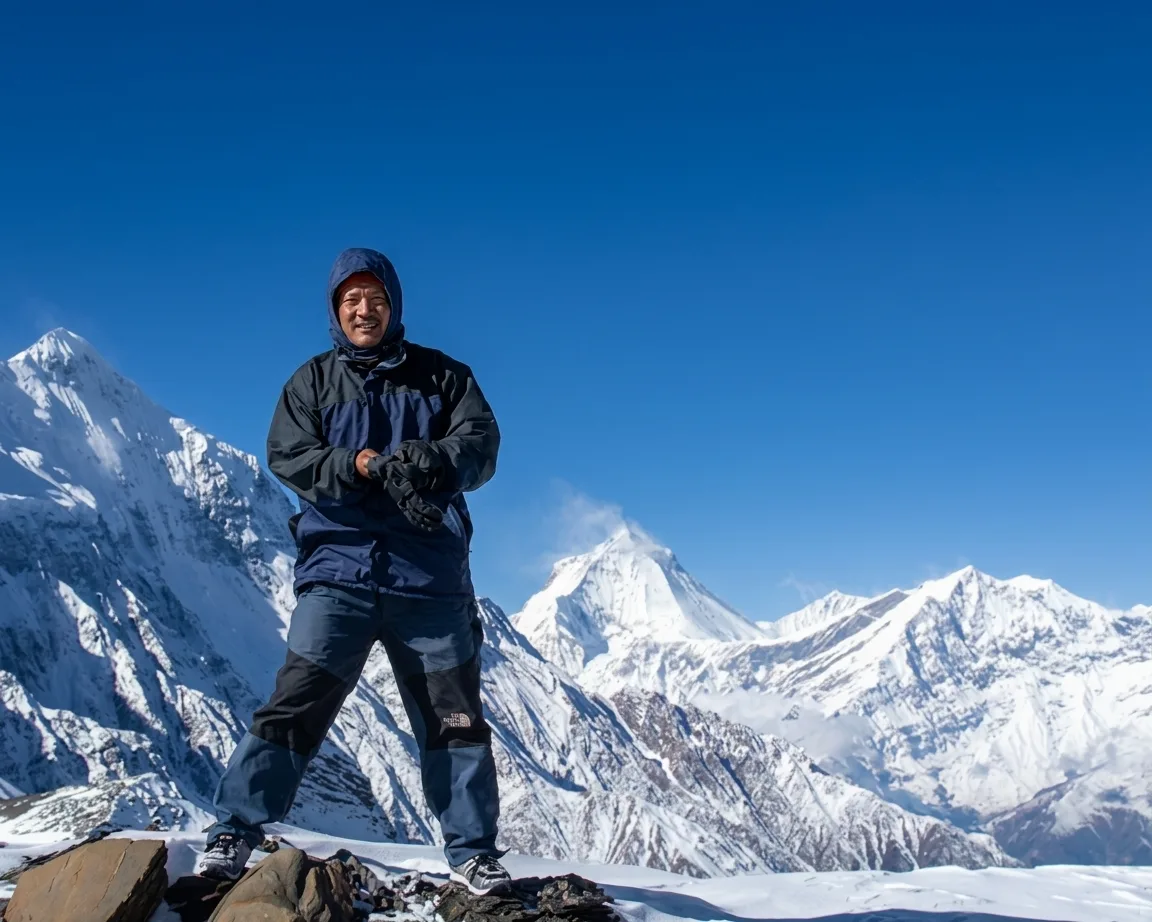
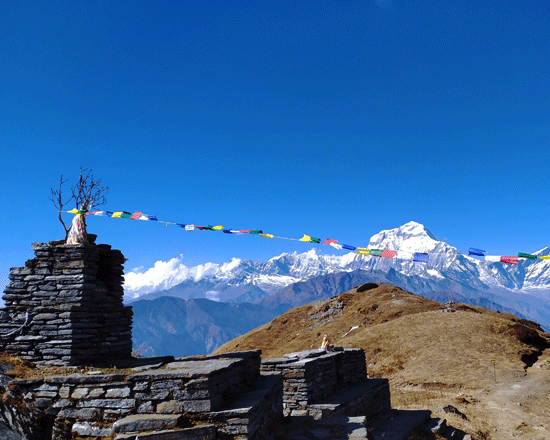
Over 12 days, the trail follows the Marsyangdi River before leaving the popular Annapurna Circuit to enter the secluded Nar Phu Valley. Along the way, you’ll hike through dramatic gorges, alpine forests, yak pastures, and high mountain deserts while enjoying breathtaking views of Annapurna II, Gangapurna, Tilicho Peak, Himlung Himal, Chulu East, Pisang Peak, and many other snow-capped giants.
One of the trek’s greatest highlights is crossing Kang La Pass (5,306 m / 17,408 ft), a spectacular Himalayan pass that rewards trekkers with panoramic mountain scenery before descending to Ngawal on the Annapurna Circuit.
Unlike Nepal’s more crowded trekking routes, the Nar Phu Valley Trek offers peaceful trails, authentic cultural encounters, and an unforgettable wilderness experience. With fewer trekkers, comfortable teahouses, and incredible Himalayan landscapes, it is an excellent choice for experienced hikers looking for a unique off-the-beaten-path adventure.
At Nepal Wilderness Trekking, our experienced local guides lead small groups and private treks with a strong focus on safety, cultural immersion, and personalized service. We handle all permits, transportation, accommodation, and logistics, allowing you to enjoy a seamless trekking experience from arrival in Kathmandu to the final day of your adventure.
Why Choose This Trek?
- Explore the hidden Nar and Phu villages, once closed to foreign visitors.
- Cross the spectacular Kang La Pass (5,306 m).
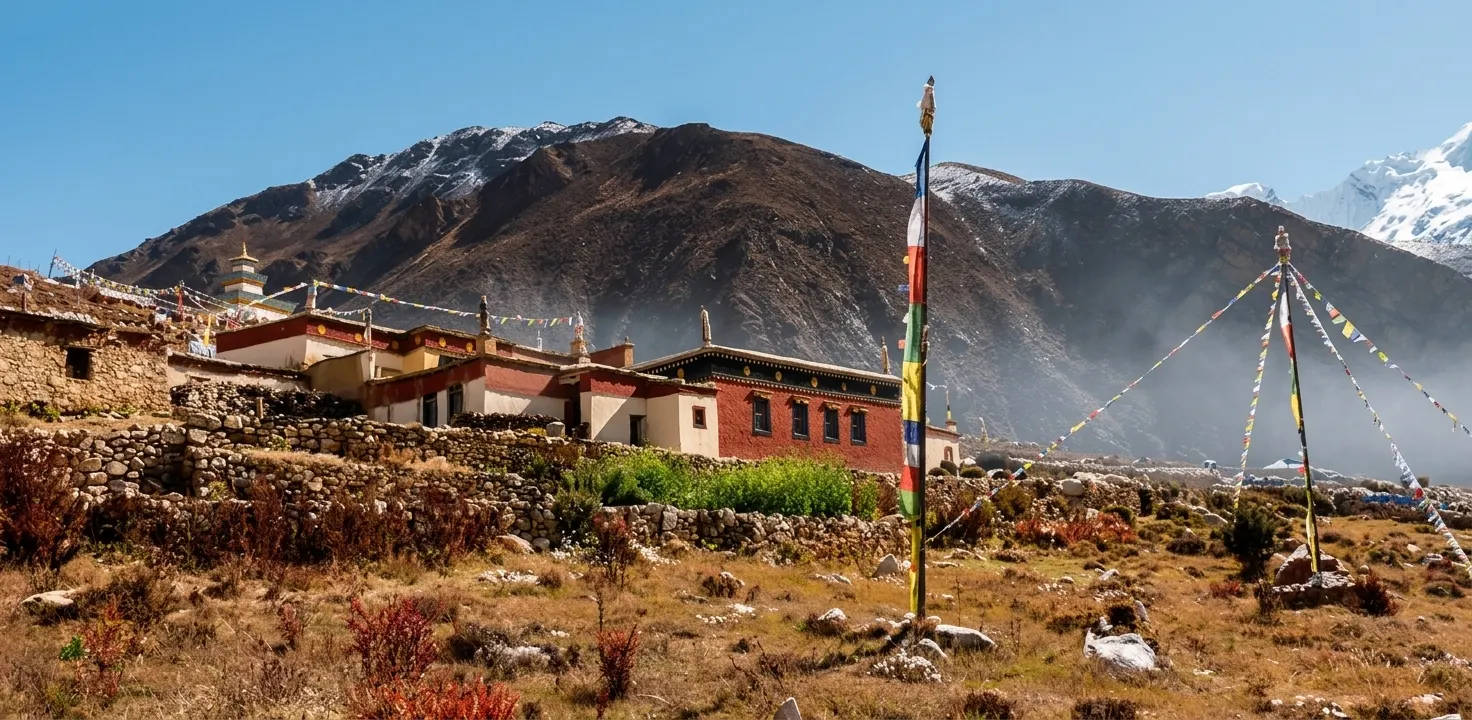
- Experience authentic Tibetan Buddhist culture and ancient monasteries.
- Trek through one of Nepal’s least-visited Himalayan regions.
- Enjoy panoramic views of Annapurna II, Gangapurna, Himlung Himal, Tilicho Peak, Chulu East, and Pisang Peak.
- Stay in traditional family-run teahouses.
- Discover dramatic canyons, glaciers, alpine meadows, and yak pastures.
- Combine cultural exploration with a rewarding high-altitude Himalayan adventure.
- Trek with experienced local guides from Nepal Wilderness Trekking.
- Ideal for trekkers seeking a quieter alternative to the Annapurna Circuit.
Nar Phu Valley Trek Overview
The Nar Phu Valley Trek is one of Nepal’s most extraordinary trekking adventures, offering a rare chance to explore a hidden Himalayan region where traditional Tibetan culture, untouched landscapes, and centuries-old villages remain remarkably preserved. Located in the northern part of the Annapurna region, Nar Phu Valley lies close to the Tibetan border and was opened to foreign trekkers only in 2003. Because it is a restricted area, visitor numbers remain low, making it an excellent destination for those seeking a quieter and more authentic trekking experience.
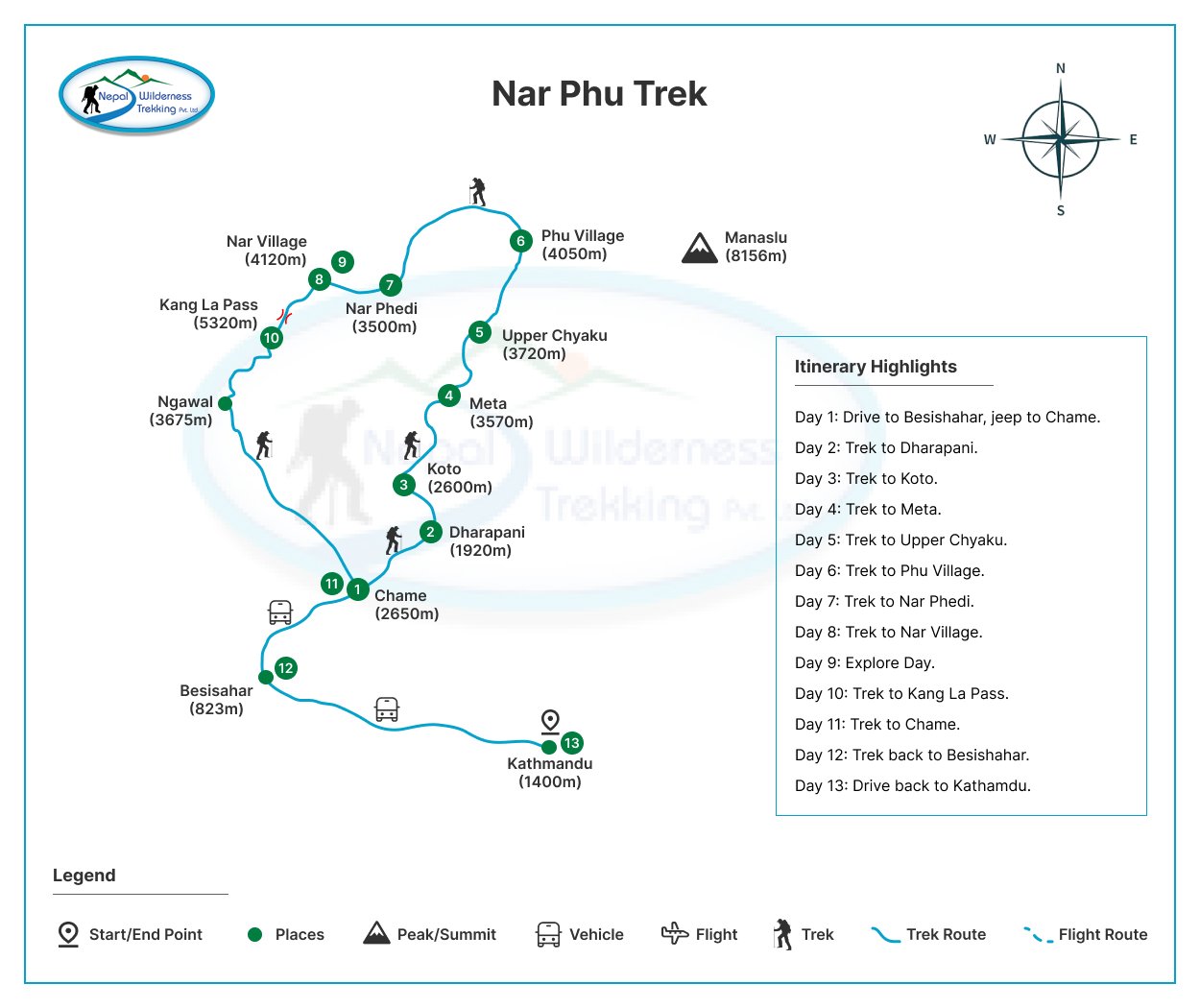
This 12-day journey begins with a scenic drive from Kathmandu to Dharapani, where the trail follows part of the famous Annapurna Circuit before branching into the secluded Nar Phu Valley. As you leave the main trekking route, the surroundings become increasingly wild and peaceful. Narrow gorges, suspension bridges, waterfalls, pine forests, and rocky cliffs lead you toward a landscape that feels untouched by modern tourism.
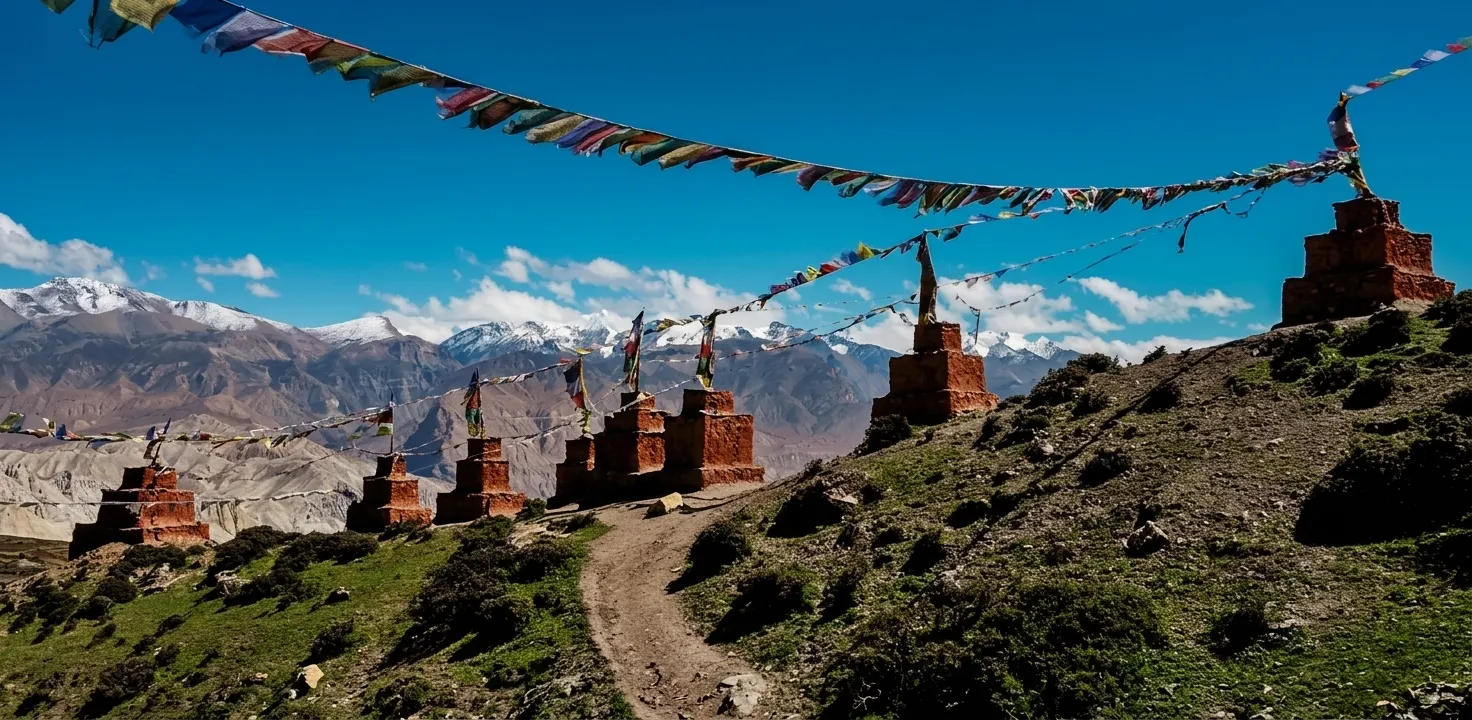
One of the most memorable experiences of the trek is visiting the ancient villages of Phu Gaon and Nar Village. Built from traditional stone and mud, these settlements have preserved their unique architecture and centuries-old way of life. Prayer wheels, chortens, mani walls, and Buddhist monasteries reflect the strong influence of Tibetan Buddhism, while local families continue to rely on yak herding, farming, and seasonal trade. Spending time in these villages offers a genuine cultural experience rarely found on Nepal’s busier trekking routes.
The trail also showcases a dramatic variety of landscapes. Lower elevations feature forests of pine, juniper, and rhododendron, while higher sections transition into alpine meadows, glacial valleys, and rugged high-altitude deserts. Throughout the trek, trekkers enjoy spectacular views of Annapurna II (7,937 m), Gangapurna (7,455 m), Tilicho Peak (7,134 m), Himlung Himal (7,126 m), Chulu East (6,584 m), Pisang Peak (6,091 m), and many other Himalayan summits.
The highest point of the journey is Kang La Pass (5,306 m / 17,408 ft), a challenging yet rewarding mountain pass connecting Nar Village with Ngawal on the Annapurna Circuit. Crossing the pass is one of the trek’s greatest highlights, offering breathtaking panoramic views of snow-covered peaks, glaciers, and deep valleys stretching across the Annapurna range. After the descent, the trail rejoins the Annapurna Circuit before returning to Kathmandu.
Although the Nar Phu Valley Trek is considered moderate to challenging, it does not require technical climbing skills. The main challenges are the high altitude, several long walking days, and the crossing of Kang La Pass. Trekkers with good physical fitness and some previous hiking experience will find the journey highly rewarding. Proper acclimatization, a comfortable walking pace, and experienced local guides greatly increase both safety and enjoyment.
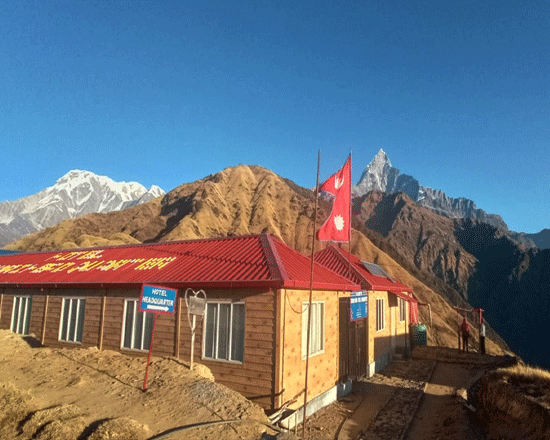
Accommodation throughout the trek is provided in simple but welcoming teahouses operated by local families. Rooms are generally twin-sharing, with shared bathrooms in most villages. Meals include traditional Nepali dishes such as dal bhat, Tibetan bread, noodles, soups, potatoes, and seasonal vegetables, along with a selection of international options in the lower villages. The warm hospitality of the local communities is often one of the most memorable aspects of the trek.
Because Nar Phu Valley is a restricted area, all trekkers must obtain a Nar Phu Restricted Area Permit and an Annapurna Conservation Area Permit (ACAP). Current regulations also require trekking with a licensed guide through a registered trekking agency. Nepal Wilderness Trekking arranges all necessary permits, transportation, accommodation, and logistics, allowing you to focus entirely on enjoying the journey.
The best seasons for the Nar Phu Valley Trek are spring (March to May) and autumn (September to November), when the weather is generally stable, mountain views are clear, and daytime temperatures are ideal for trekking. Spring brings colorful rhododendron forests and blooming alpine flowers, while autumn offers crisp air, excellent visibility, and vibrant local festivals.
For trekkers looking beyond Nepal’s crowded trails, the Nar Phu Valley Trek delivers an exceptional combination of adventure, culture, and natural beauty. From remote Himalayan villages and sacred monasteries to dramatic mountain passes and breathtaking alpine scenery, every day reveals a different side of the Himalayas. It is an unforgettable journey that showcases the rich heritage and unspoiled wilderness of one of Nepal’s most remarkable trekking regions.
Why Choose Nepal Wilderness Trekking for the Nar Phu Valley Trek?
Choosing the right trekking company can make a significant difference to your Himalayan experience. At Nepal Wilderness Trekking, we believe that every trek should be safe, enjoyable, and memorable. Our experienced local guides know the Nar Phu Valley exceptionally well, from the best viewpoints and cultural sites to the safest acclimatization strategies.
When you trek with us, we take care of every detail—from permits and transportation to accommodation and meals—so you can focus on enjoying the journey. Whether you are traveling alone, with friends, or in a private group, we tailor each trek to match your pace, interests, and experience level.
Why trek with us?
- Over a decade of experience organizing treks across Nepal.
- Government-licensed, English-speaking local guides.
- Small group and private trek options.
- 24/7 support before and during your trip.
- All required permits arranged in advance.
- Carefully planned itineraries for proper acclimatization.
- Fair wages and ethical treatment of guides and porters.
- No hidden costs or surprise fees.
- Flexible itinerary customization when possible.
- Reliable airport transfers and transportation arrangements.
- Assistance with equipment rental if needed.
- Personalized service from inquiry to departure.
Our goal is not only to guide you through the mountains but also to help you experience the culture, traditions, and natural beauty of the Nar Phu Valley in a meaningful way. With our knowledgeable team and commitment to responsible tourism, you can trek with confidence while supporting local communities and sustainable travel in Nepal.
Nar Phu Valley Trek Difficulty
The Nar Phu Valley Trek is considered a moderate to challenging trek. While it does not require technical climbing or mountaineering experience, it involves several long trekking days, significant altitude gain, and crossing the high Kang La Pass (5,306 m / 17,408 ft). Trekkers should be in good physical condition and prepared to walk for 5 to 8 hours each day over varied terrain.
Unlike more popular trekking routes, the Nar Phu Valley remains remote and less developed. The trails include rocky paths, narrow valleys, suspension bridges, glacial moraines, and steep ascents and descents. Some sections are rugged and isolated, making the trek more demanding than routes such as Poon Hill or Langtang Valley.
The biggest challenge is the high altitude. As you climb above 3,500 meters, the air becomes thinner, making physical activity more strenuous. Proper acclimatization, a steady walking pace, and staying well-hydrated are essential to reduce the risk of altitude sickness. Our itinerary includes an acclimatization day in Phu Village to help your body adjust before crossing Kang La Pass.
Previous high-altitude trekking experience is helpful but not essential. If you maintain a reasonable level of fitness and prepare before your trip, most determined trekkers can successfully complete the Nar Phu Valley Trek.
At Nepal Wilderness Trekking, our experienced guides monitor your health throughout the journey, adjust the pace when necessary, and provide advice on acclimatization to ensure a safe and enjoyable experience.
Who Is This Trek Suitable For?
The Nar Phu Valley Trek is ideal for:
- Experienced trekkers looking for a less-crowded Himalayan adventure.
- Active beginners with good physical fitness and determination.
- Travelers interested in Tibetan Buddhist culture and remote mountain villages.
- Photographers seeking dramatic Himalayan landscapes.
- Nature lovers who enjoy peaceful trails and untouched wilderness.
- Adventure seekers wanting to cross a high Himalayan pass.
- Small groups, couples, and solo travelers (with a licensed guide).
This trek may not be suitable for people with serious heart or respiratory conditions or anyone unprepared for multi-day hiking at high altitude.
How to Prepare for the Nar Phu Valley Trek
Preparing before your trip will make the trek more comfortable and enjoyable. We recommend starting your training 6 to 8 weeks before departure.
Physical Preparation
Focus on activities that improve endurance and leg strength, such as:
- Hiking on local trails with a backpack.
- Walking or jogging for 45–60 minutes several times a week.
- Climbing stairs.
- Cycling or swimming for cardiovascular fitness.
- Strength training for your legs and core.
Mental Preparation
The Nar Phu Valley is a remote trekking destination with basic teahouse facilities. Being prepared for simple accommodation, changing mountain weather, and long walking days will help you enjoy the experience even more.
Acclimatization Tips
To reduce the risk of altitude sickness:
- Walk at a comfortable pace.
- Drink at least 3–4 liters of water each day.
- Avoid alcohol while gaining altitude.
- Eat regular meals to maintain your energy.
- Get enough rest each night.
- Inform your guide immediately if you experience symptoms such as headache, nausea, dizziness, or unusual fatigue.
Is the Nar Phu Valley Trek Worth It?
Absolutely. For trekkers seeking a true off-the-beaten-path adventure, the Nar Phu Valley Trek is one of Nepal’s most rewarding experiences. The combination of remote Himalayan scenery, authentic Tibetan culture, ancient villages, and the thrilling crossing of Kang La Pass creates a journey unlike any other in the Annapurna region.
Unlike busier trekking routes, you’ll often walk for hours without encountering large groups, allowing you to fully appreciate the silence, natural beauty, and rich cultural heritage of this hidden valley. If you’re looking for a trek that combines adventure, cultural immersion, and breathtaking mountain landscapes, the Nar Phu Valley Trek is an outstanding choice.
Best Time for the Nar Phu Valley Trek
The Nar Phu Valley Trek can be completed throughout much of the year, but the best trekking conditions are during spring (March to May) and autumn (September to November). These seasons offer stable weather, comfortable temperatures, excellent mountain views, and ideal trail conditions for crossing Kang La Pass (5,306 m).
Because Nar Phu Valley lies in the rain shadow of the Annapurna and Manaslu ranges, it receives less rainfall than many other trekking regions in Nepal. This makes it a suitable destination even during parts of the monsoon season, although road travel and lower trails may still be affected by heavy rain.
Spring (March to May)
Spring is one of the most popular seasons for the Nar Phu Valley Trek. The weather gradually becomes warmer, the days are longer, and the surrounding hills come alive with blooming rhododendrons and alpine flowers. Snow usually remains on the higher peaks, creating spectacular mountain scenery.
Temperatures are generally pleasant during the day, while nights remain cold at higher elevations. Visibility is excellent on most mornings, making spring a fantastic season for photography and panoramic Himalayan views.
Advantages
- Stable weather and clear skies
- Blooming rhododendron forests
- Comfortable daytime temperatures
- Excellent mountain views
- Ideal conditions for Kang La Pass
Considerations
- Popular season with more trekkers than winter
- Early booking is recommended
Summer / Monsoon (June to August)
The summer months coincide with Nepal’s monsoon season. While many trekking regions experience heavy rainfall, Nar Phu Valley receives considerably less precipitation due to its location in the Himalayan rain shadow.
The valley itself often remains relatively dry, but the roads to Dharapani and lower trekking sections can be affected by rain, landslides, or muddy conditions. Clouds may occasionally reduce mountain visibility.
Advantages
- Fewer trekkers on the trail
- Green landscapes at lower elevations
- Peaceful trekking experience
Considerations
- Possible road delays due to landslides
- Wet and slippery lower trails
- Variable mountain visibility
Autumn (September to November)
Autumn is widely regarded as the best season for the Nar Phu Valley Trek. After the monsoon, the air is clean, visibility is exceptional, and the mountains appear especially sharp against deep blue skies.
Comfortable daytime temperatures and dry trail conditions make autumn ideal for crossing Kang La Pass. This season also coincides with Nepal’s major festivals, including Dashain and Tihar, offering visitors a chance to experience local celebrations.
Advantages
- Crystal-clear mountain views
- Stable weather
- Dry trekking trails
- Comfortable temperatures
- Excellent photography conditions
Considerations
- Peak trekking season
- Teahouses may be busier
- Advance booking is recommended
Winter (December to February)
Winter offers a completely different trekking experience. The trails are much quieter, and the snow-covered landscapes create a magical Himalayan atmosphere. However, temperatures drop well below freezing at higher elevations, particularly during the night.
Heavy snowfall can occasionally make Kang La Pass difficult or temporarily inaccessible. Flexible travel plans and experienced guides are essential if trekking during winter.
Advantages
- Quiet trails
- Beautiful snow-covered scenery
- Excellent visibility on clear days
Considerations
- Very cold temperatures
- Possible snowfall at Kang La Pass
- Shorter daylight hours
Seasonal Weather Overview
| Season |
Temperature |
Mountain Views |
Trail Conditions |
Recommendation |
| Spring (Mar–May) |
Mild to Cool |
Excellent |
Dry |
⭐⭐⭐⭐⭐ |
| Summer (Jun–Aug) |
Warm |
Fair to Good |
Mixed |
⭐⭐⭐ |
| Autumn (Sep–Nov) |
Mild |
Outstanding |
Excellent |
⭐⭐⭐⭐⭐ |
| Winter (Dec–Feb) |
Cold |
Excellent |
Snow Possible |
⭐⭐⭐⭐ |
Our Recommendation
At Nepal Wilderness Trekking, we recommend March to May and September to November for the best overall trekking experience. These months provide the most reliable weather, outstanding mountain views, comfortable trekking conditions, and the highest chance of successfully crossing Kang La Pass.
If you prefer quieter trails and don’t mind colder temperatures, winter can also be a rewarding time to visit with proper preparation and suitable equipment.
Nar Phu Valley Trek Permits
The Nar Phu Valley Trek passes through a protected restricted area in the Annapurna region. To preserve the region’s unique culture, environment, and traditional way of life, the Government of Nepal requires all foreign trekkers to obtain special permits before entering the Nar Phu Valley.
Unlike many other trekking routes in Nepal, independent trekking is not permitted in the Nar Phu restricted area. You must trek with a licensed guide through a registered Nepalese trekking company such as Nepal Wilderness Trekking.
We arrange all required permits before your trek, allowing you to travel without worrying about paperwork or permit procedures.
Permits Required for the Nar Phu Valley Trek
1. Nar Phu Restricted Area Permit (RAP)
The Restricted Area Permit is mandatory for everyone entering the Nar Phu Valley. It is issued by Nepal’s Department of Immigration and helps regulate tourism in this remote Himalayan region.
Permit Cost
September to November
- USD 100 per person for the first 7 days
- USD 15 per person for each additional day
December to August
- USD 75 per person for the first 7 days
- USD 15 per person for each additional day
2. Annapurna Conservation Area Permit (ACAP)
Since the trek passes through the Annapurna Conservation Area, every trekker must also obtain an ACAP permit.
Permit Cost
- NPR 3,000 per person for foreign nationals
- NPR 1,000 per person for SAARC nationals
This permit supports conservation projects, trail maintenance, wildlife protection, and local community development.
Is a TIMS Card Required?
No. For the standard Nar Phu Valley Trek, a TIMS (Trekkers’ Information Management System) card is generally not required because the trek is covered by the Restricted Area Permit system.
If permit regulations change in the future, Nepal Wilderness Trekking will inform you and arrange any additional documentation if necessary.
Documents Required for the Permits
To obtain your permits, we will need:
- A clear copy of your passport
- A recent passport-sized photograph (digital copy is acceptable)
- Your Nepal visa details (or visa information after arrival)
- Your arrival date in Nepal
- Your travel insurance information (recommended)
How Long Does It Take to Obtain the Permits?
Once we receive your required documents, we usually arrange all trekking permits within 1–2 working days before your departure.
Our team handles the entire process, including government offices and official paperwork, so you can focus on preparing for your adventure.
Why Are Special Permits Required?
Nar Phu Valley remained closed to foreign visitors until 2003. Even today, it remains one of Nepal’s most carefully protected trekking destinations.
The permit system helps to:
- Preserve the region’s unique Tibetan Buddhist culture
- Protect fragile mountain ecosystems
- Support local communities
- Regulate tourism in remote villages
- Maintain trekking trails and conservation projects
Because visitor numbers are limited, Nar Phu Valley continues to offer an authentic Himalayan experience with peaceful trails and well-preserved traditions.
Can I Trek Without a Guide?
No. Under current regulations, you cannot legally trek in the Nar Phu restricted area without a licensed guide.
When you book with Nepal Wilderness Trekking, we provide:
- Government-licensed trekking guide
- All required trekking permits
- Permit registration
- Transportation arrangements
- Accommodation bookings
- Emergency assistance throughout the trek
Our experienced guides not only ensure compliance with permit regulations but also enrich your journey with local knowledge, cultural insights, and support in the mountains.
Permit Summary
| Permit |
Required |
Cost |
| Nar Phu Restricted Area Permit (RAP) |
✔ Yes |
USD 100 (Sep–Nov) / USD 75 (Dec–Aug) for the first 7 days |
| Annapurna Conservation Area Permit (ACAP) |
✔ Yes |
NPR 3,000 (Foreigners), NPR 1,000 (SAARC) |
| TIMS Card |
✘ No (normally not required) |
Transportation
The Nar Phu Valley Trek begins with a scenic drive from Kathmandu to Dharapani and ends with a return drive to Kathmandu after completing the trek.
Depending on your itinerary and group size, transportation may include:
- Tourist bus
- Shared jeep
- Private jeep (available on request)
The journey offers beautiful views of rivers, terraced hillsides, traditional villages, and the Himalayan foothills, making the drive an enjoyable part of the adventure. This version is evergreen and easier to maintain if you update your itinerary or transportation arrangements in the future.