Ama Dablam Climb (6,812m) | 15 Days Technical Expedition in Nepal
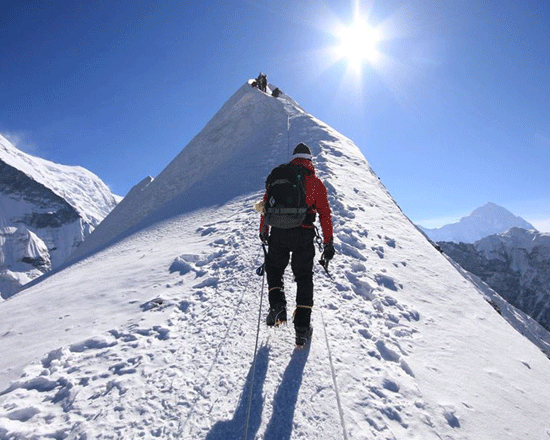
Ama Dablam climb is one of the most iconic technical mountaineering adventures in Nepal. For climbers seeking a true challenge in the Himalayas, Ama Dablam Peak offers a perfect combination of steep climbing, exposed ridges, and breathtaking scenery. This expedition provides a rare opportunity to experience the mountain up close while testing advanced alpine skills in a highly rewarding environment.
The Optimal Time: Autumn Expedition
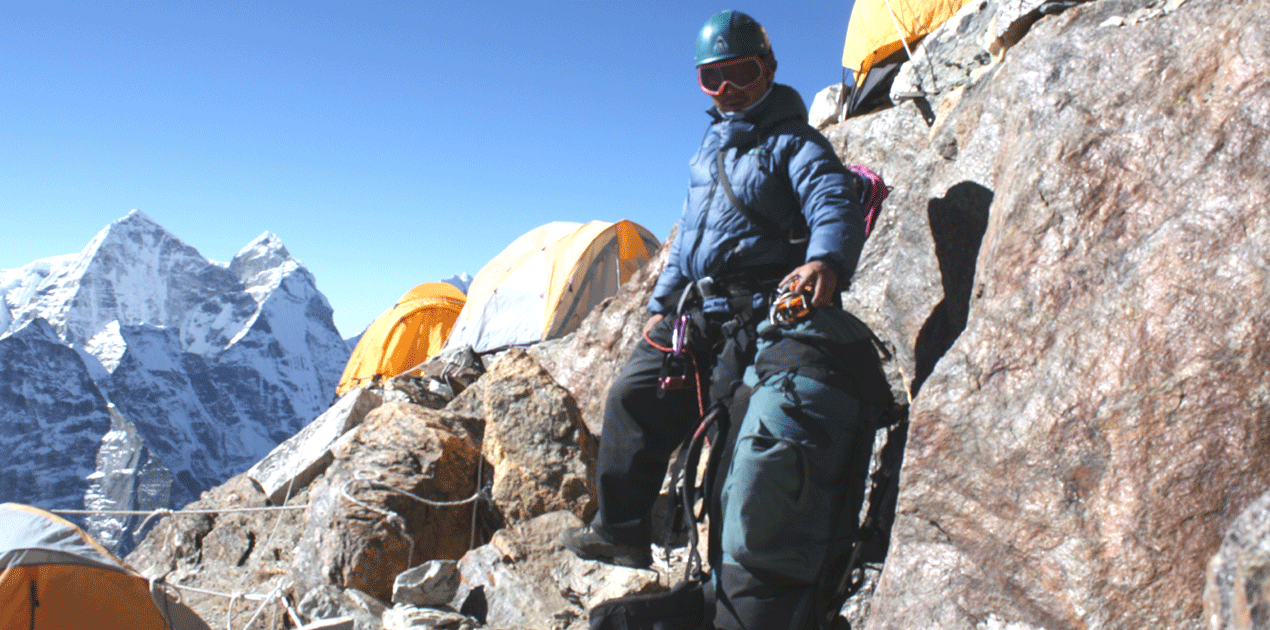
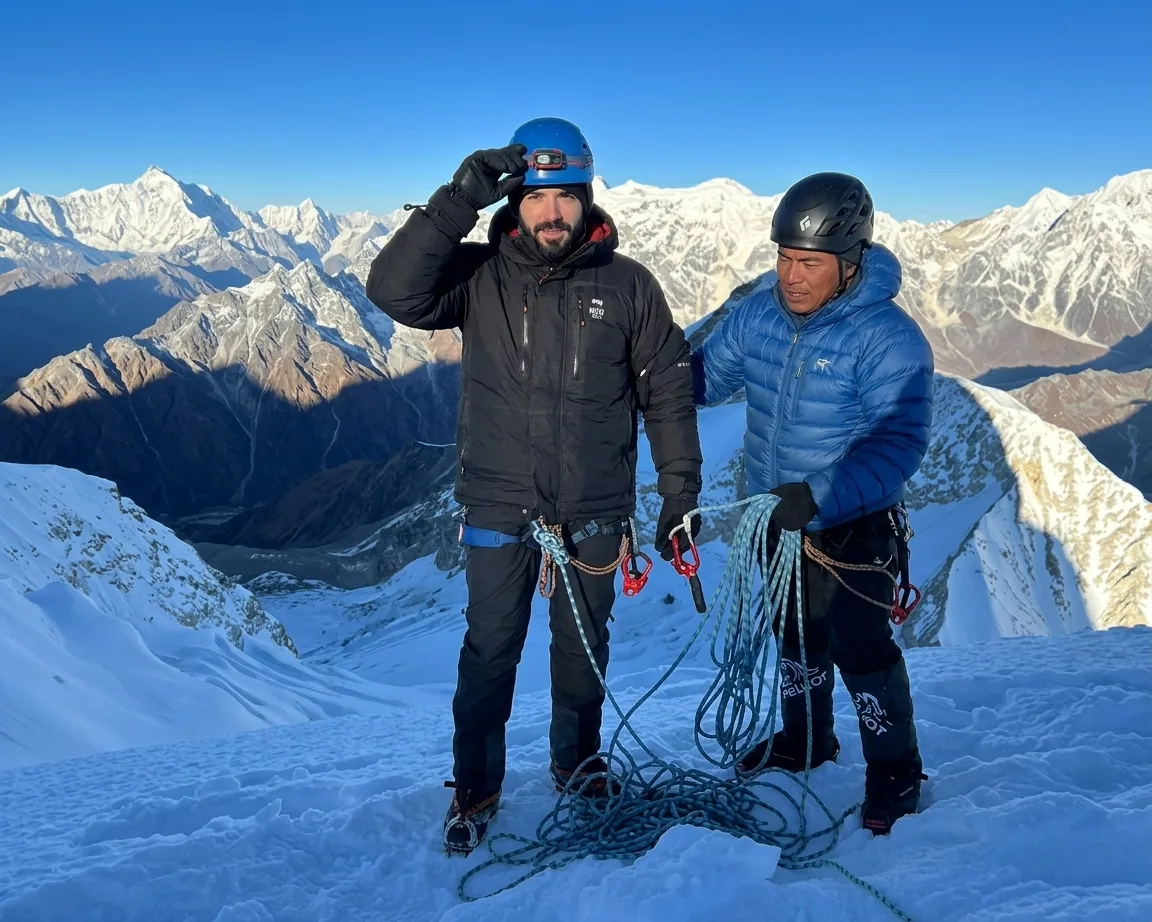
The prime season for an Ama Dablam Climb expedition is during autumn, spanning from October 10 to December 10. During this period, the onset of winter blankets the hard snow and rock with a pristine layer of ice and snow. Our team of seasoned climbing experts is poised and ready at the base camp to guide you through this formidable ascent. In comparison to autumn, spring, between mid-March and late May, ushers in a profusion of snow. Following the winter season, and with the advent of spring showers, the mountains are enveloped in snow and ice. Navigating fresh snow on Ama Dablam’s slopes can intensify the challenge of blazing a trail. Strong Sherpa guides are at hand, more than capable of expending extra effort during the spring ascent. Climbers should be prepared for potential weather-related interruptions during their summit window. If your schedule aligns with these time frames, consider joining our expedition.
Spring Ascent: A Test of Endurance
The spring season presents an alternative window for conquering Ama Dablam, running from March to the end of May. However, spring sees a substantial accumulation of snow on the mountain compared to autumn. As winter gives way to spring, the fresh snowfall in the region elevates the difficulty level of trailblazing. Climbers should anticipate potential weather-related disruptions when planning their spring summit.
Ama Dablam: A Himalayan Gem
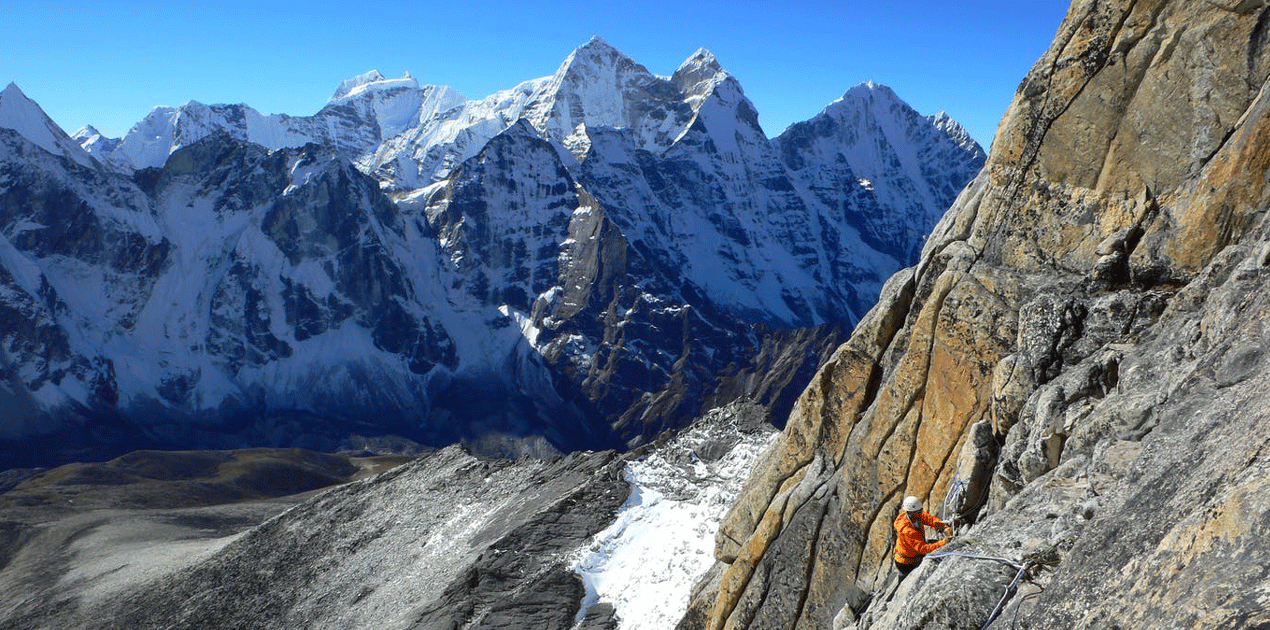
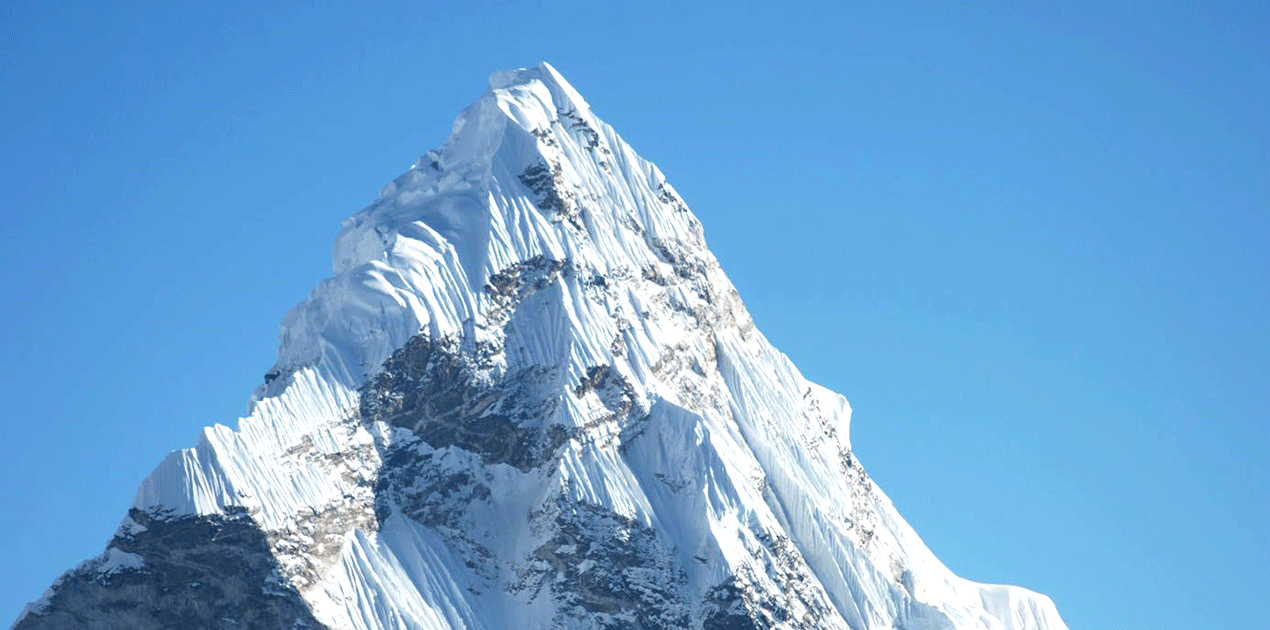
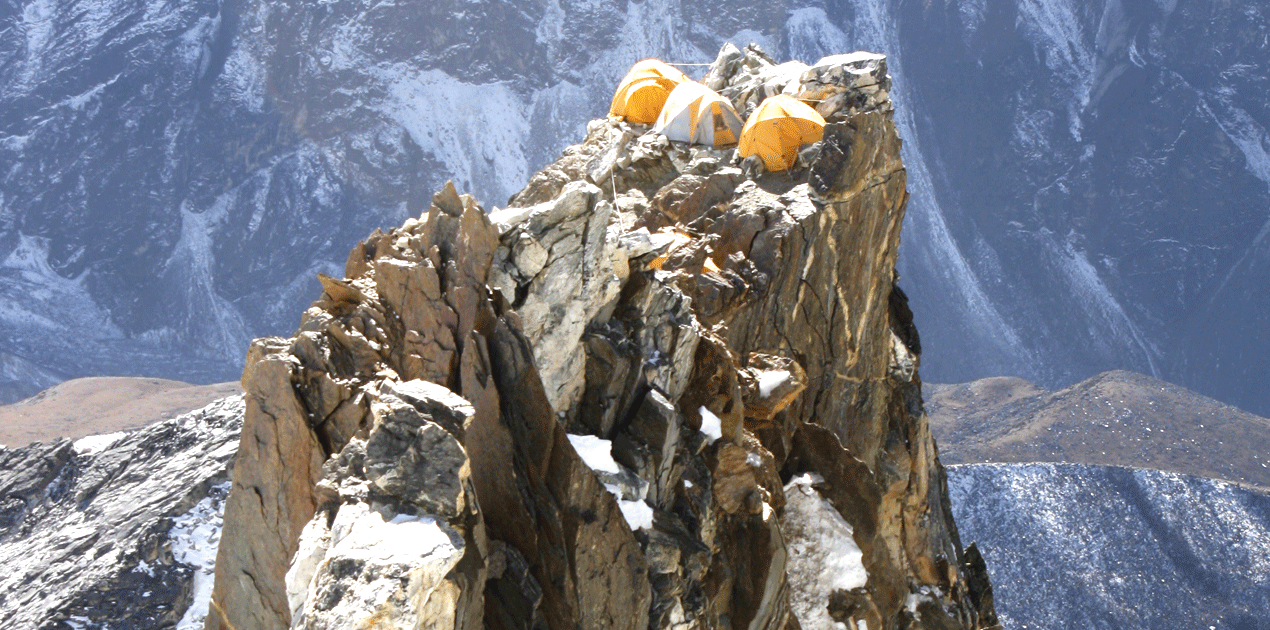
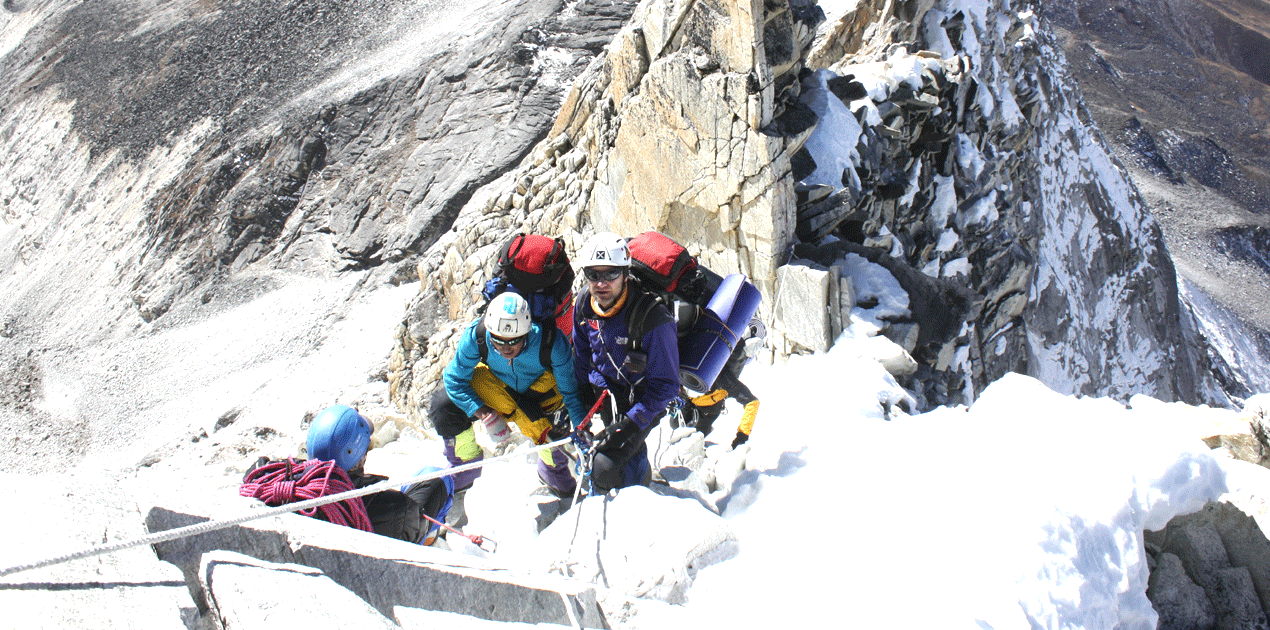
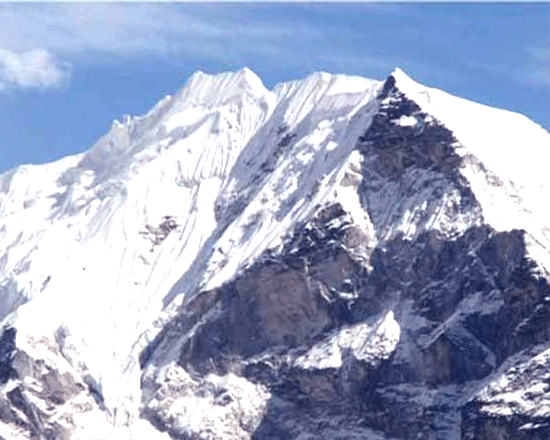
Ama Dablam stands as a captivating snow-capped pinnacle in the Everest region, gracing the sky at an elevation of 6,812 meters above sea level. Its name derives from the Sherpa language, where “Ama” means mother and “Dablam” translates to Necklace Jewel. Participants joining our group from the base camp must possess technical expertise in rock and ice climbing, in addition to well-equipped safety gear, as the climb from High Camp to Camp 1 is arduous, marked by rugged cliffs. Ama Dablam’s exquisite silhouette even serves as the symbol of a global insurance company.
Acclimatization Strategy
Before embarking on the Ama Dablam Peak ascent, it is advisable to undertake the climb of either Lobuche Peak or Island Peak, both exceeding 6,000 meters in elevation. Following this acclimatization phase, you will join the Ama Dablam expedition, culminating in a high-altitude camp. The journey from Base Camp to the summit and back typically spans 13 to 15 days.
Organized by Nepal Wilderness Trek PVT, Ltd.
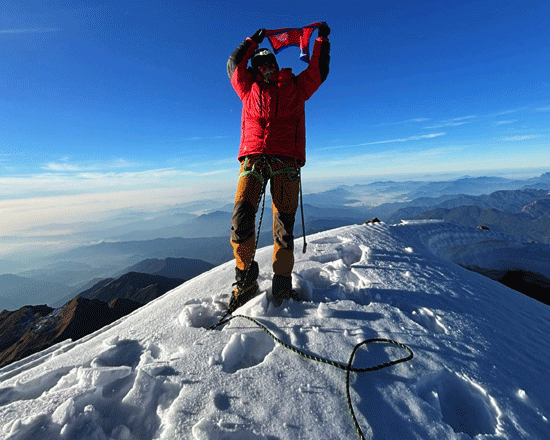
The Ama Dablam climbing expedition is orchestrated by Nepal Wilderness Trek PVT, Ltd., operating on a join-a-group basis from the base camp. If you plan to summit during the autumn and spring seasons, you can ascend the 6,812-meter Ama Dablam peak and etch your footprint atop its majestic summit.
Syncing Your Departure
If your schedule falls between October 10 and December 10 or from the first week of April to May, you can synchronize your dates with our Ama Dablam base camp group. During these periods, we establish a base camp and pre-arrange the logistics based on the confirmed dates and the number of climbers in the Ama Dablam Climb group.
Connecting with Our Team
Upon your arrival in Kathmandu, we will furnish you with your climbing permit and the contact details of our expedition team and climbing guide. Additionally, we share the climbing permit number via WhatsApp, ensuring seamless communication with our Ama Dablam climb team.
Gear Up for Success
Please note that there are no gear rental facilities at the Ama Dablam base camp. Therefore, you must either bring your climbing equipment from your home country or opt to rent it in Dingboche. The Hotel Good Luck in Dingboche offers climbing equipment rental services.
Guides and Porters
If you require the services of a trekking guide and porter for your journey from Lukla to the Ama Dablam base camp or for an extended adventure like the Three Passes Everest Base Camp trek, our team is at your service.
Highlights of the Expedition
- Ascend Ama Dablam with our seasoned team of climbing experts.
- Immerse yourself in Sherpa culture amidst the breathtaking mountain vistas of the Everest region.
- Witness unparalleled views of numerous towering peaks.
- Summit Ama Dablam and etch an indelible memory in the annals of your life.
Ama Dablam Expedition Cost
The expedition cost for Ama Dablam is USD 5600 per person, covering a 15-day expedition, commencing from the Ama Dablam Base Camp. This cost encompasses transportation, meals, and various amenities such as tents, camping equipment, high-altitude tents, and more. We strongly recommend undertaking the Ama Dablam Expedition during the autumn season.
Share Your Triumph
For those wishing to celebrate their successful Ama Dablam summit with family, friends, or loved ones, they can visit Nepal during the celebration period and trek to the Ama Dablam base camp to join in the festivities.