Pachermo Peak Climbing
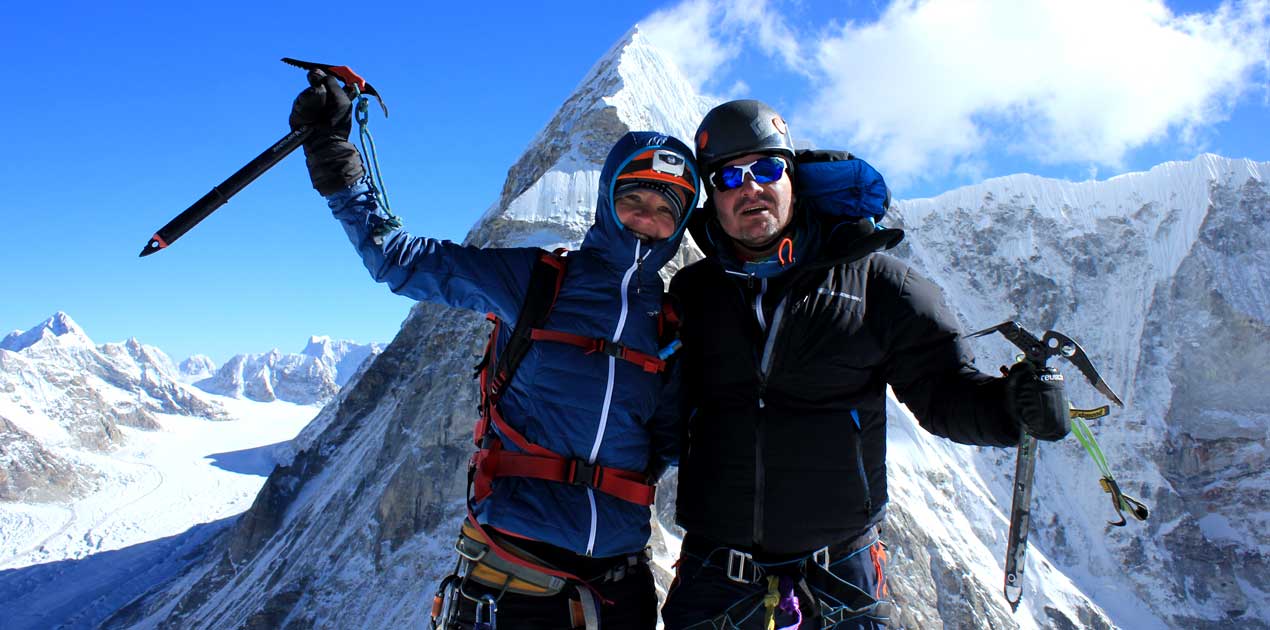
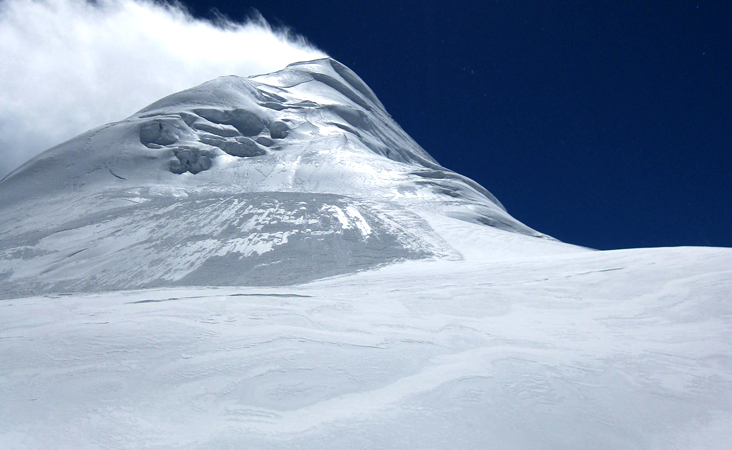
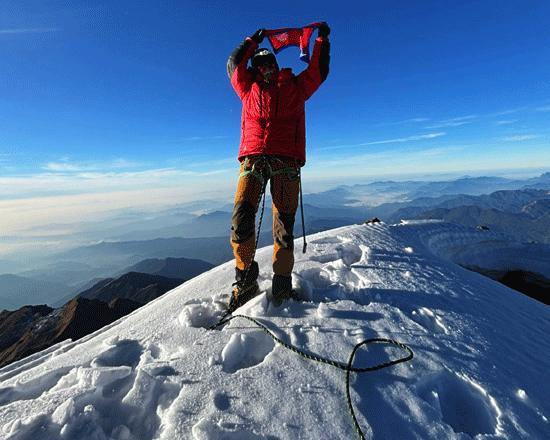
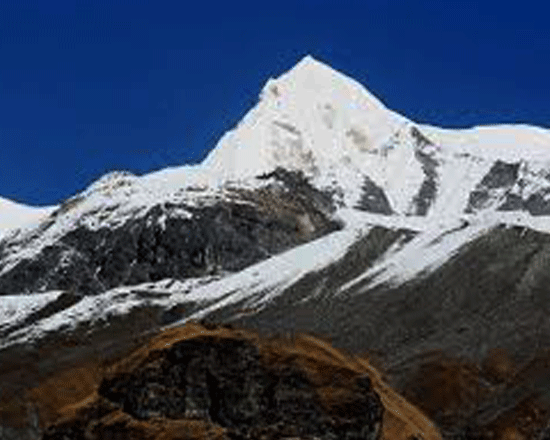
Pachermo Peak and Pharchamo Peak are interchangeable names for the same striking mountain peak nestled within the picturesque Rolwaling region of Nepal. Towering majestically at an elevation of approximately 6,273 meters (20,581 feet) above sea level. This peak entices adventurers with its formidable yet alluring presence. Renowned among mountaineers and trekkers alike, it serves as a beacon for those seeking both breathtaking panoramas and exhilarating climbing endeavors. Pachermo Peak climbing package offers stunning views of the Himalayan range, including Everest, Cho Oyu, Lhotse, and Makalu. The peak is 6,273 meters (20,581 feet) high and requires technical climbing skills to reach the summit.
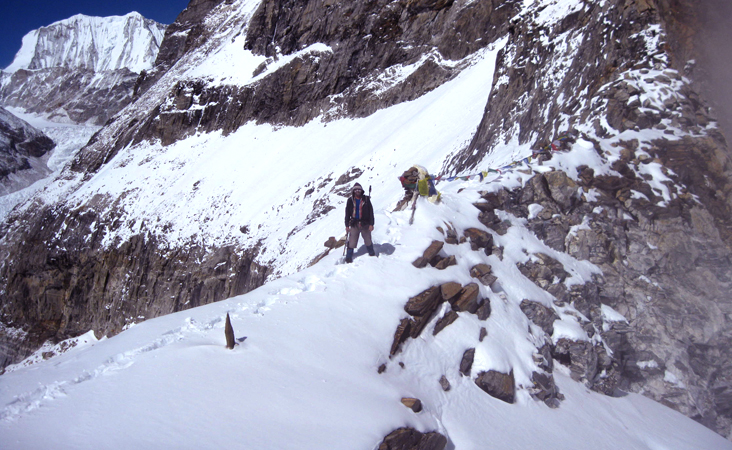
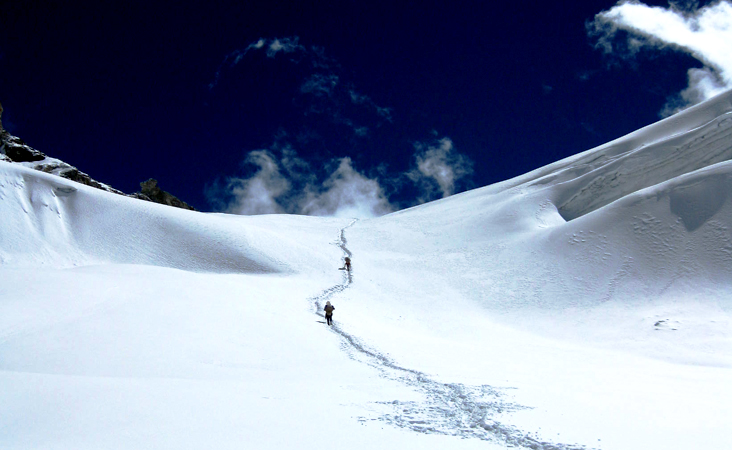
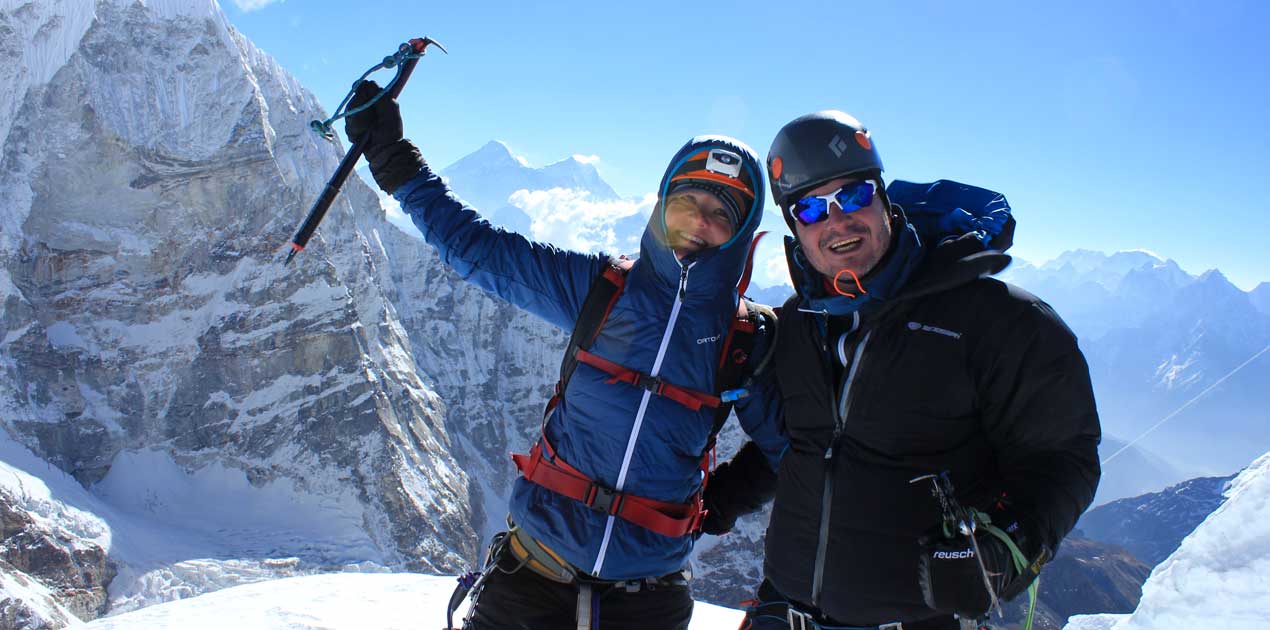
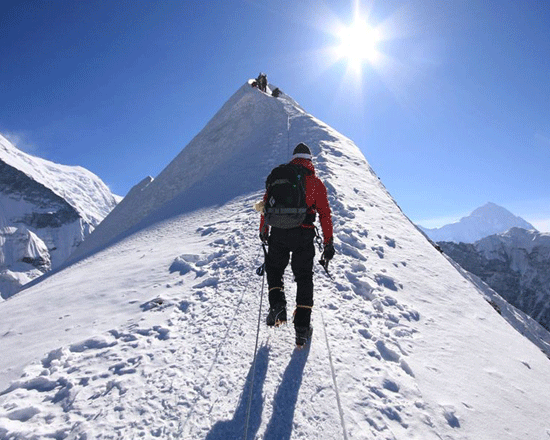
Pachermo Peak climbing is considered a technical climb and requires good mountaineering skills, including the use of crampons, ice axes, and ropes. The climb involves traversing a glacier, ascending steep snow and ice slopes, and negotiating crevasses.
Technically challenging peaks
While the climb is technically challenging, it is suitable for experienced climbers with good physical fitness and previous high-altitude experience. It is recommended that climbers have prior experience with climbing peaks of similar difficulty and have good knowledge of mountaineering techniques.
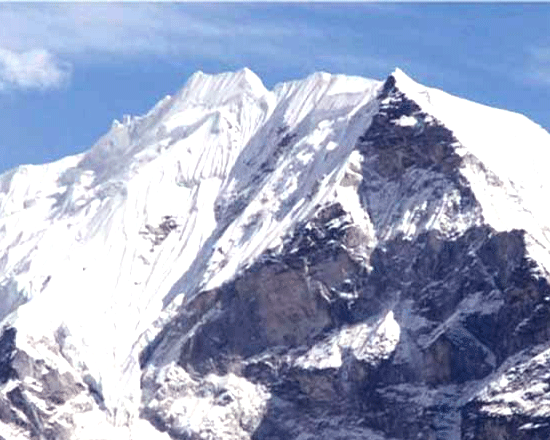
Overall, Pachermo Peak climbing is a challenging and rewarding experience that offers stunning views of the Himalayan range. It is also a chance to test your mountaineering skills in a remote and rugged environment. It requires careful planning, preparation, and a good level of physical and technical fitness to complete the climb. Majestic cap style peak, to climb the Pachermo peak requires 400 meters of ropes to the summit of this mountain peak. Although it is a little harder and more technical to climb from the north face. So, most climbing guides lead from the south face because of the safety and sunny shadow.
Beauty of treks
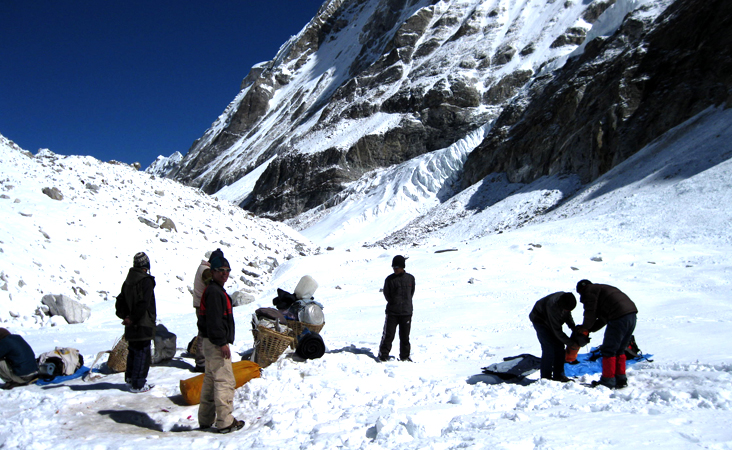
The Rolwaling trekking area has two famous climbing peaks. They are Pachermo Peak (Pharchamo) 6272 m, 20577.8 feet, and the other one is Ramdung Peak 5,925m, 19438.9 feet. They both have equally beautiful views from the summit. The Ramdung Peak trails dividing Na village, which are two nights and three days to the Ramdung Base Camp and back, also require the same duration. Pachermo peak climbing is only doable by camping with well-organized Nepalese staff and more workforce: Sherpa porters, cooks, and climbing guides.
Pachermo peak is very famous with magnifications Mountains View of Gauri Shankar (7134m), Everest (8848 m), Makalu (8463m), Nuptse (7896m), Amadablam (6812m), Thamserku (6800m), Kusum Kanguru 6369m), Island Peak (6189m). The other Himalayas stunning and extremely satisfying views from the summit peak, Pachermo peak (which is in group B peaks in the NMA list).
logistics management setup
Our staff has full insurance coverage and knowledge about glacier routes, passes, and climbing routes. Nepal wilderness treks arrange all required food supplies in the same package cost, two-person tents for accommodations, toilet tents, kitchen tent, dining tent, chair, and dining table for comfort for customers, the climbing equipment main rope, fix Rope, Ices Crow, Snow bar, ice hammer, etc. After passing and climbing the peak, descend to Thame village and continue to Lukla via Namche Bazaar.
Altitude
At an altitude of 6273 meters at the summit of the Pachermo Peak, there is a possibility that you may suffer from altitude sickness. To avoid altitude sickness, you should take better care of the altitude gain since the body cannot adjust to the change in altitude. During the 15-day itinerary, one acclimatization day is included, reducing the chance of altitude sickness. Due to the change in altitude and gain in altitude in a single day, you can still get sick from the altitude change.
The difficulty of Pachermo’s peak
Climbers consider Pachermo Peak a challenging climb that requires good mountaineering skills and previous high-altitude experience. Climbers must traverse a glacier, ascend steep snow and ice slopes, and negotiate crevasses. They need to use technical mountaineering equipment such as crampons, ice axes, and ropes.
Climbers attempting to summit Pachermo Peak should maintain good physical fitness and prepare for the challenges of high-altitude climbing, including the effects of altitude sickness. Climbers should have prior experience with climbing peaks of similar difficulty and possess good knowledge of mountaineering techniques.
Overall, climbers find Pachermo Peak a technically challenging climb that demands careful planning, preparation, and a good level of physical and technical fitness to complete. Inexperienced climbers or those without previous high-altitude climbing experience should avoid attempting it.
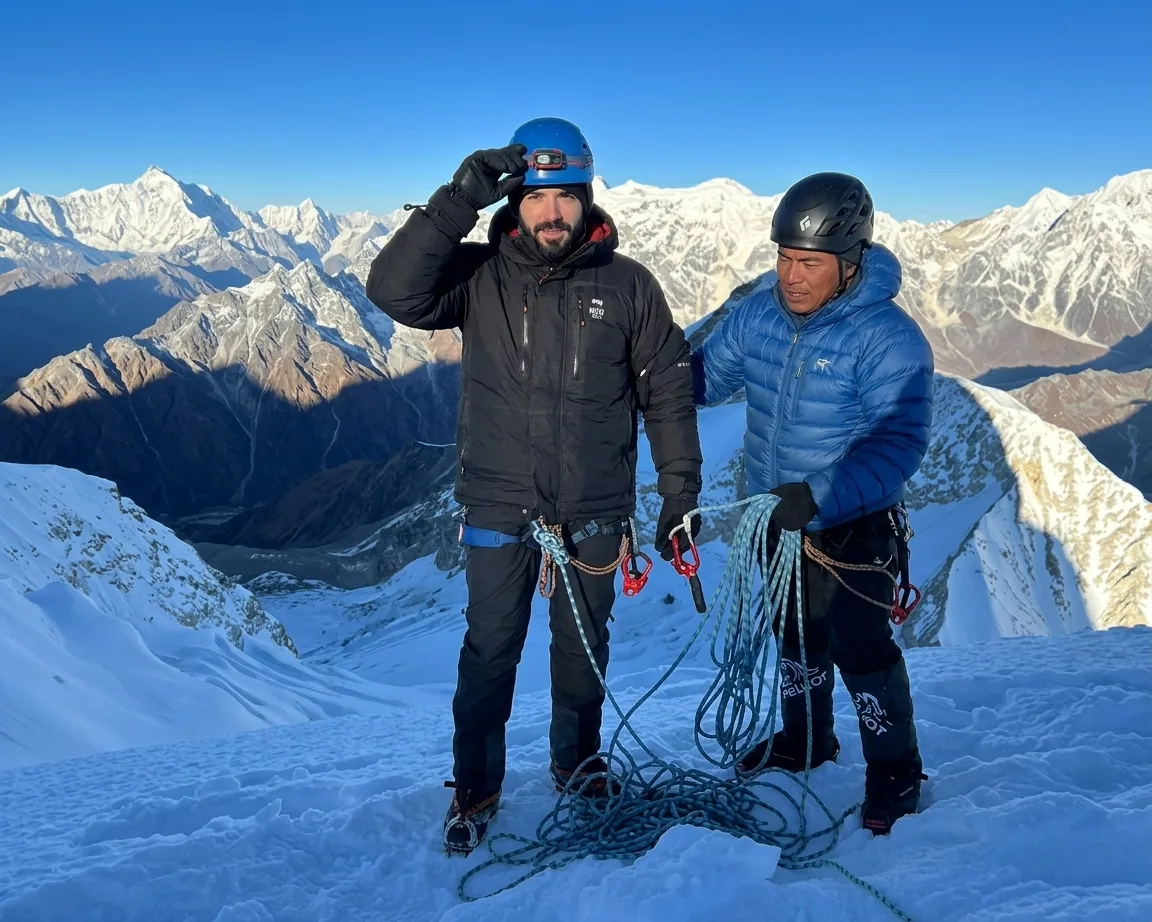
Pachermo Peak is a difficult climb at an extreme altitude. The terrain at the foot of the headwall is especially challenging. Ascend steeply and breathe thin air. However, the climbing route will be safe due to the fixed rope by our climbing guide. Our climbing guide is familiar with Pachermo Peak. Our cooks and staff are good teams who lead every year’s Pachermo Peak with different climbers.
The best time to climb the Pachermo Peak
The best time to summit Pachermo Peak is during the pre-monsoon season of spring (March to May) and the post-monsoon season of autumn (September to November). During these months, the weather is generally stable and dry, with clear skies and good visibility.
In the spring season, longer days, milder temperatures, and snow-covered mountain slopes create a more scenic and challenging climb. The post-monsoon season also offers a good time to climb Pachermo Peak, with fewer crowds and stable weather conditions.
During the winter months (December to February), temperatures on the mountain can drop significantly, with high winds and heavy snowfall. Climbers should avoid Pachermo Peak during this time due to the harsh weather conditions.
During the monsoon season (June to August), heavy rainfall makes the trails slippery and dangerous. Climbers should not attempt Pachermo Peak during this time due to the risk of landslides and other hazards.
Overall, the best time to climb Pachermo Peak is during the spring and autumn months, when the weather is stable, the visibility is good, and the mountain is at its most scenic.
Note
Nepal Wilderness Trekking is a well-known trekking agency in Nepal that offers a variety of trekking and mountaineering expeditions in the Himalayan region. We have a team of experienced and certified climbing guides who are well-versed in technical mountaineering skills and have extensive knowledge of the local terrain.
Nepal Wilderness Trekking offers a Pachermo Peak climbing expedition that typically takes around 15 days and involves trekking through the beautiful Rolwaling Valley, acclimatizing to high altitude, and summiting the peak. The expedition is led by an expert climbing guide who will provide you with technical guidance, safety instructions, and support throughout the climb.
Climbing Packages
The climbing package includes all necessary climbing equipment such as crampons, ice axes, ropes, and helmets, as well as accommodation, meals, and transportation. Nepal Wilderness Trekking ensures that all safety protocols are followed and the climbers are well-prepared and well-equipped for the climb.
In addition to Pachermo Peak, Nepal Wilderness Trekking offers a range of mountaineering expeditions, including Island Peak, Mera Peak, Chulu West Peak, Dampus Peak climbing, and Lobuche Peak. They are committed to providing high-quality services, with a focus on safety, comfort, and adventure.