24 hours customer service +9779849693351

Rupina La Pass

Rupina La Pass

Wilderness Trekking
Rupina La trekking
rupina la pass
rupina la himal

Trip Facts

Duration : 18 Days Max-Altitude : 5,160 Program Type : tea house / camping Best Season : Sep to Jan, March to August Per Day Walking : 5/6 h Trek Grade : Grade 3:

Since the terrain can be hard and the days long, hikers on these treks should be in good physical condition and have some previous mountain walking experience. Steep climbing may be involved, although it is never necessary to use ropes. Treks at this level can he arranged for periods of 16 to 21 days. Typically, a gradual ascent through a green river valley will lead you up to a number of high passes, where you will reach the altitude of 5416m. Often times, you will get a close insight into the Tibetan culture. Participants should expect to trek above 5416m/17872ft.

100%

600 Reviews

Start From

All price inclusive
$ 2800 $ 2750
USD per person

Group Price

No. of Persons Price per Person
1 Pax $2750
2 Paxes $2600
3-4 Paxes $2500
5-6 Paxes $2450
7-10 Paxes $2400
11-15 Paxes $2370
16+Paxes $2370

Number of Travellers

Overview

The Rupina La Pass Trek offers a remote and adventurous route in Nepal for trekkers who seek true wilderness experiences. Once a restricted and hidden trail, Nepal opened it to trekkers in 1991, revealing one of the most untouched regions of the Himalayas. This journey leads through pristine forests, traditional rural settlements, and dramatic alpine landscapes, far away from crowded trekking routes.

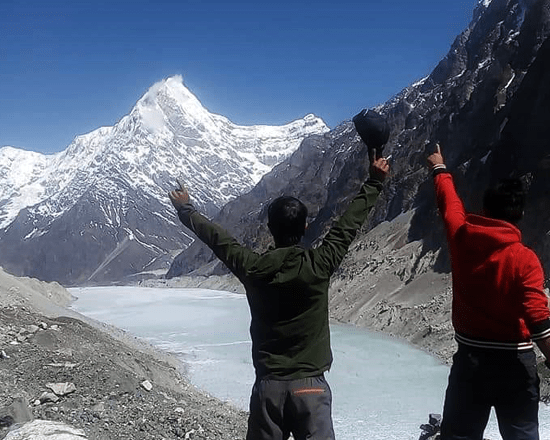
Trekkers cross the challenging Rupina La Pass, where they experience breathtaking views of surrounding Himalayan ranges. After the pass, the trail descends into a rugged glacial zone featuring a glacier nearly 1,200 meters long at elevations above 3,400 meters, fed by the Buddha Himal, Rani Himal, and Gorkha Himal ranges.

Along the route, trekkers also explore the mystical Jherang Caves, where 108 natural water spouts flow directly from the rock, creating a rare spiritual and natural phenomenon. This trek combines adventure, isolation, cultural encounters, and raw Himalayan beauty into one unforgettable journey.

Unraveling Legends: The Story of Rupina La

The trail holds intriguing folklore shared by locals in Larpak and Barpak villages. Legend says the pass is named after a lost shepherdess, Rupina, who disappeared while tending her sheep. Unlike Everest Base Camp or Annapurna Circuit, the Rupina La Trek remains hidden, offering a raw, unspoiled expedition. The journey spans 18–19 days, blending camping with challenging terrain.

Nature’s Canvas: Geography and Wildlife

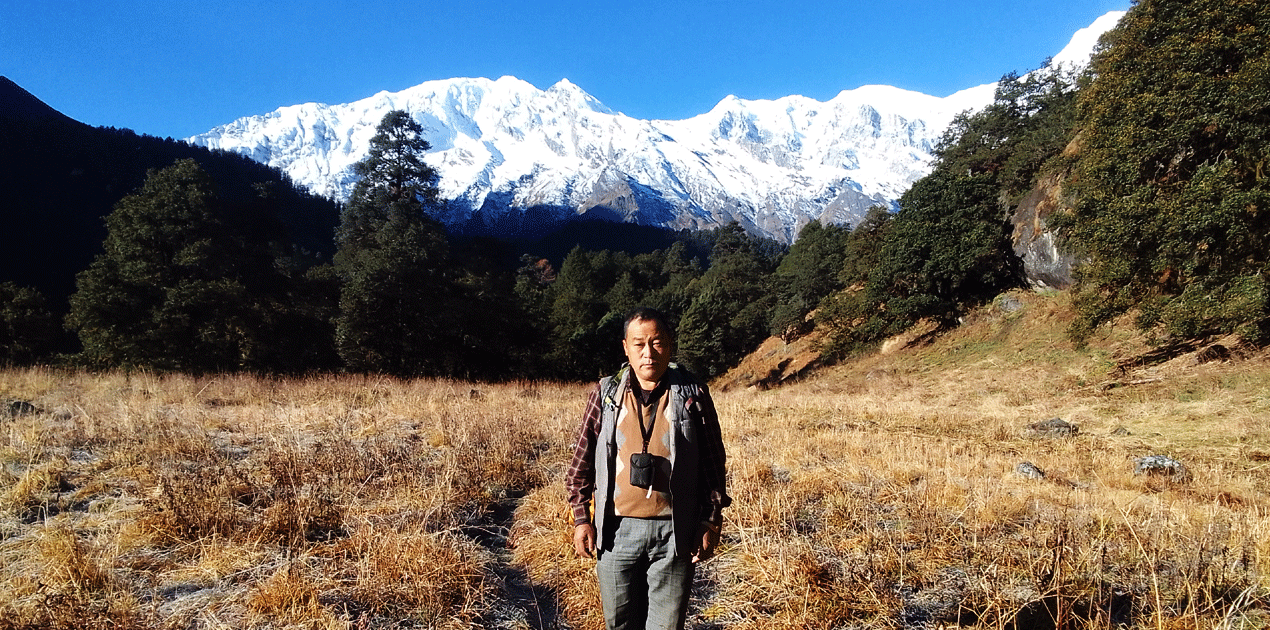
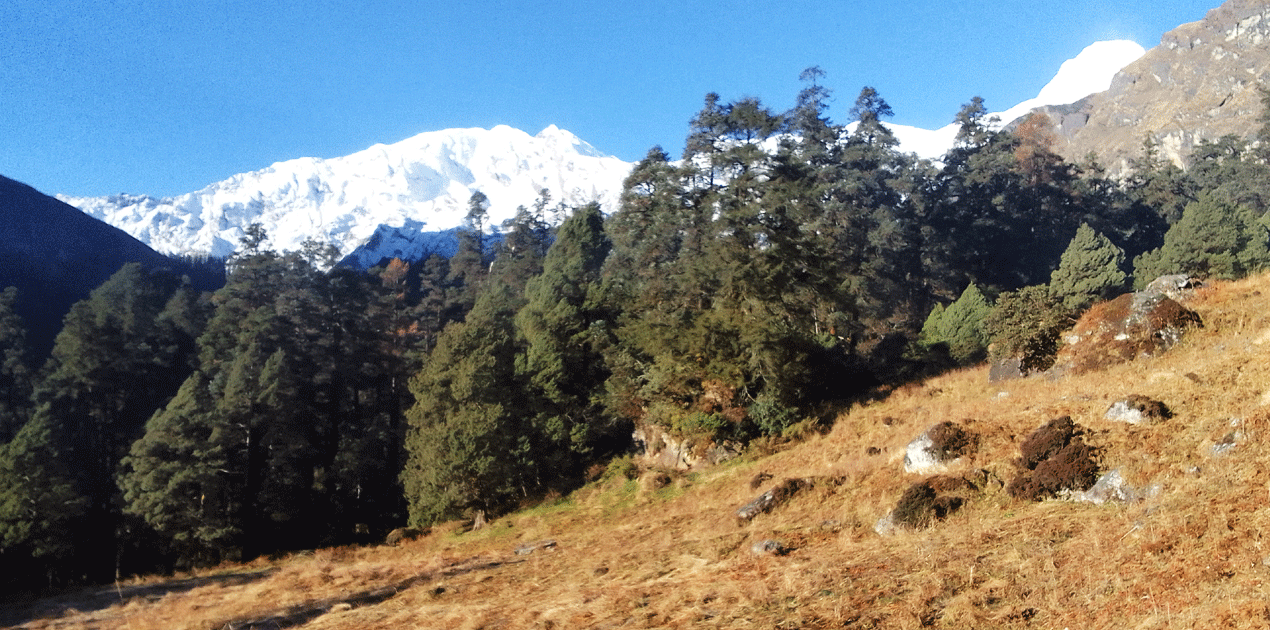
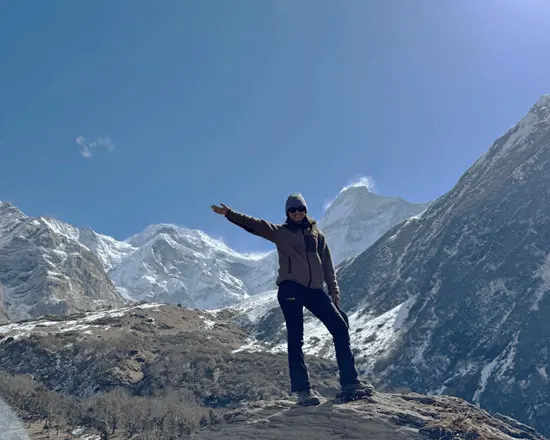
The Rupina La Pass Trek showcases Nepal’s stunning Himalayan landscapes. You will see majestic peaks such as Manaslu (8,163 m), Peak 29 (7,871 m), Himal Chuli (7,893 m), Boudha Himal (6,672 m), Ganesh Himal, and Langtang Himal ranges. These mountains tower above lush valleys, creating a breathtaking backdrop for your adventure. Along the way, you may spot elusive wildlife and vibrant bird species, adding depth to your journey.

Starting the Trek: Barpak Village

Your adventure begins in Barpak village in Gorkha District. This historic village is home to the Ghale and Gurung communities, many with a long history in the British Gorkha Regiment. The trek starts with a journey to Dharche Hill, offering superb mountain panoramas. The ridge provides sweeping views that will leave lasting impressions. From here, the trail leads to the base camp above the treeline, passing through foothills that gradually give way to icy wilderness.

Crossing Rupina La Pass

As the terrain shifts into higher alpine zones, the landscape becomes more rugged, remote, and dramatic. Our experienced trekking crew sets up camps in safe locations. They also prepare warm, nourishing meals in the wilderness.

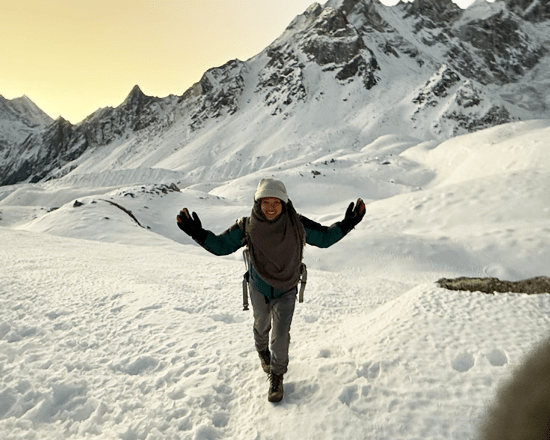
The ascent to Rupina La Pass is physically demanding. It includes steep climbs and high-altitude conditions. However, the reward is truly extraordinary. From the top of the pass, trekkers enjoy sweeping views of snow-covered Himalayan peaks. They also see deep hidden valleys rarely seen by outsiders.

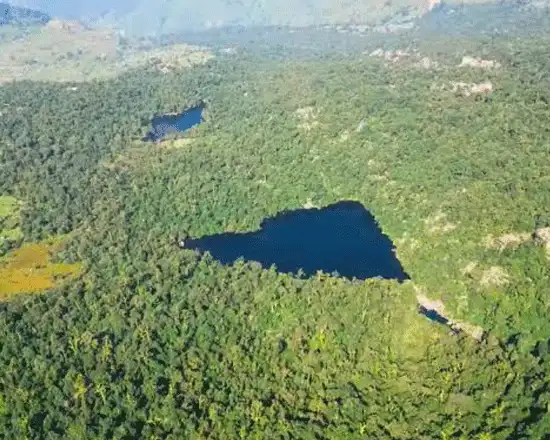
After crossing the pass, the trail continues toward the remote Boudha Himal Base Camp. The adventure increases with glacier crossings, rocky moraines, and constantly changing terrain. The journey through Rani Pokhari Valley and the surrounding Gorkha Himalayan ranges offers dramatic scenery. It highlights the raw and untouched beauty of Nepal’s central Himalayas.

Camping Amidst the Wilderness

As the trek descends toward higher villages like Nyak, located above the Budhi Gandaki Valley, the environment transitions between isolated wilderness and traditional mountain settlements. The initial sections of the trail can be rough and less defined, but as it joins more established routes, the journey becomes slightly more comfortable while still maintaining its remote character.

This is where the true spirit of Himalayan camping is experienced. Nights spent under the stars, surrounded by towering peaks and complete silence, create a deep connection with nature. Far from modern distractions, trekkers experience the simplicity and purity of life in the high mountains, making the Rupina La Pass journey both adventurous and spiritually refreshing.

Nepal Wilderness Trekking: A Cultural Odyssey

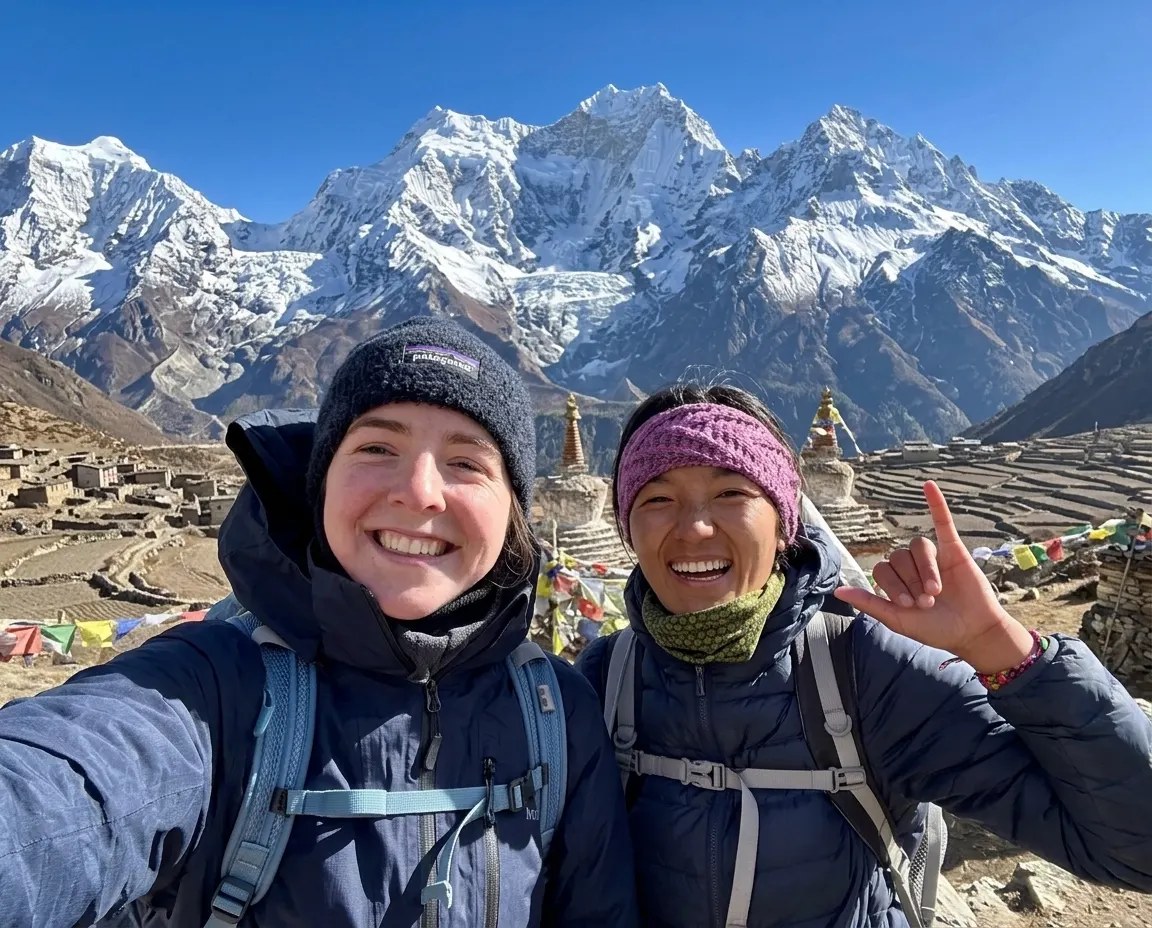
Nepal Wilderness Trekking blends adventure with authentic cultural immersion through every journey. We introduce travelers to remote Himalayan communities, traditional lifestyles, and Nepal’s untouched natural beauty. We design each expedition to go beyond trekking by creating meaningful interactions with local people and offering deep insights into their customs and heritage. Trekkers experience both the grandeur of the Himalayas and the simplicity of rural mountain life, gaining unforgettable memories that last a lifetime.

Beyond Rupina La Pass

After successfully crossing Rupina La Pass, the adventure does not end. The route can be extended into a more complete Himalayan journey with a flexible camping-based continuation. The trail gradually connects toward the Manaslu region near Nayak village, where trekkers transition from remote camping environments into traditional tea house trekking. From here, the journey can further extend toward the iconic Manaslu Larkya La Pass, creating a longer and more rewarding expedition through one of Nepal’s most spectacular trekking corridors.

Expertise Rooted in Barpak Village

The strength of Nepal Wilderness Trekking lies in its deep local foundation. Our guides and support team come from Barpak Village, a historic Gurung settlement known for its resilience and Himalayan knowledge. Their firsthand familiarity with the terrain, weather patterns, and remote trails ensures a safer and more confident trekking experience. This local expertise enhances navigation through challenging sections of Rupina La Pass and surrounding regions, while also providing genuine cultural understanding of the landscapes and communities along the way.

Conclusion

The Rupina La Pass Trek is an exceptional journey into one of Nepal’s least explored trekking regions. It offers a powerful combination of adventure, solitude, and cultural discovery. Ideal for experienced trekkers seeking remote wilderness, high mountain passes, and authentic Himalayan life, this trek stands out as a rare opportunity. With Nepal Wilderness Trekking guiding the way, travelers gain not only safety and support but also a deeper connection to the spirit of the Himalayas.

Detail Itinerary

The journey begins with a scenic overland drive from Kathmandu toward Gorkha District. The road passes through river valleys, terraced hills, and rural settlements before reaching Barpak, one of the largest Gurung villages in the region.

Barpak is historically significant as the home of Victoria Cross recipient Captain Gaje Ghale and is also known for its traditional stone-roof houses and panoramic views of the Ganesh Himal range.

Overnight: Homestay in Barpak
Highlights: Rural Nepal drive, Gurung culture, Himalayan foothill scenery

The trek begins with a steady climb through terraced fields, pine forests, and hillside pastures. The trail gradually ascends into quieter alpine terrain.

Mamche offers open ridges and wide views of surrounding hills, marking the transition into higher Himalayan landscapes.

Overnight: Camping at Mamche
Highlights: Forest ascent, ridge walking, first alpine campsite

A moderate trekking day through rhododendron and mixed forests. The trail becomes more remote, with fewer settlements and increasing wilderness.

Lambra Kharka is a high grazing pasture used by local herders during summer months.

Overnight: Camping
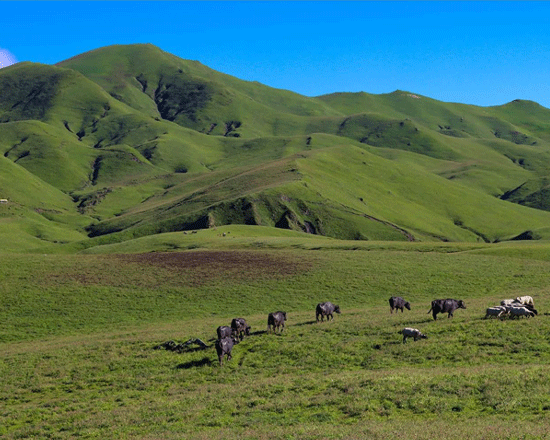
Highlights: Remote forest trails, yak grazing lands

Today’s trail follows narrow ridgelines and river valleys. The terrain becomes more rugged with occasional steep ascents and descents.

Mircha Khola is a remote riverside campsite surrounded by dense forest and mountain silence.

Overnight: Camping
Highlights: Wilderness trekking, river valley camping

A gradual ascent leads to Rupina La Base Camp, the staging point for the high pass crossing. The landscape becomes increasingly alpine with glacial streams and rocky terrain.

Overnight: Camping
Highlights: High-altitude preparation, glacial environment

One of the most challenging and rewarding days of the trek. Early morning ascent leads to Rupina La Pass, offering breathtaking views of the Manaslu and Ganesh Himal ranges.

After crossing the pass, a long descent brings you to Myachet.

Overnight: Camping
Highlights: High mountain pass crossing, dramatic Himalayan panorama

The descent continues through alpine meadows and forested slopes. The trail becomes easier but still remote and scenic.

Overnight: Camping
Highlights: Alpine descent, quiet wilderness

A moderate day through forest trails and yak pastures. Sherang Kharka is a seasonal grazing area surrounded by peaceful mountain landscapes.

Overnight: Camping
Highlights: Pastoral landscapes, traditional herder camps

A long descent brings you back into lower valleys and cultivated land. Villages begin to reappear, marking the transition from high alpine to human settlements.

Overnight: Teahouse in Ngyak
Highlights: Cultural re-entry, forest-to-village transition

You join the Manaslu Circuit trail. The route follows the Budhi Gandaki valley through charming villages and Buddhist chortens.

Namrung is a culturally rich village with strong Tibetan influence.

Overnight: Teahouse in Namrung
Highlights: Entry to Manaslu region, Buddhist culture

A scenic trek through forests, stone villages, and high valleys. You pass Lho village with stunning views of Manaslu (8,163m).

Samagaon is one of the most important villages in the region, deeply rooted in Tibetan Buddhist traditions.

Overnight: Teahouse in Samagaon
Highlights: Manaslu views, Lho monastery, cultural heartland

A rest day for altitude adjustment. Optional hikes include Manaslu Base Camp or Pungyen Gompa.

Samagaon offers rich cultural experiences and panoramic mountain surroundings.

Overnight: Teahouse
Highlights: Acclimatization hikes, monastery visit

A short trek through alpine desert landscapes near the Tibetan border. Samdo is a traditional Tibetan refugee village.

Overnight: Teahouse in Samdo
Highlights: Border region culture, dry Himalayan terrain

The trail climbs gradually toward the base of Larkya La Pass. The landscape becomes harsh and glacial.

Overnight: Teahouse in Larkya Phedi
Highlights: High-altitude preparation, glacial valley

A challenging and long day crossing Larkya La Pass, one of the most dramatic passes in Nepal.

From the top, panoramic views of Himlung, Cheo Himal, Kang Guru, and Annapurna II are unforgettable.

A long descent brings you to Bimthang.

Overnight: Teahouse in Bimthang
Highlights: Iconic Himalayan pass, glacier descent

The trail descends through rhododendron forests and alpine meadows into greener landscapes.

Tilije is a traditional village with Tibetan-influenced culture.

Overnight: Teahouse in Tilije
Highlights: Forest descent, cultural villages

A gentle descent along the Marsyangdi River. You rejoin the Annapurna Circuit trail.

Overnight: Teahouse in Dharapani
Highlights: River valley trekking, Annapurna circuit connection

A jeep ride to Besisahar followed by a long scenic drive back to Kathmandu.

The journey concludes after completing one of Nepal’s most remote and rewarding trekking combinations.

Trip Ends in Kathmandu
Highlights: Scenic return, expedition completion

Cost Included

  • Kathmandu to Barpak village by public bus
  • Meals: Italian, Chinese, Nepali, Indian, and various European dishes are available three times a day breakfast, lunch, and dinner. One main course is provided per meal during the trek.
  • Tented camp and staff, food, and equipment during the camping
  • Accommodation as itinerary best available Lodge and tent
  • Trekkers’ Information Management System “TIMS” (Trekking permit).
  • Manaslu Special Permit
  • Manaslu Conservation permits, fees
  • Annapurna Conservation permits; Fees
  • Professional English-speaking Trekking Guide
  • Two clients one Porter plus five clients one supporting Sherpa
  • Equipment, insurance, daily wages, accommodation, meals for support Crews
  • Dharapani to Besisahar jeep and Besi Sahar to Kathmandu by public bus
  • Kitbag for storing your belongings
  • Sleeping bag for a comfortable night's sleep on a trek in minus-25 degrees
  • Necessary paper works, all government, and local taxes
  • A certificate of appreciation from Nepal wilderness trekking after a successful trek

Cost Excluded

  • airfare for international flights
  • Upon arrival at Tribhuwan International Airport, Nepal entry visa fees vary by duration (15 days - $25-30, 30 days
  • Accommodations and meals in Kathmandu before and after our journey
  • Hard and soft table drinks such as Coke, Fanta, mineral water, hot shower, dessert at the tea house, etc.
  • Personal insurance.
  • Rescue operation charge.
  • Tips for guide and porter
  • Excluded are all costs and expenses not listed under "cost includes"
  • Inclusion of costs or delays beyond the control of the management, such as landslides, weather conditions, itinerary modifications due to safety concerns, illness, changes in government policies, strikes, etc.

Altitude Chart

Enquiry


Similar Packages

Sign Up for free newsletter
Follow Us