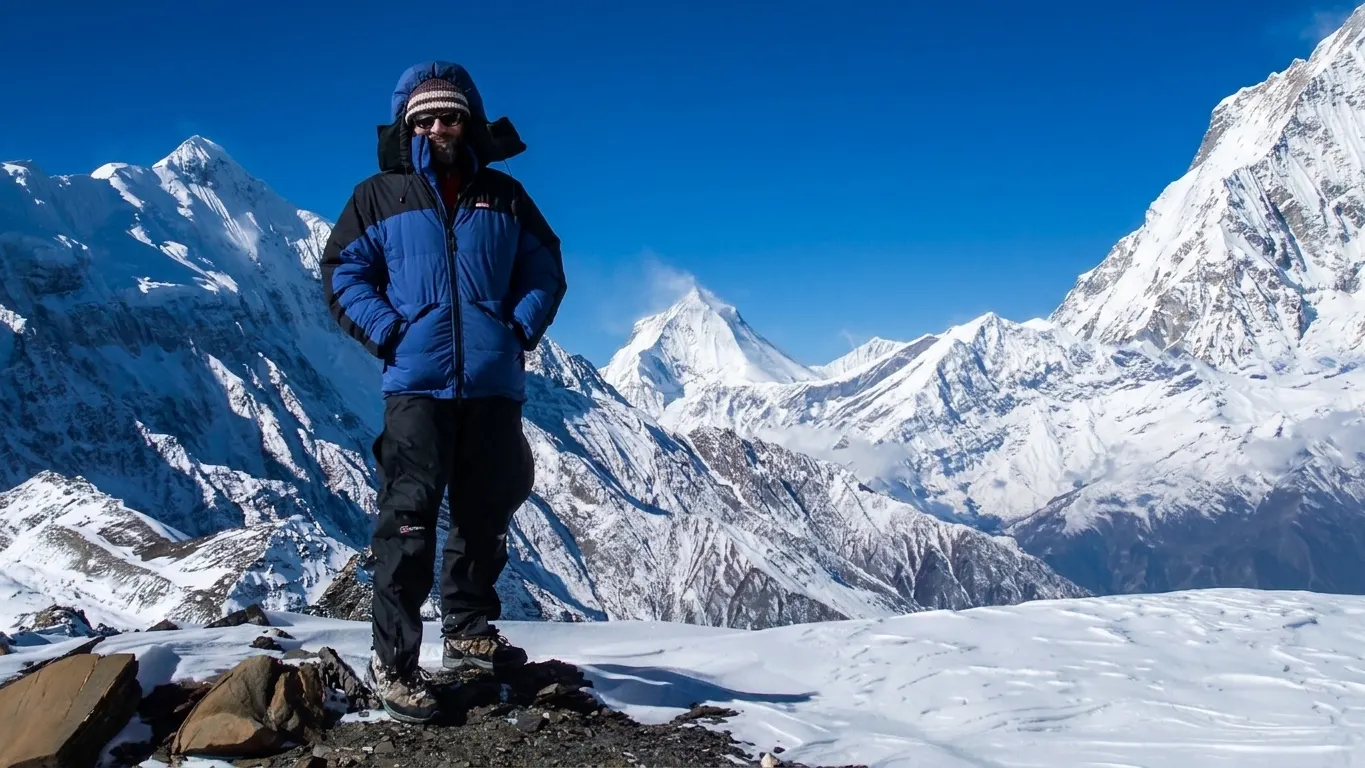
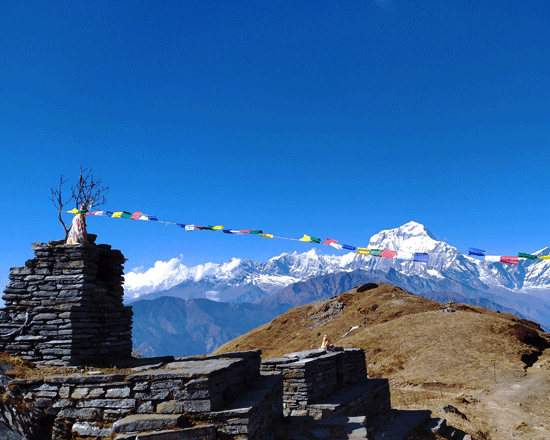
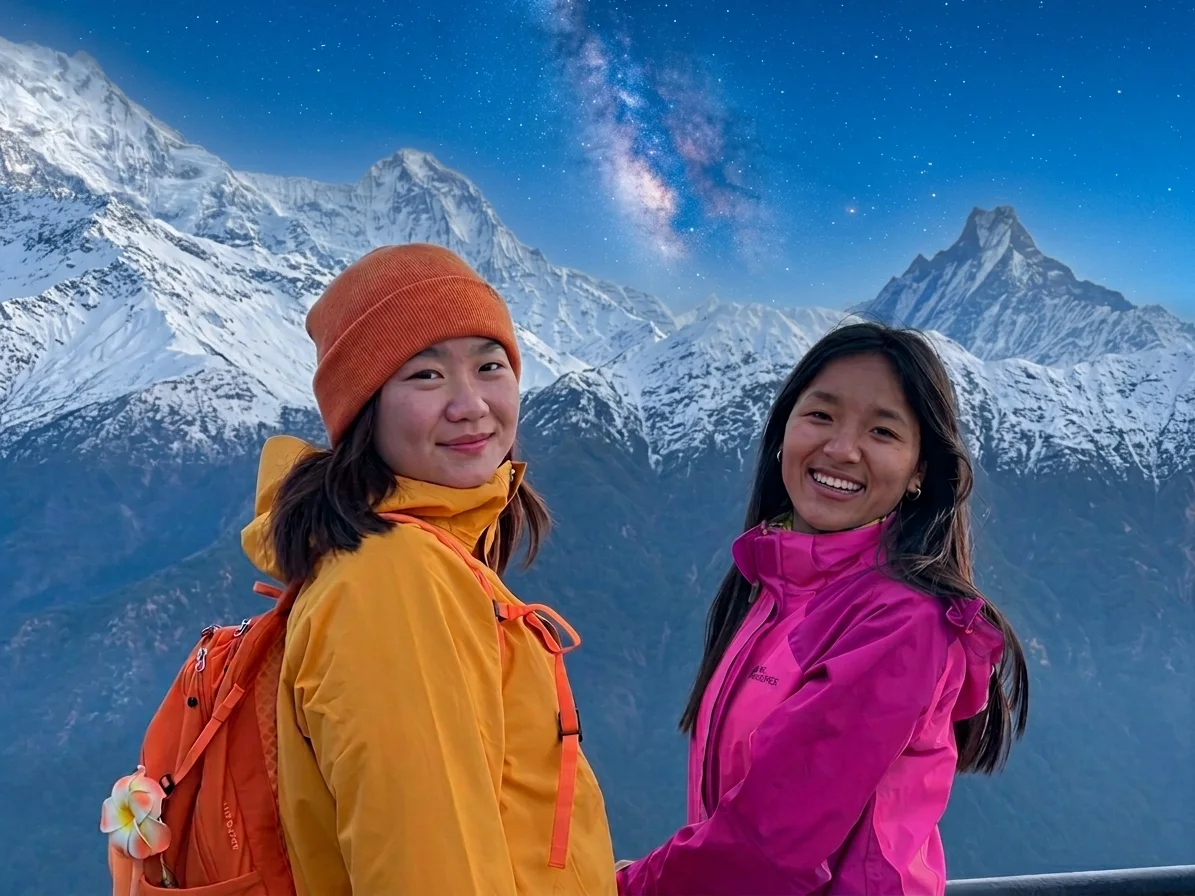
The Mesokanto La Pass Trek is one of the most challenging and rewarding journeys in Nepal’s Annapurna region. It combines high-altitude adventure with dramatic landscapes and rich culture. The trek reaches the remote Mesokanto La Pass at 5,330 meters (17,486 ft), offering stunning Himalayan views and a true wilderness experience.
Unlike more crowded routes, this trek follows a quieter and more demanding trail. As a result, it is ideal for experienced trekkers seeking both solitude and adventure.
Exploring Rich Cultural and Natural Beauty
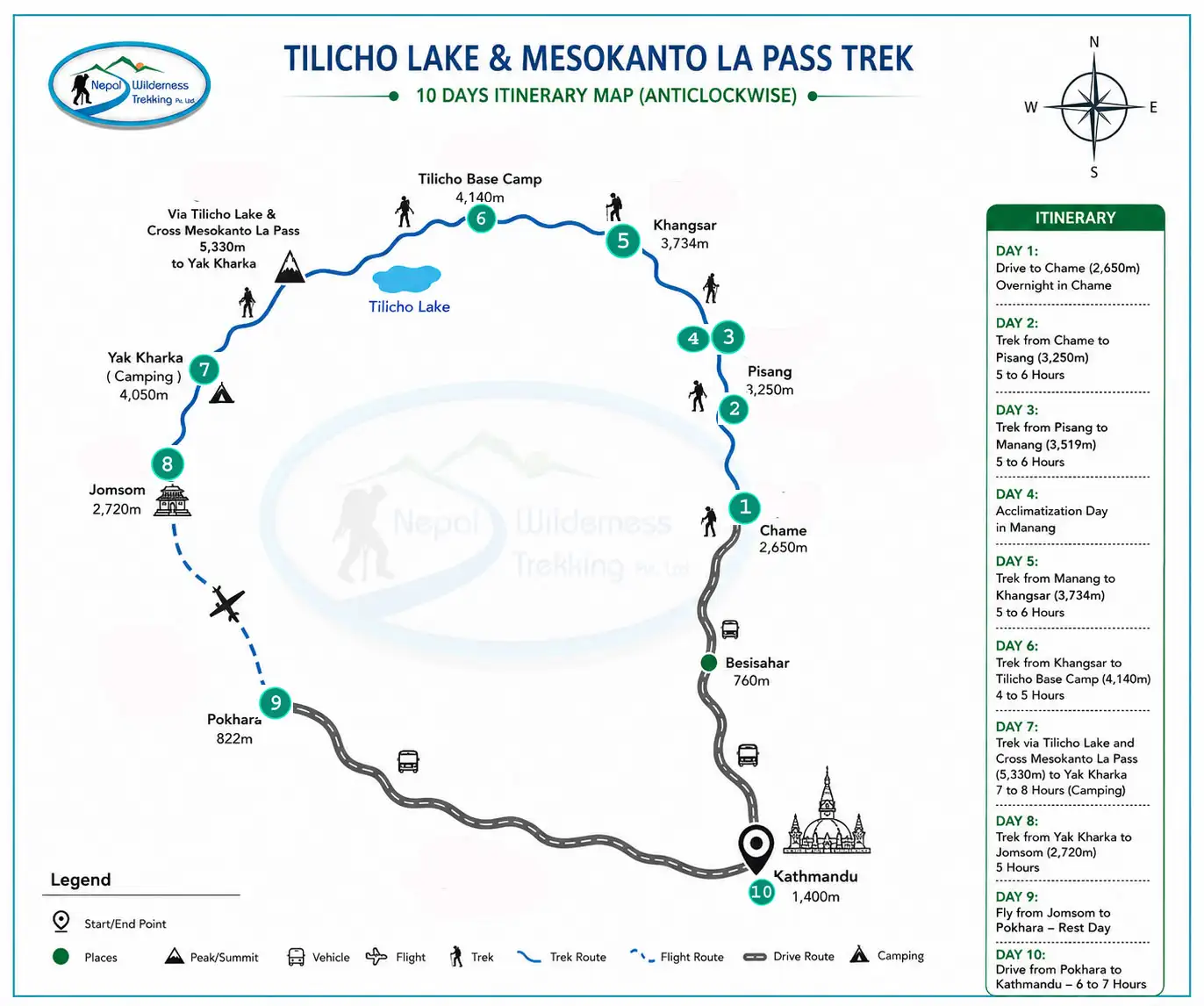
The journey begins from Kathmandu with a scenic drive to Besisahar. From there, trekkers continue by jeep to Chame, the starting point of the trail. Along the way, the route passes through traditional villages such as Pisang, Manang, and Khangsar.
These settlements reflect strong Tibetan Buddhist influences. You will notice stone houses, prayer wheels, and colorful monasteries. Moreover, the hospitality of local communities adds warmth to the experience. Therefore, the trek is not only about nature but also about meaningful cultural encounters.
Natural Wonders Along the Trail
As the trek progresses, the landscape changes dramatically. Initially, you walk through green forests and river valleys. Gradually, the terrain becomes more alpine and rugged.
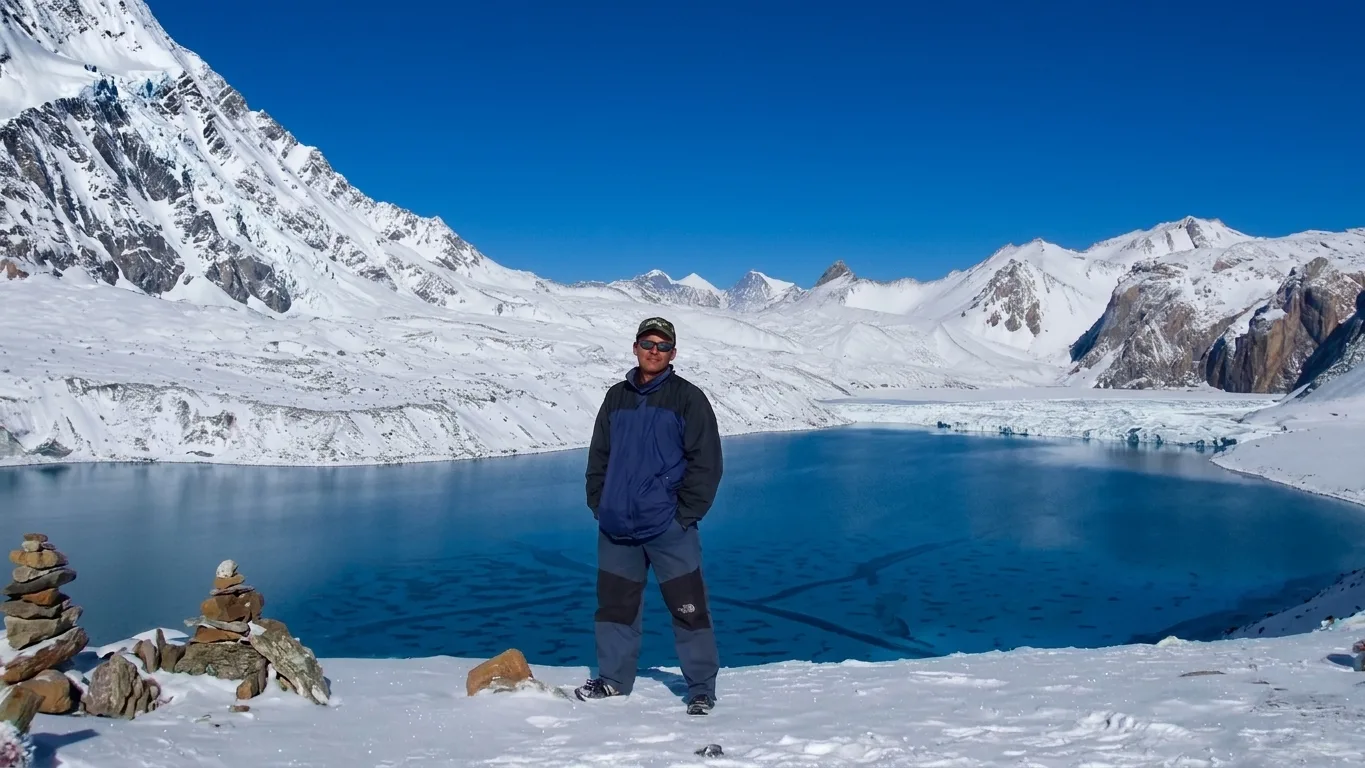
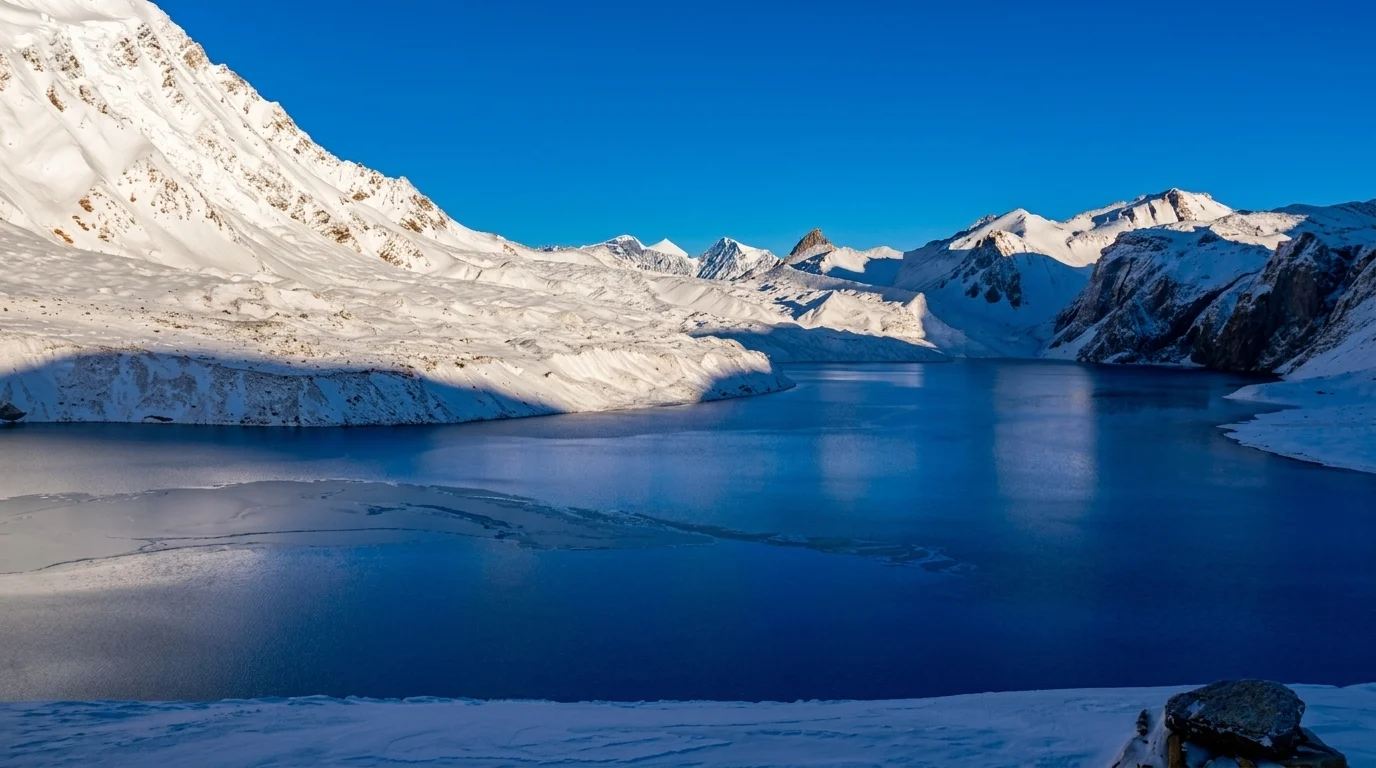
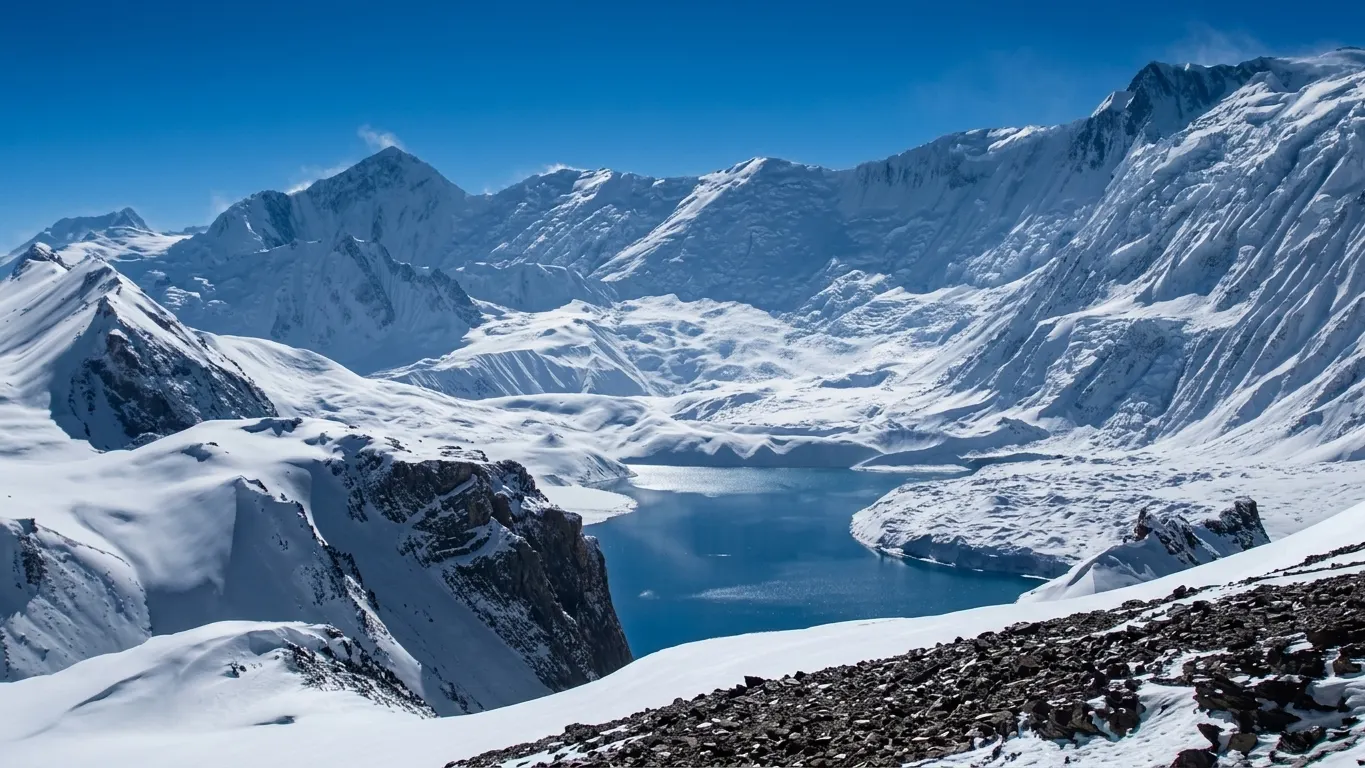
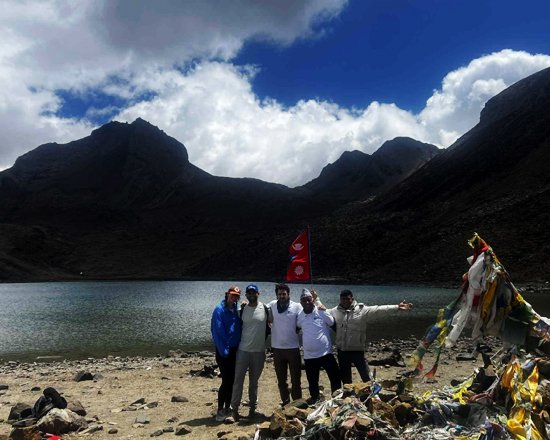
One of the highlights is Tilicho Lake, one of the highest lakes in the world at 4,919 meters. Its turquoise water, surrounded by snow-covered peaks, creates a truly unforgettable scene.
Furthermore, the trail features glaciers, rocky ridges, and high mountain deserts. Because of this diversity, every day feels different and exciting.
Crossing Mesokanto La Pass – The Ultimate Challenge
The most demanding part of the trek is crossing Mesokanto La Pass. The ascent is steep and requires careful navigation. In addition, trekkers often walk on loose rocks, snow, and sometimes ice.
However, the reward is extraordinary. From the top, you can enjoy panoramic views of Annapurna, Tilicho Peak, and the surrounding Himalayan giants.
Because of the altitude and remoteness, proper acclimatization is essential. Therefore, this trek is best suited for experienced hikers with good physical fitness.
A Dramatic Transition of Landscapes
One of the most fascinating aspects of this trek is the landscape transition. The route starts in the lush Marsyangdi Valley, filled with forests and rivers. Then, it gradually moves toward the dry and windy Kali Gandaki Valley.
This shift creates a striking contrast. On one side, you have green hills and waterfalls. On the other hand, you find barren cliffs and desert-like terrain. Consequently, the trek offers a rare chance to experience two completely different environments in one journey.
Cultural Encounters and Local Life
Throughout the trek, you will meet diverse ethnic groups such as the Gurung, Thakali, and Manangi communities. Each group has its own traditions, language, and lifestyle.
In villages like Manang, you can visit monasteries and observe Buddhist rituals. Additionally, local festivals such as Losar bring vibrant cultural experiences.
Because of the region’s isolation, these traditions remain well preserved. Therefore, the trek offers an authentic glimpse into Himalayan life.
Related Treks of the Region
The Mesokanto La Pass trek is in the Annapurna region, which is home to several popular trekking routes. One such trek is the Annapurna Circuit Trek, one of the most famous trekking routes in Nepal. Another notable trek is the Tilicho Lake Trek, which also leads to the Mesokanto La Pass. Additionally, the Nar Phu Valley Trek offers an off-the-beaten-path experience in a remote area of the Annapurna region. This trek starts from Koto, Chame, and ends in Jomsom via the Thorong La Pass. If having more time, then we can continue to the Annapurna base camp too.
Optimal Timing and Considerations
The best time to undertake the Mesokanto La Pass trek is during the autumn season, from September to December. During this period, the weather is typically dry and stable, ensuring clear skies and comfortable temperatures ideal for trekking at high altitudes. Consequently, trekkers can enjoy stunning views and favorable conditions. However, it is important to prepare for varying weather conditions and sudden changes, which are typical of the Himalayan region. Therefore, proper preparation and timing are crucial for a safe and enjoyable trek, as weather conditions can significantly impact the experience.
Best Time to Trek
The ideal seasons for the Mesokanto La Pass Trek are autumn (September to November) and spring (March to May). During these months, the weather is stable, and the skies are usually clear.
In autumn, visibility is excellent after the monsoon. Meanwhile, spring brings blooming rhododendrons and mild temperatures. However, conditions can still change quickly at high altitude. Therefore, proper preparation is always necessary.
Meals and Accommodation
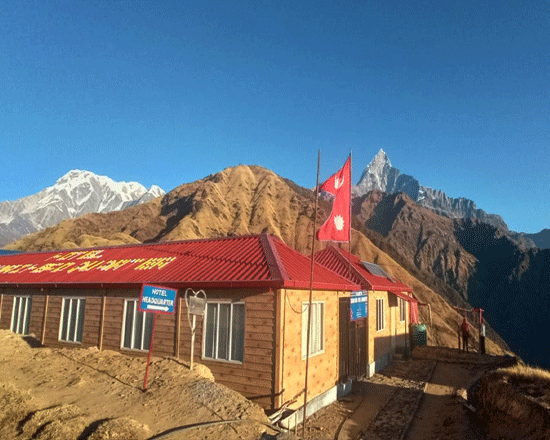
Along the trail, trekkers stay in teahouses that provide simple but nutritious meals. Common dishes include dal bhat (rice and lentils), vegetable curry, noodles, and soups.
Additionally, breakfast options often include eggs, porridge, bread, tea, or coffee. These meals are designed to provide energy for long trekking days. As the altitude increases, food choices may become more limited, but they remain sufficient and filling.
Important Considerations
This trek is physically demanding and involves remote sections with limited facilities. Therefore, good preparation is essential.
First, acclimatization is crucial to avoid altitude sickness. Second, hiring an experienced guide increases safety and navigation support. Finally, proper gear, including warm clothing and sturdy boots, is necessary for high-altitude conditions.
Conclusion
The Mesokanto La Pass Trek is a true Himalayan adventure. It combines rugged trails, high mountain passes, and rich cultural experiences. Moreover, it offers a quieter alternative to more crowded trekking routes.
For those seeking challenge, beauty, and authenticity, this trek delivers an unforgettable journey. Each step reveals new landscapes and deeper connections with nature and culture. Ultimately, it is an experience that stays with you long after the trek ends.
Departure Note
All published departure dates listed below are 100% guaranteed to operate.
If the scheduled departure dates do not align with your travel plans, we would be pleased to arrange a private trek on your preferred dates at the same cost. Whether you are traveling solo, with family, friends, or as part of a group, we can customize the itinerary to suit your schedule, interests, and trekking experience.
Our team will be delighted to design a personalized itinerary and help you create an unforgettable trekking experience in Nepal.