Tsho Rolpa Trek: Off-the-Beaten-Path Trek in the Rolwaling Himal
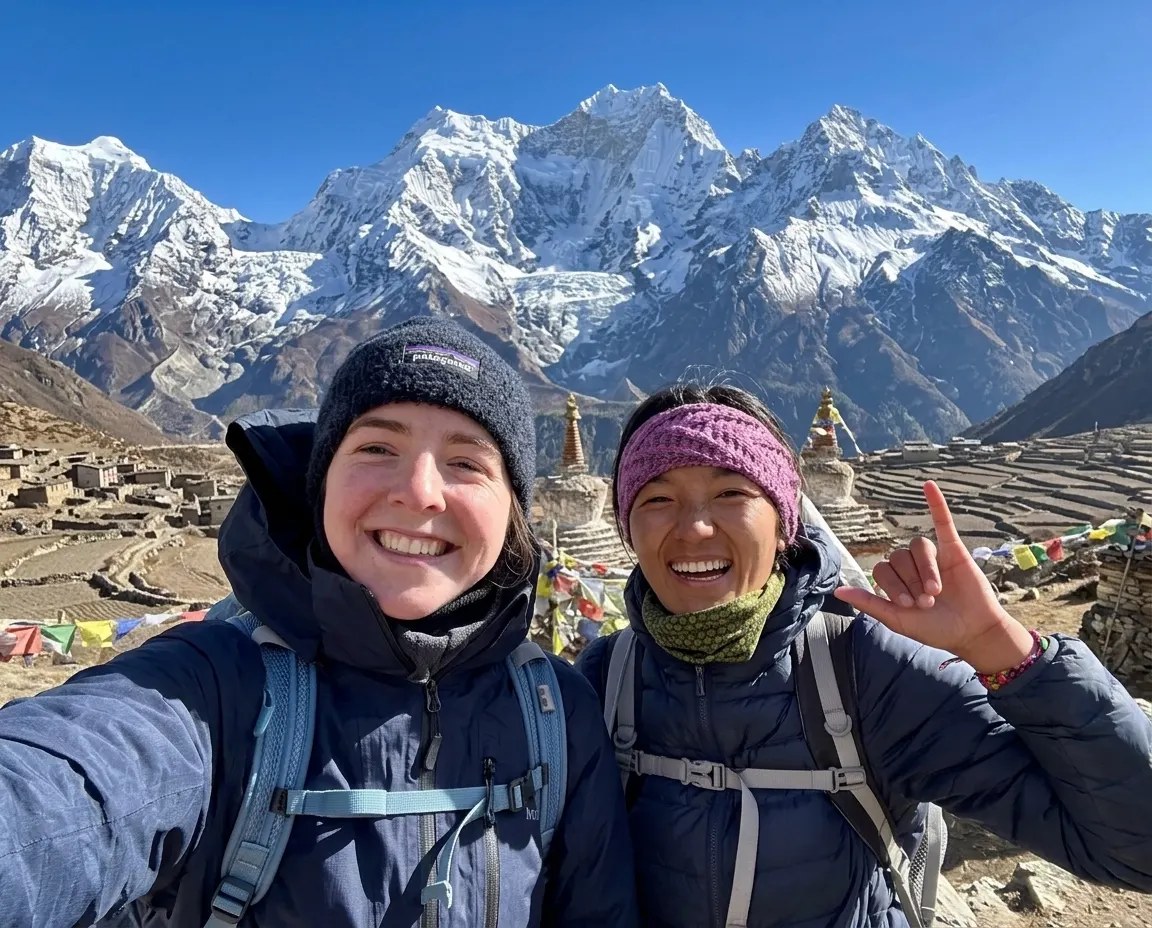
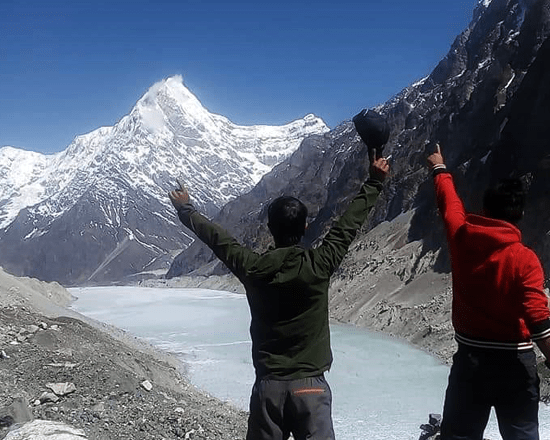
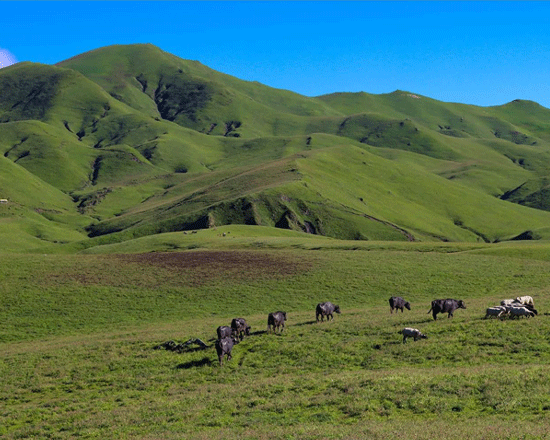
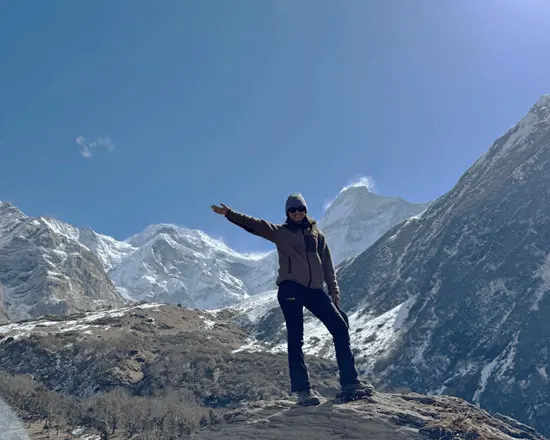
Tsho Rolpa, Nepal’s largest glacial lake, lies in the east-central part of Nepal. At an elevation of 4,580 meters (15,030 feet) in the remote Rolwaling Valley within the Gaurishankar Conservation Area. Surrounded by towering Himalayan peaks like Gaurishankar 7,134 meters/23,406 feet) and Menlungtse (7,181 meters / 23,560 feet). Tsho Rolpa is known for its breathtaking views and rich biodiversity.
The Tsho Rolpa Lake Trek is a hidden lake in the Rolwaling region of Nepal, offering adventurers a pristine and less-crowded path through the heart of the Himalayas. This trek provides stunning views of snow-capped peaks, verdant valleys, and the magnificent Tsho Rolpa Lake. Whether you are a seasoned trekker seeking a unique experience. The Tsho Rolpa trek promises an unforgettable adventure, including opportunities to explore Ramdung Peak (5,925 meters /19,438 feet) and Pachermo Peak (6,187 meters /20,299 feet) along the way. This trek is an alternative to the Gosaikunda Lake Trek in the Langtang Gosaikunda region, the Tilicho Lake trek in the Annapurna Circuit Trek, and Gokyo Lake in the Everest region.
Best Time for Tsho Rolpa Trek
The best time for the trek is during the spring (March to June) and autumn (September to December) seasons. These periods offer stable weather, clear skies, and comfortable temperatures, making the trek more enjoyable. Spring brings blooming rhododendrons, while autumn provides crystal-clear mountain views. Winter treks are possible, but challenges with snowfall and the monsoon season, with rainfall, make trails muddy and slippery.
Tsho Rolpa Trek Cost
The cost of a trek varies depending on factors like the duration of the trek, the services included, and the trekking agency. On average, the trek can cost between $870 to $850 per person, including permits, guides, porters, accommodation, and meals. The cost also includes two-way transportation from and to Kathmandu. Trekking agencies offer various packages, catering to different preferences and budgets. Packages typically include permits, guide and porter services, accommodation, meals, and transportation.
Tsho Rolpa Trek Distance
The total distance of the Tsho Rolpa trek is approximately 65 to 70 kilometers, depending on the specific route taken. Daily trekking distances range from 10 to 15 kilometers, with varying terrain that includes steep ascents, descents, and flat sections. The trekking trail is similar in steepness (ascent and descent) to the Annapurna Base Camp Trek. Be physically prepared for the distances and altitude.
Tsho Rolpa Trek Difficulty Level
This trail is moderately challenging. While it doesn’t require technical climbing skills. It involves challenging sections such as steep ascents and descents, rocky paths, and high altitudes. The highest point of the trek, Tsho Rolpa Lake, sits at an elevation of 4,580 meters (15,026 feet), posing a risk of altitude sickness and variable weather conditions. Proper acclimatization is crucial to avoid altitude sickness.
Another challenging part is (like Simigaon, Surmuche, Kyalche, or Beding approach sections depending on the route, the frequent climbs using long sequences of stone steps carved into the hillside.
- These stair climbs can last 20–60 minutes without flat breaks.
- In some sections, the steps are very steep and closely spaced, requiring steady pacing.
- As altitude increases, even short stair climbs feel more tiring due to the thinner oxygen.
Tsho Rolpa Trek Route
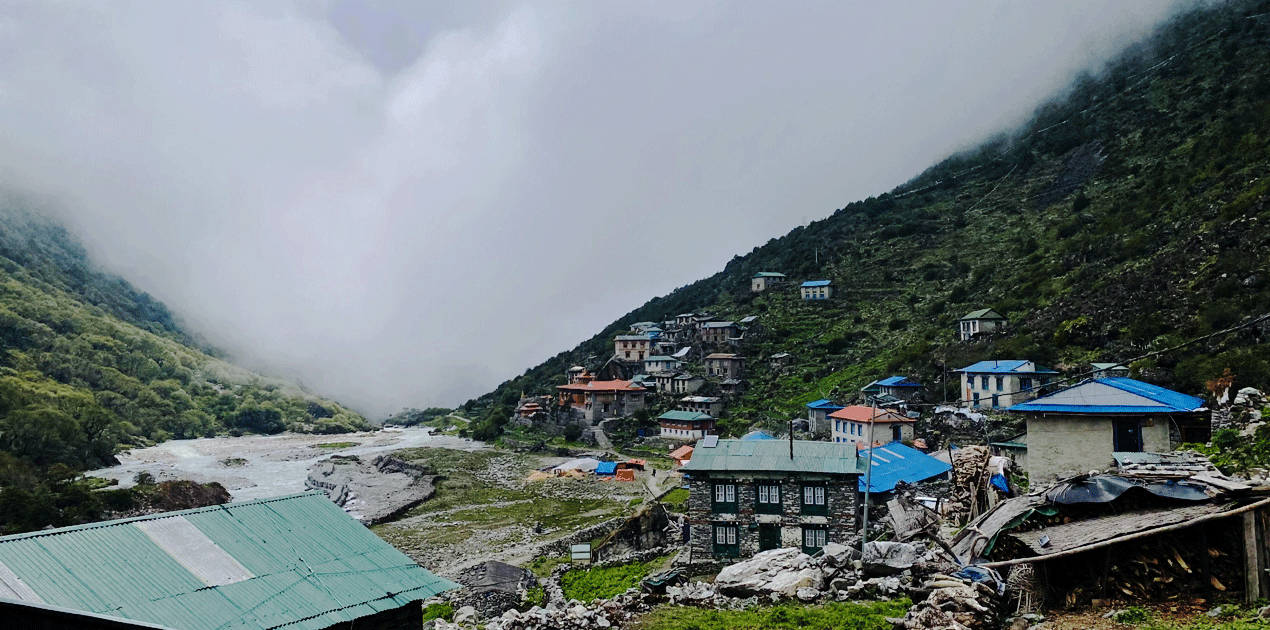
The Tsho Rolpa trek route typically starts from Chet-chet, which is accessible by road from Kathmandu. From Chet-chet, the trail ascends gradually through terraced fields, dense forests, and picturesque villages, providing glimpses of local life and culture. Key stops along the route include Gongar (1,400 meters/ 4,593 feet), Simigaon (2,000 meters / 6,562 feet), Dongang (2,800 meters / 9,186 feet), Beding (3,690 meters / 12,106 feet), Na (4,180 meters / 13,714 feet), and Chho Rolpa Lake (4,580 meters / 15,030 feet), each offering unique landscapes and opportunities to interact with the local Sherpa community.
Acclimatization Days
- As you ascend higher into the Rolwaling region, the air pressure and oxygen levels decrease, leading to lower oxygen saturation in your blood. This can cause altitude-related illnesses such as Acute Mountain Sickness (AMS), High Altitude Pulmonary Edema (HAPE), and High Altitude Cerebral Edema (HACE).
- Acclimatization allows your body time to adjust to the reduced oxygen levels, helping to minimize the risk of these illnesses.
- Acclimatization days provide trekkers and guides to monitor any symptoms of altitude sickness that may develop, such as headache, nausea, dizziness, and fatigue. Additionally, to prevent such a problem arising that can cause a severe condition.
- Acclimatization improves your physical performance at higher altitudes and reduces the rush and stress of gaining altitude quickly.
Physical Preparation Level
- At least 30-45 minutes of running or jogging, 3-5 times a week. Focus on both steady-state runs and interval training to build stamina and endurance.
- Cycling in your routine to build leg strength and cardiovascular fitness. Aim for 60-90 minutes, 2-3 times a week.
- Swimming is a great full-body workout that improves cardiovascular endurance without putting stress on your joints.
- Strength Training in the legs, core, and upper body is the focus area.
Essential Equipment for the Tsho Rolpa Trek
When it comes to equipment, it is crucial to ensure that you bring the recommended trekking equipment list. Remember, quality trekking equipment can make your trip enjoyable, while poor equipment can make it miserable. As the weather can vary depending on the altitude and time of year, suitable footwear includes waterproof walking boots that have been worn before the trek, along with warm socks and gaiters for winter conditions.
It is advisable to have loose, casual trousers and thermal leggings, as well as waterproof pants. Trekkers should ensure they have adequate clothing for varying temperatures, sturdy boots, trekking poles, and a good-quality backpack. Trekkers should ensure they have adequate clothing for varying temperatures, sturdy boots, trekking poles, and a good-quality backpack.
Exploring Ramdung Peak and Pachermo Peak
For those looking to extend their adventure and add a mountaineering element, the Rolwaling Valley offers opportunities to climb Ramdung Peak (5,925m) and Pachermo Peak (6,273m). The details are attached below:
Ramdung Peak (5,925m):
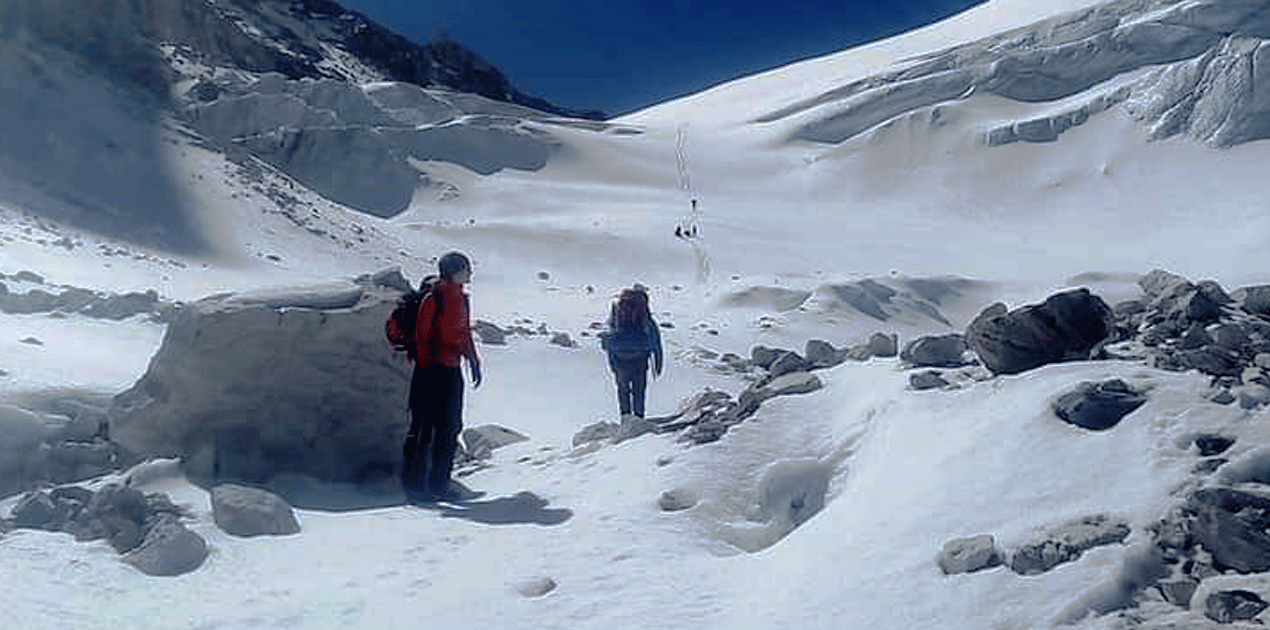
- Ramdung Peak is a popular trekking peak that offers a thrilling climbing experience for those looking to go beyond trekking. The ascent provides panoramic views of the surrounding Himalayan ranges. Typically, climbers start from Na Gaon, a village near Tsho Rolpa Lake. The climb is challenging and requires basic mountaineering skills, including the use of crampons and ice axes.
Pachermo Peak (6,273m):
- Pachermo Peak is another significant peak in the Rolwaling region, often combined with the Tsho Rolpa Lake trek for those seeking a more comprehensive adventure. The climb to Pachermo Peak typically starts from the village of Thame, and climbers cross the Tashi Lapcha Pass (5,755m) before reaching the peak. This peak offers stunning views of the Everest region and requires technical climbing skills.
Including these peaks in the itinerary will add additional days to your trek. Along with the need for specialized gear and a climbing permit. It’s highly recommended to hire an experienced guide. And possibly join a climbing expedition for a safer and more organized climb.
Tsho Rolpa Trek Guide
Hiring a professional guide for the Tsho Rolpa Lake trek is highly recommended. A guide can provide valuable insights into the local culture, ensure safety on the trail, and assist with navigation and logistics. Guides are also trained to handle emergencies and can be invaluable in case of altitude sickness or other issues.
Conclusion
The Tsho Rolpa trek is a remarkable journey into the heart of the Himalayas, offering a blend of natural beauty, cultural encounters, and adventure. Whether undertaken in 8 days or an extended itinerary for a more leisurely experience. The trek provides an opportunity to connect with nature and experience the tranquility of the mountains. Proper planning, including choosing the best time to visit, and understanding the trek’s cost and difficulty level. Preparing for the route will ensure a safe and memorable adventure. For those seeking an off-the-beaten-path trekking experience, the trek stands out as a perfect choice. The additional climbs to Ramdung Peak and Pachermo Peak offer a more extensive adventure, making the journey even more exhilarating for mountaineering enthusiasts.
The Tsho Rolpa trek is near the Tibetan border, and you will get to know the traditional culture of the Tibetans. You will have the opportunity to visit the Brahmin, Chhetri, Tamang, and Sherpa villages. The memories and experiences gained from this trek will stay with you for a lifetime.
Departure Note
All published departure dates listed below are 100% guaranteed to operate.
If the scheduled departure dates do not align with your travel plans, we would be pleased to arrange a private trek on your preferred dates at the same cost. Whether you are traveling solo, with family, friends, or as part of a group, we can customize the itinerary to suit your schedule, interests, and trekking experience.
Our team will be delighted to design a personalized itinerary and help you create an unforgettable trekking experience in Nepal.