Mardi Himal Trek 5 days itinerary is in the Annapurna Region
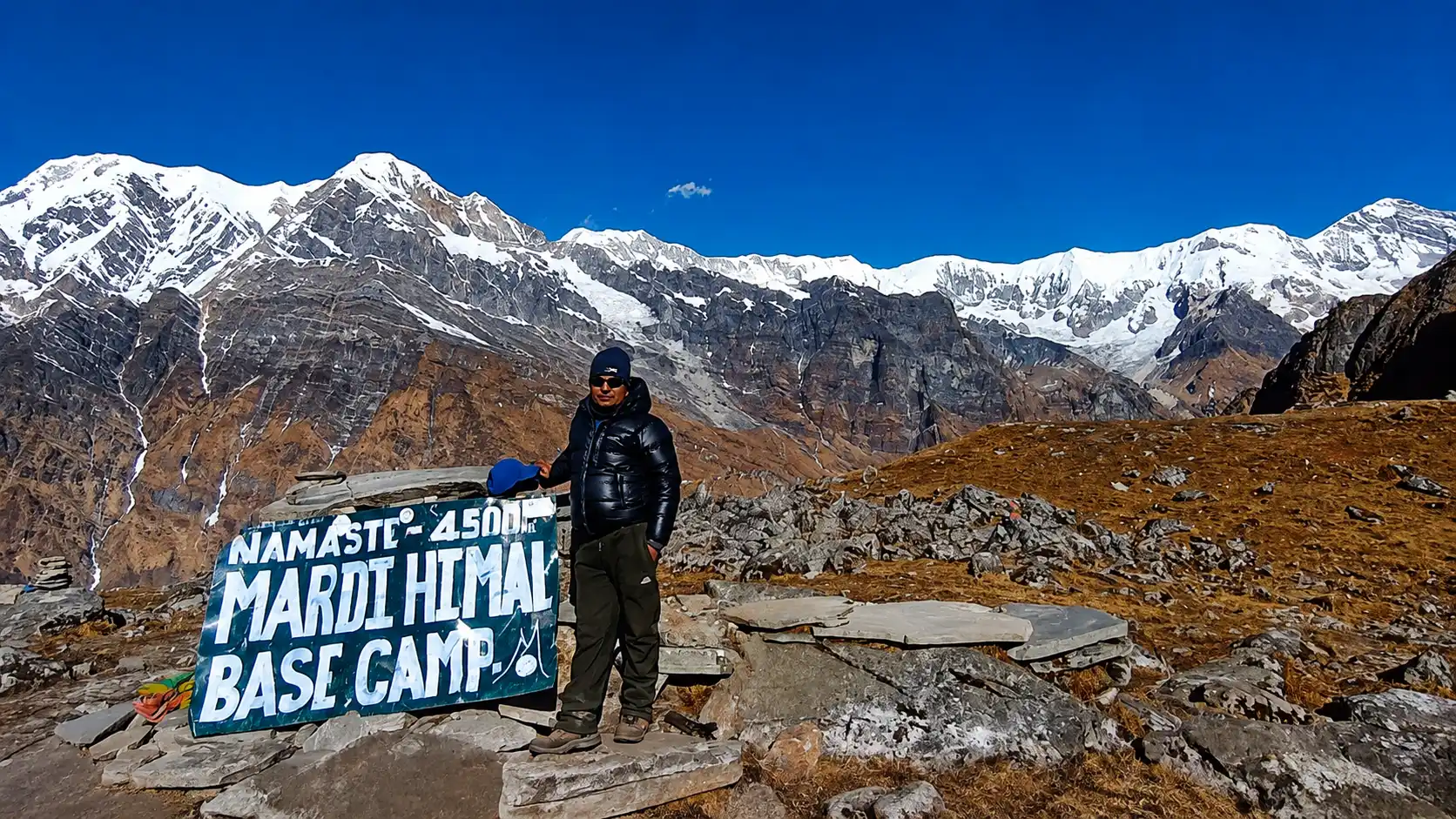
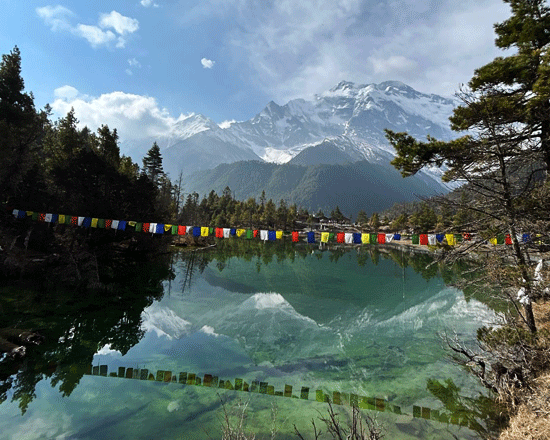
The Mardi Himal Trek is one of Nepal’s most enchanting short treks, tucked away in the heart of the Annapurna region. Unlike the more crowded trails of Annapurna Base Camp or Poon Hill, this trek offers peace, solitude, and pristine mountain landscapes while still being easily accessible from Pokhara. Rising to an altitude of 4,500 meters, the Mardi Himal trek takes you through lush forests, traditional villages, alpine meadows, and finally to breathtaking viewpoints directly beneath the majestic Mardi Himal (5,587 m) and the towering Machhapuchhre (Fishtail, 6,993 m).
For trekkers seeking a perfect balance of cultural immersion, natural diversity, and Himalayan panoramas without the crowds, the Mardi Himal Trek is an absolute treasure.
The Route and Experience
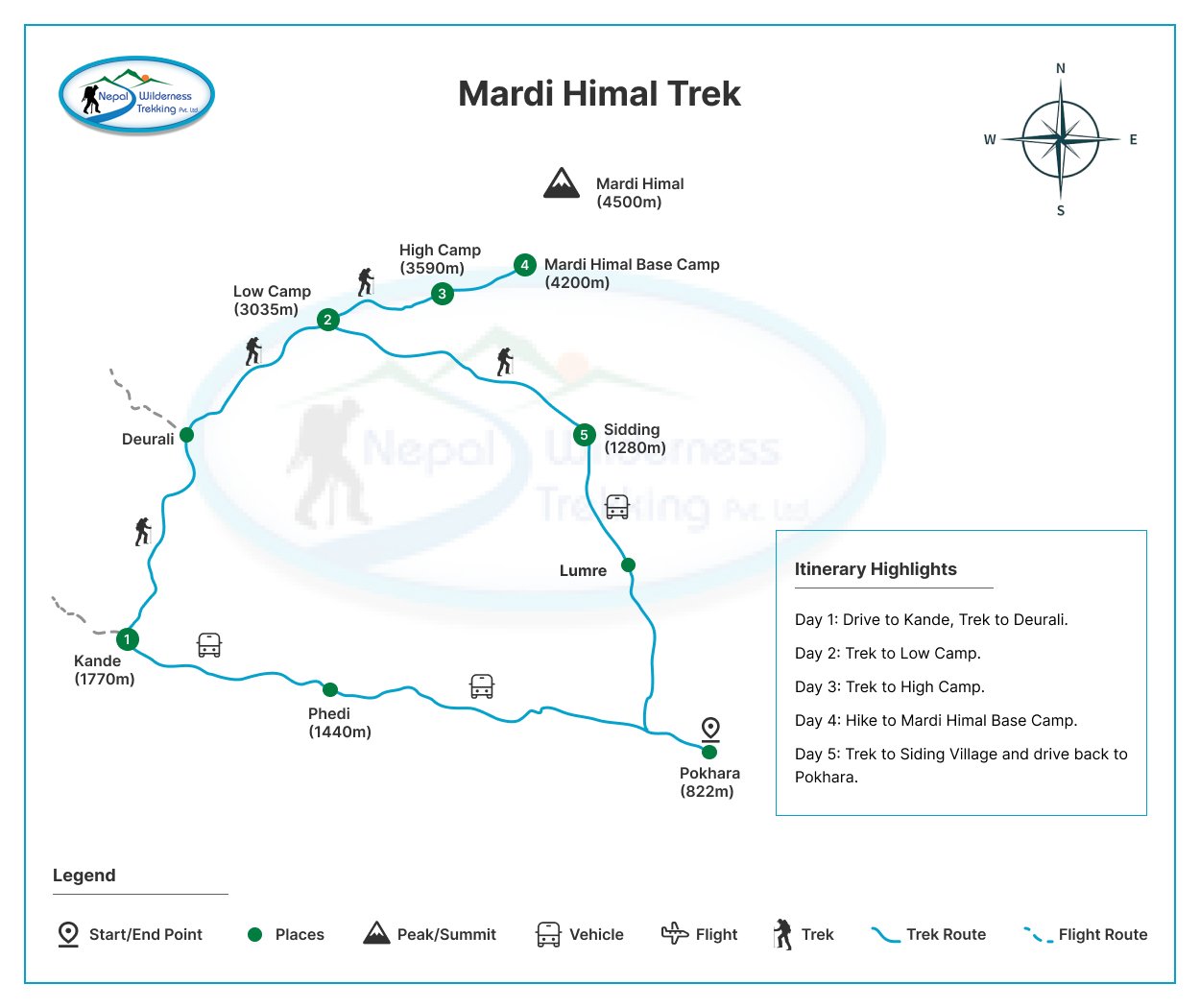
The Mardi Himal trekking begins from Pokhara, a lakeside city and Nepal’s trekking hub. A short drive takes you to the trailhead, usually Kande or Phedi, from where the journey unfolds. The trek starts with gentle trails through terraced farmlands, traditional stone houses, and dense forests.
The first few days are spent climbing through beautiful rhododendron and oak forests, especially magical during spring (March–April) when the forests burst into colors of red, pink, and white blooms. As the altitude increases, the landscapes change dramatically.
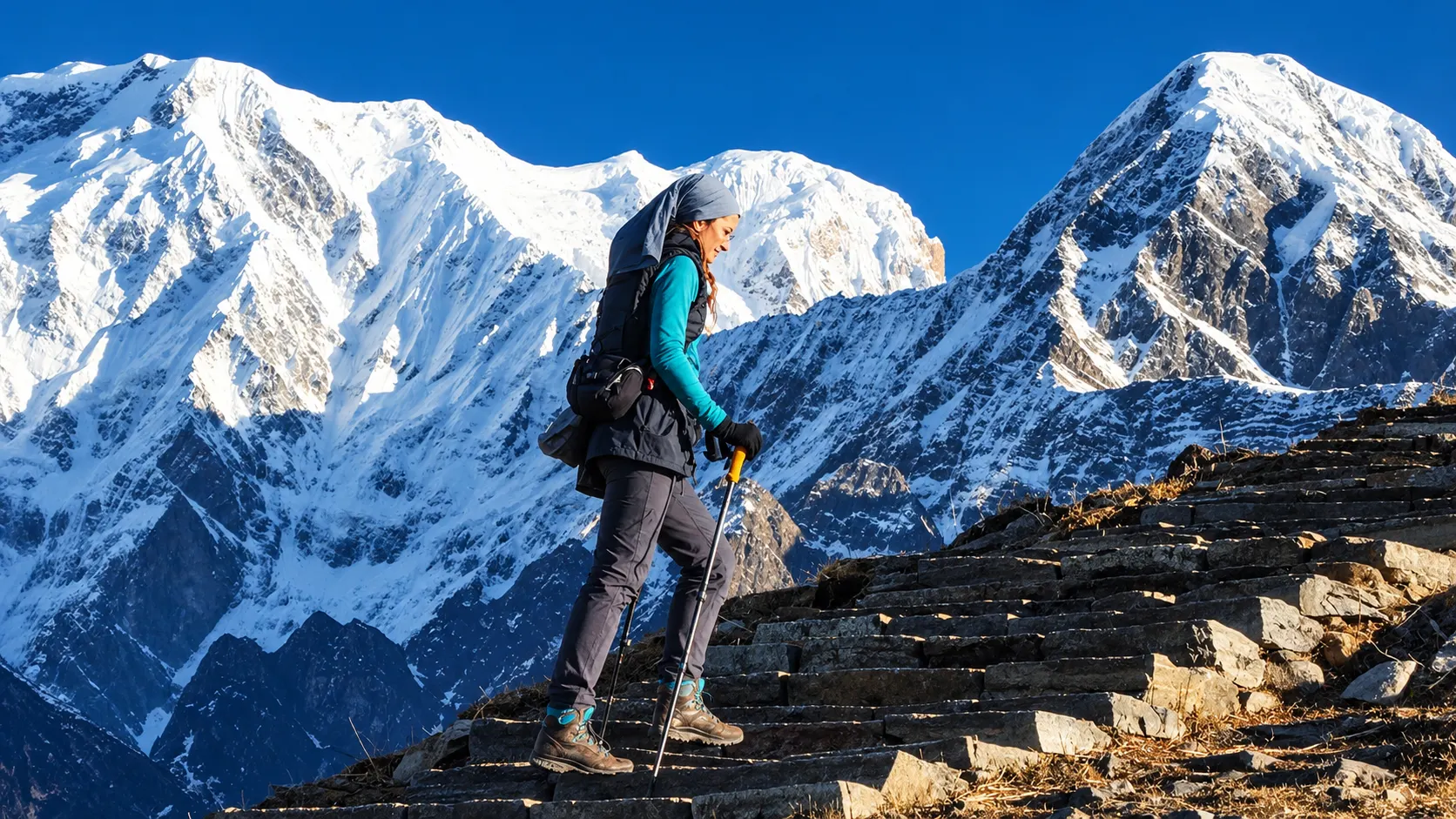
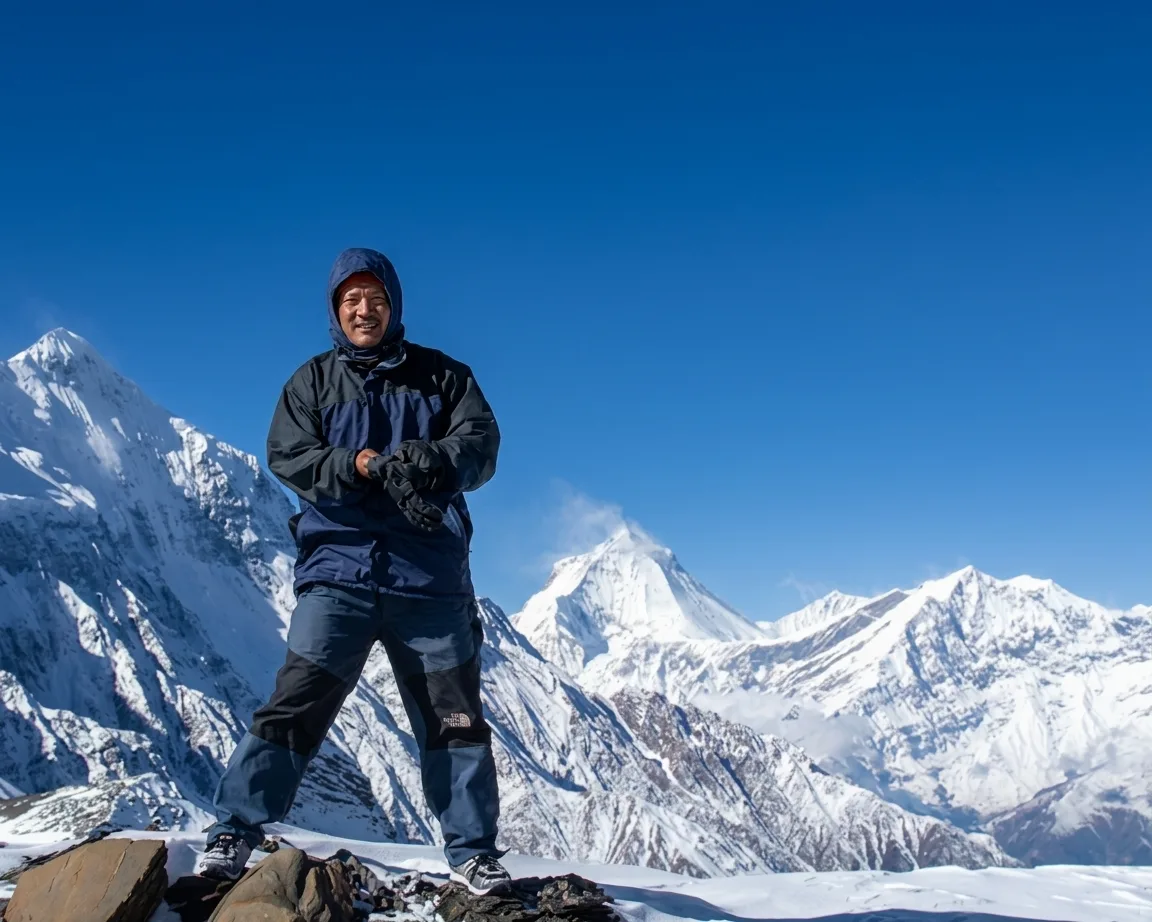
By the time trekkers reach Low Camp and High Camp, the scenery opens up to vast alpine meadows, grazing yaks, and panoramic Himalayan views. The highlight is the hike to Mardi Himal Base Camp (4,500 m) or Viewpoint (4,200 m). From here, trekkers stand face-to-face with the south face of Machhapuchhre—so close it feels like you could reach out and touch it.
Mountain Views and Alpine Meadows
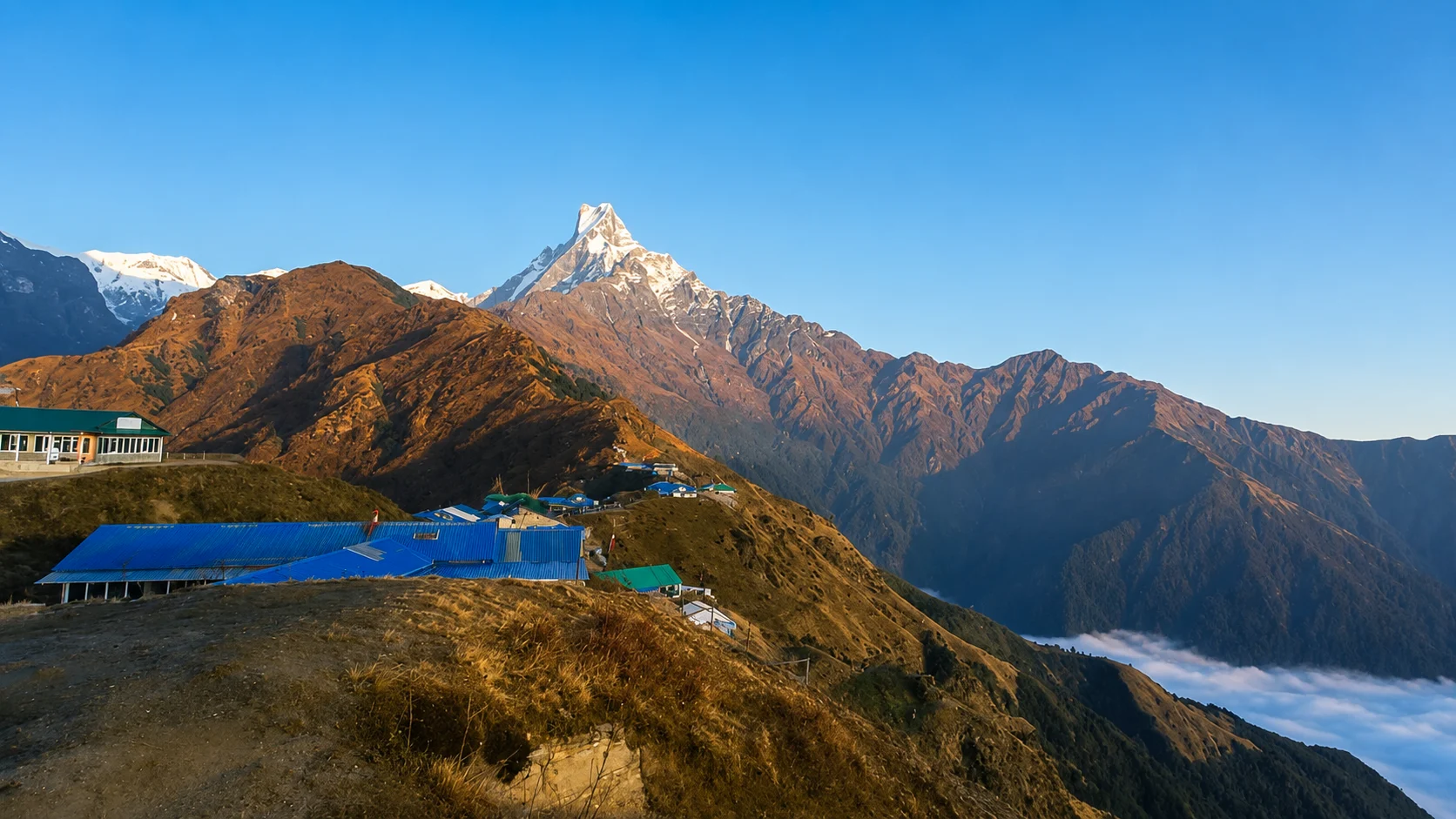
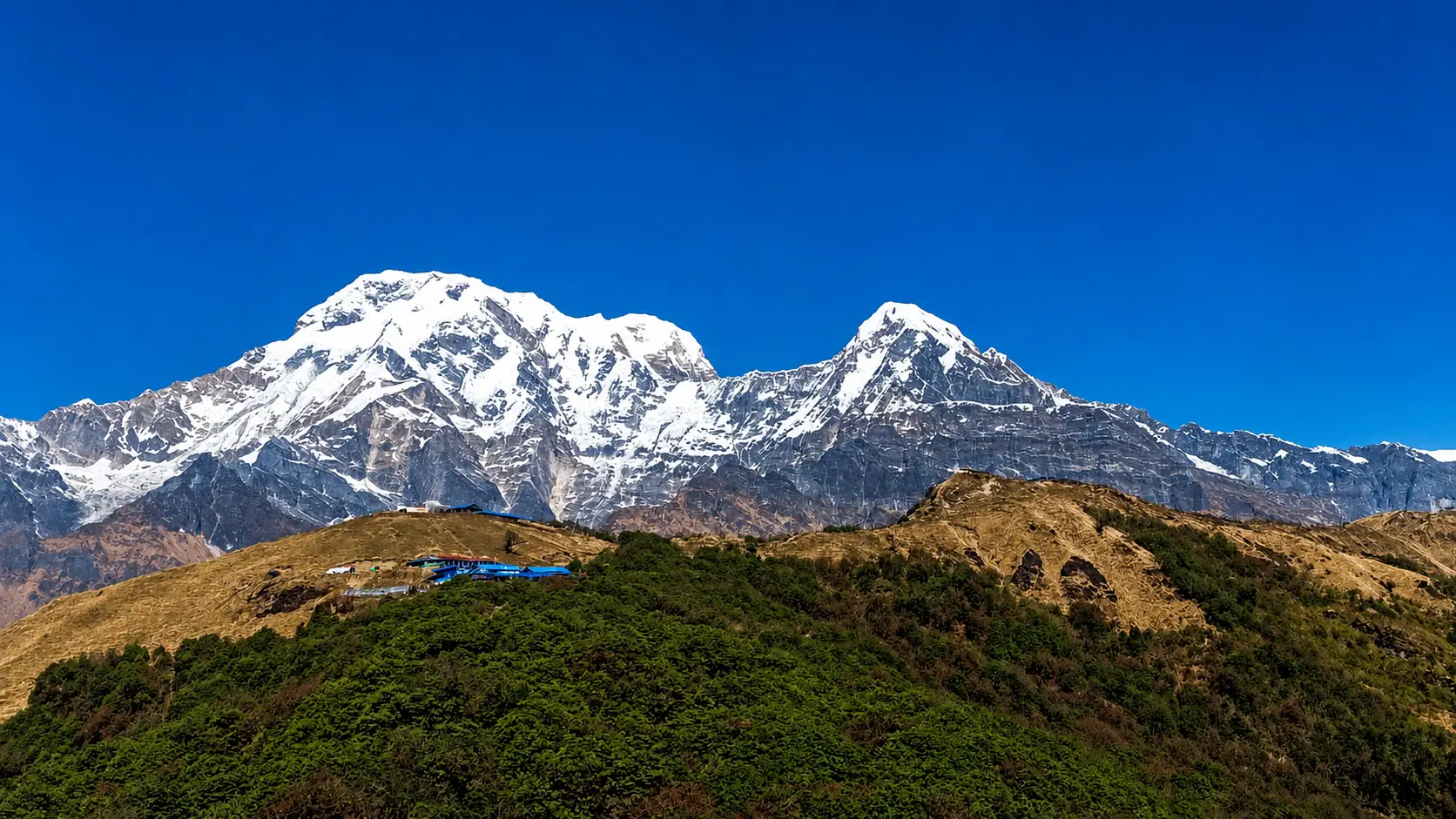
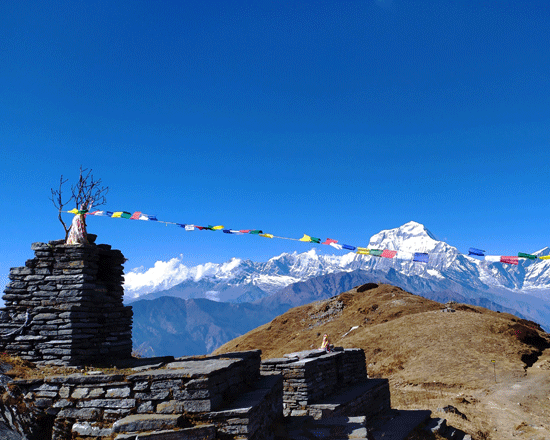
One of the biggest charms of the Mardi Himal base camp trek is its breathtaking alpine scenery. At High Camp and beyond, the trail winds along grassy ridgelines with sweeping views of the Annapurna range. The meadows are often dotted with grazing yaks and wildflowers, creating a postcard-perfect Himalayan setting.
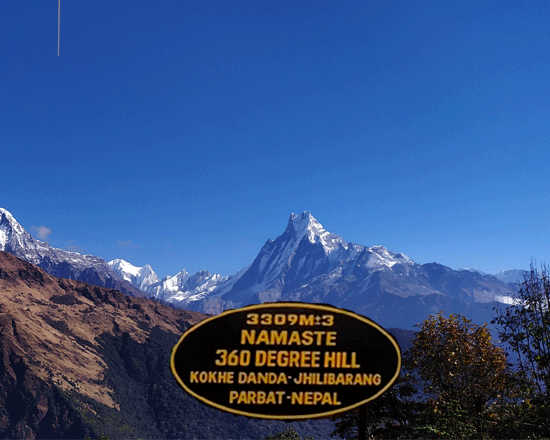
The Mardi Himal Base Camp viewpoint provides perhaps the best angle to admire Fishtail (Machhapuchhre)—a mountain considered sacred and unclimbed due to its religious significance. Alongside it, Annapurna I, Annapurna South, Hiunchuli, Mardi Peak, and Dhaulagiri dominate the skyline.
Major Peaks Visible
| Mountain |
Elevation |
| Machhapuchhre (Fishtail) |
6,993 m |
| Annapurna I |
8,091 m |
| Annapurna South |
7,219 m |
| Hiunchuli |
6,441 m |
| Mardi Himal |
5,587 m |
| Gangapurna |
7,455 m |
| Tent Peak (Tharpu Chuli) |
5,663 m |
Culture Along the Trail
The Mardi Himal is not only about mountains; it’s also a cultural journey. The lower sections of the trek pass through Gurung and Magar villages, where trekkers can observe daily life, traditions, and warm hospitality.
The Gurung people, known for their bravery as Gurkha soldiers, have a rich cultural heritage that includes traditional dress, dances, and rituals tied to Buddhism and Hinduism. Local teahouses along the trek are often family-run, offering trekkers the chance to engage with the hosts, learn about their customs, and enjoy homemade Nepali food like dal bhat, dhido, and fresh organic vegetables.
Unlike more commercialized routes, the Mardi Himal 5 days trek still retains a sense of authenticity, where visitors feel part of a community rather than just passing tourists.
Flora and Fauna
The trek passes through multiple ecological zones, making it a paradise for nature lovers.
- Lower forests (1,000–2,500 m): Rich subtropical vegetation including oak, maple, and bamboo. These areas are home to monkeys, Himalayan langurs, and diverse bird species.
- Rhododendron zone (2,500–3,500 m): In spring, this zone bursts into a riot of colors, with forests of blooming rhododendrons (Nepal’s national flower).
- Alpine meadows (3,500–4,500 m): Sparse vegetation with juniper, shrubs, and wild alpine flowers. You might spot Himalayan thar, musk deer, and colorful pheasants such as the Danphe (Himalayan Monal, Nepal’s national bird).
This unique blend of ecosystems makes the Mardi Himal trek a mini showcase of Nepal’s biodiversity within just a week-long journey.
Best Time for the Mardi Himal hike
The best time to trek Mardi Himal is during the spring (March–May) and autumn (September–November) seasons.
- Spring (March–May): Pleasant temperatures, clear skies, and rhododendron forests in full bloom. Ideal for nature and photography enthusiasts.
- Autumn (September–November): The most popular season, with stable weather, crystal-clear mountain views, and comfortable temperatures.
- Winter (December–February): Possible for experienced trekkers, but snow and cold temperatures make conditions challenging. Trails may be slippery at higher altitudes.
- Summer/Monsoon (June–August): Not recommended due to heavy rains, leeches, and limited visibility, though the forests are lush and green.
Difficulty and Preparation
The Mardi Himal is considered a moderate trek. The trail involves daily hikes of 5–7 hours, with some steep ascents and descents. The highest point is around 4,500 meters, which means altitude sickness is a mild risk but manageable with proper acclimatization.
No prior trekking or mountaineering experience is necessary, making this trek suitable for beginners with a good fitness level. However, preparation through regular walking, cardio exercise, and leg strength training is recommended before the trip.
Accommodation and Food
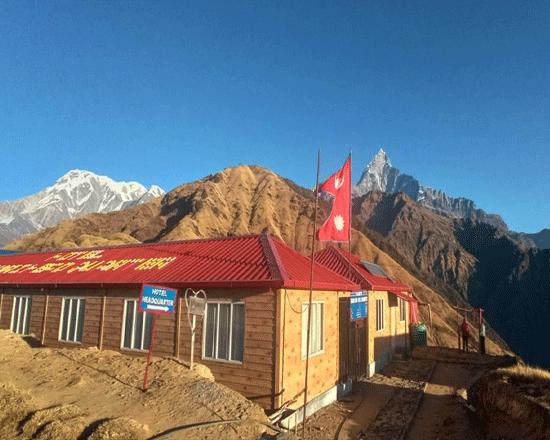
The Mardi trek is fully supported by teahouses and lodges, which have improved significantly over the years. Rooms are basic but comfortable, usually with twin beds and shared bathrooms. At higher camps, facilities are more limited.
Food along the Mardi Himal trekking is a mix of local Nepali dishes and some international options. Trekkers can enjoy hearty meals such as:
- Dal bhat (rice, lentil soup, vegetables)
- Noodles and pasta
- Tibetan bread and pancakes
- Potato dishes
- Tea, coffee, and hot soups for the cold evenings
Wi-Fi, Phone Signal and Electricity
Most villages along the Mardi Himal trails have electricity for charging electronic devices. Charging may involve a small additional fee at higher elevations.
Mobile coverage is generally available through NTC and Ncell in many sections of the trail, although signal strength decreases near High Camp.
Wi-Fi is available in several teahouses but may be slow due to the remote mountain location.
Drinking Water on the Mardi Himal area Trek
Staying hydrated is essential, especially at higher altitudes. Safe drinking water is available throughout the trek, and we recommend carrying a reusable 1–2 liter water bottle or insulated flask.
You can refill your bottle with:
- Boiled drinking water (recommended)
- Filtered or purified water
- Natural spring water (after treating it with purification tablets or a portable filter)
To help protect the fragile Himalayan environment, we encourage trekkers to avoid single-use plastic bottles whenever possible. Choosing boiled or purified water not only reduces plastic waste but also supports responsible and sustainable trekking in the Annapurna region. Every small effort helps keep the trails clean for future generations.
Why Choose the Mardi Himal Trek?
The Mardi Himal short trek stands out for its unique combination of natural beauty, cultural richness, and accessibility. Unlike other treks in the Annapurna region that can be crowded, Mardi Himal remains a quieter trail, perfect for trekkers seeking tranquility and a more personal connection with the mountains.
It’s also a cost-effective trek, requiring less time and logistics compared to the Annapurna Circuit or the Everest Base Camp, but still delivering world-class Himalayan views.
Sustainable Trekking Practices
As the Mardi Himal trek grows in popularity, trekkers are encouraged to follow eco-friendly practices:
- Carry a reusable water bottle and purification tablets to reduce plastic waste.
- Respect local cultures and traditions.
- Dispose of waste properly or carry it back to Pokhara.
- Support local teahouses and communities by buying locally produced food and crafts.
This ensures that the Mardi Himal trail remains pristine for future generations.
Mardi Himal or Poon Hill trek?
Mardi Himal and Classic Poon Hill are each graced with their unique highlights. The trek provides excellent opportunities to admire mountain scenery, while the Poon Hill trek offers breathtaking sunrise views. Both treks allow you to witness the stunning Annapurna Himalayas and immerse yourself in the vibrant Gurung and Magar cultures. The Poon Hill trek typically takes 3 days from Pokhara, while the Mardi Himal trek spans over 5 days. If you have a period of 10 days, it would be possible to extend your journey by combining the Mardi Himal trek with a continuation of the Annapurna Base Camp.
Nepal Wilderness Trekking offers the Mardi Himal trek package at a cost of $430 per person for 5 days. This price covers guides, permits, accommodation, meals throughout the trek, and transportation to and from the starting point. There are no hidden costs. The final price may vary depending on the number of participants. This ensures transparency and flexibility for all trekkers. Enjoy a hassle-free adventure with everything included.
Travel Insurance
Comprehensive travel insurance is strongly recommended for all trekkers.
Your policy should include:
- High-altitude trekking coverage
- Emergency helicopter evacuation
- Medical treatment
- Trip cancellation
- Lost or delayed baggage
Since weather and mountain conditions can change quickly, appropriate insurance provides valuable protection throughout your journey.
Conclusion
The Mardi Himal is a true hidden gem of Nepal. From vibrant rhododendron forests to windswept alpine meadows and jaw-dropping Himalayan panoramas, it packs incredible diversity into a short and accessible itinerary. The mix of natural wonders, cultural encounters, and peaceful trails makes it a perfect choice for trekkers of all levels.
Whether you’re a first-time visitor to Nepal or a seasoned trekker looking for something new, the Mardi Himal trek will leave you with unforgettable memories and a deeper connection to the majestic Annapurna region.
Departure Note
All published departure dates listed below are 100% guaranteed to operate.
If the scheduled departure dates do not align with your travel plans, we would be pleased to arrange a private trek on your preferred dates at the same cost. Whether you are traveling solo, with family, friends, or as part of a group, we can customize the itinerary to suit your schedule, interests, and trekking experience.
Our team will be delighted to design a personalized itinerary and help you create an unforgettable trekking experience in Nepal.
| Feature |
Mardi Himal Trek |
Poon Hill Trek |
Annapurna Base Camp Trek |
| Duration |
5 Days |
3 Days |
7–12 Days |
| Maximum Altitude |
4,500 m |
3,210 m |
4,130 m |
| Difficulty |
Moderate |
Easy |
Moderate |
| Crowds |
Low |
High |
Moderate to High |
| Best For |
Mountain views & peaceful trails |
Sunrise views |
Classic Himalayan adventure |