Kanchenjunga North Base Camp Trek
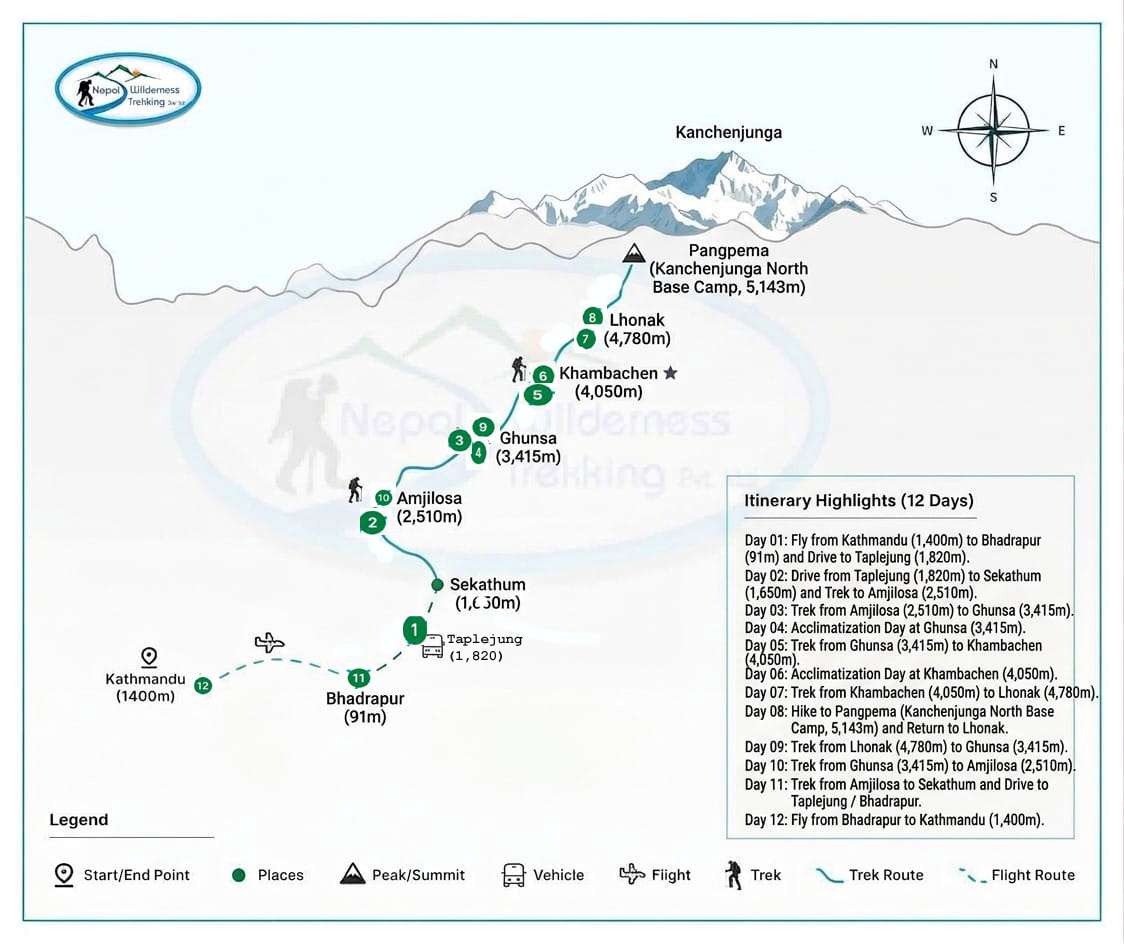
The Kanchenjunga North Base Camp Trek is a thrilling adventure that takes adventurers far into Nepal’s remote eastern region. The trek offers a unique opportunity to witness the grandeur of Mount Kanchenjunga (8,586 meters), the world’s third-highest mountain. The trek passes through pristine landscapes, dense forests, and rural villages, offering an authentic experience of the area’s natural splendor and cultural richness. As trekkers traverse the Kanchenjunga Conservation Area, they encounter endangered wildlife and vegetation while experiencing the unique traditions of the local people who have lived in the Himalayan foothills for generations.
Highlights of the Kanchenjunga North Base Camp Trek
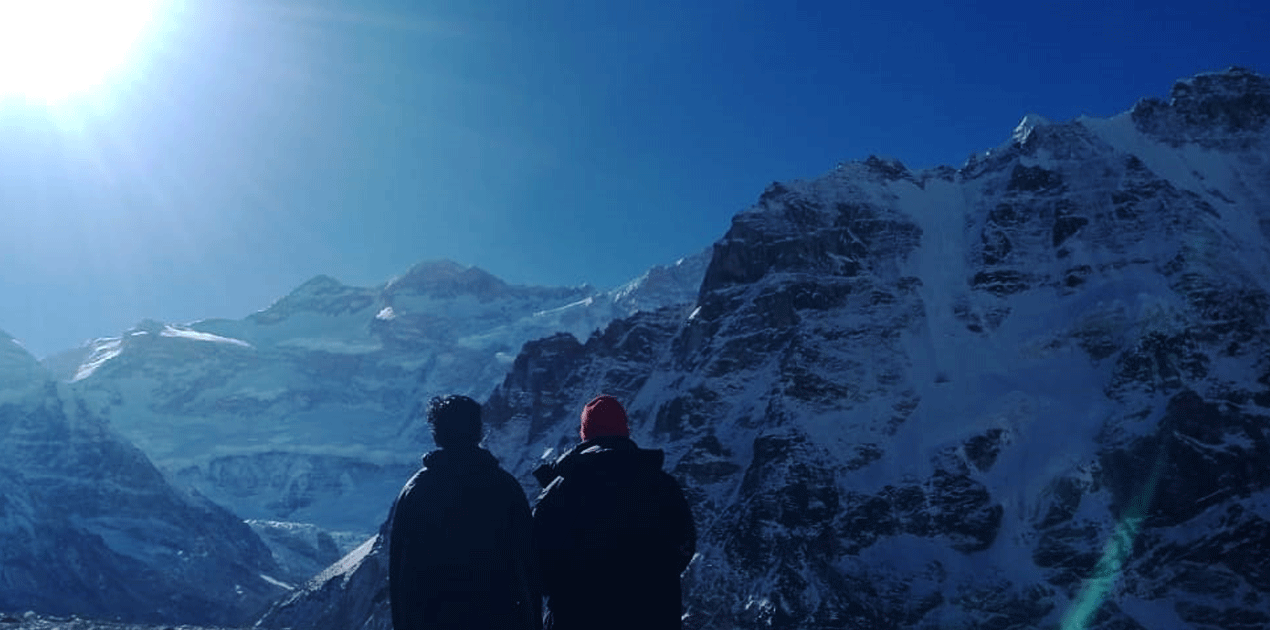
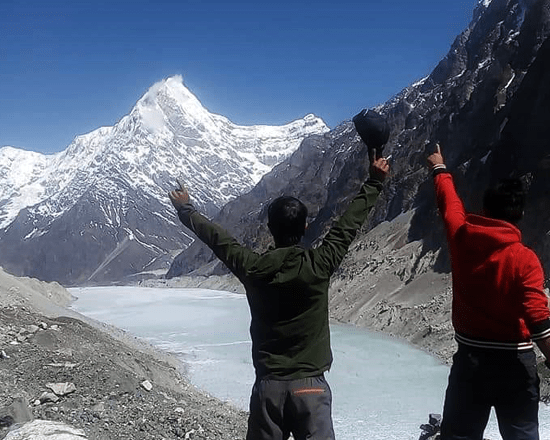
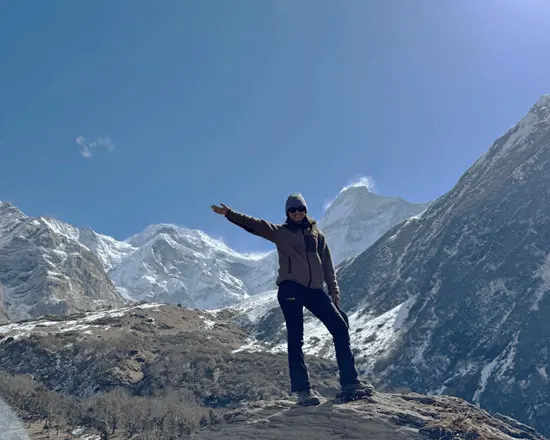
The Kanchenjunga North Base Camp Trek offers a unique combination of mountain views, cultural diversity, and rich flora and fauna. Trekkers enjoy spectacular views of Kanchenjunga, Jannu (Kumbhakarna), and the Kanchenjunga Glacier while moving through diverse landscapes, from subtropical forests to high-altitude alpine grasslands.
One of the biggest draws of the trek is its unspoiled and isolated nature. Unlike the more well-known trekking regions of Everest and Annapurna, the trails to Kanchenjunga North Base Camp offer solitude and a true wilderness experience. Trekkers trek through isolated villages where residents still adhere to traditional ways.
Local Ethnic Communities of Kanchenjunga Trek
2. Spiritual Beliefs & Sacred Sites
-
Kanchenjunga as a Deity
-
In local lore, Kanchenjunga (the “Five Treasures of Snows”) is revered as a protective god. Villagers believe the mountain possesses five repositories of divine treasures (gold, silver, gems, grains, and sacred texts).
-
At viewpoints like Mirgin La and Sele La, it’s common to pause, tie a prayer flag, and offer a small libation (water or tea) toward the peaks.
-
Prayer Flags & Wheels
-
Flags in five colors (blue, white, red, green, yellow) represent the elements. Walking beneath them is thought to bring blessings as the wind carries prayers skyward.
-
Spinning a prayer wheel, even just once, accumulates merit for both you and the local community.
Cultural Experiences on the Kanchenjunga North Base Camp Trek
The Kanchenjunga region is home to ethnic groups, which have their own language, customs, and religious faith. Trekkers meet Limbu, Rai, Sherpa, and Tibetan communities on the trails, who have inhabited the high-altitude lands for hundreds of years.
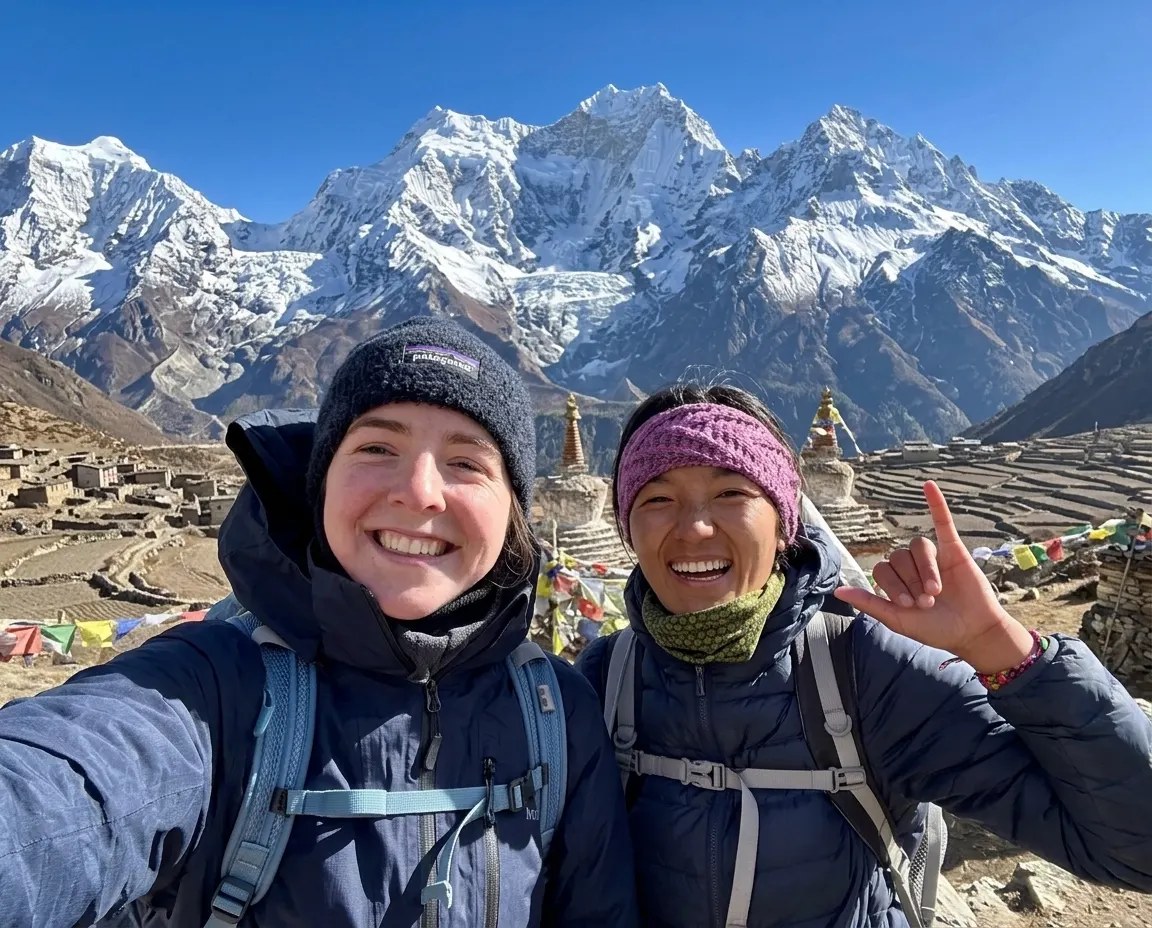
The Limbu tribe, the predominant ethnic group of the lower valleys, has a shamanist and animist religion. They possess diverse cultural practices like ritual dances, ancestor worship, and the sacred use of plants during rituals. In the upper regions, Tibetan Buddhist influences begin to boost, particularly in villages like Ghunsa and Kambachen, with monasteries and Tibetan flags and prayer wheels testifying to the strong religious identification of the locals with the mountains.
Along the trek, trekkers witness Buddhist chortens (stupas), mani walls (stone tablets with prayers inscribed on them), and flapping prayer flags in the wind. These spiritual landmarks are a sign of prayers for peace, compassion, and protection. Visitors also have the opportunity to witness local festivals, such as Losar (Tibetan New Year), which entails mask dances, feasting, and group prayers.
The cuisine in the Kanchenjunga North Base Camp Trek is as varied as the culture. Trekkers get to taste Limbu specialties like sel roti (sweet rice doughnut) and Sisnu soup (nettle soup). Tibetan-influenced villages have traditional foods like Thukpa (noodle soup) and tsampa (roasted barley flour). Yak butter tea, a very salty beverage, is normally offered to visitors as a sign of hospitality.
Flora and Fauna in the Kanchenjunga North Base Camp Conservation Area
The Kanchenjunga Conservation Area (KCA), established in 1997, spans 2,035 square kilometers of land and protects one of Nepal’s most biologically diverse regions. The area supports a wide range of habitats and climates, from subtropical forests at lower elevations to alpine meadows and glacial moraines at higher elevations.
Flora:
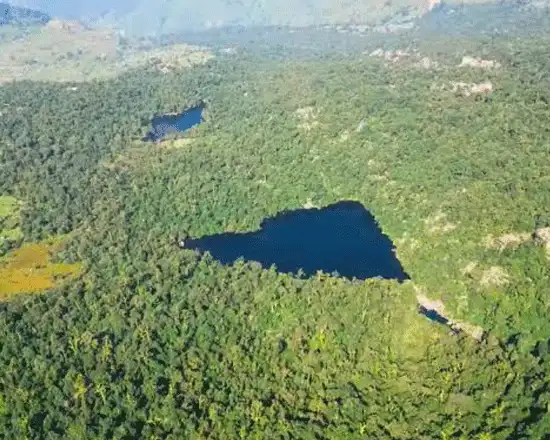
The lower sections of the trek are covered with thick forests of oak, pine, and rhododendron. During spring (March-May), the rhododendrons bloom in vibrant colors of red, pink, and white and form a stunning sight along the hillside. As the path goes upward, these forests give way to juniper bushes, alpine grasses, and medicinal plants like Yarsagumba (a very valuable caterpillar fungus rumored to have medicinal value).
The Kanchenjunga Glacier features a fragile alpine ecosystem, where hardy plants such as edelweiss and moss campion thrive. There are these species that have learned to grow in cold conditions present within the harsh climate near the base camp.
Fauna:
The Kanchenjunga North Base Camp is home to several endangered species, making it a haven for nature enthusiasts. Among the toughest animals to find is the snow leopard, a powerful predator that roams the high-altitude regions. Red pandas live in dense bamboo forests, where their reddish-brown fur camouflages them among the vegetation.
Other fascinating wildlife discovered here includes the Himalayan tahr, a goat-like creature with spiral horns, and musk deer, renowned for its valuable fragrance gland. The region also accommodates a vast list of bird species, including the Himalayan monal, which is the national bird of Nepal, and the blood pheasant, which one finds frequently in forest trails.
Trekkers can also identify smaller mammals like langurs (monkeys) and yellow-throated martens, and birds of prey like the Himalayan griffon vulture and golden eagle soaring over the valleys.
Festivals & Celebrations
-
Losar (Tibetan New Year)
-
Falling between February and March, you might coincide with Losar in higher villages. Expect masked dances, communal feasts, and the burning of juniper branches to purify the area.
-
Chasok Tangnam (Limbu Harvest Festival)
-
Celebrated in autumn (October/November), but if you trek late in the season, you may witness Limbu rituals giving thanks for the millet and maize harvest, featuring traditional songs and dances
Geography and Landscape of the Kanchenjunga North Base Camp
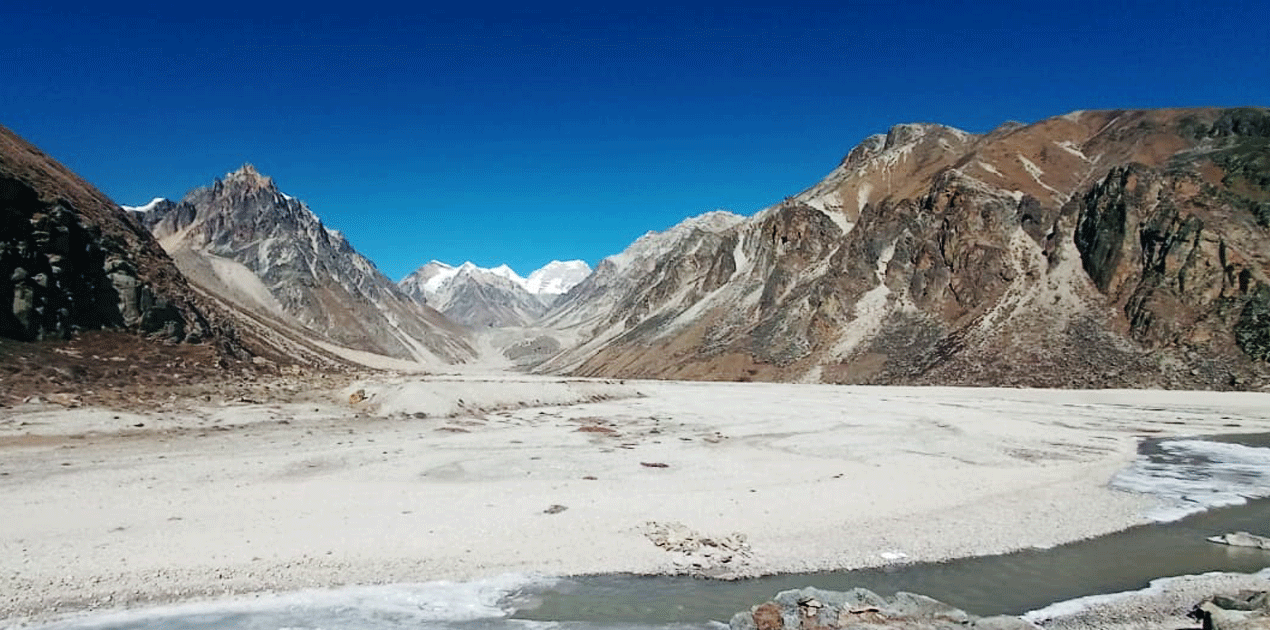
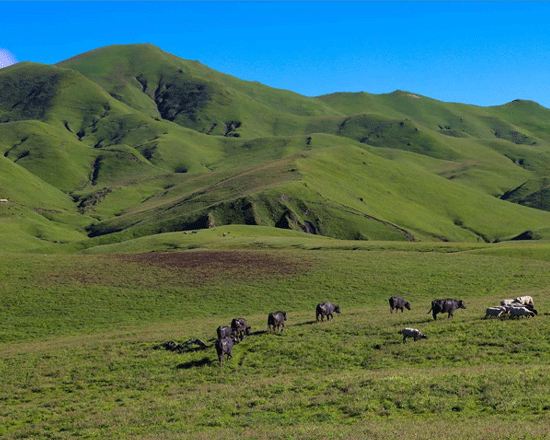
The landscape of the Kanchenjunga North Base Camp ranges from the green river valleys at lower levels to the snowy peaks and glacial moraines at higher levels. The trekking trail follows the course of the Tamor River, which originates from the Kanchenjunga Glacier and flows south, carving out deep gorges in the Himalayas.
The Kanchenjunga Massif is part of the greater Himalayan range and straddles the border between Nepal and Sikkim (India). Its towering peaks rise above the skyline, with Mount Kanchenjunga being the region’s most prominent feature.
At Pangpema, the trekkers are rewarded with a 360-degree view of white-capped summits, such as Yalung Kang (8,505m) and Kumbhakarna (7,710m). The Kanchenjunga Glacier, stretching kilometers, glimmers in sunlight with shimmering blue and white hues, casting a fantasy alpine landscape.
Challenges and Rewards of the Trek
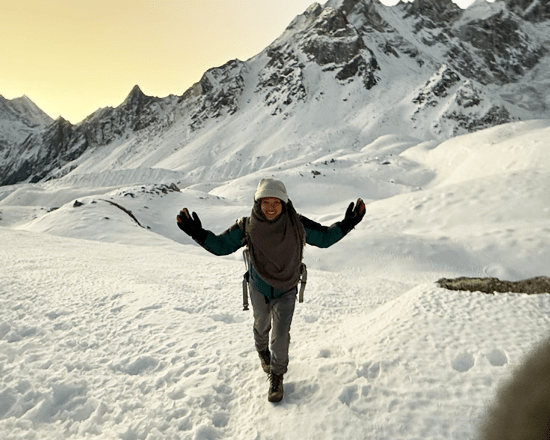
The Kanchenjunga North Base Camp Trek is a challenging trek due to its remote location and high-altitude terrain. The trekker experiences a long walk, steep inclines, and the danger of altitude illness. Sufficient acclimatization should be achieved so that the trek is made secure and productive.
Despite these challenges, the trek has invaluable benefits. The sense of solitude and untouched splendor of the Kanchenjunga region is unique. With each step, there are fresh vistas, cultural enrichment, and natural wonders, which provide lifetime memories to the trekkers. There is also Kanchenjunga South Base Camp, which can be winged in 9 days who have limited time. The 17-day South and North both cover the itinerary of the Kanchenjunga trek.
Cultural and Environmental Conservation
The Kanchenjunga Conservation Area Project (KCAP) is a critical project to uphold the area’s natural and cultural heritage. The project encourages sustainable tourism, wildlife conservation, and cultural preservation.
Please follow Leave No Trace concepts, respect local customs, and visit community-based lodges that provide economic benefits to local families.
Best Time to Visit Kanchenjunga North Base Camp
The best times to go on the Kanchenjunga North Base Camp Trek are spring (March-May) and fall (September-November). These offer stable weather, clear mountain views, and good trekking conditions.
Spring offers vibrant rhododendron flowers, and fall offers scorching clear skies and comfortable daytime temperatures.
Conclusion
The Kanchenjunga North Base Camp Trek is an experience that comes but once in a lifetime, providing breathtaking mountain scenery, rich cultural heritage, and outstanding diversity. The trek to the remote region of Nepal promises an unforgettable and authentic experience for those who seek a real Himalayan trekking adventure. More information for the Complete Kanchenjunga trek guide.
Departure Note
All published departure dates listed below are 100% guaranteed to operate.
If the scheduled departure dates do not align with your travel plans, we would be pleased to arrange a private trek on your preferred dates at the same cost. Whether you are traveling solo, with family, friends, or as part of a group, we can customize the itinerary to suit your schedule, interests, and trekking experience.
Our team will be delighted to create a personalized itinerary and help organize an unforgettable trekking experience in Nepal.