Ama Yangri Trek
Ama Yangri Trek
Langtang Region
Trip Facts
Duration : 5 Days
Max-Altitude : 3,771 M
Program Type : tea house
Best Season : April- May, Jun- Jul Sep-Oct-Nov
Per Day Walking : 5/6
Trek Grade :
Grade 3:
Since the terrain can be hard and the days long, hikers on these treks should be in good physical condition and have some previous mountain walking experience. Steep climbing may be involved, although it is never necessary to use ropes. Treks at this level can he arranged for periods of 16 to 21 days. Typically, a gradual ascent through a green river valley will lead you up to a number of high passes, where you will reach the altitude of 5416m. Often times, you will get a close insight into the Tibetan culture. Participants should expect to trek above 5416m/17872ft.
100%
807 Reviews
Overview
Ama Yangri Peak, a sacred Himalayan summit rising to 3,771 meters (12,372 feet) in the Helambu region, Sindhupalchok District. It is about 60–90 kilometers northeast of Kathmandu. Revered by the Hyolmo, Sherpa, and Tamang communities, it serves both as a short trekking destination and as a prominent Buddhist pilgrimage site near the capital. The peak offers expansive views of the Langtang, Ganesh Himal, Jugal Himal, Gaurishankar, and even distant Everest ranges.
It suits for beginners or weekend hikers seeking a serene alternative to crowded routes such as Everest Base Camp, Manaslu Circuit Trek, and Annapurna Region. The trek falls within the Langtang National Park area and requires both the Langtang National Park Permit and Shivapuri National Park Permit.
Ama Yangri Trek Overview
-
Elevation: 3,771 m (12,372 ft)
-
Location: Helambu region, Sindhupalchok, Nepal.
-
Distance from Kathmandu: ~75 km
-
Trek Duration: 5 days (round trip from Kathmandu).
-
Difficulty Level: Moderate
-
Permits Required: TIMS Card, Helambu region trekking permit.
-
Accommodation: Teahouses and lodges along the route.
-
Best Season: Spring (March–June) and Autumn (September–December).
Cultural and Spiritual Importance
Ama Yangri is considered a guardian deity of the Helambu Valley. Locally known as “Mother Yangri,” “Grandmother’s Shoulder,” the peak symbolizes compassion and protection.
-
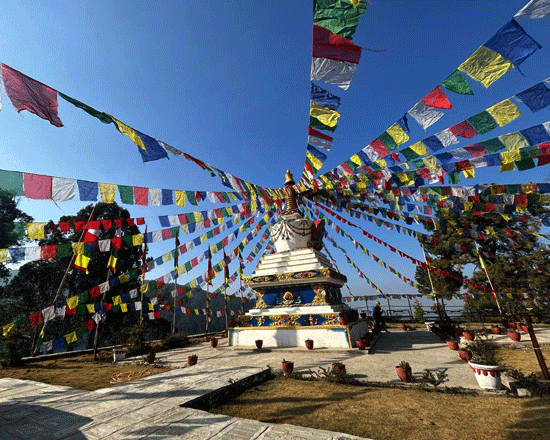
Summit Rituals: A Buddhist chorten (stupa) and prayer flags are at the top, where pilgrims offer incense and prayers.
These villages offer a glimpse into the rich cultural tapestry of Nepal’s mountain communities:
- Tarkeghyang Monastery: One of the oldest and most significant monasteries, located in Tarkeghyang.
- Kakani Monastery: A serene monastery in Kakani, offering panoramic views of the surrounding landscapes.
- Sermathang Monastery: Known for vibrant festivals and cultural events, located in Sermathang.
- Melamchi Ghyang Monastery: A central spiritual hub for the local community in Melamchi Ghyang.
- Yolmo Takpachenling Monastery: A revered monastery with a rich history, nestled in the heart of the Helambu region.
These monasteries are not only places of worship but also offer insights into the local culture and traditions of the Helambu region, characterized by warm hospitality and age-old traditions. Trekkers often engage with locals, learning about their lifestyles and savoring authentic Himalayan cuisine.
Historical Background
- Ancient Times: At times, the Hyolmo people, an ethnic group with Tibetan roots, have inhabited the Helambu region, including Ama Yangri, for centuries. They have actively maintained their distinct cultural and religious practices, which are deeply intertwined with Buddhism.
- Buddhist Influence: The region boasts numerous ancient monasteries and stupas, some dating back hundreds of years. These religious sites play a crucial role in the spiritual landscape of Ama Yangri, attracting pilgrims and trekkers alike.
- Pilgrimage Site: Ama Yangri serves as a popular pilgrimage destination, especially during the annual festival celebrated by the Hyolmo people. Pilgrims actively trek to the peak to pay homage to the deity and seek blessings.
Modern Times
- Tourism: In recent years, the Ama Yangri base camp has gained popularity among trekkers and adventure enthusiasts. The trek to Ama Yangri offers stunning views of the Himalayas, including the Langtang and Ganesh Himal ranges, and a chance to experience the rich cultural heritage of the Helambu region.
- Conservation Efforts: Efforts have been made to preserve the natural and cultural heritage of the Ama Yangri region. These initiatives aim to protect the environment, support sustainable tourism, and maintain the cultural practices of the local communities.
Ama Yangri Region: Connected Trekking Routes
Ama Yangri Trek is part of a network of trails in Helambu:
-
Links to Ganjala Pass and Tilman Pass in the Betan area.
-
Connects with the Helambu Gosaikunda trek, known for its sacred lakes and mountain views.
-
Offers diverse terrain for both adventure seekers and cultural enthusiasts.
These trails offer a rich natural beauty and cultural discoveries, making the area a favored destination for adventurers seeking both physical challenge and spiritual refresh in the middle of Nepal’s awe-inspiring Himalayan landscapes.
Ama Yangri Trek Scenic Mountain View and the Highlights
Trekkers are rewarded with breathtaking views, including:
-
Langtang Lirung (7,227 m)
-
Ganesh Himal (7,422 m)
-
Dorje Lakpa (6,966 m)
-
Ama Yangri Peak (3,771 m) – a photographer’s and pilgrim’s paradise.
-
Ascending through peaceful villages and alpine forests.
- Spiritual experience at monasteries and local religious sites.
-
Remote trails offering solitude and serene landscapes.
-
Opportunities to photograph snow-capped peaks and verdant valleys.
Challenges and Rewards
While moderately challenging, the Ama Yangri trek rewards trekkers with unparalleled serenity and a sense of accomplishment. The journey involves hiking for around 5-6 hours daily, navigating diverse terrain ranging from alpine meadows to rocky trails. Trekkers should acclimatize gradually and pack essential gear, including sturdy trekking boots and layered clothing for changing weather conditions.
Trekking Experience
The Ama Yangri Trek begins with a scenic 75 km drive from Kathmandu to Timbu (1,900 m), which takes about 5 hours along the beautiful Melamchi River valley. The road passes terraced fields, lush hills, and traditional villages such as Tarangmarang before reaching the starting point of the trek.
From Timbu, the trail climbs about 10 km in 5–6 hours to Tarke Gyang (2,700 m) through rhododendron and pine forests. This historic Hyolmo village is known for its monastery and strong cultural heritage.
The trek then continues about 8 km (5–6 hours) to Ama Yangri Base Camp (3,700 m), passing forested ridges and alpine meadows with expanding mountain views.
An early morning hike leads to the Ama Yangri Summit (3,800 m), offering spectacular panoramas of the Langtang Himal, Ganesh Himal, Jugal Himal, and Gaurishankar ranges. After the summit, the trail descends to Sherma Thang (3,200 m) and later returns about 8 km to Timbu, followed by a 3–4 hour drive back to Kathmandu.
Altitude Sickness: How can altitude sickness be avoided?
The Ama Yangri Trek is considered a moderate-altitude trek, with the highest point at 3,800 m (12,467 ft). Altitude sickness is rare at this elevation, but trekkers may experience mild symptoms like headache, fatigue, or nausea if they ascend too quickly.
To avoid altitude sickness, it’s recommended to:
-
Ascend gradually and take rest days if needed.
-
Stay hydrated by drinking plenty of water.
-
Avoid alcohol and heavy meals while trekking.
-
Listen to your body and descend immediately if symptoms worsen.
With proper pacing and acclimatization, the trek remains safe and enjoyable for most travelers.
Best Time to Trek
-
Spring (March–June): Blooming rhododendrons, clear skies.
-
Autumn (September–December): Vibrant foliage, crisp weather.
-
Ideal for photographers, culture lovers, and first-time trekkers.
Trekking Packing List for Ama Yangri Trek
The Ama Yangri Trek spans elevations up to 3,800 m, so packing appropriate clothing and gear is important. Trekking equipment list varies slightly depending on the season.
Spring (March–May) & Autumn (Sept–Dec) – Best Trekking Seasons
-
Clothing: Lightweight trekking pants, breathable T-shirts, long-sleeve layers, fleece jacket, and insulated jacket for mornings/evenings.
-
Footwear: Sturdy trekking boots with good grip, extra socks.
-
Accessories: Sun hat, sunglasses, sunscreen, trekking poles, rain jacket, or windproof layer.
-
Gear: Daypack, water bottles, headlamp, personal toiletries, camera, power bank.
-
Optional: Lightweight gloves, buff or scarf for chilly mornings.
Winter (Dec–Feb) – Cold and Snowy Conditions
-
Clothing: Thermal base layers, heavy fleece or down jacket, insulated trekking pants, warm hat, and gloves.
-
Footwear: Waterproof trekking boots, gaiters for snow, extra-thick socks.
-
Accessories: Sunglasses or snow goggles, sunscreen, balaclava or scarf, trekking poles.
-
Gear: Insulated sleeping bag (if staying in teahouses with basic bedding), hot packs, water bottles.
Monsoon (Mid June–Mid August) – Wet Season
-
Clothing: Quick-dry trekking clothes, waterproof jacket and pants, rain poncho.
-
Footwear: Waterproof boots or trail shoes, extra socks.
-
Accessories: Waterproof backpack cover, trekking poles for slippery trails.
-
Gear: Headlamp, water purification tablets, dry bags for electronics and clothes.
General Tips:
-
Always layer your clothing for changing temperatures.
-
Pack light but sufficient gear; most teahouses provide basic accommodation.
-
Carry personal medications, including remedies for mild altitude sickness.
Eco-Friendly Trekking: Ama Yangri Trek
Conclusion
The Ama Yangri trek is truly a hidden jewel in Nepal’s trekking circuit. Not only does it offer breathtaking natural beauty, but it also provides a profound cultural and spiritual experience. Whether you are a seasoned trekker or a beginner adventurer, this trail offers the perfect blend of serene landscapes, sacred sites, and traditional Hyolmo villages. Ultimately, it promises an unforgettable journey that weaves together the awe of the Himalayas with the warmth of local heritage, leaving trekkers with lasting memories of Nepal’s majestic charm.
Note: Nepal Visa Information Center
Additionally, we have prepared a comprehensive guide on Nepal visa information to make the arrival process easier for travelers. The information explains everything you need to know about obtaining a visa on arrival at Tribhuvan International Airport.
It includes clear details about the visa application procedure, the documents required, current visa fees, and step-by-step instructions for completing the visa form and payment after you arrive. The information is designed to help travelers save time at the airport and ensure a smooth entry process when arriving in Nepal.

Detail Itinerary
-
Day 1: Kathmandu to Timbu (≈5 hours)
-
Drive Distance: ~75 km
-
Elevation: Kathmandu (1,400 m) → Timbu (1,900 m)
The journey begins with a scenic drive from Kathmandu to Timbu village along the Melamchi River. Pass terraced fields, lush hills, and remote villages like Tarangmarang, with distant snow-capped peaks in view. Arrive in Timbu and stay overnight, preparing for the trek ahead.
Day 2: Timbu to Tarke Gyang (≈5–6 hours)
-
Trek Distance: ~10 km
-
Elevation: Timbu (1,900 m) → Tarke Gyang (2,700 m)
The trek gradually ascends through dense rhododendron and pine forests, accompanied by Himalayan birds. Pass Hyolmo and Tamang villages, offering cultural insights into local lifestyles and architecture. Arrive in Tarke Gyang, explore the village and its monastery, and stay overnight in a teahouse.
Day 3: Tarke Gyang to Ama Yangri Base Camp (≈5–6 hours)
-
Trek Distance: ~8 km
-
Elevation: Tarke Gyang (2,700 m) → Ama Yangri Base Camp (3,700 m)
The trail climbs steadily, opening into panoramic mountain vistas. Hike through alpine meadows, stone paths, and forested stretches to reach Ama Yangri Base Camp. Enjoy breathtaking views of surrounding peaks and a peaceful overnight stay at base camp.
Day 4: Ama Yangri Summit and Trek to Sherma Thang (≈6–7 hours)
-
Trek Distance: ~12 km (round trip)
-
Elevation: Ama Yangri Base Camp (3,700 m) → Summit (3,800 m) → Sherma Thang (3,200 m)
Early morning, hike to Ama Yangri Summit (3,800 m) for panoramic Himalayan views, including Langtang, Ganesh Himal, Jugal Himal, and Gaurishankar. Pilgrims leave prayer flags and incense, honoring the guardian deity. Descend to the base camp and continue to Sherma Thang, a quiet village with natural beauty and rich cultural experiences. Overnight at Sherma Thang.
Day 5: Sherma Thang to Timbu/Kakani and Return to Kathmandu (≈3–4 hour drive)
-
Trek Distance: ~8 km
-
Elevation: Sherma Thang (3,200 m) → Timbu/Kakani (1,900 m) → Kathmandu (1,400 m)
-
Cost Included
- Kathmandu to Timbu by Bus
- Sermathang or from Kakani to Kathmandu is by local bus
- Clean Lodge on the way during your trek.
- Meals: Italian, Chinese, Nepali, Indian, and various European dishes are available three times a day breakfast, lunch, and dinner. One main course is provided per meal during the trek.
- Langtang Helambu National Park permits,
- TIMS card permit
- Experienced English-speaking trekking guide licensed by the government, familiar with the area.
- One porter for every two to three participants. (Note: An additional cost applies for solo clients requiring a porter.)
- Equipment, such as the sleeping bag.
- Guides/porters- food, lodge, bus transportation, salary, insurance, equipment, etc.
- Taxi return from Bus Station to the hotel.
Cost Excluded
- Hotel in Kathmandu
- Personal equipment
- all beverages, Soft and hard table drinks such as coke, beer,
- drinking water/mineral water, etc. during the trek.
- dessert, etc
- Hot shower, laundry
- personal insurance
- Tip for guide and porter.
- Excluded are all costs and expenses not listed under "cost includes"
- Inclusion of costs or delays beyond the control of the management, such as landslides, weather conditions, itinerary modifications due to safety concerns, illness, changes in government policies, strikes, etc.
Frequently Asked Questions
5 days round trip from Kathmandu.
The trek is considered moderate, suitable for beginners and experienced trekkers who can walk 5–6 hours per day.
No, the trek is relatively less crowded compared to popular routes like Everest Base Camp or Annapurna Base Camp, making it ideal for peaceful trekking.
The best seasons are spring (March–May) and autumn (September–November) when the weather is stable and mountain views are clear.
Yes, trekkers usually need a Langtang National Park entry permit as the trekking area lies close to Langtang National Park.
Basic and standard teahouses and lodges along the trail.
Yes, local teahouses serve meals, snacks, and boiled water.
The Ama Yangri Trek is located in the Helambu region of Nepal, northeast of Kathmandu. The trek usually starts from Timbu and passes through traditional Hyolmo villages.
From the summit, trekkers can enjoy panoramic views of Langtang Himal, Ganesh Himal, Jugal Himal, and Gaurishankar.
Altitude sickness risk is low, but trekkers should still acclimatize gradually as the trek reaches 3,800 meters.
Yes, the trek can be extended to explore more of the Helambu region, including additional villages and monastery trails.
Trekkers may see Himalayan birds, monkeys, and forest wildlife along the rhododendron and pine forests of the Helambu region.
The trek usually begins from Timbu, which can be reached by a 4–5 hour drive from Kathmandu.