Khumbu Valley Trek: Discover the Hidden Beauty of the Everest Region
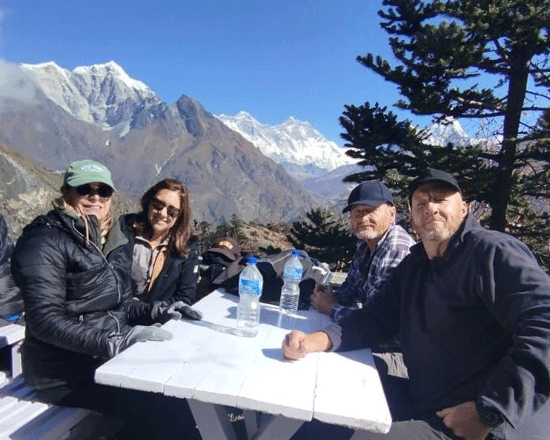
The Khumbu Valley Trek is one of Nepal’s most iconic trekking adventures, taking you deep into the Everest region, where you can experience majestic Himalayan views, the Khumbu Icefall, vibrant Sherpa culture, and sacred Buddhist monasteries. Whether you are looking for the classic Everest Base Camp Trek, a spiritual journey to Tengboche Monastery, or challenging high passes like Cho La Pass and Kongma La Pass, the Khumbu Valley is the gateway to countless unforgettable trekking experiences.
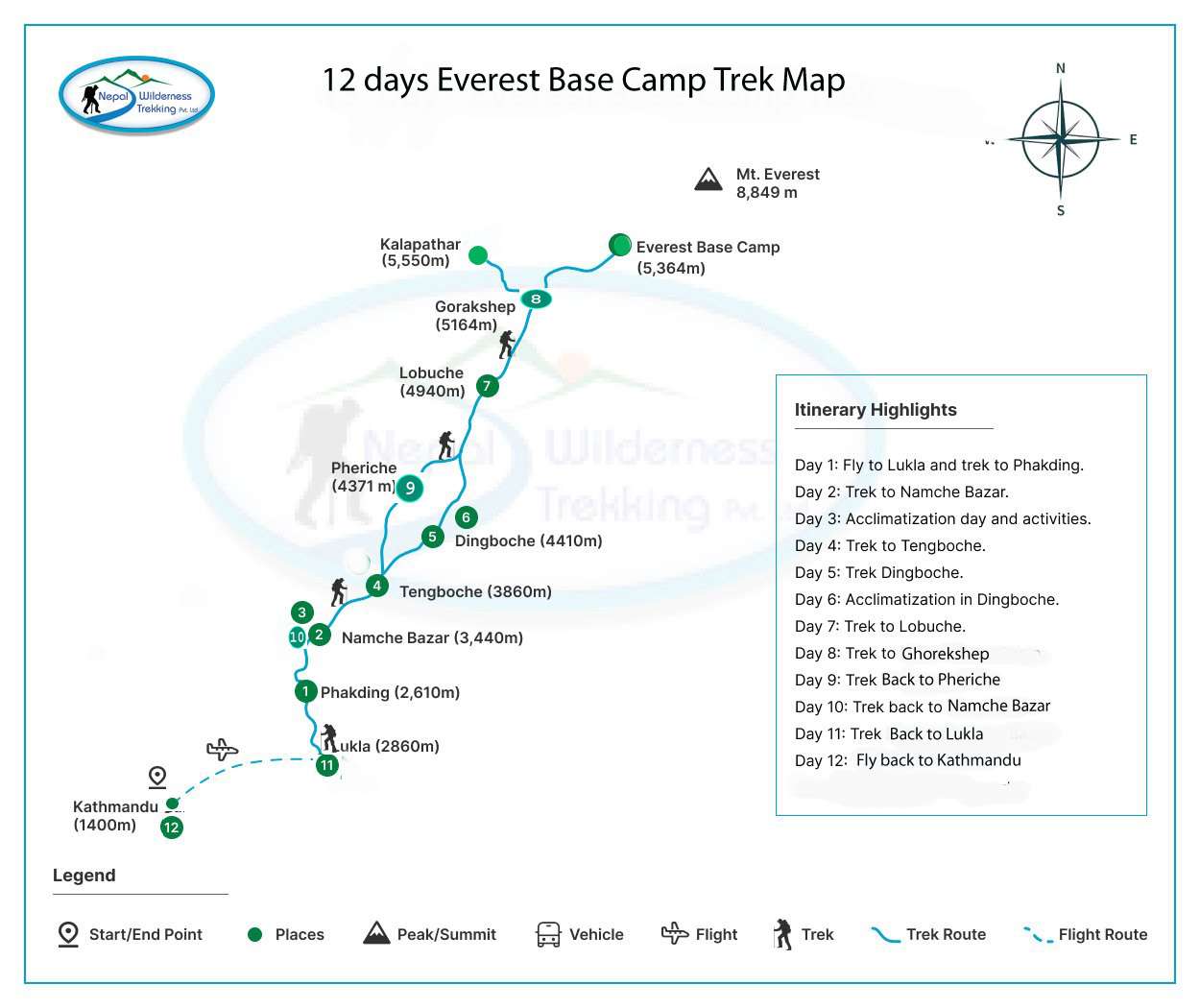
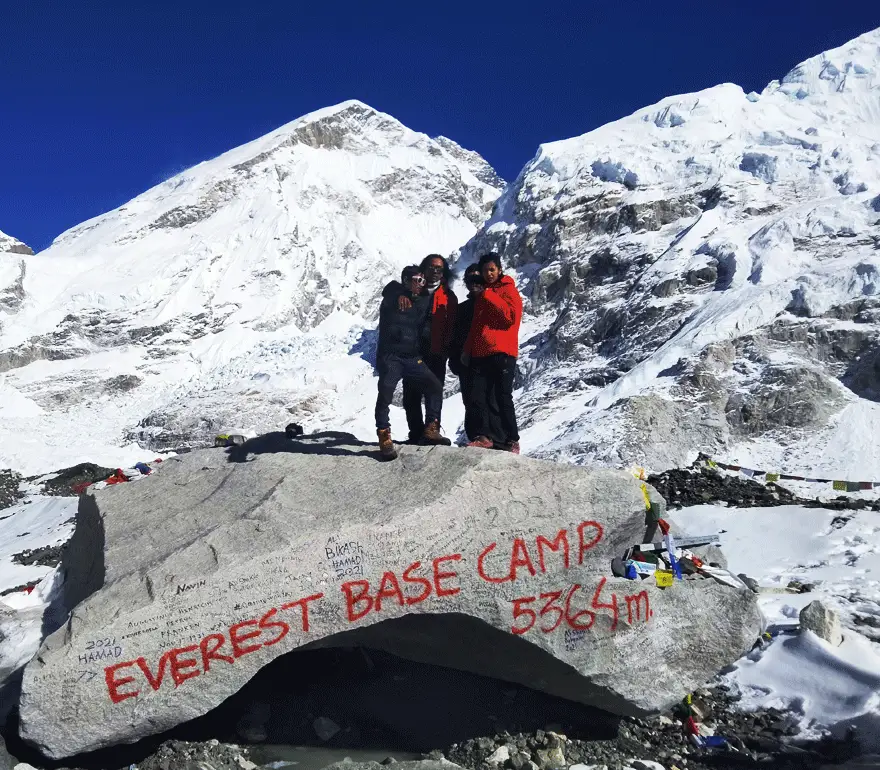
The Khumbu Valley Trek is in the northeastern part of Nepal, within the Solukhumbu District of Province No. 1. The valley extends from Lukla (2,860m) up through Namche Bazaar, Tengboche, Dingboche, and Lobuche to Everest Base Camp (5,364m), with side valleys, i.e, Gokyo, Chukkung, and Imja Khola.
The area is part of Sagarmatha National Park, a UNESCO World Heritage Site established in 1976, renowned for its exceptional natural beauty and biodiversity.
Quick Comparison of Khumbu Trekking Route
| Trekking Route |
Duration |
Max Altitude |
Key Highlights |
Difficulty |
| Everest Base Camp Trek |
12–14 |
5,545m (Kala Patthar) |
EBC, Kala Patthar, Tengboche Monastery |
Moderate–Challenging |
| Gokyo Lakes & Renjo La Pass |
13–15 |
5,360m (Renjo La) |
Turquoise Lakes, Ngozumpa Glacier, Gokyo Ri |
Challenging |
| Everest Three Passes Trek |
17 |
5,535m (Kongma La) |
Kongma La, Cho La, Renjo La, EBC, Gokyo |
Strenuous |
| Everest View Trek |
5–7 |
3,860m (Tengboche) |
Namche Bazaar, Khumjung, Panorama Views |
|
Why choose the Khumbu Valley Trek?
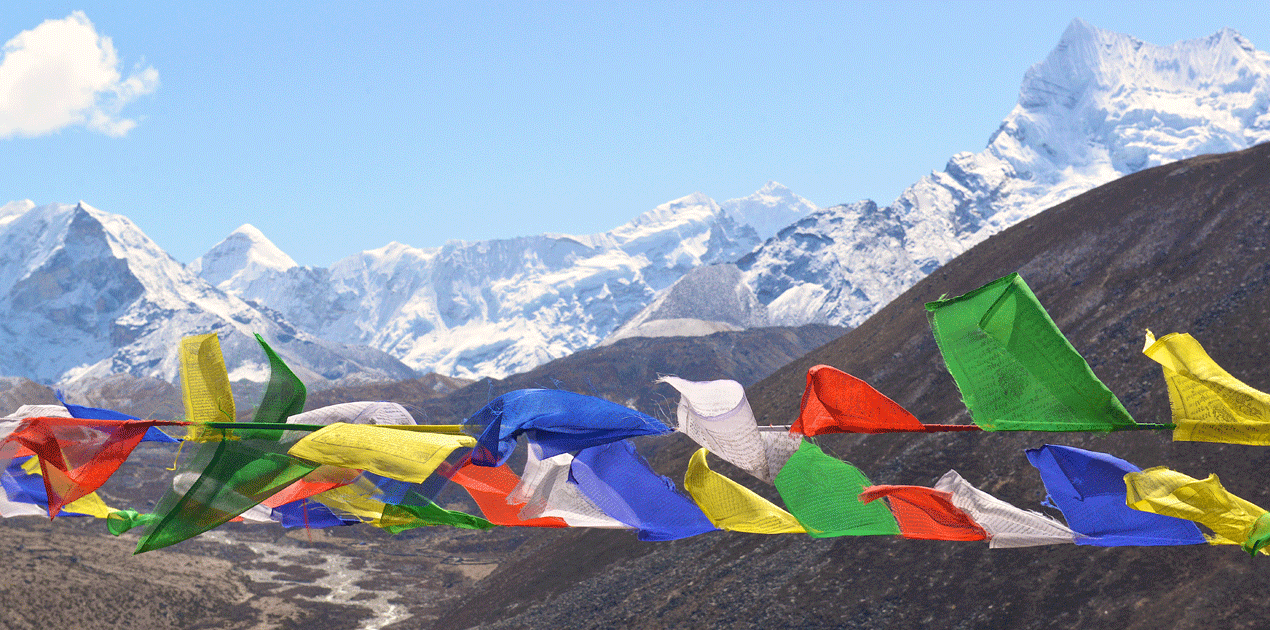
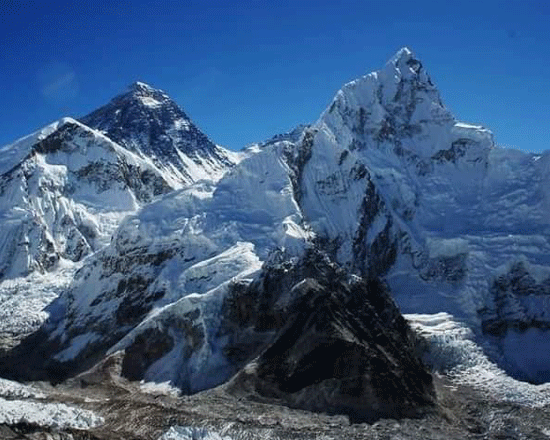
Trekking in the Khumbu region places you among the highest peaks on Earth, including Mount Everest (8,848.86m), Lhotse (8,516m), and Ama Dablam (6,814m).
-
Unmatched Viewpoints: Ascend landmark viewpoints like Kala Patthar and Gokyo Ri for 360-degree views of the Everest range.
-
Sherpa Heritage: Experience authentic high-altitude mountain culture in traditional villages such as Namche Bazaar, Khumjung, and Dingboche.
-
Spiritual Hubs: Visit revered monastic sites including Tengboche Monastery, Pangboche Monastery, and Lawudo Gompa.
-
Diverse Route Options: Tailor your trip with options ranging from short family-friendly treks to challenging high-pass circuits like the Three Passes Trek.
-
Off-the-Beaten-Path Circuits: Connect your journey to quieter regional trails like the Pikey Peak Trek, Numbur Cheese Circuit, and Dudh Kunda Lake Trek.
Best Time to Trek the Khumbu Valley
-
Spring (March–May): Clear skies, comfortable temperatures, and vibrant rhododendron blooms along the trail.
-
Autumn (September–November): Stable weather, dry trails, sharp mountain views, and major local celebrations like Mani Rimdu.
-
Winter (December–February): Clear views and quiet trails, though temperatures drop well below freezing at night.
-
Monsoon/Summer (June–August): Lush green landscapes and fewer crowds, though rain and flight delays at Lukla are common.
Trekking Permits and Logistics Requirements
To enter and trek legally in the Khumbu region, two primary permits are required:
-
Khumbu Pasang Lhamu Rural Municipality Entry Permit: Replaces the former TIMS card for the Everest region. Obtained upon arrival in Lukla or Monjo.
-
Sagarmatha National Park Entry Permit: Obtained at the Nepal Tourism Board office in Kathmandu or at the national park entrance checkpoint in Monjo.
Nepal Wilderness Trekking manages all required permits, licensed guides, porters, and logistics for a stress-free expedition.
Major Highlights of the Khumbu Region
1. Sagarmatha National Park
A UNESCO World Heritage Site protecting Himalayan wildlife, including the elusive snow leopard, musk deer, Himalayan tahr, and Nepal’s national bird, the Danphe (Impeyan pheasant).
2. Historic Monasteries and Culture
-
Tengboche Monastery (3,867m): The spiritual center of the Khumbu, set against the backdrop of Ama Dablam.
-
Khumjung Monastery: Famous for housing what is locally preserved as a yeti scalp.
-
Pangboche Monastery: The oldest monastery in the Khumbu region.
3. Namche Bazaar (3,440m)
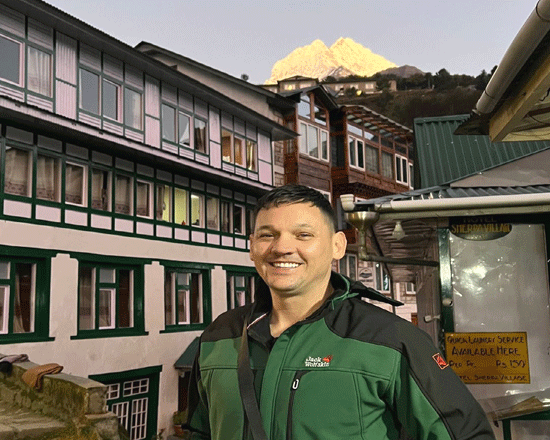
Known as the “Gateway to Everest,” this vibrant amphitheater-shaped town is the central hub for acclimatization, gear shopping, banking, and local bakery visits. Be sure to explore the Sherpa Cultural Museum at the top of the village to learn about the history and climbing heritage of the Sherpa people.
Trekking Routes
There are several trekking routes through the Khumbu Valley, ranging from easy to challenging. The most popular are:
1. Everest Base Camp Trek
-
The classic route from Lukla to Namche Bazar, Tengboche, and Gorakshep.
-
Duration: 12–14 days
-
Highlights: Kala Patthar, Everest Base Camp, Tengboche Monastery, Namche Bazaar
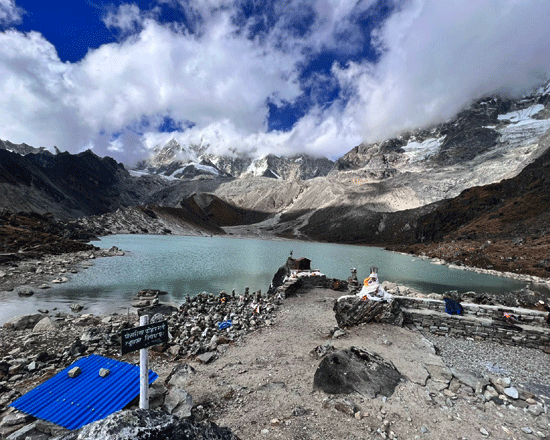
2. Gokyo Valley and Renjo La Pass Trek
-
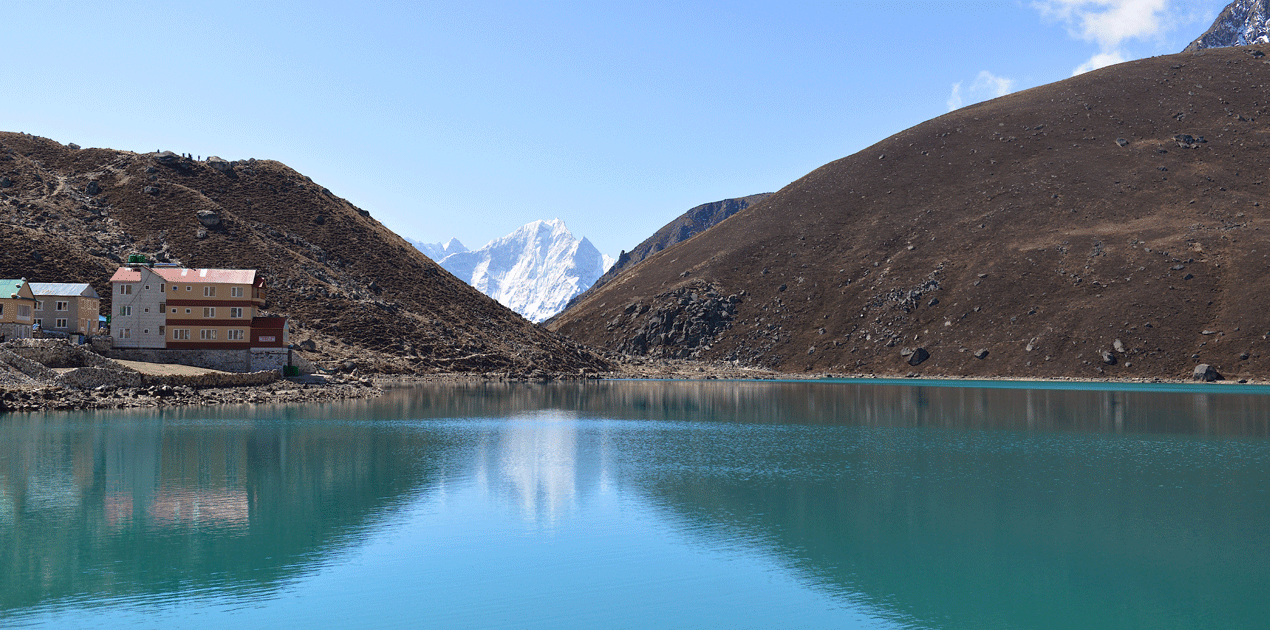
A scenic alternative to the base camp route with spectacular turquoise lakes and panoramic mountain views.
-
Duration: 13–15 days
-
Highlights: Gokyo Lakes, Gokyo Ri, Renjo La Pass
3. Everest Three Passes Trek
-
The ultimate adventure route connecting the high passes: Kongma La (5,535m), Cho La (5,420m), and Renjo La (5,360m).
-
Duration: 18–20 days
-
Highlights: High mountain passes, Gokyo Lakes, EBC, Sherpa villages.
4. Everest View Trek
-
A shorter, easier version of the Khumbu Valley trek, ideal for those with limited time.
-
Duration: 5–7 days
-
Highlights: Namche Bazaar, Khumjung, Tengboche Monastery, panoramic Everest views.
Responsible and Sustainable Trekking
Nepal Wilderness Trekking promotes eco-friendly practices and ensures:
-
Fair wages and insurance for porters and guides.
-
Respect for local culture and environment.
-
Use of local teahouses to support Sherpa communities.
Types of Treks in the Khumbu Valley
The Khumbu Valley Trek offers varied trekking options for every traveller:
- Short Trek to Everest: Perfect for those with limited time.
- Luxury Everest Base Camp Trek: Comfortable lodges with premium services.
- Everest Base Camp without a flight to Lukla: A Long-hour drive via Phaplu Salleri, avoiding Lukla flights.
- Everest Chola Pass Trek: Combination routes for maximum adventure.
- Kalapathar Trekking / Kala Patthar Trek: Ideal for those wanting the best Everest sunrise view.
- Everest View Trek: A short, easy trek suitable for families and beginners.
- Porter from Lukla & Guide Porter Hire from Lukla: Options for those who need local support for their journey.
- Namche Bazaar Trek: The bustling Sherpa capital and trading hub.
- Tengboche Trek: A cultural journey to the spiritual centre of the Khumbu.
- Ama Dablam Base Camp Trek: For trekkers who want stunning views without going to extreme altitudes.
- Chhukung Ri climb: A rewarding day hike above the Khumbu valley.
- Gokyo Lake and Gokyo Ri Trek: A stunning alternative to the main Base Camp route.
- Renjo La Pass and Cho La Pass: Adventure lovers can cross these high passes for incredible panoramas.
Accommodation and Food
Khumbu Valley Trek is based in teahouses and lodges, offering comfortable stays and warm meals. Expect a mix of Nepali dishes like dal bhat, Sherpa soup, and Tibetan bread, Noodle items, Pancakes, and international cuisine. Luxury options are also available in select villages for trekkers on the Luxury Everest Base Camp trek.
Sherpa Museum
The Sherpa Museum is located in Namche Bazaar, the main trading hub of the Khumbu region in Nepal. It is a small but fascinating museum dedicated to preserving and showcasing the history, culture, and mountaineering heritage of the Sherpa people.
Here’s some key information:
-
Focus: The museum highlights Sherpa culture, traditional life, religious practices, and their significant contributions to Himalayan mountaineering.
-
Exhibits: You can find old photographs, traditional clothing, mountaineering equipment, artefacts, and trophies from famous climbs, such as Everest.
-
Educational Aspect: It provides insights into how the Sherpa community adapted to high-altitude living and their role as guides and climbers in the Himalayas.
-
Location: Situated in the heart of Namche Bazaar, making it easy to visit during treks to Everest Base Camp or other Khumbu trails.
-
Visiting Tip: The museum is small, so a visit takes 30–45 minutes. It’s best combined with exploring the local market and cafes in Namche Bazaar.
Importance of the Sherpa Museum
-
Preservation of Sherpa Heritage
-
The museum is built in a typical Sherpa traditional structure, resembling a real Sherpa home, ‘Sherwi Khangba’.
-
The house holds old and “almost lost” Sherpa artefacts, tools, household items, and religious objects that might otherwise disappear.
-
By keeping these artefacts, the museum helps maintain a physical connection to Sherpa cultural roots.
-
Cultural Education & Awareness
-
It provides trekkers, researchers, and visitors with a window into the Sherpa way of life, how families lived, how their houses were organised, and how they maintained religious practices.
-
Through photographs and documentation, it narrates the story of Sherpa climbers (like Tenzing Norgay) and their role in Himalayan mountaineering.
-
Mountaineering Legacy
-
The museum includes a Mount Everest Documentation Centre, which systematically documents Sherpa climbers’ contributions to Everest expeditions.
-
This highlights and honours the crucial role Sherpas have played in high-altitude mountaineering, not just as porters or guides, but as legendary climbers.
-
Tourism & Cultural Exchange
-
It fosters respect for the Sherpa community by helping outsiders understand their history, traditions, and way of life.
-
It also educates trekkers and climbers about the history of Himalayan expeditions from a Sherpa perspective, rather than just a foreign explorer’s viewpoint.
-
Sustainable Cultural Infrastructure
Why does this matter for the Everest Region?
-
The Sherpa are central to the identity of the Khumbu/Everest region. Their culture, religion, and history are deeply intertwined with the Himalayan mountains.
-
As tourism in the region grows, there is a risk of traditional ways getting lost. The museum acts as a safeguard, helping to preserve cultural integrity even as the world comes to trek in Sherpa lands.
-
By educating visitors, the museum promotes more respectful and informed tourism, which in turn can help support sustainable development and cultural preservation in the Khumbu.
Trekking Options & Services with Nepal Wilderness Trekking
-
Full-Service Package Treks: Complete arrangements including tea house stays, meals, domestic flights, and local permits.
- Experienced guides and porters with in-depth knowledge of the Khumbu trails.
-
Independent Guide & Porter Hire: Option to hire licensed guides or porters from Lukla to support local employment.
-
Overland Alternatives: Drive-in routes via Salleri/Phaplu for travelers wishing to bypass flights to Lukla.
-
Customized Itineraries: Flexible tailoring for private groups, solo trekkers, and luxury lodge experiences.
-
Customised itineraries: from the Everest View Trek to the adventurous Three Passes Trek.
-
Strong focus on safety, acclimatisation, and eco-friendly practices.
Extend Your Khumbu Valley Trek
The hike to Chhukung Ri is one of the best non-technical climbs in the Everest Valley. Starting from Chhukung village, the ascent takes 3–4 hours and rewards trekkers with spectacular 360° views. From the summit, you can see Lhotse, Nuptse, Makalu, Ama Dablam, Baruntse, and the Imja Glacier stretching below. Many trekkers do Chhukung Ri as an acclimatisation hike before crossing Kongma La Pass or attempting Island Peak. It’s challenging but accessible for fit trekkers.
- Ama Dablam Base Camp (4,570 m)
Ama Dablam Base Camp, below one of Nepal’s most iconic and photogenic mountains, is known as “The Matterhorn of the Himalayas.” The hike begins from Pangboche and follows a peaceful trail through meadows, Yak grazing fields, and mani walls. This route offers an intimate view of Ama Dablam’s ridges and hanging glacier. The Ama Dablam Base Camp is quiet, spiritual, and scenic for trekkers seeking a rewarding side trip without high-altitude risk. It typically takes 5–6 hours round-trip and is suitable for acclimatisation days in Pangboche.
- Everest Base Camp Gokyo Ri Trek (5,357 m)
Everest Base Camp Gokyo Trek combines two of the region’s most iconic routes and can be tailored to your interests, time, and fitness level. The Everest Gokyo Trek blends the classic EBC route with the serene beauty of the Gokyo Valley. Trekkers ascend to Base Camp via Tengboche and Dingboche, then cross the adventurous Cho La Pass (5,420 m) to reach the turquoise lakes of Gokyo. Highlights include climbing Gokyo Ri for one of the best viewpoints of Mount Everest, visiting the massive Ngozumpa Glacier, and walking on quieter trails compared to the main Everest Base Camp route. This trek combines adventure, high-altitude passes, and remarkable mountain scenery into one iconic Himalayan journey.
Begin Your Khumbu Valley Trek with Nepal Wilderness Trekking
From the legendary Everest Base Camp Trek to hidden gems like the Numbur Cheese Circuit trek and Dudh Kunda Trek, the Khumbu Valley Trek offers something for every trekker. Whether you want a Short Trek to Everest, a cultural journey to Tengboche Monastery, or a challenging Three Passes trek, Nepal Wilderness Trekking ensures your trip is safe, well-organised, and deeply rewarding.
Final Thought
The Khumbu Valley Trek is not just about reaching Everest Base Camp; it’s about immersing yourself in the heart of the Himalayas, sharing stories with the Sherpa people, exploring ancient monasteries, and walking through landscapes that inspire awe at every turn.
It’s a journey that touches both spirit and soul, truly the ultimate Himalayan adventure.
Nepal Visa Information Center
Additionally, we have prepared a comprehensive guide on Nepal visa information to make the arrival process easier for travelers. The information explains everything you need to know about obtaining a visa on arrival at Tribhuvan International Airport.
It includes clear details about the visa application procedure, the documents required, current visa fees, and step-by-step instructions for completing the visa form and payment after you arrive. The information is designed to help travelers save time at the airport and ensure a smooth entry process when arriving in Nepal.
Departure Note
All published departure dates listed below are 100% guaranteed to operate.
If the scheduled departure dates do not align with your travel plans, we would be pleased to arrange a private trek on your preferred dates at the same cost. Whether you are traveling solo, with family, friends, or as part of a group, we can customize the itinerary to suit your schedule, interests, and trekking experience.
Our team will be delighted to design a personalized itinerary and help you create an unforgettable trekking experience in Nepal.