Bardiya National Park: Wildlife Safari, Bengal Tigers and Untamed Nature in Nepal
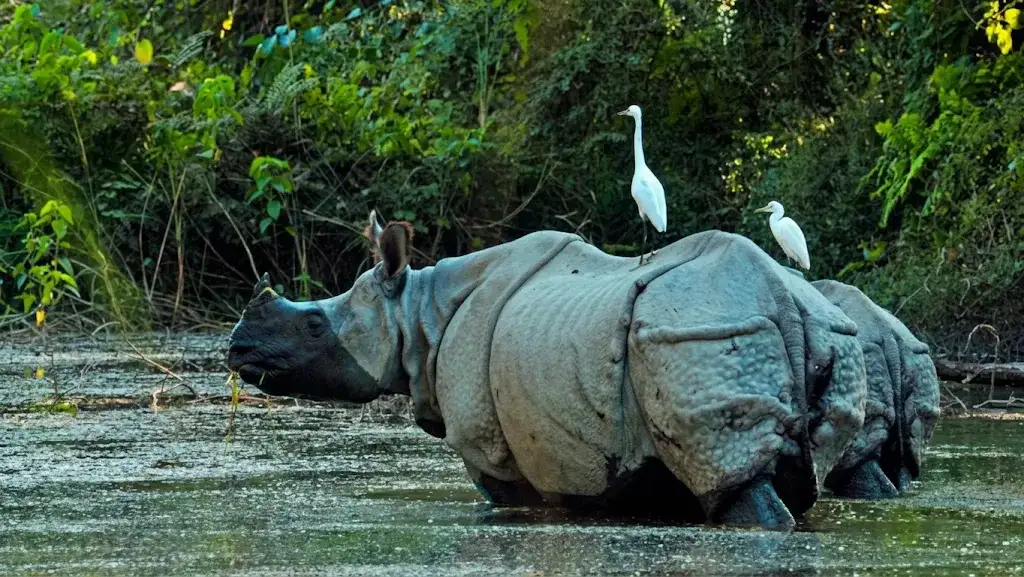
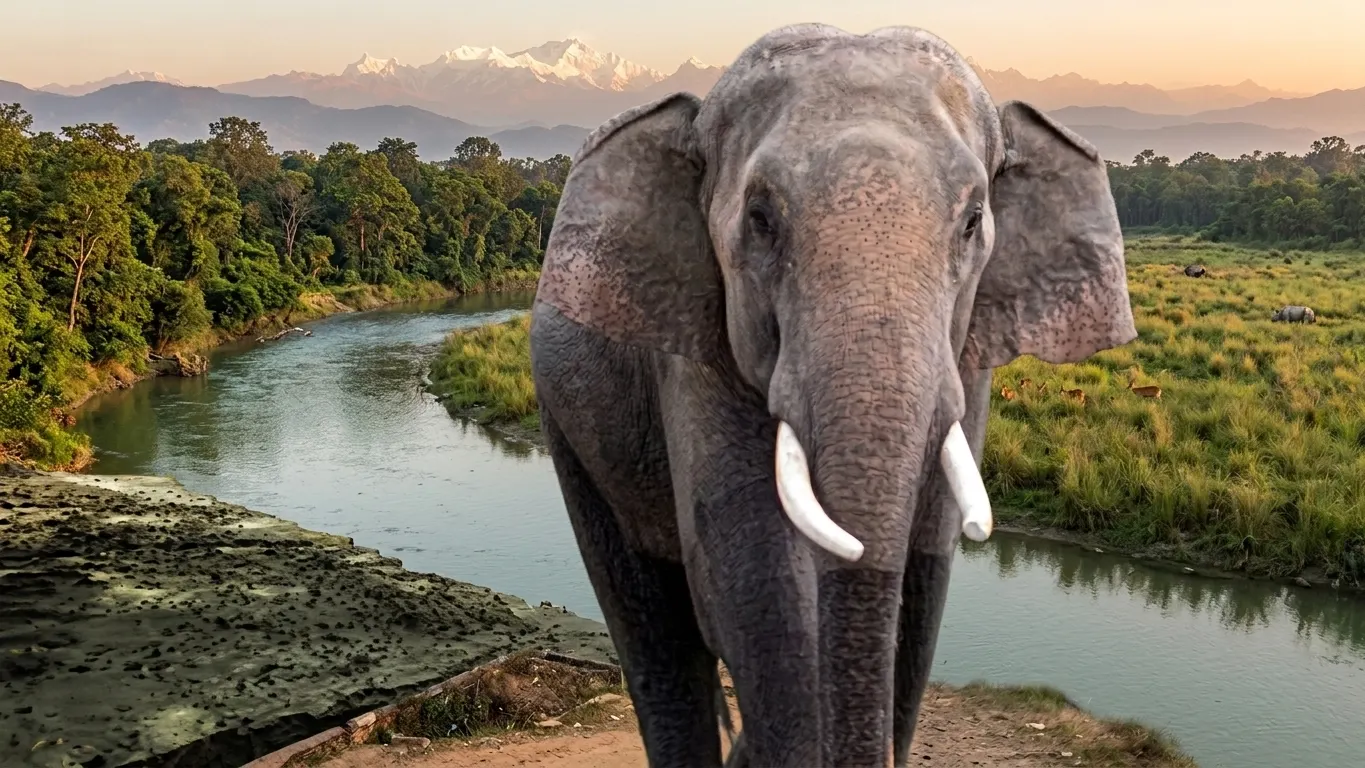
Bardia National Park, also spelled Bardiya National Park, is one of Nepal’s most important wildlife conservation areas in the western Terai of Nepal, in Lumbini Province. It is famous for Bengal tigers, one-horned rhinoceroses, wild elephants, riverine forests, and extensive grasslands.
The park covers 968 square kilometres, which is the largest national park in Nepal’s lowland Terai. Its history reflects Nepal’s efforts to protect wildlife and natural habitats.
1969: Royal Hunting Reserve
The area was designated as a royal hunting reserve, marking an early stage in its formal protection.
1976: Royal Karnali Wildlife Reserve
An area of approximately 348 square kilometres was officially established as the Royal Karnali Wildlife Reserve to protect wildlife and their habitat.
1982: Renamed Bardia Wildlife Reserve
The reserve was renamed Royal Bardia Wildlife Reserve as conservation efforts expanded in the region.
1984: Expansion into Babai Valley
The protected area was expanded to include the Babai Valley, bringing it to approximately its present area of 968 square kilometres.
1986: Rhinoceros conservation
Thirteen greater one-horned rhinoceroses were relocated from Chitwan National Park to help establish another viable population in the Karnali floodplain.
1988: National park status
The reserve was officially declared Royal Bardia National Park, strengthening its status as a major wildlife conservation area in Nepal.
1997: Buffer zone established
A buffer zone around the park was established to support conservation and promote cooperation between park authorities and surrounding communities.
2008: Bardia National Park
Following Nepal’s transition to a federal democratic republic, the word “Royal” was removed from the park’s name.
Historical dates and conservation milestones are based on the park’s official management plan and Nepal government sources.
People and Conservation History
The history of Bardia National Park is also connected to the people who lived in the Babai Valley. During the establishment and expansion of the protected area, around 1,500–1,572 households were relocated from the valley. This was a major social consequence of the conservation process, and the park’s history should be understood alongside the experiences of these communities.
The surrounding region is also home to Indigenous Tharu communities, including Rana Tharu and Dangora communities, whose traditions, farming practices, food, and cultural heritage contribute to the region’s identity.
Wildlife conservation and development
Several important conservation efforts have shaped the park’s development:
- Tiger conservation: Protecting Bengal tigers and their prey remains a central objective.
- Rhinoceros recovery: Translocations from Chitwan helped establish and strengthen the Rhinoceros population in Bardia.
- River and wetland protection: The Karnali and Babai river systems support aquatic wildlife, including gharial crocodiles and Gangetic dolphins.
- Community participation: Buffer-zone programmes help connect conservation with local livelihoods and natural-resource management.
Bardia National Park today
Today, Bardia is known for offering a quieter and more wilderness-focused safari experience than some of Nepal’s more heavily visited wildlife destinations. Visitors can explore the park through guided jeep safaris, nature walks, birdwatching, and selected river activities, subject to park regulations and seasonal conditions.
Its forests, tall grasslands, and river corridors make it an important habitat for Bengal tigers, rhinoceroses, elephants, deer, crocodiles, and many bird species.
For travellers interested in wildlife, conservation, and local culture, Bardia offers more than a safari: it provides an opportunity to learn about the relationship between Nepal’s natural heritage and the people who live around it.
Bardia National Park: The Untamed Wilderness of Nepal’s Lowlands
Nestled in the remote southwestern corner of Nepal, Bardia National Park stands as the largest and most undisturbed protected area in the Terai region. Spanning an impressive 968 square kilometers of pristine sal forests, sprawling riverine grasslands, and meandering water channels, Bardia is a sanctuary for some of Asia’s most magnificent and endangered wildlife. Unlike its more commercialized counterpart, Chitwan National Park, Bardia offers an authentic, raw, and unhurried jungle experience. It is a place where nature rules supreme, and the footprints of the elusive Royal Bengal tiger still mark the damp riverbanks.
Bardia Jungle Safari
A Bardia jungle safari is not merely a tour; it is an expedition into the heart of the wild. Because the park experiences fewer tourists than other protected zones in Nepal, the wildlife here behaves more naturally, offering visitors a profound sense of isolation and connection with the earth.
Two major river systems shape Bardia’s ecosystem: the majestic Karnali River along its western boundary and the Babai River cutting through its middle valley. These water bodies create rich alluvial habitats that support over 53 species of mammals, more than 400 species of birds, and several varieties of reptiles and amphibians.
When embarking on a jungle safari here, you step into a landscape made famous by successful conservation stories. Translocated one-horned rhinoceroses roam the grasslands once more, wild herds of Asian elephants traverse the forest corridors, and the endangered freshwater Gangetic dolphins breach the surface of the Karnali River. A typical safari day begins before dawn with the symphony of awakening birds, setting the tone for an immersive adventure that tests your senses and rewards your patience.
Bardia National Park Jeep Safari
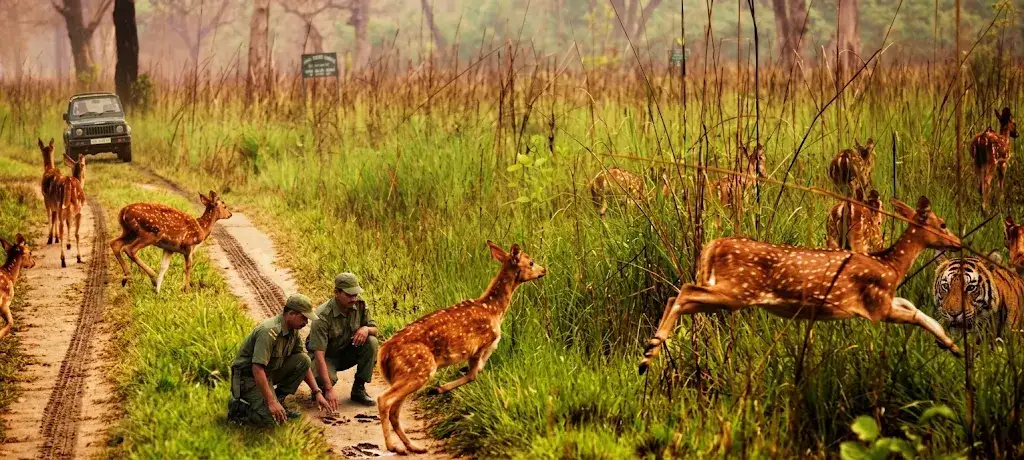
For those aiming to cover vast distances and increase their chances of spotting apex predators, the Bardia National Park jeep safari is the ultimate choice. A jeep excursion allows travelers to penetrate deep into the interior core areas of the park—zones that would take days to reach on foot.
- The Experience: Riding in an open-roof four-wheel-drive vehicle, accompanied by a seasoned naturalist and a local wildlife tracker, you navigate sandy river beds, dense thickets, and open savannahs.
- Tower Stakeouts: Jeep safaris frequently incorporate stops at elevated watchtowers strategically positioned near waterholes and salt licks. Sitting quietly in these towers provides a front-row seat to wildlife dynamics, where deer congregate nervously while keeping a watchful eye out for tigers or leopards.
- Photography and Comfort: It provides ample opportunities for wildlife photography, allowing you to carry telephoto lenses safely. While bumpy and rugged, the jeep ride ensures you can experience diverse micro-climates and topographies—from the dry slopes of the Churia hills to the lush floodplains—in a single day.
Bardia National Park Activities
A journey to this protected lowland paradise is packed with diverse outdoor pursuits. Beyond the mechanical roar of jeeps, Bardia National Park activities cater to every style of explorer, emphasizing low-impact, high-reward engagement with nature:
- Guided Jungle Walks: Accompanied by armed, expert trackers, walking through the park is an adrenaline-fueled adventure. Moving silently on foot forces you to tune in to your instincts, listening for snapping twigs or alarm calls from spotted deer that signal a tiger’s presence.
- Canoeing and Rafting: Drifting down the Karnali or Babai rivers on a traditional wooden dugout canoe offers a serene perspective. It is the premier method for spotting the rare, fish-eating Gharial crocodile, the marsh mugger, and the elusive Gangetic dolphin.
- Bird Watching: With over 400 species—including migratory waterfowl, endangered Bengal floricans, and majestic raptors—Bardia is an ornithologist’s dream. The riverbanks and oxbow lakes are prime locations for spotting rare avian life.
- Tharu Cultural Tours: The indigenous Tharu community possesses an intimate, generational knowledge of the jungle. Visiting nearby Tharu villages, observing their unique mud-and-thatch architecture, and witnessing the traditional stick dance in the evening provide a rich cultural dimension to the wildlife trip.
- Visit to the Visitor Center and Crocodile Breeding Center: Located near the park headquarters in Thakurdwar, these centers offer educational insights into local conservation efforts, anti-poaching initiatives, and breeding programs designed to pull endangered reptiles back from the brink of extinction.
Bardia National Park Tour Package
Planning a trip to this remote corner requires careful logistical arrangement, particularly regarding transport and permits. Choosing a comprehensive Bardia National Park tour package takes away the stress, ensuring a seamless and deeply rewarding journey.
- Duration Options: Standard packages range from 3 nights / 4 days to 4 nights / 5 days, which is considered the ideal duration to balance travel time with deep-jungle immersion.
- Inclusions: Most reputable packages include domestic flight tickets from Kathmandu to Nepalgunj (followed by a scenic 3-to-4-hour overland jeep drive to Thakurdwara), park entrance permits, professional nature guides, comfortable jungle resort or community lodge accommodations, and full-board meals.
- Customization: Specialized itineraries can include multi-day camping treks into the remote Babai Valley or extended rafting expeditions.
Whether you are a solo wildlife photographer, a couple seeking an off-the-beaten-path escape, or a family looking to experience raw nature, a well-structured tour package guarantees safety, expert navigation through tiger territory, and a profound appreciation for Nepal’s lowland wilderness.
Best months for Bardia National Park
October–November
Excellent overall
The monsoon has ended, the landscape is lush, and temperatures are usually comfortable. A great time for jeep safaris, walking safaris, and birdwatching.
February–April
Excellent for wildlife watching
As the dry season progresses, vegetation may become thinner, and animals may gather near water sources, improving some wildlife-viewing opportunities. March and April can be hot.
June–September
Monsoon season
The park is very green, but heavy rain, tall vegetation, leeches, and difficult trail conditions can make wildlife spotting and some safari activities more challenging.
Essential Packing Checklist for Bardiya National Park
Clothing
Lightweight, breathable shirts and T-shirts in neutral colours
Long-sleeved shirts and long trousers for jungle walks
Comfortable walking trousers
Lightweight fleece or jacket for cool mornings
Rain jacket or poncho during the rainy season
Underwear and socks
Sleepwear and spare clothes
Footwear
Comfortable walking shoes or lightweight hiking boots
Sandals or flip-flops for the lodge
Extra socks
Health and personal care
Insect repellent
Sunscreen (SPF 30–50)
Sunglasses and a sun hat or cap
Personal medications and basic first-aid supplies
Hand sanitizer and wet wipes
Toothbrush, toothpaste and toiletries
Personal water bottle
Safari and wildlife watching
Binoculars
Camera, spare batteries and memory cards
Small daypack
Headlamp or flashlight
Power bank and charging cables
Reusable water bottle
Small notebook or wildlife checklist
Documents and money
Passport and a copy of your passport
Travel insurance details
Booking confirmation and tour itinerary
Cash in Nepalese rupees
Phone with local SIM
Important tips
- Choose neutral colours: Khaki, olive, brown and muted green are practical for wildlife watching.
- Choose neutral colours such as khaki, olive or brown, and avoid camouflage clothing because park authorities may restrict its use.
- Protect yourself from insects: Use repellent and wear long sleeves and trousers, especially around dawn and dusk.
- Carry only a small daypack: Keep your main luggage at your lodge or accommodation when possible.
- Follow your guide’s instructions: Stay with your guide during jungle walks and never approach or feed wildlife.