
Uncategorized
January 8, 2026
Bardiya National Park
 By admin
Bardiya National Park: Nepal’s Wildest Wilderness & Ultimate Safari Destination
Nestled in the heart of Nepal’s western Terai plains, Bardiya National Park stands as one of South Asia’s most biodiverse, least disturbed, and wildlife-rich protected areas. Spanning approximately 968 square kilometers, this sprawling sanctuary is Nepal’s largest national park in the lowland Terai and a must-visit destination for nature lovers, photographers, adventure seekers, researchers, conservationists, and wildlife enthusiasts from around the world.
From elusive Royal Bengal tigers and majestic greater one-horned rhinoceros to rare birds, river dolphins, and ancient forests, Bardiya offers a safari experience that rivals the best in Asia. This guide provides everything you need to know — from wildlife and habitats to activities, trekking routes, cultural experiences, travel tips, and conservation success stories.
Introduction: A Wild Jewel of Nepal
Bardiya National Park is celebrated for its untouched natural beauty and remarkable wildlife sightings. Unlike more commercialized parks, Bardiya offers an authentic jungle experience where a tiger sighting on foot or from a jeep is a real possibility.
Located in Bardiya District, the park stretches along the Karnali River on the west, bordered by the Churia Range to the north and fertile alluvial plains to the south. The meandering Babai River also flows through the park, creating a mosaic of riverine forests, grasslands, and floodplains that support a tremendous diversity of flora and fauna.
A Brief History & Conservation Legacy
Bardiya’s evolution from a wildlife reserve to a national park highlights Nepal’s strong conservation ethos:
- 1976: Gazetted as the Royal Karnali Wildlife Reserve, protecting the Babai Valley’s unique ecosystem.
- 1982: Renamed Bardiya Wildlife Reserve as boundaries expanded.
- 1984: Expanded again to include riverine plains and forests.
- 1988: Officially declared Bardiya National Park, with stronger legal protection.
- 1997: A buffer zone of 327 sq. km was established to involve local communities in conservation and reduce human-wildlife conflict.
Over time, endangered species like the greater one-horned rhinoceros were successfully translocated from Chitwan National Park to bolster Bardiya’s population. Today, the park is a conservation success story, particularly for tigers, rhinos, and elephants.
Geography & Ecosystems: A Mosaic of Habitats
Bardiya National Park’s diverse landscapes include:
Sal Forests & Grasslands
- About 70% of the park is covered by Sal (Shorea robusta) forests interspersed with tall grasslands. These grasslands serve as critical grazing grounds for herbivores like swamp deer and sambar.
Riverine Forests
- Fertile plains along the Karnali and Babai rivers support dense forests, rich in birdlife, mammals, and aquatic species.
Alluvial Grasslands & Floodplains
- Seasonal flooding creates open grasslands that attract herbivores and concentrate predators, making these areas ideal for wildlife spotting.
This ecological diversity sustains hundreds of species, from mammals and birds to reptiles, fish, and plants, creating one of Nepal’s most vibrant wildlife sanctuaries.
Biodiversity: A Sanctuary for Rare Wildlife
1. Mammals: Tigers, Rhinos & More
Royal Bengal Tiger (Panthera tigris tigris)
- The park’s crown jewel, thriving in its vast wilderness. Camera-trap surveys indicate a healthy and growing population, making Bardiya a top tiger habitat in Nepal.
Greater One-Horned Rhinoceros
- Introduced from Chitwan, these iconic giants roam grasslands and riverbanks, often visible due to the open terrain.
Asian Elephant
- Bardiya hosts a significant population of wild elephants, often seen in herds along river margins.
Other Notable Mammals
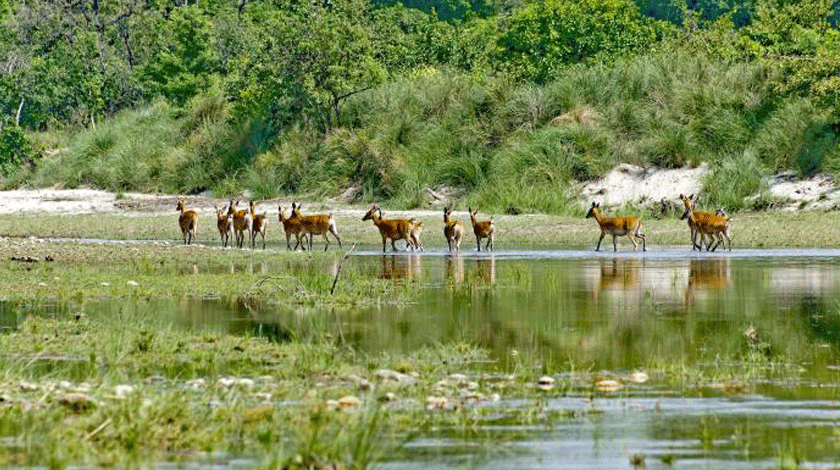
- Swamp deer (Barasingha)
- Blackbuck
- Leopards
- Sloth bears
- Spotted deer & sambar
- Wild boar
- Primates like langurs
- Indian pangolin
2. Birds: A Birdwatcher’s Paradise
With over 250 bird species, Bardiya is a hotspot for bird enthusiasts. Highlights include:
- Bengal florican
- Lesser florican
- Silver-eared mesia
- Sarus crane
- Various raptors, waterfowl, and forest birds
Seasonal migrants, especially in winter, add to the park’s vibrant avian diversity.
3. Aquatic Life: Dolphins & Crocodiles
The Karnali River supports rare species like the Gangetic river dolphin, while riverbanks host gharial crocodiles and marsh mugger crocodiles, all crucial to riverine ecosystems.
Best Time to Visit Bardiya National Park
- October to March (Dry & Pleasant): Ideal for wildlife viewing, clear skies, and mild weather.
- April to June (Hot & Dry): Hot days (up to 42–45°C), but animals gather near water, improving sightings.
- July to September (Monsoon): Lush vegetation and abundant birdlife, though trails can be muddy.
Top Activities & Safari Experiences
Jeep Safaris – Explore remote park sections via 4WD jeeps for tiger, rhino, and elephant sightings.
Jungle Walks – Guided treks through Sal forests and tall grass offer intimate encounters with wildlife tracks and birds.
Elephant Rides – Glide through grasslands (though increasingly regulated for conservation).
Birdwatching – Spot endemic and migratory birds across diverse habitats.
Boat Rides & River Safaris – Cruise the Karnali or Babai Rivers to see dolphins, crocodiles, and waterbirds.
Sport Fishing & Rafting – The Karnali offers adventurous rafting and fishing opportunities in spring.
Trekking in Bardiya: Lowland Wilderness Trails
Unlike Nepal’s high-altitude treks, Bardiya offers lowland wilderness trekking:
Core Jungle Walks: Guided nature walks inside forests and grasslands for wildlife tracking.
Remote Wilderness Trekking: Multi-day treks into the Babai Valley with minimal human presence.
River Corridor Routes: Follow the Karnali and Babai rivers for birding, dolphin spotting, and sunset walks.
Churia Foothill Trekking: Trails along the Siwalik Range pass through forested ridges, villages, and wildlife corridors.
Babai Valley Trek: Dense forests and pristine river habitats for a true jungle immersion.
Community Walks: Easy walks in buffer zones visiting Tharu villages, farmland, and riverbanks, supporting sustainable tourism.
Licensed guides are mandatory for safety and conservation.
Accommodation: Jungle Lodges to Luxury Retreats
Options include:
- Eco Lodges & Safari Camps: Close to nature trails.
- Mid-Range Lodges: Comfort near the park with guided excursions.
- Luxury Safari Retreats: Premium packages with expert guides and amenities.
Most lodges provide meals, transportation, and guided excursions.
Cultural Experiences & Community Tourism
The Tharu community resides near Bardiya, offering:
- Traditional dances and cuisine
- Handicrafts and village tours
- Insight into human-wildlife coexistence
Tourism revenue supports schools, health clinics, cooperatives, and conservation programs.
Travel & Accessibility
By Air: Flight from Kathmandu or Pokhara to Nepalgunj, followed by a 2-hour drive to Thakurdwara (park HQ).
By Road: Connected via the East-West Highway from major towns.
Entry Fees & Permits:
- Nepali citizens: nominal fee
- SAARC nationals: mid-tier fee
- Foreign tourists: competitive fees supporting conservation and local communities
Conservation Success & Challenges
Successes:
- Tiger population growth
- Rhino and elephant conservation
- Poaching reduction and habitat protection
- Community engagement in co-management
Challenges:
- Human-wildlife conflict in buffer zones
- Encroachment pressures
- Climate change impacts
- Invasive plant species
Bardiya vs. Other Parks
Unique Features:
- Less Crowded: Deeper wilderness experience
- Higher Tiger Sightings: Open grasslands and accessible trails
- Authentic Culture: Community-run lodges and Tharu experiences
Tips for First-Time Visitors
- Book safaris early; wildlife is most active early morning or late afternoon
- Bring binoculars and camera gear
- Maintain distance and follow the guide instructions
- Dress in layers; light clothing for summer, warm layers in winter
Conclusion: A Must-Visit Wilderness Experience
Bardiya National Park is more than a wildlife destination — it’s a living ecosystem, a conservation triumph, and an adventure playground. From tracking tiger footprints in misty grasslands to spotting dolphins on the Karnali or immersing yourself in Tharu culture, Bardiya delivers unforgettable wilderness experiences that linger long after you leave.
Trek Grade
Grade 1
Tap outside to close
Trekking is essentially day hiking and doesn't require any special training. However, good physical condition, a love of walking, and a desire to enjoy mountain views and village life are essential.
Grade 2
Tap outside to close
These treks are suitable for walkers looking for something more challenging and energetic. Hill-walking experience is desirable, with longer days and higher elevations.
Grade 3
Tap outside to close
Since the terrain can be hard and the days long, hikers should be in good physical condition and have previous mountain walking experience. High passes and extended trekking days may be involved.
Trek Grade
Grade 1
Tap outside to close
Trekking is essentially day hiking and doesn't require any special training. However, good physical condition, a love of walking, and a desire to enjoy mountain views and village life are essential.
Grade 2
Tap outside to close
These treks are suitable for walkers looking for something more challenging and energetic. Hill-walking experience is desirable, with longer days and higher elevations.
Grade 3
Tap outside to close
Since the terrain can be hard and the days long, hikers should be in good physical condition and have previous mountain walking experience. High passes and extended trekking days may be involved.