
Uncategorized
August 26, 2025
Climbing Gear
 By admin
Climbing Gear: Recommended Packing List for Peak Climbing in Nepal
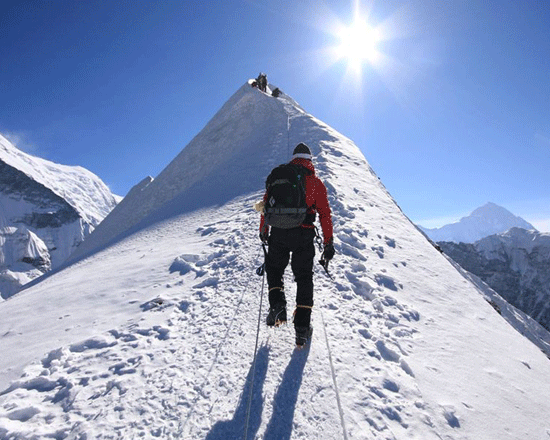
Peak climbing in Nepal is one of the most thrilling adventures in the Himalayas. Whether you are attempting Island Peak (6,189m), Lobuche Peak (6,119m), Yala Peak (5,520m), Pokalde Peak (5,806m), Ten Peak (5,800m), or even the alpine ridges of Mardi Himal (5,587m), having the right packing list can make the difference between a successful summit and a challenging retreat.
Many climbers underestimate the weather, terrain, and altitude. The Himalayas are unpredictable—temperatures can plummet from mild daytime sun to below freezing nights. Packing correctly ensures safety, comfort, and confidence throughout the journey. This detailed blog details the recommended packing list for peak climbing in Nepal, with expert tips to prepare you for the adventure of a lifetime.
Why the Right Climbing Gear Matters?
Before diving into the Climbing Gear Checklist, it’s important to understand why climbers emphasize preparation. Unlike standard treks, peak climbing involves technical equipment, harsher weather, and higher risks. The right gear ensures:
- Safety: Protects against frostbite, altitude sickness, and accidents.
- Efficiency: Lightweight packing avoids unnecessary strain.
- Success: Well-prepared climbers have higher summit chances.
- When preparing for Island Peak, Lobuche Peak, Yala Peak, Pokalde Peak, Ten Peak, or Mardi Himal, you must strike a balance between essential climbing gear and personal comfort.
General Guidelines for Packing Climbing Gear
- Pack light but smart, most airlines limit Lukla flights to 10kg check-in + 5kg hand luggage.
- Layering is key: multiple thin layers are more effective than one bulky jacket.
- Quality over quantity: Durable, weather-tested gear is better than cheap, heavy options.
- Rent vs Buy: Expensive gear like crampons, ice axes, and down suits can be rented in Kathmandu.
- Clothing: Layering for All Conditions
Your clothing is the foundation of the recommended equipment list for peak climbing in Nepal. The weather at 6,000m peaks like Island Peak or Mera Peak can switch quickly from sunshine to snowstorms.
Base Layers
- Thermal tops (2) – breathable, moisture-wicking.
- Thermal bottoms (2) – lightweight and warm.
Mid Layers
- Fleece jacket (1–2).
- Softshell jacket (1) for windy conditions.
- Insulated down jacket (1, preferably lightweight but warm).
Outer Layers
- Waterproof hardshell jacket (1, Gore-Tex preferred).
- Waterproof pants (1).
Additional Clothing
- Trekking trousers (2).
- Warm trekking shirts (3–4).
- Lightweight shorts (1 for lower altitudes).
- Sports underwear (4–5 pairs).
When attempting Mardi Himal or Yala Peak, trekkers often underestimate cold nights. A quality down jacket is indispensable even on lower-altitude climbs.
- Footwear: Protecting Your Most Important Asset
- Good footwear is critical for success. Blisters or frostbite can end your expedition early.
- Trekking boots – sturdy, waterproof, well-broken in.
- Mountaineering boots – double or insulated boots (needed for Island Peak, Lobuche, and Ten Peak).
- Camp shoes or sandals – for teahouses and campsites.
- Socks – 4–5 pairs of wool or synthetic hiking socks.
- Gaiters – to keep snow and dust out.
For Pokalde Peak or Mardi Himal, standard trekking boots with crampon compatibility may suffice, while Island Peak requires insulated climbing boots.
- Head & Hand Protection
- Warm hat – fleece or wool.
- Sun hat – wide-brimmed for UV protection.
- Balaclava or buff – protects the face from cold winds.
- Gloves (2 pairs) – one lightweight fleece, one insulated waterproof pair.
- Glacier glasses – 100% UV protection (essential for snow glare).
- Headlamp – with extra batteries, crucial for summit pushes that start at 2–3 AM.
At Lobuche Peak or Ten Peak, the biting winds demand layered gloves to prevent frostbite.
- Sleeping Gear
- Sleeping bag – four-season, -20°C rating recommended.
- Sleeping bag liner – adds warmth and keeps the bag clean.
- Inflatable pillow (optional) – for comfort in teahouses.
While most teahouses in the Mardi Himal or Yala Peak regions provide blankets, a sleeping bag is non-negotiable for Island and Lobuche Base Camps.
- Climbing Equipment (Can Be Rented in Kathmandu)
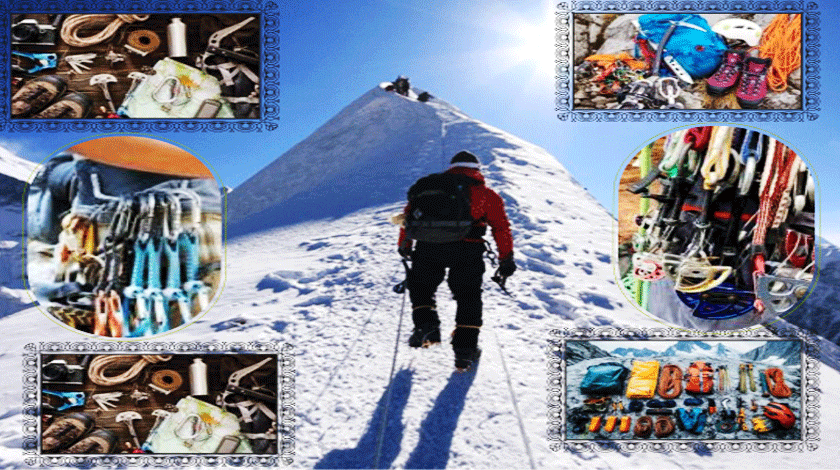
- For technical peaks like Island, Lobuche, Pokalde, and Ten Peak, climbers need proper mountaineering gear.
- Climbing harness
- Crampons (steel, adjustable to boots)
- Ice axe
- Carabiners (2–3 locking, 2–3 non-locking)
- Belay device (ATC or similar)
- Ascender/Jumar
- Helmet
- Prusik cords and slings
- Climbing rope (usually provided by the expedition operator)
For Yala Peak and Mardi Himal, which are considered “trekking peaks,” the climbing equipment is less technical, but crampons and an ice axe are still recommended in early spring and late autumn.
-
Personal Gear
- Trekking poles (collapsible, strong).
- Daypack (30–40L) with rain cover.
- Duffel bag (80–90L, carried by porter).
- Hydration bladder (2–3L).
- Water bottles (1L x 2).
- Quick-dry towel.
- Health & Hygiene
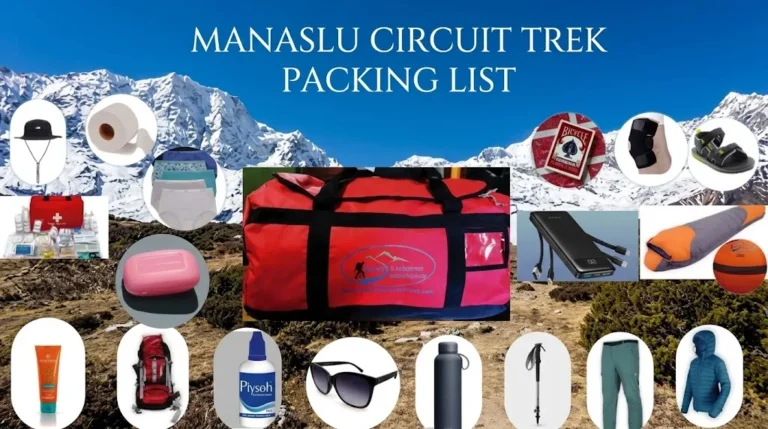
- First aid kit (personal medicines + altitude-related meds).
- Sunscreen (SPF 50+).
- Lip balm with UV protection.
- Wet wipes and hand sanitizer.
- Toothbrush, toothpaste, and small soap.
- Toilet paper (not available everywhere).
- Electronics & Extras
- Camera or GoPro.
- Power bank (20,000mAh or solar charger).
- Extra memory cards.
- GPS watch or offline trekking maps.
- Travel adapter (Nepal uses Type C/D/M plugs).
Food & Energy
Although meals are provided on treks, snacks are invaluable.
- Energy bars (10–12).
- Electrolyte sachets.
- Instant coffee or tea bags.
- Nuts and dried fruits.
- On long summit days at Island Peak or Lobuche Peak, small energy gels or chocolates can provide quick fuel.
Peak-Specific Tips
- Island Peak – Double boots, glacier gear, and ascenders are musts.
- Lobuche Peak – Colder than Island, so pack extra down layers.
- Yala Peak – Ideal for beginners, standard trekking gear plus crampons.
- Pokalde Peak – Windswept, so bring extra face protection.
- Ten Peak – Technical, ensure harness, helmet, and ropes.
- Mardi Himal – Lower altitude, but nights are cold—don’t skip the down jacket.
Packing Strategy: What to Carry vs. Porter
- Daypack (you carry): water, snacks, camera, sunscreen, light jacket.
- Duffel bag (porter carries): sleeping bag, heavy clothes, climbing equipment.
- Renting vs Buying in Kathmandu
- Many climbers prefer renting to save costs:
- Sleeping bag: $1–2/day.
- Down jacket: $1–2/day.
- Climbing boots: $3–5/day.
- Ice axe/crampons: $1–2/day each.
Final Tips
- Test gear before the trek.
- Break in your boots.
- Label your gear to avoid mix-ups in group climbs.
- Always carry a copy of insurance and permits.
Recommended Packing List for Peak Climbing in Nepal (Checklist)
- Clothing: Base layers, fleece, down jacket, shell jacket, trekking trousers, waterproof pants. Layering is key
- Footwear: Trekking boots, mountaineering boots, socks, gaiters, camp shoes, Double boots for Island/Lobuche
- Head & Hands: Warm hat, sun hat, balaclava, gloves, glacier glasses, headlamp, Extra batteries
- Sleeping Gear -20°C sleeping bag, liner, pillow (optional) Rentable in Kathmandu
- Climbing Gear Harness, crampons, ice axe, helmet, carabiners, ascender. Provided by agencies if needed
- Personal Gear: Trekking poles, duffel, daypack, hydration bladder, towel.l Porters carry duffel
- Health & Hygiene: First aid kit, sunscreen, lip balm, sanitizer, wipes, toilet paper. High SPF required
- Electronics: Camera, power bank, GPS, adapter, Solar charger, useful
- Snack: Energy bars, dried fruits, gels, electrolytes for summit push days
Ama Dablam, Everest, Manaslu, and more high-altitude Climbing Personal Gear List requires
1 Down suit (Dangri)
2 Summit boots
3 Walking/hiking shoes
4 Crampons
5 Summit gloves (mittens) and Regular gloves
7 Summit snow goggles
8 Glacier sunglasses
9 Ice axe
10 Climbing harness
11 Ascender (Jumar)
12 Carabiners (standard)
13 Screw-gate carabiner
14 Sleeping bag (-40°C)
15 Down-filled sleeping mattress
16 Summit socks
17 Regular socks
18 Climbing backpack (50 L)
19 Climbing helmet
20 Down jacket
21 Down trousers
22 8-finger/figure-eight descender
23 Headlamp (Petzl Icon or Spot)
24 Gore-Tex jacket
25 Gore-Tex trousers
26 Fleece jacket
27 Fleece trousers
28 Fleece liner gloves
29 Balaclava (windstopper)
30 Thermos bottles
31 Base layers (woolen, top & bottom) 2 sets
32 Water bottle (standard)
Conclusion
A well-prepared climber is a successful climber. The recommended packing list for peak climbing in Nepal is not just about filling your bag; it’s about choosing the right items for safety, comfort, and summit success. Whether you’re attempting Island Peak, Lobuche Peak, Yala Peak, Pokalde Peak, Ten Peak, or Mardi Himal, this checklist ensures you won’t overlook crucial essentials.
Remember, the Himalayas are unpredictable, so prepare wisely, pack efficiently, and respect the mountains. With the right gear and mindset, your Nepal peak climbing journey will be unforgettable.
Trek Grade
Grade 1
Tap outside to close
Trekking is essentially day hiking and doesn't require any special training. However, good physical condition, a love of walking, and a desire to enjoy mountain views and village life are essential.
Grade 2
Tap outside to close
These treks are suitable for walkers looking for something more challenging and energetic. Hill-walking experience is desirable, with longer days and higher elevations.
Grade 3
Tap outside to close
Since the terrain can be hard and the days long, hikers should be in good physical condition and have previous mountain walking experience. High passes and extended trekking days may be involved.
Grade 4
Tap outside to close
This is challenging and technical trekking or climbing in Nepal. Participants should be physically fit, mentally prepared, and ready for off-the-beaten-trail routes, camping, or high passes.
Trek Grade
Grade 1
Tap outside to close
Trekking is essentially day hiking and doesn't require any special training. However, good physical condition, a love of walking, and a desire to enjoy mountain views and village life are essential.
Grade 2
Tap outside to close
These treks are suitable for walkers looking for something more challenging and energetic. Hill-walking experience is desirable, with longer days and higher elevations.
Grade 3
Tap outside to close
Since the terrain can be hard and the days long, hikers should be in good physical condition and have previous mountain walking experience. High passes and extended trekking days may be involved.
Grade 4
Tap outside to close
This is challenging and technical trekking or climbing in Nepal. Participants should be physically fit, mentally prepared, and ready for off-the-beaten-trail routes, camping, or high passes.