
Uncategorized
January 13, 2026
Milarepa Cave
 By admin
Milarepa Cave, Nepal: A Sacred Himalayan Meditation Site on the Annapurna Circuit
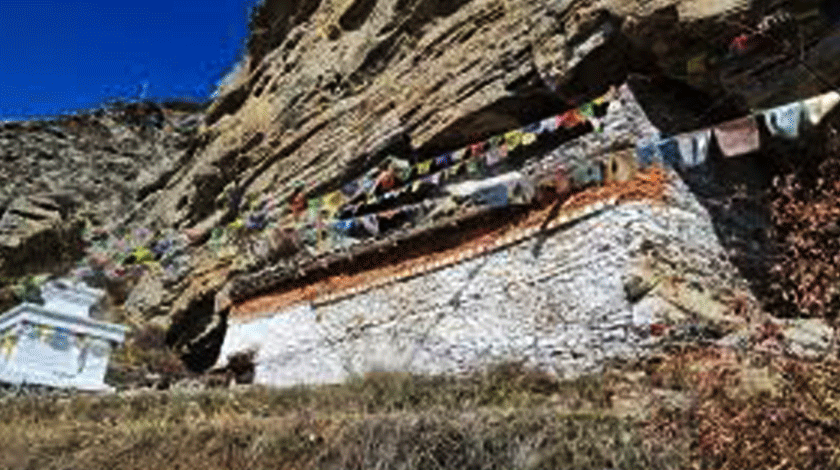
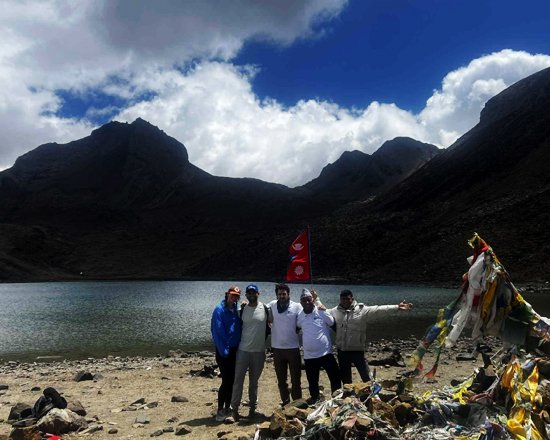
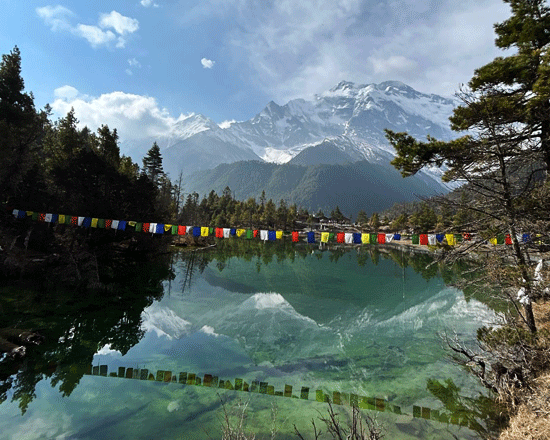
High above the peaceful village of Braga in the Manang Valley, nestled among the snow-capped peaks of the Annapurna Himalayas, lies Milarepa Cave. This is a place where history, spirituality, and nature meet. Believed to be the meditation retreat of Jetsun Milarepa (1052–1135), one of Tibet’s most revered yogis and poets, the cave offers a raw, authentic spiritual atmosphere. Unlike large monasteries or crowded temples, it is quiet and untouched. Towering mountains surround the cave. Prayer flags flutter in the wind. The sweeping beauty of northern Nepal completes the scene.
On the Annapurna Circuit, the cave is more than a picturesque resting point—it offers trekkers a chance for reflection, contemplation, and serene meditation. Tibetan Buddhist pilgrims find profound spiritual significance here, connecting deeply to the life and teachings of Milarepa. Contemporary travelers seeking tranquility and inspiration can enjoy the cave as a Himalayan retreat, pausing from the bustle of daily life to experience a realm of quiet and inner peace.
Who Was Milarepa? The Saint Behind the Cave
Milarepa’s story is one of transformation, perseverance, and spiritual awakening. Born in Tibet in the 11th century, his early life was filled with hardship. Following the death of his father, Milarepa’s family lost their land and livelihood, leaving him in the hands of relatives who treated him cruelly. Anger and resentment consumed him, and under his mother’s guidance, he learned black magic to take revenge on those who wronged him.
However, the burden of his actions eventually led to deep remorse, and Milarepa sought a path of redemption. He became a disciple of Marpa the Translator, a master who tested him with years of grueling hardship, demanding tasks, and unwavering discipline. Through this challenging period, Milarepa cultivated patience, humility, and spiritual resilience.
Eventually, he retreated into the remote Himalayas, seeking solitude and meditative practice. It was in caves like the one above Braga that he endured harsh winters, hunger, and isolation, turning suffering into profound enlightenment. His songs of wisdom, spiritual poetry, and teachings on mindfulness continue to inspire Buddhists, trekkers, and spiritual seekers worldwide. Milarepa’s life is a testament to the idea that even from a dark past, one can rise to inner freedom and lasting peace.
Historical and Cultural Context
The Manang Valley, where Milarepa Cave is located, has been a cultural crossroads for centuries, blending Tibetan Buddhist traditions with the rhythms of Himalayan life. The Kagyu lineage of Tibetan Buddhism, to which Milarepa belonged, emphasizes meditation, mindfulness, and experiential learning.
The valley itself is dotted with ancient monasteries, mani walls, and prayer wheels, reflecting centuries of devotion. The local communities of Braga and Manang have preserved Tibetan-style architecture, festivals, and spiritual practices, making this region not just a trekking destination but a living museum of Himalayan culture. Milarepa Cave is central to this cultural landscape, serving as both a historical landmark and a continuing site of spiritual reverence.
Location and How to Reach Milarepa Cave
Milarepa Cave is perched 3,500 meters (11,480 ft) above sea level, just above Braga village in Manang District, northern Nepal, within the Annapurna Conservation Area. It is easily accessible for trekkers on the Annapurna Circuit, typically visited as a side trip during acclimatization in Manang before tackling Thorong La Pass, or after the Nar Phu valley trek
From Manang village, trekkers first walk to Braga, a charming settlement with traditional stone houses and a centuries-old monastery. From Braga, a gentle uphill trail leads to the cave, winding past terraced fields, small shrines, and fluttering prayer flags. The hike is not physically demanding, making it accessible even for trekkers seeking a light excursion while resting in the valley.
The journey to Milarepa Cave offers panoramic views of the Manang Valley and surrounding peaks. Trekkers can experience the grandeur of the Himalayas even before reaching the cave itself.
Spiritual Significance of Milarepa Cave
This cave is far more than a natural hollow in the mountains. It is a symbol of devotion, meditation, and inner transformation. For centuries, pilgrims and trekkers have visited to feel the energy left by Milarepa. He spent long periods in solitary meditation, enduring cold, hunger, and isolation.
The cave represents the path of renunciation, where worldly distractions fall away, and the mind confronts itself. The silence inside, the flickering butter lamps, and the wind stirring prayer flags outside create an atmosphere that feels untouched by time. Many believe that even sitting quietly here can bring spiritual clarity and a sense of peace that is rare elsewhere.
For Himalayan Buddhists, the cave is a living classroom, teaching that enlightenment is earned through patience, perseverance, and unwavering focus, not ritual or material wealth. Visitors leave not just inspired but reflective, reminded that the greatest journeys are often within.
What You Will See at Milarepa Cave
Stepping into the cave, visitors enter a space where time seems to slow down. The stone walls, blackened by centuries of incense and butter lamps, enclose a simple statue of Milarepa in meditation, surrounded by small offerings, beads, and prayer flags that catch the Himalayan wind.
Outside, the view is equally captivating: terraced fields, traditional Tibetan houses, and the snow-covered peaks of Annapurna and Gangapurna stretch across the horizon. The rustle of prayer flags, the distant call of birds, and the soft whispers of the wind create a serene, almost sacred atmosphere. Even a brief visit leaves a lasting impression, inviting reflection, meditation, and connection to centuries of spiritual devotion.
Milarepa Cave and the Annapurna Circuit Trek
While the Annapurna Circuit is known for its diverse landscapes—lush forests, high-altitude valleys, and rugged terrain—Milarepa Cave offers a pause for the soul. After days of trekking and crossing high mountain passes, the gentle climb from Braga village gives trekkers a chance to breathe. It is a place to reflect, rest, and meditate.
At this sacred spot, the trek becomes more than a physical journey—it transforms into an inner experience. The mountains, the wind, and the legacy of Milarepa’s meditation create a profound sense of spiritual harmony. For many trekkers, visiting Milarepa Cave is a highlight of the Annapurna Circuit and Tilicho Lake trek, blending adventure with authentic Himalayan spirituality.
Best Time to Visit Milarepa Cave
- Spring (March–May): Clear skies, blooming rhododendrons, and sunlit peaks.
- Autumn (September–November): Crisp air, stable weather, and breathtaking Himalayan vistas.
Winter visits are possible but cold and snowy, while the monsoon season can make trails slippery and challenging. Most travelers combine their visit to Milarepa Cave with a trek along the Annapurna Circuit during spring or autumn to enjoy both ideal weather and spectacular scenery.
Cultural Etiquette and Responsible Visiting
Visiting Milarepa Cave is stepping into a living spiritual culture. To honor this sacred space:
- Keep voices low and avoid loud noises or music
- Remove shoes in shrine areas
- Avoid touching sacred objects unnecessarily
- Walk clockwise around shrines
- Photography is allowed, but should be respectful
- Small offerings or donations help preserve the cave and local monasteries
Following these practices allows visitors to experience the cave’s spiritual energy fully, while respecting local traditions and communities.
Milarepa Cave vs Other Meditation Caves in Nepal
Nepal is dotted with sacred caves, such as Pharping’s Asura Cave or Halesi Maratika, each with its own spiritual significance. Milarepa Cave stands out because:
- It is part of the Annapurna Circuit, making it accessible to trekkers.
- Its simplicity enhances spiritual reflection, without elaborate decoration or crowds.
- It provides a blend of trekking, natural beauty, and spiritual history, making it a unique Himalayan experience.
For those seeking both adventure and introspection, Milarepa Cave offers an experience that few other caves in Nepal can match.
Role in Himalayan Buddhism
Milarepa Cave exemplifies Himalayan Buddhist teachings: discipline, renunciation, and direct experience. Practitioners withdraw from worldly distractions, confronting their minds in raw solitude. The cave demonstrates that spiritual realization requires commitment, patience, and sincerity, not material wealth.
It also highlights the harmony between nature and spirituality. Surrounded by Annapurna peaks and the Manang Valley, the cave teaches that enlightenment is found not only within but also in connection with the mountains, wind, and natural rhythms. For centuries, it has served as a living reminder of the Himalayan path to wisdom and inner peace.
Why Milarepa Cave Matters Today
In today’s fast-paced world, Milarepa Cave offers something increasingly rare: stillness, reflection, and inner peace. Visitors can step away from distractions, connect with nature, and experience a sense of calm reminiscent of Milarepa’s meditation centuries ago. The cave reminds us that spiritual growth and clarity are accessible to anyone willing to pause and reflect, making it timelessly relevant.
Best Time to Visit
-
Spring (March–May): Clear skies, blooming rhododendrons, and sunlit peaks.
-
Autumn (September–November): Crisp air, stable weather, and spectacular Himalayan vistas.
Winter visits are possible but cold, while monsoon trails may be slippery. Most travelers combine a visit to Milarepa Cave with spring or autumn trekking to enjoy ideal weather and scenery.
Cultural Etiquette and Responsible Visiting
Visiting Milarepa Cave is stepping into a living spiritual culture. To honor the site:
-
Keep voices low; avoid loud noises or music
-
Remove shoes in shrine areas
-
Avoid touching sacred objects unnecessarily
-
Walk clockwise around shrines
-
Respectful photography is allowed
-
Small offerings or donations help preserve the cave and local monasteries
Following these practices allows visitors to experience the cave’s spiritual energy fully while respecting local traditions.
Nearby Attractions
-
Braga Monastery: One of the oldest in the valley, with chanting monks and prayer wheels
-
Braga Village: Traditional Tibetan-style houses and lanes
-
Gangapurna Lake: Alpine lake surrounded by snow-capped peaks
-
Ice Lake (Tilicho side trail): Glacial lake with stunning views
-
Panoramic viewpoints: Annapurna and Gangapurna peaks
Together, these sites complement a visit to Milarepa Cave, creating a complete Himalayan journey of trekking, culture, and spiritual reflection.
Conclusion
Milarepa Cave is not just a stop on the trail—it is a sacred sanctuary. The story of Milarepa’s personal transformation and the quiet meditation space he left behind invite visitors to pause and connect with nature. Whether you are a trekker, pilgrim, or traveler seeking peace, Milarepa Cave leaves a lasting impression that stays with you long after the mountains fade from view.
Trek Grade
Grade 1
Tap outside to close
Trekking is essentially day hiking and doesn't require any special training. However, good physical condition, a love of walking, and a desire to enjoy mountain views and village life are essential.
Grade 2
Tap outside to close
These treks are suitable for walkers looking for something more challenging and energetic. Hill-walking experience is desirable, with longer days and higher elevations.
Grade 3
Tap outside to close
Since the terrain can be hard and the days long, hikers should be in good physical condition and have previous mountain walking experience. High passes and extended trekking days may be involved.
Trek Grade
Grade 1
Tap outside to close
Trekking is essentially day hiking and doesn't require any special training. However, good physical condition, a love of walking, and a desire to enjoy mountain views and village life are essential.
Grade 2
Tap outside to close
These treks are suitable for walkers looking for something more challenging and energetic. Hill-walking experience is desirable, with longer days and higher elevations.
Grade 3
Tap outside to close
Since the terrain can be hard and the days long, hikers should be in good physical condition and have previous mountain walking experience. High passes and extended trekking days may be involved.