
Uncategorized
September 5, 2025
Nepal Opens 97 Peaks for Free Climbing
 By admin
Nepal Opens 97 Peaks for Free Climbing – Nepal Waiver Program for Climbing Peaks
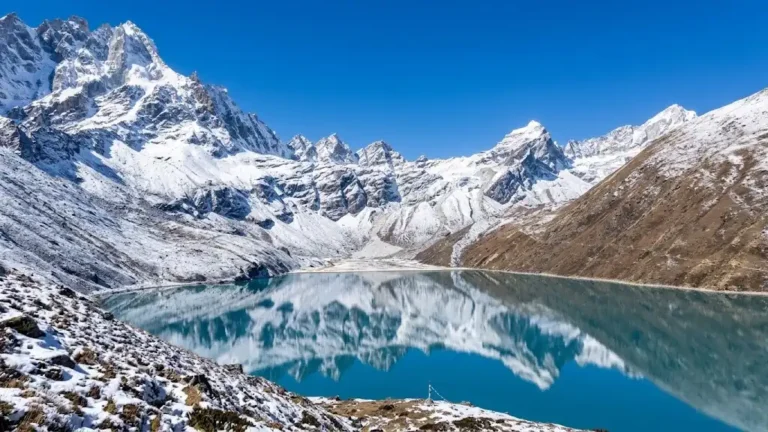
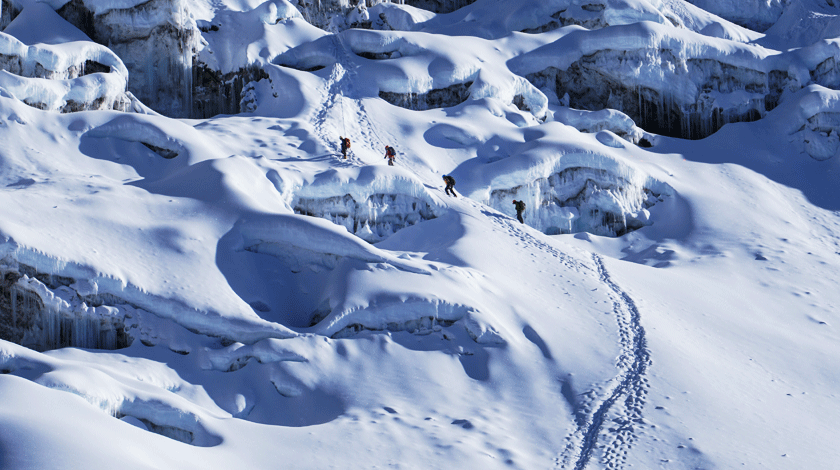
Nepal, the land of towering peaks and breathtaking Himalayan vistas, has always been the ultimate destination for mountaineers and adventure seekers. In a historic move to encourage exploration of its hidden treasures, the Government of Nepal has launched the Nepal Peaks Waiver Program, which will open 97 peaks for free climbing. This initiative not only offers climbers new opportunities for adventure at no cost but also aims to promote sustainable tourism, support local communities, and reduce congestion on popular mountains, such as Everest and Annapurna. The program is set to run for two years, from July 17, 2025, to July 17, 2027, and stimulate economic growth in the remote Karnali and Sudurpashchim provinces.
What is the Nepal Free Climbing Peaks Waiver Program?
The Nepal Peaks Waiver Program allows climbers to attempt 97 lesser-known Himalayan peaks without paying climbing permit fees. By waiving the fees, the government encourages trekkers and mountaineers to explore less-traveled areas while maintaining sustainable tourism practices.
These peaks range from 5,870 meters to 7,132 meters, offering a diverse array of climbing experiences. Many of these peaks are technically challenging yet remain unclimbed or sparsely climbed, offering a fresh experience for both novice and experienced climbers. Notable peaks include Api Himal (7,132 m), Saipal (7,031 m), and Nilgiri West (7,061 m). These mountains are located in 77 Karnali Province and 20 in Sudurpashchim Province.
Why Nepal is Offering 97 peaks for Free Climbing?
The primary goals of the waiver program are:
- Reducing Congestion on Famous Mountains
Everest, Annapurna, and other popular peaks attract thousands of climbers each year, resulting in traffic jams, safety concerns, and environmental strain. By promoting lesser-known peaks, the program ensures a safer, more enjoyable climbing experience. - Boosting Local Economies
Remote regions, such as Karnali and Sudurpaschim provinces, often rely on subsistence farming and have limited exposure to tourism. Free climbing permits will attract adventurers, generating income for local lodges, guides, porters, and communities. - Promoting Sustainable Tourism
Nepal’s natural and cultural heritage is unique. Diversifying trekking and climbing destinations helps in distributing tourist traffic more evenly across the country, promoting sustainable tourism practices -
Enhancing Nepal’s Global Mountaineering Profile: By showcasing its diverse peaks, Nepal aims to strengthen its position as a premier destination for mountaineering.
Economic Implications in the free climbing peaks region
Impact on Climbing Costs
Climbing permits for popular peaks like Everest, Manaslu, Dhaulagiri, and Annapurna can cost over $1000. There are Peaks with lesser cost, such as Isand Peak, Mera, Pachermo, and Lobuche Peak. The Peaks that don’t require a permit and are below 600, but are technically difficult, are Yala Peak, Mardi Himal, and Pokalde Peak. The waiver program for free climbing peaks significantly reduces the financial barrier for climbers, making high-altitude expeditions more accessible.
Economic Benefits to Local Communities
The inflow of climbers into remote regions can stimulate local economies by creating jobs in hospitality, guiding, and portering services. Additionally, increased demand for local products and services can lead to infrastructure development and improved living standards.
Potential Challenges
While the program offers economic opportunities, the lack of infrastructure in remote areas poses challenges. Limited road access, basic accommodation, and few medical facilities require careful planning and investment to ensure the safety and comfort of climbers.
The Benefits for Climbers attempting the free Climbing Peaks in Nepal
The waiver program opens exciting possibilities for climbers:
- Discover Untouched Peaks
Climbers can explore virgin or rarely climbed mountains, offering the thrill of true exploration. - Variety of Challenges
The 97 peaks for free climbing vary in difficulty, from moderately challenging climbs suitable for newcomers to technical peaks that require advanced mountaineering skills. - Cultural Immersion
Many remote regions are home to indigenous communities. Climbing these peaks allows for meaningful cultural experiences, including traditional hospitality, local festivals, and unique culinary delights. - Affordable Mountaineering
By eliminating permit fees, climbers can invest more in expedition logistics, gear, and local support while experiencing the Himalayas in a new, budget-friendly way.
Important Considerations Before Attempting Free Climbing Peaks
While the waiver program is promising, climbers must be mindful of the challenges:
- Remote Location and Infrastructure
Many of these peaks are in remote areas with limited road access, basic accommodation, and few medical facilities. Planning is crucial. - Weather and Seasonal Constraints
Climbing in the Himalayas is weather-dependent. Rainy and winter seasons can make remote peaks inaccessible or dangerous. - Safety and Technical Skills
Some of the 97 peaks are highly technical. Climbers should ensure they have the necessary experience, equipment, and support from certified guides and porters. - Environmental Responsibility
Increased trekking activity can lead to environmental degradation. Climbers should follow Leave No Trace principles, avoid littering, and respect local customs and sacred sites.
Environmental Considerations for Free Climbing Peaks in Nepal
Managing Increased Foot Traffic
The introduction of climbers to pristine areas necessitates strict environmental regulations to prevent degradation. Implementing Leave No Trace principles and promoting eco-friendly practices are essential to preserving the natural beauty of these regions.
Balancing Development and Conservation
While economic development is a goal, it is crucial to balance it equally with environmental conservation. Sustainable infrastructure development and responsible tourism practices are key to maintaining the ecological integrity of the regions.
Cultural and Social Impacts
Cultural Exchange
Climbers visiting remote regions have the opportunity to engage with indigenous communities, fostering cultural exchange and mutual understanding. This interaction can lead to the preservation and promotion of local traditions and customs.
Social Challenges
The influx of tourists can lead to social changes in local communities. It is crucial to ensure that the benefits of tourism are equitably distributed and that local cultures are respected and preserved.
Safety and Logistical Considerations for Free Climbing Peaks in Nepal
Technical Challenges
Many of the 97 peaks for Free Climbing are technically challenging, requiring advanced mountaineering skills. Climbers should ensure they have the necessary experience and equipment to undertake such expeditions.
Safety Measures
Hiring certified local guides and porters is essential for ensuring safety. Additionally, climbers should be aware of the risks associated with high-altitude climbing and take appropriate precautions for free climbing Peaks in Nepal.
Logistical Support
Organizing expeditions to remote peaks requires careful planning. Arranging transportation, accommodation, and necessary permits, as well as ensuring an adequate supply of food and equipment, are crucial for the success of the expedition. A ground-level logistical management team with strong capabilities is required for the free climbing peaks, as they are in an untouched valley with limited facilities for peak climbing and trekking.
Future Prospects: 97 Peaks for Free Climbing in Nepal
Long-Term Sustainability
The success of the waiver program depends on the development of sustainable tourism practices. Continued investment in infrastructure, environmental conservation, and community engagement is necessary to ensure the long-term viability of the program.
Expanding the Program
If successful, the program could be expanded to include additional peaks in other regions of Nepal, further promoting the country’s diverse mountaineering opportunities.
How Nepal Wilderness Trekking Can Help?
At Nepal Wilderness Trekking, we specialize in customized climbing and trekking experiences across Nepal. Our experienced guides and local partners can help you:
- Plan your expedition to lesser-known peaks.
- Arrange transportation, accommodation, and permits.
- Ensure safety through certified guides, climbing Sherpas, and well-organized logistics.
- Support local communities by hiring local staff and using eco-friendly practices.
Whether you are aiming to explore Api Peak, Saipal, or another of the 97 newly accessible mountains, we can craft an itinerary that balances adventure, safety, and cultural immersion.
Recommended Peaks for Free Climbing in Nepal
Here are a few peaks included in the waiver program that stand out for climbers:
- Api Peak (7,132 m) – A challenging climb with stunning panoramic views of the western Himalayas.
- Saipal (7,031 m) – Known as the “Hidden Treasure of the Himalayas,” offering a remote and pristine trekking experience.
- Nilgiri West (7,061 m) – Less crowded but highly rewarding for skilled climbers seeking technical challenges.
- Pisang Peak (6,091 m) – A moderate peak suitable for climbers preparing for higher Himalayan expeditions.
- Chomo Lonzo (7,790 m, base access free) – An ideal peak for experienced mountaineers seeking off-the-beaten-path adventure.
How to Prepare for Your Climb: 97 Peaks for Free Climbing
To make the most of the Nepal Peaks Waiver Program, preparation is essential:
- Physical Fitness – High-altitude climbing requires strong cardiovascular endurance and strength.
- Training and Acclimatization – Gradual acclimatization helps prevent altitude sickness.
- Equipment and Gear – Bring mountaineering essentials, including ropes, crampons, ice axes, tents, and high-altitude clothing.
- Experienced Guidance – Hire certified local guides for navigation, safety, and cultural insights.
- Sustainable Practices – Respect the environment, wildlife, and local communities.
A New Era for Himalayan Exploration for 97 peaks for free climbing
The launch of the Nepal 97 Peaks for free climbing Waiver Program marks a transformative moment for mountaineering in Nepal. It allows climbers to experience the Himalayas in a new light, away from crowded trails, in pristine natural environments, and in deep connection with local cultures.
This program is not just about climbing mountains; it’s about discovering hidden gems, supporting remote communities, and promoting responsible tourism. For adventure seekers, it’s an invitation to write their own Himalayan stories and leave footprints in uncharted territories.
Why Choose Nepal Wilderness Trekking for Free Climbing Peaks in Nepal?
With decades of experience in guiding and organizing Himalayan expeditions, Himal Ghale and the Nepal Wilderness Trekking team offer personalized services that make your climbing adventure safe, enriching, and unforgettable. We focus on:
- Expert route planning and risk management
- Seamless logistics, including transportation and accommodation
- Hiring local guides and porters to boost community economies
- Providing authentic cultural experiences along your trek or climb
By choosing Nepal Wilderness Trekking, you gain access to hidden Himalayan treasures while contributing to sustainable tourism in Nepal.
Final Thoughts: 97 Peaks for Free Climbing in Nepal
Nepal’s decision to open 97 peaks for free climbing is more than a policy. It’s a call to adventurers worldwide to explore the untouched beauty of the Himalayas. With proper preparation, guidance, and respect for local communities, climbers can enjoy unique experiences, support Nepalese culture and economy, and create memories that last a lifetime.
Your Himalayan adventure awaits. Whether it’s conquering a technical peak, exploring remote valleys, or immersing yourself in the rich culture of western Nepal, the Nepal Peaks Waiver Program is your gateway to the ultimate adventure.
The Nepal Peaks Waiver Program represents a significant step towards diversifying Nepal’s mountaineering offerings and promoting sustainable tourism. By encouraging climbers to explore lesser-known peaks, the program aims to alleviate congestion on popular mountains, boost local economies, and preserve the country’s rich cultural and natural heritage. With careful planning and responsible practices, the program has the potential to enhance Nepal’s position as a premier destination for adventure tourism.
Trekking is essentially day hiking and doesn't require any special training. However, good physical condition, a love of walking, and a desire to enjoy mountain views and village life are essential. These treks are suitable for walkers looking for something more challenging and energetic. Hill-walking experience is desirable, with longer days and higher elevations. Since the terrain can be hard and the days long, hikers should be in good physical condition and have previous mountain walking experience. High passes and extended trekking days may be involved. Trekking is essentially day hiking and doesn't require any special training. However, good physical condition, a love of walking, and a desire to enjoy mountain views and village life are essential. These treks are suitable for walkers looking for something more challenging and energetic. Hill-walking experience is desirable, with longer days and higher elevations. Since the terrain can be hard and the days long, hikers should be in good physical condition and have previous mountain walking experience. High passes and extended trekking days may be involved.
 Api Himal Base Camp Trek
Trek Grade
Grade 1
Tap outside to close
Grade 2
Tap outside to close
Grade 3
Tap outside to close
Api Himal Base Camp Trek
Trek Grade
Grade 1
Tap outside to close
Grade 2
Tap outside to close
Grade 3
Tap outside to close
 Badimalika Trek
Trek Grade
Grade 1
Tap outside to close
Grade 2
Tap outside to close
Grade 3
Tap outside to close
Badimalika Trek
Trek Grade
Grade 1
Tap outside to close
Grade 2
Tap outside to close
Grade 3
Tap outside to close
Where are the 97 Peaks for Free Climbing located in Nepal?
-
Karnali Province – Lies in the far-western part of Nepal and includes 77 peaks in remote and less-explored areas. Known for its rugged terrain, pristine valleys, and high mountains, such as Api (7,132 m) and Saipal (7,031 m).
-
Sudurpashchim Province – Located in the far-west of Nepal, this province has 20 peaks included in the waiver program. It is home to less-traveled Himalayan regions with peaks like Mount Nilgiri West (7,061 m).
Conclusion
Which treks in Nepal are best for acclimatization before climbing Peaks?
-
Everest Base Camp Trek → Best acclimatization for Island Peak, Lobuche Peak, Pokalde Peak, and Ama Dablam.
-
Mera Peak Trek (via Hinku Valley) → Natural acclimatization for Mera Peak, and also useful for those continuing toward Amphu Laptsa and Island Peak.
-
Langtang Valley Trek → Excellent acclimatization for Yala Peak and Naya Kanga Peak.
-
Manaslu Circuit Trek → Good preparation for Larke Peak and nearby unclimbed trekking peaks.
-
Annapurna Base Camp or Annapurna Circuit → Provides acclimatization for Tent Peak (Tharpu Chuli), Pisang Peak, and Chulu East/West.
-
Upper Mustang Trek (Lo Manthang region) → Useful for acclimatization before climbing Saribung Peak.
-
Rolwaling Trek → Acclimatization route for Ramding Peak, Pharchamo Peak, and Bigu Peak.
-
Kanchenjunga Trek → Acclimatization for Jongsong Peak and other eastern climbing peaks.
These treks are usually completed first to acclimate gradually to altitude before attempting the summit climb. Moreover, these treks can be chosen as the acclimatisation for the 97 Peaks for free Climbing in Nepal. Some of the short treks in Nepal that can be chosen as acclimatization are