
April 20, 2026
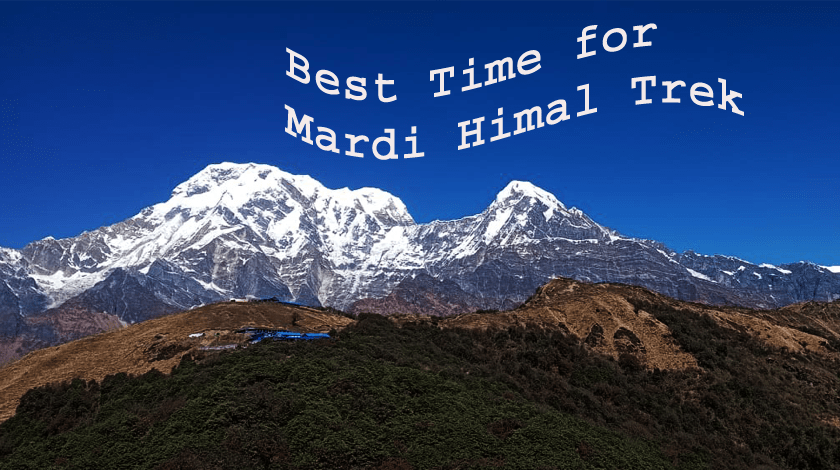
Best Time for Mardi Himal Trek
 By admin
Best Time for Mardi Himal Trek – Complete Guide with Viewpoints, Places & Mardi Himal Peak
The Mardi Himal Trek is one of Nepal’s most rewarding short treks, offering a perfect mix of quiet trails, dramatic ridgelines, and breathtaking Himalayan scenery. Unlike the busier routes in the Annapurna region, this trek remains peaceful and close to nature, making it ideal for trekkers who want both beauty and solitude. The journey gradually leads you from lush forests to alpine landscapes, ending beneath the stunning Mardi Himal.
Understanding the best time for the Mardi Himal Trek is essential if you want clear mountain views, safe conditions, and an enjoyable overall experience. Below is a detailed, human-friendly guide covering seasons, weather, viewpoints, route details, and key places along the trail.
Best Time for Mardi Himal Trek
The most suitable seasons for the Mardi Himal Trek are spring (March to May) and autumn (September to November). These months provide the best combination of weather, visibility, and trail conditions.
Spring Season (March to May)
Spring is a truly magical time to trek in the Mardi Himal region. As winter fades, the hills begin to turn green, and the forests burst into color with rhododendrons in bloom—Nepal’s national flower.
Temperatures are comfortable, especially in lower elevations, making walking enjoyable without extreme heat or cold. As you climb higher, the air becomes cooler but still manageable for most trekkers.
One of the highlights of trekking in spring is the vibrant scenery between Forest Camp and Low Camp. The trail winds through dense forests filled with red, pink, and white rhododendron flowers, creating a peaceful and colorful atmosphere.
Mountain views are generally clear, especially in the mornings. Peaks like Machhapuchhre (Fishtail) appear sharp and close, giving you a sense of walking right into the Himalayas.
Spring is ideal if you enjoy:
- Nature and blooming landscapes
- Mild temperatures
- Balanced trekking conditions
Autumn Season (September to November)
Autumn is widely considered the best time for the Mardi Himal Trek. After the monsoon rains, the air becomes fresh and clean, leaving behind crystal-clear skies and excellent visibility.
This is the season when the mountains look their absolute best. From High Camp and Mardi Himal Viewpoint, you can enjoy uninterrupted panoramic views of the Annapurna range.
The weather is stable, with very little rain and comfortable daytime temperatures. Nights are cooler, especially at higher elevations, but still manageable with proper gear.
Autumn also brings a lively cultural atmosphere. Villages along the route are active, and you may experience local festivals, adding a cultural touch to your trek.
This season is perfect for:
- Clear mountain views
- Photography
- First-time trekkers
Winter Season (December to February)
Winter trekking on the Mardi Himal route offers a completely different experience. The landscape transforms into a quiet, snow-covered paradise.
The skies are often clear, providing beautiful mountain views, but temperatures can drop significantly—especially at High Camp and Mardi Himal Base Camp.
Snow can make the trail more challenging, particularly on the ridge sections. However, if you are prepared for cold conditions, winter rewards you with peaceful trails and fewer trekkers.
Winter is suitable for:
- Experienced trekkers
- Those seeking solitude
- Snow landscape lovers
Monsoon Season (June to August)
Monsoon is generally the least recommended time for the Mardi Himal Trek. Frequent rain makes trails muddy and slippery, especially in forest areas.
Cloud cover often hides mountain views, which can be disappointing if your main goal is to see the Himalayas. There are also leeches in the lower forest sections during this time.
However, the landscape becomes incredibly lush and green, and the trails are very quiet.
Monsoon may suit:
- Trekkers seeking solitude
- Nature lovers who enjoy greenery
Mardi Himal Trek Route and Places
The journey usually begins from Pokhara, a beautiful lakeside city and the gateway to the Annapurna region. From here, you drive to the starting point and begin trekking through traditional villages and forests.
Key Places Along the Trek
Kande / Dhampus
These are common starting points. Dhampus is a traditional Gurung village offering early views of the Annapurna range.
Australian Camp
A popular stop with wide panoramic views. It’s a great place to enjoy your first Himalayan sunset.
Forest Camp (Kokar)
A शांत (peaceful) area surrounded by dense forest. The trail here is quiet and shaded.
Low Camp
This is where the landscape begins to open up. You’ll get your first close views of Machhapuchhre.
High Camp
One of the most scenic stops on the trek. The area is above the tree line, with open ridges and dramatic mountain views.
Mardi Himal Base Camp
The final destination, located beneath Mardi Himal Peak, offers a close and powerful view of the surrounding mountains.
Best Viewpoints on Mardi Himal Trek
The Mardi Himal Trek is famous for its ridge-line walking and incredible viewpoints. Each viewpoint offers a different perspective of the Himalayas.
Australian Camp
This is one of the first major viewpoints. It offers wide views of Annapurna South, Hiunchuli, and Machhapuchhre. Sunrise and sunset here are especially beautiful.
Low Camp
At Low Camp, the forest begins to thin out, and the mountains start to feel closer. It’s a calm and scenic place to rest and enjoy the surroundings.
High Camp
High Camp is one of the best viewpoints on the entire trek. From here, you can see a stunning range of peaks, especially Machhapuchhre standing tall right in front of you.
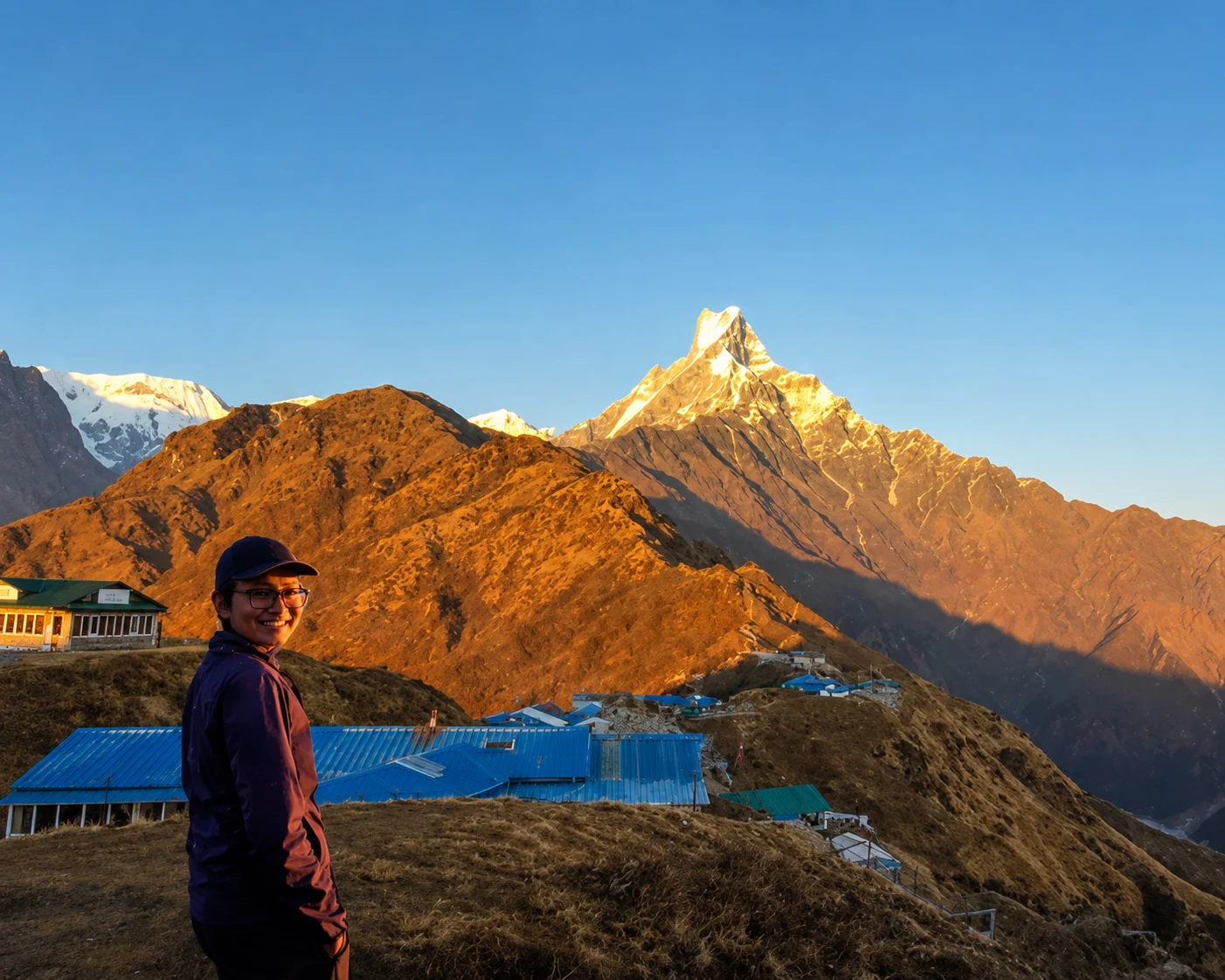
The sunrise view from High Camp is unforgettable, with golden light hitting the snowy peaks.
Mardi Himal Viewpoint
This viewpoint lies just before the base camp and offers one of the closest and clearest views of Mardi Himal Peak.
It is often less crowded than base camp and is considered one of the best photography spots.
Mardi Himal Base Camp
Reaching base camp is the highlight of the trek. From here, you stand directly beneath Mardi Himal, surrounded by towering Himalayan peaks.
The sense of closeness to the mountains is truly special.
About Mardi Himal Peak
Mardi Himal rises to an elevation of 5,587 meters and is located in the Annapurna region of Nepal. Though not as famous as other peaks, it offers a stunning presence throughout the trek.
Nearby mountains include:
- Machhapuchhre (Fishtail)
- Annapurna South
- Hiunchuli
The peak itself is less frequently climbed, but it plays a central role in the trekking experience, always visible and guiding your path.
Why Choosing the Right Season Matters
Timing your trek well can make a huge difference in your experience.
Visibility
Clear skies in spring and autumn ensure you see the mountains at their best.
Trail Conditions
Dry trails are easier and safer, especially on steep sections.
Comfort
Moderate temperatures allow you to enjoy long trekking days without exhaustion.
Safety
Good weather reduces risks such as landslides, snow hazards, and poor visibility.
Month-by-Month Overview
March to May (Spring)
Warm, colorful, and vibrant. Ideal for nature lovers.
September to November (Autumn)
Clear, stable, and perfect for mountain views.
December to February (Winter)
Cold but शांत and beautiful with snow.
June to August (Monsoon)
Wet and cloudy, but green and peaceful.
Final Thoughts
The best time for the Mardi Himal Trek ultimately depends on what kind of experience you are looking for. If you want the best views and stable weather, autumn is the top choice. If you prefer blooming forests and fewer crowds, spring is equally rewarding.
From the peaceful forests near Pokhara to the dramatic ridges of High Camp and the breathtaking views at Mardi Himal Base Camp, this trek offers a complete Himalayan experience in a relatively short time.
Whether you are new to trekking or already experienced, Mardi Himal is a journey that leaves a lasting impression—especially when you choose the right season.
Trekking is essentially day hiking and doesn't require any special training. However, good physical condition, a love of walking, and a desire to enjoy mountain views and village life are essential.
These treks are suitable for walkers looking for something more challenging and energetic. Hill-walking experience is desirable, with longer days and higher elevations.
Since the terrain can be hard and the days long, hikers should be in good physical condition and have previous mountain walking experience. High passes and extended trekking days may be involved.
Trekking is essentially day hiking and doesn't require any special training. However, good physical condition, a love of walking, and a desire to enjoy mountain views and village life are essential.
These treks are suitable for walkers looking for something more challenging and energetic. Hill-walking experience is desirable, with longer days and higher elevations.
Since the terrain can be hard and the days long, hikers should be in good physical condition and have previous mountain walking experience. High passes and extended trekking days may be involved.